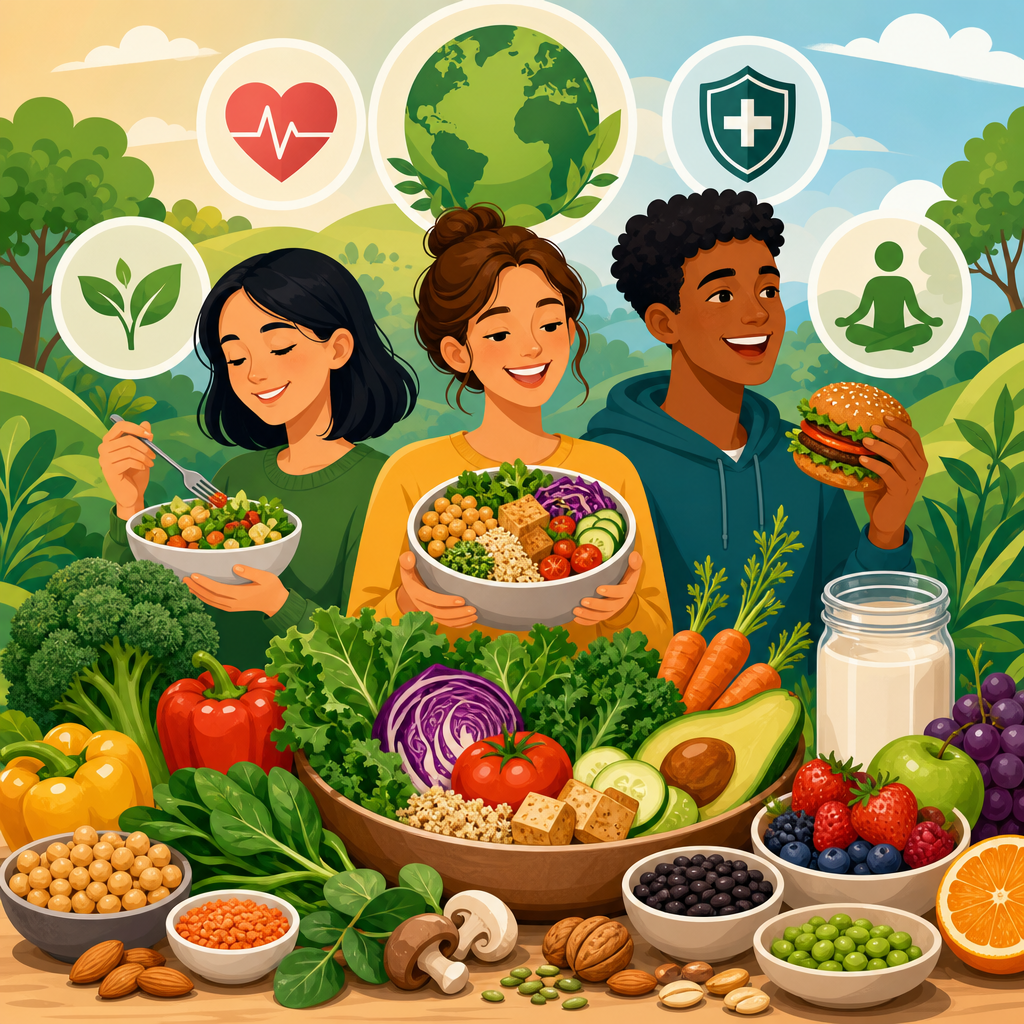
Plant-based diets describe eating patterns centered on legumes, whole grains, vegetables, fruits, nuts, seeds, and plant oils, while reducing or excluding animal foods to varying degrees. In practice, the term covers several distinct approaches. A vegan diet excludes meat, fish, dairy, eggs, and other animal-derived ingredients. A vegetarian diet usually excludes meat and fish but may include dairy, eggs, or both. A flexitarian diet is mostly plant-forward yet allows occasional animal foods, often for convenience, preference, or cultural reasons. I have worked with clients and editorial teams on all three models, and the first lesson is always the same: the label matters less than the food pattern underneath it.
Science evaluates plant-based diets by looking at measurable outcomes such as nutrient intake, body weight, blood pressure, LDL cholesterol, blood sugar control, inflammation markers, gut microbiome changes, and disease risk over time. The strongest evidence comes from large cohort studies, randomized dietary interventions, and position statements from groups such as the Academy of Nutrition and Dietetics, the American Heart Association, and the World Health Organization. Across those sources, one conclusion is consistent: well-planned plant-based diets can support health at every life stage, and they are associated with lower risk of several chronic diseases. The important qualifier is well-planned. French fries and soda are technically plant-based, but they do not deliver the benefits seen in high-quality dietary patterns.
This topic matters because diet is one of the few daily decisions that affects personal health, healthcare costs, and environmental impact at the same time. Cardiovascular disease remains the leading global cause of death, type 2 diabetes continues to rise, and many adults fall short on fiber while overconsuming sodium, saturated fat, and ultra-processed foods. Plant-forward eating patterns directly address those problems. They tend to increase fiber, potassium, folate, magnesium, and unsaturated fats while lowering saturated fat and, often, total calorie density. For readers exploring vegan, vegetarian, or flexitarian eating, the real question is not whether plants are healthy. It is which version offers the best fit, how benefits appear in the evidence, and what nutritional details deserve attention.
What the evidence says about overall health benefits
When researchers compare plant-based eaters with omnivores, they generally find advantages in cardiometabolic health, especially when the plant-based diet emphasizes whole foods. Prospective studies have linked vegetarian and vegan dietary patterns with lower body mass index, lower LDL cholesterol, and lower rates of ischemic heart disease. A widely cited analysis from the EPIC-Oxford cohort found lower ischemic heart disease risk among vegetarians than meat eaters, although stroke findings were more nuanced and highlight why diet quality and nutrient adequacy matter. In clinical settings, diets rich in beans, oats, soy foods, nuts, vegetables, and fruit consistently improve cholesterol and blood pressure compared with typical Western patterns.
One reason these diets work is displacement. When people replace processed meats, high-fat dairy, and refined snacks with lentils, tofu, chickpeas, intact grains, berries, and leafy greens, they lower saturated fat intake and increase soluble fiber, plant sterols, and antioxidant compounds. Soluble fiber from oats, barley, beans, and psyllium can reduce LDL cholesterol by binding bile acids. Replacing animal fats with unsaturated fats from nuts, seeds, avocado, and olive oil improves lipid profiles. Higher fiber also slows digestion, improves satiety, and supports better glycemic control, which helps with weight management and type 2 diabetes prevention.
Not every study shows a dramatic effect, and results vary by baseline diet, adherence, and food quality. A vegan pattern based on refined grains and meat substitutes may outperform a fast-food diet, yet still fall short of a Mediterranean-style vegetarian or flexitarian approach built around minimally processed foods. In my experience reviewing meal patterns, the biggest determinant of benefit is not strictness but consistency in the basics: vegetables at most meals, legumes several times a week, whole grains instead of refined grains, and nuts or seeds used regularly in place of snack foods.
Vegan, vegetarian, and flexitarian diets compared
The three major plant-based models differ in intensity, flexibility, and nutritional planning needs. Vegan diets usually produce the lowest saturated fat intake and the highest fiber intake when based on whole foods, which can make them powerful for lowering LDL cholesterol and reducing calorie density. Vegetarian diets often offer a middle ground, preserving yogurt, milk, or eggs for convenience and culinary variety while still reducing red and processed meat exposure. Flexitarian diets tend to be easiest for long-term adherence because they fit social eating, travel, and family meals without demanding full exclusion.
From a practical standpoint, flexitarian eating often works best for beginners. Someone who shifts breakfasts to oatmeal with berries and chia, lunches to bean soups or grain bowls, and several dinners each week to tofu stir-fries or lentil pasta can meaningfully improve diet quality without adopting a new identity. Vegetarian eating may suit households that still want dairy or eggs for protein and calcium. Vegan eating can be highly effective but requires the most attention to vitamin B12, protein distribution, iodine, calcium, omega-3 fats, iron, zinc, and food variety.
| Diet pattern | Foods included | Potential advantages | Main watchouts |
|---|---|---|---|
| Vegan | All plant foods; no meat, fish, dairy, eggs | Highest fiber intake, often lowest saturated fat, strong ethical and environmental alignment | B12 supplementation is essential; monitor calcium, iodine, iron, zinc, omega-3s, and protein quality |
| Vegetarian | Plant foods plus dairy, eggs, or both; no meat or fish | Easier nutrient coverage, flexible cooking, reduced meat intake with familiar foods | Can drift toward refined carbs or high-saturated-fat cheese-heavy meals |
| Flexitarian | Mostly plant foods with occasional animal products | High adherence, social flexibility, easier family adoption, lower barrier to entry | Benefits depend on how often animal foods displace legumes, whole grains, and vegetables |
Science does not show that the strictest pattern is automatically the healthiest for every person. It shows that more whole plant foods and fewer processed animal foods improve health markers in most populations. For many readers, that means a flexitarian or vegetarian pattern may deliver the best blend of measurable health benefit and real-world sustainability.
Cardiovascular disease, diabetes, and weight management
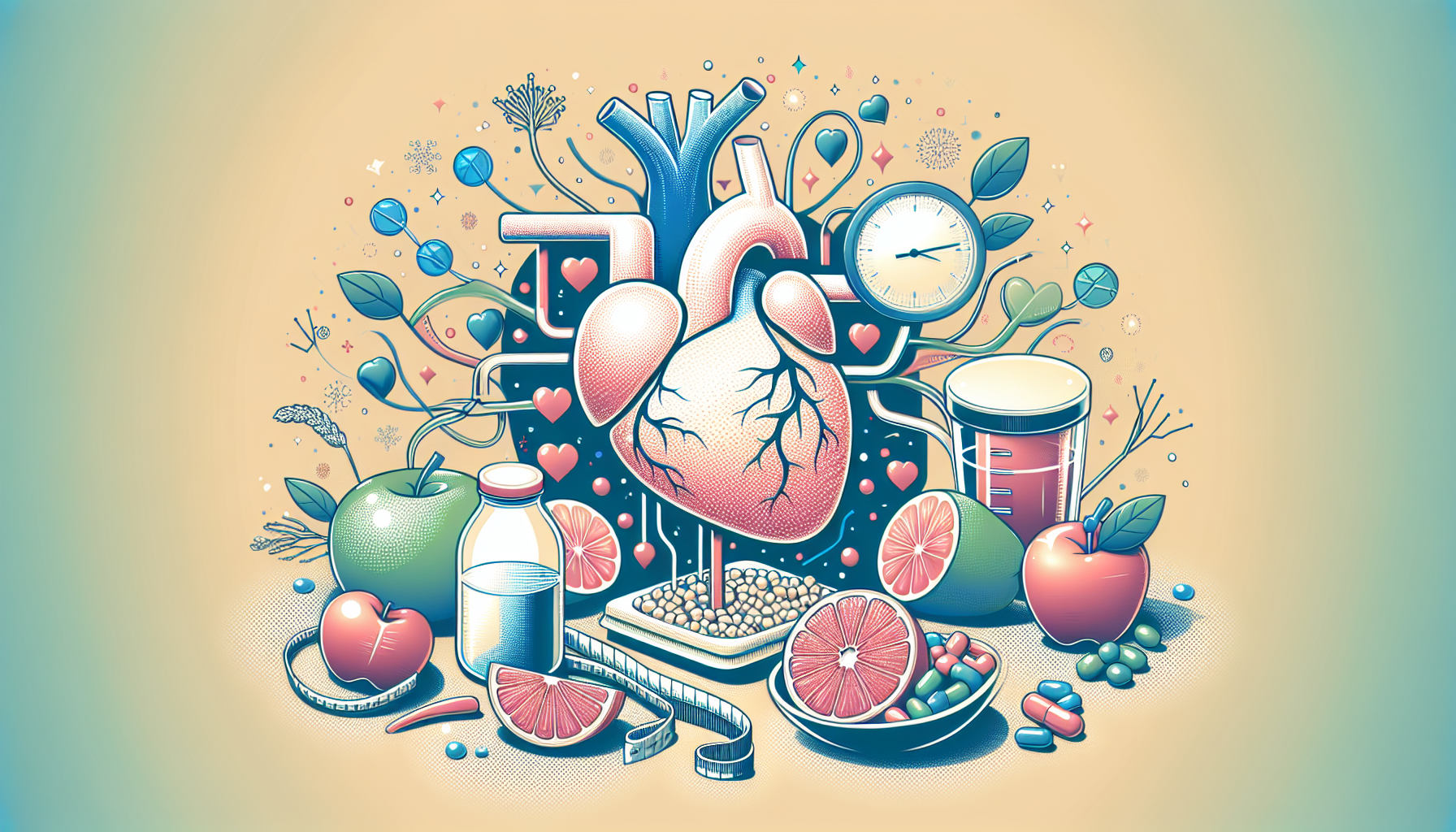
The best-supported benefit of plant-based diets is cardiovascular health. High-quality vegetarian and vegan diets are associated with lower LDL cholesterol, lower blood pressure, and lower rates of coronary heart disease. This is not mysterious. Beans, soy, oats, nuts, and vegetables help reduce atherogenic lipoproteins, while lower intake of processed meat reduces exposure to sodium, heme iron excess, nitrates, and saturated fat. Clinical programs using low-fat vegan diets have also shown improvement in angina symptoms and, in some cases, regression of coronary artery plaque when combined with smoking cessation, exercise, and stress management.
For type 2 diabetes, plant-forward eating improves insulin sensitivity and glycemic control, especially when refined carbohydrates are limited. Legumes are particularly useful because they provide carbohydrate with fiber and protein, reducing post-meal glucose spikes. Replacing processed meat and refined grain meals with lentil curry, black bean chili, tofu with brown rice, or Greek yogurt with fruit and nuts can improve both fasting glucose and A1C over time. The Nurses’ Health Studies and similar cohorts have shown that healthy plant-based diet scores are associated with lower diabetes risk, while unhealthy plant-based patterns built around sugary drinks, white bread, and sweets are associated with higher risk.
Weight management often improves because many plant foods have lower energy density. A plate with roasted vegetables, quinoa, and chickpeas usually contains fewer calories per bite than a plate built around sausage pizza or fried chicken, while still providing bulk and satiety. That said, plant-based does not guarantee weight loss. Nuts, oils, desserts, and restaurant foods can add substantial calories. In practice, the people who succeed focus on meal structure: protein at each meal, fiber-rich carbohydrates, nonstarchy vegetables, and portions of calorie-dense fats that are intentional rather than automatic.
Nutrients, deficiencies, and how to build a balanced plate
A balanced plant-based diet is entirely possible, but some nutrients require deliberate planning. Vitamin B12 is the most important. It is not reliably available from unfortified plant foods, so vegans need a B12 supplement or dependable fortified foods, and some vegetarians benefit from supplementation as well. Calcium can come from fortified soy milk, calcium-set tofu, yogurt, kefir, cheese, bok choy, kale, and fortified orange juice. Iron is available in beans, lentils, tofu, pumpkin seeds, fortified cereals, and spinach, though plant iron is less bioavailable than heme iron, so pairing it with vitamin C sources like citrus, strawberries, bell peppers, or tomatoes improves absorption.
Protein quality matters less than many people assume if total intake is adequate and meals are varied. Soy foods, lentils, beans, seitan, edamame, tempeh, dairy, and eggs provide substantial protein. Most adults do well by aiming for a meaningful protein source at each meal rather than treating protein as an afterthought. Omega-3 fats are another consideration. Flaxseed, chia, walnuts, and hemp provide ALA, while algae-based DHA and EPA supplements offer a direct vegan source of long-chain omega-3s. Iodine may become low in vegan diets that avoid dairy, seafood, and iodized salt, so using iodized salt in moderation or a targeted supplement can help.
Gut tolerance is a practical issue rarely discussed in simplistic diet advice. A sudden jump from low fiber to high fiber can cause bloating, gas, or loose stools. The fix is gradual change, adequate fluid, and cooking methods that improve digestibility, such as soaking beans, using canned beans rinsed well, or choosing fermented soy foods like tempeh. A balanced plate usually looks simple: half vegetables and fruit, one quarter legumes, tofu, eggs, yogurt, or another protein source, and one quarter whole grains or starchy vegetables, plus a modest amount of healthy fat.
Food quality, ultra-processed options, and long-term adherence
The modern plant-based marketplace creates both opportunity and confusion. Supermarkets now carry meatless burgers, vegan cheeses, protein pastas, oat milks, coconut yogurts, and packaged snacks labeled plant-based. These foods can help with convenience and transition, and some are nutritionally useful. Fortified soy milk is a strong dairy alternative because it provides protein comparable to cow’s milk. Tofu, tempeh, and minimally processed soy foods have decades of supportive research. But many packaged substitutes are high in sodium, refined starches, coconut oil, or additives, and they should not become the foundation of the diet.
Long-term adherence comes from systems, not willpower. The readers I have seen succeed keep a short list of default meals: overnight oats, bean tacos, tofu stir-fry, vegetable soup with whole-grain bread, lentil bolognese, yogurt with fruit and nuts, hummus plates, and grain bowls. They stock freezer vegetables, canned beans, whole grains, fruit, nuts, and a reliable protein such as tofu, edamame, eggs, or Greek yogurt. They also plan for restaurants by choosing cuisines that naturally support plant-forward eating, including Mediterranean, Indian, Ethiopian, Middle Eastern, Thai, and many Mexican dishes.
There are tradeoffs. Vegan diets can require more label reading, social negotiation, and supplementation. Vegetarian diets can become cheese-heavy. Flexitarian diets can drift back toward convenience meat if habits are not structured. Still, these are manageable problems. The evidence supports a straightforward principle: the healthiest plant-based diet is the one you can sustain while consistently prioritizing whole plants, adequate protein, key micronutrients, and overall dietary quality.
Who benefits most and how to get started safely
Almost anyone can benefit from increasing whole plant foods, but some groups should personalize the approach. People with high LDL cholesterol, hypertension, prediabetes, type 2 diabetes, constipation, or a family history of heart disease often see clear gains from a structured plant-forward pattern. Athletes can thrive on plant-based diets with adequate calories, leucine-rich protein sources, and attention to iron and B12. Children, pregnant adults, and older adults can also do well, but planning becomes more important because nutrient density and protein distribution matter more in those stages of life.
Starting safely means changing enough to matter, but not so much that digestion, cooking capacity, or family routines collapse. Begin with one meal per day or three plant-based dinners per week. Replace processed meat first, since that swap yields fast benefits. Build around proven staples: beans, lentils, tofu, tempeh, oats, potatoes, brown rice, berries, leafy greens, nuts, seeds, and fortified dairy alternatives if needed. If you take medications for diabetes or blood pressure, talk with a clinician before making a major dietary shift because improved diet can change medication needs.
Plant-based diets are not a fad when they are defined correctly. They are evidence-based eating patterns that can reduce chronic disease risk, improve cardiometabolic markers, and make daily meals more nutrient-dense. Vegan, vegetarian, and flexitarian approaches all have scientific support, with the best results coming from high-quality foods rather than strict labels. Choose the version that fits your life, learn the few nutrients that need attention, and build meals around legumes, whole grains, produce, and healthy fats. If you want lasting results, start with one repeatable change this week and expand from there.
Frequently Asked Questions
What is the difference between vegan, vegetarian, and flexitarian diets?
All three are considered plant-based eating patterns, but they differ in how much they limit animal foods. A vegan diet excludes all animal-derived foods, including meat, poultry, fish, dairy, eggs, and ingredients sourced from animals. A vegetarian diet also centers on plant foods but usually excludes meat and fish while allowing some animal products such as dairy, eggs, or both, depending on the type of vegetarian approach. A flexitarian diet is the least restrictive of the three. It emphasizes beans, lentils, whole grains, vegetables, fruits, nuts, seeds, and plant oils, but allows occasional meat, fish, dairy, or eggs.
From a scientific perspective, the common factor linked with health benefits is not simply the label, but the overall dietary pattern. Diets that emphasize minimally processed plant foods tend to provide more fiber, antioxidants, unsaturated fats, and beneficial plant compounds, while often reducing intake of saturated fat and heavily processed foods. In other words, someone following a well-planned flexitarian or vegetarian diet may achieve many of the same advantages associated with a vegan diet if their food choices are consistently nutrient-dense and balanced.
What does science say are the main health benefits of plant-based diets?
A large body of research suggests that well-planned plant-based diets are associated with several important health benefits. Studies consistently link these diets with better heart health, including lower LDL cholesterol levels, improved blood pressure, and reduced risk of cardiovascular disease. This appears to be driven by higher intakes of fiber, potassium, polyphenols, and unsaturated fats, along with lower intakes of saturated fat and, in many cases, fewer ultra-processed animal-based foods.
Plant-based eating patterns are also associated with improved metabolic health. Research shows they may help support healthy body weight, improve insulin sensitivity, and lower the risk of type 2 diabetes. Fiber-rich foods such as legumes, whole grains, vegetables, and fruit tend to promote fullness, support more stable blood sugar levels, and nourish the gut microbiome. There is also evidence that diets rich in whole plant foods may lower the risk of some cancers, particularly when they replace processed meats and reduce overall intake of highly processed foods. While no diet guarantees disease prevention, the scientific consensus is that plant-forward diets built around whole foods can be a strong foundation for long-term health.
Can you get enough protein on a vegan, vegetarian, or flexitarian diet?
Yes, most people can meet their protein needs on any of these eating patterns when meals are planned thoughtfully. Good plant protein sources include beans, lentils, peas, tofu, tempeh, edamame, soy milk, nuts, seeds, and whole grains. Vegetarian diets may also include protein from yogurt, cheese, eggs, and milk, while flexitarian diets can combine plant proteins with occasional animal-based sources. The key is eating enough total food and including protein-rich foods regularly throughout the day.
Science does not support the idea that people must eat animal products to get adequate protein. What matters most is total daily intake, variety, and overall energy balance. Plant foods can provide all essential amino acids over the course of the day, especially when the diet includes a range of legumes, grains, nuts, and seeds. Soy foods are especially notable because they provide high-quality protein comparable to many animal sources. Athletes, older adults, and people with higher protein needs may need to pay closer attention to portion sizes and food choices, but a plant-based diet can still support muscle maintenance, recovery, and performance when it is intentionally designed.
Are there any nutrients people should pay special attention to on plant-based diets?
Yes. Although plant-based diets can be highly nutritious, some nutrients deserve extra attention, especially on vegan diets. Vitamin B12 is the most important, because it is not reliably supplied by unfortified plant foods. Vegans should use B12-fortified foods or a supplement, and many experts recommend that vegetarians also monitor their intake. Other nutrients to watch include iron, zinc, calcium, iodine, vitamin D, and omega-3 fats. These can often be obtained from plant foods, fortified products, sunlight exposure in the case of vitamin D, or supplements when appropriate.
For example, iron is found in lentils, beans, tofu, pumpkin seeds, and leafy greens, and absorption improves when these foods are eaten with vitamin C-rich foods like citrus, peppers, or strawberries. Calcium can come from fortified plant milks, calcium-set tofu, tahini, and certain greens. Omega-3 fats can be obtained from flaxseeds, chia seeds, walnuts, and algae-based supplements. The research takeaway is that plant-based diets are generally safe and health-promoting across life stages when they are properly planned. Being proactive about a few key nutrients is not a drawback unique to plant-based eating; it is simply part of building a nutritionally complete diet.
Is a flexitarian diet easier to follow than a strict vegan or vegetarian diet, and can it still offer benefits?
For many people, yes. A flexitarian diet is often more practical and sustainable because it encourages a mostly plant-based pattern without requiring complete exclusion of animal foods. This flexibility can make it easier to eat socially, travel, manage family preferences, and adapt to cultural food traditions. From a behavior-change perspective, people are often more likely to stick with dietary habits that feel realistic rather than rigid, and consistency is a major driver of long-term results.
Importantly, the science suggests that benefits can still be substantial even without going fully vegan or vegetarian. Replacing some red and processed meat with beans, lentils, soy foods, whole grains, nuts, and vegetables can improve diet quality and may lower risk factors for heart disease, obesity, and type 2 diabetes. A flexitarian approach can also be a useful transition strategy for people who eventually want to move toward vegetarian or vegan eating. In practice, the healthiest version of any plant-based diet is one that emphasizes whole, minimally processed plant foods most of the time and is sustainable enough to maintain over the long run.