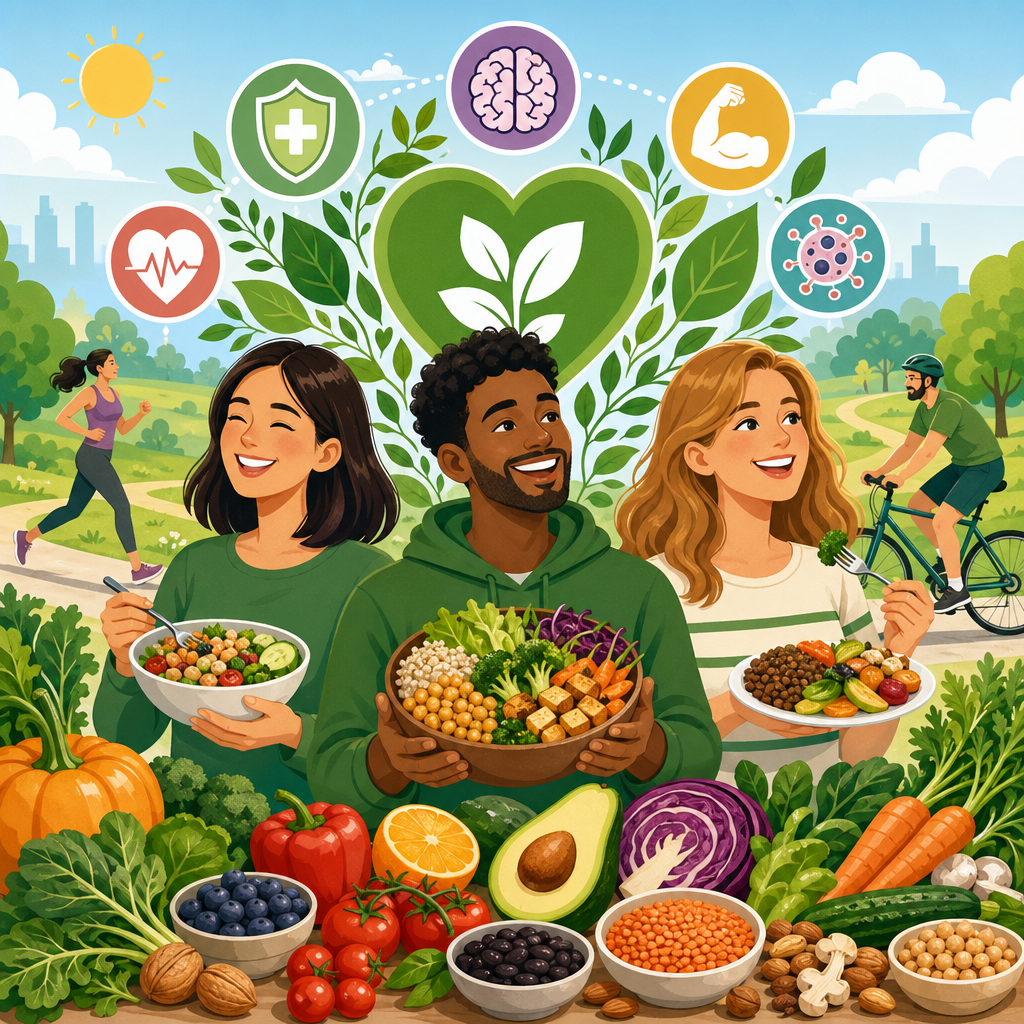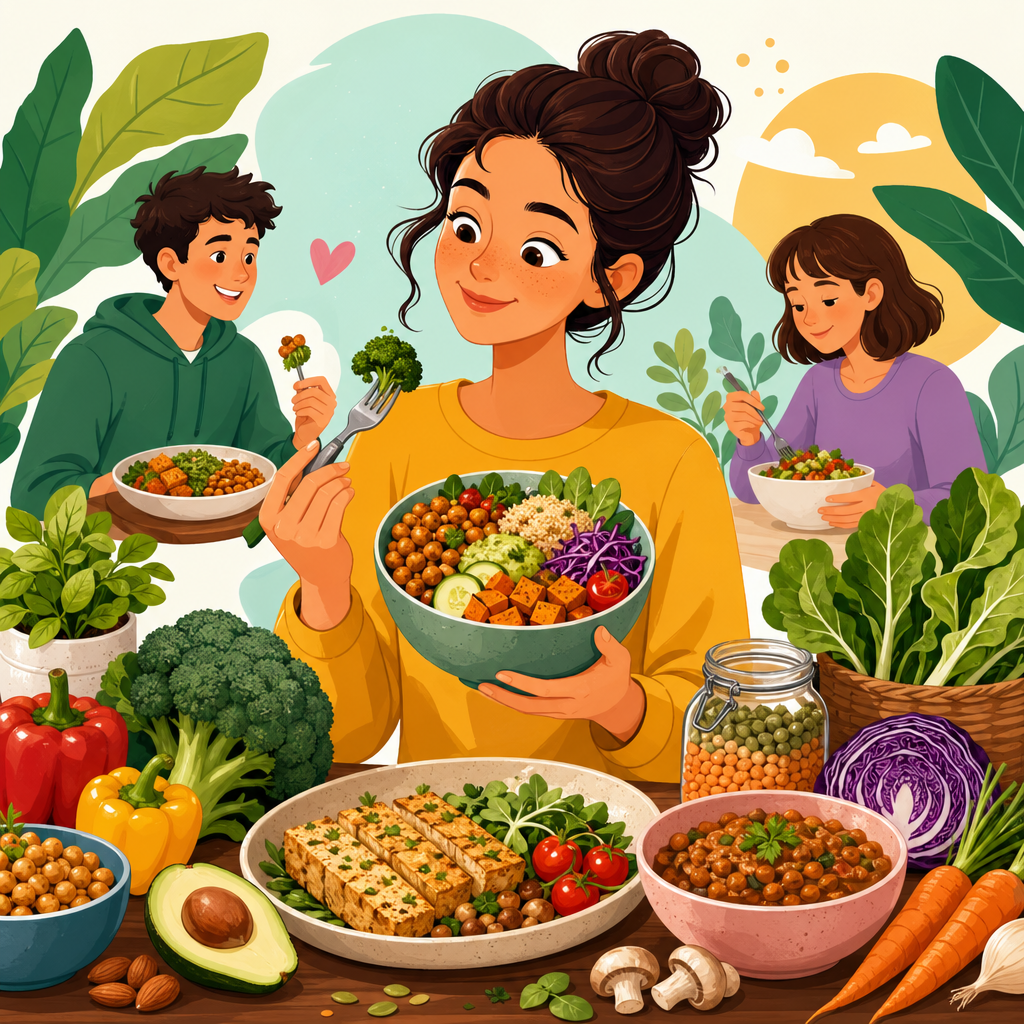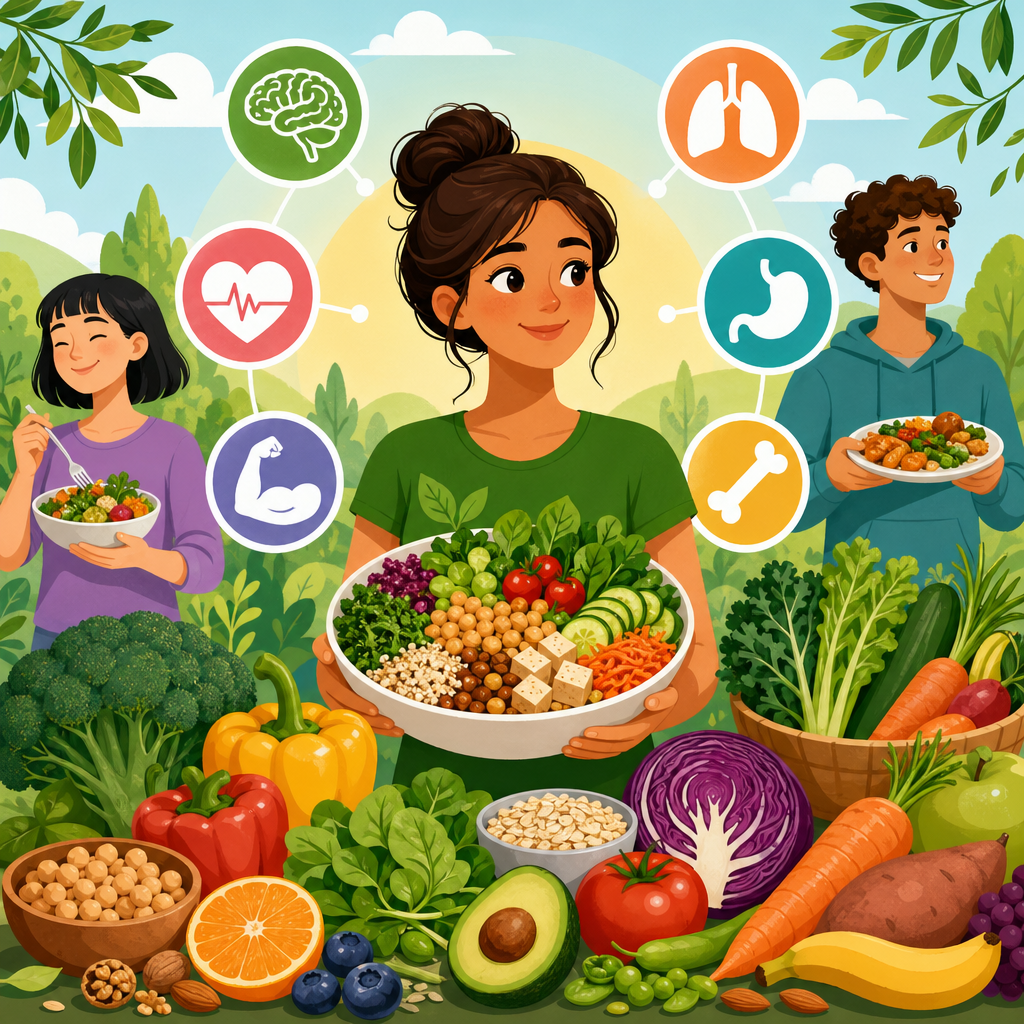
Plant-based diets shape how the body produces energy, repairs tissue, regulates hormones, supports immunity, and lowers long-term disease risk. In practical terms, a plant-based diet emphasizes foods from plants—vegetables, fruits, legumes, whole grains, nuts, seeds, herbs, and plant oils—while reducing or excluding animal foods to varying degrees. The three most common versions are vegan, which excludes all animal-derived foods; vegetarian, which usually excludes meat and fish but may include eggs or dairy; and flexitarian, which keeps plant foods at the center while allowing occasional animal products. As a hub topic within dietary lifestyles, this matters because many people are not simply asking whether plant-based eating is ethical or sustainable; they want to know what it does inside the body, how it affects protein, iron, calcium, digestion, blood sugar, heart health, and whether it is realistic in everyday life.
I have worked with clients and meal plans across all three patterns, and the biggest misconception I see is that these diets are defined by what they remove. In reality, their health impact is driven by what they add: more fiber, more potassium, more folate, more phytonutrients, more unsaturated fats, and, when planned well, enough protein and key micronutrients to support normal physiology. Research from organizations such as the Academy of Nutrition and Dietetics and the American Heart Association consistently shows that well-planned vegetarian and vegan diets can support health across the lifespan. Flexitarian eating often improves diet quality for people who want measurable benefits without adopting strict food rules. The central question is not whether plant-based diets can work. It is how each version supports the body’s key functions, where the nutritional pressure points are, and how to build a pattern that is both biologically sound and sustainable.
How plant-based diets support energy metabolism and cellular function
Your body’s first priority is converting food into usable energy, mainly through glucose, fatty acids, and amino acids. Plant-based diets support this process especially well when they are built around minimally processed carbohydrate sources such as oats, beans, brown rice, quinoa, potatoes, fruit, and whole-grain bread. These foods supply complex carbohydrates, the body’s preferred fuel for the brain, red blood cells, and higher-intensity exercise. They also deliver B vitamins such as thiamin, riboflavin, niacin, and folate, which act as coenzymes in energy metabolism. Legumes, seeds, and whole grains provide magnesium, a mineral involved in hundreds of enzymatic reactions, including ATP production and muscle contraction.
One reason people often report steadier energy on a balanced plant-based diet is the combination of fiber and intact food structure. Compared with highly refined foods, beans, lentils, steel-cut oats, and whole fruit slow gastric emptying and moderate the rate at which glucose enters the bloodstream. That can reduce the sharp rise-and-fall pattern that leaves people feeling tired midmorning or midafternoon. Flexitarian eaters often benefit from this quickly because simply replacing some processed meat meals with bean chili, lentil soup, tofu stir-fry, or hummus grain bowls increases fiber substantially. The caveat is calorie density: very high-fiber diets can become unintentionally low in calories, especially for athletes, older adults, or anyone with a small appetite. In practice, adding calorie-dense plant foods such as nut butters, tahini, soy foods, avocado, olive oil, and trail mix helps maintain energy balance without sacrificing nutrient quality.
Protein, muscle repair, and hormone-building nutrients
Plant-based diets can support muscle protein synthesis, tissue repair, enzyme production, and hormone signaling, but protein planning matters. The body needs essential amino acids, including leucine, lysine, and methionine, to maintain lean tissue and recover from training or illness. Soy foods such as tofu, tempeh, edamame, and fortified soy milk are among the strongest plant options because their protein quality is high and their amino acid profile is comparatively complete. Lentils, chickpeas, black beans, peas, seitan, peanuts, pumpkin seeds, hemp seeds, and whole grains also contribute meaningfully. Most adults can meet protein needs by spreading intake across meals instead of relying on one large serving at dinner.
In real meal planning, the difference between vegan, vegetarian, and flexitarian patterns is not whether protein is possible but how much precision is required. Vegetarians who eat Greek yogurt, cottage cheese, eggs, or skyr usually have an easier time reaching protein targets. Vegans can absolutely meet them, but they do best when each meal includes an identifiable protein anchor: scrambled tofu at breakfast, lentil pasta at lunch, tempeh curry at dinner, or a soy yogurt and fruit snack. For older adults, people in calorie deficits, and strength trainees, total daily intake and per-meal distribution become more important because anabolic resistance can blunt muscle-building signals. A practical target many clinicians use is about 25 to 35 grams of protein per meal, adjusted for body size and activity.
| Diet pattern | Primary protein strengths | Main nutrients to monitor | Practical example |
|---|---|---|---|
| Vegan | Soy foods, legumes, seitan, nuts, seeds, pea protein | Vitamin B12, iron, zinc, calcium, iodine, omega-3s | Tofu scramble, lentil bowl, fortified soy milk smoothie |
| Vegetarian | Legumes, dairy, eggs, soy foods, grains | Iron, zinc, omega-3s, sometimes fiber if meals rely on refined dairy foods | Greek yogurt parfait, bean burrito, egg and vegetable frittata |
| Flexitarian | Beans, lentils, tofu, plus occasional fish, eggs, dairy, or poultry | Diet quality overall; processed “plant-based” convenience foods | Chickpea pasta dinner, veggie chili, salmon once or twice weekly |
Hormone health also depends on adequate fat and micronutrient intake. Very restrictive plant-based diets that are low in total energy and fat can disrupt menstrual function, thyroid activity, and recovery. On the other hand, diets rich in unsaturated fats from walnuts, flax, chia, soy, and olive oil support cell membrane integrity and hormone synthesis. Soy is often misunderstood here. Human evidence does not show that moderate soy intake feminizes men or harms hormone health in healthy people. Foods like tofu, tempeh, and soy milk contain isoflavones, but their effects are far more nuanced than internet myths suggest.
Digestive health, microbiome diversity, and immune defense
The clearest physiological advantage of plant-based eating is what it does for the digestive tract. Most people do not meet recommended fiber intake, yet fiber directly affects bowel regularity, stool bulk, satiety, cholesterol metabolism, and the gut microbiome. Legumes, berries, apples, oats, barley, flax, artichokes, onions, garlic, and leafy greens feed beneficial gut bacteria, which then produce short-chain fatty acids such as butyrate. Butyrate helps nourish colon cells, maintain gut barrier integrity, and modulate inflammation. When people shift from a low-fiber pattern to a whole-food plant-forward pattern, constipation often improves within days and blood lipids can shift within weeks.
Immune function also benefits from the nutrient density of plants. Vitamin C from citrus, kiwi, peppers, and broccoli supports immune cell activity and collagen production. Carotenoids from carrots, sweet potatoes, pumpkin, and dark leafy greens act as precursors to vitamin A, which is essential for mucosal barriers in the respiratory and digestive systems. Zinc from beans, lentils, pumpkin seeds, and dairy or eggs in vegetarian patterns contributes to wound healing and immune signaling, though the bioavailability of zinc from plants can be lower because of phytates. Soaking, sprouting, fermenting, and using leavened grain products can improve mineral availability. Fermented foods like tempeh, miso, sauerkraut, and yogurt can also diversify the diet, though they should complement, not replace, a broad fiber intake.
There is one important adjustment period. Increasing fiber too quickly can cause bloating, gas, or cramping, especially if someone goes from a low-fiber diet to large servings of beans and cruciferous vegetables overnight. The practical fix is simple: increase fiber gradually, drink enough fluid, and use easier-entry foods like oats, lentils, ripe fruit, cooked vegetables, and canned beans rinsed well before moving to larger quantities of bran, cabbage, and very high-legume meals. A healthy plant-based diet should improve digestion, not make eating feel like work.
Heart health, blood sugar control, and long-term disease prevention
Plant-based diets are strongly associated with cardiometabolic benefits because they improve several risk factors at the same time. Replacing saturated-fat-heavy foods with beans, soy, nuts, seeds, olive oil, and whole grains often lowers LDL cholesterol. Soluble fiber from oats, barley, beans, and psyllium helps reduce cholesterol absorption by binding bile acids in the gut. Potassium-rich foods such as beans, potatoes, bananas, greens, and tomatoes support blood pressure regulation by balancing sodium’s effects. In clinical practice, one of the fastest improvements I see is from swapping processed breakfasts and deli-meat lunches for oatmeal with fruit and nuts, or grain bowls built around lentils and vegetables.
Blood sugar control improves for many people because whole plant foods generally combine fiber, water, and slower-digesting starches. That means a meal of black beans, brown rice, salsa, avocado, and roasted vegetables usually has a gentler glycemic effect than a meal built around refined white bread or sugary snacks. For people with insulin resistance or type 2 diabetes, this can translate into fewer glucose spikes and better satiety. However, not every food marketed as plant-based is metabolically helpful. Vegan cookies, refined meat substitutes, sugary oat drinks, and white-flour snack foods can still drive excess calorie intake and unstable glucose. Quality matters more than labels.
The long-term picture is equally important. Large observational studies repeatedly associate higher intakes of legumes, whole grains, fruits, vegetables, and nuts with lower risk of cardiovascular disease and some cancers. The mechanism is not one magic nutrient; it is the cumulative effect of lower saturated fat, higher fiber, improved body weight regulation, reduced chronic inflammation, and greater intake of protective compounds such as polyphenols. Flexitarian eating deserves special attention here because it is often the most sustainable entry point. A person does not need to become vegan overnight to reduce disease risk. Moving from seven meat-centered dinners a week to two, while increasing beans, soy, vegetables, and whole grains, can produce meaningful benefits that last.
Key nutrients, common deficiencies, and how to build a balanced plan
The most important question people ask is also the right one: what nutrients need extra attention on a plant-based diet? Vitamin B12 is the nonnegotiable one for vegans because reliable natural plant sources do not exist. Deficiency can damage nerves and impair red blood cell formation, so fortified foods or supplements are necessary. Iron matters because plant iron is non-heme iron, which is absorbed less efficiently than the heme iron in meat. Pairing iron-rich foods like lentils, beans, tofu, pumpkin seeds, and fortified cereals with vitamin C sources improves absorption. Calcium can be adequate through fortified plant milks, calcium-set tofu, tahini, almonds, kale, bok choy, yogurt, or cheese for vegetarians. Iodine may require iodized salt or seaweed used carefully. Omega-3 intake often improves with flax, chia, walnuts, and algae-based DHA and EPA supplements, especially for vegans.
Balanced planning is not complicated, but it should be intentional. A strong template is this: half the plate vegetables and fruit, one quarter protein-rich plant foods, one quarter whole grains or starchy vegetables, plus a source of healthy fat. For breakfast, that might be oats with soy milk, chia, berries, and walnuts. Lunch could be a lentil and quinoa salad with roasted vegetables and tahini. Dinner might be tofu stir-fry with brown rice and broccoli. Vegetarians can add eggs or dairy strategically; flexitarians can include small amounts of fish or poultry without losing the plant-centered structure. If you are building a long-term routine, start with two or three repeatable meals, monitor energy, digestion, and labs when appropriate, and adjust rather than chase perfection. Plant-based diets support the body’s key functions best when they are varied, nutrient-aware, and realistic enough to follow consistently.
That is the core benefit of vegan, vegetarian, and flexitarian eating: they can nourish the systems your body relies on every day while giving you flexible ways to match your health goals, preferences, and lifestyle. The strongest results come from emphasizing whole and minimally processed plant foods, covering key nutrients deliberately, and choosing a version of plant-based eating you can sustain. If you are exploring this dietary lifestyle, use this hub as your starting point, then build your next step around one simple action: upgrade one daily meal into a balanced plant-based plate and expand from there.
Frequently Asked Questions
How do plant-based diets help the body produce energy efficiently?
Plant-based diets support energy production by supplying the body with complex carbohydrates, fiber, vitamins, minerals, and phytonutrients that help fuel cells more steadily throughout the day. Whole grains, beans, lentils, fruits, and starchy vegetables provide glucose, which is the body’s preferred energy source, especially for the brain and muscles. Unlike heavily processed foods that can cause rapid spikes and crashes in blood sugar, minimally processed plant foods tend to release energy more gradually because they are naturally rich in fiber. This can help support more stable stamina, concentration, and overall metabolic function.
These diets also provide important nutrients involved in converting food into usable energy. B vitamins found in legumes, whole grains, leafy greens, nuts, and seeds play a central role in cellular metabolism. Magnesium, abundant in foods such as pumpkin seeds, black beans, spinach, and almonds, is essential for hundreds of biochemical reactions, including those related to energy production and muscle function. Iron is also important because it helps transport oxygen through the blood, allowing cells to generate energy effectively. Plant-based eaters can support iron status by regularly including iron-rich foods like lentils, tofu, beans, quinoa, and dark leafy greens, ideally paired with vitamin C-rich foods such as citrus, berries, tomatoes, or bell peppers to improve absorption.
Whether someone follows a vegan, vegetarian, or flexitarian pattern, energy levels are usually best supported when meals are balanced rather than simply “plant-based” in name alone. A diet built around whole foods, adequate calories, enough protein, and a variety of nutrient-dense plant ingredients is far more supportive than one centered on refined snacks or ultra-processed substitutes. When planned well, plant-based diets can help the body generate energy reliably while also supporting blood sugar balance, digestive health, and long-term metabolic resilience.
Can a plant-based diet provide enough protein for tissue repair and muscle maintenance?
Yes, a well-planned plant-based diet can absolutely provide enough protein to support tissue repair, immune function, enzyme production, and muscle maintenance. Protein is made up of amino acids, which the body uses to build and repair tissues such as muscle, skin, organs, and connective tissue. Plant foods like lentils, chickpeas, black beans, soy foods, peas, tempeh, tofu, edamame, nuts, seeds, and whole grains all contribute meaningful amounts of protein. Dairy and eggs may also play a role for vegetarians, while flexitarians may combine plant proteins with occasional animal foods.
One reason plant-based protein is sometimes misunderstood is the outdated idea that people must combine specific foods at the same meal to create “complete” protein. In reality, eating a variety of protein-containing plant foods across the day is typically enough for the body to access all essential amino acids. Soy foods, quinoa, buckwheat, hemp seeds, and some legumes are especially useful choices, but variety remains the key strategy. This means meals such as lentil soup with whole grain bread, tofu stir-fry with brown rice, oatmeal with chia seeds and peanut butter, or a bean and quinoa bowl can all support repair and recovery.
For people with higher protein needs, such as older adults, highly active individuals, or those recovering from illness or injury, plant-based eating can still work very well with some intentional planning. Prioritizing protein at each meal, including more concentrated sources like tofu, tempeh, seitan, Greek yogurt for vegetarians, or protein-rich legumes and seeds, can help meet those needs comfortably. In short, plant-based diets are fully compatible with the body’s repair systems as long as they are varied, calorie-adequate, and built around nutrient-dense foods rather than just the absence of meat.
What effect do vegan, vegetarian, and flexitarian diets have on hormones and overall body regulation?
Plant-based diets can support hormone balance and broader body regulation in several important ways. Hormones depend on an adequate intake of energy, healthy fats, protein, vitamins, and minerals, and plant foods can provide all of these when the diet is well structured. Nuts, seeds, avocados, olives, and plant oils help supply fats that the body uses in hormone synthesis and cell signaling. Whole plant foods also tend to be high in fiber, which may help support healthy blood sugar regulation and insulin response. Since insulin is itself a major hormone, stable blood sugar can positively influence appetite control, energy levels, and metabolic health.
Another major benefit is the anti-inflammatory and antioxidant effect of many plant foods. Vegetables, fruits, herbs, legumes, and whole grains contain compounds that may help reduce chronic low-grade inflammation, which is linked to disruptions in hormone signaling and metabolic function. Fiber also plays a role in digestive health and can support the body’s natural handling of certain hormones, including estrogen, through the gut. This is one reason dietary patterns rich in whole plant foods are often associated with healthier long-term metabolic outcomes.
That said, hormonal health depends on more than just eating plants. Very restrictive eating, inadequate calorie intake, or poor nutrient planning can negatively affect hormones, especially in areas such as thyroid health, reproductive health, and stress response. Nutrients that deserve attention include iodine, zinc, vitamin B12, iron, omega-3 fats, and in some cases vitamin D. Vegan diets may require supplementation for B12 and thoughtful planning for omega-3s and iodine, while vegetarian and flexitarian diets may have a bit more flexibility. The most supportive approach is one that emphasizes whole plant foods, sufficient calories, and nutrient adequacy rather than extreme restriction.
How does a plant-based diet strengthen the immune system?
The immune system relies on a steady supply of nutrients to build protective cells, regulate inflammation, maintain barriers such as the skin and gut lining, and respond appropriately to infections and stress. Plant-based diets can support these functions because they are often rich in vitamin C, vitamin A precursors, folate, vitamin E, zinc, selenium, and a broad spectrum of antioxidants and phytonutrients. Citrus fruits, berries, peppers, broccoli, leafy greens, carrots, sweet potatoes, sunflower seeds, legumes, mushrooms, and Brazil nuts are just a few examples of foods that contribute to immune resilience.
One of the most powerful immune benefits of plant-based eating comes from fiber. Fiber helps nourish beneficial gut bacteria, and the gut microbiome plays a major role in immune regulation. A diverse intake of vegetables, fruits, legumes, whole grains, nuts, and seeds can help promote a healthier microbial environment, which in turn may improve how the immune system communicates and responds. This matters because a strong immune system is not simply “more active”; it also needs to be well regulated so it can defend the body without promoting unnecessary inflammation.
As with other body functions, immune support depends on quality and completeness. A plant-based diet that lacks enough calories, protein, B12, iron, zinc, or omega-3 fats may undermine immune performance over time. This is especially important for strict vegans, older adults, or people with medical conditions that affect absorption or appetite. When plant-based eating includes enough protein, plenty of colorful whole foods, and appropriate attention to key nutrients, it can be an excellent foundation for immune health and recovery.
Can plant-based diets lower the risk of chronic diseases and support long-term health?
Yes, plant-based diets are widely associated with lower long-term risk of several chronic conditions, particularly when they emphasize whole, minimally processed foods. Research consistently shows that dietary patterns rich in vegetables, fruits, legumes, whole grains, nuts, and seeds are linked with better heart health, healthier blood pressure, improved cholesterol levels, and stronger blood sugar control. These benefits are partly due to higher fiber intake, lower intake of saturated fat from certain animal foods, and increased consumption of protective compounds such as polyphenols, carotenoids, and other antioxidants.
Heart disease is one of the clearest examples. Soluble fiber from oats, beans, lentils, and many fruits can help reduce LDL cholesterol, while potassium-rich plant foods such as beans, greens, bananas, and potatoes may help support healthy blood pressure. Plant-forward diets are also often associated with improved weight management because high-fiber foods tend to be more filling and less calorie-dense than many heavily processed options. In addition, better insulin sensitivity and more stable blood sugar can lower strain on the body over time, which is important for reducing the risk of type 2 diabetes and metabolic syndrome.
It is important to remember, however, that not every plant-based diet is automatically health-promoting. A pattern built around refined grains, sugary drinks, fried foods, and ultra-processed meat alternatives may still fall short. The strongest protective effects come from a diet centered on whole or minimally processed plant foods, with adequate protein and attention to nutrients such as B12, iron, calcium, omega-3 fats, iodine, and vitamin D as needed. Vegan, vegetarian, and flexitarian approaches can all support long-term health, and the best choice is often the one a person can follow consistently while meeting their nutritional needs.