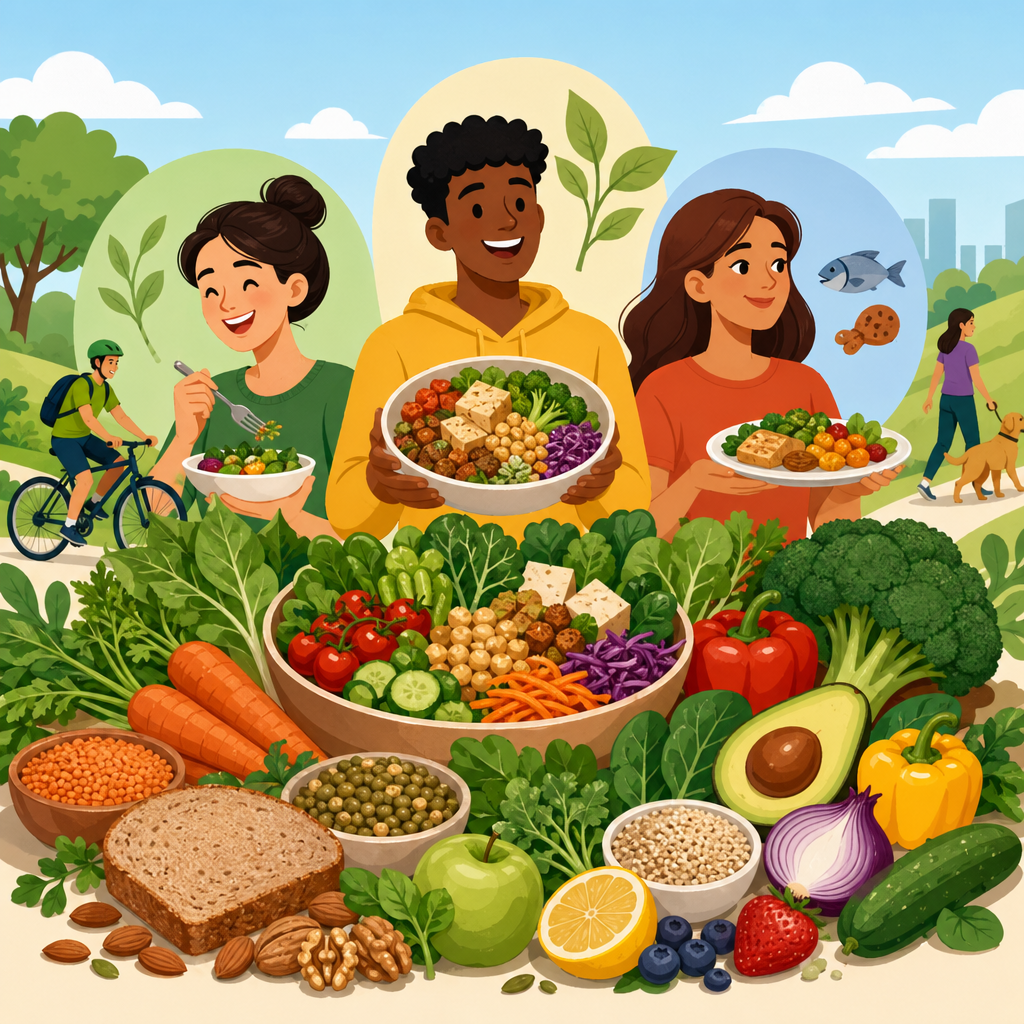
Plant-based diets have moved from niche eating patterns to mainstream nutrition strategies because they can support health, reduce environmental strain, and fit many cultural and personal preferences. In practice, “plant-based” is an umbrella term, not a single diet. A vegan diet excludes all animal-derived foods, including meat, fish, dairy, eggs, and often honey. A vegetarian diet usually excludes meat and fish but may include dairy, eggs, or both, depending on the type. A flexitarian diet is primarily plant-forward while allowing occasional animal foods, often in smaller portions and with more intentional choices. As a dietitian-facing content strategist, I have worked with people using all three patterns, and the same lesson appears repeatedly: success depends less on labels and more on nutrient planning, food quality, and consistency over time.
Understanding the role of plant-based diets in a healthy diet matters because the public conversation is often oversimplified. Some people assume any plant-based pattern is automatically healthy; others believe removing animal foods creates unavoidable deficiencies. Neither view is accurate. A healthy diet, whether vegan, vegetarian, flexitarian, or omnivorous, must provide adequate energy, protein, essential fats, vitamins, minerals, and fiber while matching an individual’s age, activity level, budget, medical history, and food access. Well-designed plant-based diets can meet these goals and are recognized by major professional organizations as appropriate across the life cycle when properly planned. They are also associated with higher intakes of legumes, whole grains, fruits, vegetables, nuts, and seeds, foods consistently linked with lower cardiometabolic risk.
This hub article explains how vegan, vegetarian, and flexitarian diets differ, what benefits they may offer, which nutrients deserve attention, and how to make them practical in everyday life. It also serves as a foundation for deeper reading on meal planning, protein sources, supplementation, grocery shopping, and plant-based eating for families, athletes, and older adults. If you are asking whether a plant-based diet is healthy, the direct answer is yes, it can be. The better question is how to build one that is balanced, sustainable, enjoyable, and realistic for your goals. That is where clear structure, evidence, and real-world habits matter most.
Understanding vegan, vegetarian, and flexitarian eating patterns
The first step is defining the patterns clearly. Vegan diets rely entirely on plant foods and exclude all animal products. Typical staples include beans, lentils, tofu, tempeh, soy milk, oats, whole grains, vegetables, fruits, nuts, seeds, and fortified foods. Vegetarian diets sit on a spectrum. Lacto-vegetarians include dairy, ovo-vegetarians include eggs, and lacto-ovo vegetarians include both. Pescatarian diets are sometimes grouped into plant-forward discussions, though they are not vegetarian because they include fish. Flexitarian diets are less rigid. They emphasize plant foods daily but leave room for occasional meat, poultry, seafood, eggs, or dairy, often chosen for convenience, cultural meals, or specific nutritional needs.
In counseling and content work, I find flexitarian eating is often the most approachable entry point because it lowers the pressure of “all or nothing.” Someone might replace beef chili with bean chili during the week, use soy milk at breakfast, and still eat fish on weekends. That still increases plant intake meaningfully. By contrast, a vegan pattern usually requires the most planning at the start, especially around vitamin B12, calcium, iodine, omega-3 fats, and protein distribution. A vegetarian pattern often lands in the middle, easier for social eating but still demanding attention to iron, protein quality, and overall food quality. The core distinction is not moral seriousness or nutritional superiority. It is the degree of reliance on plant foods and the planning needed to cover nutrients well.
Food quality also matters more than the label itself. A vegan diet centered on refined grains, sweets, and ultra-processed meat substitutes will not deliver the same benefits as one built around legumes, vegetables, fruit, intact grains, nuts, seeds, and fortified staples. The same is true for vegetarian and flexitarian eating. Healthy plant-based diets are generally rich in fiber, unsaturated fats, potassium, magnesium, folate, and phytonutrients. Less healthy versions can be high in sodium, added sugar, and refined starch. When people ask which plant-based diet is best, the practical answer is the one you can follow consistently while meeting nutrient needs and eating mostly minimally processed foods.
Health benefits supported by research
Plant-based diets are associated with several health advantages, especially when they replace processed meats, excess saturated fat, and calorie-dense low-fiber foods. Large observational studies often show that people who eat more plant foods have lower rates of hypertension, high LDL cholesterol, coronary heart disease, type 2 diabetes, and obesity. Part of this effect comes from food composition. Legumes, oats, barley, nuts, seeds, fruits, and vegetables provide soluble fiber, resistant starch, plant sterols, and antioxidants that improve blood lipids, glycemic control, and satiety. Replacing some animal protein with soy foods, beans, or lentils can reduce saturated fat intake while raising fiber intake substantially.
Cardiovascular health is one of the strongest use cases. Diets emphasizing beans, whole grains, nuts, olive oil, and vegetables tend to improve LDL cholesterol and blood pressure. The Portfolio Diet, for example, combines plant sterols, viscous fiber, soy protein, and nuts and has shown clinically meaningful LDL reductions in research settings. Even outside formal programs, simple substitutions help: swapping sausage for black beans at breakfast, replacing part of ground meat with lentils in pasta sauce, or using tofu in stir-fries can improve nutrient density without requiring a complete dietary overhaul. Weight management may also benefit because high-fiber foods generally increase fullness relative to calories, though portion size and food processing still matter.
There are important nuances. Research on plant-based diets includes different definitions, so results are not identical across vegan, vegetarian, and flexitarian patterns. Also, observational studies cannot prove cause and effect because people who choose these diets may also exercise more, smoke less, and prioritize preventive care. Still, intervention studies support the broader message that diets higher in whole plant foods can improve major risk factors. For many people, the benefit is not perfection but direction. Increasing beans from zero to three servings a week, choosing whole grains more often, or shifting half the plate to vegetables is clinically relevant. Plant-based eating works best as a repeatable pattern, not a temporary cleanse or identity test.
Key nutrients to plan for on a plant-based diet
The biggest question most readers ask is whether plant-based diets provide enough protein and essential nutrients. They can, but some nutrients require deliberate planning. Protein needs are usually achievable through legumes, soy foods, dairy, eggs, whole grains, nuts, and seeds. In daily practice, I look at total intake first and meal distribution second. A bowl of lentil soup, tofu stir-fry, Greek yogurt, edamame, peanut butter, or a bean-and-quinoa salad all contribute. Soy foods are especially useful because they provide high-quality protein with a strong amino acid profile. Most adults do not need to combine proteins at every meal, but eating a variety over the day is sensible.
Vitamin B12 is the non-negotiable nutrient for vegans because reliable plant sources are limited. Fortified plant milks, fortified nutritional yeast, fortified cereals, and supplements are standard solutions. Vegetarians who eat enough dairy or eggs may still need to monitor intake. Iron is another focus. Beans, lentils, tofu, pumpkin seeds, fortified cereals, and dark leafy greens contain non-heme iron, which is absorbed less efficiently than heme iron from meat. Pairing iron-rich foods with vitamin C sources such as citrus, strawberries, bell peppers, or tomatoes can improve absorption. Calcium can come from fortified plant milks, calcium-set tofu, yogurt, cheese, bok choy, kale, and fortified juice, but intakes should be reviewed regularly, especially in vegans and older adults.
Other nutrients worth attention include iodine, zinc, selenium, vitamin D, choline, and long-chain omega-3 fats. Iodized salt, dairy, eggs, and seaweed can contribute iodine, though seaweed intake is inconsistent and sometimes excessive. Zinc is found in legumes, whole grains, nuts, seeds, dairy, and meat, but phytates in plant foods can reduce absorption, making variety and adequate total intake important. Selenium depends partly on soil content, though Brazil nuts can be a concentrated source. EPA and DHA are limited in most plant foods, so algae-based supplements may help vegans who do not consume fish. The point is not that plant-based diets are deficient by default. It is that smart planning turns possible weak spots into manageable details.
How to build balanced meals and practical routines
A balanced plant-based meal is easier to create when you use a repeatable framework. Start with a protein anchor, add a high-fiber carbohydrate, include colorful produce, and finish with a healthy fat. For example, tofu with brown rice, broccoli, and sesame seeds; lentil pasta with tomato sauce, mushrooms, and olive oil; or a burrito bowl with black beans, quinoa, salsa, avocado, and roasted peppers. This approach stabilizes energy, improves fullness, and reduces the common mistake of building meals around only vegetables and starches. For people transitioning into plant-based eating, I usually recommend changing breakfasts and lunches first because routines make substitutions simpler and cheaper.
| Pattern | Main foods | Nutrients to watch | Practical example |
|---|---|---|---|
| Vegan | Legumes, soy foods, grains, nuts, seeds, vegetables, fruits, fortified foods | B12, calcium, iodine, vitamin D, iron, omega-3 | Oatmeal with soy milk, tofu grain bowl, lentil curry, fortified yogurt |
| Vegetarian | Plant foods plus dairy and/or eggs | Iron, zinc, fiber quality, overall protein distribution | Greek yogurt breakfast, egg and bean tacos, paneer or tofu stir-fry |
| Flexitarian | Mostly plant foods with occasional animal foods | Food quality, sodium from convenience foods, consistency | Bean chili weekdays, salmon once weekly, chickpea salads, mixed meals |
Grocery strategy makes a major difference. Keep shelf-stable proteins like canned beans, lentils, peanut butter, and tofu on hand, then build meals from a short list of staples: oats, brown rice, whole grain bread, frozen vegetables, fruit, nuts, seeds, and fortified milk alternatives. Frozen produce is especially useful because it reduces waste and keeps meal prep realistic. For families, batch cooking works well: one pot of chili, a tray of roasted vegetables, cooked grains, and a sauce can produce several meals. Restaurants are also easier than many people expect. Mediterranean, Indian, Ethiopian, Middle Eastern, and many Asian cuisines offer naturally plant-forward dishes such as falafel, chana masala, lentil stews, vegetable sushi, tofu dishes, and grain-based bowls.
One caution from experience: do not rely too heavily on processed meat alternatives just because they are convenient. Some are helpful transition foods and can support protein intake, but sodium levels are often high and nutrient profiles vary widely. Reading labels matters. Look for products with meaningful protein, moderate sodium, and familiar ingredients rather than treating every plant-branded product as a health food. The strongest daily routine is still based on beans, peas, lentils, soy, whole grains, vegetables, fruit, nuts, and seeds, with fortified foods and supplements used strategically where needed.
Who benefits most, and when flexibility is the smarter choice
Plant-based diets can work across the life span, but the best version depends on the person. Adults with high LDL cholesterol, hypertension, insulin resistance, constipation, or low fruit and vegetable intake often benefit quickly from a more plant-forward pattern because fiber, potassium, and unsaturated fats usually increase while saturated fat falls. People who want a lower environmental footprint often find that reducing red meat and increasing legumes is one of the most effective dietary shifts they can make. For some, ethical or religious motivations are the main driver, and nutrition planning supports those values rather than competing with them.
At the same time, flexibility is sometimes the more sustainable choice. Athletes with very high energy needs, older adults with low appetite, people with multiple food allergies, and those managing gastrointestinal conditions may find a strict vegan diet harder to implement without careful support. A flexitarian or vegetarian approach can preserve the advantages of more plant foods while simplifying protein intake, social eating, and supplementation. Pregnancy, lactation, infancy, and childhood also require closer planning, not because plant-based diets are unsafe, but because nutrient density and reliability matter more when needs are elevated. In these cases, regular review of growth, labs, and food variety is sensible.
The most useful mindset is to judge a dietary pattern by outcomes you can measure: energy, digestion, satiety, lab values, training recovery, body composition, and long-term adherence. If a person eats far more vegetables, beans, and whole grains on a flexitarian plan than they would on an attempted but unsustainable vegan plan, the flexitarian pattern may be healthier for that individual. Plant-based eating is not a purity contest. Its role in a healthy diet is to increase nutrient-dense plant foods and displace less helpful choices in a way that fits real life. Start with one meal, one grocery list, or one week of better planning, then build from there.
Frequently Asked Questions
What is the difference between a vegan, vegetarian, and flexitarian diet?
A plant-based diet is a broad concept, and the terms vegan, vegetarian, and flexitarian describe different ways of putting that concept into practice. A vegan diet is the most restrictive of the three because it excludes all animal-derived foods, including meat, poultry, fish, dairy, eggs, and often honey. People may choose a vegan pattern for health, ethical, environmental, or religious reasons. A vegetarian diet also centers on plant foods, but it is more flexible than vegan eating. Most vegetarian diets exclude meat and fish, while some include dairy, eggs, or both. For example, a lacto-ovo vegetarian diet includes dairy products and eggs, while other vegetarian patterns may include only one of those food groups. A flexitarian diet is the least restrictive and is often described as a “mostly vegetarian” approach. It emphasizes vegetables, fruits, legumes, whole grains, nuts, and seeds while allowing small or occasional amounts of meat, fish, eggs, or dairy. In practical terms, all three patterns can support health when they are well planned, but they differ in how much they rely on plant foods exclusively versus predominantly.
Are plant-based diets healthy and nutritionally complete?
Yes, plant-based diets can be very healthy and nutritionally complete, but the key is planning and food quality. Diets centered on vegetables, fruits, beans, lentils, peas, whole grains, nuts, seeds, and minimally processed plant foods tend to provide fiber, antioxidants, phytonutrients, and a wide range of vitamins and minerals. Research consistently links well-designed plant-forward eating patterns with benefits such as improved heart health, better blood sugar management, healthier blood pressure, and support for long-term weight management. However, “plant-based” does not automatically mean nutritious. A diet filled with refined grains, sugary beverages, fried foods, and ultra-processed meat substitutes can still fall short nutritionally, even if it contains little or no meat. Nutritional completeness depends on balancing major food groups and paying attention to nutrients that may require extra planning, especially in stricter versions like vegan diets. Protein can come from beans, lentils, tofu, tempeh, soy milk, edamame, nuts, seeds, and whole grains. Calcium may come from fortified plant milks, calcium-set tofu, leafy greens, and fortified foods. Iron can be found in legumes, tofu, pumpkin seeds, and fortified cereals, and pairing iron-rich foods with vitamin C sources can improve absorption. Vitamin B12 deserves special attention because it is not reliably available in unfortified plant foods, so vegans typically need fortified foods or a supplement. With thoughtful choices, plant-based diets can absolutely meet nutritional needs across many life stages.
What are the main health benefits of following a plant-based diet?
One of the biggest reasons plant-based diets have gained mainstream attention is their potential to support overall health in multiple ways. Diets rich in plant foods are naturally higher in fiber, which helps with digestion, supports gut health, promotes fullness, and can help improve cholesterol and blood sugar levels. They also tend to provide more potassium, folate, magnesium, and beneficial plant compounds that help reduce oxidative stress and inflammation. From a heart health perspective, plant-based diets often contain less saturated fat and more unsaturated fats, especially when they include foods like nuts, seeds, avocados, and olive oil. This combination may help lower LDL cholesterol and reduce cardiovascular risk. People who follow well-balanced vegetarian or flexitarian diets may also find it easier to maintain a healthy body weight because these eating patterns emphasize filling, nutrient-dense foods rather than heavily processed options. Plant-based patterns can also be useful for people trying to manage type 2 diabetes or improve insulin sensitivity, especially when they focus on whole grains, legumes, and vegetables rather than highly refined carbohydrates. Another important point is that plant-based eating can be adapted to individual needs. Someone who wants the benefits without going fully vegan may still see positive health outcomes by simply shifting meals toward more plants and less red or processed meat. The greatest benefits usually come not from strict labels alone, but from consistently choosing high-quality, minimally processed plant foods.
Are there any nutrients that need special attention on a plant-based diet?
Yes, certain nutrients deserve closer attention, particularly as a diet becomes more restrictive. Protein is often the first concern people mention, but it is usually manageable when meals regularly include legumes, soy foods, nuts, seeds, and whole grains. More commonly overlooked nutrients include vitamin B12, iron, calcium, omega-3 fats, zinc, iodine, and sometimes vitamin D. Vitamin B12 is especially important for vegans because it is essential for nerve function and red blood cell production, and reliable sources are generally fortified foods or supplements. Iron from plant foods is available, but it is the non-heme form, which is absorbed less efficiently than iron from animal foods. That does not mean deficiency is inevitable; it simply means it helps to eat iron-rich foods consistently and pair them with vitamin C-rich foods like citrus, bell peppers, strawberries, or tomatoes. Calcium can be obtained from fortified plant beverages, tofu made with calcium sulfate, certain leafy greens, and fortified juices, but intake should be deliberate. Omega-3 fats are another area to consider. Flaxseeds, chia seeds, hemp seeds, and walnuts provide ALA, while some people, especially vegans, may choose an algae-based DHA/EPA supplement for added support. Zinc and iodine can also require attention depending on food variety and the use of iodized salt or sea vegetables. The good news is that these concerns are manageable. A varied, well-planned diet and, when appropriate, targeted supplementation can make plant-based eating both safe and sustainable.
How can someone start eating more plant-based meals without making the diet feel restrictive?
The best way to start is to think about addition rather than deprivation. Instead of focusing only on what needs to be removed, begin by building meals around foods that naturally fit a plant-based pattern. Add beans to soups, tacos, or salads. Swap some or all of the meat in chili, pasta sauce, or stir-fries for lentils, tofu, or tempeh. Make whole grains such as brown rice, quinoa, oats, or whole wheat pasta regular staples. Include vegetables at lunch and dinner, and use fruit, nuts, or yogurt alternatives for snacks if they fit your dietary pattern. For many people, a flexitarian approach is the easiest entry point because it reduces pressure and allows gradual change. You might start with one meatless day a week, a plant-based breakfast most mornings, or a goal of making half your plate vegetables and whole grains. It is also helpful to identify satisfying plant proteins so meals still feel complete and enjoyable. Taste and convenience matter, so keeping easy ingredients on hand, such as canned beans, frozen vegetables, hummus, nut butter, fortified plant milk, and whole grain wraps, can make the transition smoother. If you enjoy dairy or eggs, a vegetarian approach may feel natural. If you prefer to avoid all animal products, a vegan pattern can work well with more planning. The most sustainable plant-based diet is usually the one that fits your lifestyle, budget, culture, and preferences well enough to maintain over time.