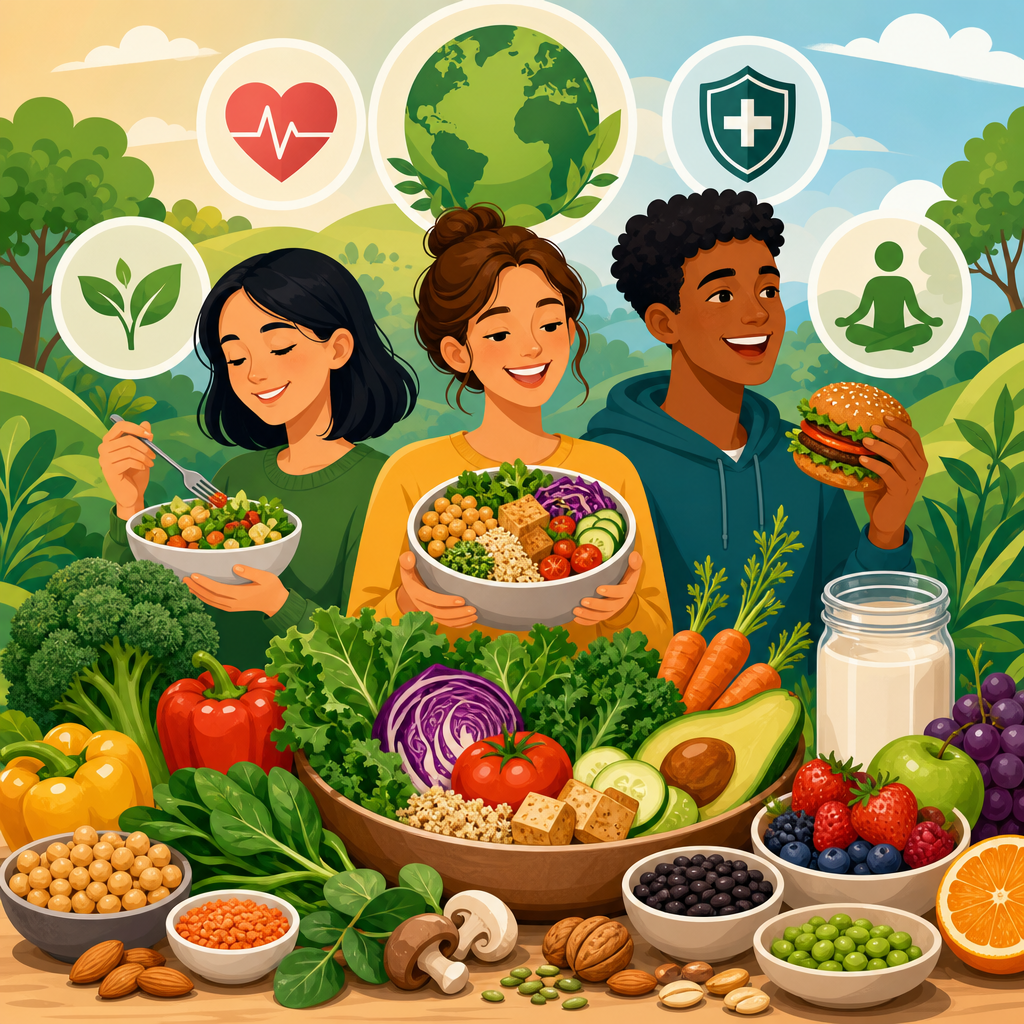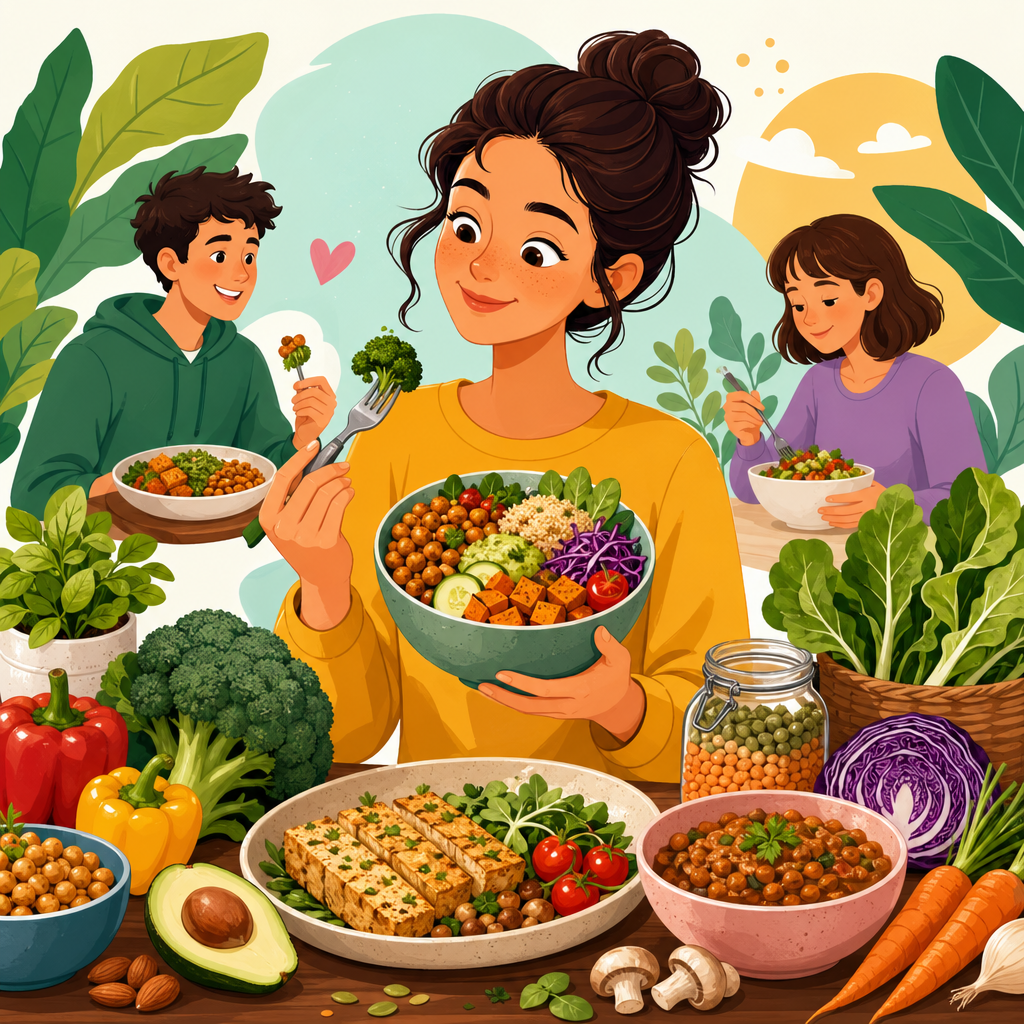
Plant-based diets are no longer a niche way of eating; they are a practical, evidence-based option for people who want better health, lower food costs, and a lighter environmental footprint without giving up satisfaction at the table. In nutrition practice, the phrase plant-based diets usually refers to eating patterns centered on vegetables, fruits, legumes, whole grains, nuts, seeds, herbs, and plant oils, while varying in how much or how little animal food they include. A vegan diet excludes all animal-derived foods, including meat, fish, dairy, eggs, and ingredients such as gelatin. A vegetarian diet generally excludes meat and fish but may include dairy, eggs, or both, depending on the type. A flexitarian diet is mostly plant-based but leaves room for occasional animal products, often for convenience, preference, or cultural reasons.
This topic matters because diet quality affects nearly every major health outcome people care about: weight management, blood pressure, cholesterol, blood sugar control, digestive health, and long-term disease risk. Large prospective studies and position statements from organizations such as the Academy of Nutrition and Dietetics and the American Heart Association consistently show that well-planned vegetarian and vegan patterns can support health across the lifespan, while flexitarian eating gives many people a realistic path to eat more plants without an all-or-nothing leap. In my experience helping households shift their meals, the biggest barrier is rarely lack of recipes. It is confusion about protein, iron, vitamin B12, shopping habits, and how to make plant-forward meals feel normal on a busy Tuesday night.
The good news is that incorporating more plant-based meals does not require a complete identity change. It requires a system. When people understand the differences between vegan, vegetarian, and flexitarian approaches, learn how to build a balanced plate, stock a useful pantry, and make a few strategic substitutions, the transition becomes straightforward. This hub article explains the core principles, nutritional essentials, meal-building tactics, and real-world strategies that make plant-based eating sustainable. If you want a reliable starting point for vegan, vegetarian, and flexitarian diets, this page gives you the framework.
Understanding Vegan, Vegetarian, and Flexitarian Diets
The simplest way to choose a plant-based diet is to match the pattern to your goal, your schedule, and your willingness to change routines. Vegan eating is the most restrictive and can be highly effective for people who want a clear rule set. It removes decision fatigue because the boundaries are firm: no meat, poultry, seafood, dairy, eggs, or animal-derived additives. Vegetarian eating is broader. Lacto-vegetarians include dairy, ovo-vegetarians include eggs, and lacto-ovo vegetarians include both. Flexitarian eating is the most adaptable, emphasizing plants first while allowing small amounts of animal foods when desired.
Each approach can be healthy or unhealthy depending on food quality. A vegan diet built from fries, refined grains, and sugary drinks is technically vegan but nutritionally weak. A flexitarian pattern built on beans, oats, vegetables, olive oil, yogurt, and occasional fish can be extremely nutrient dense. That distinction matters. The goal is not merely to remove animal foods; it is to replace them with foods that improve fiber intake, micronutrient density, and overall dietary balance.
People often ask which option is best. There is no universal winner. Vegan diets may deliver the greatest reduction in saturated fat and the highest fiber intake when well planned. Vegetarian diets can be easier socially and may simplify calcium and protein intake through dairy or eggs. Flexitarian diets often have the highest long-term adherence because they fit restaurants, family meals, and travel more easily. In practice, the best plant-based diet is the one you can sustain while meeting nutrient needs and enjoying your food.
Health Benefits and What the Evidence Actually Shows
A well-designed plant-based diet can improve several measurable health markers. Diets rich in legumes, whole grains, vegetables, nuts, and unsaturated fats are associated with lower LDL cholesterol, improved blood pressure, better glycemic control, and healthier body weight over time. Higher fiber intake is one of the main reasons. Fiber supports satiety, helps regulate digestion, feeds beneficial gut microbes, and can reduce cholesterol absorption. Most adults fall short of recommended fiber intake, and plant-forward eating is one of the most dependable ways to close that gap.
Cardiometabolic health is where the evidence is strongest. Replacing some red and processed meat with beans, lentils, soy foods, or nuts can lower saturated fat intake while increasing potassium, magnesium, and phytonutrients. In clinic-style meal reviews, I often see an immediate improvement when a person swaps three weekly beef-based dinners for chili with beans, tofu stir-fry, or lentil pasta. The change reduces calories from animal fat without requiring smaller portions, because beans and vegetables add volume and fullness.
There are also benefits beyond personal health. Producing legumes and grains typically requires fewer resources and creates lower greenhouse gas emissions than producing beef and lamb. That does not mean every packaged meat alternative is environmentally superior in every context, but overall, moving even partway toward a flexitarian or vegetarian pattern usually lowers the environmental burden of a typical Western diet. The practical takeaway is clear: more plants on the plate can support both health and sustainability.
How to Build a Balanced Plant-Based Plate
Balanced plant-based eating starts with meal structure, not with specialty products. The most reliable formula is simple: one quarter protein-rich foods, one quarter whole grains or starchy vegetables, and half nonstarchy vegetables or fruit, with a source of healthy fat added as needed. Protein options include beans, lentils, tofu, tempeh, edamame, seitan, Greek yogurt, cottage cheese, eggs, or a modest portion of poultry or fish for flexitarians. Carbohydrate choices should lean toward oats, quinoa, brown rice, farro, whole grain pasta, potatoes, or sweet potatoes. Healthy fats come from olive oil, avocado, tahini, nuts, seeds, or nut butter.
This plate model works because it answers the most common question directly: how do you make a plant-based meal filling? You combine protein, fiber-rich carbohydrates, and fat. A grain bowl with rice and roasted vegetables often leaves people hungry if it lacks enough protein and fat. Add marinated tofu, black beans, pumpkin seeds, and avocado, and the meal becomes satisfying for hours. The same principle applies to breakfast. Oatmeal alone may not hold you. Oatmeal with soy milk, chia seeds, walnuts, and berries usually will.
Convenience matters. Keep at least three fast protein staples available at all times. My standard recommendations are canned beans, extra-firm tofu, and unsweetened soy yogurt or eggs if included. Add frozen vegetables, microwaveable whole grains, jarred pasta sauce, and a few flavor boosters such as curry paste, salsa, miso, lemon, or tahini. With those basics, you can make a complete meal in fifteen minutes rather than defaulting to takeout.
Key Nutrients to Watch on Vegan, Vegetarian, and Flexitarian Diets
The nutritional planning for plant-based diets is manageable, but a few nutrients deserve special attention. Protein is the most discussed, and usually the least problematic when calorie intake is adequate. Beans, lentils, soy foods, dairy, eggs, seitan, whole grains, nuts, and seeds all contribute. You do not need to combine complementary proteins in one meal; across the day, varied plant foods provide the amino acids you need. Soy foods such as tofu, tempeh, and edamame are especially useful because they deliver high-quality protein with iron and, when fortified, calcium.
Vitamin B12 is the nonnegotiable nutrient for vegans because it is not reliably supplied by unfortified plant foods. Vegans should use fortified foods or a B12 supplement. Some vegetarians may also need supplementation if intake is inconsistent. Iron is available in beans, lentils, tofu, pumpkin seeds, fortified cereals, and leafy greens, but non-heme iron is absorbed less efficiently than iron from meat. Pairing iron-rich foods with vitamin C sources such as citrus, strawberries, bell peppers, or tomatoes improves absorption. Calcium can come from dairy for vegetarians or from fortified plant milks, calcium-set tofu, tahini, almonds, and low-oxalate greens such as bok choy for vegans.
Other nutrients to monitor include omega-3 fats, iodine, vitamin D, zinc, and, in some cases, choline. Ground flaxseed, chia seeds, walnuts, and algae-based supplements can help with omega-3 intake. Iodized salt or seaweed in measured amounts can support iodine, though seaweed varies widely and should not be overused. Vitamin D often requires fortified foods or supplements, especially in winter. These are not reasons to avoid plant-based eating; they are simply part of responsible planning, just as athletes plan hydration and people with celiac disease plan gluten avoidance.
Best Foods, Smart Swaps, and Pantry Staples
People succeed with plant-based diets when their kitchen supports the habit. The best staple foods are versatile, affordable, and nutritionally dense: canned chickpeas, black beans, lentils, rolled oats, brown rice, quinoa, whole grain pasta, tofu, tempeh, frozen spinach, broccoli, berries, nut butter, seeds, olive oil, garlic, onions, canned tomatoes, and fortified soy milk. These ingredients can become soup, chili, curry, stir-fry, tacos, salads, pasta, grain bowls, or overnight oats with minimal effort.
Smart swaps reduce friction. Replace part of the ground meat in tacos or Bolognese with lentils or finely chopped mushrooms. Use hummus, smashed white beans, or avocado instead of deli meat in sandwiches. Choose soy milk in smoothies for a meaningful protein boost rather than relying on low-protein almond milk. Try tofu cubes or edamame in stir-fries instead of chicken several nights a week. If you like burgers, compare labels on plant-based meat alternatives and select options with moderate sodium, less saturated fat, and recognizable protein sources such as pea or soy isolate rather than treating all products as equal.
| Common meal | Plant-based swap | Why it works |
|---|---|---|
| Beef chili | Three-bean chili with lentils | High fiber, lower saturated fat, similar texture and heartiness |
| Chicken stir-fry | Tofu or edamame stir-fry | Fast-cooking protein that absorbs sauces well |
| Turkey sandwich | Hummus, cucumber, tomato, and roasted peppers | Easy lunch with fiber, flavor, and healthy fat |
| Mac and cheese | Whole grain pasta with white bean sauce | Creamy texture plus added protein and minerals |
| Breakfast sausage and eggs | Oats with soy milk, chia, and walnuts | Supports satiety with fiber and unsaturated fats |
How to Transition Without Feeling Deprived
The most effective transition strategy is gradual replacement, not sudden restriction. Start by identifying meals you already enjoy that are naturally plant-forward, such as pasta e fagioli, bean burrito bowls, vegetable curry, minestrone, peanut noodles, shakshuka, or oatmeal with fruit and nuts. Then set a specific target, such as two vegetarian dinners per week or plant-based breakfasts on weekdays. This creates repetition, which is what turns a dietary experiment into a routine.
Use the addition method before the subtraction method. Add beans to soups, add vegetables to pasta, add fruit and seeds to breakfast, add tofu to stir-fries. When plates become more colorful and filling, reducing animal foods feels less like loss. I have found that families adapt fastest when one component changes at a time. For example, keep taco night but switch the filling to half black beans and half turkey at first, then move to all beans or lentils if everyone likes it.
Plan for social eating. Restaurants are easier when you preview menus and choose cuisines with strong plant-based traditions, including Mediterranean, Indian, Ethiopian, Middle Eastern, Thai, and many Mexican dishes. If you are flexitarian, decide ahead of time where flexibility helps you most: travel, celebrations, or meals prepared by relatives. A clear personal rule prevents decision fatigue and makes your eating pattern feel intentional rather than inconsistent.
Common Mistakes and How to Avoid Them
The most common mistake is replacing animal foods with refined carbohydrates instead of nutrient-dense plants. If dinner becomes plain pasta, bread, or chips and salsa, hunger and cravings usually follow. The fix is to anchor meals with a true protein source and enough volume from produce. A second mistake is depending too heavily on ultra-processed meat substitutes. These products can be useful for convenience and transition, but they should support the diet, not define it. Whole-food proteins such as beans, lentils, tofu, tempeh, and yogurt are usually more affordable and often offer a better nutrient profile.
Another common issue is underestimating calories for children, teenagers, athletes, and very active adults. Plant foods can be high in fiber and water, which is excellent for health but can make it hard to eat enough energy if meals are too sparse. In these cases, include calorie-dense nutrient sources such as nuts, seeds, trail mix, olive oil, avocado, dried fruit, smoothies, and soy foods. Finally, do not assume supplements are optional on a strict vegan diet. B12 is essential, and vitamin D or algae-based omega-3 may also be appropriate depending on intake and lab values.
Plant-based diets work best when they are practical, nutritionally planned, and enjoyable. Whether you choose vegan, vegetarian, or flexitarian eating, the central principle is the same: build meals around beans, lentils, soy foods, whole grains, vegetables, fruit, nuts, and seeds, then fill any nutrient gaps deliberately. Start with a few repeatable meals, keep a smart pantry, and use fortified foods or supplements when needed. You do not have to become perfect overnight to benefit. If you want to eat more plants consistently, pick one meal this week, stock the ingredients, and make it part of your routine.
Frequently Asked Questions
What is the difference between vegan, vegetarian, and flexitarian diets?
These three approaches all fall under the broad umbrella of plant-based eating, but they differ in how much animal food they include. A vegan diet excludes all animal-derived foods, including meat, poultry, fish, dairy, eggs, and often ingredients such as gelatin or certain animal-based additives. A vegetarian diet is plant-forward but usually includes some animal products, most commonly dairy and eggs, depending on the type of vegetarian pattern a person follows. A flexitarian diet is the most flexible of the three and emphasizes mostly plant foods while allowing occasional or moderate amounts of meat, fish, dairy, or eggs.
In practical terms, the core of all three patterns is similar: vegetables, fruits, beans, lentils, peas, soy foods, whole grains, nuts, seeds, herbs, and healthy plant oils make up the foundation of meals. The biggest difference is not whether someone eats salad or tofu, but how often and how much animal food appears alongside those staples. This matters because many people assume plant-based eating has to mean “all or nothing,” when in reality it can be adapted to personal health goals, cultural preferences, budget, cooking skills, and family needs.
For someone just getting started, flexitarian eating is often the easiest entry point because it does not require a complete overhaul. A person might begin by replacing a few meat-based meals each week with bean chili, lentil soup, tofu stir-fry, or vegetable pasta with chickpeas. Vegetarian eating can be a natural next step for those comfortable using eggs, yogurt, or cheese as familiar protein sources while increasing legumes and grains. Vegan eating can be highly nutritious as well, but it benefits from more intentional planning to ensure enough protein, vitamin B12, iron, calcium, iodine, omega-3 fats, and vitamin D, especially if many meals rely heavily on refined vegan convenience foods rather than whole or minimally processed ingredients.
How can I start eating more plant-based foods without feeling overwhelmed?
The most sustainable way to eat more plant-based foods is to make gradual, repeatable changes rather than trying to change everything overnight. Start by looking at what you already eat and identify easy swaps. If tacos are a regular dinner, try black beans or lentils in place of some or all of the meat. If breakfast usually includes eggs and toast, add fruit and switch the toast to whole grain with nut butter on some days. If dinner often centers on chicken or beef, build the plate around a plant protein once or twice a week using chickpeas, tofu, tempeh, edamame, or beans. Familiar meals are often the easiest place to begin because they do not require learning an entirely new way of cooking.
A helpful strategy is to think in terms of “addition before subtraction.” Instead of focusing first on what to remove, begin by adding more vegetables, whole grains, legumes, nuts, and seeds to meals you already enjoy. Add white beans to soup, lentils to pasta sauce, extra vegetables to curries, spinach to smoothies, or roasted chickpeas to salads and grain bowls. This approach improves meal quality and satiety while naturally shifting the balance of the diet toward plant foods. It also reduces the sense of restriction that can make dietary changes feel difficult to maintain.
Meal structure can make the transition much easier. Aim to build meals around three anchors: a plant protein, a high-fiber carbohydrate, and a source of healthy fat. For example, a bowl with quinoa, roasted vegetables, black beans, avocado, and salsa is balanced and filling. So is oatmeal with soy milk, chia seeds, berries, and walnuts, or a stir-fry with tofu, brown rice, broccoli, carrots, and sesame sauce. Planning just a few go-to breakfasts, lunches, and dinners can prevent decision fatigue and help new habits stick. Many people find that having a stocked pantry with canned beans, lentils, whole grains, frozen vegetables, nuts, seeds, and shelf-stable plant milks makes plant-based eating far more practical on busy days.
Will I get enough protein on a plant-based diet?
Yes, most people can absolutely meet their protein needs on a plant-based diet when meals are built thoughtfully and include a variety of protein-rich plant foods. Common sources include beans, lentils, peas, chickpeas, tofu, tempeh, edamame, soy milk, seitan, nuts, seeds, and whole grains such as quinoa and oats. Dairy and eggs can also contribute protein in vegetarian eating patterns. The concern about protein is common, but in practice the bigger issue is often meal composition. When a meal is centered only on vegetables without legumes, soy foods, grains, or other substantial ingredients, it may not be satisfying. A well-planned plant-based plate is not just produce; it includes enough protein and fiber to support fullness, energy, and muscle maintenance.
It is also helpful to understand that protein needs are met over the course of the day, not from one single meal. You do not need to obsess over combining specific foods at every bite as long as your overall diet includes a range of protein sources. For example, breakfast might include soy yogurt with seeds, lunch could be lentil soup and whole grain bread, and dinner might feature tofu with rice and vegetables. Snacks such as hummus, roasted edamame, peanut butter, or trail mix can also contribute meaningfully. Athletes, older adults, and anyone trying to preserve or build muscle may benefit from paying closer attention to spreading protein across meals and ensuring enough total calories.
One practical tip is to stop asking whether a meal is “plant-based enough” and instead ask whether it is “balanced enough.” A vegetable soup may be nutritious, but adding beans and barley makes it more complete. A salad may look healthy, but it becomes much more filling with chickpeas, quinoa, pumpkin seeds, and a tahini dressing. If you are transitioning from a meat-centered diet and feel hungry after meals, that is often a sign to increase legumes, soy foods, grains, or healthy fats rather than assume plant-based eating itself is not working.
What nutrients should I pay special attention to when eating more plant-based meals?
Plant-based diets can support excellent health, but some nutrients deserve a little extra attention, especially as the amount of animal food in the diet decreases. Protein is one consideration, but it is only one piece of the picture. Vitamin B12 is essential for anyone eating a fully vegan diet because it is not reliably available in unfortified plant foods. Vegans typically need B12-fortified foods or a supplement. Iron is another key nutrient; plant foods such as lentils, beans, tofu, pumpkin seeds, and fortified cereals contain iron, but pairing them with vitamin C-rich foods like citrus, bell peppers, strawberries, or tomatoes can improve absorption. Calcium can come from fortified plant milks, calcium-set tofu, leafy greens such as bok choy and kale, and fortified yogurts. Vitamin D, iodine, zinc, and omega-3 fats are also worth considering depending on the overall pattern of intake.
For omega-3s, flaxseeds, chia seeds, hemp seeds, walnuts, and algae-based supplements can be useful, particularly for those not eating fish. Iodine may become a concern in vegan diets if iodized salt or sea vegetables are not used regularly, though seaweed should be consumed thoughtfully because iodine content can vary widely. Zinc can be obtained from legumes, whole grains, nuts, seeds, and soy foods, and many people do well when these foods are eaten consistently. In vegetarian diets that include dairy and eggs, some of these nutrients may be easier to obtain, but it is still important to avoid relying too heavily on refined carbohydrates or highly processed meat substitutes while neglecting legumes, produce, and whole grains.
The big picture is that plant-based eating works best when it is diverse, not repetitive. If meals rotate among only pasta, bread, and a few vegetables, nutrient gaps become more likely. If, instead, you include a wide range of beans, lentils, soy foods, intact grains, colorful produce, nuts, seeds, and fortified staples where appropriate, nutritional adequacy becomes much easier. People with higher needs or added complexity, such as children, pregnant individuals, older adults, or those with digestive or medical conditions, may benefit from personalized guidance from a registered dietitian to make sure their version of plant-based eating is both realistic and nutritionally complete.
Is eating more plant-based actually affordable and practical for everyday life?
For many households, eating more plant-based can be one of the most cost-effective ways to improve diet quality. Staple foods such as dried beans, lentils, oats, rice, potatoes, pasta, frozen vegetables, peanut butter, bananas, and seasonal produce are often less expensive per serving than meat and many convenience foods. Even when using some ready-to-eat items like canned beans, tofu, or whole grain bread, meals can remain budget-friendly. A pot of lentil soup, bean chili, vegetable curry, or chickpea pasta can stretch across multiple servings at a relatively low cost while providing fiber, protein, and important vitamins and minerals.
Affordability improves even more when meals are planned around versatile ingredients. For example, a batch of cooked beans can become tacos one night, soup the next day, and a grain bowl later in the week. Roasted vegetables can be used in wraps,