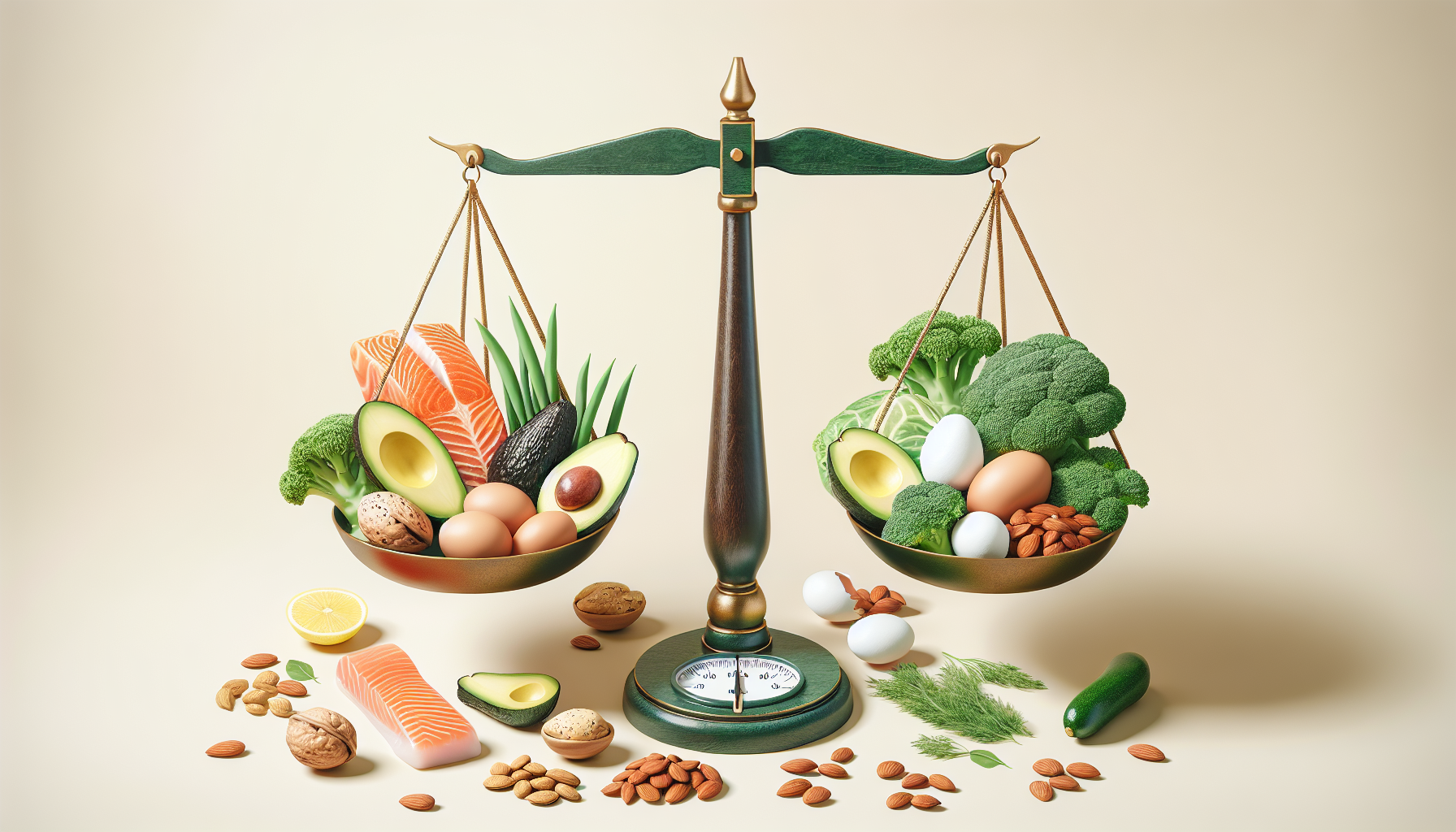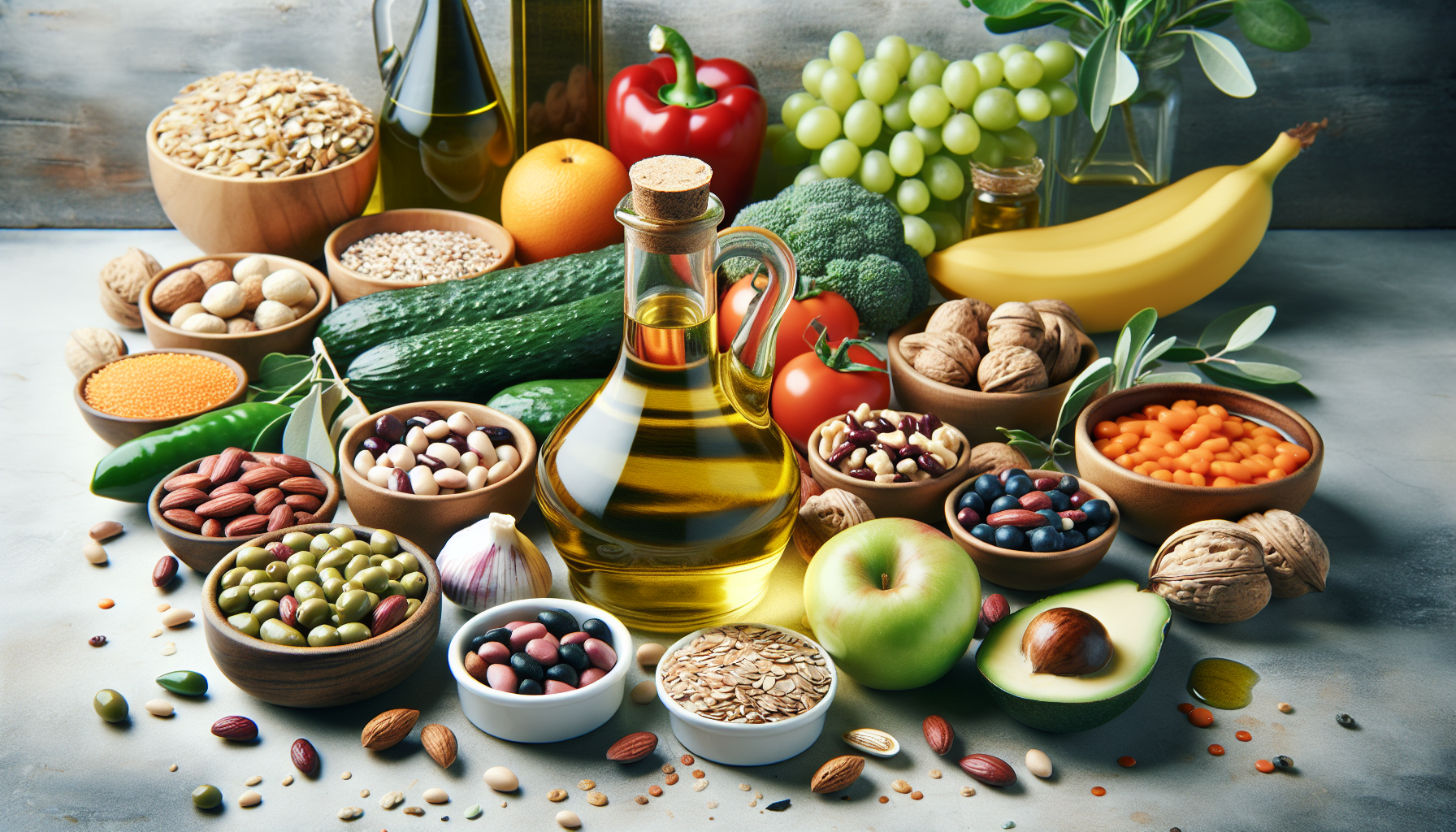
The Mediterranean diet benefits are not tied to a single superfood or strict meal plan; they come from a pattern of eating centered on plants, olive oil, seafood, legumes, whole grains, and minimally processed foods. In nutrition practice, I have seen this approach work because it is practical, culturally flexible, and supported by decades of research on heart health, metabolic function, cognitive aging, and overall longevity. When people ask what the Mediterranean diet actually means, the clearest definition is this: it is a traditional eating pattern common to countries bordering the Mediterranean Sea, emphasizing vegetables, fruits, beans, lentils, nuts, seeds, herbs, whole grains, extra-virgin olive oil, moderate dairy, regular fish, and limited red meat and ultra-processed foods.
That definition matters because many people reduce the pattern to pasta, red wine, or a vague idea of “healthy fats.” In reality, the strongest Mediterranean diet benefits come from food synergy. Olive oil improves the absorption of fat-soluble compounds in vegetables. Legumes and whole grains support blood sugar control through fiber and resistant starch. Fatty fish contributes omega-3 fats that help regulate inflammation and cardiovascular risk. Fermented dairy can add protein, calcium, and beneficial cultures. Herbs, nuts, tomatoes, leafy greens, and berries deliver polyphenols and carotenoids linked with reduced oxidative stress. The pattern works because these foods are repeatedly eaten together over time.
Why does this matter now? Because most modern diets are dominated by refined starches, added sugars, excess sodium, and highly processed fats. That combination pushes up LDL cholesterol, blood pressure, insulin resistance, and body weight. By contrast, Mediterranean-style eating has been associated with lower rates of cardiovascular disease, type 2 diabetes, nonalcoholic fatty liver disease, and some forms of cognitive decline. Large studies, including the PREDIMED trial, helped establish that a Mediterranean dietary pattern enriched with extra-virgin olive oil or nuts can reduce major cardiovascular events in high-risk adults. For anyone building a sustainable eating style rather than chasing a temporary plan, understanding the top foods rich in Mediterranean diet benefits is the best place to start.
Extra-Virgin Olive Oil: The Foundational Fat
If you want the single food most closely tied to Mediterranean diet benefits, start with extra-virgin olive oil. It is the primary culinary fat in traditional Mediterranean eating and replaces butter, shortening, and many industrial seed-oil-heavy processed foods. Extra-virgin olive oil contains mostly monounsaturated fat, especially oleic acid, along with polyphenols such as hydroxytyrosol and oleocanthal. These compounds help explain why regular use is associated with better cardiovascular outcomes, improved endothelial function, and lower inflammatory markers in many studies.
In practical terms, olive oil improves diet quality because it changes what people cook and how they eat. I have watched households make one simple switch—using extra-virgin olive oil for vegetables, bean dishes, soups, and grain bowls—and their meals become less reliant on creamy sauces and packaged dressings. A tablespoon over tomatoes, chickpeas, greens, or grilled fish adds flavor and satiety while supporting absorption of vitamins A, D, E, and K as well as carotenoids like lycopene. That is one reason tomatoes with olive oil are more nutritionally effective than dry tomatoes in a salad.
Choose extra-virgin rather than refined olive oil when possible, because extra-virgin retains more phenolic compounds. Look for harvest dates, dark bottles, and producers that note origin. Use it for dressings, drizzling, roasting, and moderate-heat cooking. It is not a license to drown food in calories, but it is a proven upgrade over fats common in heavily processed diets.
Legumes, Whole Grains, and Vegetables: The Fiber Engine
Beans, lentils, chickpeas, peas, oats, barley, farro, brown rice, and a wide range of vegetables form the bulk of traditional Mediterranean meals. This group delivers one of the most important Mediterranean diet benefits: high fiber intake. Fiber supports bowel regularity, helps lower LDL cholesterol, slows glucose absorption, improves satiety, and feeds beneficial gut microbes that produce short-chain fatty acids such as butyrate. Most adults fall short of recommended fiber intake, which is one reason blood sugar instability and poor digestive health are so common.
Legumes are especially valuable because they combine fiber, plant protein, iron, magnesium, folate, and a low glycemic impact. Lentil soup, chickpea salad, and white beans with olive oil and herbs are simple examples that outperform many “health” snacks in both nutrient density and fullness. Whole grains add texture, minerals, and slow-release carbohydrates. Vegetables contribute potassium, vitamin C, folate, and thousands of phytochemicals. Dark leafy greens, eggplant, zucchini, peppers, onions, artichokes, tomatoes, and cruciferous vegetables all fit naturally into this pattern.
One of the reasons this dietary style works so well for weight management is volume. A bowl built from roasted vegetables, lentils, farro, olive oil, and yogurt is satisfying because it combines fiber, water, protein, and fat. People are less likely to overeat later when meals are structured this way. In counseling settings, replacing refined lunch options with bean-based salads and grain bowls consistently improves energy, fullness, and afternoon blood sugar control.
Fish, Seafood, Nuts, and Seeds: Smart Fats and Protein
Another major source of Mediterranean diet benefits is the regular inclusion of fish, seafood, nuts, and seeds. Fatty fish such as salmon, sardines, trout, mackerel, anchovies, and herring are rich in omega-3 fatty acids EPA and DHA. These fats help lower triglycerides, support brain and eye health, and contribute to anti-inflammatory signaling. Sardines and salmon with bones also provide calcium and vitamin D, making them especially useful for older adults or anyone who does not consume much dairy.
Nuts and seeds offer a different but complementary profile. Walnuts provide alpha-linolenic acid, almonds deliver vitamin E and magnesium, pistachios contribute potassium and plant sterols, and sesame seeds add calcium and lignans. In real meals, a small handful of nuts can replace processed snack foods, while seeds can be stirred into yogurt, salads, or grain dishes. The goal is not a high-protein fad diet; it is steady, nutrient-dense protein distributed across the week.
| Food | Key nutrients | Main benefit | Easy use |
|---|---|---|---|
| Sardines | EPA, DHA, calcium, vitamin D | Heart and bone support | On toast with tomato and olive oil |
| Salmon | EPA, DHA, protein, selenium | Triglyceride and inflammation support | Baked with herbs and lemon |
| Walnuts | ALA, polyphenols, copper | Cardiovascular support | Added to oats or yogurt |
| Almonds | Vitamin E, magnesium, fiber | Satiety and metabolic support | Paired with fruit for snacks |
For people who dislike fish, start with mild options like trout or canned tuna packed in olive oil, though lower-mercury fish are preferable for frequent use. If budget is a concern, canned sardines, mussels, and mackerel are cost-effective and shelf stable. Nuts are calorie dense, so portions matter, but replacing chips or pastries with nuts usually improves overall diet quality quickly.
Fruit, Herbs, Yogurt, and Fermented Foods: Everyday Protective Compounds
Mediterranean eating is often described through fats and proteins, but fruit, herbs, yogurt, and fermented foods deserve equal attention. Berries, citrus, grapes, figs, apples, pomegranates, and stone fruits provide fiber, vitamin C, potassium, and a broad range of polyphenols. These compounds are studied for their role in vascular health, immune regulation, and cellular protection. Choosing fruit for dessert instead of highly processed sweets is one of the simplest ways to bring Mediterranean diet benefits into daily life without feeling restricted.
Fresh herbs and aromatics such as parsley, basil, oregano, rosemary, mint, garlic, and onion matter more than most people realize. They make high-fiber foods taste better, reduce dependence on excess salt, and increase polyphenol intake in small but repeated amounts. Traditional Mediterranean cooking is deeply herb-driven, and that flavor structure helps people stick with the pattern long term.
Yogurt, kefir, and some cheeses can also fit well, especially when they are minimally processed and used in moderate portions. Greek yogurt is particularly useful because it supplies protein, calcium, and often beneficial bacterial cultures. In practice, yogurt can anchor breakfast, cool a spiced lentil dish, or replace heavier creamy condiments. Fermented foods are not magic, and not every product contains live cultures at the time of consumption, but they can support diet variety and digestive health within a balanced plan.
One important nuance is that Mediterranean-style eating does not require daily wine, expensive imported ingredients, or perfect adherence. The strongest evidence points to consistent intake of core foods, not to luxury products or rigid rules. A simple meal of plain yogurt, walnuts, berries, and oats is fully aligned with the pattern and often more beneficial than a restaurant dish marketed as Mediterranean but loaded with refined bread and sodium.
How to Build Meals That Deliver Mediterranean Diet Benefits
The easiest way to apply this eating pattern is to think in meal templates rather than recipes. Build most meals around vegetables, legumes or whole grains, a quality fat, and a protein source such as fish, yogurt, eggs, or beans. For breakfast, that could mean Greek yogurt with berries, oats, chia seeds, and walnuts. Lunch might be a chickpea salad with cucumbers, tomatoes, olive oil, lemon, and herbs. Dinner could be grilled salmon, farro, and roasted vegetables finished with olive oil and parsley. These meals are not complicated, but together they create the nutrient profile associated with Mediterranean diet benefits.
For shopping, prioritize extra-virgin olive oil, canned beans, lentils, whole grains, plain yogurt, frozen vegetables, canned fish, nuts, seeds, garlic, onions, and seasonal produce. This is how I recommend people start because it lowers friction. Frozen spinach is as useful as fresh. Canned no-salt-added beans save time. Sardines are more realistic than fresh sea bass for many households. A good pattern is one you can repeat on busy weekdays.
There are also limitations to understand. Mediterranean-style eating is not automatically low calorie, low carb, or suitable in exactly the same way for every medical condition. Portion size still matters for weight loss. Some packaged Mediterranean products are high in sodium. People with chronic kidney disease, food allergies, celiac disease, or specific gastrointestinal disorders may need tailored adjustments. Still, the core framework remains one of the most evidence-based and sustainable ways to eat. If you want a practical starting point, pick three foods this week—extra-virgin olive oil, beans, and fatty fish or walnuts—and build your meals around them. That single shift can move your diet closer to the full Mediterranean pattern and its long-term benefits.
Frequently Asked Questions
What foods are most responsible for Mediterranean diet benefits?
The biggest Mediterranean diet benefits come from the overall eating pattern, not from one miracle ingredient. The foods that do the heaviest lifting are extra virgin olive oil, vegetables, fruits, legumes, nuts and seeds, whole grains, herbs, seafood, and moderate amounts of fermented dairy such as yogurt. These foods work together to provide fiber, healthy fats, antioxidants, polyphenols, vitamins, minerals, and plant compounds that support the body in multiple ways at once.
For example, olive oil is a major source of monounsaturated fat and beneficial polyphenols, which are associated with better heart health and lower inflammation. Legumes such as lentils, chickpeas, and beans provide plant protein, slow-digesting carbohydrates, and fiber that help with blood sugar balance and fullness. Fatty fish like sardines, salmon, anchovies, and mackerel contribute omega-3 fats that support cardiovascular and brain health. Vegetables and fruits add antioxidant protection and help crowd out highly processed foods. Whole grains supply steady energy and additional fiber, especially when they replace refined grains.
What makes this approach so powerful is the pattern itself. A plate built around plants, healthy fats, and minimally processed staples tends to improve diet quality without feeling overly restrictive. That is why the Mediterranean style of eating has been linked for years with better long-term outcomes in heart health, metabolic function, cognitive aging, and longevity.
Why is olive oil considered such an important part of the Mediterranean diet?
Extra virgin olive oil is often called the foundation fat of the Mediterranean diet because it replaces less beneficial fats and adds nutritional value at the same time. Unlike highly refined oils, extra virgin olive oil contains natural plant compounds called polyphenols along with monounsaturated fat. This combination is one reason it has been studied so heavily in relation to heart health, inflammation, and vascular function.
From a practical standpoint, olive oil makes healthy eating easier. It improves flavor, helps vegetables taste better, and can be used in salad dressings, grain dishes, bean recipes, roasted vegetables, soups, and seafood meals. That means people are more likely to eat nourishing foods consistently, which matters just as much as the nutrients themselves. In real-world nutrition practice, sustainable habits beat short-term perfection every time.
It is also important to understand that olive oil is not beneficial because it is trendy or exotic. It is beneficial because it fits into a broader eating pattern built on whole foods. Drizzling olive oil over a salad of beans, greens, tomatoes, and whole grains is very different from adding it to an otherwise ultra-processed diet. Its strongest benefits show up when it is part of a lifestyle centered on minimally processed foods, regular meals, and balanced portions.
Do you need to eat fish to get Mediterranean diet benefits?
No, you do not have to eat fish to gain Mediterranean diet benefits, although seafood is traditionally an important part of the pattern and offers valuable nutrients. Fish, especially oily fish, provides omega-3 fatty acids, protein, selenium, iodine, and vitamin D, all of which can support heart, brain, and metabolic health. For people who enjoy seafood, including it a couple of times per week is a practical way to strengthen the diet.
That said, the Mediterranean pattern is flexible and can absolutely be adapted for people who eat little or no fish. Legumes, nuts, seeds, extra virgin olive oil, whole grains, vegetables, and fruits still form a very strong foundation. Plant-focused eaters can emphasize beans, lentils, chickpeas, tofu, walnuts, chia seeds, flaxseeds, and a wide variety of produce to maintain the spirit and many of the benefits of this way of eating. Fermented dairy or eggs may also fit, depending on personal preference.
The key idea is that Mediterranean eating is not a strict checklist. It is a dietary pattern that prioritizes quality, balance, and minimally processed foods. If fish is not part of your routine, focus on the major principles: plenty of plants, healthy fats, fiber-rich staples, and fewer refined, heavily processed products. That is what drives most of the long-term benefit.
How do legumes and whole grains support Mediterranean diet benefits?
Legumes and whole grains are two of the most underrated foods in the Mediterranean diet, and they are central to why this approach works so well. Beans, lentils, peas, chickpeas, oats, barley, farro, brown rice, bulgur, and whole wheat provide complex carbohydrates, fiber, plant protein, and a wide range of micronutrients. These foods digest more slowly than refined grains, which can help with steadier energy levels, better appetite control, and improved blood sugar management.
Fiber is especially important here. It supports digestive health, helps lower LDL cholesterol, improves fullness after meals, and feeds beneficial gut bacteria. A healthier gut environment is increasingly linked with better metabolic health, immune function, and even aspects of mood and cognition. When legumes and whole grains appear regularly in meals, people often find it easier to stay satisfied without relying on highly processed snacks or oversized portions.
They are also budget-friendly, versatile, and culturally adaptable. A Mediterranean-style meal can look like lentil soup, chickpea salad, barley with roasted vegetables, or brown rice with herbs, olive oil, and grilled fish. These are simple foods, but that is exactly the point. The Mediterranean pattern is effective because it is practical enough to follow consistently, and legumes and whole grains make that possible.
What is the easiest way to start eating more Mediterranean-style foods?
The easiest way to begin is to stop thinking in terms of a rigid diet and start thinking in terms of meal structure. Build meals around vegetables, beans, whole grains, olive oil, nuts, fruit, and seafood or other minimally processed proteins. You do not need to overhaul everything overnight. Small shifts are often more realistic and more sustainable than dramatic changes.
A simple starting plan is to make one Mediterranean-style swap at a time. Use extra virgin olive oil instead of butter in certain meals. Add beans or lentils to soups, salads, or grain bowls. Include a vegetable at lunch and dinner. Choose fruit for dessert more often. Replace refined grains with options like oats, brown rice, farro, or whole grain bread. If you eat fish, try including it once or twice a week. If not, build more meals around legumes and nuts.
It also helps to think about what to add rather than only what to remove. Adding a salad with olive oil, a side of roasted vegetables, a handful of nuts, or a serving of yogurt with berries can naturally improve the quality of your diet. Over time, these additions tend to displace more processed choices without making eating feel restrictive. That is one reason the Mediterranean pattern has such staying power: it is flexible, satisfying, and realistic for everyday life.