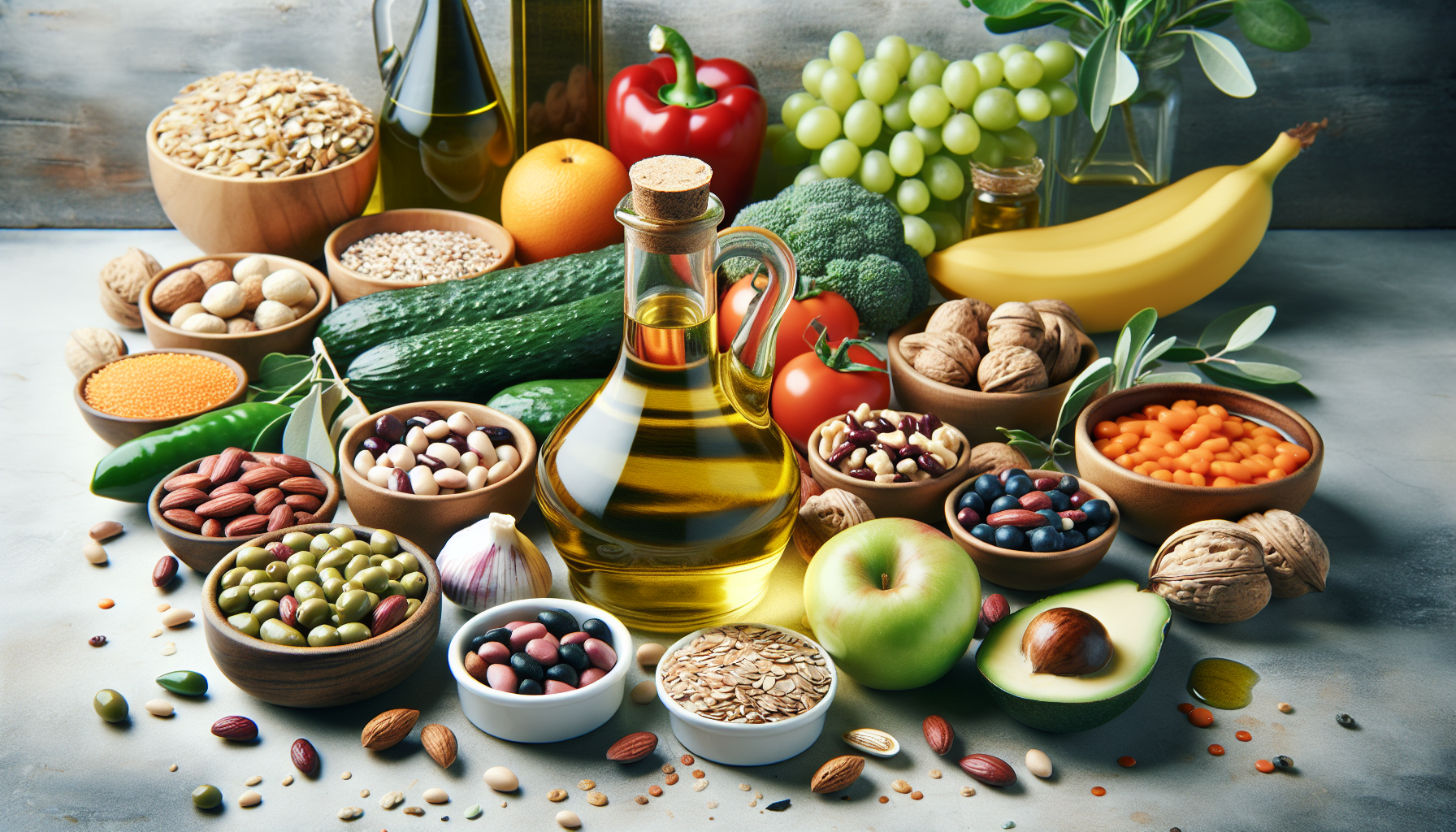
The Mediterranean diet benefits go far beyond weight control. In clinical practice, public health research, and everyday meal planning, this eating pattern consistently stands out because it is practical, protective, and sustainable. The term Mediterranean diet refers to the traditional food pattern seen in countries bordering the Mediterranean Sea, especially Greece, southern Italy, and parts of Spain, where meals center on vegetables, fruits, legumes, whole grains, olive oil, nuts, herbs, and regular but moderate intake of fish, dairy, and wine. Red meat, highly processed snacks, and refined sugars play a much smaller role.
What makes this dietary pattern important is not one miracle food but the way foods work together. Extra virgin olive oil provides monounsaturated fats and polyphenols. Beans and lentils add fiber, minerals, and plant protein. Fish delivers omega-3 fatty acids. Leafy greens, tomatoes, berries, and citrus fruits supply antioxidants and micronutrients. Meals are usually built around whole foods, home cooking, and portion balance rather than restriction. After years of reviewing food logs, coaching clients, and comparing eating patterns, I have found that the Mediterranean approach succeeds because it improves health markers without feeling like punishment.
Interest in Mediterranean diet benefits has grown because people want an approach that supports heart health, blood sugar management, cognitive function, digestive health, and long-term adherence. Major organizations including the American Heart Association and many preventive cardiology programs regularly point to this pattern as a benchmark for healthy eating. It matters because chronic diseases are strongly influenced by diet quality, and many people need a framework they can actually maintain through workweeks, family meals, travel, and aging. A good hub article should answer the core question directly: the Mediterranean diet benefits health by reducing inflammation, improving cardiovascular risk factors, supporting metabolic health, and making nutritious eating realistic over time.
What the Mediterranean Diet Includes and Why It Works
The Mediterranean diet is best understood as a food pattern, not a rigid prescription. Most plates emphasize vegetables, beans, intact grains, olive oil, herbs, nuts, seeds, and fruit. Fish and seafood appear regularly, eggs and fermented dairy appear in moderate amounts, and poultry is eaten more often than red meat. Sweets and processed foods are occasional. Water is the main beverage, while wine, if used, is generally moderate and consumed with meals. This composition matters because it raises nutrient density while lowering dependence on refined carbohydrates, sodium-heavy packaged foods, and saturated fat from processed meats.
The reason the pattern works is that it addresses several biological pathways at once. Fiber improves satiety, bowel regularity, and cholesterol excretion. Unsaturated fats from olive oil, nuts, and fish support healthier lipid profiles. Polyphenols from olive oil, cocoa, tea, berries, grapes, and herbs help limit oxidative stress. Potassium-rich produce supports blood pressure regulation. A lower glycemic load helps moderate insulin demand. In practice, meals such as grilled salmon with lentil salad, roasted vegetables, and olive oil dressing deliver these effects without requiring unusual ingredients or expensive supplements. People adhere to this style of eating because the food tastes good and fits normal life.
Cardiovascular Benefits: Why the Mediterranean Diet Is Famous for Heart Health
Among all Mediterranean diet benefits, cardiovascular protection is the most established. The strongest evidence comes from long-term observational data and randomized trials, including the widely cited PREDIMED study from Spain, which found that a Mediterranean-style eating pattern enriched with extra virgin olive oil or nuts reduced major cardiovascular events in high-risk adults compared with a lower-fat control diet. That finding matched what clinicians had already seen: blood pressure, LDL particle burden, triglycerides, endothelial function, and inflammatory markers often improve when people consistently replace processed foods and animal fats with olive oil, legumes, vegetables, and fish.
In plain terms, this diet helps the heart because it improves the environment inside blood vessels. Olive oil and nuts provide fats that are less likely to worsen atherogenic profiles than heavily processed trans fats or frequent intakes of fatty processed meats. Soluble fiber from beans, oats, barley, and fruit helps lower LDL cholesterol. Fatty fish such as sardines, salmon, trout, and mackerel contribute omega-3 fats associated with reduced triglycerides and better vascular function. When I have helped clients move from deli meats, chips, pastries, and takeout toward hummus, bean soups, vegetable-rich grain bowls, and fish twice weekly, blood pressure and lipid trends usually move in the right direction within months.
| Component | Main Nutrients or Compounds | Primary Health Benefit | Practical Example |
|---|---|---|---|
| Extra virgin olive oil | Monounsaturated fat, polyphenols | Supports healthier cholesterol balance and lowers oxidative stress | Use as the main cooking fat and salad dressing base |
| Legumes | Fiber, magnesium, plant protein | Improves satiety, blood sugar control, and LDL reduction | Lentil soup, chickpea salad, white bean stew |
| Fatty fish | Omega-3 fatty acids, protein | Supports triglyceride management and cardiovascular function | Salmon twice weekly or canned sardines on toast |
| Vegetables and fruit | Potassium, antioxidants, fiber | Helps blood pressure, inflammation, and digestive health | Tomatoes, leafy greens, berries, oranges, peppers |
| Nuts and seeds | Unsaturated fats, minerals, fiber | Improves fullness and cardiometabolic markers | Walnuts with yogurt or almonds as a snack |
Metabolic Health, Weight Management, and Blood Sugar Control
People often ask whether Mediterranean diet benefits include weight loss. The honest answer is yes, but not because it is a crash diet. Weight management improves because the diet naturally increases fullness and reduces overeating. Meals built around vegetables, beans, whole grains, olive oil, and protein-rich foods are more satisfying than meals built around white bread, sweet drinks, and ultra-processed snacks. Fiber slows digestion, protein supports satiety, and flavorful foods make it easier to stop chasing convenience calories. In real-world meal plans, clients who switch from sugary breakfast cereal to Greek yogurt with berries, walnuts, and oats often report better appetite control for the rest of the day.
Blood sugar control is another major advantage. This eating pattern tends to reduce glycemic volatility because carbohydrates are usually paired with fat, fiber, and protein. A bowl of lentils with vegetables and olive oil behaves very differently in the body than a bagel with sweetened coffee. Research on type 2 diabetes prevention and management consistently shows benefits from diets rich in minimally processed plant foods and unsaturated fats. Hemoglobin A1c, fasting glucose, and insulin resistance markers often improve when refined grains and sweets are reduced. The key limitation is portion creep. Olive oil, nuts, and whole grain breads are nutritious, but they still require attention if calorie balance is the goal.
Brain, Mood, and Healthy Aging Advantages
The Mediterranean diet benefits the brain because the same factors that protect blood vessels also protect cognitive function. Healthy circulation supports oxygen and nutrient delivery to brain tissue. Antioxidant-rich produce and olive oil help counter oxidative stress, while omega-3 fats from fish are structurally important in neural membranes. Several studies have linked stronger adherence to Mediterranean-style eating with lower rates of cognitive decline and better performance on memory-related tasks. In older adults, the value is especially clear: preserving vascular health, muscle mass, and nutrient intake together supports independence and quality of life.
Mood is part of the picture as well. Nutrition does not replace mental health care, but diet quality influences inflammation, gut signaling, and energy stability, all of which affect how people feel. In my experience, clients eating more regular meals based on beans, grains, vegetables, olive oil, yogurt, eggs, and fish often notice steadier energy and fewer dramatic swings caused by highly refined food patterns. Social habits also matter. Traditional Mediterranean eating includes shared meals, slower pacing, and home preparation. Those habits improve consistency and can reduce the stress-driven eating patterns that sabotage health. Healthy aging is rarely about a single nutrient; it is about repeatable routines that protect multiple systems over decades.
Digestive Health, Inflammation, and the Gut Microbiome
Another reason Mediterranean diet benefits are so broad is its effect on the gut. The diet is naturally rich in prebiotic fibers from beans, onions, garlic, leeks, asparagus, oats, and fruit. These fibers feed beneficial gut bacteria, which then produce short-chain fatty acids such as butyrate that support the intestinal lining and immune regulation. Fermented dairy foods like yogurt can contribute helpful live cultures, and the lower intake of ultra-processed foods may reduce exposure to additives that sometimes worsen gastrointestinal symptoms in sensitive individuals. The result is often better regularity, reduced bloating from poor-quality diets, and improved digestive resilience over time.
Inflammation is closely connected to digestive and overall health. Chronic low-grade inflammation is associated with cardiovascular disease, insulin resistance, fatty liver disease, and other long-term conditions. A Mediterranean-style pattern helps because it replaces pro-inflammatory dietary habits, such as frequent processed meat, sugary drinks, and refined snack foods, with anti-inflammatory staples rich in polyphenols, carotenoids, vitamin E, and omega-3s. Turmeric is not required. Expensive powders are not required. Everyday foods do the work: tomatoes cooked in olive oil, bean stews with herbs, salads with nuts, and grilled fish with greens. For people with IBS, celiac disease, or specific intolerances, the pattern can still be adapted; the principle is quality, not a fixed menu.
How to Follow the Mediterranean Diet in Daily Life
To get the full Mediterranean diet benefits, structure matters more than perfection. Start with one simple rule: build meals from plants first. At lunch and dinner, fill at least half the plate with vegetables, add a fiber-rich carbohydrate such as beans or whole grains, include a source of protein, and use olive oil generously but intentionally. Keep fruit, yogurt, nuts, canned beans, whole grain bread, eggs, tuna, and frozen vegetables at home so healthy meals are faster than takeout. A practical week might include oatmeal with fruit and nuts, chickpea salad wraps, minestrone, baked salmon, vegetable omelets, grain bowls, and roasted vegetables with hummus.
Smart substitutions make adherence easier. Replace butter or shortening with extra virgin olive oil. Swap processed deli meat sandwiches for hummus, tuna, or grilled chicken with vegetables on whole grain bread. Trade sugary desserts for fruit and yogurt most days. Choose sparkling water instead of soda. Use herbs, lemon, garlic, and vinegar to create flavor without relying on heavy sauces. If you eat out, order grilled fish, bean-based sides, salads, and vegetable-forward dishes. This hub article should anchor your broader learning: if you want deeper guidance, explore meal planning, Mediterranean breakfast ideas, shopping lists, olive oil selection, and Mediterranean diet recipes for beginners. Consistency beats intensity every time.
The strongest Mediterranean diet benefits come from a pattern, not a trend. When meals consistently emphasize olive oil, vegetables, legumes, fruit, whole grains, nuts, and fish, health markers improve because the body receives better raw materials day after day. Heart health, blood sugar control, digestive function, cognitive resilience, and healthy aging all respond to that repeated input. This is why the Mediterranean approach remains one of the most trusted dietary lifestyles in nutrition science and one of the easiest to recommend in real life.
It also succeeds because it is flexible. You do not need to live on a coastline, drink wine, or cook elaborate recipes to follow it well. You need a shopping strategy, a few staple meals, and a willingness to replace ultra-processed foods with whole-food options more often. Start small if necessary: use olive oil, add beans twice a week, eat fish regularly, and build each meal around plants. If you want a dietary lifestyle with lasting payoff, use this article as your starting point and begin applying the Mediterranean diet benefits to your next meal today.
Frequently Asked Questions
What are the main health benefits of following a Mediterranean diet?
The Mediterranean diet is widely recognized for supporting overall health in ways that extend far beyond simple weight management. Its strongest reputation comes from cardiovascular protection. Because it emphasizes olive oil, nuts, seeds, beans, vegetables, fruits, and whole grains while limiting heavily processed foods and excess saturated fat, this eating pattern has been associated with healthier cholesterol levels, improved blood pressure, and reduced inflammation. These factors matter because they help lower the long-term risk of heart disease and stroke, two of the most significant public health concerns worldwide.
Another major advantage is metabolic health. The Mediterranean diet can help improve blood sugar regulation and insulin sensitivity, especially when meals are built around fiber-rich plant foods and balanced portions of protein and healthy fats. This makes it a practical choice for people trying to reduce their risk of type 2 diabetes or better manage existing blood sugar concerns. Many people also notice more stable energy levels because meals based on whole foods tend to be more satisfying and less likely to cause the sharp rises and crashes often linked to refined carbohydrates and highly processed snacks.
There is also growing evidence that the Mediterranean diet may benefit brain health, digestive health, and healthy aging. Antioxidant-rich foods such as berries, leafy greens, tomatoes, herbs, and extra virgin olive oil help combat oxidative stress, while the diet’s high fiber content supports a healthier gut microbiome. Over time, this combination may contribute to better immune function, cognitive resilience, and a lower risk of certain chronic diseases. What makes the Mediterranean diet especially valuable is that it is not a short-term fix. It is a realistic, enjoyable, and sustainable way of eating that supports long-term wellness.
How is the Mediterranean diet different from other popular diets?
One of the biggest differences is that the Mediterranean diet is a pattern of eating, not a rigid rulebook. Unlike highly restrictive diets that eliminate entire food groups or require constant tracking, this approach focuses on quality, balance, and consistency. The foundation of the diet is made up of minimally processed foods such as vegetables, fruits, legumes, whole grains, nuts, seeds, and olive oil. Fish and seafood are often included regularly, dairy and eggs may be eaten in moderate amounts, and red meat and sweets are generally kept more occasional. That structure gives people flexibility while still promoting strong nutritional habits.
Another important distinction is its long history of real-world use. The Mediterranean diet is modeled after traditional eating patterns that have been studied in both clinical settings and population research for decades. It is not based on a trend or a quick promise. Instead, it reflects how communities have eaten for generations in regions where rates of chronic disease have often been lower and longevity has been notably high. That historical and scientific foundation gives it unusual credibility compared with plans that rely on extreme carbohydrate restriction, aggressive detox claims, or short-term calorie cutting.
The Mediterranean diet also stands out because it supports both physical health and lifestyle satisfaction. Meals are meant to be flavorful, social, and practical. Herbs, garlic, lemon, olive oil, beans, grains, and seasonal produce make it easier to prepare satisfying food without feeling deprived. This matters because long-term success usually depends on whether a diet fits everyday life. A person is much more likely to maintain healthy eating habits when meals are enjoyable, accessible, and adaptable to family routines, cultural preferences, and different budgets.
Can the Mediterranean diet help with weight loss and weight maintenance?
Yes, the Mediterranean diet can support both weight loss and long-term weight maintenance, but it does so in a steady, sustainable way rather than through extreme restriction. Because the diet emphasizes high-fiber foods like vegetables, legumes, fruits, and whole grains, along with healthy fats from olive oil, nuts, and seeds, meals tend to be more filling and satisfying. That combination can naturally reduce overeating by helping people feel full longer. Instead of relying on willpower alone, the eating pattern works with the body’s appetite signals by making balanced meals more nourishing and less likely to trigger constant hunger.
It is also helpful because it improves the overall quality of the diet. Many people gain weight or struggle to maintain healthy habits when a large share of their calories comes from fast food, sugary drinks, refined snacks, or oversized portions of heavily processed meals. The Mediterranean approach shifts the focus toward foods that are nutrient-dense and less calorie-concentrated overall, especially when plates are built around vegetables, beans, and whole grains. At the same time, it does not ban enjoyable foods outright, which can reduce the cycle of restriction and rebound eating that often undermines progress.
That said, weight outcomes still depend on total eating patterns, portion balance, physical activity, sleep, stress, and consistency over time. Olive oil, nuts, and cheese can absolutely fit within a Mediterranean eating style, but portion awareness still matters because these foods are energy-dense. The real strength of the Mediterranean diet is that it supports a healthier relationship with food. Rather than chasing rapid results, it helps people build repeatable habits that make healthy weight management more realistic over the long term.
What foods should I eat most often on a Mediterranean diet?
The foods you should eat most often are plant-centered, minimally processed, and rich in nutrients. Vegetables should play a leading role at most meals, with options such as leafy greens, tomatoes, peppers, cucumbers, zucchini, eggplant, onions, and broccoli appearing frequently. Fruits are also a regular part of the diet, whether eaten fresh for breakfast, as snacks, or as a naturally sweet finish to a meal. Legumes such as lentils, chickpeas, white beans, and black beans are especially valuable because they provide fiber, plant protein, minerals, and lasting fullness.
Whole grains are another key category. Foods like oats, brown rice, farro, barley, quinoa, and whole grain bread or pasta help provide steady energy and contribute important fiber. Extra virgin olive oil is the signature fat of the Mediterranean diet and is commonly used in dressings, cooking, and finishing dishes. Nuts and seeds, including almonds, walnuts, pistachios, chia seeds, and sesame, are also encouraged in moderate portions. For protein, fish and seafood are often prioritized, while yogurt, cheese, eggs, and poultry may be included in moderate amounts depending on individual needs and preferences.
Equally important is the overall pattern. Herbs, spices, garlic, lemon, and vinegar are used generously to add flavor without depending on excess sodium or sugary sauces. Water is the main beverage of choice, and meals are often built around simple combinations such as grilled fish with vegetables, lentil soup with salad, Greek yogurt with fruit and nuts, or whole grain toast with olive oil and tomato. The emphasis is not on perfection but on repeating these nourishing food choices often enough that they become your normal routine.
Is the Mediterranean diet easy to follow for everyday meal planning?
For most people, yes. One reason the Mediterranean diet remains so highly recommended is that it is practical for real life. You do not need specialty products, complicated meal replacements, or a strict eating schedule. A simple way to plan meals is to start with vegetables, add a source of protein such as beans, fish, eggs, yogurt, or chicken, include a whole grain or other high-fiber carbohydrate, and use olive oil or nuts for healthy fat. That structure works for breakfast, lunch, and dinner, and it can be adapted to different cuisines, family preferences, and cooking skill levels.
It is also friendly to batch cooking and budget-conscious shopping. Beans, lentils, oats, canned tuna or salmon, brown rice, frozen vegetables, plain yogurt, olive oil, and seasonal produce can form the basis of many affordable meals. A person can make a pot of soup, cook a tray of roasted vegetables, prepare a grain in advance, and then mix and match ingredients throughout the week. This reduces decision fatigue and makes it easier to stay consistent, which is often the biggest challenge with healthy eating.
The key to success is not trying to overhaul everything overnight. Start with a few realistic changes, such as replacing butter with olive oil, eating beans more often, adding vegetables to lunch and dinner, choosing fruit instead of heavily processed desserts, or having fish once or twice a week. These small shifts add up. The Mediterranean diet is easiest to maintain when it feels less like a program and more like a natural, enjoyable way to eat every day.