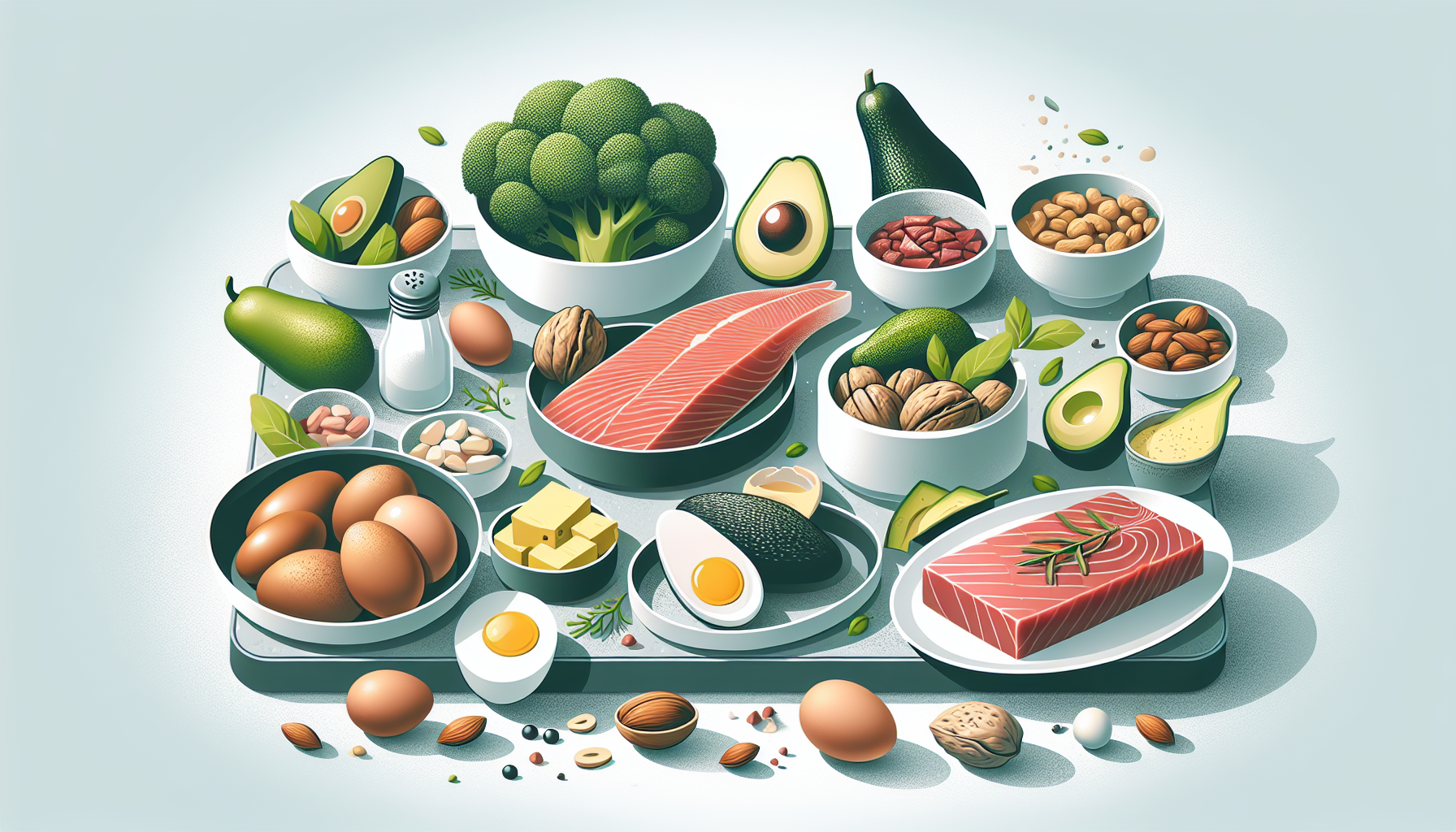
The Mediterranean diet is often praised as one of the healthiest eating patterns in the world, yet many claims about Mediterranean diet benefits are simplified, exaggerated, or misunderstood. In practice, the Mediterranean diet is not a rigid meal plan but a broad dietary pattern rooted in the traditional eating habits of countries bordering the Mediterranean Sea, especially Greece, Southern Italy, and parts of Spain. It emphasizes vegetables, fruits, legumes, whole grains, nuts, seeds, extra virgin olive oil, herbs, seafood, and moderate intake of fermented dairy and wine, while keeping red meat, heavily processed foods, and refined sweets limited.
Why does this matter? Because people searching for Mediterranean diet benefits are usually trying to answer practical questions: Does it help heart health? Is it good for weight loss? Can it lower inflammation, reduce diabetes risk, or support brain health? After years of working with nutrition content and reviewing clinical guidance, I have seen the same confusion repeatedly. People either treat the Mediterranean diet as a miracle cure or dismiss it as just another wellness trend. Neither view is accurate. The evidence is stronger, and more nuanced, than that.
The strongest case for the Mediterranean diet comes from consistent research on cardiometabolic health, longevity, and dietary quality. Major studies, including the PREDIMED trial, have linked a Mediterranean-style eating pattern with lower cardiovascular risk when compared with lower-fat control diets. Observational research has also associated higher adherence with lower rates of type 2 diabetes, cognitive decline, and all-cause mortality. But these outcomes do not happen because of one superfood. They emerge from a pattern: better fats, more fiber, higher polyphenol intake, steadier blood sugar, and fewer ultra-processed foods.
This hub article debunks common myths, explains what the Mediterranean diet can and cannot do, and clarifies why its benefits depend on the total pattern rather than isolated ingredients. If you want a realistic understanding of Mediterranean diet benefits, this is the foundation.
Myth 1: The Mediterranean Diet Is Just Olive Oil, Pasta, and Red Wine
This is the most common misconception, and it misses the core of the dietary pattern. Yes, extra virgin olive oil is central. Yes, pasta may appear in Mediterranean cuisines. And yes, moderate wine intake is traditional in some regions. But none of those foods defines the diet on its own. The defining feature is a plant-forward pattern built around minimally processed staples.
In practical terms, most Mediterranean-style meals start with vegetables, beans, lentils, chickpeas, whole grains, potatoes, seafood, yogurt, olives, nuts, and fruit. Olive oil replaces butter or shortening. Herbs and spices reduce the need for excess salt. Meals are often structured around beans or fish rather than large portions of red meat. In my experience reviewing meal plans, the biggest shift is not adding olive oil; it is replacing processed convenience foods with whole foods that naturally improve nutrient density.
Real-world examples make this clearer. A Mediterranean lunch might be lentil soup, tomato and cucumber salad with olive oil, whole grain bread, and fruit. Dinner might be grilled sardines, roasted eggplant, farro, and greens. That looks very different from the stereotype of oversized pasta bowls and nightly alcohol. Mediterranean diet benefits come from this broader composition: monounsaturated fats, omega-3 fats from fish, soluble and insoluble fiber, potassium, magnesium, and thousands of bioactive plant compounds.
Myth 2: Mediterranean Diet Benefits Come From One “Magic” Food
People often want a single hero ingredient: olive oil, salmon, walnuts, red wine, tomatoes, or dark leafy greens. That is understandable, but it is not how nutrition works in dietary pattern research. The Mediterranean diet produces benefits through synergy. Foods interact. Fiber slows glucose absorption. Healthy fats improve satiety and help absorb fat-soluble nutrients. Polyphenol-rich foods such as olive oil, berries, grapes, cocoa, and herbs may help modulate oxidative stress and inflammation. Fermented dairy and legumes can improve meal quality and support gut microbiota diversity.
The PREDIMED study is a useful example because it tested a Mediterranean dietary pattern supplemented with extra virgin olive oil or nuts. The intervention did not prove olive oil alone prevents cardiovascular events. It showed that a full Mediterranean-style pattern, supported by foods rich in unsaturated fats and plant compounds, can improve meaningful outcomes in high-risk adults. That distinction matters.
When people chase one food, they usually miss the main benefit. Adding olive oil to a diet still dominated by refined grains, sugary drinks, processed meats, and low vegetable intake will not reproduce the same results. If you want Mediterranean diet benefits, focus first on dietary architecture: what foods are crowding out healthier options, what your usual plate looks like, and whether your meals consistently combine plants, quality fats, and minimally processed protein sources.
Myth 3: The Mediterranean Diet Guarantees Weight Loss
The Mediterranean diet can support weight loss, but it does not guarantee it. This is one of the most important myths to correct because many people assume “healthy” automatically means “weight-reducing.” Weight change still depends on overall energy intake, eating behaviors, physical activity, sleep, stress, medications, and metabolic health. Olive oil, nuts, cheese, bread, and wine can all fit within a Mediterranean pattern, but calories still count.
What the Mediterranean diet does exceptionally well is improve the conditions that make healthy weight management easier. High-fiber foods increase fullness. Protein from legumes, yogurt, and fish can stabilize appetite. Meals built around vegetables and whole foods tend to be less hyper-palatable and less calorie-dense than diets rich in ultra-processed snacks. In dietary counseling, this often translates into better adherence because people feel less deprived than they do on restrictive plans.
Research generally shows that Mediterranean-style diets are at least as effective as many other balanced eating approaches for long-term weight management, especially when paired with exercise and portion awareness. Some people lose weight quickly; others maintain weight but improve blood pressure, lipid markers, and glucose control. That is still a significant health win.
| Claim | What Evidence Supports | Important Limitation |
|---|---|---|
| It always causes weight loss | It can help by improving satiety and diet quality | Calorie intake and behavior still determine weight change |
| It is best known for heart benefits | Strong evidence supports cardiovascular risk reduction | Benefits vary by adherence and baseline health status |
| Wine is necessary | No, benefits do not require alcohol | Alcohol may increase risks for some people |
| It is high fat, so it is unhealthy | Most fats come from unsaturated sources like olive oil and nuts | Portion balance still matters |
Myth 4: Mediterranean Diet Benefits Are Only About Heart Health
Heart health is the headline benefit, but it is not the only one. The Mediterranean diet has broad metabolic and systemic effects because it influences multiple pathways at the same time. It can improve LDL cholesterol quality and quantity, reduce triglycerides in some individuals, support blood pressure control, improve insulin sensitivity, and help reduce chronic low-grade inflammation. These changes are relevant not only to cardiovascular disease but also to type 2 diabetes, fatty liver risk, and metabolic syndrome.
There is also meaningful interest in brain health. Higher Mediterranean diet adherence has been associated in multiple cohort studies with slower cognitive decline and lower risk of dementia-related outcomes. The mechanism is likely multifactorial: improved vascular health, lower inflammatory burden, more antioxidant-rich plant foods, and greater intake of omega-3 fats from fish. While diet alone cannot prevent all neurodegenerative disease, the pattern aligns with what we know about protecting the brain through better vascular and metabolic health.
Gut health is another underappreciated area. Legumes, vegetables, fruit, nuts, seeds, and whole grains provide fermentable fibers that support a more diverse gut microbiome. A healthier microbiome may influence immunity, bowel regularity, and even glycemic control. So when discussing Mediterranean diet benefits, it is more accurate to think in terms of whole-body health rather than one organ system.
Myth 5: You Must Drink Wine to Follow a Mediterranean Diet
No. Alcohol is optional, not essential. This myth persists because many popular descriptions include red wine with meals. But the evidence does not justify telling non-drinkers to start drinking for health. Current public health guidance is clear that alcohol carries risks, including increased risk of certain cancers, liver disease, accidents, and dependence. For some people, even moderate alcohol intake is inappropriate due to pregnancy, medications, personal or family history, migraine triggers, or medical conditions.
In traditional Mediterranean cultures, wine was often consumed in modest amounts, with food, and within a wider lifestyle that included walking, social meals, and low intake of ultra-processed products. You cannot isolate the wine and assume it drives the benefit. If someone enjoys alcohol and their clinician says moderate intake is safe, it may fit. If they do not drink, there is no requirement to add it.
Better sources of Mediterranean diet benefits include extra virgin olive oil, beans, leafy greens, tomatoes, nuts, seeds, and fish. These foods provide fiber, polyphenols, carotenoids, and unsaturated fats without the risks associated with alcohol. For most people, emphasizing those staples is the smarter recommendation.
Myth 6: The Mediterranean Diet Is Too Expensive and Hard to Follow
This myth usually comes from a narrow image of the diet built around fresh salmon, imported olive oil, artisanal cheese, and restaurant meals. In reality, some of the most authentic Mediterranean staples are budget-friendly: beans, lentils, chickpeas, oats, brown rice, canned sardines, seasonal produce, potatoes, plain yogurt, and frozen vegetables. Extra virgin olive oil does cost more than some seed oils, but because it is used in sensible amounts and replaces other fats, it does not automatically make a diet unaffordable.
When I compare grocery patterns, the cost issue often has more to do with replacing convenience food habits than with the Mediterranean diet itself. A cart full of packaged snacks, delivery meals, sugary drinks, and processed meats is rarely cheap. A simple Mediterranean shopping list can be economical when built around pantry basics and meal repetition.
It is also more adaptable than many people think. Mediterranean diet benefits do not disappear if you use black beans instead of cannellini beans, canned mackerel instead of fresh sea bass, or local greens instead of arugula. The principles matter more than geographic purity. Use mostly plants, choose unsaturated fats, eat fish or legumes regularly, limit ultra-processed foods, and build meals that are satisfying enough to maintain.
Myth 7: The Mediterranean Diet Works the Same for Everyone
The evidence is strong, but responses still vary. Genetics, medical history, food access, culture, budget, medications, and baseline diet quality all influence outcomes. Someone moving from a fast-food-heavy diet to a Mediterranean pattern may see dramatic improvements in blood pressure, triglycerides, and energy levels within months. Someone who already eats plenty of whole foods may notice subtler changes. A person with celiac disease will need gluten-free grains. A person with chronic kidney disease may need individualized guidance on potassium, phosphorus, or protein. A person trying to lower LDL cholesterol aggressively may need additional saturated fat reduction even within a Mediterranean framework.
This is why the best use of the Mediterranean diet is as a flexible evidence-based template, not a rigid identity. It provides a reliable structure for healthier eating, but implementation should reflect personal needs. Clinicians often adapt it for diabetes by paying closer attention to carbohydrate distribution, for hypertension by emphasizing sodium reduction, and for vegetarian eating by increasing legumes, soy foods, nuts, and seeds.
The main takeaway is straightforward: Mediterranean diet benefits are real, but they are not magical, universal, or detached from context. The diet works best when it is personalized, sustained, and paired with the broader lifestyle habits that traditionally accompany it, including regular physical activity, cooking at home, social eating, and adequate sleep.
The myths surrounding Mediterranean diet benefits usually come from the same problem: reducing a proven dietary pattern into a slogan. The Mediterranean diet is not a single food, a guaranteed weight-loss trick, or a license to drink wine and eat unlimited pasta. It is a practical, research-supported way of eating built around vegetables, legumes, whole grains, fruit, nuts, seeds, olive oil, and regular seafood, with fewer ultra-processed foods and less red meat.
Its strongest benefits are seen in cardiovascular health, but the pattern also supports blood sugar control, diet quality, gut health, and potentially cognitive health. The evidence is compelling precisely because it reflects how people eat over time, not how one supplement performs in isolation. That makes this approach more useful in real life. It is flexible, culturally adaptable, and sustainable when built from affordable staples and realistic habits.
If you are exploring Mediterranean diet benefits as part of a broader “Dietary Lifestyles & Special Diets” strategy, start with the basics: upgrade your fat sources, increase plant foods, eat legumes and fish more often, and reduce ultra-processed products. Then build from there. Small shifts repeated daily are what turn this dietary pattern into measurable long-term health benefits.
Frequently Asked Questions
Is the Mediterranean diet a strict meal plan that guarantees better health for everyone?
No. One of the biggest misconceptions about Mediterranean diet benefits is that it works like a rigid prescription or a one-size-fits-all program. In reality, the Mediterranean diet is better understood as a flexible eating pattern rather than a strict set of rules. It is based on traditional food habits seen in parts of Greece, Southern Italy, Spain, and other Mediterranean regions, where meals typically emphasize vegetables, fruits, legumes, whole grains, nuts, seeds, olive oil, and moderate amounts of fish and dairy. That flexibility is part of its strength, but it also means there is no single “official” Mediterranean menu that automatically guarantees results.
Health outcomes depend on the overall quality of the diet, portion balance, lifestyle habits, genetics, existing medical conditions, and consistency over time. Someone can say they eat “Mediterranean” while still overdoing refined bread, sugary desserts, processed meats, or oversized portions. On the other hand, a person who follows the core principles thoughtfully may see improvements in heart health markers, blood sugar control, or overall diet quality. The evidence supporting the Mediterranean pattern is strong, especially for cardiovascular health, but it should not be treated like a miracle formula. Its benefits come from long-term habits, not from simply labeling your meals a certain way.
Do you have to eat a lot of pasta, bread, and wine to follow a Mediterranean diet?
Not at all. This is a popular myth shaped more by travel marketing and restaurant culture than by nutrition science. While bread and pasta can certainly appear in Mediterranean cuisines, they are traditionally part of a broader dietary pattern built around plant foods, beans, lentils, vegetables, olive oil, herbs, and minimally processed ingredients. Whole grains are generally more aligned with the spirit of the diet than large servings of refined pasta or white bread eaten in excess. In other words, carbohydrates are included, but they are not supposed to dominate every plate.
The same goes for wine. Moderate wine consumption, often with meals, is sometimes associated with Mediterranean eating, but it is not a requirement and should not be promoted as a health necessity. Many people do not drink alcohol for personal, medical, religious, or recovery-related reasons, and they can still fully follow a Mediterranean-style diet. The main health advantages linked to this eating pattern are more strongly tied to its emphasis on fiber-rich foods, healthy fats such as extra virgin olive oil, seafood, legumes, and abundant produce than to alcohol intake. If anything, the myth that wine is the “secret” to Mediterranean diet benefits oversimplifies what is actually a complex, food-first lifestyle pattern.
Are the benefits of the Mediterranean diet mostly due to olive oil alone?
Olive oil is important, but it is not the entire story. Extra virgin olive oil is often highlighted because it is a major source of monounsaturated fats and naturally contains plant compounds called polyphenols, which may support heart health and help reduce inflammation. However, reducing the Mediterranean diet to olive oil alone misses the broader dietary pattern that gives it its reputation. The benefits seen in research are tied to the combined effects of many foods working together: vegetables, fruits, legumes, nuts, seeds, whole grains, fish, herbs, and relatively limited intake of highly processed foods and added sugars.
This overall pattern matters because nutrients do not work in isolation in real life. A meal of vegetables, beans, whole grains, and olive oil delivers fiber, antioxidants, healthy fats, vitamins, minerals, and bioactive compounds all at once. That combination may help with satiety, cholesterol management, blood sugar regulation, and long-term cardiovascular risk. If someone simply adds more olive oil to an otherwise low-quality diet full of ultra-processed foods, they should not expect the same outcomes. Olive oil can be a valuable cornerstone, but the Mediterranean diet’s benefits come from the dietary pattern as a whole, not from one “magic” ingredient.
Can the Mediterranean diet help with weight loss automatically?
Not automatically. Another common myth is that the Mediterranean diet leads to effortless weight loss no matter how much you eat. While this eating pattern can support healthy weight management, it is not immune to the basic realities of energy balance. Foods commonly included in the Mediterranean diet, such as nuts, olive oil, cheese, bread, and even healthy dips, can be calorie-dense. That does not make them unhealthy, but it does mean portions still matter if weight loss is a goal.
What makes the Mediterranean approach useful for many people is that it often improves diet quality and satisfaction. Meals rich in fiber from vegetables, legumes, and whole grains, along with healthy fats and protein, can be filling and easier to sustain than highly restrictive diets. This may help reduce overeating and make long-term habits more manageable. Research often shows that people can lose weight or maintain weight successfully on a Mediterranean-style diet, especially when it replaces ultra-processed foods and is paired with physical activity. But the key point is that the diet supports sustainable behavior change; it does not override portion size, lifestyle patterns, or total calorie intake.
Is the Mediterranean diet only about food, or do lifestyle factors matter too?
Lifestyle factors absolutely matter, and this is one of the most overlooked parts of the conversation. The traditional Mediterranean way of eating did not exist in a vacuum. It was historically connected to daily movement, home-cooked meals, seasonal ingredients, regular social eating, slower meal times, and a lower dependence on heavily processed convenience foods. When people talk about Mediterranean diet benefits, they sometimes focus only on ingredients while ignoring the broader lifestyle context that likely contributes to the health outcomes seen in Mediterranean populations and in diet research.
That does not mean you need to recreate life in a coastal Greek village to benefit from the diet. It simply means the eating pattern works best when it is part of a wider foundation of healthy habits. Cooking more meals at home, eating more mindfully, staying physically active, sleeping well, and reducing reliance on packaged foods can all reinforce the benefits of Mediterranean-style eating. This broader view also helps explain why copying a few foods without changing overall habits may not produce dramatic results. The Mediterranean diet is powerful not because it is trendy, but because it encourages a realistic, balanced pattern of eating and living that supports health over time.