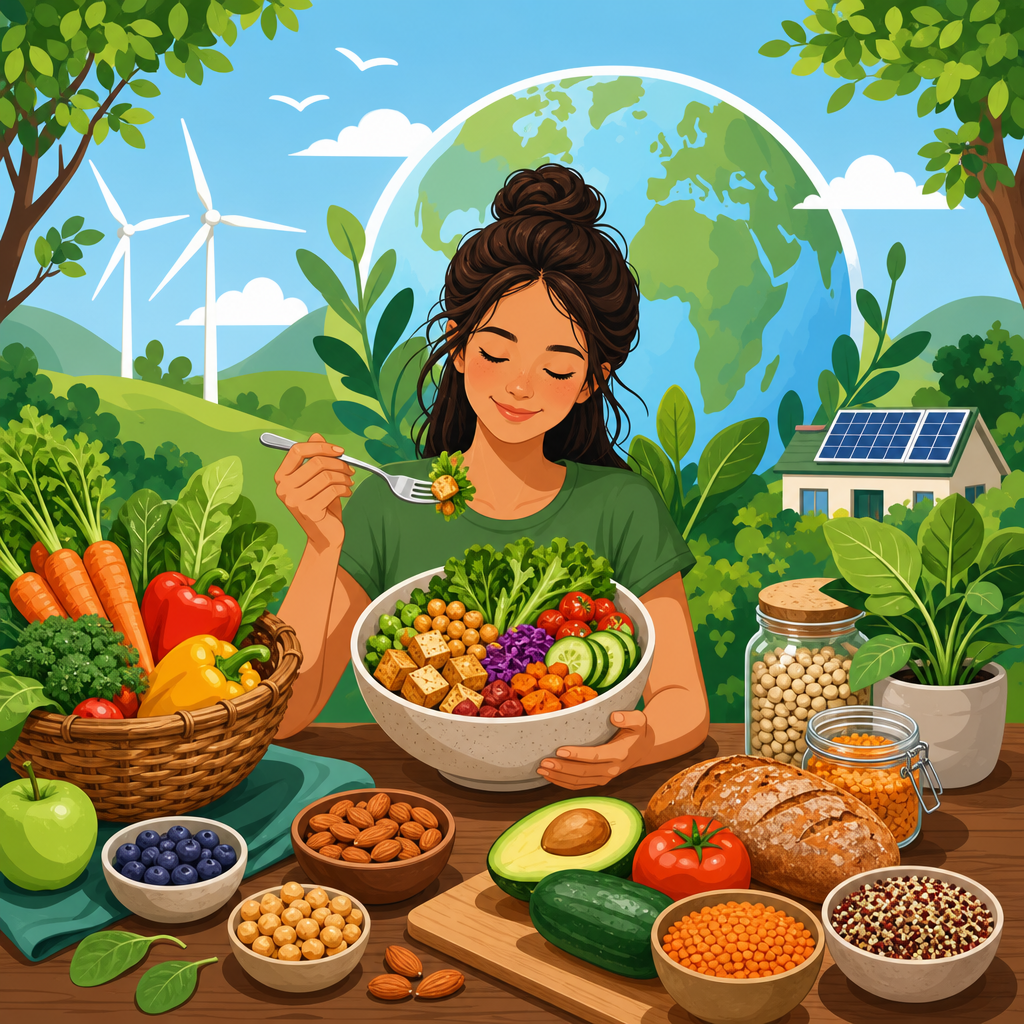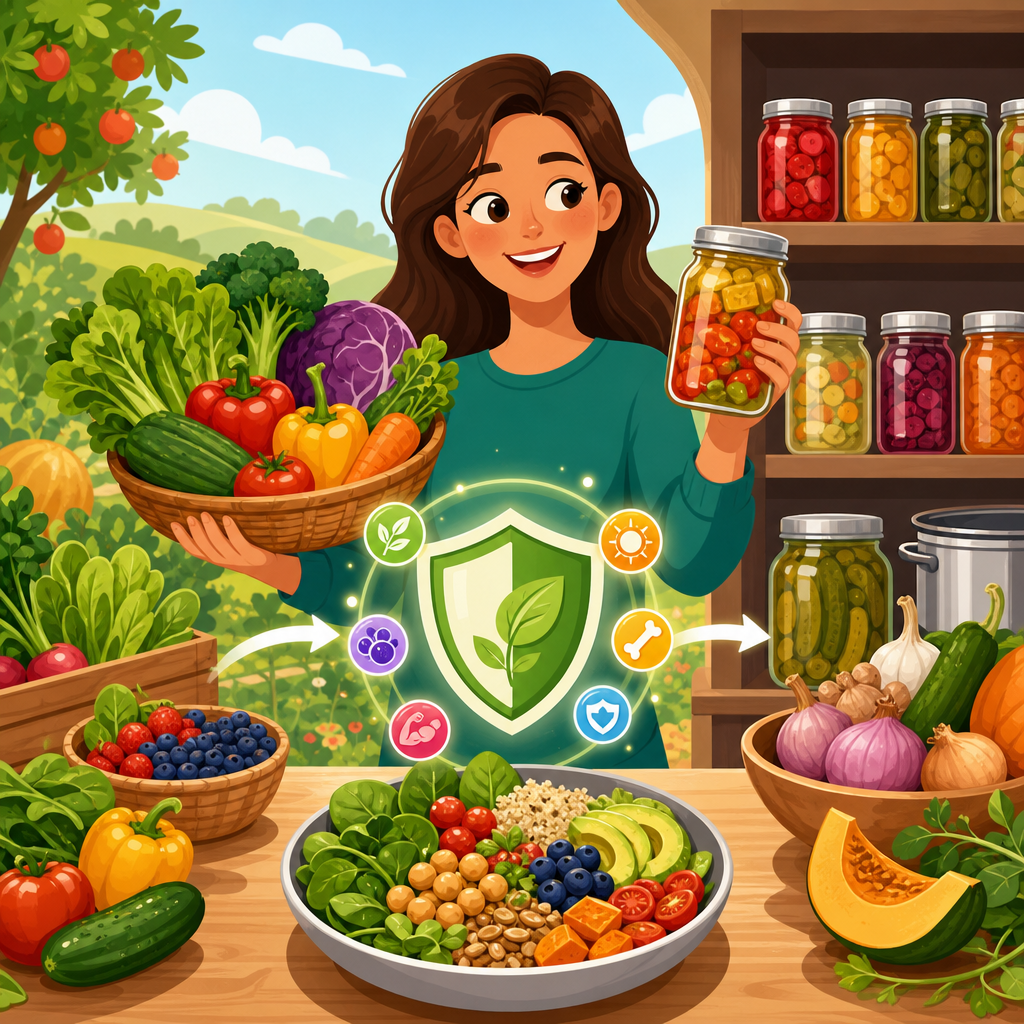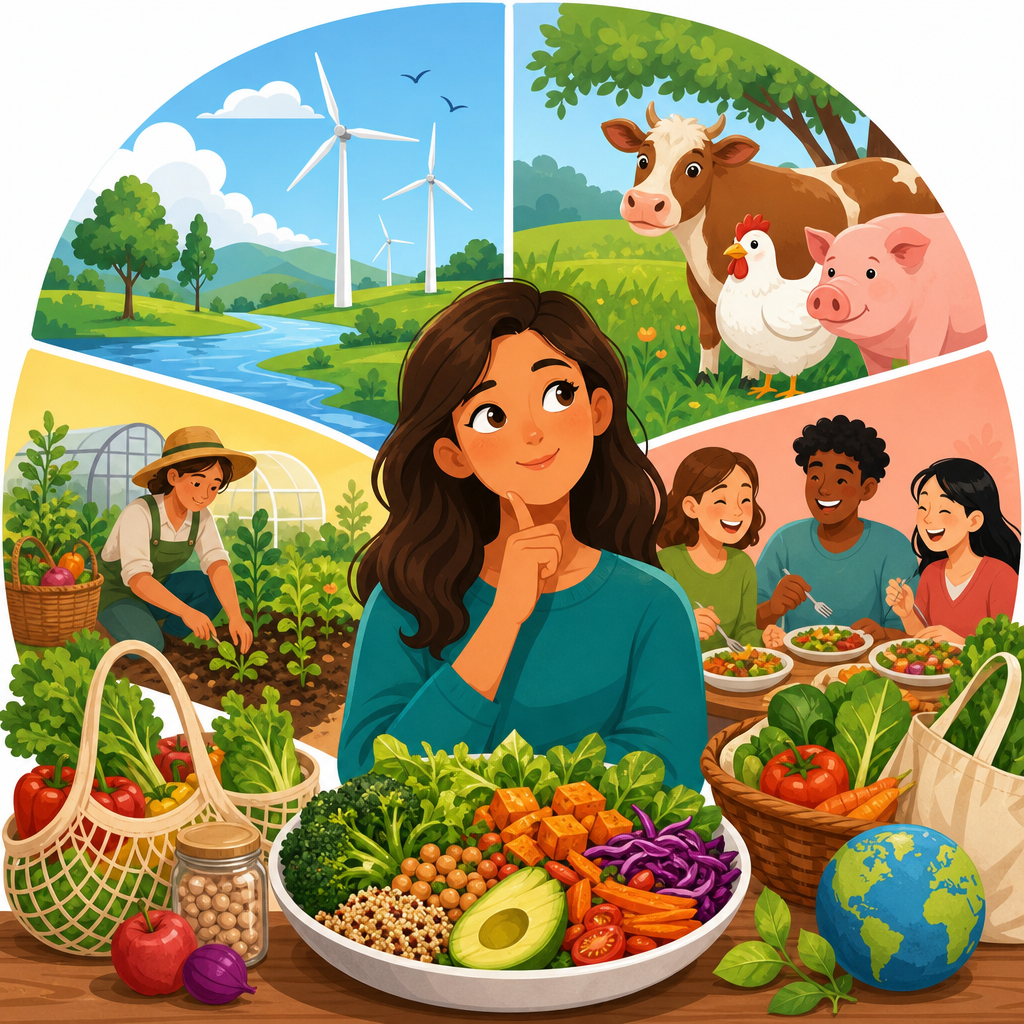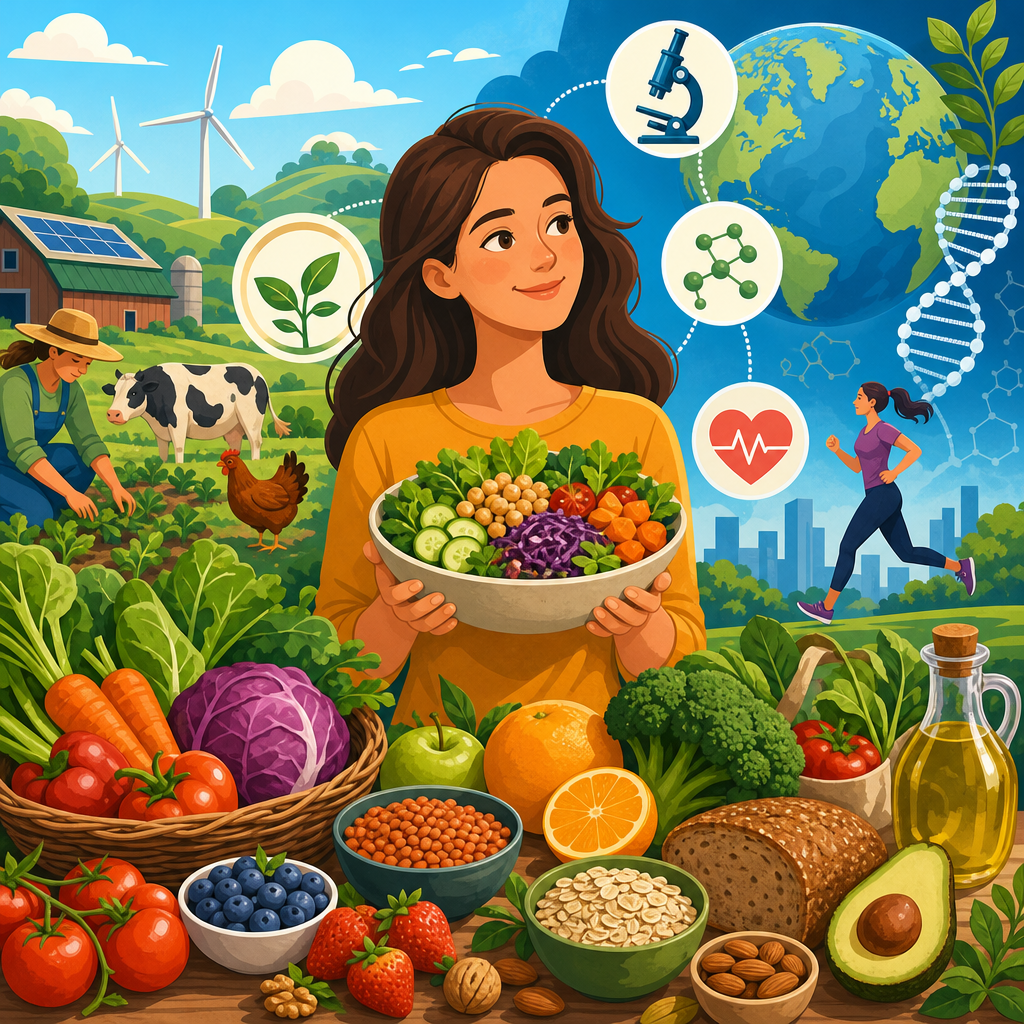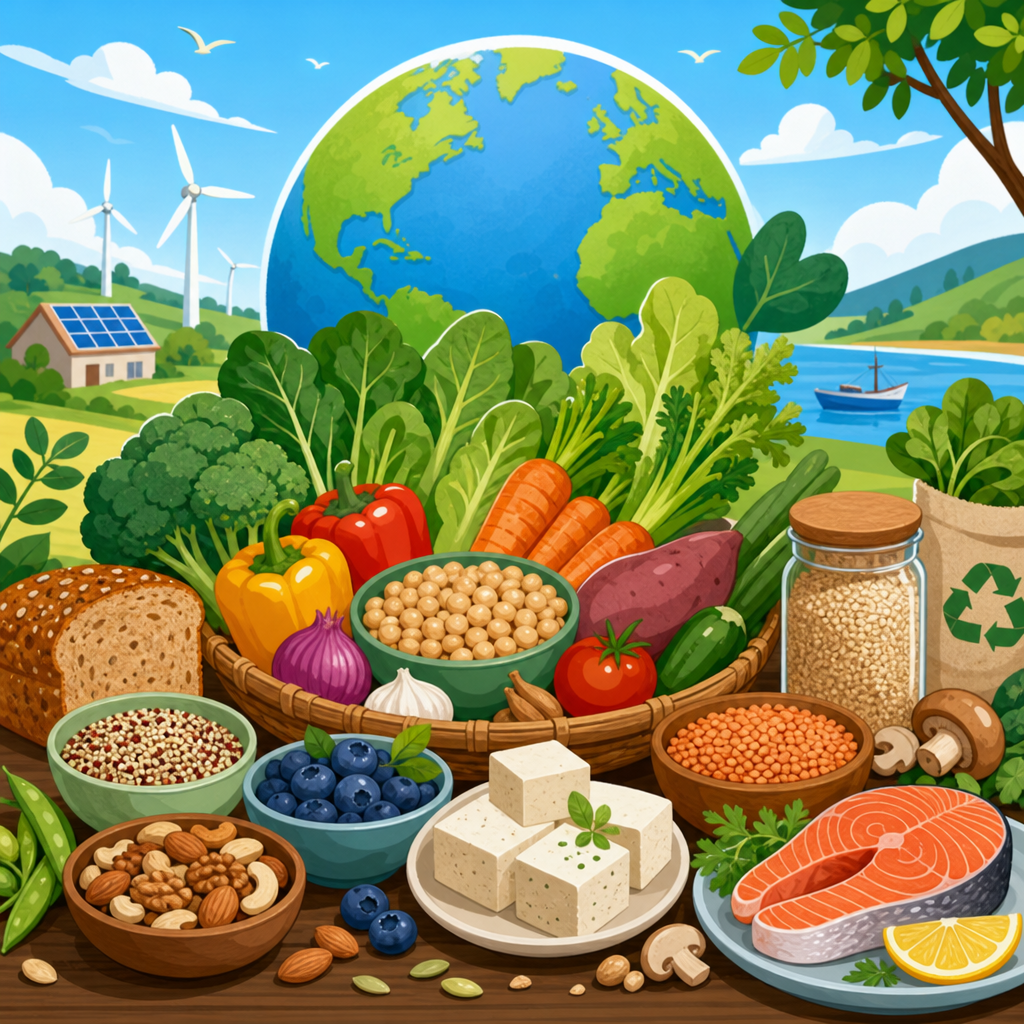
Sustainable eating and eco-friendly diets center on choosing foods that nourish people while reducing pressure on land, water, energy, and climate. In practice, that means favoring foods produced with lower greenhouse gas emissions, less waste, better soil stewardship, and stronger local or regional food systems. I have worked with nutrition teams and sustainability reporting frameworks long enough to see the same pattern repeatedly: the most practical diet changes are not exotic. They are usually shifts toward legumes, whole grains, seasonal produce, nuts, seeds, and responsibly sourced animal foods used more selectively. For a subtopic hub within Food Science & Sustainability, this page explains which foods matter most, why they qualify as sustainable choices, and how to build meals around them without sacrificing nutrient quality, affordability, or cultural fit.
The idea matters because the food system contributes roughly a quarter to a third of global greenhouse gas emissions, depending on system boundaries and land-use accounting, while also driving biodiversity loss, freshwater stress, and significant food waste. Yet food choices also shape public health. Diets rich in fiber, unsaturated fats, diverse plant compounds, and minimally processed staples are associated with lower risk of cardiovascular disease, type 2 diabetes, and several diet-related chronic conditions. Sustainable eating therefore sits at the intersection of environmental science, agriculture, economics, and nutrition. It is not a single rigid diet. It is a decision framework: what foods deliver high nutritional value with comparatively modest environmental cost, and how can households choose them consistently?
Several key terms help clarify the discussion. Sustainable eating means selecting foods in ways that support long-term ecological balance, economic viability, and human health. An eco-friendly diet is the day-to-day pattern that results, often emphasizing plants, reducing waste, and considering sourcing. Life cycle assessment, or LCA, is the standard method used to estimate impacts such as emissions, land use, eutrophication, and water demand across production, processing, transport, retail, and sometimes cooking. Nutrient density describes how much beneficial nutrition a food provides relative to calories. Regenerative agriculture refers to farming approaches intended to improve soil function, biodiversity, and resilience, though definitions and verification standards vary. These terms are useful because sustainability claims can become vague unless they are anchored to measurable criteria and nutritional outcomes.
One important point from experience: no single list of “good” foods works in every setting. A tomato grown in an energy-intensive heated greenhouse can carry a different footprint from a field-grown seasonal tomato. Almonds provide useful nutrients, but irrigation pressure matters in drought-prone regions. Beef from one production system can differ substantially from another, yet ruminant meat still tends to have higher emissions than most plant proteins. The best sustainable eating guidance balances broad evidence with local realities. As a hub article, the sections below outline the top foods rich in sustainable eating principles, explain why they belong in an eco-friendly diet, and show how to turn the science into everyday purchasing and meal planning decisions.
Legumes: the foundation food for sustainable eating
If one food group consistently earns a top place in sustainable eating and eco-friendly diets, it is legumes. Beans, lentils, peas, and chickpeas combine low cost, strong shelf stability, high satiety, and impressive nutrient density. They supply protein, complex carbohydrates, fiber, folate, potassium, iron, magnesium, and a range of phytochemicals. From an environmental perspective, legumes are efficient because they generally produce far lower greenhouse gas emissions than beef and many other animal proteins per kilogram of food and often per gram of protein. Many legumes also contribute to soil fertility through biological nitrogen fixation, reducing dependence on synthetic nitrogen fertilizers in crop rotations.
In practical meal planning, legumes are the easiest high-impact swap I recommend. Replace part or all of the meat in chili with kidney beans and lentils. Use chickpeas in salads, curries, and grain bowls. Build soups around split peas. These changes cut cost and usually improve fiber intake at the same time. Canned options are convenient, while dried legumes remain one of the most resource-efficient pantry staples available. For households worried about digestibility, soaking, rinsing, gradual portion increases, and pressure cooking help substantially. Because sustainable eating has to work in real kitchens, legumes stand out not just as a theory-backed choice but as a food people can use three or four times a week without much friction.
Whole grains and potatoes: efficient staples with broad nutritional value
Whole grains are another anchor category for eco-friendly diets. Oats, barley, brown rice, wheat, rye, sorghum, millet, and corn provide carbohydrates for energy along with fiber, B vitamins, minerals, and varying levels of protein. Compared with many highly processed foods, they require fewer ingredients and often less packaging. Their environmental impact varies by crop and production system, but as staple calories they are generally far less emissions-intensive than ruminant meat. Potatoes and other starchy roots deserve mention here as well. Per hectare, potatoes can deliver substantial calories and useful nutrients, including potassium and vitamin C, with a relatively low footprint when grown and stored efficiently.
What matters is how these staples are used. A bowl of steel-cut oats topped with fruit and seeds is a far more sustainable breakfast than a heavily packaged meal built around high-impact ingredients and food waste. Barley in soups, farro in salads, and brown rice paired with beans create complete, satisfying meals. Potatoes can be sustainable workhorses if they are baked, roasted, or added to stews instead of turned into heavily processed products with additional oil, packaging, and cold-chain demands. In food system planning, staples matter because small daily shifts add up. When a household moves toward whole grains and simple starchy staples, it often lowers both grocery costs and environmental impact in a measurable way.
Seasonal vegetables and fruits: biodiversity, waste reduction, and nutrient diversity
Vegetables and fruits are essential to sustainable eating because they expand dietary diversity, support public health, and can align closely with seasonal production cycles. Leafy greens, brassicas, onions, carrots, squash, tomatoes, apples, citrus, berries, and many other crops contribute vitamins, minerals, fiber, and protective plant compounds. The sustainability advantage grows when produce is seasonal, field-grown where possible, and purchased in forms that reduce spoilage. I routinely advise clients to think less about perfection and more about turnover: buy produce you will actually eat, store it correctly, and use frozen or canned forms when they prevent waste.
Seasonality matters because production methods can change impacts dramatically. Field-grown summer strawberries often differ from berries flown long distances out of season. Root vegetables and cabbage store well, making them reliable low-waste choices in cooler months. Frozen peas, spinach, and berries are often nutritionally strong and practical because they are processed close to harvest and portioned conveniently. Sustainable eating is not anti-global trade; it is pro-appropriate sourcing. Bananas shipped efficiently by sea can make sense. Air-freighted perishables generally do not. The best approach is to build most meals around produce that matches local seasons or stable low-waste preservation methods, then use special imports occasionally and intentionally.
Nuts, seeds, and plant oils: concentrated nutrition with sourcing tradeoffs
Nuts and seeds bring protein, unsaturated fats, fiber, vitamin E, magnesium, and other valuable nutrients to eco-friendly diets. Walnuts, peanuts, sunflower seeds, pumpkin seeds, flax, chia, sesame, and almonds can all support healthier dietary patterns when portions are sensible. Extra virgin olive oil and canola oil also have useful roles, especially as replacements for fats linked to less favorable health profiles. From a sustainability standpoint, these foods are usually lower impact than many animal-fat-heavy products, but they are not impact-free. Water use, pollinator health, land management, and transport can be important variables, particularly for crops grown in water-stressed regions.
The practical lesson is to diversify. Peanuts and sunflower seeds are often affordable, versatile choices with lower cost than many tree nuts. Ground flaxseed adds omega-3 fats to oatmeal or yogurt. Tahini and peanut butter are efficient flavor builders that make plant-forward meals more satisfying. Olive oil remains a defensible staple in many diets, especially when it helps people eat more vegetables and legumes. Still, no household needs large quantities of every premium nut to eat sustainably. Buying moderate amounts, storing them well to prevent rancidity, and matching purchases to actual use matters more than chasing superfood trends. Sustainable eating rewards consistency and waste prevention more than novelty.
Responsible animal foods: where selective use can fit
Sustainable eating does not require every person to become fully vegan, but it does require honesty about impact differences among animal foods. In most life cycle assessments, beef and lamb are among the highest-emission protein choices, largely because of methane, feed requirements, and land use. Cheese can also carry a substantial footprint because large volumes of milk are needed to produce a small amount. By contrast, eggs, yogurt, chicken, and some seafood options often have lower footprints, though results vary by system. This is why many evidence-based dietary models recommend a plant-forward pattern with smaller quantities of animal foods used strategically for nutrition, taste, and cultural preferences.
Examples help. Eggs can add high-quality protein, choline, vitamin B12, and selenium to vegetable-rich meals. Plain yogurt offers protein and calcium and can reduce food waste when used in sauces, marinades, or breakfasts. Small amounts of chicken can stretch through soups, stir-fries, and grain bowls rather than serving as the center of every plate. Seafood requires careful sourcing because sustainability depends heavily on stock management, bycatch, habitat effects, and aquaculture practices. Tools such as Monterey Bay Aquarium Seafood Watch and certification systems like MSC and ASC can help, although certifications are not perfect. The main rule is reduction and discrimination: eat animal foods less often, choose lower-impact categories more frequently, and prioritize verified sourcing over assumptions.
Top foods for eco-friendly diets at a glance
The foods below consistently perform well when nutrition, affordability, versatility, and environmental considerations are assessed together. This table is not absolute; local growing conditions, farming methods, and waste rates influence outcomes. Still, it is a dependable starting point for sustainable eating decisions.
| Food | Why it supports sustainable eating | Key nutrients | Practical use |
|---|---|---|---|
| Lentils | Low-impact protein, shelf stable, often improve crop rotations | Protein, fiber, folate, iron | Soups, curries, pasta sauces |
| Chickpeas | Versatile meat alternative with low waste risk | Protein, fiber, manganese | Hummus, salads, roasted snacks |
| Oats | Efficient staple with minimal packaging options | Fiber, manganese, beta-glucan | Porridge, baking, overnight oats |
| Potatoes | High yield, affordable, useful for low-cost meal planning | Potassium, vitamin C, carbohydrate | Roasted trays, soups, stews |
| Cabbage | Long storage life reduces household waste | Fiber, vitamin C, vitamin K | Slaws, stir-fries, braises |
| Frozen spinach | Reduced spoilage, nutrient retention, easy portioning | Folate, vitamin A, magnesium | Pasta, eggs, soups |
| Peanuts | Affordable plant protein and fat source | Protein, niacin, vitamin E | Nut butter, sauces, snacks |
| Eggs | Lower-impact animal protein than ruminant meat | Protein, choline, B12 | Frittatas, grain bowls, sandwiches |
How to build a sustainable plate and shop with less waste
The most effective eco-friendly diets are built through patterns, not isolated ingredients. A practical plate usually starts with vegetables and fruits, adds a whole grain or potato, includes legumes or another lower-impact protein, and uses nuts, seeds, or modest amounts of animal foods for flavor and nutrient balance. This structure works across cuisines. Mediterranean meals might pair white beans, greens, whole grains, and olive oil. South Asian meals often combine lentils, rice, vegetables, and yogurt. Latin American patterns naturally use beans, corn, squash, tomatoes, and herbs. Sustainability improves when traditional foodways built around staple crops are respected rather than replaced by heavily processed convenience foods.
Shopping and storage are just as important as food selection. In most households, the biggest avoidable environmental loss is food waste. Plan meals before shopping, rotate perishables to the front of the refrigerator, understand date labels, and freeze leftovers promptly. Keep versatile staples on hand: dried or canned beans, oats, rice, pasta, onions, carrots, frozen vegetables, canned tomatoes, eggs, yogurt, and a few sauces or spices. This pantry framework prevents expensive last-minute purchases and reduces reliance on high-impact takeout. Sustainable eating also includes economic sustainability. If a pattern is too expensive or too complicated, people abandon it. The best eco-friendly diet is one a household can repeat every week with realistic effort.
Limits, tradeoffs, and what to explore next
Sustainable eating and eco-friendly diets are most effective when they focus on the foods that deliver the greatest combined benefits: legumes, whole grains, potatoes, seasonal produce, nuts, seeds, and carefully chosen animal foods used in smaller amounts. These foods matter because they consistently support nutrient quality while tending to place less strain on climate, water, and land than diets centered on high-impact meats and heavily processed products. They also reduce waste risk when chosen in shelf-stable, frozen, or long-keeping forms. If you want one simple rule, make most meals plant-forward, build them from staple foods, and treat sourcing and waste reduction as part of nutrition rather than separate concerns.
There are tradeoffs, and they should be acknowledged clearly. Local is not always lower impact than efficiently transported regional food. Organic can offer ecological advantages in some systems, yet yields and outcomes vary by crop and management. Regenerative claims are promising but still inconsistently verified. Affordability, access, allergies, and cultural preferences also shape what is realistic. That is why this hub exists within Food Science & Sustainability: to connect the science with practical decisions. From here, explore deeper articles on low-carbon proteins, sustainable seafood, food waste reduction, seasonal produce guides, regenerative agriculture, and sustainable meal planning. Then audit one week of meals and replace just two high-impact choices with better staples. That small step is where durable change begins.
Frequently Asked Questions
What are the best foods to prioritize for a more sustainable and eco-friendly diet?
The best foods to prioritize are usually the simplest and most familiar ones: beans, lentils, peas, whole grains, seasonal vegetables, fruits, nuts, seeds, and responsibly produced staples from local or regional food systems when available. These foods tend to deliver strong nutrition with a lighter environmental footprint than highly resource-intensive options. Legumes are especially important because they provide protein, fiber, iron, and other nutrients while generally requiring less land and generating fewer greenhouse gas emissions than many animal-based proteins. Whole grains such as oats, barley, brown rice, and wheat can also support sustainable eating because they are versatile, affordable, filling, and widely available.
Vegetables and fruits matter not only because they support health, but because building meals around them often reduces dependence on more resource-heavy foods. Seasonal produce can be particularly helpful, since it may require less energy for heated growing environments or long-distance storage, depending on where you live. Nuts and seeds can play a useful supporting role as well, offering healthy fats, minerals, and plant protein in smaller quantities. In practical terms, a sustainable plate is often built from everyday foods: a lentil soup, a bean-and-vegetable chili, oats with fruit and seeds, grain bowls with roasted vegetables, or a chickpea salad. The pattern is less about perfection and more about regularly choosing foods that are nourishing, minimally wasteful, and less demanding on land, water, and energy.
Why are plant-forward foods considered more sustainable than many other dietary choices?
Plant-forward foods are often considered more sustainable because they typically move through the food system more efficiently. Producing foods directly from plants generally uses fewer natural resources than producing foods that require animals to be raised on feed, water, land, and energy over time. That efficiency can translate into lower greenhouse gas emissions, lower water use, and reduced pressure on farmland. This does not mean every plant food is automatically perfect or that every animal food is equally unsustainable, but the broad pattern is consistent enough that nutrition and sustainability experts often recommend shifting the overall balance of the diet toward plants.
There is also a practical reason this matters for households. When people eat more beans, grains, vegetables, and fruits, they often reduce both food costs and food waste at the same time, especially when using frozen, canned, or dried pantry staples. A plant-forward approach is also flexible. It does not have to be strictly vegetarian or vegan to make a meaningful difference. Even replacing a few meat-heavy meals each week with bean-based stews, tofu stir-fries, lentil pasta dishes, or grain and vegetable bowls can lower environmental impact while improving fiber intake and diet quality. From both a health and sustainability perspective, the value comes from consistency: repeated, realistic swaps done over time.
Do local and seasonal foods always have a lower environmental impact?
Not always, but they can be a smart part of an eco-friendly diet when chosen thoughtfully. Local foods may reduce transportation distance, support nearby farmers, strengthen regional food resilience, and improve freshness. Seasonal foods may require fewer artificial growing inputs, such as heated greenhouses or extended cold storage, depending on the crop and region. However, distance traveled is only one part of a food’s total environmental footprint. How the food was grown, processed, packaged, stored, and wasted can matter just as much, and sometimes more. For example, a well-produced staple shipped efficiently can in some cases have a lower total impact than a locally grown food produced under highly energy-intensive conditions.
The most useful takeaway is to treat local and seasonal eating as a helpful guideline, not an absolute rule. Buying apples in season, choosing regionally grown grains, visiting farmers markets, or joining a community-supported agriculture program can all support sustainability goals. At the same time, frozen vegetables, canned beans, and shelf-stable grains remain excellent choices year-round because they reduce spoilage and make sustainable eating more accessible. The strongest strategy is to combine common sense factors: favor seasonal produce when practical, support local systems when they are available and affordable, and keep dependable low-waste staples on hand so healthy meals are easy to make.
How does reducing food waste make sustainable eating more effective?
Reducing food waste is one of the most powerful parts of sustainable eating because wasted food also means wasted land, water, labor, fuel, packaging, and money. If food is produced but never eaten, the full environmental cost of growing, transporting, cooling, and storing it has still already occurred. When food waste ends up in landfills, it can also contribute to methane emissions, which are a significant climate concern. That is why an eco-friendly diet is not only about which foods you buy, but also about how well you use them. A household that plans meals carefully and uses leftovers well can meaningfully lower its footprint even without making dramatic dietary changes.
In everyday life, this means buying realistic amounts, storing foods properly, freezing extras, using older ingredients first, and building meals around what you already have. It also helps to choose flexible ingredients with multiple uses, such as beans, cooked grains, eggs, yogurt, leafy greens, carrots, and frozen vegetables. Vegetable scraps can sometimes go into broths, overripe fruit can be blended into smoothies or baked goods, and leftover grains can become soups, salads, or stir-fries. Sustainable eating works best when it is built around practical habits. Often, the greenest food is the food you already purchased and can still eat.
Is it possible to eat sustainably and still meet protein and nutrient needs?
Yes, absolutely. A sustainable diet can meet protein and nutrient needs very well when it is planned around a variety of nutrient-dense foods. Beans, lentils, peas, soy foods, whole grains, nuts, seeds, dairy foods if included, eggs if included, and moderate amounts of responsibly chosen animal foods can all contribute to adequate protein intake. Plant-based eating patterns also provide fiber, antioxidants, vitamins, and minerals that support long-term health. The key is variety. Different foods bring different strengths, so combining legumes with grains, vegetables, seeds, and fruits creates a more complete and balanced pattern than relying too heavily on any one item.
For people concerned about specific nutrients, it helps to be intentional. Iron can come from lentils, beans, tofu, pumpkin seeds, and fortified cereals; pairing these foods with vitamin C-rich produce can improve absorption. Calcium may come from dairy foods, fortified plant beverages, tofu made with calcium, and some leafy greens. Omega-3 fats can come from walnuts, chia seeds, flaxseeds, and certain seafood choices if included. Vitamin B12 deserves attention in fully plant-based diets and may require fortified foods or supplements. In other words, sustainable eating is not nutritionally restrictive by default. When done thoughtfully, it supports both personal health and environmental responsibility through realistic, repeatable food choices.