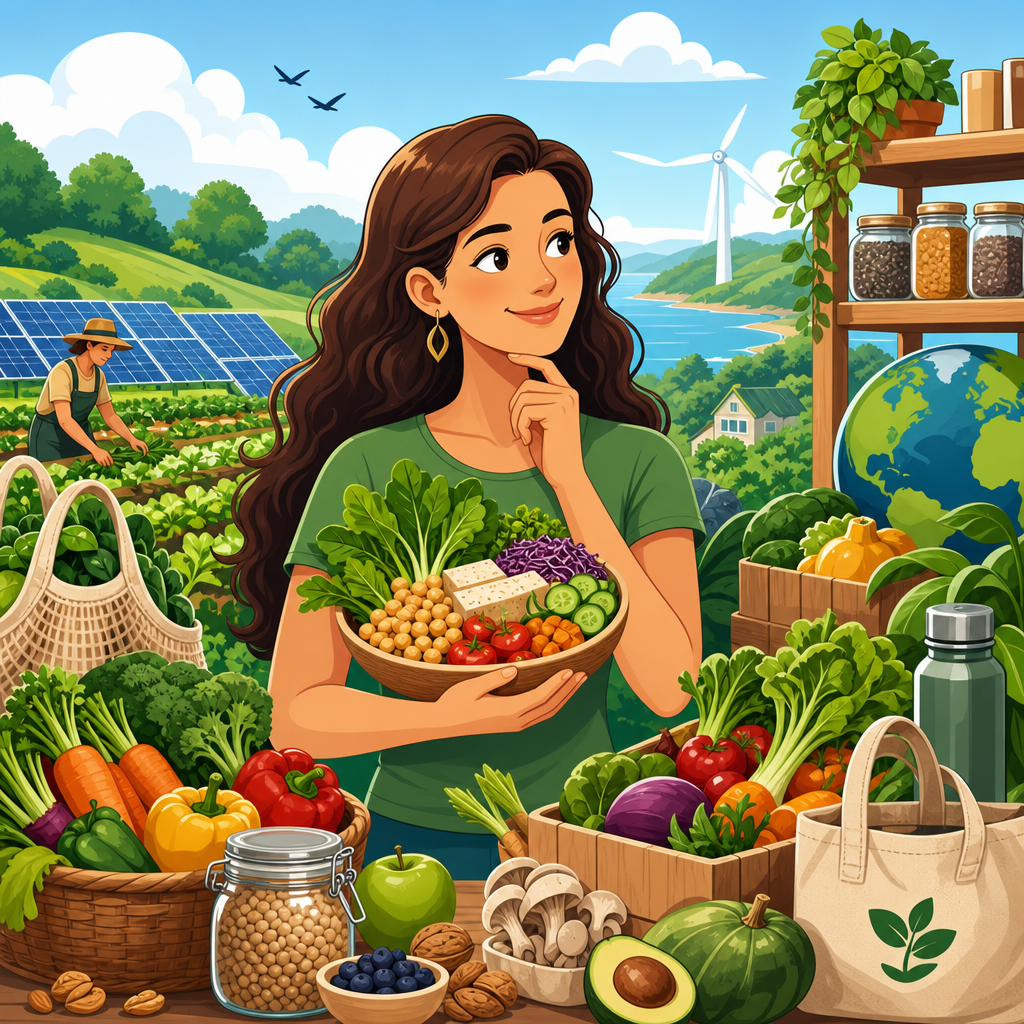
Choosing the best sources of sustainable eating and eco-friendly diets for optimal health starts with understanding that food choices affect both personal wellbeing and the environmental systems that produce every meal. Sustainable eating means selecting foods and dietary patterns that nourish people while reducing harm to soil, water, climate, biodiversity, and farming communities. An eco-friendly diet is closely related, but the term usually emphasizes environmental impact, including greenhouse gas emissions, land use, packaging waste, and transport. In practice, the healthiest approach combines nutrition science with practical sourcing decisions: what foods to buy, how they were produced, where they came from, and how much is wasted.
This matters because the food system sits at the center of two connected pressures. First, diet-related disease remains widespread. High intake of ultra-processed foods, excess sodium, refined grains, and added sugars is linked to obesity, type 2 diabetes, cardiovascular disease, and poor metabolic health. Second, agriculture and food supply chains contribute significantly to emissions, freshwater use, deforestation, and habitat loss. The challenge is not simply to eat less or spend more. It is to choose better sources of protein, produce, grains, and fats, then build habits that are realistic enough to maintain over time.
In my work reviewing food sourcing claims, farm certifications, and nutrition standards, I have found that people often get lost in labels while missing the biggest drivers of impact. A consumer may worry about a plastic herb container but overlook frequent beef consumption, heavy food waste, or a diet built around low-fiber convenience foods. The strongest sustainable eating pattern usually looks familiar: more legumes, whole grains, seasonal produce, nuts, seeds, and minimally processed staples; moderate amounts of dairy, eggs, poultry, or seafood depending on preference; and smaller amounts of high-impact meats. That pattern aligns closely with evidence from public health authorities and sustainability research because it supports nutrient density and lowers average environmental burden.
The best sources are not universal, though. A sustainable diet in coastal Portugal may rely on sardines, beans, olive oil, and local vegetables, while one in the American Midwest may emphasize oats, lentils, frozen produce, yogurt, and regionally grown root crops. Cost, culture, access, allergies, and medical needs all matter. The goal of this hub is to help readers evaluate food sources clearly, avoid common misconceptions, and build an eco-friendly diet that improves health without becoming restrictive, expensive, or performative.
What sustainable eating actually includes
Sustainable eating is broader than plant-based marketing. It includes nutritional adequacy, ecological impact, affordability, labor conditions, animal welfare, food safety, and long-term resilience of the food supply. A diet cannot be called sustainable if it lowers emissions but leaves someone deficient in iron, vitamin B12, calcium, iodine, omega-3 fats, or protein. It also fails if the plan depends on specialty products many households cannot access. The practical definition is simple: a sustainable diet meets nutrient needs, fits real budgets and routines, and draws from production systems that use resources responsibly.
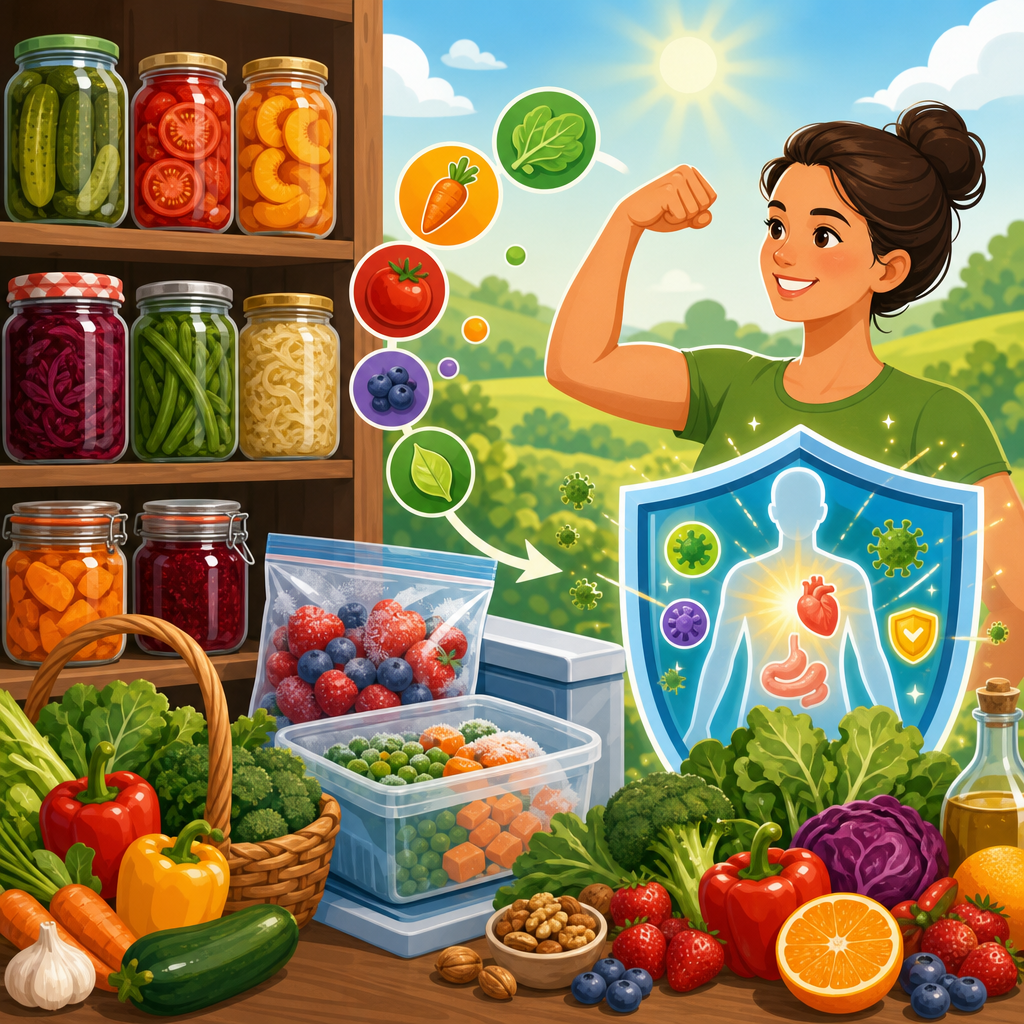
Several factors determine whether a food source supports that goal. Production method matters because regenerative grazing, integrated pest management, agroforestry, precision irrigation, and crop rotation can reduce damage and improve resilience. Food type matters because ruminant meats generally carry higher emissions and land demands than beans, tofu, peas, or grains. Processing level matters because heavily processed foods often require more energy, additives, packaging, and transport while delivering lower satiety and poorer diet quality. Waste matters because food thrown away wastes every input used to produce it. Even storage life matters; frozen vegetables can be more sustainable than out-of-season fresh produce if they reduce spoilage.
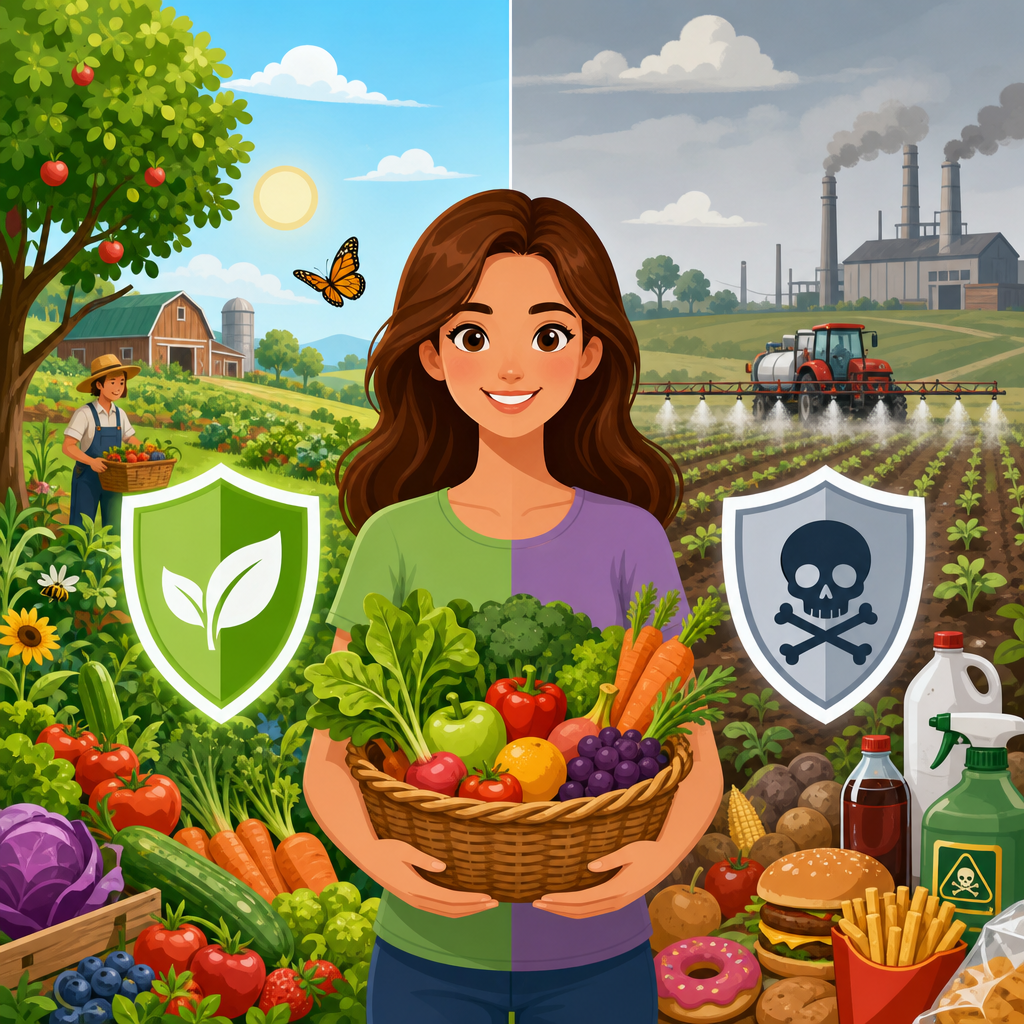
Consumers should also separate meaningful standards from vague branding. Useful signals include certified organic rules, Marine Stewardship Council seafood standards, Aquaculture Stewardship Council certification, Certified Humane, Rainforest Alliance, Fair Trade, and regionally recognized conservation programs. None are perfect, and no single label guarantees a healthy or low-impact product, but credible certifications provide more accountability than words like natural, farm fresh, or earth friendly. The best approach is cumulative: look at the food itself, the farming or fishing method, the packaging, and how often it appears in your diet.
Best food sources for health and environmental balance
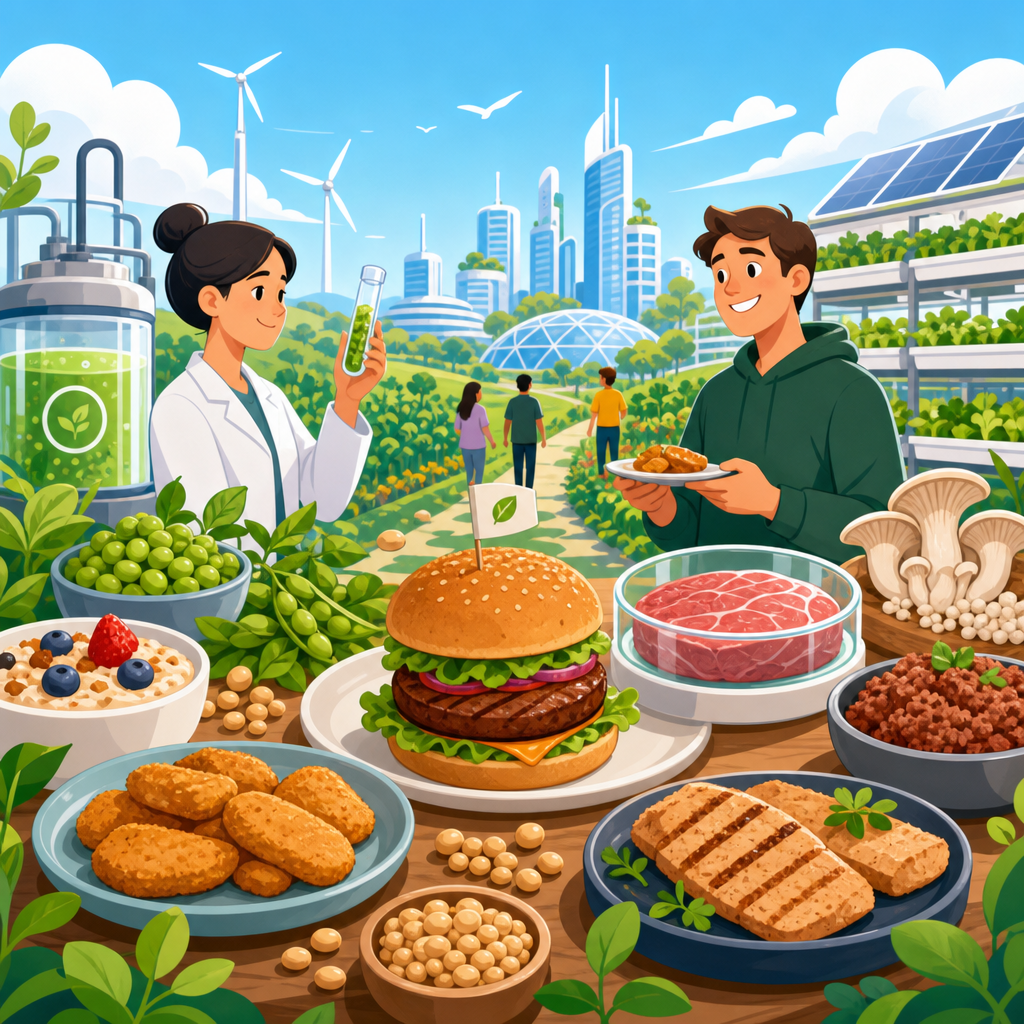
If someone asks for the single strongest foundation for an eco-friendly diet, the answer is a whole-food, plant-forward pattern anchored by legumes, whole grains, vegetables, fruit, nuts, seeds, and unsaturated oils. Beans, lentils, peas, soy foods, oats, barley, brown rice, potatoes, cabbage, carrots, apples, citrus, and frozen vegetables consistently perform well on cost, shelf life, nutrient density, and average environmental impact. They provide fiber, potassium, folate, polyphenols, and complex carbohydrates while requiring fewer resources than most animal foods. I often recommend starting with what can replace the center-of-plate item: lentil chili instead of beef chili, tofu stir-fry instead of takeout meat dishes, chickpea pasta with vegetables instead of processed frozen meals.
That does not mean animal foods must disappear. The best sources in mixed diets are usually lower-impact, nutrient-dense options used strategically. Eggs provide high-quality protein, choline, selenium, and vitamin B12. Yogurt and kefir can support calcium and protein intake with relatively moderate impact compared with many meats. Small oily fish such as sardines, anchovies, and herring are notable because they supply EPA and DHA omega-3 fats, vitamin D, calcium when bones are eaten, and generally lower food-chain pressure than large predatory fish. Poultry often has a lower emissions profile than beef or lamb, though production practices still vary considerably.
| Food source | Health strengths | Typical sustainability advantage | Practical use |
|---|---|---|---|
| Lentils and beans | Fiber, folate, iron, plant protein | Low emissions, low cost, soil benefits in rotations | Soups, tacos, salads, stews |
| Tofu and tempeh | Complete protein, iron, calcium in fortified tofu | Lower impact than most meats | Stir-fries, grain bowls, sandwiches |
| Oats and barley | Whole-grain fiber, beta-glucans for heart health | Efficient staple crops, long shelf life | Porridge, pilafs, baking |
| Sardines | Omega-3s, calcium, vitamin D, protein | Often lower impact than larger fish species | Toast, pasta, salads |
| Yogurt | Protein, calcium, probiotics in live-culture products | Moderate impact, low waste when sold plain in larger tubs | Breakfast, sauces, snacks |
Produce sourcing deserves nuance. Local food can be valuable for freshness, regional economies, and transparency, but local is not automatically lower impact. A tomato grown in an energy-intensive heated greenhouse may exceed the footprint of field-grown tomatoes shipped efficiently in season from a warmer region. The better question is whether the product is seasonal, grown with efficient inputs, and likely to be eaten rather than wasted. For many households, a mix works best: local seasonal produce when available, plus frozen fruit and vegetables for consistency, affordability, and waste reduction.
How to evaluate sourcing claims, labels, and production systems
Shoppers are often told to buy organic, local, regenerative, grass-fed, wild-caught, pasture-raised, or biodynamic, yet these terms solve different problems. Organic standards generally restrict synthetic pesticides and fertilizers and ban genetically engineered seeds in certified production, which can benefit certain ecosystems and appeal to consumers limiting pesticide exposure. However, organic yield can be lower in some contexts, and shipping, refrigeration, and food waste may outweigh the production benefit for a given item. Regenerative agriculture focuses on soil health, cover crops, reduced tillage, livestock integration, and carbon retention. It is promising, but the term is not uniformly regulated, so supporting farms with transparent practices matters more than accepting the label alone.
For animal foods, feed conversion, manure management, stocking density, and pasture quality all influence impact. Grass-fed beef may improve some welfare or land stewardship outcomes depending on the farm, but it does not automatically mean lower emissions than other proteins. For seafood, species selection is crucial. Wild-caught Alaskan salmon, mussels, oysters, and many sardine fisheries can be good choices, while some shrimp and tuna sources carry greater habitat, bycatch, or fuel concerns. Trusted tools such as Seafood Watch help consumers compare options by region and production method because the same species can vary dramatically depending on fishery management or farming conditions.
Packaging also deserves a proportional view. Consumers sometimes focus on paper versus plastic while ignoring product spoilage. In practice, the most sustainable package is often the one that preserves food well and prevents waste. A cucumber wrapped in plastic may last significantly longer than an unwrapped one; whether that is better overall depends on waste rates, local recycling systems, and buying habits. Bulk bins, refill systems, glass jars, and concentrated products can help, but only if the food is stored safely and actually used. Source evaluation should always return to the largest impacts first: food type, production method, and waste.
Building an eco-friendly diet that remains nutritionally complete
The healthiest sustainable eating plan is one you can repeat without nutritional gaps. Plant-forward diets are strongly supported by evidence, but they still require design. Protein quality improves when meals include legumes, soy foods, dairy, eggs, fish, or varied plant proteins across the day. Iron from beans, lentils, tofu, pumpkin seeds, and leafy greens is better absorbed when paired with vitamin C sources such as peppers, citrus, or tomatoes. Calcium may come from yogurt, cheese, fortified plant milks, calcium-set tofu, tahini, or canned fish with bones. Vitamin B12 requires special attention in vegan diets because it is not reliably supplied by unfortified plant foods; supplementation or fortified foods are essential, not optional.
Omega-3 fats are another frequent weak point. People who do not eat fish should look for walnuts, chia, flax, hemp, and possibly algae-based DHA and EPA supplements, especially during pregnancy or for those with low seafood intake. Iodine can also become inadequate if dairy, seafood, and iodized salt are limited. Sustainable eating should never romanticize deficiency. A lower-impact diet that leads to fatigue, anemia, poor bone health, or muscle loss is not a successful model. This is why broad dietary patterns are more useful than rigid purity rules.
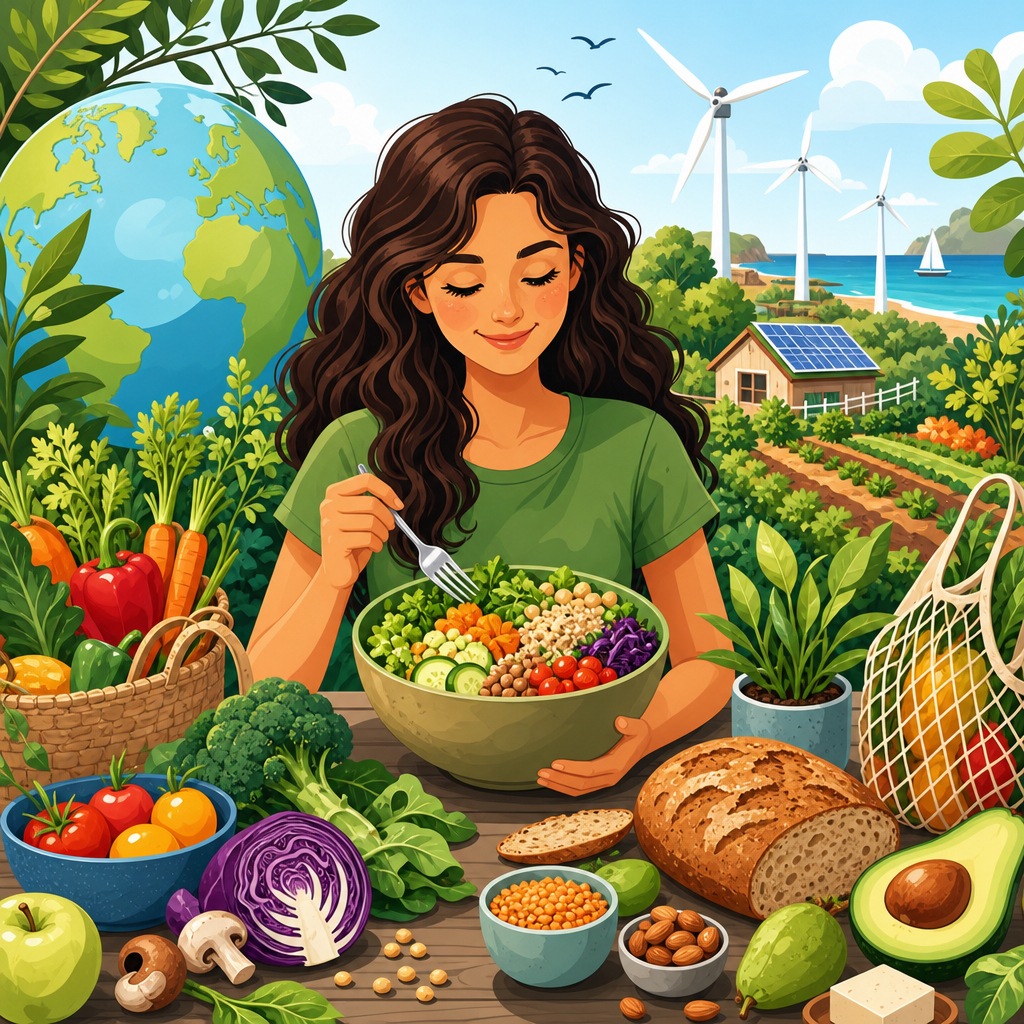
One effective framework is the plate method adapted for sustainability: half the plate vegetables and fruit, a quarter whole grains or starchy vegetables, and a quarter protein with legumes or soy taking the lead most days. Add healthy fats from olive oil, nuts, seeds, or avocado, and use dairy, eggs, poultry, or seafood according to preference and needs. This structure works for families because it scales. A household can cook one grain, one bean dish, one vegetable tray, and then add optional toppings like yogurt sauce, eggs, or grilled fish. The result is less waste, lower cost per serving, and a diet pattern associated with better cardiometabolic outcomes.
Cost, convenience, and realistic habits that reduce waste
The biggest barrier to eco-friendly diets is often the belief that they require premium products. In reality, the lowest-cost sustainable foods are usually staples: dried beans, canned beans, oats, rice, pasta, potatoes, frozen spinach, carrots, onions, cabbage, peanut butter, plain yogurt, and seasonal fruit. Convenience matters too. People eat what fits the workweek, so keeping quick proteins such as canned lentils, tofu, eggs, edamame, and tinned fish available is more effective than aspiring to elaborate scratch cooking every night. A sustainable pantry is not trendy; it is reliable.
Food waste reduction is one of the highest-impact actions households can take. The United Nations Environment Programme has estimated that more than one billion meals’ worth of food are wasted daily worldwide, and household waste is a major contributor. Practical fixes are straightforward: plan three anchor meals before shopping, freeze bread and leftovers early, use older produce in soups or stir-fries, understand date labels, and buy realistic quantities. Best by usually reflects quality, not safety. I have seen households cut weekly food waste sharply simply by creating an eat first bin in the refrigerator and scheduling one leftover meal night.
For readers using this hub as a starting point, the most effective next step is to audit one week of meals and identify the biggest opportunities: replace one high-impact meat meal with legumes, add two sustainable seafood meals per month, shift to whole grains, buy more frozen produce, or cut spoilage in half. Sustainable eating and eco-friendly diets work best when they are built source by source, not through perfectionism. Choose nutrient-dense staples, verify claims with credible standards, favor plant proteins most often, use animal foods selectively, and waste less. Those decisions improve health, lower environmental pressure, and create a food pattern worth sustaining.
Frequently Asked Questions
What does sustainable eating actually mean, and how is it different from an eco-friendly diet?
Sustainable eating refers to choosing foods and dietary patterns that support long-term human health while also protecting the natural systems that make food production possible. That includes soil quality, water resources, biodiversity, climate stability, and the wellbeing of farmers, food workers, and local communities. In practical terms, a sustainable diet is not only about what is healthy on the plate, but also about how that food was grown, raised, harvested, packaged, and transported.
An eco-friendly diet is closely related, but the term often places stronger emphasis on environmental impact specifically. This can include lowering greenhouse gas emissions, reducing food waste, minimizing plastic packaging, choosing foods that require less land and water, and supporting farming methods that reduce pollution and protect ecosystems. While the two ideas overlap heavily, sustainable eating tends to include a broader social and nutritional perspective, whereas eco-friendly eating often focuses more directly on environmental footprint.
For most people, the healthiest and most practical approach combines both ideas. That usually means prioritizing whole and minimally processed foods, eating more plant-based meals, choosing seasonal and responsibly produced items when possible, and avoiding excess consumption of resource-intensive foods. The goal is not perfection. It is making consistent food choices that are nourishing, realistic, and less damaging to the planet over time.
What are the best food sources to prioritize for a sustainable and healthy diet?
The strongest foundation for a sustainable and health-supportive diet usually comes from plant-forward foods. Vegetables, fruits, legumes, whole grains, nuts, and seeds generally offer an excellent combination of nutrient density and lower environmental impact compared with many heavily processed or resource-intensive foods. Beans, lentils, chickpeas, oats, brown rice, quinoa, sweet potatoes, leafy greens, berries, and seasonal produce are especially valuable because they provide fiber, vitamins, minerals, and phytonutrients while often requiring fewer resources than animal-based alternatives.
When choosing protein sources, legumes are among the best options for balancing nutrition, affordability, and sustainability. They support heart health, digestive health, and blood sugar balance, and they usually generate far fewer emissions than red meat. Nuts and seeds can also play an important role, especially for healthy fats, magnesium, vitamin E, and plant protein. Whole grains are another important category because they provide lasting energy and support metabolic and digestive health with a relatively modest environmental footprint.
Animal-based foods can still fit into a sustainable diet, but quality and quantity matter. If included, lower-impact options such as eggs, yogurt, poultry, or responsibly sourced seafood may be preferable to frequent consumption of high-impact red and processed meats. Dairy choices can also be approached thoughtfully by selecting minimally processed products and avoiding waste. In general, the most sustainable pattern is not necessarily fully vegetarian for everyone, but one that shifts the overall balance toward diverse plant foods and uses animal foods more intentionally.
It is also wise to prioritize foods that are locally appropriate, culturally relevant, and realistically accessible. A sustainable diet has to be maintainable in real life. The best foods are the ones that support your health goals, fit your budget, and can be chosen regularly without placing unnecessary strain on environmental resources.
Is eating local always better for the environment and for health?
Eating local can be beneficial, but it is not automatically the most sustainable choice in every situation. Local food often supports regional farmers, strengthens community food systems, and may reduce some transportation-related emissions, especially when foods are seasonal and sold through shorter supply chains. Fresh local produce can also taste better and encourage people to eat more nutrient-rich foods, which is a clear health advantage.
However, transportation is only one part of a food’s environmental footprint. In many cases, how a food is produced matters more than how far it traveled. For example, a crop grown efficiently in its natural season and climate may have a lower overall impact than the same crop produced locally in energy-intensive heated greenhouses. Likewise, certain locally raised animal products may still carry a higher environmental burden than imported plant foods.
From a health perspective, local food is not inherently more nutritious simply because it is local, but it can be fresher and less processed, which may improve quality and appeal. The best approach is to think in layers rather than absolutes. Prioritize seasonal produce, especially when locally available, but also pay attention to farming practices, food type, packaging, and waste. A practical rule is this: local is a valuable factor, but it works best when combined with plant-forward choices, seasonal eating, and minimally processed foods.
How can I build an eco-friendly diet without sacrificing important nutrients?
You can build an eco-friendly diet that remains nutritionally complete by focusing on variety, planning, and nutrient-dense staples. A well-structured sustainable eating pattern should include reliable sources of protein, fiber, healthy fats, iron, calcium, zinc, and key vitamins such as B12, D, and omega-3 fats where needed. For many people, this begins with a base of vegetables, fruits, legumes, whole grains, nuts, seeds, and fortified foods, then adjusting based on age, health status, and dietary preferences.
Protein is often the first concern, but it is usually manageable through beans, lentils, tofu, tempeh, edamame, peas, nuts, seeds, dairy, eggs, or modest amounts of responsibly sourced animal foods if desired. Iron can come from lentils, beans, tofu, pumpkin seeds, spinach, and fortified grains, and absorption can be improved by pairing these foods with vitamin C-rich options like citrus, peppers, tomatoes, or berries. Calcium can be supported through dairy products, calcium-set tofu, fortified plant beverages, sesame, leafy greens, and some legumes. Omega-3 fats may come from flaxseeds, chia seeds, walnuts, and algae-based supplements, while vitamin B12 is especially important to monitor in mostly or fully plant-based diets.
The most effective strategy is not to remove foods randomly, but to replace them intentionally. If you reduce red meat, add legumes, tofu, or another protein source. If you consume less dairy, choose fortified alternatives and other calcium-rich foods. If you eat fewer convenience foods, plan balanced meals so that nutrition stays strong. A sample eco-friendly meal pattern might include oatmeal with nuts and fruit, a lentil and vegetable grain bowl for lunch, yogurt or fortified soy yogurt with seeds as a snack, and a dinner built around beans, seasonal vegetables, and whole grains.
If you have higher nutrient needs, medical conditions, or are pregnant, older, or feeding children, individualized guidance from a registered dietitian can be very helpful. Sustainability should support health, not compromise it. The strongest eco-friendly diet is one that reduces environmental impact while still meeting your full nutritional needs consistently.
What are the most practical ways to make my diet more sustainable in everyday life?
The most practical way to make your diet more sustainable is to start with consistent habits rather than dramatic restrictions. One of the biggest changes with the greatest impact is to eat more plant-based meals throughout the week. That does not have to mean eliminating animal foods overnight. It can be as simple as rotating in bean chili, lentil soup, vegetable stir-fries, grain bowls, pasta with chickpeas, or oatmeal with nuts and seeds. Small shifts repeated often are usually more effective than short-term extreme changes.
Another major priority is reducing food waste. Wasted food also wastes the water, land, labor, and energy used to produce it. Planning meals, shopping with a list, storing produce properly, freezing leftovers, and using ingredients across multiple meals can significantly improve sustainability. Choosing foods you will actually eat is often more eco-friendly than buying idealized “healthy” items that spoil in the refrigerator. This is one of the most overlooked parts of sustainable eating.
You can also make better choices by buying seasonal produce, favoring minimally processed foods, paying attention to packaging, and supporting producers that use responsible farming and labor practices. When buying animal products, consider eating smaller portions and choosing them more selectively. For example, using meat as one ingredient in a meal rather than the center of the plate can reduce impact without making meals feel restrictive. Canned beans, frozen vegetables, whole grains, and bulk staples are often affordable, nutritious, and environmentally sensible.
Most importantly, aim for progress, not perfection. A sustainable diet should be flexible, culturally respectful, budget-conscious, and realistic for your lifestyle. If your choices help you eat more whole foods, waste less, and rely more on lower-impact ingredients over time, you are already moving in the right direction for both personal health and environmental wellbeing.