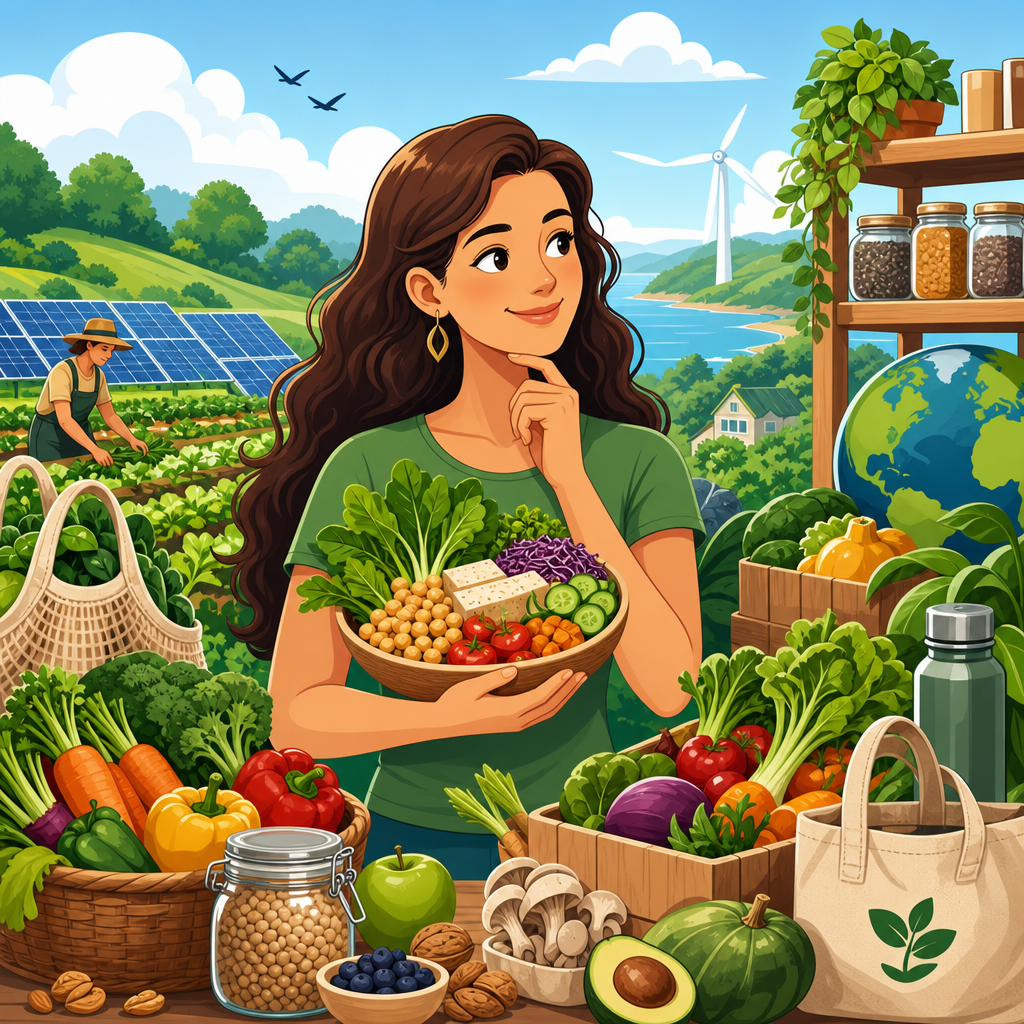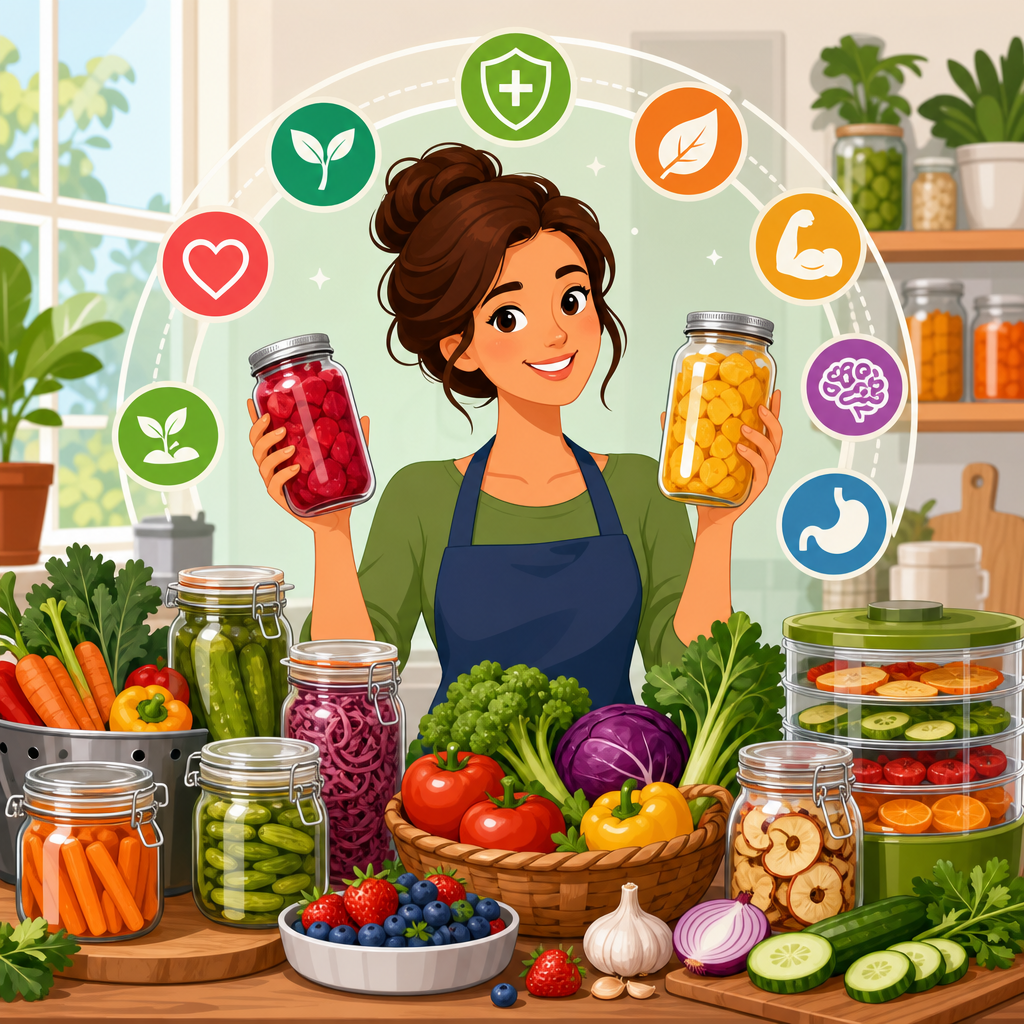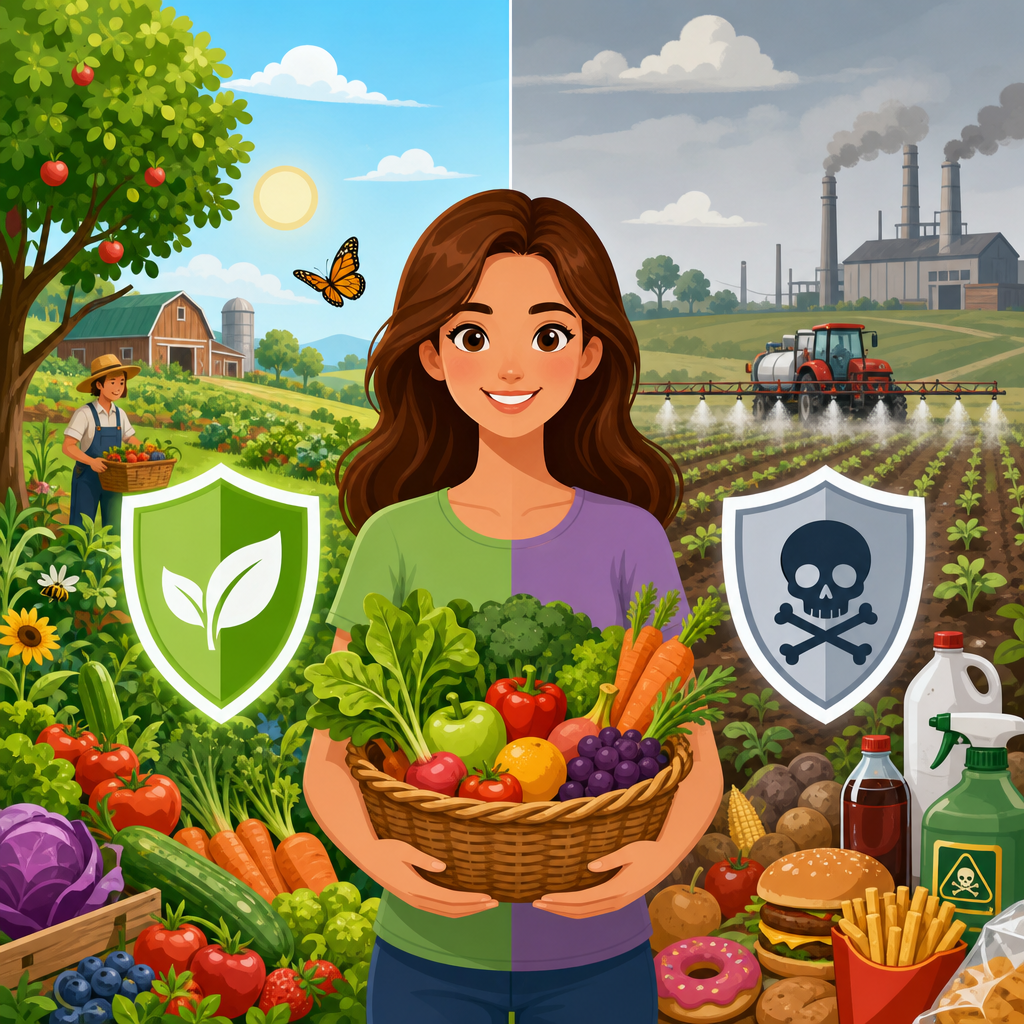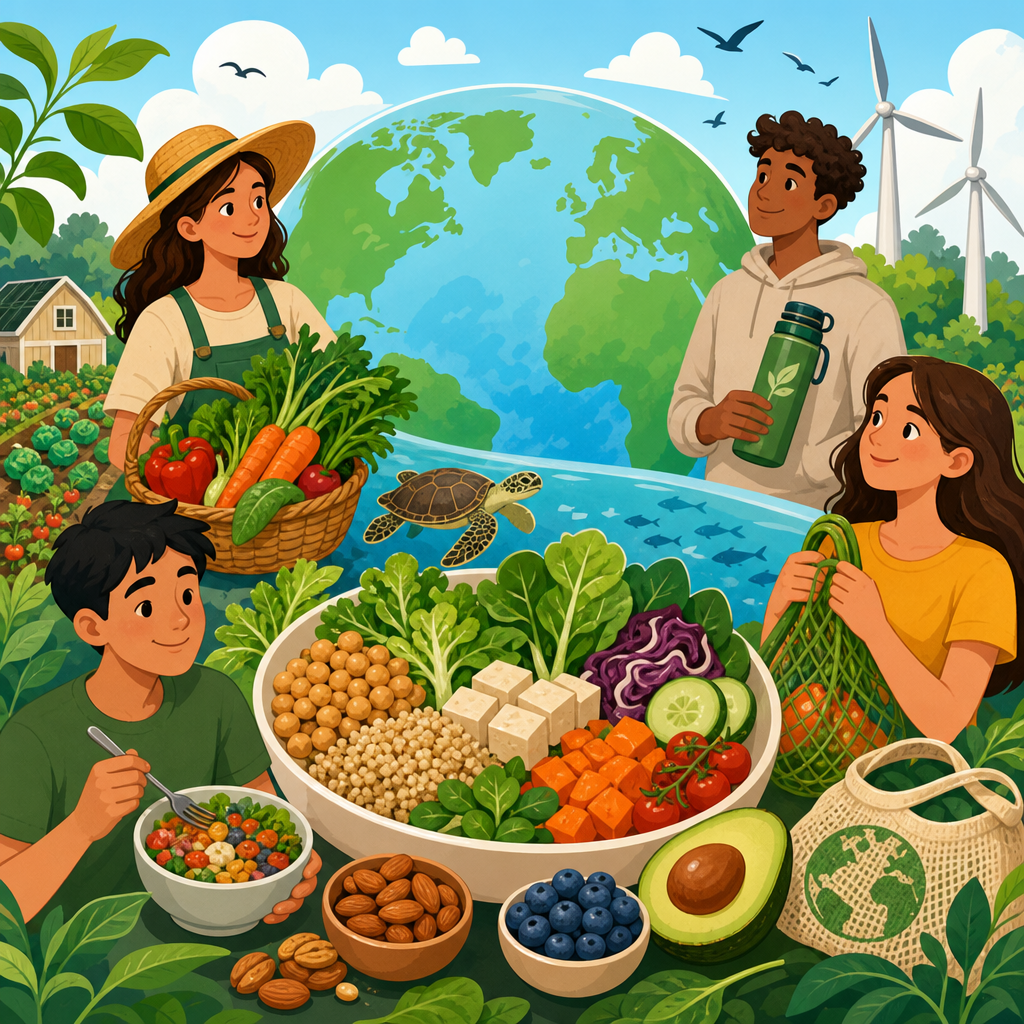
Sustainable eating and eco-friendly diets describe food choices that support human health while reducing pressure on climate, land, water, biodiversity, and waste systems. In practice, that means looking beyond calories and nutrients to ask how food is grown, transported, processed, packaged, sold, and discarded. I have worked with food-system content, institutional menus, and sustainability reporting long enough to see one pattern clearly: people often assume this topic is only about eating less meat, but the real picture is broader. A sustainable diet also considers soil health, farm labor, seasonal availability, fisheries management, food affordability, and whether a dietary pattern can work in daily life.
The concept has been shaped by major organizations including the Food and Agriculture Organization, the World Health Organization, and the EAT-Lancet Commission, all of which connect diet quality with environmental limits. Their shared message is straightforward. Diets built around more minimally processed plant foods, moderate portions, and lower waste generally create fewer environmental impacts than diets heavy in resource-intensive animal products and highly processed convenience items. Yet there are important exceptions. Tomatoes grown in heated greenhouses can carry a larger footprint than seasonal field crops. Almonds are plant-based, but irrigation matters. Wild seafood may be lower impact than some farmed options, but only when stocks are well managed.
Why does this matter now? Food systems account for roughly one-third of global greenhouse gas emissions, use about 70 percent of freshwater withdrawals, and are a leading driver of deforestation and habitat loss. At the same time, poor diets contribute to heart disease, type 2 diabetes, and other chronic conditions. Sustainable eating matters because it links personal health with planetary stability. The goal is not perfection or ideological purity. It is a practical pattern of eating that lowers impact, protects nutrition, and remains culturally familiar, affordable, and realistic enough to maintain over time.
What sustainable eating means in real life
A sustainable eating pattern is not a single branded diet. It is a decision framework. The core principles are to emphasize plants, choose animal foods more selectively, prefer foods produced with lower environmental harm, and waste less. In real households, that can look like beans replacing beef in chili twice a week, oats replacing sugar-heavy breakfast pastries, frozen vegetables filling seasonal gaps, and leftovers planned into lunches instead of thrown away. The best eco-friendly diets are flexible because rigid plans usually fail once budgets, family preferences, and local availability enter the picture.
Nutrition still comes first. A low-impact diet that lacks protein, iron, vitamin B12, calcium, or omega-3 fats is not a good diet. That is why sustainable eating works best as a balanced pattern rather than a list of moral rules. Mediterranean-style eating, plant-forward omnivorous diets, vegetarian diets, and well-planned vegan diets can all fit. What matters is the mix. Whole grains, legumes, vegetables, fruit, nuts, and seeds tend to score well both nutritionally and environmentally. Refined snacks, sugary drinks, and overconsumed red meat do not. When I review cafeteria menus or consumer meal plans, the biggest gains usually come from simple swaps repeated often, not dramatic overhauls.
People also ask whether local food automatically means sustainable food. The answer is no. Transport usually represents a smaller share of total food emissions than production method, especially for ruminant meat and dairy. Flying highly perishable produce can be carbon intensive, but shipping staples by sea is often efficient. A nearby tomato grown in an energy-intensive greenhouse may have a higher footprint than a field-grown tomato from a milder region. Local food can still be valuable for freshness, community economics, and transparency, but it should not be treated as the only sustainability signal.
The environmental impact of different foods
If you want the shortest answer to which foods usually have the highest environmental impact, it is this: beef and lamb tend to rank highest per gram of protein and per kilogram of food, followed by many cheeses and other dairy products, while legumes, grains, potatoes, and most seasonal vegetables rank much lower. The main reasons are methane from ruminants, feed conversion losses, land use, and manure management. Peer-reviewed syntheses, including work by Joseph Poore and Thomas Nemecek published in Science, show wide variation within every category, but the overall ranking is remarkably consistent.
Water use adds nuance. Rice can have a relatively high water footprint in some regions, and nuts can be resource intensive where irrigation is strained. Seafood is even more complex because the key metrics include bycatch, fuel use, aquaculture feed, habitat impacts, and stock status. That is why certification and sourcing matter. For seafood, standards from the Marine Stewardship Council and Aquaculture Stewardship Council can offer useful signals, although no label is perfect and local fishery science should still be considered. For coffee, cocoa, and palm oil, deforestation risk and labor conditions are central concerns alongside carbon.
| Food category | Typical environmental profile | What to choose more often | What to limit or question |
|---|---|---|---|
| Ruminant meat | Usually highest greenhouse gas and land impact | Smaller portions, occasional use, pasture claims checked carefully | Frequent beef and lamb consumption |
| Poultry and eggs | Lower than beef, higher than legumes | Use as supporting protein, not every meal | Large routine portions and waste |
| Legumes | Low emissions, strong protein and fiber value | Beans, lentils, peas, soy foods | Highly salted or ultra-processed versions only |
| Dairy | Variable; cheese is often impact-heavy | Yogurt, moderate milk use, fortified alternatives where suitable | Oversized cheese portions as default protein |
| Produce | Usually low impact, with seasonal and farming differences | Seasonal, field-grown, frozen when practical | Air-freighted perishables and high spoilage buying |
The practical takeaway is not that everyone must eliminate one food group overnight. It is that replacing some high-impact foods with lower-impact staples produces measurable benefits. A family that swaps two beef dinners each week for lentil curry and tofu stir-fry will generally lower emissions, reduce grocery costs, and increase fiber intake in the same move. That is what makes sustainable eating effective: the environmental logic and the nutrition logic often point in the same direction.
How to build an eco-friendly diet without sacrificing nutrition
Start with plate structure. Build most meals around vegetables, beans, whole grains, fruit, nuts, and seeds, then add moderate amounts of animal foods if you eat them. This approach improves nutrient density and usually lowers environmental impact automatically. Protein is the first concern many people raise, but it is manageable. Lentils, chickpeas, black beans, tofu, tempeh, edamame, dairy, eggs, poultry, and canned fish can all fit. Combining different plant proteins across the day supports amino acid adequacy without needing to pair foods in a single meal.
Micronutrients deserve attention. Vitamin B12 is essential for vegans and should come from fortified foods or supplements. Iron from beans, lentils, tofu, pumpkin seeds, and fortified cereals is better absorbed when eaten with vitamin C-rich foods such as peppers or citrus. Calcium can come from dairy, calcium-set tofu, fortified plant milks, sesame, and some leafy greens. Omega-3 fats are available from walnuts, flax, chia, and canola oil, while algae-based supplements provide DHA and EPA for those avoiding fish. In my experience, the strongest sustainable meal plans are nutritionally boring in the best sense: they cover basics consistently.
Processing level matters too. Not every plant-based product is automatically eco-friendly or healthy. A bean-and-oat burger with a short ingredient list is different from a heavily formulated item high in sodium, saturated fat, and packaging. Ultra-processed foods can still fit occasionally, but they should not replace foundational foods. If your shopping cart is mostly vegetables, beans, whole grains, yogurt, tofu, eggs, fruit, and basic pantry items, you are already close to an environmentally sound pattern. Then refine with seasonal choices, smarter seafood, and thoughtful portions rather than chasing perfection.
Shopping, labels, and sourcing decisions that make a real difference
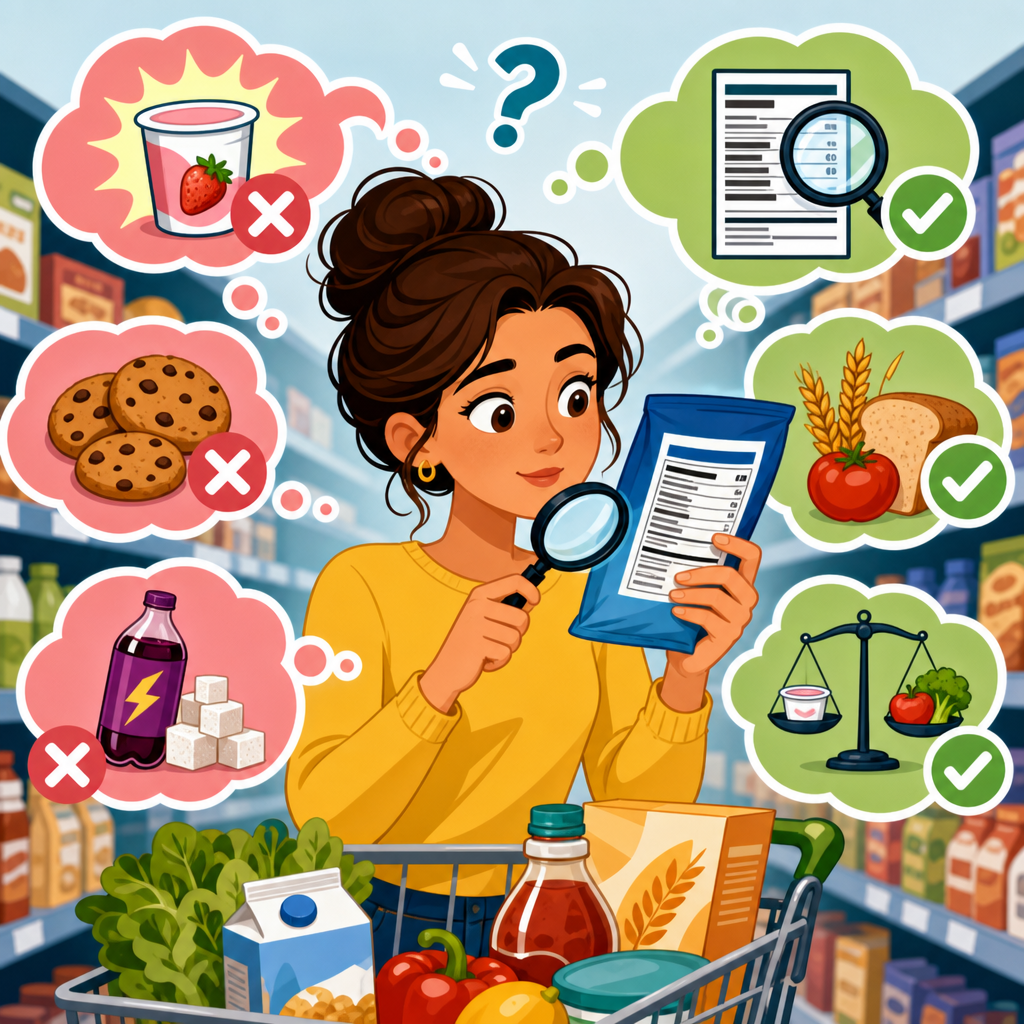
Consumers often overestimate the value of marketing language and underestimate the value of ingredient-level thinking. Terms like natural, farm fresh, and green are not strong sustainability indicators. More useful signals come from specific certifications, transparent sourcing statements, and the product type itself. USDA Organic can indicate restrictions on synthetic pesticides and fertilizers, but it does not automatically mean lower carbon emissions. Regenerative claims may point to promising soil practices, yet the term is not uniformly regulated. Fairtrade and Rainforest Alliance can help on social and land-use issues for certain commodities, though standards differ and none solves every problem.
Price remains a real barrier, so the best shopping strategy is usually a hierarchy. First, buy foods that are both affordable and low impact: dried or canned beans, oats, potatoes, rice, pasta, frozen vegetables, seasonal produce, peanut butter, eggs, yogurt, and tofu. Second, spend more selectively on items where sourcing matters most, such as seafood, coffee, chocolate, and a smaller quantity of better meat. Third, avoid waste by buying realistic amounts. A bag of organic salad greens that turns to slime in the crisper is less sustainable than conventional cabbage that gets fully eaten.
Households can also use menu planning as a sourcing tool. I often recommend a three-part check before buying: Will we eat this fully, is there a lower-impact equivalent, and does the producer provide credible evidence for its claims? This removes a lot of confusion. It is how you decide between imported berries in winter and frozen local berries, between everyday beef and weekly beans, or between random shrimp and certified mussels. Sustainable shopping is not about reading every life-cycle assessment. It is about using a small set of reliable filters again and again.
Reducing food waste, packaging waste, and hidden impacts at home
The most overlooked part of an eco-friendly diet is what happens after food enters the kitchen. Roughly one-third of food produced globally is lost or wasted, according to the Food and Agriculture Organization. That wasted food carries embedded emissions, water use, labor, and land use. In practical terms, throwing away half a loaf of bread or a container of spinach is not a small housekeeping issue; it is part of the environmental footprint of the diet itself. The fastest way to improve sustainability at home is to waste less edible food.
The methods are simple and highly effective. Plan meals around perishables first, freeze bread and cooked grains, rotate older items to the front of the refrigerator, and understand date labels. Best if used by usually refers to quality, not safety. Use by is more important for perishables. Keep a leftover night each week and repurpose ingredients intentionally: roasted vegetables become frittata filling, rice becomes fried rice, yogurt becomes sauce, and bruised fruit becomes smoothies. Composting helps with unavoidable scraps, but prevention matters more because compost does not recover all the resources used to produce the food.
Packaging deserves a balanced view. Plastic can reduce spoilage and protect safety, which sometimes lowers total impact despite being unpopular. The better question is not plastic or no plastic; it is whether the packaging meaningfully preserves food and whether a lower-waste option exists. Large tubs of yogurt may beat single-serve cups. Refillable containers work when they are actually reused. Shelf-stable milk or tomatoes can outperform fresh versions if they prevent spoilage. When I audit household habits, the biggest environmental wins almost always come from meal planning and spoilage reduction rather than from obsessing over every wrapper.
Common myths, tradeoffs, and a realistic path forward
Several myths make sustainable eating seem harder than it is. The first is that it requires a fully vegan diet. It does not. A plant-forward omnivorous pattern can significantly reduce impact. The second is that imported food is always worse than local food. Usually, production choices matter more than distance, except for air-freighted perishables. The third is that healthy and sustainable eating is automatically expensive. It can be if it revolves around specialty products, but staple-based meals built on beans, grains, potatoes, eggs, and frozen vegetables are often among the lowest-cost options in a supermarket.
There are real tradeoffs. Greenhouse gas emissions are not the only metric. Water scarcity, eutrophication, pesticide exposure, labor rights, and animal welfare may point in different directions. Almonds might look favorable on one measure and less favorable on another. Farmed salmon may offer nutrition benefits yet raise feed and pollution questions depending on the operation. This is why single-score thinking can mislead. The practical answer is to improve the pattern overall: eat more plants, choose fewer high-impact foods, buy from credible sources when possible, and cut waste aggressively. That strategy performs well across most metrics even when perfect optimization is impossible.
Sustainable eating works best when approached as a repeatable habit system. Pick three actions for the next month: replace one red-meat meal each week, build a leftover plan, and choose one certified or clearly sourced product category such as seafood or coffee. Small, consistent shifts beat ambitious rules that collapse after two weeks. If you want to eat in a way that supports both personal health and the wider food system, start with your next grocery list. Make it plant-forward, waste-aware, and realistic enough to keep using.
Frequently Asked Questions
What does sustainable eating actually mean in everyday life?
Sustainable eating means choosing foods in ways that support both personal health and the long-term health of the environment. In everyday life, that goes far beyond simply counting calories or following a trend-based diet. It involves paying attention to how food is produced, how much land and water it requires, how it is transported, how heavily it is processed, what kind of packaging it comes in, and what happens to it if it is wasted. A sustainable eating pattern aims to reduce pressure on climate systems, natural resources, biodiversity, and waste streams while still being practical, nourishing, affordable, and culturally realistic.
For most people, this does not require a perfect overhaul of every meal. It usually looks more like a series of better choices made consistently over time. That can include eating more beans, lentils, whole grains, vegetables, fruits, and nuts; planning meals so food does not spoil; buying seasonal produce when possible; choosing minimally processed foods more often; and being thoughtful about items that tend to carry a larger environmental footprint. Sustainable eating is not one rigid menu. It is a flexible approach that asks a simple question: how can I eat well in a way that uses resources more responsibly and creates less unnecessary waste?
Is sustainable eating just another way of saying you have to stop eating meat?
No. That is one of the most common misunderstandings. Sustainable eating is not an all-or-nothing rule that requires everyone to become vegetarian or vegan. The bigger idea is to understand that different foods place different levels of demand on land, water, energy, and emissions systems, and then make choices accordingly. In many cases, reducing the amount of high-impact animal products eaten regularly can improve the environmental profile of a diet, but that does not mean every person must eliminate them completely to eat more sustainably.
A practical eco-friendly diet often focuses on balance rather than strict exclusion. For example, someone might keep animal products in their routine but eat smaller portions, choose them less often, or build more meals around plant proteins such as beans, peas, tofu, or lentils. Others may prioritize quality, sourcing, or lower-waste meal planning instead of total avoidance. Sustainable eating should also account for nutrition needs, food access, affordability, culture, and personal health conditions. The most effective approach is often one that is realistic enough to maintain over time. Small, repeatable changes usually have more impact than extreme short-term restrictions that people cannot sustain.
What are the best first steps if I want to make my diet more eco-friendly without making it complicated?
The best first steps are usually the simplest ones, because sustainable eating works best when it fits into normal routines. Start by reducing food waste. Plan meals before shopping, store ingredients properly, use leftovers intentionally, and pay attention to what you regularly throw away. Food waste matters because when edible food is discarded, all of the land, water, labor, fuel, and packaging behind it are wasted too. For many households, wasting less food is one of the easiest and most immediate ways to improve sustainability.
Next, shift more meals toward plant-forward ingredients without trying to change everything overnight. That might mean adding one or two bean-based dinners per week, using grains and vegetables to stretch meat further, or swapping some highly processed convenience foods for simpler staple ingredients. Choosing seasonal produce when feasible, buying only what you can realistically use, and favoring foods with less packaging can also help. If budget matters, focus on staples such as oats, rice, dried beans, lentils, frozen vegetables, potatoes, and in-season produce. These foods often support both affordability and sustainability. The goal is not to build a perfect diet from day one. It is to create a pattern of choices that is healthier, less wasteful, and easier on environmental systems over time.
How do food waste, packaging, and processing fit into an eco-friendly diet?
They are central to it. Many people think sustainable eating is only about whether a food is plant-based or animal-based, but the full picture is broader. Food waste is a major issue because discarded food represents lost resources at every stage of the supply chain, from farming and irrigation to refrigeration and transport. At home, waste often comes from overbuying, poor storage, forgotten leftovers, and confusion over date labels. Reducing that waste can significantly improve the environmental impact of a household diet.
Packaging also matters, especially when foods are heavily wrapped in single-use materials or sold in portions that create more waste than necessary. That does not mean packaged food is always bad; sometimes packaging helps preserve freshness and prevent spoilage, which may reduce waste overall. The key is to look for smarter tradeoffs, such as buying in useful quantities, choosing recyclable or lower-waste options when possible, and avoiding unnecessary excess. Processing matters as well because more heavily processed foods can involve more energy use, more packaging, and longer supply chains. That said, processing exists on a spectrum. Frozen vegetables, canned beans, and plain yogurt are processed foods too, and they can be practical, nutritious, and waste-reducing. An eco-friendly diet is less about avoiding every processed item and more about understanding the total system around the food you buy and eat.
Can a sustainable diet also be healthy, affordable, and realistic for families?
Yes, and in many cases it should be. A sustainable diet is most effective when it works in real life, not just in theory. That means it needs to support nutrition, budget, convenience, cultural preferences, and family routines. Many foundational foods associated with sustainable eating are also among the most economical, including beans, lentils, whole grains, seasonal produce, eggs, potatoes, and frozen fruits and vegetables. Building meals around these staples can help families manage costs while improving both diet quality and environmental impact.
Realism matters just as much as ideals. Families may have limited time, picky eaters, different nutrition needs, or uneven access to fresh foods. That is why sustainable eating should not be framed as a purity test. It is better to make steady improvements than to chase a version of perfection that creates stress or becomes unaffordable. A healthy, eco-friendly family routine might include cooking larger batches to reduce waste, using leftovers for lunches, rotating lower-cost plant proteins into weekly meals, and being selective about higher-impact foods rather than trying to eliminate entire categories overnight. When sustainable eating is approached as a practical, flexible framework, it becomes much easier to maintain and much more likely to deliver meaningful long-term results.