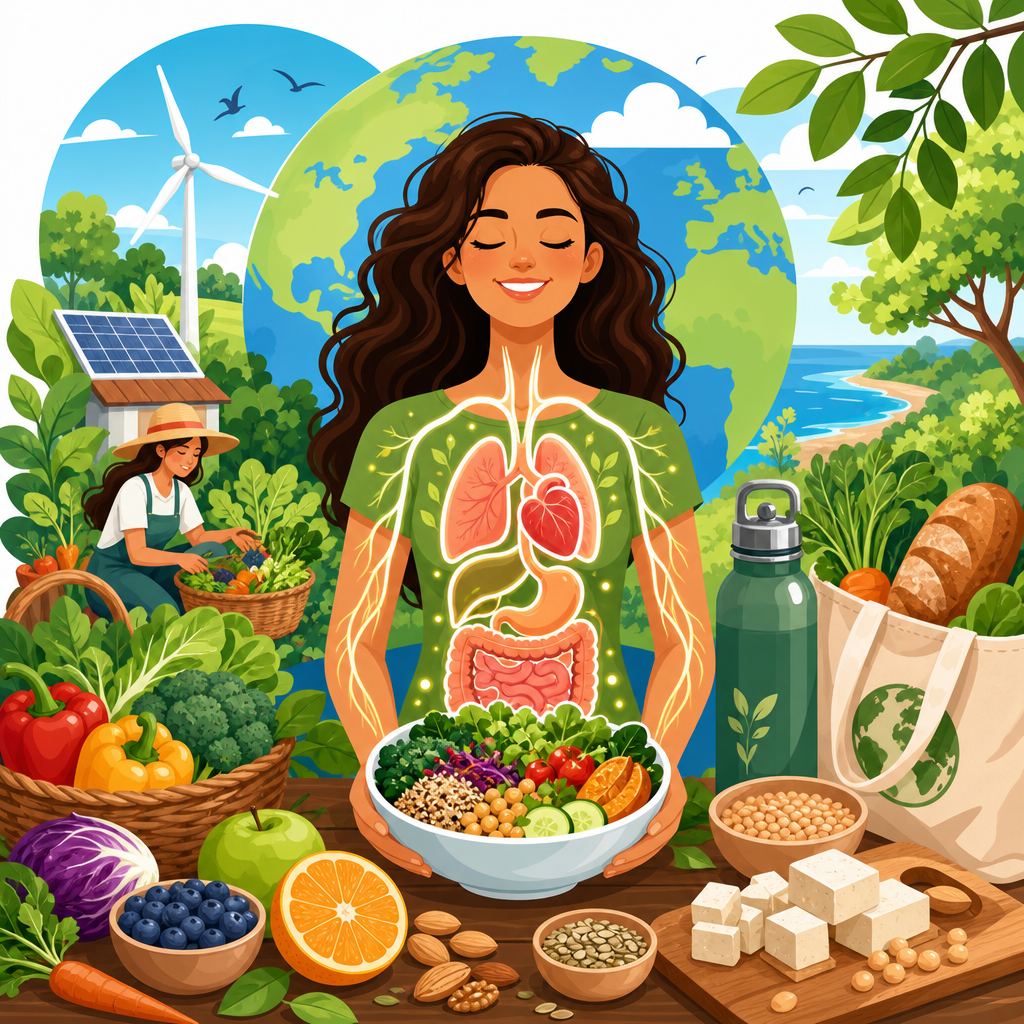
Sustainable eating and eco-friendly diets support your body’s key functions by aligning nutrition quality with the environmental systems that make long-term health possible. In practical terms, sustainable eating means choosing foods produced, processed, packaged, and distributed in ways that reduce harm to soil, water, climate, biodiversity, and local communities while still meeting human nutritional needs. An eco-friendly diet is not one rigid menu. It is a pattern centered on nutrient-dense foods, reasonable portions, lower waste, and sourcing decisions that account for both personal health and ecological impact. I have worked with food sustainability frameworks and nutrition content for years, and the most important point is this: a diet cannot be called healthy if it damages the natural systems that secure future food quality and availability.
That connection matters because the body depends on a steady supply of protein, essential fats, fiber, vitamins, minerals, and phytonutrients to regulate energy production, hormone signaling, immune defense, digestion, circulation, tissue repair, and brain function. Food systems shape whether those nutrients are available, affordable, and safe. The Food and Agriculture Organization has long defined sustainable diets as patterns with low environmental impacts that contribute to food and nutrition security and healthy lives for present and future generations. The EAT-Lancet Commission likewise pushed the discussion forward by linking dietary patterns, noncommunicable disease risk, and planetary boundaries. When people ask whether sustainable eating is only about the planet, the accurate answer is no. It is also about metabolic health, gut integrity, cardiovascular resilience, and the nutritional stability of the food supply itself.
As a hub within Food Science & Sustainability, this article explains how sustainable eating works, how eco-friendly diets support core bodily functions, which foods and habits matter most, and where tradeoffs exist. It also establishes a foundation for deeper articles on plant proteins, regenerative agriculture, food waste, sustainable seafood, low-impact meal planning, and label literacy. The central idea is straightforward: when you choose diverse plant foods, moderate animal products, minimally processed staples, and lower-waste routines, you often improve nutrient density and reduce the environmental burden associated with your meals. That combination supports your body immediately and protects the agricultural base your health depends on over decades.
What sustainable eating means in everyday nutrition
Sustainable eating is best understood as a pattern rather than a single rule. It prioritizes foods that deliver strong nutritional value per unit of environmental cost. In many populations, that means more legumes, whole grains, nuts, seeds, fruits, and vegetables; moderate amounts of dairy, eggs, poultry, or seafood where appropriate; and less reliance on high-impact, highly processed foods and overconsumption in general. The exact mix differs by culture, geography, budget, and medical need. A sustainable diet in the Mediterranean looks different from one in Japan or Mexico, but each can still emphasize seasonal produce, diverse plant intake, and lower waste.
From a body-function perspective, this pattern works because foods with lower environmental impact often bring benefits that standard public health nutrition has supported for years. Beans, lentils, oats, barley, leafy greens, berries, and nuts provide fiber, polyphenols, unsaturated fats, potassium, folate, magnesium, and other compounds tied to lower cardiometabolic risk. Fiber supports bowel regularity, microbial diversity, cholesterol control, and glycemic regulation. Unsaturated fats from nuts, seeds, olive oil, and some fish support cell membranes, nerve function, and inflammatory balance. Micronutrients from varied plants enable enzymes involved in energy metabolism, DNA repair, and immune response.
One misconception I see often is that eco-friendly diets are automatically restrictive or nutritionally incomplete. They are not, if built well. The Academy of Nutrition and Dietetics and many national dietary guidelines recognize that vegetarian and largely plant-forward eating patterns can be nutritionally adequate across life stages when planned appropriately. The planning matters. Vitamin B12, iron, zinc, iodine, calcium, vitamin D, and omega-3 fats deserve attention in lower-animal-food patterns. Sustainable eating is not ideology; it is applied nutrition combined with systems thinking.
How eco-friendly diets support energy, metabolism, and blood sugar control
Your body’s energy systems depend on a stable supply of macronutrients and micronutrients that feed cellular metabolism. Eco-friendly diets commonly improve this by shifting intake away from refined calories and toward whole-food carbohydrate sources, leaner proteins, and healthier fats. Whole grains and legumes provide complex carbohydrates that digest more slowly than sugary snacks or refined starches. That slower digestion helps moderate post-meal glucose spikes and insulin demand, which is useful for preventing energy crashes and supporting metabolic health over time. Pairing these foods with protein and fat further improves satiety and glycemic response.
In real meal planning, this can be as simple as replacing a beef-heavy fast-food lunch with a grain bowl built from brown rice, lentils, roasted vegetables, pumpkin seeds, and tahini. Nutritionally, that swap increases fiber, folate, magnesium, and phytonutrients while often lowering saturated fat. Environmentally, legumes generally produce far fewer greenhouse gas emissions per kilogram than ruminant meat. The health result is not abstract. Better blood sugar stability can improve concentration, reduce overeating later in the day, and lower long-term strain on insulin regulation.
Micronutrients are equally important in metabolic pathways. B vitamins help convert food into usable energy. Magnesium is required in hundreds of enzymatic reactions, including those involved in ATP production. Iron supports oxygen transport through hemoglobin, allowing working tissues to generate energy efficiently. Potassium supports muscle contraction and fluid balance. Many sustainable staples, including beans, whole grains, leafy greens, potatoes, bananas, and seeds, help cover these needs. If a person reduces red meat substantially, careful inclusion of iron-rich plant foods with vitamin C sources becomes more important. I routinely recommend combinations like lentils with tomatoes, tofu with bok choy, or chickpeas with lemon dressing because they improve non-heme iron absorption in a practical way.
Gut health, immune resilience, and inflammation
One of the clearest links between sustainable eating and body function is the gut. Diets rich in diverse plant foods supply fermentable fibers that nourish beneficial gut microbes. Those microbes produce short-chain fatty acids such as butyrate, acetate, and propionate, which help maintain the intestinal barrier, influence immune signaling, and support colon health. A more diverse microbiome is generally associated with better digestive resilience and broader metabolic benefits. In practice, people who increase beans, onions, oats, asparagus, apples, flaxseed, and fermented foods often notice better bowel regularity and satiety within weeks, provided they increase fiber gradually and drink enough water.
Immune function also depends on nutrient adequacy and microbial health. Vitamins A, C, D, E, B6, and B12, along with zinc, selenium, copper, folate, and protein, all contribute to immune cell development and response. Sustainable dietary patterns can meet these needs well, especially when they include legumes, nuts, seeds, whole grains, mushrooms, colorful produce, and, where chosen, eggs, dairy, or seafood. The environmental benefit comes from dietary diversity and moderated resource use, not from eliminating every animal food at all costs. For some people, small amounts of yogurt, sardines, mussels, or eggs are efficient ways to support nutrient coverage while keeping impact lower than a diet centered on large servings of beef and cheese.
Chronic low-grade inflammation is influenced by many factors, but diet quality is a major one. Ultra-processed, high-sugar, high-saturated-fat patterns are linked with poorer inflammatory profiles and increased chronic disease risk. By contrast, plant-forward patterns rich in olive oil, nuts, legumes, vegetables, herbs, and fish have repeatedly shown cardiovascular and anti-inflammatory benefits. The Mediterranean pattern remains a strong example because it is both culturally grounded and scientifically well studied. It demonstrates that sustainability and physiological support can work together through food choices that are realistic, flavorful, and nutritionally complete.
Heart, brain, and muscle function: the strongest food choices
Cardiovascular function relies on healthy blood vessels, balanced lipids, controlled blood pressure, and efficient circulation. Eco-friendly diets frequently support all four. Soluble fiber from oats, beans, and barley can help lower LDL cholesterol by interfering with bile acid reabsorption. Potassium-rich foods such as beans, potatoes, yogurt, bananas, and leafy greens support blood pressure regulation by balancing sodium’s effects. Unsaturated fats from olive oil, walnuts, flaxseed, and canola oil support lipid management and cell membrane integrity. If seafood is included, species lower on the food chain such as sardines and anchovies often provide omega-3 fats with a smaller environmental footprint than many larger predatory fish.
Brain function benefits from this same pattern. The brain is highly metabolically active and depends on stable glucose delivery, essential fatty acids, B vitamins, iron, choline, iodine, and antioxidant compounds. Eggs, soy foods, legumes, sea vegetables used carefully for iodine, dairy, and seafood can all play useful roles depending on dietary preference. For people following more plant-based diets, algae-based DHA supplements can be a practical option. I emphasize that sustainability does not justify nutrient gaps. Supporting cognition, mood, and nervous system function requires deliberate attention to nutrients that are less abundant or less bioavailable in some dietary patterns.
Muscle function is another area where sustainable eating is often misunderstood. Adequate protein is entirely achievable with eco-friendly diets, but the source mix matters. Beans, lentils, tofu, tempeh, edamame, dairy, eggs, and whole grains all contribute. Older adults, athletes, and people recovering from illness may need more intentional protein distribution across meals because muscle protein synthesis responds best to sufficient high-quality protein several times per day.
| Food choice | Key nutrients | Body functions supported | Why it is often more sustainable |
|---|---|---|---|
| Lentils and beans | Protein, fiber, folate, iron, potassium | Energy metabolism, gut health, circulation | Low emissions and efficient nitrogen use compared with many animal proteins |
| Oats and barley | Beta-glucan fiber, magnesium, B vitamins | Cholesterol control, blood sugar regulation, digestive health | Staple grains with strong nutrient yield and relatively low impact |
| Nuts and seeds | Unsaturated fats, vitamin E, magnesium, selenium | Brain, heart, cell membrane, antioxidant support | Small portions deliver high nutrient density and replace less efficient snacks |
| Sardines or mussels | Protein, omega-3s, B12, iodine, iron | Heart, brain, thyroid, muscle function | Often lower impact than large predatory fish or ruminant meat |
| Seasonal vegetables and fruit | Vitamin C, carotenoids, polyphenols, potassium | Immune defense, tissue repair, vascular health | Lower storage and transport burden when sourced locally in season |
This is why I advise readers to think in patterns, not labels. A bowl of lentil soup with whole-grain bread and salad supports heart, muscle, and gut function while typically carrying a lower footprint than a large beef burger meal. A breakfast of oats, chia, berries, and yogurt can support blood sugar control, microbiome diversity, and satiety better than many packaged pastries. The body benefits are immediate, and the systems benefits accumulate.
Building a truly sustainable plate: sourcing, waste, and tradeoffs
Food choice is only one part of sustainability. Production methods, transport, storage, packaging, and household waste also matter. In my experience, people make the biggest difference by focusing first on what they eat regularly, second on how much they waste, and third on sourcing upgrades where feasible. Reducing food waste is especially important. The United Nations Environment Programme has estimated that households account for a major share of global food waste. Wasted food also wastes water, land, fertilizer, energy, and labor. At home, practical strategies include meal planning, freezing leftovers, using date labels correctly, and building meals around perishable items before buying more.
Sourcing deserves nuance. Local food can be excellent, especially when seasonal, but local is not automatically lower impact than imported food. Production method often matters more than distance. For example, tomatoes grown in heated greenhouses may carry a higher footprint than field-grown tomatoes shipped efficiently in season from another region. Air-freighted perishables usually have much higher transport emissions than foods moved by sea or truck. Certified standards can help, though they are imperfect. Marine Stewardship Council labels for seafood, organic certification, Fairtrade, and regenerative agriculture claims each tell part of the story, but no single label guarantees ideal outcomes across every issue.
Tradeoffs are real. Almonds provide healthy fats and micronutrients but raise water-use concerns in drought-prone regions. Beef can supply highly bioavailable iron, zinc, and B12, yet it generally has much higher greenhouse gas emissions and land demands than beans, tofu, or poultry. Plant-based meat alternatives may reduce emissions versus beef, but some are highly processed and not always nutritionally superior to whole-food proteins. The best eco-friendly diet is usually not the most extreme one. It is the one you can sustain nutritionally, socially, and economically while steadily shifting toward higher-impact improvements: more plants, less waste, better sourcing, and more thoughtful portions.
How this hub connects the wider Food Science & Sustainability topic
Because this page is the hub for sustainable eating and eco-friendly diets, it should guide how readers explore the wider subject. The next level down includes articles on plant protein quality, the science of fiber and the microbiome, sustainable seafood choices, food waste reduction, regenerative agriculture, seasonal eating, ultra-processed foods, and label interpretation. Each area answers a question readers commonly have. Can you get enough protein from a sustainable diet? Which fish support omega-3 intake without increasing pressure on vulnerable species? Does buying local always help? How do composting, freezing, and pantry planning change a household footprint? These are not side issues. They determine whether sustainable eating remains a slogan or becomes a practical daily system.
The core message across all those articles is consistent. Sustainable eating supports your body’s key functions when it improves diet quality, preserves nutrient access, and reduces stress on the ecosystems that underpin agriculture and fisheries. Start with one week of meals. Increase legumes, whole grains, vegetables, fruit, nuts, and seeds. Moderate high-impact foods instead of pretending perfection is required. Use leftovers intelligently. Learn which nutrients need attention in your preferred eating pattern. Then keep building. That is how eco-friendly diets become healthier, more credible, and easier to maintain.
Frequently Asked Questions
What is sustainable eating, and how does it support the body’s key functions?
Sustainable eating is a way of choosing foods that nourish the body while also reducing unnecessary harm to the environmental systems that make long-term health possible. In practice, that means prioritizing nutrient-dense foods produced, processed, packaged, and distributed in ways that are gentler on soil, water, air quality, biodiversity, and local communities. Rather than following one strict menu, an eco-friendly diet is usually built around whole or minimally processed foods such as vegetables, fruits, legumes, whole grains, nuts, seeds, and responsibly sourced animal foods when included. This approach supports the body’s core functions because it tends to improve overall diet quality, which directly affects energy production, immune defense, hormone balance, digestion, muscle repair, brain function, and cardiovascular health.
When people shift toward a more sustainable dietary pattern, they often increase their intake of fiber, antioxidants, vitamins, minerals, and beneficial plant compounds. These nutrients help cells produce energy efficiently, support healthy blood sugar regulation, feed the gut microbiome, and reduce chronic inflammation. At the same time, a sustainable eating pattern often lowers dependence on heavily processed foods that can be high in excess sodium, added sugars, and lower-quality fats. That combination can help the body maintain healthy circulation, metabolic function, and digestive regularity. In other words, sustainable eating is not just about protecting the planet in the abstract; it is about building a food pattern that supports the body today while helping preserve the natural resources needed to support health in the future.
Can an eco-friendly diet provide enough protein, iron, calcium, and other essential nutrients?
Yes, an eco-friendly diet can absolutely provide sufficient protein and other essential nutrients when it is planned with variety and balance. One of the biggest misconceptions is that sustainable eating automatically means nutritional compromise. In reality, many environmentally conscious eating patterns are rich in protein from beans, lentils, peas, tofu, tempeh, edamame, nuts, seeds, dairy, eggs, and responsibly sourced fish or meats if those foods are part of the diet. Whole grains also contribute meaningful amounts of protein, and combining a range of plant foods across the day helps create a strong amino acid profile. For most people, the key is not perfection but diversity.
Iron, calcium, zinc, omega-3 fats, vitamin B12, and vitamin D deserve extra attention depending on the specific eating style. Iron can come from lentils, beans, tofu, pumpkin seeds, fortified grains, and leafy greens, and absorption improves when these foods are eaten with vitamin C-rich produce like citrus, berries, peppers, or tomatoes. Calcium is available from dairy products, calcium-set tofu, fortified plant milks, sesame seeds, almonds, and certain greens. Omega-3 fats can come from walnuts, chia seeds, flaxseeds, hemp seeds, and lower-impact seafood choices. Vitamin B12 is especially important for people eating mostly or fully plant-based diets, since reliable sources include fortified foods or supplements. With thoughtful food choices, sustainable eating can be both environmentally responsible and nutritionally complete, supporting strong bones, healthy blood cells, nerve function, muscle activity, and immune resilience.
How does sustainable eating benefit digestion, metabolism, and immune health?
Sustainable eating often improves digestive health because it naturally emphasizes fiber-rich foods that support bowel regularity and a healthier gut microbiome. Legumes, fruits, vegetables, whole grains, nuts, and seeds contain fibers and plant compounds that help beneficial gut bacteria thrive. A well-fed microbiome contributes to digestion, helps produce certain short-chain fatty acids, supports the intestinal barrier, and communicates with the immune system in ways that can influence inflammation and overall health. Since a large portion of immune activity is closely connected to the gut, dietary patterns that support microbial balance may have wide-reaching benefits beyond digestion alone.
Metabolism also benefits from a sustainable diet because nutrient-dense, less processed foods tend to provide steadier energy and better blood sugar control. Meals built around fiber, protein, and healthy fats are often more satisfying and can help reduce the spikes and crashes associated with ultra-processed options. This can support insulin sensitivity, appetite regulation, and sustained energy production at the cellular level. In addition, many eco-friendly foods are rich in magnesium, potassium, folate, and antioxidants, which play important roles in enzyme activity, muscle function, hydration balance, and recovery from everyday stress. Altogether, a sustainable eating pattern helps the body digest food efficiently, convert nutrients into usable energy, and maintain a strong, responsive immune system.
Does eating sustainably mean you have to give up meat, dairy, or your favorite foods?
No, sustainable eating does not require an all-or-nothing approach. For many people, the most realistic and effective version is a flexible pattern that includes more plant-forward meals while still allowing room for favorite foods, cultural traditions, and personal nutritional needs. Some people choose to eat less meat overall, especially highly resource-intensive or heavily processed varieties, while others focus on improving sourcing, reducing waste, and balancing portions. Dairy may still fit, particularly when used thoughtfully and paired with a broader diet rich in plants. The point is not strict restriction; it is making choices that improve both health and environmental impact over time.
This flexibility is important because long-term habits are usually built on consistency, not extremes. Simple shifts can have real benefits: replacing a few meat-centered meals each week with beans or lentils, choosing seasonal produce more often, buying minimally packaged foods when possible, and using leftovers to reduce food waste. Even small changes can improve nutrient intake by increasing fiber, vitamins, and beneficial plant compounds while lowering excess saturated fat and sodium from some processed foods. Sustainable eating works best when it feels practical and satisfying, so there is no need to eliminate every indulgence or follow a rigid identity-based diet to make a meaningful difference for your body and the planet.
What are the easiest ways to start an eco-friendly diet that supports long-term health?
The best place to start is by focusing on simple, repeatable habits rather than trying to overhaul everything at once. Begin by building meals around plants: fill a large portion of your plate with vegetables, fruits, beans, lentils, whole grains, nuts, and seeds. These foods are generally associated with lower environmental impact and strong nutritional value, helping support heart health, digestion, blood sugar balance, and overall energy. Next, look at the level of processing. Choosing more whole or minimally processed foods often improves nutrient density and reduces reliance on products that may come with excess packaging, additives, sodium, or added sugars. If you eat animal foods, consider using them in smaller portions and selecting options that are responsibly sourced and intentionally paired with plant foods.
Other easy strategies include buying seasonal produce, shopping locally when practical, planning meals to reduce waste, freezing leftovers, and using more of the foods you buy before they spoil. You can also swap one or two common staples for more sustainable alternatives, such as beans instead of some red meat meals, oats instead of heavily packaged breakfast items, or reusable containers instead of single-use packaging. Reading labels can help you compare ingredients, sourcing claims, and nutrient quality without getting overwhelmed. Over time, these habits create a dietary pattern that supports your body’s key functions by delivering steady nourishment while also respecting the ecological foundations of the food system. That makes sustainable eating not just a trend, but a practical long-term strategy for personal and planetary well-being.