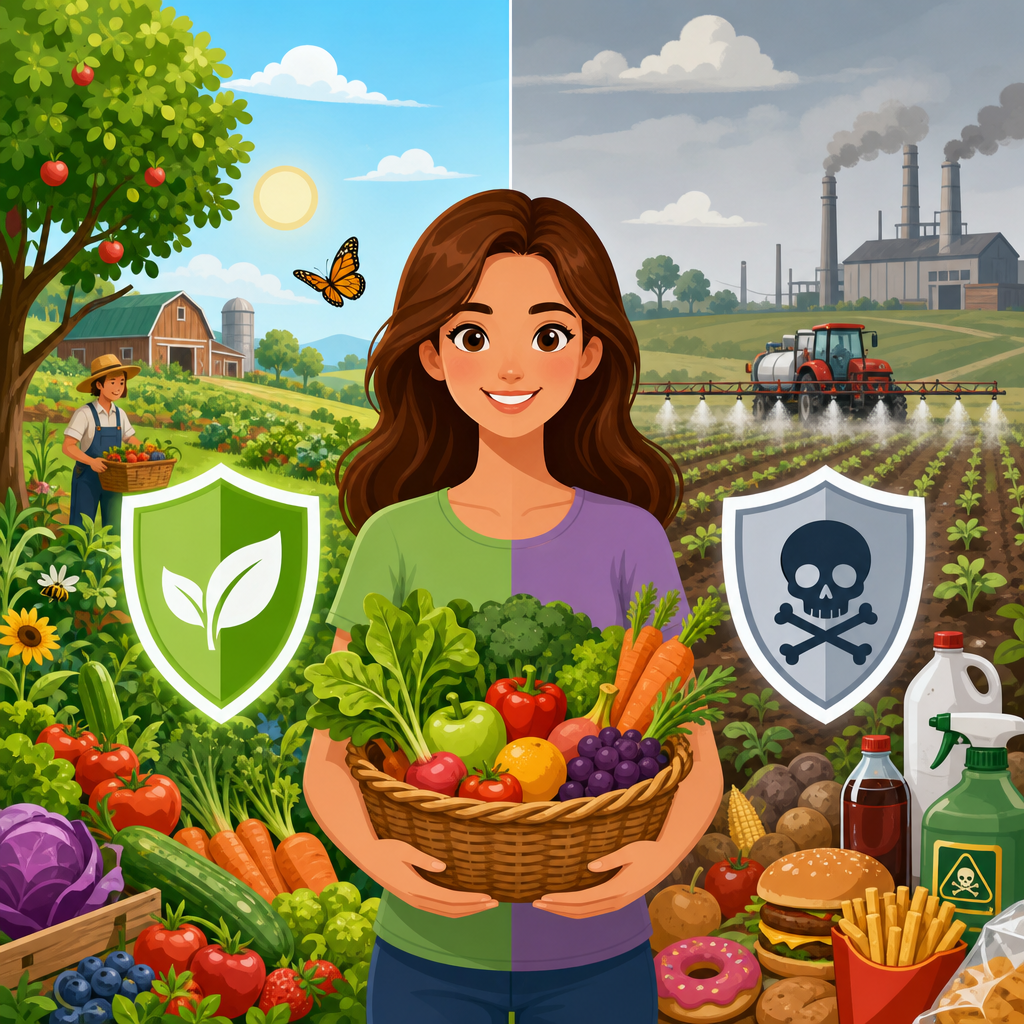
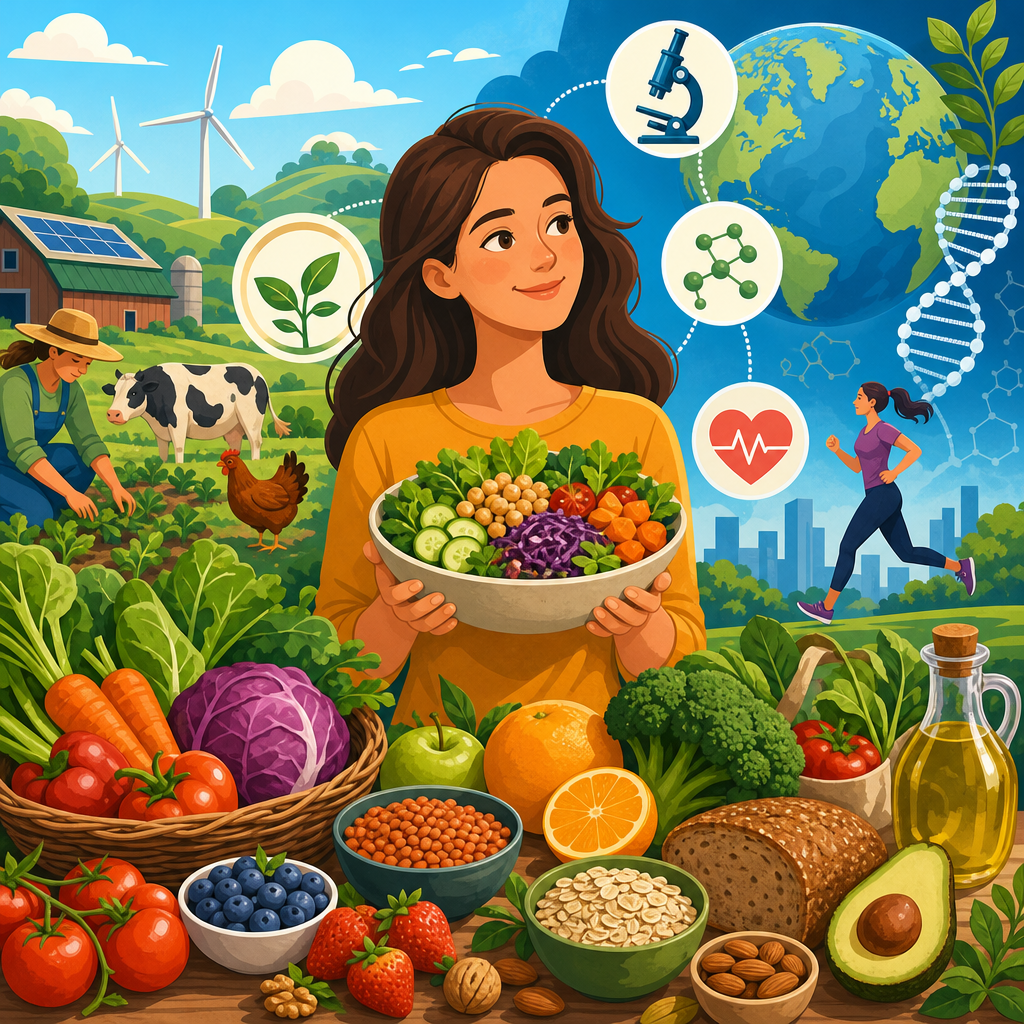
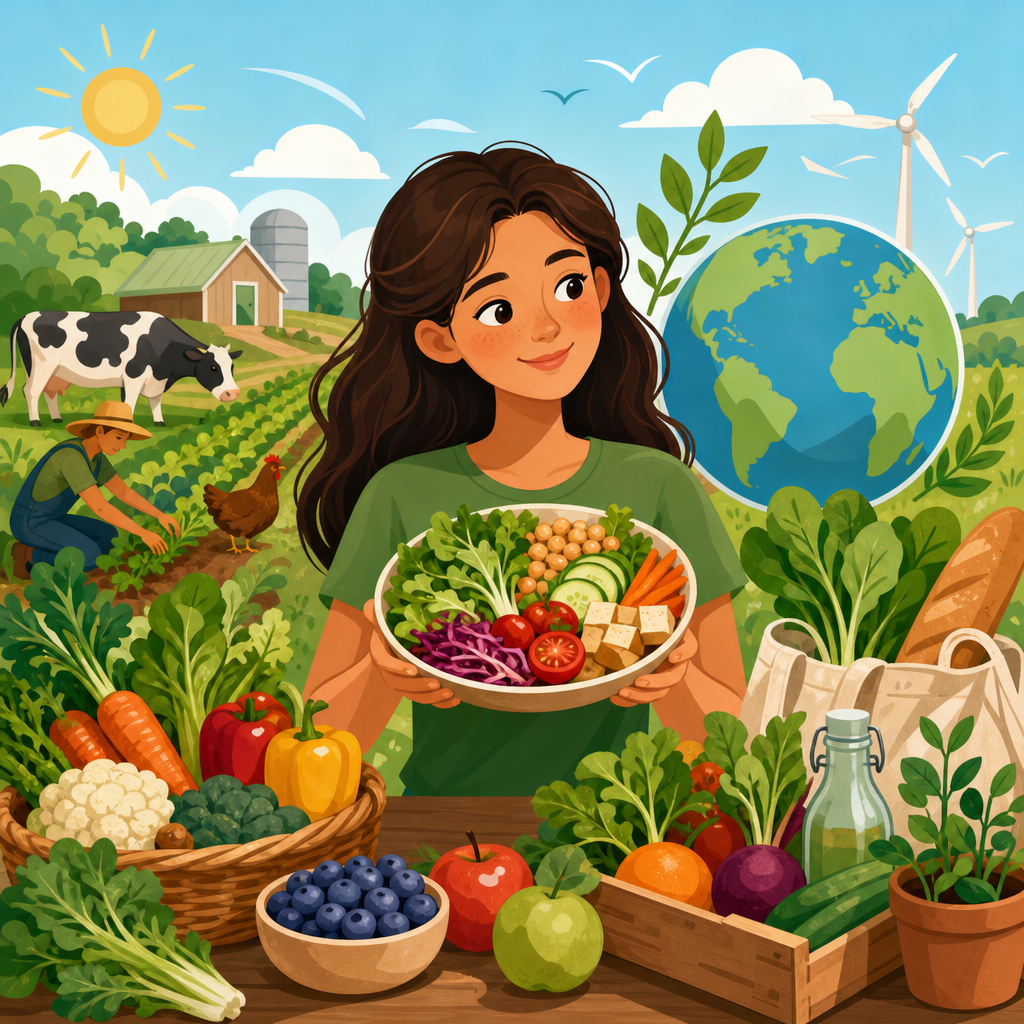
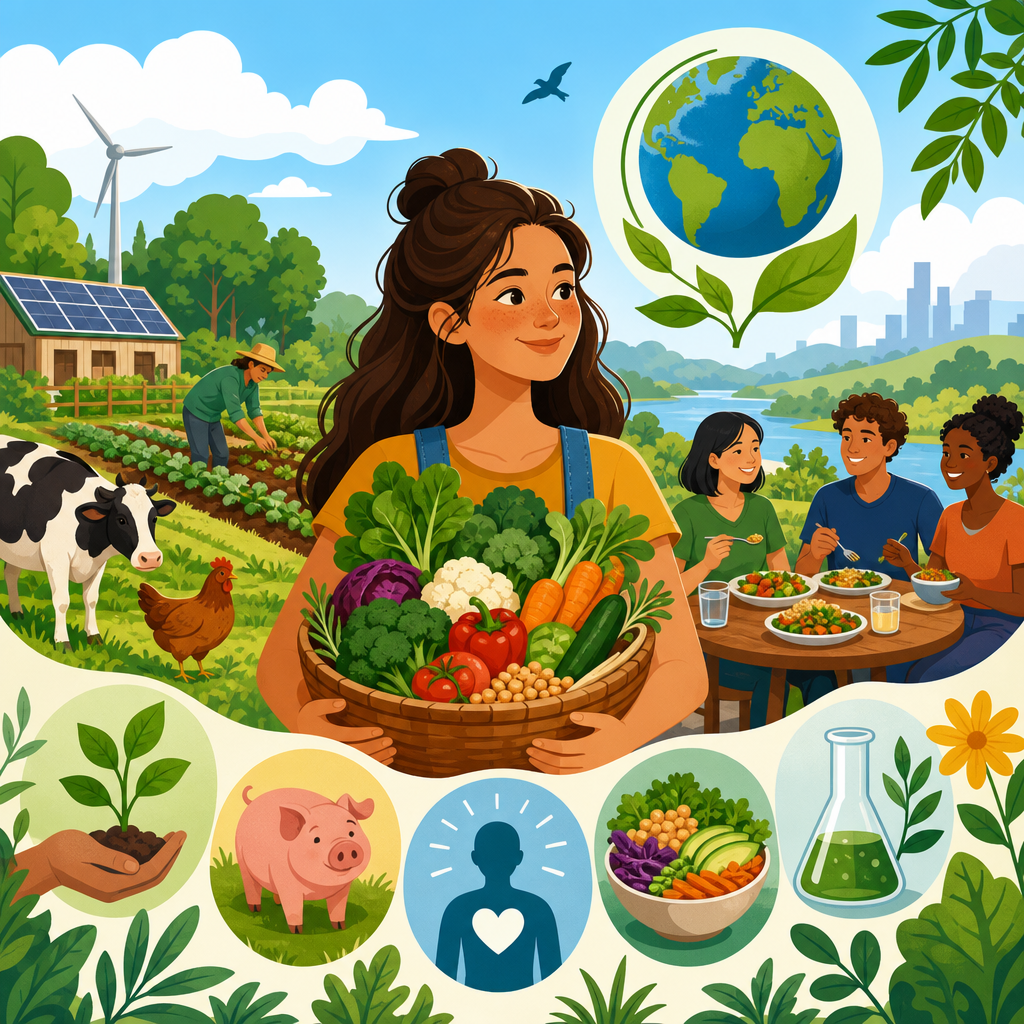
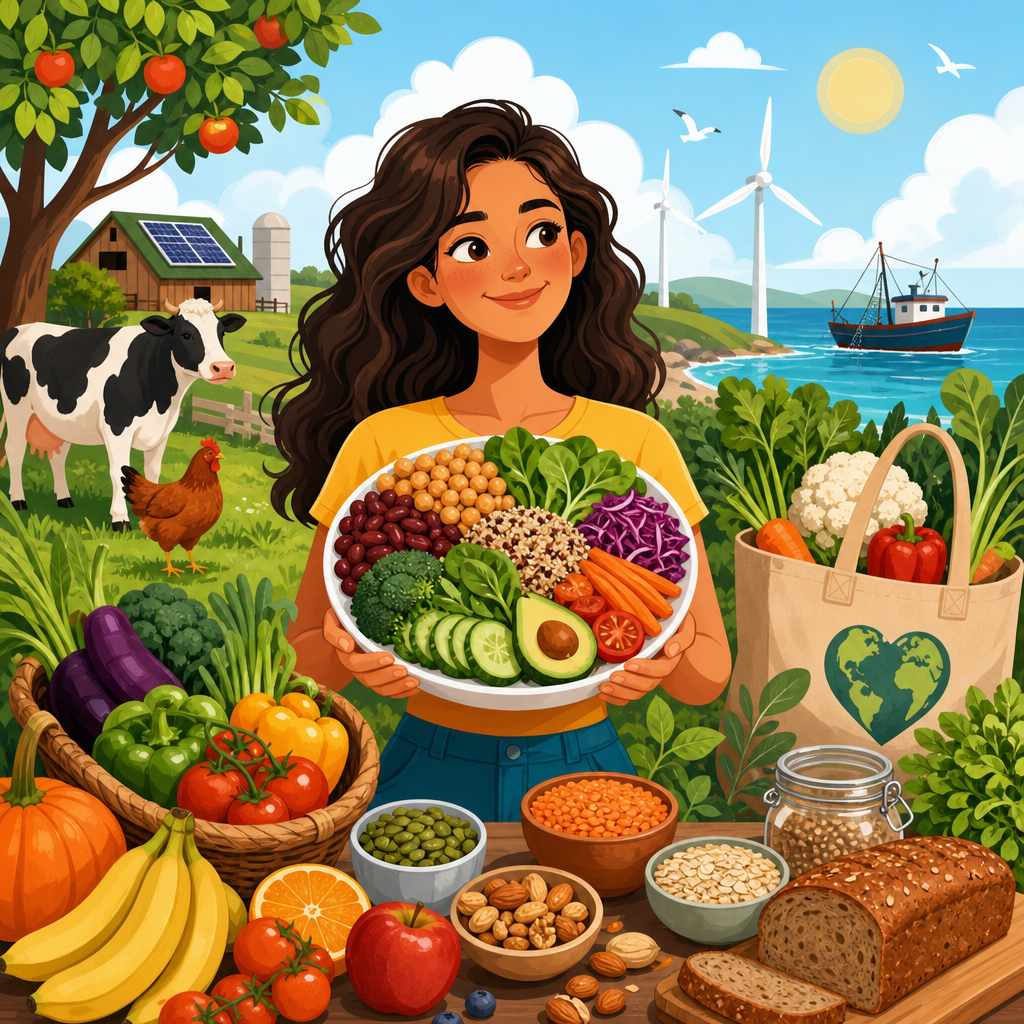
Maximizing your health with sustainable eating and eco-friendly diets means choosing foods that nourish the body while reducing pressure on land, water, climate, and biodiversity. In practice, a sustainable diet emphasizes nutrient-dense foods, minimizes waste, respects seasonal production, and accounts for how food is grown, processed, packaged, and transported. I have worked with clients who thought this approach required giving up favorite meals or spending more, but the opposite is often true: when people focus on beans, whole grains, vegetables, fruit, nuts, seeds, and modest portions of responsibly produced animal foods, grocery costs frequently stabilize and meal quality improves.
The concept matters because food systems drive major environmental outcomes and major health outcomes at the same time. The Food and Agriculture Organization defines sustainable diets as those with low environmental impacts that contribute to food and nutrition security and healthy lives for present and future generations. That definition is useful because it highlights the full picture. A diet can be nutritionally adequate but environmentally wasteful, or environmentally light but poorly balanced. The goal is not dietary purity. The goal is durable eating patterns that support cardiometabolic health, digestive health, and long-term ecological resilience.
Key terms help clarify the topic. Sustainable eating refers to food choices and habits that reduce environmental harm across the supply chain, from production to disposal. Eco-friendly diets are broader patterns, often plant-forward, that lower greenhouse gas emissions, conserve water, protect soil, and reduce unnecessary packaging and waste. Life-cycle assessment is the standard method used to estimate environmental impact across stages such as farming, transport, processing, retail, cooking, and disposal. Nutrient density describes how much protein, fiber, vitamins, and minerals a food provides relative to calories. Together, these ideas help consumers make practical decisions instead of relying on labels alone.
This hub article brings the subtopic together by explaining what a sustainable diet looks like, how it supports health, where tradeoffs exist, and how to build meals that are realistic for daily life. It also serves as a foundation for related articles on plant proteins, regenerative agriculture, food waste reduction, sustainable seafood, local food systems, and environmentally conscious meal planning. If you understand the principles here, you can evaluate almost any food choice with more confidence and less confusion.
What a sustainable diet looks like in real life
A sustainable eating pattern is usually plant-forward, not necessarily plant-only. The strongest evidence supports a dietary pattern centered on vegetables, legumes, whole grains, fruit, nuts, seeds, and unsaturated fats, with smaller amounts of animal foods and fewer ultra-processed products. This is consistent with findings from the EAT-Lancet Commission, Mediterranean diet research, and large cohort studies linking higher intake of minimally processed plant foods with lower risk of cardiovascular disease, type 2 diabetes, and premature mortality. In environmental terms, legumes and grains generally produce far fewer emissions per gram of protein than beef and lamb, while also requiring less land.
In practical meal planning, that can look like oatmeal with walnuts and berries for breakfast, lentil soup and whole grain bread for lunch, and a vegetable stir-fry with tofu or a smaller portion of chicken for dinner. It can also include eggs, yogurt, or fish when these fit a person’s budget, preferences, and health needs. What matters most is the overall pattern. When I audit real household food logs, the highest-impact improvements are usually simple: replacing some red meat meals with bean-based dishes, increasing frozen and seasonal produce, and using leftovers well enough to cut weekly food waste.
The common question is whether local food always matters more than food type. Usually it does not. For many foods, production methods contribute more to total emissions than transport. Air-freighted perishables can be an exception, but beef from a nearby farm can still carry a larger footprint than imported beans shipped efficiently by sea. That is why sustainable eating should start with what you eat, then refine where it comes from, how it is packaged, and how much ends up in the trash.
Health benefits of eco-friendly diets
Eco-friendly diets support health because the foods associated with lower environmental impact often align with established nutrition guidance. Diets rich in beans, vegetables, fruit, intact grains, and nuts provide fiber, potassium, folate, magnesium, polyphenols, and healthy fats that many populations underconsume. Higher fiber intake is associated with improved cholesterol levels, better glycemic control, and a healthier gut microbiome. Replacing some saturated fat from processed meats and high-fat dairy with unsaturated fats from olive oil, nuts, seeds, and fish can improve lipid profiles and reduce cardiovascular risk.
There are also meaningful indirect benefits. Home cooking with staple ingredients usually lowers sodium, added sugar, and excess calories compared with restaurant meals and heavily processed convenience foods. Seasonal eating increases variety across the year, which can broaden micronutrient intake. Buying less but buying better often improves attention to food quality, portion control, and meal structure. I see this regularly when people move from a convenience-based routine to a pantry built around dried beans, brown rice, canned tomatoes, frozen vegetables, herbs, and a few versatile proteins.
That said, not every eco-friendly pattern is automatically healthy. A diet can be vegan and still rely heavily on refined starches, sugary drinks, and low-protein snacks. Likewise, an omnivorous diet can be sustainable if animal foods are used strategically and mostly come from lower-impact categories such as mussels, sardines, or modest amounts of poultry, while the plate remains dominated by plants. The health benchmark is adequacy, balance, and consistency over time.
Choosing foods with lower environmental impact
The biggest environmental gains usually come from a few high-leverage decisions. Reducing beef and lamb intake is one of the most effective steps because ruminant animals produce methane and require substantial land and feed. Shifting even two or three weekly meals toward lentils, chickpeas, tofu, or tempeh can lower household food emissions noticeably. Dairy is more variable, but yogurt and cheese often carry higher footprints than plant staples because of resource-intensive milk production and processing. Seafood varies widely as well, so species and fishery or farming methods matter.
Packaging, water use, and farming practices also matter, but they should be prioritized correctly. A plastic-wrapped cucumber may look less sustainable than a loose steak, yet the steak almost always has a much larger total footprint. Food waste is another major issue. Wasted food squanders the energy, land, fertilizer, labor, and water used to produce it. The most sustainable food is often the food you already bought. Meal planning, proper storage, and freezer use consistently outperform minor package-level choices when the goal is measurable impact reduction.
| Food choice | Typical impact pattern | Practical guidance |
|---|---|---|
| Beef and lamb | Highest greenhouse gas and land use per serving | Reduce frequency and portion size; reserve for occasional meals |
| Beans, lentils, peas | Low emissions, high fiber, efficient protein source | Use in soups, curries, tacos, salads, and blended meat dishes |
| Tofu and tempeh | Low to moderate impact, high-quality plant protein | Marinate, roast, stir-fry, or crumble into sauces |
| Poultry and eggs | Lower impact than ruminant meat, still resource intensive | Use moderate portions and pair with vegetables and grains |
| Bivalves and small oily fish | Often lower-impact seafood options | Choose verified fisheries or farms when possible |
| Seasonal frozen produce | Low waste, strong nutrient retention, good affordability | Keep staples on hand for fast meals and less spoilage |
For shoppers, the simplest filter is this: build meals around plants first, use animal foods as complements rather than centerpieces, buy what you will realistically eat, and avoid wasting perishables. That approach is evidence-based, budget-friendly, and scalable for most households.
How to build a sustainable plate at home
A sustainable plate starts with proportion. Fill roughly half the plate with vegetables and fruit, one quarter with whole grains or starchy vegetables, and one quarter with protein, leaning often on legumes and soy foods. Add healthy fats through olive oil, nuts, seeds, or avocado. This model works because it supports satiety, blood sugar control, and micronutrient intake while naturally lowering the resource intensity of the meal. It also adapts well across cuisines. A burrito bowl can use black beans, brown rice, salsa, cabbage, and pumpkin seeds. A Mediterranean plate can use chickpeas, farro, tomatoes, greens, and tahini.
Protein quality is a frequent concern, especially when reducing meat. In practice, varied plant proteins are sufficient for most healthy adults when total calorie and protein intake are adequate. Soy foods provide complete protein, and combinations such as beans with grains comfortably cover amino acid needs over the day. People with higher requirements, including older adults, athletes, or those in recovery from illness, may benefit from more deliberate protein distribution across meals. This can still be done sustainably by using Greek yogurt, tofu, edamame, lentil pasta, eggs, canned fish, or blended dishes that stretch smaller amounts of meat.
Micronutrients deserve attention too. Vitamin B12 is essential for fully plant-based diets and generally requires fortified foods or supplements. Iron, zinc, calcium, iodine, omega-3 fats, and vitamin D may also need planning depending on the diet pattern, location, and sun exposure. These are manageable considerations, not reasons to abandon eco-friendly eating. The best approach is informed planning rather than assumption.
Shopping, budgeting, and reducing food waste
Sustainable eating is often easier when treated as a systems problem rather than a willpower problem. Start with a weekly inventory of what needs to be used first. Build two or three meals around overlapping ingredients, then freeze extra portions before fatigue sets in. Dried beans, oats, rice, pasta, canned tomatoes, peanut butter, frozen spinach, and frozen berries offer excellent nutritional value at low cost and long shelf life. Store herbs in water, keep apples and bananas separate to slow ripening, and learn the difference between safety labels and quality labels, since “best by” dates usually do not mean a food is unsafe.
Budget-conscious households should know that sustainability does not require exclusive shopping at specialty markets. Conventional produce still supports better dietary quality than inadequate produce intake, and frozen vegetables can be both economical and lower waste than fresh options. Bulk bins can reduce packaging when turnover is high, but only if the food is actually used. Local farmers markets can be valuable for seasonality and freshness, though price and access vary widely. In my experience, the most cost-effective pattern is a hybrid: pantry staples from standard grocery stores, frozen produce for reliability, and selected seasonal items or local products when they fit the budget.
Restaurants and takeout deserve attention because they are often where both excess calories and excess packaging accumulate. Ordering plant-forward entrees, choosing water over bottled beverages, skipping unnecessary cutlery packets, and planning leftovers can make a meaningful difference without making eating out joyless.
Tradeoffs, labels, and making informed choices
No single label guarantees a food is healthy and sustainable. Organic standards can reduce synthetic pesticide use and support some soil practices, but organic products are not automatically lower in total emissions, especially if they are heavily processed or wasted. Grass-fed beef may offer animal welfare or land management benefits in certain systems, yet it still remains a high-impact food compared with beans or tofu. Local food can strengthen regional economies and improve freshness, but local alone does not equal low impact. Regenerative agriculture is promising, particularly for soil health and resilience, but claims should be assessed carefully because definitions and verification are still evolving.
Consumers should prioritize clear, durable principles over marketing language. Ask direct questions: Is this food nutrient-dense? How resource-intensive is its production? Will I actually eat it before it spoils? Does the producer provide credible certification or transparent sourcing? Useful third-party references include Marine Stewardship Council for some wild fisheries, Aquaculture Stewardship Council for some farmed seafood, USDA Organic in the United States, and region-specific animal welfare or fair trade standards where relevant. These tools are imperfect, but they are better than guessing.
The long-term goal is not perfection. It is a repeatable dietary pattern that improves health markers, lowers waste, and shifts demand toward better food systems. Start with one week of intentional meals, track what gets eaten and what gets discarded, and use that information to build a smarter, more sustainable routine.
Sustainable eating and eco-friendly diets work because they align personal health with environmental responsibility instead of forcing a choice between them. The strongest pattern is clear: eat more minimally processed plant foods, rely on legumes and whole grains as everyday staples, use animal foods more selectively, choose seasonal and frozen produce strategically, and waste far less food. Those moves improve fiber intake, support heart and metabolic health, and lower the emissions, land use, and water pressure associated with an average diet.
This hub page is the foundation for deeper reading across the Food Science & Sustainability topic. From here, related articles can explore plant protein science, sustainable seafood, regenerative agriculture, composting, packaging, and meal planning in greater detail. If you want the biggest return with the least disruption, begin with three habits: replace a few red meat meals each week, plan leftovers before shopping, and keep affordable plant proteins stocked at all times. Small decisions repeated consistently create a healthier diet and a lighter footprint. Start with your next grocery list and make every meal count.
Frequently Asked Questions
What is a sustainable or eco-friendly diet, and how does it improve health?
A sustainable or eco-friendly diet is a way of eating that supports personal health while also reducing the environmental impact of food choices. Instead of focusing only on calories or macronutrients, it looks at the full picture: how food is grown, how much water and land it requires, how it affects climate emissions, how it is packaged and transported, and whether it supports biodiversity and soil health. From a nutrition standpoint, this usually means emphasizing whole, minimally processed foods such as vegetables, fruits, legumes, whole grains, nuts, seeds, and responsibly produced animal foods when included. These foods tend to provide more fiber, vitamins, minerals, antioxidants, and healthy fats than heavily processed convenience foods.
For health, this approach can be especially powerful because it encourages a balanced eating pattern rather than a restrictive diet. People often eat more fiber-rich plant foods, which can support digestion, heart health, blood sugar balance, and long-term weight management. At the same time, reducing dependence on ultra-processed foods can help lower excess intake of sodium, added sugars, and low-quality fats. Environmentally, choosing seasonal produce, reducing food waste, and favoring foods with a lower resource burden can help conserve water, reduce emissions, and lessen pressure on ecosystems. In simple terms, a sustainable diet helps align what is good for the body with what is better for the planet, making it a practical long-term strategy rather than a short-term nutrition trend.
Do I need to become vegetarian or vegan to eat more sustainably?
No, you do not need to become vegetarian or vegan to eat more sustainably. One of the biggest misconceptions about eco-friendly eating is that it requires completely eliminating animal products. In reality, sustainable eating exists on a spectrum, and even modest changes can make a meaningful difference. Many people improve both their health and environmental impact by simply shifting the overall balance of their meals. That might mean eating beans, lentils, tofu, or whole grains more often, reducing portion sizes of meat, choosing higher-quality animal products less frequently, or building a few meals each week around plant-based proteins.
For many households, a realistic and effective approach is to practice “plant-forward” eating. This means plants take center stage most of the time, while animal foods are used more intentionally. For example, a stir-fry with lots of vegetables and brown rice can include a small amount of chicken rather than making chicken the entire meal. A pasta dish can rely on beans, mushrooms, olive oil, and greens for substance and flavor. If you do eat fish, eggs, or dairy, choosing products from producers that prioritize animal welfare, responsible land use, and lower-impact practices can further support sustainability goals. The key point is progress, not perfection. You do not need to give up favorite meals; you simply need to build more awareness into how often, how much, and what kind of foods you choose.
Is sustainable eating more expensive than a regular diet?
Not necessarily. In fact, sustainable eating can often lower grocery costs when it is approached strategically. Many of the most sustainable foods are also among the most affordable, including beans, lentils, oats, rice, potatoes, seasonal produce, frozen vegetables, and whole grains bought in bulk. These foods are nutrient-dense, versatile, and easy to build into satisfying meals. A common reason people assume sustainable eating is expensive is because they associate it only with premium organic products, boutique health foods, or specialty eco-brands. While those items can be part of an eco-friendly lifestyle, they are not required for a sustainable diet.
One of the most effective ways to save money is to reduce food waste, which is a major principle of sustainable eating. Planning meals, using leftovers creatively, freezing extra portions, and buying only what you are likely to eat can significantly cut household food spending. Shopping seasonally also helps because in-season fruits and vegetables are often more abundant, better tasting, and less expensive. Choosing store brands, buying dried or canned legumes, and comparing unit prices can stretch a budget further. If animal products are part of your diet, using them as a complement instead of the main event often reduces costs as well. Over time, many people find that sustainable eating is less about buying more expensive food and more about buying smarter, using ingredients fully, and prioritizing foods that offer strong nutritional value for the price.
What are the best practical ways to start eating more sustainably without making life complicated?
The best place to start is with a few high-impact habits that fit naturally into your routine. First, focus on building meals around nutrient-dense basics: vegetables, fruit, beans, lentils, whole grains, nuts, seeds, and other minimally processed staples. Second, aim to waste less by planning meals before you shop, storing food properly, and using ingredients across multiple dishes during the week. Third, buy seasonal produce when possible, since it is often fresher, less expensive, and associated with lower production and storage demands. Fourth, include more plant-based meals without treating them as an all-or-nothing rule. Even replacing one or two meat-heavy meals each week with bean chili, lentil soup, vegetable curry, or grain bowls can make the transition feel easy and sustainable.
You can also simplify your choices by asking a few helpful questions at the store: Is this food minimally processed? Will I realistically use it before it spoils? Can I buy a version with less packaging? Is there a seasonal or locally available option? None of these questions needs to be answered perfectly every time. The goal is to make slightly better decisions more consistently. Cooking at home more often, keeping a short list of affordable staple meals, and learning a few flexible recipes can dramatically reduce both environmental impact and decision fatigue. Sustainable eating works best when it feels practical, enjoyable, and repeatable, not when it feels like a strict set of rules.
How can I make sure an eco-friendly diet still gives me enough protein and essential nutrients?
An eco-friendly diet can absolutely meet protein and nutrient needs when it is planned with balance in mind. Protein is one of the main concerns people have, but there are many sustainable sources, including beans, lentils, peas, tofu, tempeh, edamame, nuts, seeds, whole grains, dairy foods, eggs, and responsibly sourced fish or meat if included. In practice, most people do well when they spread protein intake across meals rather than concentrating it at dinner. For example, breakfast might include oats with nuts and seeds, lunch could feature a bean or grain bowl, and dinner might center on lentils, tofu, or a smaller portion of animal protein alongside vegetables and whole grains.
Beyond protein, it is important to pay attention to nutrients such as iron, calcium, vitamin B12, omega-3 fats, zinc, iodine, and vitamin D, especially if you are eating fewer animal products. Legumes, leafy greens, fortified plant milks, yogurt, eggs, seeds, and seafood can all help cover these needs depending on your eating style. Pairing plant-based iron sources like beans or spinach with vitamin C-rich foods such as citrus, peppers, or tomatoes can improve iron absorption. If someone follows a fully vegan diet, vitamin B12 usually requires fortified foods or a supplement. The most effective approach is not to chase individual nutrients obsessively, but to aim for variety, consistency, and enough total food intake. A well-structured sustainable diet can support energy, muscle maintenance, immune function, and overall wellness while still aligning with environmental values.