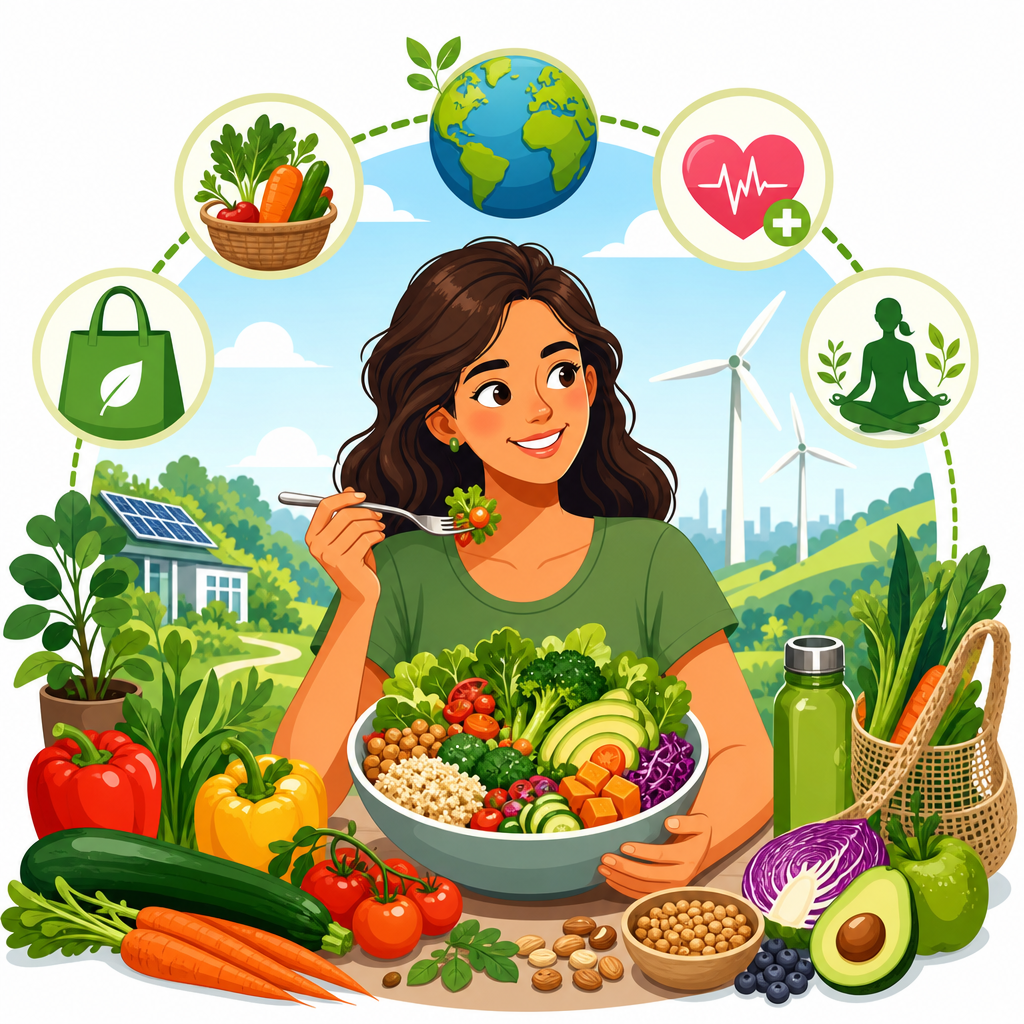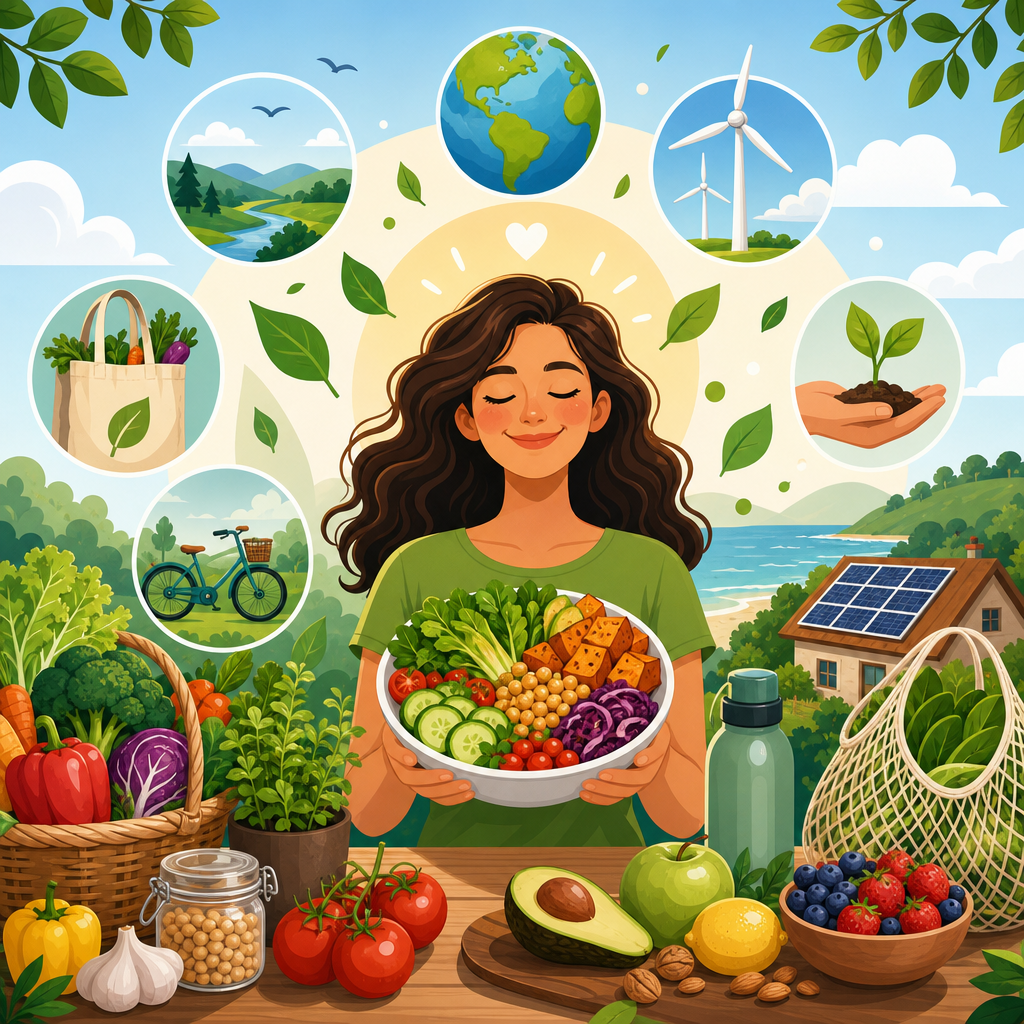
Sustainable eating and eco-friendly diets shape personal health, household budgets, and environmental resilience at the same time. In practice, sustainable eating means choosing foods and eating patterns that support long-term human health while reducing damage to soil, water, biodiversity, climate, and food security. An eco-friendly diet usually emphasizes whole plant foods, moderate portions, seasonal produce, lower food waste, and ingredients produced with fewer resources or better farming standards. I have worked with nutrition planning and sustainability messaging for food brands and health publishers, and the most effective guidance is always practical: eat more foods that nourish you deeply and require less from the planet.
This topic matters because the food system affects nearly every part of daily life. What people eat influences blood sugar control, digestive comfort, heart health, energy levels, sleep quality, and weight management. At the same time, food production accounts for a significant share of global greenhouse gas emissions, freshwater use, and land conversion. The Food and Agriculture Organization, World Health Organization, and EAT-Lancet Commission have all contributed evidence showing that diet patterns can be both health-promoting and environmentally responsible. That overlap is the core idea behind sustainable eating. It is not a fad diet, a purity contest, or a call for perfection. It is a framework for making better food choices consistently.
For readers exploring food science and sustainability, this article serves as a hub because the subject connects multiple subtopics: plant-forward nutrition, regenerative agriculture, food labels, local versus imported foods, sustainable seafood, packaging, and food waste prevention. A useful starting point is this: the most sustainable diet is usually one that is nutritionally balanced, affordable enough to maintain, culturally realistic, and built around minimally processed staples. That includes beans, lentils, whole grains, vegetables, fruits, nuts, seeds, and carefully chosen animal foods when used. The benefit is broader than carbon reduction. Sustainable eating can improve overall well-being by helping people eat more fiber, healthier fats, and more micronutrient-dense meals while avoiding the stress and expense of highly wasteful buying habits.
How sustainable eating improves physical health
Sustainable eating improves physical health primarily because it aligns closely with dietary patterns already associated with lower chronic disease risk. When someone shifts toward a plant-forward plate, they typically increase intake of dietary fiber, potassium, folate, magnesium, polyphenols, and unsaturated fats. Those nutrients support cardiovascular health, gut microbiome diversity, and steadier energy. In real meal planning, this often looks like replacing a processed lunch of refined grains and cured meat with a grain bowl built from brown rice, chickpeas, roasted vegetables, olive oil, and seeds. The environmental footprint usually drops, but so does sodium load and saturated fat, while fiber rises sharply.
Research consistently links higher intake of legumes, fruits, vegetables, whole grains, and nuts with lower rates of heart disease, type 2 diabetes, and some cancers. Sustainable diets often reduce reliance on ultra-processed foods, which is important because these products can be convenient yet disproportionately high in added sugars, sodium, refined starches, and industrial additives. That does not mean every packaged food is harmful or every fresh food is superior. Frozen vegetables, canned beans, plain yogurt, and oats are excellent sustainable staples. The point is dietary quality. A sustainable pattern supports healthy body systems because it prioritizes nutrient density over volume, branding, or novelty.
People also ask whether sustainable diets provide enough protein, iron, calcium, and vitamin B12. The answer is yes for many people, with planning. Beans, tofu, tempeh, lentils, dairy foods, eggs, fish from well-managed sources, and fortified foods can all contribute. Athletes, pregnant women, older adults, and strict vegans may need more deliberate planning, and some people require supplementation, especially for vitamin B12 or vitamin D. Sustainable eating is strongest when it respects physiology rather than ideology. The healthiest version is one that covers essential nutrients while reducing excess resource use.
Why eco-friendly diets support mental and emotional well-being
Eco-friendly diets affect mental and emotional well-being in several ways. First, better diet quality often improves mood stability and cognitive performance. Meals built around complex carbohydrates, protein, healthy fats, and fiber tend to support more stable blood glucose than heavily refined meals, reducing the crash-and-craving cycle many people experience midafternoon. Second, participating in food habits that align with personal values can reduce low-grade stress. Many people feel better when their daily choices reflect concern for climate, animal welfare, or community agriculture. That sense of coherence matters.
I have seen this most clearly when households simplify their routines. Instead of making nightly decisions around takeout, they create a repeatable plan using pantry grains, beans, vegetables, soups, and leftovers. The result is not only lower waste but less decision fatigue. Cooking at home a few more times each week can also strengthen family routines and portion awareness. For many people, that leads to a more predictable appetite pattern and a calmer relationship with food. The emotional benefit comes from structure without rigidity.
There are tradeoffs to acknowledge. Sustainable eating should not become obsessive, socially isolating, or financially stressful. If someone spends hours trying to optimize every ingredient origin, they may create anxiety rather than well-being. The better approach is progressive improvement. Buy produce you will actually eat. Choose one or two lower-impact proteins each week. Use leftovers intentionally. A sustainable diet supports mental health when it is flexible, evidence-based, and realistic enough to maintain through busy weeks, travel, and family obligations.
Food choices with the biggest impact on health and sustainability
The highest-impact changes are usually simpler than people expect. Reducing food waste is one of the most effective actions because wasted food squanders the land, water, fertilizer, labor, energy, and transport embedded in it. Shifting some meals from red meat to legumes or poultry often makes a measurable difference as well. Choosing whole foods over heavily processed convenience foods can improve nutrition and reduce packaging and industrial inputs, though the comparison depends on the product.
| Food choice | Health effect | Sustainability effect | Practical example |
|---|---|---|---|
| Beans instead of some beef meals | More fiber, less saturated fat | Usually lower emissions and land use | Black bean chili twice weekly |
| Seasonal produce | Encourages variety and freshness | Can reduce storage and production intensity | Winter squash in fall, berries in summer |
| Whole grains over refined grains | Better satiety and glycemic response | Supports less waste from overprocessed foods | Oats, brown rice, whole wheat pasta |
| Planned leftovers | Portion control and meal consistency | Directly cuts household food waste | Roast vegetables used in next-day wraps |
| Certified sustainable seafood | Lean protein and omega-3 fats | Rewards better fishery management | MSC-certified canned sardines |
Among animal foods, ruminant meats such as beef and lamb generally carry higher greenhouse gas and land-use impacts than chicken, eggs, or many plant proteins. That does not mean everyone must eliminate them completely. It means frequency and portion size matter. In my experience, people are more successful when they think in terms of rebalancing the plate rather than banning foods. A pasta dish with mushrooms, lentils, tomatoes, and a small amount of sausage is usually easier to sustain than a total overhaul overnight.
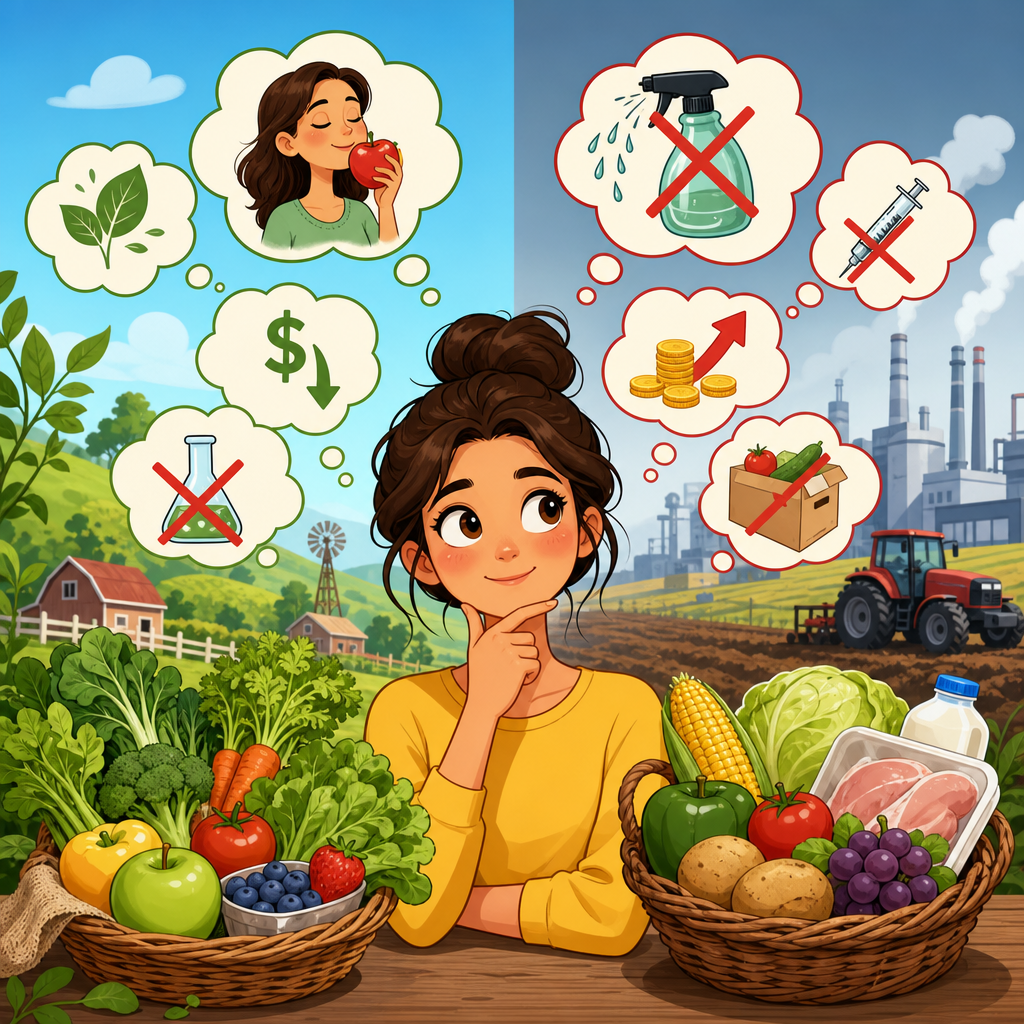
Shoppers should also understand that local is not automatically best and imported is not automatically worse. Production method often matters more than distance traveled, especially for foods transported efficiently by sea. Heated greenhouse produce can sometimes have a larger footprint than field-grown imports in season elsewhere. The practical rule is to combine common sense with hierarchy: waste less, eat more plants, choose credible certifications where relevant, and avoid overcomplicating every purchase.
Building a sustainable diet in everyday life
A sustainable diet becomes real through routines, not ideals. Start with meal architecture. Most households do well with a weekly pattern built around three or four dependable breakfasts, a few packed lunches, and rotating dinners using overlapping ingredients. For example, oats, yogurt, fruit, and eggs can anchor mornings; lunches can rely on soups, grain salads, or leftovers; dinners can rotate among legume-based meals, fish once or twice, poultry, and vegetable-heavy pasta or stir-fries. This approach lowers cost, reduces spoilage, and makes healthy eating far easier on busy days.
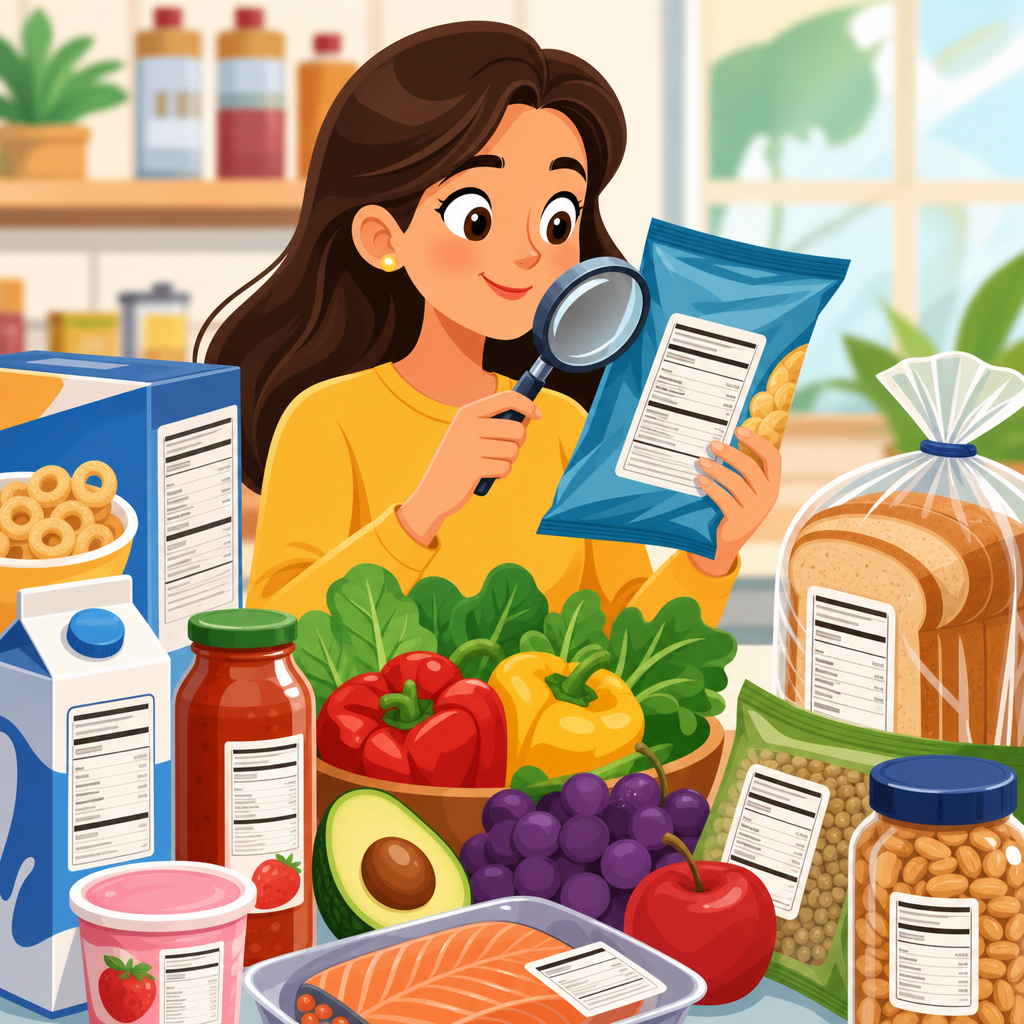
Shopping strategy matters just as much as food choice. Build lists from meals, not from cravings or promotions alone. Check the refrigerator before buying more produce. Understand date labels: “best by” usually reflects quality, not safety, and confusion around labels drives unnecessary waste. Store herbs in water, freeze bread before it stales, and portion bulk foods into containers that are easy to see and use. These are small operational habits, but they consistently improve both nutrition and sustainability because they increase the chance that purchased food gets eaten.
Cooking methods also influence outcomes. Batch-cooking beans, soups, grains, and roasted vegetables makes the sustainable option the convenient option. Pressure cookers and induction stoves can improve energy efficiency, but the major gain still comes from cooking foods that replace more resource-intensive and less nutritious alternatives. For households with limited time, there is no conflict between convenience and sustainability if the convenience foods are chosen well. Frozen vegetables, canned lentils, prewashed greens, plain tofu, and canned salmon can form excellent meals in minutes.
Affordability is a critical part of well-being. A diet cannot support long-term health if it strains the budget. Fortunately, many of the most sustainable foods are also cost-effective: dried beans, lentils, oats, potatoes, cabbage, carrots, rice, peanut butter, bananas, and seasonal produce. The most expensive sustainable diet is usually the one driven by specialty branding and social media trends. The most effective one is built from staples, planned portions, and sensible variety.
How this topic connects to the wider food science and sustainability landscape
Sustainable eating sits at the center of the broader food science and sustainability conversation because diet choices are downstream from farming systems, supply chains, processing, and public policy. A tomato is not just a tomato; its impact depends on irrigation practices, fertilizer use, labor conditions, transport, storage, packaging, and waste rates. The same is true for milk, tofu, bread, coffee, and seafood. That is why this subtopic naturally links to deeper articles on regenerative agriculture, the science of soil health, sustainable seafood certifications, food miles myths, plant protein innovation, ultra-processed foods, and household composting.
Food science helps explain why some sustainable choices work better than others. Fermentation can improve shelf life and flavor while reducing spoilage. Fortification helps plant-forward diets meet nutrient needs. Cold-chain logistics reduce food loss for perishable items. Life-cycle assessment offers a structured method for comparing environmental impact across stages of production and distribution. None of these tools is perfect, but they are far better than making assumptions from marketing language. When readers evaluate claims about “green” foods, they should look for measurable factors such as emissions intensity, water stewardship, biodiversity considerations, and nutrient quality.
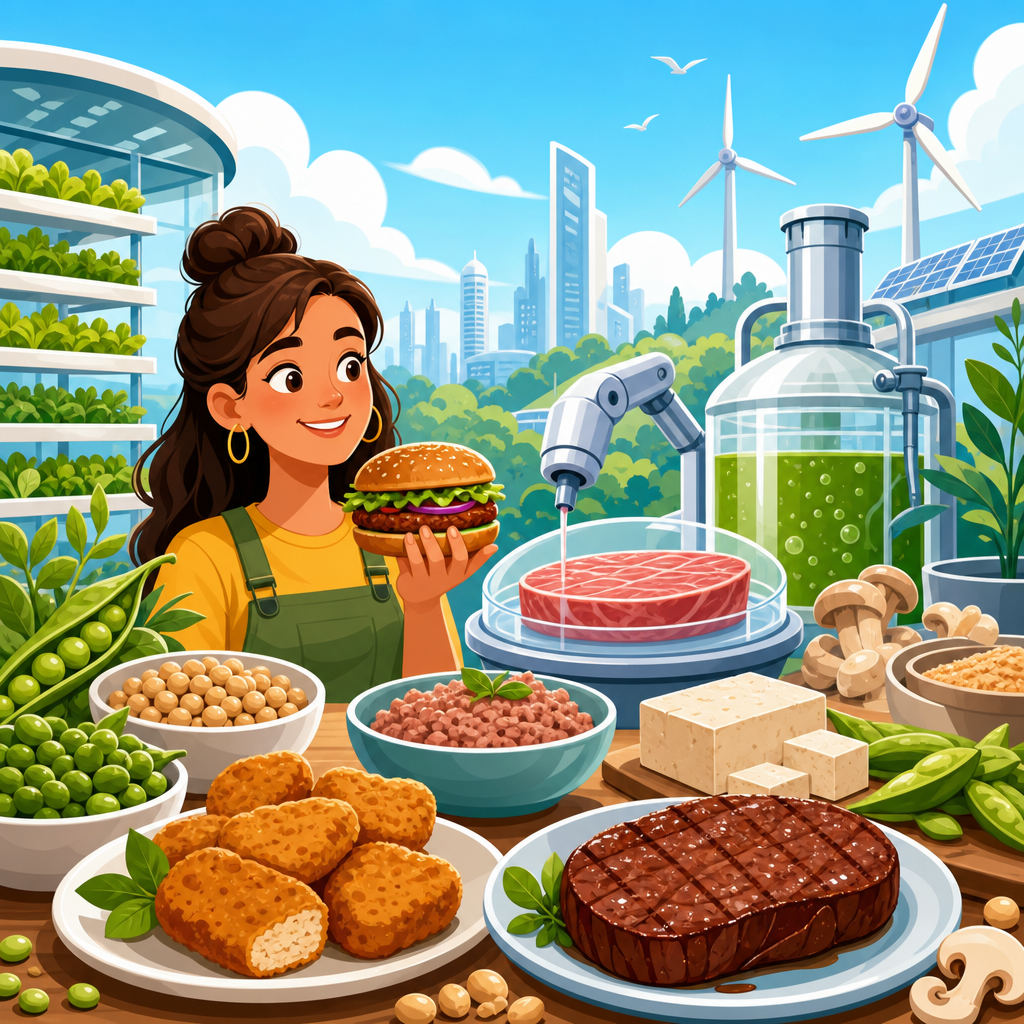
The future of eco-friendly diets will likely include more climate-resilient crops, better traceability, improved packaging materials, and wider access to plant-rich convenience foods that are genuinely nutritious. But the core principle will stay the same: overall well-being improves when dietary patterns support both human biology and environmental limits. If you want to build on this foundation, explore related topics across the Food Science & Sustainability hub, then apply one change this week: waste less food, add one plant-forward meal, and make your routine a little more resilient.
Frequently Asked Questions
1. What is sustainable eating, and how does it improve overall well-being?
Sustainable eating is an approach to food that supports both personal health and the long-term health of the planet. It focuses on choosing foods that nourish the body while also reducing strain on natural resources such as soil, water, forests, and biodiversity. In practical terms, this often means eating more whole plant foods like vegetables, fruits, beans, lentils, whole grains, nuts, and seeds; choosing seasonal and locally available produce when possible; limiting highly processed foods; and reducing reliance on resource-intensive foods. The reason this matters for overall well-being is that food choices affect much more than calorie intake. A sustainable diet can help support steady energy, digestion, heart health, metabolic balance, and immune function because it tends to be rich in fiber, vitamins, minerals, and protective plant compounds. At the same time, it can reduce exposure to dietary patterns associated with higher rates of chronic disease.
Beyond physical health, sustainable eating can also support emotional and financial well-being. Many people find that eating simpler, less processed meals built around affordable staples can make grocery spending more manageable over time. Planning meals, cooking at home, and using ingredients efficiently can reduce food waste and create a stronger sense of control over daily habits. There is also a psychological benefit in knowing that your food choices align with values such as environmental care, community resilience, and responsible resource use. When an eating pattern supports your body, your budget, and the ecosystems that food production depends on, the result is a broader and more lasting sense of well-being.
2. Can an eco-friendly diet really benefit personal health as much as it helps the environment?
Yes, in many cases an eco-friendly diet benefits personal health and environmental health at the same time. Diets that are considered more environmentally responsible often emphasize whole, minimally processed foods and a greater proportion of plant-based ingredients. These eating patterns are commonly associated with better intake of fiber, antioxidants, potassium, folate, and healthy fats, while also helping reduce excess intake of added sugars, sodium, and certain saturated fats that are more common in heavily processed or unbalanced diets. Research consistently shows that dietary patterns centered on vegetables, legumes, whole grains, fruits, and nuts can support cardiovascular health, digestive health, blood sugar regulation, and healthy weight management.
From an environmental perspective, these same choices often require fewer natural resources and generate lower greenhouse gas emissions than diets heavily centered on resource-intensive foods. For example, shifting some meals from meat-heavy to plant-forward options can reduce pressure on land use, water consumption, and emissions. That does not mean everyone must follow the exact same diet or remove all animal products to make a difference. Even moderate adjustments, such as increasing bean-based meals, reducing food waste, and choosing seasonal produce, can provide meaningful benefits. The strongest approach is one that is realistic, nutritionally balanced, and sustainable for your lifestyle. When food choices are both health-supportive and environmentally aware, they create a practical win-win that strengthens long-term well-being.
3. Is sustainable eating more expensive for households?
Not necessarily. While some premium products marketed as organic, local, or eco-conscious can be expensive, sustainable eating itself does not require buying specialty foods. In fact, many of its core staples are among the most budget-friendly foods available. Beans, lentils, oats, rice, seasonal vegetables, potatoes, frozen produce, and whole grains are often affordable and versatile. Building meals around these ingredients can lower grocery costs while still providing strong nutritional value. Sustainable eating also encourages habits that naturally protect household budgets, such as planning meals in advance, buying only what will be used, storing food properly, repurposing leftovers, and cooking more meals at home.
Food waste is one of the biggest hidden costs in many households, and reducing it is a major part of eco-friendly eating. Throwing away spoiled produce, forgotten leftovers, or unused packaged foods means spending money with no nutritional return. By shopping with a list, using ingredients across multiple meals, and freezing extras before they spoil, households can stretch their food dollars significantly. Choosing seasonal produce can also help because foods that are in season are often less expensive and better in quality. Sustainable eating is less about buying perfect products and more about making thoughtful, efficient decisions. For many families, that leads to lower waste, smarter spending, and more satisfying meals over time.
4. What are the easiest ways to start an eco-friendly diet without making drastic changes?
The best way to begin is with small, repeatable changes rather than a complete overhaul. One of the easiest starting points is to build more meals around plant foods you already enjoy. That could mean adding beans to soups, replacing one or two meat-based dinners per week with lentil or vegetable-based meals, choosing oatmeal or fruit and yogurt for breakfast, or making half your plate vegetables at lunch and dinner. Another simple step is to prioritize whole foods more often, such as brown rice instead of heavily processed sides, or fresh and frozen produce instead of highly packaged snack foods. These changes can improve nutrient intake while also lowering the environmental footprint of your meals.
Other high-impact habits include buying produce in season, shopping with a meal plan, and learning how to use leftovers creatively. For example, roasted vegetables can become salad toppings, grain bowl ingredients, or soup additions the next day. Keeping a small rotation of dependable, low-waste meals can make the transition feel easier and more realistic. It also helps to focus on progress, not perfection. You do not need to label your diet in a strict way to make it more sustainable. Choosing tap water over single-use bottled drinks, bringing reusable shopping bags, storing food properly, and being mindful of portions are all part of an eco-friendly food routine. The most effective diet is one you can maintain comfortably, because consistency creates the greatest health and environmental benefits.
5. How does reducing food waste contribute to health, sustainability, and long-term resilience?
Reducing food waste is one of the most powerful and practical parts of sustainable eating because it connects personal habits to larger environmental and economic outcomes. When food is wasted, all of the resources used to produce it are wasted too, including water, energy, labor, transportation, land, and packaging. On a larger scale, food waste contributes to unnecessary greenhouse gas emissions and puts added pressure on food systems that are already vulnerable to climate stress, supply disruptions, and resource depletion. On a household level, wasting less food means using groceries more efficiently, spending less money, and creating a more organized and intentional kitchen routine.
There are also direct well-being benefits. People who waste less food often plan meals more carefully, maintain better awareness of what they are eating, and prepare more balanced meals from ingredients they already have. That can support healthier eating patterns and reduce reliance on last-minute convenience foods. Simple strategies make a major difference: checking the refrigerator before shopping, understanding date labels, freezing leftovers, storing produce correctly, and using edible scraps for stocks or soups when appropriate. Over time, these habits build resilience by helping households adapt to rising food costs, supply changes, and busy schedules without sacrificing nutrition. In that sense, reducing food waste is not just an environmental action. It is a smart, health-supportive, and financially practical habit that strengthens overall well-being from multiple angles.