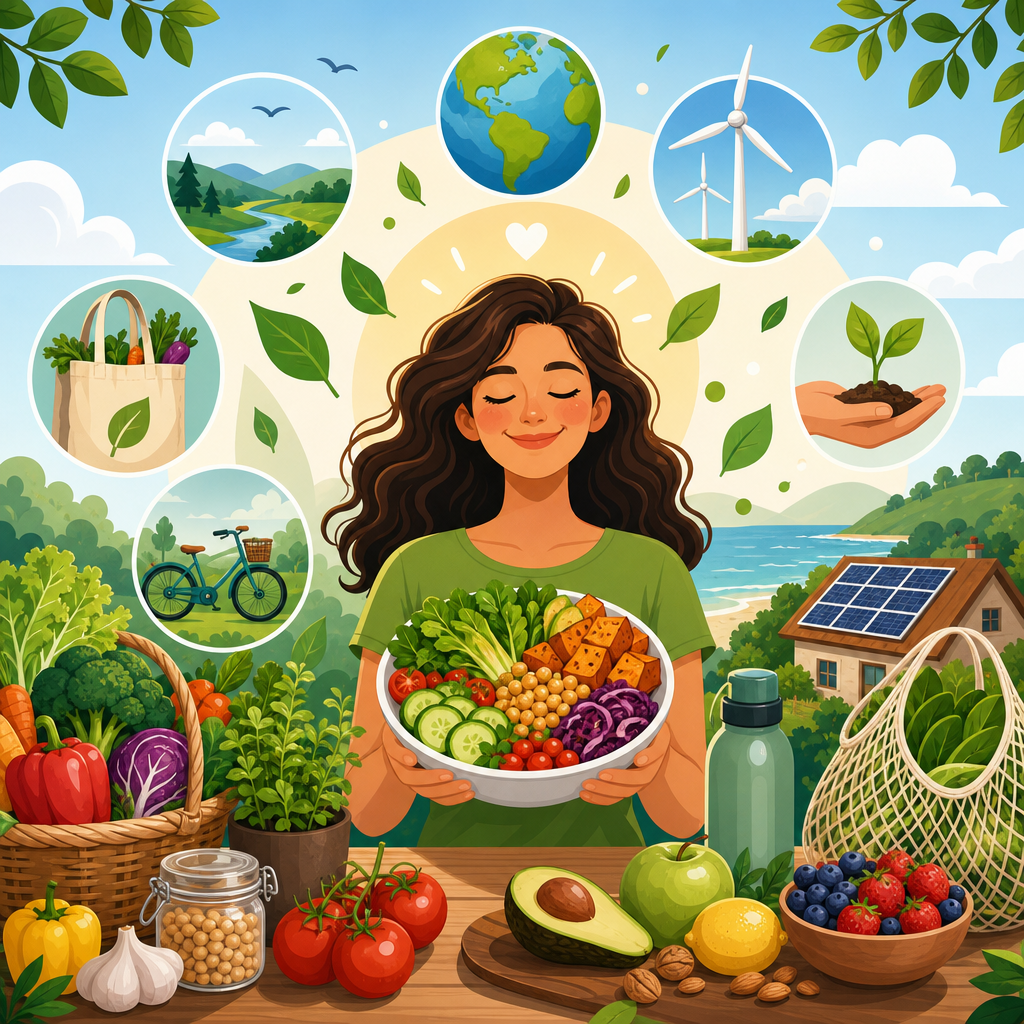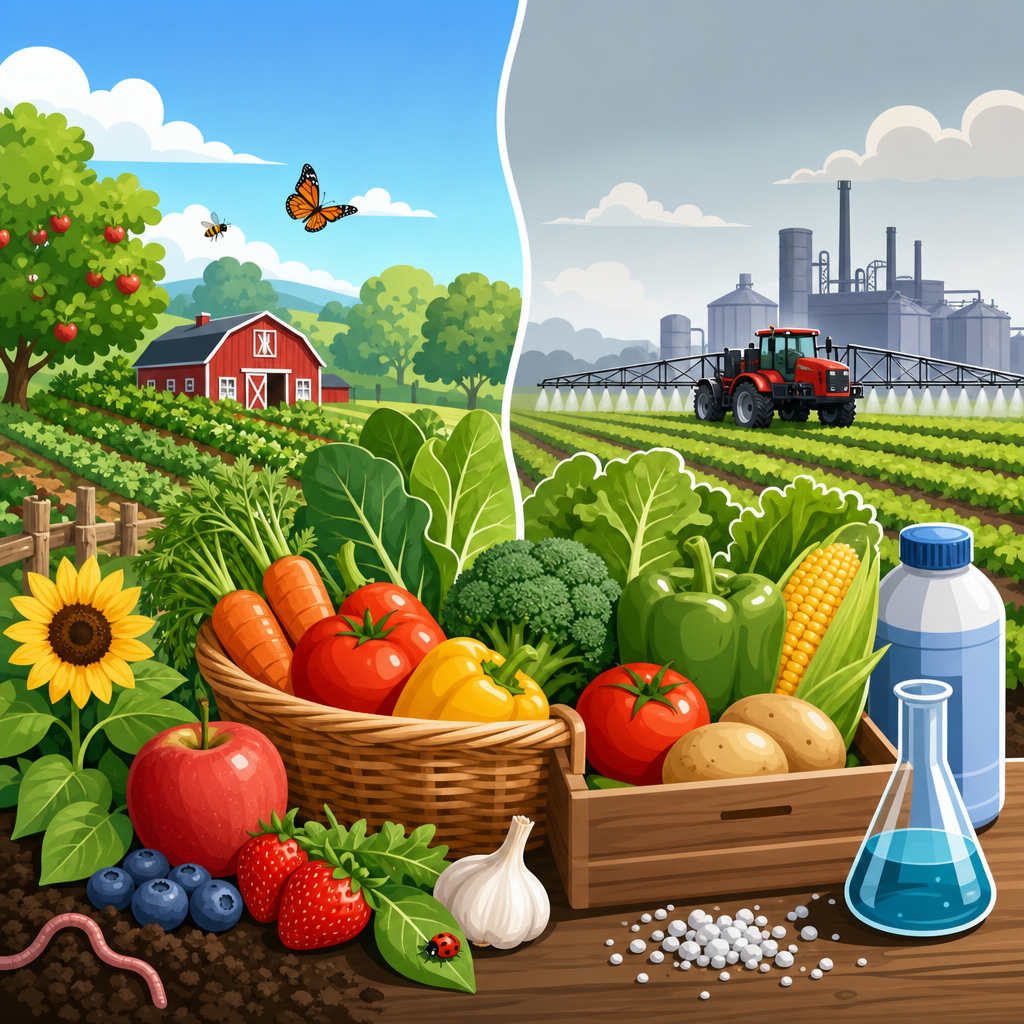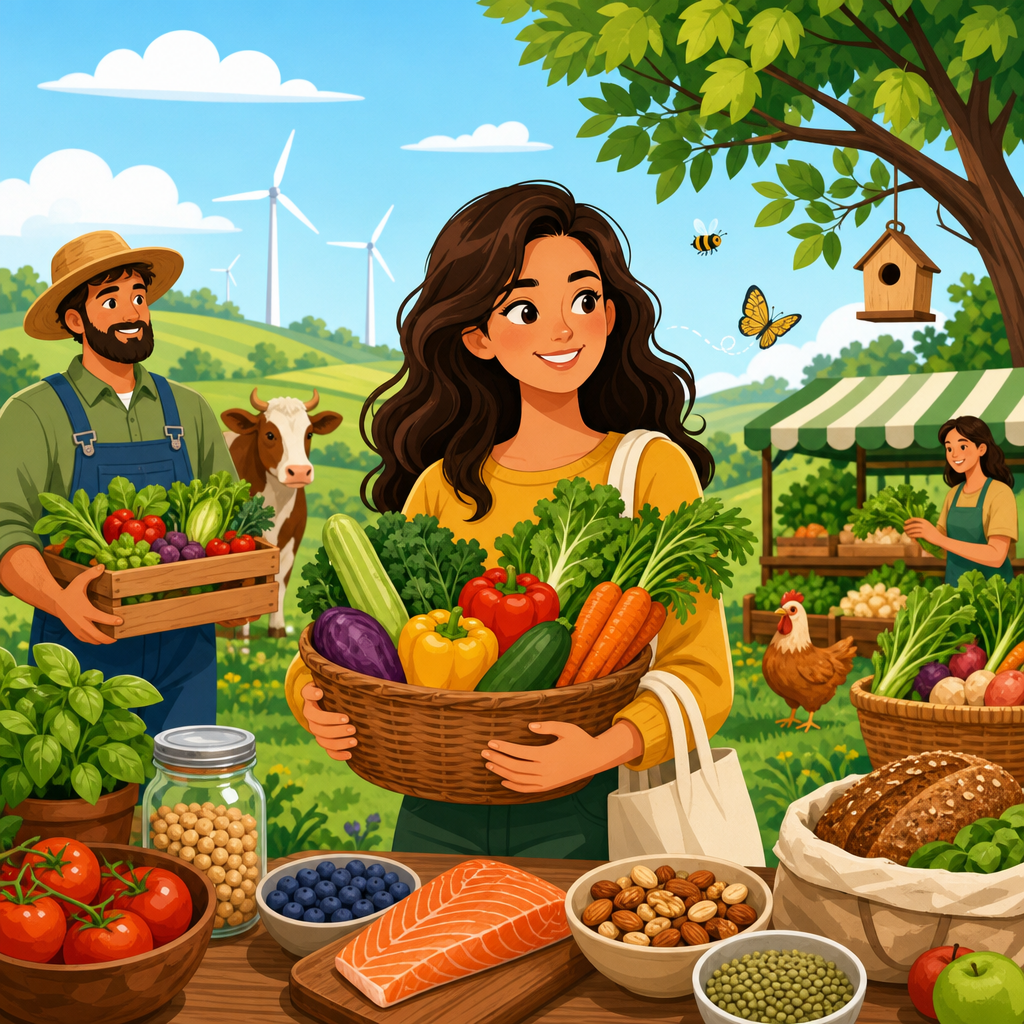
Choosing the best sources of ethical and sustainable food choices for optimal health starts with understanding that food quality is not only about nutrients on a label, but also about how crops are grown, animals are raised, workers are treated, and ecosystems are protected. Ethical and sustainable food choices refer to foods produced in ways that support human health, animal welfare, environmental resilience, and fair labor standards across the supply chain. In practice, that means asking where food comes from, how it was produced, what resources it required, and whether the final product supports a diet linked to lower chronic disease risk. I have worked with nutrition teams, food procurement standards, and agricultural sourcing reviews, and the same conclusion appears repeatedly: the healthiest food system is one that can nourish people consistently without degrading soil, water, biodiversity, or communities.
This matters because modern diets are shaped by hidden costs. Highly processed, resource-intensive foods can appear cheap at checkout while carrying larger health and environmental burdens elsewhere. Agricultural production accounts for a substantial share of global greenhouse gas emissions, freshwater use, and land conversion, while poor diets remain a leading contributor to cardiovascular disease, type 2 diabetes, and certain cancers. Ethical sourcing also affects food safety and quality. Farms that rotate crops, protect pollinators, manage manure responsibly, or reduce routine antibiotic use often create healthier production systems overall. For consumers, the challenge is not perfection. It is learning how to choose foods that align nutritional value with responsible production. This hub article explains the standards, tradeoffs, and practical buying decisions that help people build an eating pattern that is better for personal health and the wider food system.
What Ethical and Sustainable Food Choices Mean
Ethical and sustainable food choices sit at the intersection of nutrition science, environmental management, and social responsibility. Ethical food addresses questions of animal welfare, labor conditions, transparency, community impact, and in some cases cultural preservation. Sustainable food focuses on whether production can continue over time without exhausting natural resources or causing unacceptable ecological harm. The two ideas overlap, but they are not identical. A product may have a lower carbon footprint yet raise labor concerns, or it may support animal welfare while traveling long distances in cold storage. The best sources usually perform well across several dimensions rather than excelling in only one.
For health, the strongest evidence consistently supports dietary patterns rich in vegetables, fruits, legumes, whole grains, nuts, seeds, and responsibly sourced seafood or animal products when included. These foods generally provide higher fiber, better fatty acid profiles, and more micronutrients than heavily refined alternatives. For sustainability, lower-input crops, diversified farming systems, agroecological practices, regenerative soil management, and reduced food waste all improve outcomes. Consumers should think in terms of dietary patterns, not single “superfoods.” Lentils, oats, sardines, seasonal greens, yogurt from well-managed dairies, and eggs from systems with stronger welfare standards often matter more than expensive trend products marketed as sustainable without evidence.
How to Evaluate Food Labels, Certifications, and Claims
Food labels can help, but they also create confusion because many claims are loosely regulated. In sourcing reviews, I treat certifications as signals, not guarantees. Third-party standards with transparent audits carry more weight than broad front-of-pack language such as “natural,” “farm fresh,” or “eco-friendly.” For environmental production methods, USDA Organic is widely recognized in the United States and restricts many synthetic pesticides and fertilizers, though it does not automatically mean local, low-carbon, or superior in every nutrient. Fair Trade certification addresses aspects of wages, working conditions, and community investment for products such as coffee, cocoa, bananas, and tea. Marine Stewardship Council and Aquaculture Stewardship Council labels are relevant when buying seafood from fisheries or farms with sustainability criteria.
Animal welfare claims need especially careful reading. “Cage-free” means hens are not kept in cages, but it does not necessarily indicate outdoor access or low stocking density. “Pasture-raised” suggests more natural living conditions, yet standards differ by certifier. “Grass-fed” can improve fatty acid composition in beef and dairy under some systems, but feed finishing, grazing management, and transport still matter. When comparing products, look for certifiers that publish criteria, audit frequency, and enforcement actions. Good labels answer a practical question clearly: what standard was met, how was it verified, and what does it mean for health, welfare, or environmental impact?
| Claim or Certification | What It Usually Indicates | Main Limitation |
|---|---|---|
| USDA Organic | Restricted synthetic pesticides, fertilizers, and GMOs; audited production rules | Not automatically local, low-carbon, or higher in every nutrient |
| Fair Trade | Standards for producer payment, labor conditions, and community investment | Most relevant for certain imported commodities, not all foods |
| MSC or ASC Seafood | Fishery or aquaculture standards related to stock management and impacts | Does not remove the need to check species and sourcing details |
| Cage-Free | Egg-laying hens are not confined to cages | Does not guarantee outdoor access or ideal welfare conditions |
| Grass-Fed | Ruminants consumed grass or forage for a defined period or lifecycle | Standards vary, and climate impact depends on total system management |
Best Food Categories to Prioritize for Health and Sustainability
If the goal is to improve both personal health and sustainability, start with foods that consistently perform well on both measures. Legumes are one of the clearest examples. Beans, lentils, peas, and chickpeas provide protein, fiber, folate, potassium, and iron with a much lower environmental footprint than most animal proteins. Whole grains such as oats, barley, brown rice, and whole wheat support cardiometabolic health and generally require fewer resources per edible calorie than livestock products. Seasonal vegetables and fruits, especially those grown in open fields rather than energy-intensive heated greenhouses, are foundational choices. Nuts and seeds are nutrient-dense, though water use can be high for some crops, so origin and farming practices matter.
Seafood can be highly nutritious and sustainable when chosen carefully. Small oily fish such as sardines, anchovies, and herring are rich in omega-3 fatty acids, calcium when eaten with bones, and vitamin D, and many populations remain relatively resilient compared with overfished predators. Bivalves like mussels and oysters are notable because they require no feed inputs and can even improve water quality under appropriate management. For animal foods, eggs, yogurt, and modest portions of poultry often have lower impacts than beef and lamb, while still contributing high-quality protein, vitamin B12, iodine, choline, and bioavailable minerals. That does not mean all red meat is equally problematic or all plant foods are automatically ethical. It means choosing dietary staples with a strong evidence base and reserving higher-impact foods for occasions or smaller portions.
Plant-Based, Omnivorous, and Local Diets: What Actually Works
Many people ask whether the most ethical and sustainable diet is vegan, vegetarian, omnivorous, or local. The most accurate answer is that the best pattern depends on overall food mix, sourcing, waste, and nutritional adequacy. Broadly, diets centered on minimally processed plant foods tend to have the lowest environmental footprint and strong health benefits. However, a plant-based diet built around refined starches, sugary drinks, and ultra-processed meat substitutes is not automatically healthy or sustainable. Conversely, an omnivorous pattern that emphasizes legumes, vegetables, whole grains, low-waste cooking, and modest amounts of responsibly produced eggs, dairy, or seafood can be both nutritious and significantly lower impact than a typical Western diet.
Local food is often valuable, but distance is only one variable. Production method usually matters more than transport, especially for foods shipped efficiently by sea. Tomatoes grown locally in heated winter greenhouses can have a larger footprint than field-grown tomatoes transported in season from a milder region. I advise consumers to combine principles: eat more plants, buy local when it aligns with seasonal production, and choose animal products from better-managed systems rather than assuming one rule solves every decision. This is why flexible patterns, including Mediterranean-style diets and plant-forward omnivorous diets, perform well in real life. They are easier to sustain nutritionally, culturally, and financially than rigid purity models.
Animal Welfare, Seafood, and Responsible Protein Choices
Protein choices are often where ethical concerns become most visible. For land animals, welfare indicators include stocking density, access to outdoors, ability to express natural behaviors, handling during transport, and slaughter practices. Systems with better welfare may also reduce some disease pressures, though they are not automatically low-impact or inexpensive. Beef illustrates the nuance. Poorly managed cattle production drives high methane emissions and land-use pressure, yet well-managed grazing in specific landscapes can support grassland stewardship and avoid feedlot-related problems. The key is not to generalize from marketing. Look for transparent producers, credible welfare certifications, and realistic consumption levels.
Seafood requires species-level decisions. Some fish are nutritious but heavily overfished or caught using methods that damage habitats or create bycatch. Others are excellent choices. Sardines from well-managed fisheries, Alaskan salmon, farmed mussels, and many responsibly produced rainbow trout products are often strong options. Large predatory fish such as swordfish and some tuna species may raise mercury or stock depletion concerns. Aquaculture also varies widely. Poor systems can pollute waterways and depend on unsustainable feed inputs, while modern recirculating systems, integrated multi-trophic aquaculture, and well-regulated shellfish farms can be efficient and lower impact. Good protein choices therefore come from matching nutrition with production method, not simply from choosing plant or animal categories in the abstract.
Affordability, Access, and Building a Practical Shopping Strategy
Ethical and sustainable eating must be realistic, or it remains a niche ideal. In household budget planning, the most cost-effective upgrades usually come from shifting the center of the plate, not buying premium versions of everything. Replacing several meat-based meals each week with bean chili, lentil soup, tofu stir-fry, or chickpea curry lowers cost while improving fiber intake. Buying frozen vegetables and fruit reduces waste and preserves nutrients well because many products are processed soon after harvest. Canned beans, tinned sardines, plain yogurt, eggs, oats, potatoes, and peanut butter are reliable staples with strong nutritional value per dollar. Bulk bins, community-supported agriculture shares, and seasonal produce boxes can help, but only if the contents match what the household will actually use.
Access also depends on time, storage, cooking skills, and local retail options. In areas with limited fresh produce, shelf-stable foods become essential. I encourage a tiered approach: first secure core staples with high nutritional return, then improve sourcing where possible. That may mean choosing organic for a few heavily sprayed items, buying certified coffee and cocoa, selecting higher-welfare eggs, or using a seafood guide before purchasing fish. Meal planning is part of sustainability. When people plan around perishable ingredients, use leftovers, and understand date labels, they waste less food. Since food waste is a major driver of avoidable emissions and household expense, reducing it is one of the most effective actions available to any consumer.
Common Mistakes and How to Make Better Long-Term Decisions
The most common mistake is focusing on one attribute while ignoring the rest of the food system. Consumers may overvalue packaging aesthetics, “clean” branding, or a single claim such as local, organic, or plant-based, even when the product is nutritionally weak or poorly documented. Another mistake is assuming expensive means ethical. Price can reflect branding more than farming standards. Health halo products, including snacks marketed with sustainability language, may still be high in sodium, added sugar, and refined oils. On the other side, some shoppers dismiss all certifications because no system is perfect. That is also a mistake. Imperfect but audited standards are generally more useful than unsupported claims.
Better decisions come from a repeatable framework. Ask five questions: Is this food nutrient-dense? Is it minimally processed for its category? Do I understand how it was produced? Is there credible verification or supply-chain transparency? Will my household actually cook and eat it before it spoils? Applied consistently, these questions lead to better outcomes than chasing trends. Over time, the strongest ethical and sustainable food choices are usually simple: more legumes, whole grains, vegetables, fruit, nuts, and seeds; carefully chosen seafood; moderate portions of responsibly sourced animal foods if desired; and less waste. Build from those fundamentals, review labels critically, and support retailers and producers that make transparent sourcing easier. That is how healthier eating becomes durable, evidence-based, and genuinely sustainable.
Choosing the best sources of ethical and sustainable food choices for optimal health is ultimately about aligning everyday meals with the realities of nutrition, ecology, and supply chains. The evidence is clear on the fundamentals. Diets built around legumes, whole grains, seasonal produce, nuts, seeds, and carefully selected seafood or animal products can improve health while reducing pressure on land, water, climate, and biodiversity. Labels and certifications are useful when they are specific, audited, and relevant to the food in question. Local purchasing can help, but production methods, seasonality, and waste often matter more than distance alone. Ethical eating also includes labor, animal welfare, and affordability, which means balanced decisions usually outperform absolutist rules.
The main benefit of this approach is that it turns sustainability into a practical health strategy rather than a vague ideal. You do not need a perfect diet or a premium budget. You need a consistent framework: prioritize nutrient-dense staple foods, evaluate claims carefully, choose better protein sources, and waste less. When enough households follow those principles, demand shifts toward farming and food businesses that operate more responsibly. Use this hub as your starting point for deeper exploration of sourcing, labels, proteins, and dietary patterns within Food Science & Sustainability, then apply one or two upgrades on your next grocery trip. Small, informed choices compound quickly into better health and a more resilient food system.
Frequently Asked Questions
What does it really mean for food to be ethical and sustainable?
Ethical and sustainable food goes beyond basic nutrition facts and looks at the full story behind how food is produced, transported, and sold. Ethical food choices generally consider animal welfare, fair labor conditions, transparent sourcing, and the social impact of farming and food production. Sustainable food choices focus on environmental stewardship, including soil health, water conservation, biodiversity, reduced pollution, and lower greenhouse gas emissions. In many cases, the most responsible options support both goals at once, such as farms that use regenerative practices, protect workers, reduce chemical inputs, and raise animals in healthier, less confined conditions.
For consumers, this means paying attention to more than calories, protein, or packaging claims. It means asking whether produce was grown with methods that preserve the land, whether seafood was harvested responsibly, whether meat and dairy came from farms with strong animal care standards, and whether the people involved in the supply chain were treated fairly. Ethical and sustainable eating is not about perfection. It is about making informed, practical decisions that align personal health with the health of communities, animals, and the environment.
How can I identify the best ethical and sustainable food sources when shopping?
The best place to start is with transparency. Look for food producers, grocery brands, farmers market vendors, and community-supported agriculture programs that clearly explain where their food comes from and how it is grown or raised. Trustworthy sources are usually willing to share details about farming methods, feed practices, pesticide use, soil management, water use, labor standards, and certifications. While labels are not perfect, they can still be helpful signals. Depending on the food, certifications such as USDA Organic, Fair Trade, Certified Humane, Animal Welfare Approved, Rainforest Alliance, and Marine Stewardship Council can provide useful information about environmental, labor, or animal welfare standards.
It also helps to prioritize local and seasonal foods when possible, because they often involve shorter supply chains and fresher products, though local does not automatically mean sustainable. Ask questions if you can. Farmers markets, co-ops, and smaller regional brands may offer more direct insight into production practices than conventional mass-market products. For seafood, use reputable guidance tools that identify lower-impact species and responsible fisheries. For packaged foods, review ingredient sourcing and company policies rather than relying only on front-of-package marketing language. In general, the best ethical and sustainable food sources are the ones that combine nutrient quality with verifiable practices that protect ecosystems, respect workers, and promote long-term agricultural resilience.
Are organic, local, and plant-based foods always the healthiest and most sustainable options?
Not always. These categories can be valuable, but none of them automatically guarantees the best outcome for health or sustainability. Organic foods are often produced with fewer synthetic pesticides and may support healthier soil systems, but organic farming practices can vary, and an organic processed snack food is not necessarily a healthier choice than a conventional whole food. Local food can reduce transportation distance and strengthen regional economies, but production methods still matter. A nearby farm using poor soil or labor practices may be less sustainable than a more distant producer using highly responsible methods.
Plant-based eating is often associated with lower environmental impact, especially when it emphasizes legumes, whole grains, nuts, seeds, fruits, and vegetables. It can also support heart health, metabolic health, and overall dietary quality when planned well. However, highly processed plant-based products may not always be ideal from either a nutrition or sourcing standpoint. Likewise, some animal-based foods can fit into an ethical and sustainable diet when they come from systems that prioritize pasture access, animal welfare, responsible grazing, and ecological stewardship. The smartest approach is to focus on minimally processed, nutrient-dense foods and evaluate each source by how it was produced, not just by whether it fits a popular label.
What are the most practical ways to make ethical and sustainable food choices on a budget?
Budget-conscious shopping can still support ethical and sustainable eating, especially when the focus is on priorities instead of perfection. One of the most effective strategies is to build meals around affordable whole foods such as beans, lentils, oats, brown rice, potatoes, frozen vegetables, seasonal produce, and eggs from trusted sources when available. These foods can provide excellent nutrition at a relatively low cost while often carrying a lower environmental burden than highly processed convenience products or large quantities of industrially produced meat.
Buying seasonal produce, shopping local when prices are competitive, choosing store brands with credible certifications, and purchasing in bulk can also help reduce costs. Frozen and canned foods can be useful options as long as ingredients are simple and sourcing is reasonably transparent. If buying every food item ethically is not realistic, prioritize the categories that matter most to you and where production standards may have the greatest impact, such as animal products, seafood, coffee, cocoa, and certain produce items. Reducing food waste is another major budget and sustainability strategy. Planning meals, storing food properly, and using leftovers well can make higher-quality food more affordable over time. Ethical and sustainable eating does not require an all-or-nothing mindset; even gradual improvements can make a meaningful difference.
How do ethical and sustainable food choices support optimal health over the long term?
Ethical and sustainable food choices support long-term health because they often lead people toward fresher, less processed, and more nutrient-dense foods while also reducing exposure to some of the harms linked to industrial food systems. Diets built around vegetables, fruits, legumes, whole grains, nuts, seeds, and responsibly sourced animal foods tend to provide fiber, healthy fats, vitamins, minerals, and protective compounds that support heart health, digestive health, immune function, and metabolic balance. In many cases, these choices also encourage greater dietary variety, which benefits both nutritional adequacy and the gut microbiome.
There is also a broader health connection that is easy to overlook. Human health depends on healthy ecosystems, clean water, fertile soil, stable climates, and fair working conditions throughout the food system. When food is produced in ways that degrade land, overuse antibiotics, exploit workers, or harm biodiversity, those effects eventually come back to affect public health. Choosing food from sources that value environmental resilience, animal welfare, and social responsibility helps support a food system that is safer, more stable, and better able to nourish people for generations. In that sense, ethical and sustainable eating is not just a lifestyle preference. It is a practical investment in both personal wellness and collective well-being.