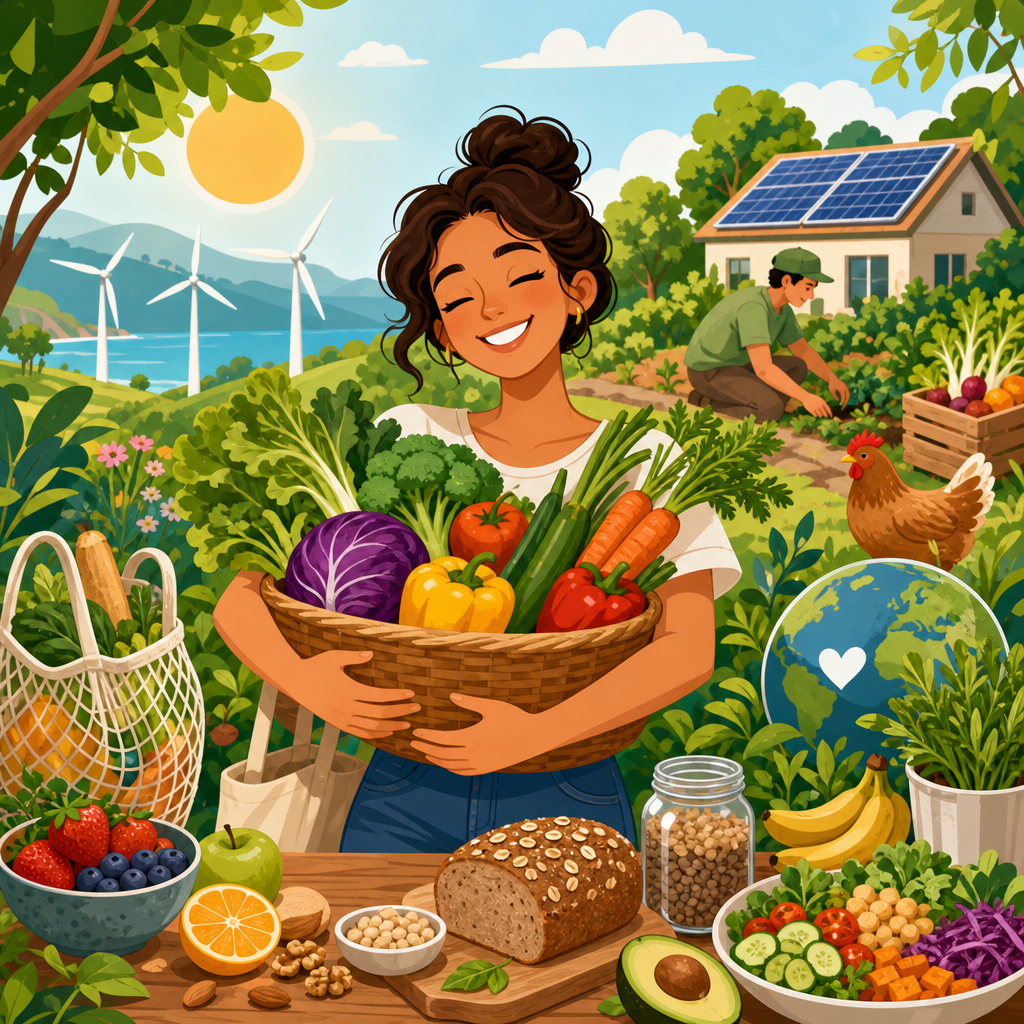
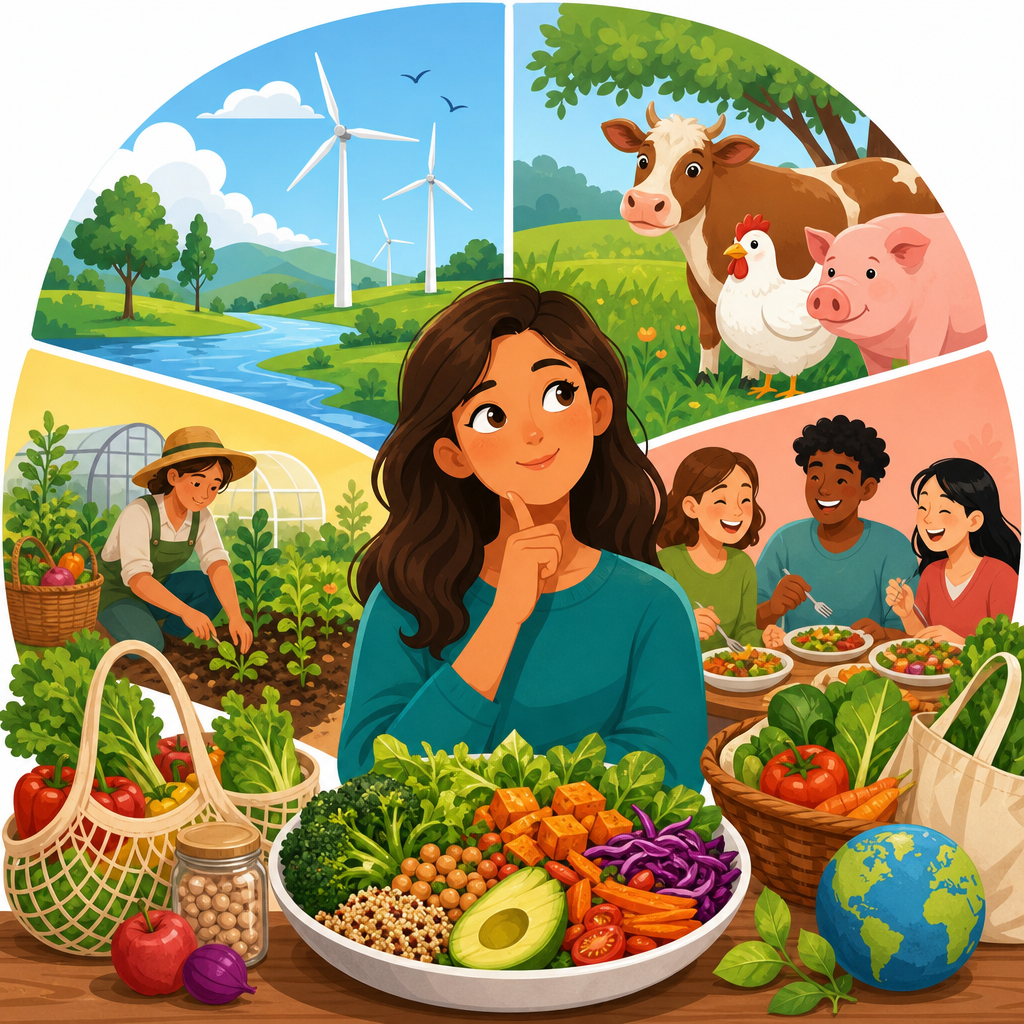
Ethical and sustainable food choices shape how we eat, shop, cook, and think about the food system. In practical terms, ethical food choices consider animal welfare, labor conditions, community impacts, and fair pay across the supply chain. Sustainable food choices focus on reducing environmental harm by lowering greenhouse gas emissions, conserving water, protecting soils, preserving biodiversity, and cutting waste. These ideas overlap, but they are not identical. A tomato grown locally in water-stressed conditions may score differently from a farther-shipped tomato grown efficiently; eggs from pasture-raised hens may improve welfare while carrying a higher price and a different land-use profile. The goal is not perfection. It is making better decisions more consistently.
I have worked with meal planning, food labeling, and sustainability education long enough to know that most people do not need a total diet overhaul. They need a reliable framework for making decisions in real life: at the supermarket after work, while packing school lunches, when eating out, and when balancing budget, nutrition, culture, and convenience. That is why this topic matters. Food systems account for roughly one-third of global greenhouse gas emissions, agriculture uses about 70 percent of freshwater withdrawals worldwide, and food production is one of the main drivers of habitat loss. At the same time, millions of farm and food workers face low wages and unsafe conditions, while billions of animals are raised under very different welfare standards. Your plate connects to all of those outcomes.
This hub article explains how to incorporate more ethical and sustainable food choices into your diet without turning every meal into a research project. You will learn which changes have the biggest impact, how to evaluate common labels, where local and seasonal food fits, why protein choices matter so much, and how reducing waste can be one of the fastest wins. Think of this page as the central guide for the broader Food Science & Sustainability topic. It lays out the principles that support deeper articles on sustainable proteins, regenerative agriculture, food labeling, responsible seafood, and low-waste cooking. If you understand the framework here, you can apply it across almost every aisle of the store.
Start with the highest-impact dietary shifts
If you want the biggest environmental gains, begin with what you eat most often, especially your protein sources. Replacing some beef and lamb meals with beans, lentils, peas, tofu, tempeh, or lower-impact animal proteins such as poultry can significantly reduce emissions and land use. Ruminant animals produce methane during digestion, and beef usually requires more land and feed than plant proteins. That does not mean every person must become vegetarian. In my experience, a realistic target such as two to four plant-forward dinners each week produces better long-term results than strict rules people abandon after a month. A chili made with lentils and mushrooms, a tofu stir-fry, or a bean-based taco filling can lower impact while still delivering protein, fiber, iron, and flavor.
Portion size matters too. Many diets include more meat than nutritional needs require. Using smaller amounts of meat as a flavor component rather than the centerpiece is an effective middle path. For example, adding a small amount of chicken to a vegetable grain bowl or using sausage sparingly in a bean soup stretches ingredients and reduces cost. Dairy can also be evaluated this way. Swapping some dairy servings for fortified soy milk or yogurt alternatives may lower impact, though nutrition labels should be checked for protein, calcium, vitamin D, and added sugar. The core principle is simple: the foods you buy repeatedly create the largest footprint, so adjust your defaults before worrying about edge cases.
Choose foods that balance ethics, sustainability, nutrition, and budget
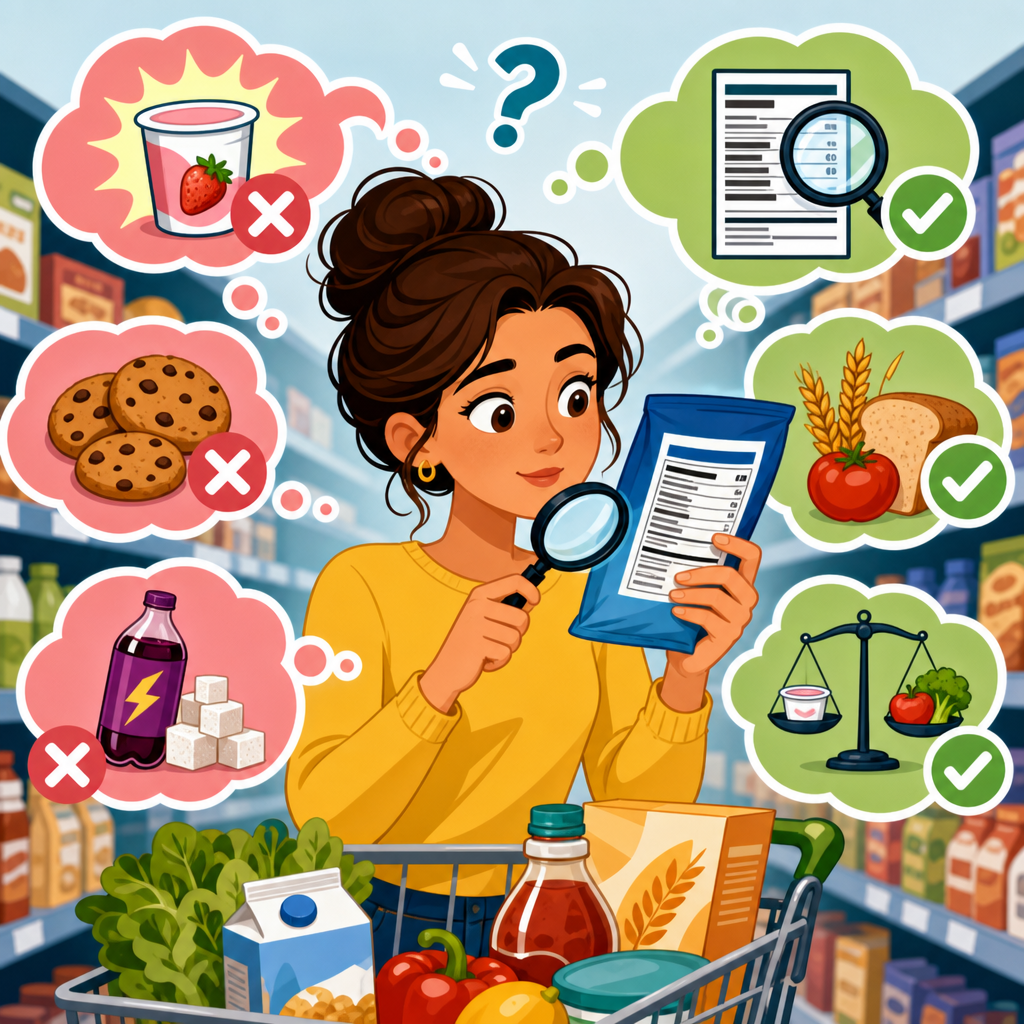
People often ask what the single most sustainable diet is. There is no universal answer because sustainability is multi-dimensional. The most useful approach is to compare foods across four questions: How was it produced? Who was affected? What nutritional value does it offer? Can you afford to buy it regularly? This balance prevents false tradeoffs. A highly processed product marketed as green may be expensive and nutritionally weak. A nutrient-dense staple such as dried beans, oats, potatoes, frozen vegetables, and seasonal fruit is often sustainable, affordable, and easy to use. Building meals around these staples is one of the strongest habits you can form.
Budget concerns are real, and ethical shopping should not be framed as a luxury hobby. I usually recommend a tiered method. First, buy more whole plant foods, which are often inexpensive. Second, when buying animal products, upgrade selectively in categories that matter most to you, such as eggs, chicken, or milk. Third, focus on reducing waste so higher-quality purchases actually get eaten. This is how many households make better choices without doubling grocery costs. Frozen produce is a strong example. It is picked near peak ripeness, stores well, and prevents spoilage. Canned beans and tomatoes offer similar advantages. Sustainable eating is often less about buying specialty products and more about planning, substitution, and consistency.
Understand common food labels before you rely on them
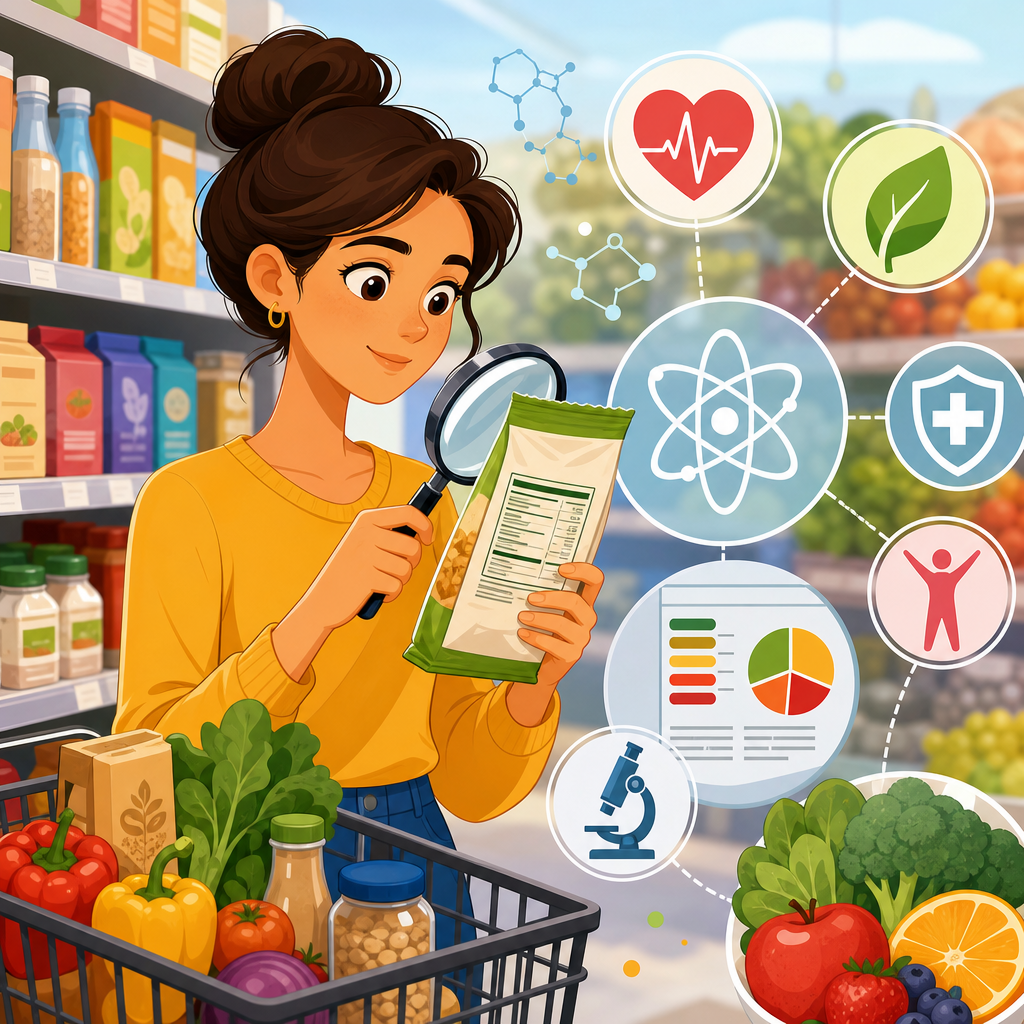
Labels can help, but they are not all equal. Some are regulated and audited; others are broad marketing language. “Organic” in the United States is defined under USDA standards and restricts many synthetic pesticides and fertilizers, though it does not automatically mean local, low-carbon, or high welfare. “Non-GMO” addresses breeding methods, not necessarily pesticide use, labor conditions, or biodiversity outcomes. “Cage-free” means hens are not kept in cages, but it does not guarantee outdoor access. “Free-range” standards vary by product and region. “Pasture-raised” may indicate stronger welfare conditions, but third-party verification matters. For seafood, programs such as the Marine Stewardship Council and Aquaculture Stewardship Council provide structured criteria, though they also have critics and should be considered one tool among several.
Fair trade and related labor certifications can be valuable when buying products linked to high labor-risk supply chains such as coffee, cocoa, bananas, and sugar. Animal welfare labels from recognized third parties can also be useful. The key is to look for transparent standards, auditing, and traceability rather than vague claims like “natural” or “farm fresh,” which have limited meaning. I advise shoppers to pick a short list of labels they actually trust and learn what each one covers. That saves time and reduces confusion.
| Label or Claim | What It Usually Addresses | What It Does Not Guarantee | Best Use for Shoppers |
|---|---|---|---|
| USDA Organic | Restrictions on many synthetic inputs, organic feed rules, some soil and pest management standards | Low emissions, local origin, strong labor standards, highest animal welfare | Useful for pesticide concerns and certain production practices |
| Fair Trade Certified | Social premiums, labor protections, pricing structures in covered supply chains | Low carbon footprint or broad environmental superiority | Helpful for coffee, cocoa, tea, bananas, and similar imports |
| Cage-Free | No cages for laying hens | Outdoor access or high overall welfare | Better than conventional cages, but verify further if welfare is a priority |
| MSC or ASC | Structured seafood sustainability standards | Perfect fisheries management or zero controversy | Good screening tool when paired with regional seafood guidance |
Buy local and seasonal strategically, not romantically
Local food can support regional farms, shorten supply chains, improve freshness, and keep money in the community. Seasonal food often tastes better and may require fewer energy-intensive inputs. Those are meaningful benefits. However, local does not automatically mean lower impact. Transportation is only one part of a food product’s footprint, and for many foods production methods matter more than distance traveled. Tomatoes grown in heated greenhouses can have a larger footprint than field-grown tomatoes shipped from a warmer region. Air-freighted perishables, however, can be especially emissions-intensive, so origin still matters in some cases.
The practical rule is to buy local when it is genuinely in season and competitively produced, especially for produce, eggs, dairy, and direct-from-farm meat where you can ask questions. Farmers markets, community supported agriculture programs, and food hubs can make this easier. Ask growers how they manage soil, water, pests, and labor, not just whether they are local. If you cannot buy local year-round, use seasonal logic instead. Eat berries and tomatoes heavily when abundant, preserve or freeze extras, and rely on storage crops, legumes, frozen vegetables, and canned produce in off-seasons. Strategic local buying supports both sustainability and resilience without relying on simplistic assumptions.
Reduce food waste because wasted food wastes everything behind it
One of the most ethical and sustainable changes available to any household is preventing food waste. When food is thrown away, all the land, water, fertilizer, feed, labor, packaging, and transport used to produce it are wasted too. In many countries, households are a major source of food waste. The reasons are familiar: overbuying, poor storage, confusion over date labels, and cooking plans that are too ambitious for real schedules. I have seen families cut waste dramatically with a few systems that take less than ten minutes a week.
Start with inventory before shopping. Plan meals around foods you already have, especially produce and dairy near the end of their useful life. Learn the difference between “best if used by,” which usually refers to quality, and safety-based labels where applicable. Freeze bread, chopped herbs, cooked grains, and leftovers in portion sizes you will actually use. Store produce correctly: greens dry and cool, herbs like flowers in water, potatoes away from onions, and apples separated from sensitive produce because ethylene speeds ripening. Build one “use-it-up” meal into each week, such as soup, fried rice, pasta, grain bowls, or frittatas. Composting is helpful for scraps, but prevention is better because the highest-value food is the food you eat.
Make animal products more responsible when you do buy them
Many people want to eat some animal products while improving welfare and reducing impact. That can be done thoughtfully. First, buy less and buy better. If your household currently eats meat twice a day, shifting to a few higher-quality servings each week often improves both budget and values alignment. Second, prioritize categories where production differences are meaningful and easier to verify. Eggs are a common starting point because housing systems vary clearly. Chicken and pork standards also differ substantially across producers. For dairy, look for farms or cooperatives with transparent animal care policies and manure management practices.
Seafood requires special attention because species, region, and harvest method all matter. Sardines, mussels, oysters, and farmed bivalves are frequently strong choices because they can be nutrient-dense and relatively low impact. Some tuna and salmon choices are preferable to others depending on stock health and gear type. Use reputable seafood guides from organizations with transparent methodology. Also, use more of the animal when possible. Buying a whole chicken, using bones for stock, or choosing lesser-known cuts can reduce waste and respect the resources involved. Ethical meat consumption is not just about the label on the package; it is also about frequency, sourcing, cooking skill, and waste reduction.
Build a repeatable household system instead of relying on willpower
Long-term dietary change comes from systems, not constant self-control. Create default shopping lists built around legumes, whole grains, nuts, seeds, seasonal produce, and a few verified animal products if you eat them. Keep versatile staples on hand: canned beans, lentils, oats, brown rice, pasta, tomatoes, onions, garlic, frozen spinach, and broth. Use a simple meal template such as protein plus vegetable plus whole grain plus sauce. That structure makes sustainable eating faster on busy nights than takeout decisions made at 6 p.m. It also helps children and other household members adapt because meals feel familiar rather than restrictive.
At restaurants, scan for plant-forward dishes, lower-impact proteins, and menus that identify sourcing practices clearly. When ordering takeout, choose meals that reheat well so leftovers get eaten. If you host gatherings, serve one impressive plant-based main dish instead of treating it like an afterthought. I have found that people adopt sustainable habits more easily when the food is clearly satisfying. Flavor matters. Use acid, herbs, spices, roasting, caramelization, and texture contrast. A well-made lentil bolognese or charred cauliflower taco does more to change behavior than a lecture ever will. Build routines that make the ethical choice the convenient choice.
Incorporating more ethical and sustainable food choices into your diet does not require purity, expensive specialty products, or encyclopedic knowledge. It requires a framework. Focus first on high-impact shifts such as eating more plant-based proteins, reducing beef and lamb, right-sizing portions, and preventing food waste. Learn a few trustworthy labels instead of chasing every claim. Buy local and seasonal where it genuinely helps, but evaluate production methods too. If you eat animal products, do so more selectively, with attention to welfare, sourcing, and full use. Most important, create household systems that make these choices repeatable on ordinary weekdays.
The benefit is larger than a smaller environmental footprint. Better food choices can also improve diet quality, support fairer supply chains, strengthen regional agriculture, and make your grocery budget work harder by cutting waste. This hub page is your starting point for the wider Food Science & Sustainability conversation, and each principle here connects to deeper topics you can explore next, from seafood sourcing to regenerative farming to label literacy. Start with one or two changes this week: swap in a plant-forward meal, choose one verified product category, and plan one use-it-up dinner. Small, steady decisions are how a more ethical and sustainable diet is built.
Frequently Asked Questions
What does it really mean to make ethical and sustainable food choices?
Making ethical and sustainable food choices means looking beyond price, taste, and convenience to consider how food is produced, transported, sold, and disposed of. Ethical eating focuses on people and animals across the food system. That includes animal welfare standards, safe working conditions for farm and food workers, fair wages, responsible sourcing, and the effect food production has on local communities. Sustainable eating focuses on environmental impact, including greenhouse gas emissions, water use, soil health, biodiversity, fertilizer and pesticide use, packaging, and food waste. While these ideas often overlap, they are not exactly the same. A food can be local but still produced under poor labor conditions, or it can be organic but shipped long distances with a larger transport footprint.
In practice, ethical and sustainable eating is about making better-informed choices more often, not achieving perfection. It may mean choosing produce that is in season, buying from farms with transparent labor and animal welfare practices, eating more plant-based meals, reducing food waste, and supporting brands or retailers that prioritize traceability and responsible sourcing. It also means accepting that no single label or rule covers everything. The most useful approach is to ask a few practical questions: Who produced this food? How was it grown or raised? What resources did it use? How far did it travel? Was anyone or anything harmed unnecessarily in the process? Those questions help you build a diet that aligns with both your values and environmental realities.
What are the easiest ways to start eating more sustainably without completely changing my diet?
The simplest way to begin is to make a few high-impact changes that fit naturally into your routine. One of the most effective steps is to eat more plant-based meals, even if you do not want to become vegetarian or vegan. Swapping a few meat-heavy meals each week for dishes built around beans, lentils, tofu, whole grains, nuts, and vegetables can significantly lower your environmental footprint. You can also focus on reducing portions of resource-intensive foods and using meat more as a side ingredient rather than the centerpiece of every meal.
Another easy strategy is to shop more seasonally and, when possible, more locally. Seasonal produce often requires fewer inputs to grow and is usually fresher and more affordable. Local food can support nearby farmers and shorten supply chains, although local is not automatically the most sustainable option in every case. It is best to think of local food as one helpful factor rather than the only standard. You can also start paying attention to labels and certifications that reflect specific values, such as organic, fair trade, Certified Humane, Rainforest Alliance, or Marine Stewardship Council, while remembering that each certification addresses only part of the bigger picture.
Reducing food waste is another major win. Planning meals, storing food properly, freezing leftovers, and using ingredients before they spoil can dramatically improve the sustainability of your diet. A household that wastes less food also wastes less money, water, labor, energy, and packaging. If you want a practical starting point, choose three habits: add one plant-based meal each week, buy at least some produce in season, and create a plan to use what you already have before buying more. Those small actions are realistic, measurable, and powerful over time.
Is eating local always the most ethical and sustainable option?
Not always. Buying local can offer real benefits, but it should not be treated as a universal shortcut for ethical or sustainable eating. Local food can support regional economies, preserve farmland, strengthen community relationships, and reduce some transportation impacts. It may also provide fresher food with less packaging and more transparency, especially when you buy directly from farmers through markets, farm stands, or community-supported agriculture programs. These are meaningful advantages, particularly if the producer uses responsible farming methods and treats workers fairly.
However, distance traveled is only one part of a food’s total footprint. The way food is grown, stored, and produced often matters more than the miles it travels. For example, a crop grown locally in an energy-intensive greenhouse may have a larger environmental impact than the same crop grown naturally in season elsewhere and transported efficiently. Similarly, local production does not automatically guarantee strong labor protections, low pesticide use, or good animal welfare. A nearby farm can still have practices that do not align with your values, while a more distant producer may have stronger environmental and social standards.
A better approach is to think in layers. Local can be a good sign, but it works best when combined with other factors such as seasonality, production methods, labor practices, soil stewardship, and transparency. If you have the opportunity, ask producers how food is grown, whether workers are treated fairly, how animals are raised, and what steps are taken to protect water and soil. Local food is often a valuable part of an ethical and sustainable diet, but it is most meaningful when supported by information about how that food was actually produced.
How can I tell whether food labels and certifications are trustworthy?
Food labels can be helpful, but they can also be confusing because they vary widely in meaning, rigor, and verification. The most trustworthy certifications are usually those backed by clear standards, third-party auditing, and public transparency about what the label does and does not cover. For example, some certifications focus on environmental practices, others on labor conditions, animal welfare, or sustainable fishing. No single label guarantees that a product is ethical and sustainable in every possible way, so it is important to understand the specific issue each one addresses.
When evaluating a label, look for a few things. First, check whether the standards are independently verified rather than self-declared by the company. Second, see whether the organization publishes its criteria in plain language. Third, pay attention to scope. A label such as fair trade may emphasize pricing and labor protections for producers, while organic standards are more focused on agricultural inputs and farming methods. Animal welfare labels differ too, with some requiring more space, outdoor access, or stricter care standards than others. Sustainability seafood labels may help identify better-managed fisheries, but they do not speak to every labor or packaging concern associated with a product.
It is also wise to be cautious with vague marketing terms like “natural,” “eco-friendly,” “farm fresh,” or “responsibly sourced” unless the company provides evidence behind those claims. If a label sounds meaningful but has no clear standards or independent oversight, it may be more branding than substance. A practical strategy is to choose a few trusted certifications that reflect your top priorities and learn what they mean. You do not need to memorize every label in the store. Over time, becoming familiar with a handful of credible certifications and pairing that knowledge with brand transparency will help you make more confident, value-aligned decisions.
What should I prioritize if I want my diet to be both ethical and sustainable on a budget?
If budget matters, the key is to focus on the highest-impact changes rather than the most expensive products. Ethical and sustainable eating does not require buying everything organic, specialty, or premium-priced. In fact, some of the most affordable foods are also among the most sustainable, including beans, lentils, peas, oats, rice, potatoes, seasonal vegetables, and frozen produce. Building more meals around these staples can lower costs while reducing environmental impact, especially when they replace a portion of higher-impact animal products.
Start by prioritizing waste reduction and meal planning. Wasting less food is one of the fastest ways to improve both affordability and sustainability. Plan meals around ingredients that can be used in multiple ways, shop with a list, store perishables properly, and use leftovers creatively. Frozen fruits and vegetables are often excellent choices because they are nutritious, convenient, affordable, and less likely to spoil before you use them. Buying whole foods in bulk when practical can also reduce packaging and cost per serving.
Next, decide which ethical and sustainability values matter most to you and apply them strategically. You might choose to spend a little more on a few categories that have a bigger personal impact, such as eggs from higher-welfare systems, fair trade coffee, sustainably sourced seafood, or produce from local farmers you trust. Then keep other meals simple and cost-effective with plant-based staples. If your budget is limited, consistency matters more than perfection. A diet that includes more legumes, more seasonal produce, less waste, and a few carefully chosen ethical upgrades can make a meaningful difference. Sustainable eating is not about having unlimited resources. It is about using the resources you do have with more intention, awareness, and care.