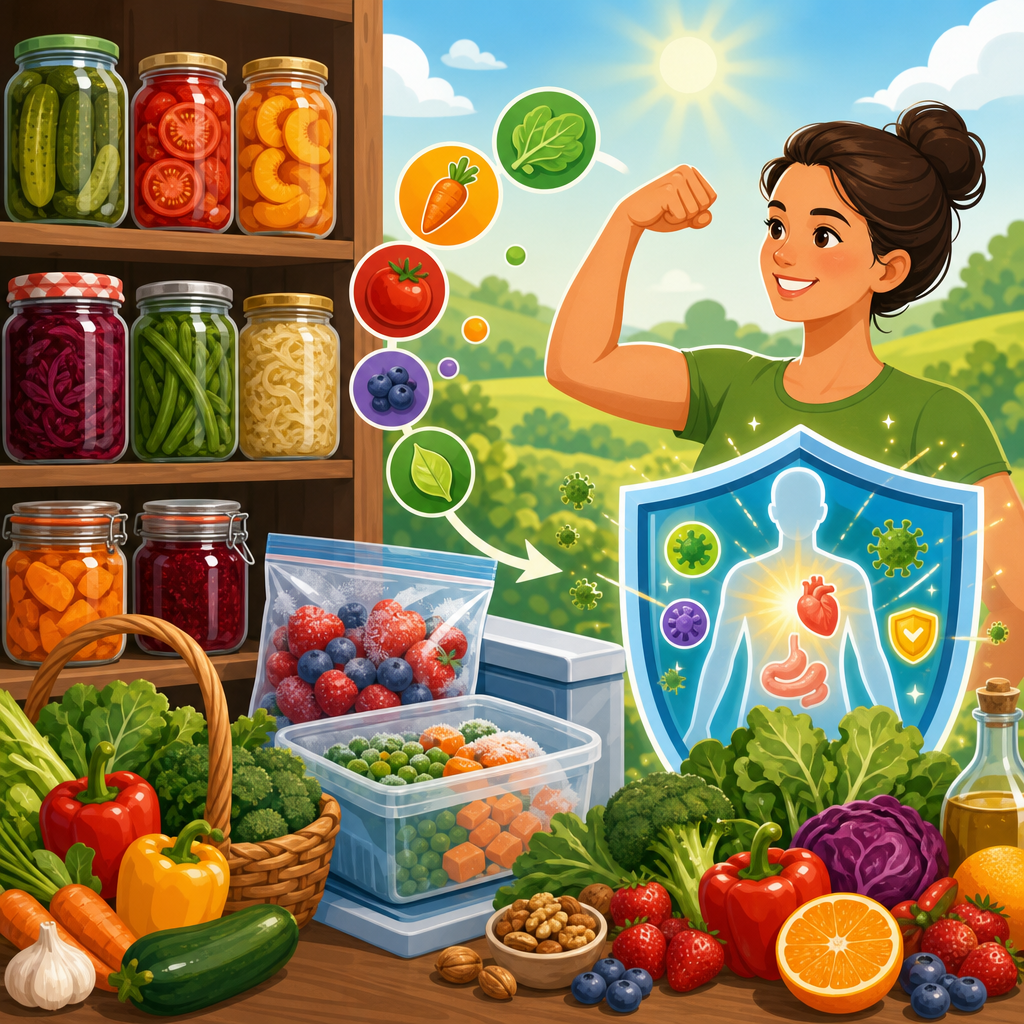
Food preservation and nutrient retention are tightly linked because the way food is stored, processed, and protected determines how much of its original vitamin, mineral, fiber, fat, and protein value reaches the plate. In food science, preservation means slowing spoilage caused by microorganisms, enzymes, oxidation, moisture loss, and physical damage. Nutrient retention refers to the proportion of nutrients that remain after harvesting, handling, processing, storage, and cooking. Disease prevention enters the picture because preserved foods can reduce foodborne illness, support healthier diets year-round, and help maintain access to protective nutrients associated with lower risk of deficiency, infection, and chronic disease. I have worked with shelf-life planning and product labeling, and the practical lesson is consistent: preservation is not simply about making food last longer. It is about managing biological and chemical change so food stays safe, useful, and nourishing.
This matters in households, hospitals, school meal programs, emergency food systems, and global supply chains. Fresh produce often loses vitamin C and some B vitamins after harvest, especially when exposed to heat, oxygen, and light. Fish and meat can become unsafe within hours if temperature control fails. Whole grains and nuts can turn rancid when fats oxidize. At the same time, preservation can improve nutritional performance. Freezing vegetables soon after harvest can lock in nutrients better than prolonged chilled storage. Fermentation can increase the bioavailability of certain compounds and introduce beneficial microbes. Canning can make beans and tomatoes accessible, affordable, and stable for months. Understanding the link between food preservation and nutrient retention helps consumers choose better foods, helps producers design safer systems, and helps public health efforts reduce waste, malnutrition, and preventable disease.
What food preservation does at the biological and chemical level
Food spoils because living organisms and natural reactions keep working after harvest or slaughter. Bacteria, yeasts, and molds use water and nutrients in food to grow. Enzymes continue driving ripening, browning, texture softening, and off-flavor development. Oxygen reacts with pigments, vitamins, and fats. Preservation methods interrupt these pathways. Refrigeration slows microbial growth and enzyme activity. Freezing stops microbial growth, although it does not kill every organism. Drying reduces water activity, which limits the ability of microbes to multiply. Heat treatments such as pasteurization and sterilization destroy pathogens and spoilage organisms. Packaging systems remove oxygen or create barriers to moisture and light. Acids, salt, sugar, and approved preservatives alter the environment so spoilage becomes harder.
Each method affects nutrients differently. Water-soluble vitamins, especially vitamin C, thiamin, and folate, are vulnerable to heat and water. Fat-soluble vitamins can be more stable, but oxidation threatens vitamins A and E in fatty foods. Minerals are generally stable, though they can leach into cooking water. Proteins may denature with heat, but that does not usually reduce their nutritional value and can improve digestibility. Fiber often remains intact through processing, while phytochemicals vary widely. Carotenoids in tomatoes can become more bioavailable after heating, which is why canned tomato products remain nutritionally important. By contrast, repeated warm holding of vegetables can sharply reduce vitamin content. The central principle is that preservation is a tradeoff exercise: the goal is maximum safety and shelf life with minimum nutritional loss.
How common preservation methods compare for nutrient retention
In practice, no single method is best for every food. The optimal approach depends on pH, water activity, fat content, surface area, and expected storage time. I have seen frozen peas outperform “fresh” peas nutritionally after several days in distribution because peas respire rapidly after harvest. Freeze fast, store cold, and quality holds. On the other hand, delicate leafy greens can suffer texture damage in freezing unless processed specifically for that use. Thermal processing changes texture and some vitamins, but it gives major safety advantages and long shelf life. Drying concentrates calories and minerals but may degrade heat-sensitive compounds. Fermentation can preserve and transform foods at the same time.
| Method | How it preserves food | Typical nutrient effects | Example |
|---|---|---|---|
| Refrigeration | Slows microbial and enzyme activity | Good short-term retention; losses continue over time | Milk, berries, leafy greens |
| Freezing | Stops microbial growth and slows chemical change | Excellent retention when processed quickly; some texture loss | Peas, spinach, fish fillets |
| Canning | Heat destroys microbes; sealed container prevents recontamination | Some vitamin loss from heat; strong long-term stability | Beans, tomatoes, tuna |
| Drying | Reduces water activity | Concentrates many nutrients; may reduce vitamin C and some aromas | Dried fruit, herbs, jerky |
| Fermentation | Useful microbes produce acid or alcohol that suppresses spoilage | Can improve bioavailability and support gut health | Yogurt, kimchi, sauerkraut |
Modified atmosphere packaging and vacuum sealing deserve mention because they are widely used in retail meat, cheese, coffee, salads, and ready meals. By reducing oxygen exposure, these systems can slow oxidation and maintain color, but they do not replace temperature control. In low-oxygen settings, certain pathogens become a greater concern if handling fails, so processors rely on hazard analysis, validated shelf-life studies, and strict cold-chain management. High-pressure processing is another important tool. It can inactivate many pathogens at chilled temperatures with less heat damage than conventional thermal processing, which is one reason it is used in juices, deli meats, and refrigerated dips. For nutrient retention, especially delicate flavor compounds and some heat-sensitive vitamins, that matters.
Why nutrient retention shapes disease prevention
The disease prevention value of preserved food is twofold: it prevents microbial illness and it protects nutritional adequacy. Foodborne pathogens such as Salmonella, Listeria monocytogenes, Campylobacter, pathogenic Escherichia coli, and Clostridium botulinum can cause severe illness, hospitalization, and death. Effective preservation reduces their chance to survive or multiply. Pasteurization of milk dramatically lowered transmission of pathogens that once caused major outbreaks. Proper canning prevents botulism by combining heat, acidity control, and hermetic sealing. Refrigeration slows growth of many dangerous microbes, though some, especially Listeria, can still grow slowly in chilled foods, which is why shelf-life limits and sanitation remain essential.
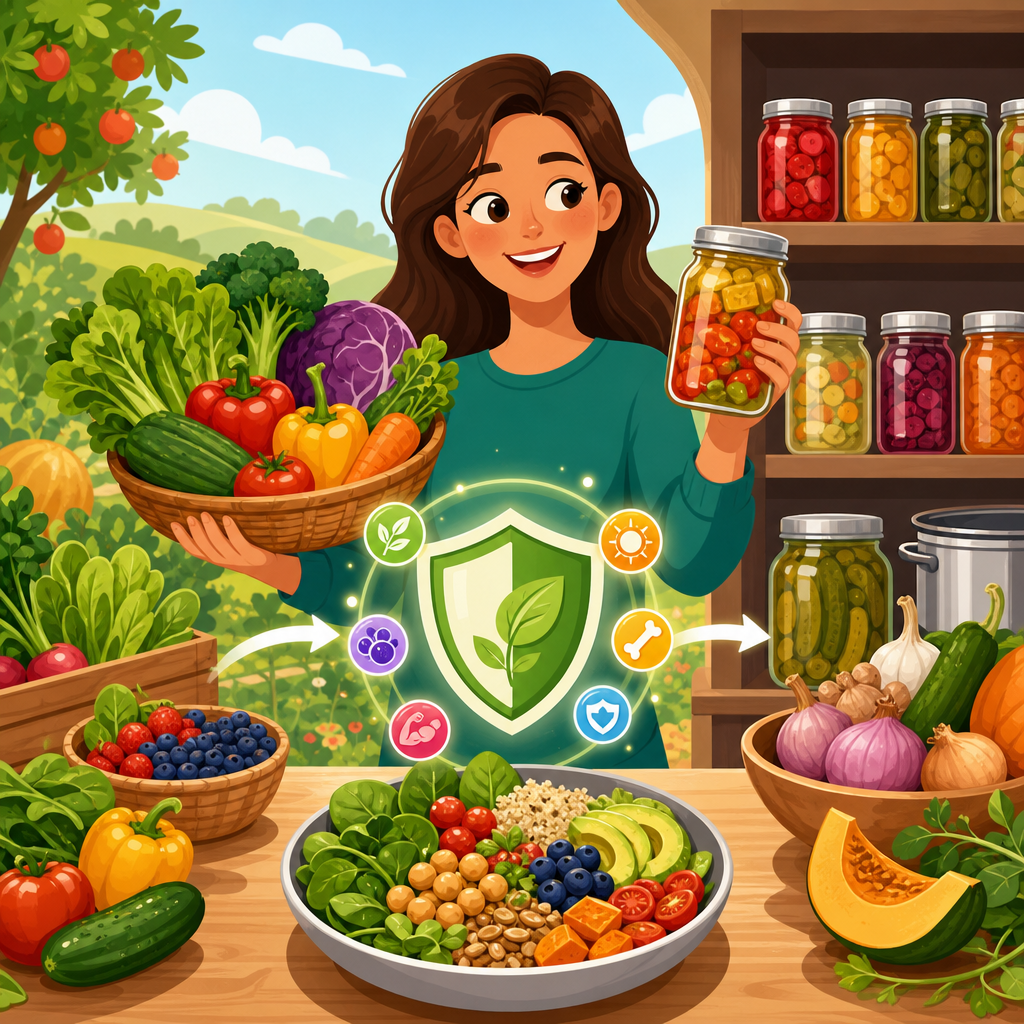
Nutritional protection is just as important. Diets rich in fruits, vegetables, legumes, whole grains, nuts, and seafood are associated with lower risk of cardiovascular disease, certain cancers, type 2 diabetes, and micronutrient deficiencies. Preservation helps keep these foods available beyond harvest season and across long transport distances. Frozen berries and spinach can support year-round intake of fiber, folate, and polyphenols. Canned beans provide protein, iron, magnesium, and soluble fiber with a long shelf life, making them useful in low-access areas and emergency food supplies. Fermented dairy and vegetables can diversify diets and support digestive health. If nutritious foods were only available in narrow seasonal windows, disease prevention through diet would be far harder to achieve.
There are limits and caveats. Some preserved foods are high in sodium, added sugar, or saturated fat. Salted meats and sugary fruit products do not offer the same disease prevention profile as minimally processed frozen vegetables or canned legumes packed with little added salt. Preservation is a tool, not a guarantee of healthfulness. Product formulation matters. So do portion size, overall dietary pattern, and preparation method. The strongest nutritional benefit comes when preservation extends access to nutrient-dense foods without loading them with ingredients that undermine long-term health.
Which nutrients are most vulnerable during storage and processing
Vitamin C is one of the clearest markers of nutrient loss because it is sensitive to oxygen, heat, and time. Cut fruit held in open air loses it faster than intact fruit. Blanching before freezing causes some loss, but it also inactivates enzymes that would otherwise cause greater deterioration during storage. Folate and thiamin are also vulnerable in hot, wet processing. Riboflavin is especially light sensitive, which is one reason milk packaging matters. Unsaturated fats in fish, nuts, seeds, and whole grains can oxidize, producing off flavors and reducing quality. Pigments and phytochemicals also shift. Chlorophyll fades with heat and acid. Anthocyanins in berries may decline over time, while lycopene in tomatoes becomes easier to absorb after cooking.
Retention depends on the full chain, not one step. A bag of spinach kept warm during loading, chilled slowly, and displayed for days may contain fewer sensitive nutrients than spinach frozen close to harvest. A tomato sauce processed carefully in a sealed can may deliver more absorbable carotenoids than raw tomatoes stored too long at room temperature. This is why food scientists measure both absolute content and bioavailability. Nutrients retained on paper do not always equal nutrients absorbed in the body. Processing can break plant cell walls, reduce antinutritional factors, and improve digestibility. Legume soaking and cooking, for example, preserve essential minerals while reducing compounds that interfere with absorption. The best preservation strategy is therefore food specific rather than ideological.
Storage, packaging, and handling practices that make the biggest difference
For consumers and food businesses, small handling choices often matter as much as the preservation method itself. Temperature is the most critical variable for perishable foods. Most refrigerated products should stay at or below 4 degrees Celsius, or 40 degrees Fahrenheit. Frozen foods should remain solidly frozen, ideally at minus 18 degrees Celsius or 0 degrees Fahrenheit. Repeated thawing and refreezing accelerates texture damage, drip loss, and oxidation. Light exposure degrades oils and light-sensitive vitamins, so opaque or UV-protective packaging helps. Oxygen barrier materials slow rancidity in products such as nuts, cereals, and snack foods. Moisture control prevents both sogginess and microbial growth. Desiccants and humidity management are common in dry foods for this reason.
Good handling also prevents contamination after preservation. A pasteurized soup is safe until the package is opened; after that, it needs clean utensils, refrigeration, and timely use. Home canning requires tested procedures from sources such as the USDA Complete Guide to Home Canning because low-acid foods need pressure canning to control botulism risk. Fermentation needs the right salt concentration, time, and temperature to favor beneficial microbes over harmful ones. In commercial settings, Hazard Analysis and Critical Control Points, environmental monitoring, and challenge testing are standard tools for validating safety. These systems may sound technical, but they rest on a simple rule: preserving nutrients has little value if the food becomes unsafe before it is eaten.
How preservation supports sustainability without sacrificing nutrition
Food preservation is central to sustainability because it reduces waste across farms, warehouses, stores, and kitchens. The United Nations Food and Agriculture Organization has long documented the global scale of food loss and waste, and perishability is a major driver. Preserving food close to harvest or catch allows more of it to be consumed rather than discarded. Frozen seafood, canned tomatoes, dried pulses, and fermented vegetables are practical examples. They extend market reach, smooth seasonal supply, and lower the pressure to move everything immediately through the cold chain. From my experience, reducing shrink in fresh categories often creates both environmental and nutritional gains because more edible food survives to consumption.
There are tradeoffs. Canning and freezing require energy, packaging, and infrastructure. Drying can be energy intensive unless climate and equipment are favorable. Glass is recyclable but heavy to transport. Plastics offer strong barrier properties with lower weight but raise waste concerns. The best system depends on local conditions, product type, and recovery rates. Still, the sustainability case is strong when preservation prevents high levels of spoilage in nutrient-dense foods. Throwing away fresh berries, leafy greens, or fish means losing all the water, land, labor, and emissions embedded in production. Preservation turns that risk into usable shelf life. For households, the practical lesson is simple: preserved foods can be a smart sustainability choice when they replace waste, not when they just add excess packaged snacks.
The strongest approach is a mixed pantry: fresh foods for immediate use, frozen produce and proteins for flexibility, canned staples for resilience, and fermented or dried foods for diversity. That combination protects nutrition, saves money, and reduces the likelihood that healthy ingredients spoil before they are used. As a hub topic within food science and sustainability, food preservation and nutrient retention connects directly to shelf life, cold-chain management, packaging science, food safety, fermentation, minimal processing, and waste reduction. The key takeaway is clear. Preservation is not the enemy of nutrition; poorly designed systems are. When the method matches the food, nutrient retention stays high, safety improves, and disease prevention becomes more realistic for more people. Review the preserved foods already in your kitchen, compare labels and storage practices, and choose options that deliver both shelf life and real nutritional value.
Frequently Asked Questions
1. How does food preservation affect nutrient retention?
Food preservation directly influences how much of a food’s original nutritional value is still available when it is eaten. From a food science perspective, preservation is designed to slow or stop the main forces that degrade food quality: microbial growth, enzyme activity, oxidation, moisture changes, and physical damage. At the same time, these same factors can reduce levels of important nutrients such as vitamin C, folate, certain B vitamins, healthy fats, and antioxidants. When preservation is done well, it helps protect nutrients by reducing exposure to heat, air, light, and time, which are some of the biggest causes of nutrient loss.
Different preservation methods affect nutrients in different ways. Freezing generally does a very good job of retaining vitamins, minerals, protein, and fiber, especially when foods are frozen soon after harvest. Canning can also preserve many nutrients well, though some heat-sensitive vitamins may decline during processing. Drying concentrates some nutrients but may lower certain vitamins because of heat and oxygen exposure. Refrigeration slows spoilage but only for a limited time, so nutrient losses can still continue gradually during storage. Fermentation may even improve the availability of some nutrients and beneficial compounds while also supporting food safety and shelf life.
It is also important to understand that nutrient retention is not just about the final preservation step. Nutrients can be lost at every stage, including harvesting, transport, washing, cutting, storage, and cooking. That means a frozen vegetable processed quickly after harvest may sometimes retain more nutrients than a “fresh” vegetable that spent a week in transport and refrigeration. In practical terms, good preservation helps keep food both safer and more nutritious, allowing more of its original vitamins, minerals, fats, proteins, and protective plant compounds to reach the plate.
2. Why is nutrient retention important for disease prevention?
Nutrient retention matters for disease prevention because the nutritional quality of food plays a major role in supporting the body’s defense systems, metabolism, tissue repair, and long-term health. Vitamins, minerals, fiber, protein, and healthy fats all contribute to normal immune function, blood sugar regulation, cardiovascular health, digestive health, and protection against oxidative stress and inflammation. If preservation, storage, or preparation methods significantly reduce these nutrients, the food may still provide calories, but it may offer less of the protective value associated with disease prevention.
For example, fruits and vegetables are valued not only for basic nutrients, but also for bioactive compounds such as carotenoids, polyphenols, and other antioxidants. These compounds help protect cells from damage linked to chronic conditions such as heart disease, certain cancers, and metabolic disorders. Fiber supports gut health, helps regulate cholesterol, and improves blood sugar control. Minerals like potassium and magnesium support cardiovascular function, while nutrients such as vitamin C, vitamin A, vitamin D, zinc, and protein are important for immune resilience. Preserving foods in ways that maintain these components helps people get more consistent nutritional benefits over time.
Disease prevention also depends on food safety, which is where preservation plays a second critical role. Preservation reduces the risk of foodborne illness by limiting harmful microorganisms and spoilage. This is especially important for children, older adults, pregnant individuals, and people with weakened immune systems. In other words, preservation supports disease prevention in two connected ways: it helps retain nutrients that promote health, and it helps keep food safe enough to eat. When those two goals are balanced well, preserved foods can be a reliable part of a healthy, disease-conscious diet.
3. Which food preservation methods are best for keeping nutrients intact?
There is no single method that is best for every food, but some preservation approaches are especially effective at protecting nutrients. Freezing is widely considered one of the strongest options for nutrient retention because it slows enzyme activity and microbial growth without requiring extreme heat. When fruits, vegetables, seafood, or meats are frozen quickly after harvest or processing, they can hold onto a large share of their vitamins, minerals, protein, and fiber. For many foods, frozen versions are nutritionally comparable to fresh, and in some cases even better preserved by the time they are consumed.
Canning is another valuable preservation method, particularly for shelf stability and food safety. Although the heat used in canning can reduce certain sensitive vitamins, the process often preserves minerals, fiber, protein, and many other nutrients very well. In some canned foods, the body may even absorb certain nutrients more easily after heat processing, such as lycopene in tomatoes. Fermentation is also important because it preserves food while creating acids or beneficial microbes that can improve shelf life and potentially support digestive health. Pickling and fermentation can be useful, though sodium content should be considered depending on dietary needs.
Drying and dehydration can preserve food efficiently and reduce waste, but the impact on nutrients depends on the temperature, duration, and storage conditions. Lower-temperature drying methods usually protect nutrients better than prolonged high heat. Vacuum sealing and modified atmosphere packaging can also help by reducing oxygen exposure, which protects fats and certain vitamins from oxidation. In the end, the best preservation method depends on the food itself, how quickly it is processed after harvest, how it is stored afterward, and how it is prepared before eating. The most nutrient-friendly system is one that minimizes unnecessary exposure to heat, air, light, and long storage times while still ensuring safety.
4. Can preserved foods still be part of a healthy diet for disease prevention?
Yes, preserved foods can absolutely be part of a healthy diet, and in many cases they are essential for maintaining consistent access to nutritious foods throughout the year. A common misconception is that only fresh food is healthy, but that oversimplifies how nutrition works in real life. Frozen vegetables, canned beans, fermented dairy products, dried legumes, shelf-stable whole grains, and canned fish can all provide valuable nutrients that support heart health, immune function, gut health, muscle maintenance, and chronic disease prevention. Preserved foods also make it easier to build balanced meals, reduce food waste, and maintain diet quality when fresh options are limited by season, geography, cost, or time.
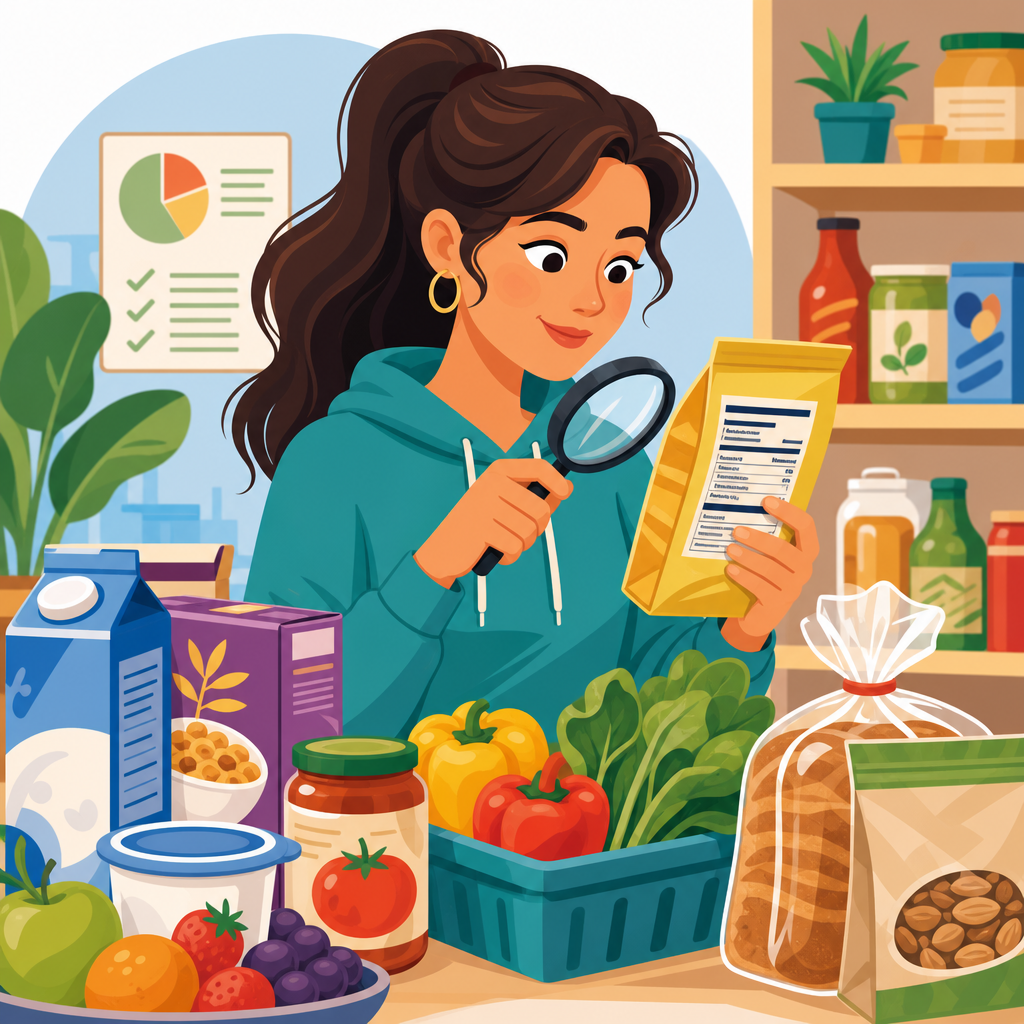
The key is to distinguish between preservation itself and the overall formulation of the food product. A preserved food can be highly nutritious, such as frozen spinach, canned salmon, plain yogurt, or dried lentils. On the other hand, some preserved foods may be high in added sodium, sugar, or unhealthy fats, which can work against disease prevention goals if eaten too often. Reading labels can help identify options packed in water rather than syrup, with lower sodium, no unnecessary additives, and minimal added sugars. For example, choosing canned beans and rinsing them, selecting frozen vegetables without heavy sauces, and using plain fermented foods with modest sodium levels can improve the nutritional profile.
It is also worth noting that preserved foods can increase dietary consistency, which matters a great deal for long-term health. People are more likely to consume enough vegetables, fruits, legumes, and fish when these foods are convenient, affordable, and available year-round. That makes well-chosen preserved foods a practical strategy for disease prevention, not a compromise. When combined with fresh foods, whole grains, lean proteins, and healthy fats, preserved foods can help create a nutrient-dense eating pattern that supports both nutritional adequacy and food safety.
5. What practical steps help maximize nutrient retention from storage to cooking?
Maximizing nutrient retention starts well before cooking. Proper storage is one of the most effective ways to protect nutritional value. Refrigerate perishable foods promptly, keep frozen foods consistently frozen, and store dry goods in cool, dark, airtight conditions to reduce exposure to moisture, oxygen, and heat. Fruits and vegetables should be handled gently because bruising and physical damage can speed up nutrient loss and spoilage. It is also wise to avoid buying more highly perishable produce than can be used in time, since long storage gradually lowers the content of some sensitive vitamins.
Preparation methods matter as well. Washing produce before use is important, but soaking it for long periods can leach water-soluble vitamins. Cutting foods into very small pieces and exposing them to air for too long can increase oxidation. In general, use a sharp knife, prepare foods close to cooking time, and leave edible skins on when appropriate because they often contain fiber and micronutrients. When cooking, methods such as steaming, microwaving, sautéing briefly, pressure cooking for short periods, or roasting with moderate heat often preserve more nutrients than prolonged boiling. If boiling is used, using minimal water and incorporating the cooking liquid into soups or sauces can help recover nutrients that moved into the water.
Choosing the right preserved form also makes a difference. Use frozen produce when fresh items are old or out of season, choose canned products with low sodium or no added sugar when possible, and store oils, nuts, and seeds carefully to protect delicate fats from rancidity. Rotate pantry items so older products are used first, and pay attention to package integrity because damaged packaging can allow moisture, oxygen, or microbes to affect quality. Overall, the best strategy is to treat food preservation, storage, and cooking as one connected system. The more carefully each step is managed, the more likely it is that the food will remain safe, flavorful, and nutritionally protective by the time it is eaten.