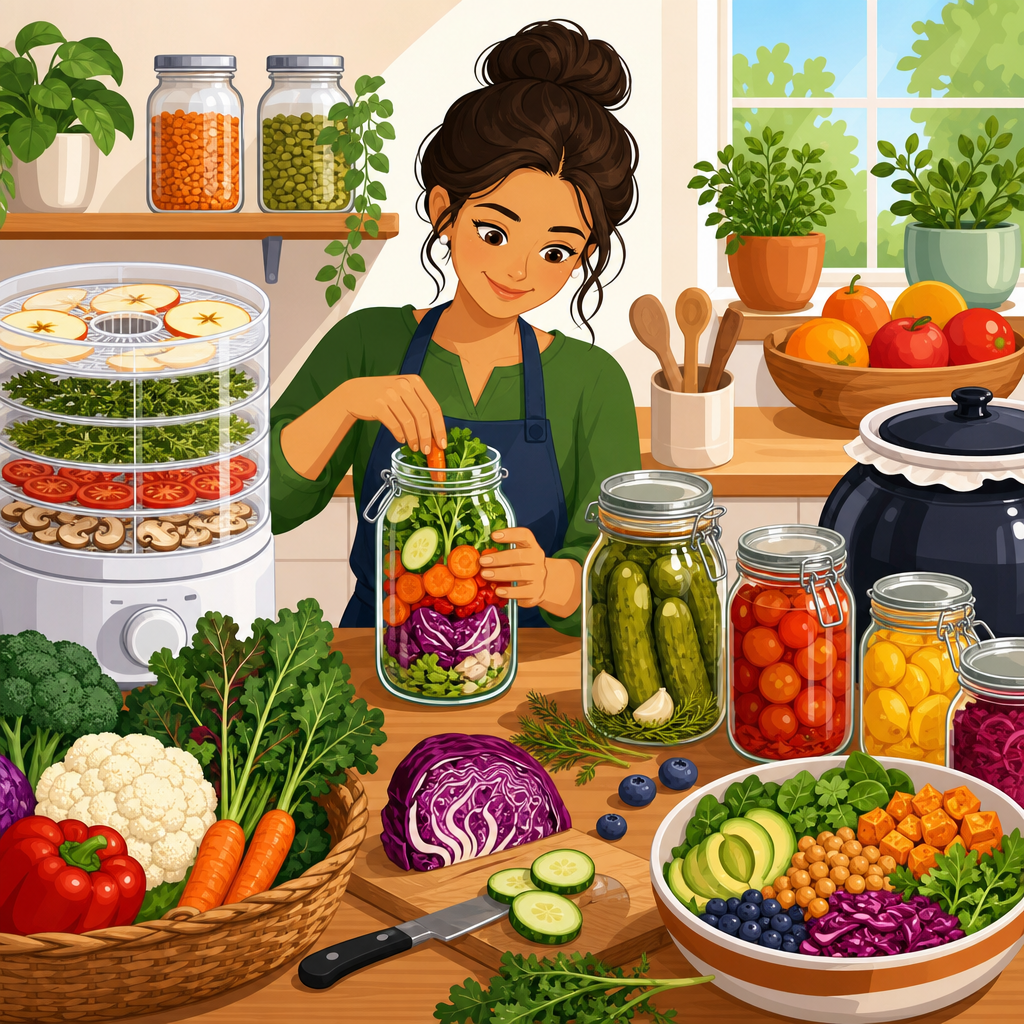
Food preservation and nutrient retention shape how much value you get from every ingredient, meal, and grocery dollar. In practical terms, food preservation means slowing spoilage caused by microbes, enzymes, oxygen, moisture loss, and temperature shifts. Nutrient retention means keeping vitamins, minerals, protein quality, healthy fats, fiber, and protective plant compounds as intact as possible from harvest to plate. I have worked with home cooks, school kitchens, and sustainability teams on this exact problem, and the same pattern appears everywhere: people focus on what foods they buy, but often overlook how storage, prep, and cooking methods determine whether those foods stay safe, flavorful, and nutritious.
This matters for health, cost control, and waste reduction. The Food and Agriculture Organization has long documented major global food losses across supply chains, while household waste remains a significant driver of unnecessary environmental impact. At the same time, nutrient losses can begin within hours for some fresh produce, especially when exposed to heat, light, or oxygen. Vitamin C is notably sensitive, folate can degrade during storage and cooking, and polyphenols may decline when produce sits too long before use. Preserving food well does not mean relying only on canned or shelf-stable products. It means choosing the right preservation method for each food, storing it at the right temperature and humidity, and preparing it in ways that protect nutrients instead of stripping them away.
If you want to incorporate more food preservation and nutrient retention into your diet, start by thinking like a systems manager. Ask four questions: what will spoil first, what nutrients are most vulnerable, which preservation method best fits this food, and how can I use it before quality drops? The answers guide everything from buying frozen berries instead of old fresh ones in winter to blanching and freezing herbs before they wilt. This hub article explains the major preservation methods, the nutrients most affected by storage and cooking, and the kitchen habits that consistently improve both food longevity and nutrition.
Understand what makes food lose quality
Food deteriorates for five main reasons: microbial growth, enzymatic activity, oxidation, moisture changes, and physical damage. Bacteria, yeasts, and molds multiply quickly in the temperature danger zone defined by food safety agencies as roughly 40 to 140 degrees Fahrenheit. Enzymes naturally present in fruits and vegetables continue ripening and then breaking down tissues after harvest. Oxygen drives rancidity in fats and can dull color and flavor. Too much moisture encourages mold; too little causes wilting, staling, and freezer burn. Bruising or rough handling speeds all of these processes by rupturing cells and exposing more surface area.
Nutrients do not disappear at the same rate. Water-soluble vitamins, especially vitamin C and many B vitamins, are the most fragile during storage and boiling. Fat-soluble vitamins such as A, D, E, and K are generally more stable, though they can still degrade with long heat exposure or oxidation. Minerals like potassium, magnesium, calcium, iron, and zinc are not destroyed by heat, but they can leach into cooking water. Protein is usually retained well, yet excessive heat can reduce tenderness and digestibility in some foods. Understanding these differences helps you choose methods that match the food. For example, spinach loses vitamin C quickly in the refrigerator, while dried beans keep minerals and protein for months when stored in airtight containers.
One useful mindset is to prioritize “time to nutrient use,” not just “time to spoilage.” Fresh broccoli that sits in the crisper for ten days may still be edible, but its nutritional payoff can be lower than broccoli frozen soon after harvest. That is why nutrient retention often favors shorter supply chains, smarter storage, and strategic use of frozen, canned, dried, or fermented foods. Preservation is not a compromise. In many cases, it is the reason nutritious food remains available and affordable.
Choose the right preservation method for each food
Different preservation methods work by controlling water activity, temperature, acidity, oxygen, or microbial competition. Refrigeration slows spoilage but does not stop it. Freezing pauses most microbial growth and often protects nutrients well, especially when produce is processed quickly after harvest. Drying removes water, making it hard for microbes to grow, and works especially well for beans, grains, mushrooms, herbs, and fruit. Canning uses heat to destroy microorganisms and creates a sealed environment; it is highly effective for tomatoes, beans, fish, soups, and fruit. Fermentation encourages beneficial microbes to produce acids that preserve food while changing flavor and digestibility. Pickling relies on vinegar or brine to lower pH and extend shelf life.
In practice, the best method depends on your goals. If convenience and nutrient retention matter most, frozen vegetables are hard to beat. If shelf stability and low cost matter, canned beans and tomatoes are reliable staples. If you want flavor complexity and gut-friendly microbes, fermented foods such as yogurt, kefir, kimchi, and sauerkraut add another dimension. Drying is ideal when storage space is limited and you want intense flavor, as with dried mushrooms or sun-dried tomatoes. I often recommend using at least three preservation formats in one weekly plan: fresh for immediate use, frozen for backup, and canned or dried for emergency flexibility.
| Method | Best for | Nutrient impact | Main limitation |
|---|---|---|---|
| Refrigeration | Leafy greens, dairy, berries, leftovers | Good short-term protection; losses rise with time | Limited shelf life |
| Freezing | Vegetables, fruit, fish, cooked grains, herbs | Usually excellent retention, especially after quick processing | Texture changes in some foods |
| Canning | Beans, tomatoes, fish, soups, fruit | Some heat-sensitive vitamin loss; minerals and fiber remain | Flavor and texture can soften |
| Drying | Beans, grains, herbs, fruit, mushrooms | Concentrates many nutrients; some vitamin loss from heat | Requires moisture-proof storage |
| Fermentation | Cabbage, dairy, cucumbers, soy foods | Can improve bioavailability and add beneficial metabolites | Sodium can be high |
A common mistake is forcing one method onto every ingredient. Lettuce should not be frozen, bananas rarely improve in the refrigerator unless very ripe, and potatoes store best in a cool, dark, ventilated place rather than a cold fridge that can alter starch and flavor. Matching the method to the food is where preservation starts to feel effortless instead of restrictive.
Store food to protect both safety and nutrients
Storage conditions influence nutrient retention as much as cooking does. Keep refrigerators at or below 40 degrees Fahrenheit and freezers at 0 degrees Fahrenheit, standards supported by the USDA and FDA. Use clear date labels and place older items in front so they are used first. Separate ethylene-producing fruits such as apples, bananas, avocados, and tomatoes from ethylene-sensitive vegetables like leafy greens, broccoli, cucumbers, and carrots. This simple step can noticeably extend freshness. Herbs last longer when treated like flowers in water, while mushrooms keep better in paper than sealed plastic because excess trapped moisture accelerates sliminess.
For dry storage, protect foods from heat, humidity, light, and oxygen. Whole grains, nuts, and seeds contain fats that can oxidize, so airtight containers and cooler temperatures matter. Brown rice has a shorter shelf life than white rice because its bran oils can go rancid. Whole-wheat flour, flaxseed meal, and natural nut butters benefit from refrigeration or freezing if you will not use them quickly. Potatoes and onions should be stored separately because the gases they release can accelerate each other’s decline. Garlic needs airflow; cut fruit needs minimal oxygen exposure and prompt chilling.
Meal prep should also be preservation-minded. Cool cooked foods promptly in shallow containers, then refrigerate. Repeated warming and cooling degrades quality and can increase food safety risk, so portion leftovers before storing. Wash produce close to the time you plan to use it unless you dry it thoroughly, because residual moisture can speed spoilage. The point is not perfection. It is building routines that extend useful life by a day here, three days there, and a week somewhere else. Across a month, that changes what gets eaten instead of discarded.
Cook in ways that retain more nutrients
The best cooking method depends on the food and the nutrient you want to preserve. As a general rule, shorter cooking times, lower water exposure, and minimal surface area loss improve nutrient retention. Steaming usually beats boiling for vegetables because fewer water-soluble vitamins leach out. Microwaving can be one of the strongest methods for preserving nutrients because it cooks quickly with little water. Stir-frying and sautéing can work well too, especially for carotenoid-rich vegetables, since some fat improves absorption of compounds such as beta-carotene and lycopene. Pressure cooking saves time and can preserve nutrients reasonably well, though very delicate vegetables may soften quickly.
Boiling is not inherently bad; it just needs strategy. If you boil vegetables, use the cooking liquid in soups, sauces, or grains to reclaim dissolved minerals and vitamins. Cut produce just before cooking rather than long in advance. Larger pieces lose fewer nutrients than tiny cuts because less surface area is exposed. Keep lids on pots when appropriate to reduce cooking time. Avoid holding cooked vegetables hot for long periods, which steadily lowers quality. For legumes and whole grains, soaking and cooking improve digestibility and shorten cooking time, while pressure cooking can preserve texture and convenience without sacrificing the core nutrients that make these foods valuable.
Some cooking increases nutritional value. Heat can make lycopene in tomatoes more bioavailable, which is why canned tomatoes and tomato paste remain excellent choices. Cooking carrots and sweet potatoes can improve access to carotenoids. Fermented soy foods and cultured dairy may improve digestibility for some people. The practical lesson is that raw is not automatically superior. The best diet combines raw, cooked, frozen, canned, dried, and fermented foods in ways that maximize total intake of nutrients over time.
Build a diet around preserved foods without sacrificing quality
A nutrient-smart kitchen is not stocked only with delicate fresh produce. It includes frozen berries, frozen spinach, canned salmon, canned beans, dried lentils, oats, yogurt, shelf-stable milk or fortified alternatives, tomato paste, nuts, seeds, and fermented vegetables. These foods support dietary quality because they are available when fresh options are expensive, out of season, or likely to spoil before use. For example, frozen blueberries often deliver strong anthocyanin levels year-round. Canned sardines and salmon supply protein, calcium, vitamin D, and omega-3 fats with long shelf life. Dried beans and lentils offer fiber, folate, magnesium, and plant protein at low cost.
To incorporate more food preservation and nutrient retention into your diet, design meals with “preservation layers.” A grain bowl might use frozen edamame, refrigerated cabbage, canned chickpeas, and fresh lemon. Breakfast could pair overnight oats with frozen fruit and chia seeds. Pasta sauce can start with canned tomatoes, onions from cool storage, dried herbs, and frozen spinach stirred in at the end. These combinations reduce waste because every component has a different storage life. They also protect diet quality during busy weeks when fragile foods might otherwise sit unused.
One caution is sodium and sugar in some preserved foods. Choose canned beans with no added salt when possible or rinse them to reduce sodium. Look for fruit packed in juice rather than syrup. Compare labels on jarred sauces, pickles, and flavored yogurts. Preservation should help you eat better, not quietly load everyday meals with ingredients you did not intend to consume. The strongest pattern is simple: keep nutrient-dense preserved staples on hand, then use fresh foods where they add texture, flavor, and variety.
Use preservation to cut waste and strengthen sustainability
Food preservation is one of the most practical sustainability tools available to households. When food lasts longer, less is thrown away, and the land, water, fertilizer, labor, energy, and packaging behind that food are not wasted. In home audits I have done, the biggest avoidable losses are usually salad greens, herbs, berries, bread, and leftovers. Small interventions make a measurable difference: freezing sliced bread, turning soft herbs into pesto, cooking extra grains for later use, or batch-roasting vegetables before they pass peak quality. These habits lower waste without requiring a restrictive diet.
Preservation also makes seasonal eating more realistic. Buy tomatoes, peaches, or berries at peak season when they are affordable and flavorful, then freeze, can, or dry them for later. This can improve both taste and value compared with buying mediocre out-of-season versions. Community gardens, farmers markets, and CSA boxes often create gluts that are ideal for preserving. If you have ever watched cucumbers pile up in summer or apples multiply in fall, you have seen how preservation converts short-term abundance into long-term nutrition.
The main takeaway is that preserving food well is not an old-fashioned side skill. It is a modern nutrition strategy. When you store foods correctly, choose preservation methods intentionally, and cook with nutrient retention in mind, you eat better, waste less, and make your food budget work harder. Start with one week of changes: keep your refrigerator organized, add two frozen vegetables and two canned staples to your pantry, and learn one preservation habit such as freezing herbs or portioning leftovers. Those simple actions create a kitchen that protects both food and health.
Frequently Asked Questions
What does food preservation and nutrient retention actually mean in everyday cooking?
In everyday cooking, food preservation is the set of habits and methods that help food stay safe, fresh, and usable for longer. That includes refrigeration, freezing, drying, fermenting, proper storage, smart meal prep, and even simple practices like sealing leftovers well and keeping produce at the right humidity. The goal is to slow the forces that cause food to decline, including microbial growth, oxidation, moisture loss, enzymatic changes, and temperature stress. Nutrient retention, on the other hand, is about protecting the nutritional value of food as much as possible from the moment you buy it until the moment you eat it. That means preserving vitamins, minerals, fiber, healthy fats, protein quality, and beneficial plant compounds through better handling, storage, and cooking choices.
These two ideas work together. When food spoils slowly and is stored properly, you are more likely to eat it at its peak quality instead of throwing it away or consuming it after its flavor and nutrient content have dropped. For example, freezing berries before they soften too much can preserve much of their nutritional value and prevent waste. Cooking vegetables with minimal water and avoiding excessive heat can help retain water-soluble vitamins such as vitamin C and some B vitamins. In practical terms, incorporating more food preservation and nutrient retention into your diet means creating a kitchen routine where food lasts longer, tastes better, and delivers more of its original nourishment.
Which food preservation methods are best for keeping nutrients intact?
The best method depends on the food, but several preservation techniques are consistently effective at protecting nutrients while extending shelf life. Freezing is one of the strongest all-around options because it dramatically slows microbial activity and enzyme action. Many fruits and vegetables frozen shortly after harvest retain a high level of vitamins and phytonutrients, sometimes even better than “fresh” produce that has spent days in transport and storage. Blanching vegetables before freezing can help preserve color, texture, and quality, although it may cause small losses of some heat-sensitive nutrients. Even with that tradeoff, freezing is often a very nutrient-smart choice.
Refrigeration is another essential method, especially for leafy greens, dairy, eggs, cooked grains, leftovers, and cut produce. It does not stop nutrient loss completely, but it slows deterioration significantly. Drying can also be useful, especially for herbs, beans, mushrooms, and some fruits. While drying may reduce certain heat-sensitive vitamins depending on the method used, it concentrates other nutrients and makes ingredients more shelf-stable and convenient. Fermentation offers additional value because it not only preserves food but can also improve flavor complexity and, in some cases, support digestive health through beneficial microbes. Foods like yogurt, kefir, kimchi, and sauerkraut are good examples.
Canning can be highly effective for food preservation, but nutrient retention varies by food type and processing conditions. Some nutrients decrease with the high heat used in canning, while others remain stable. For many households, the bigger advantage is that canned foods increase access to beans, tomatoes, fish, and seasonal produce year-round, making healthy eating more practical. Vacuum sealing and airtight storage are also helpful because they reduce oxygen exposure, which can damage fats and sensitive compounds. The best strategy is not to rely on a single technique, but to match the method to the ingredient: freeze produce before it declines, refrigerate perishables promptly, dry or ferment foods when appropriate, and use pantry-preservation methods to make nutritious ingredients more available and less likely to be wasted.
How can I cook foods in a way that preserves more vitamins and minerals?
The most effective approach is to use just enough heat for just enough time. Nutrient losses during cooking usually come from a combination of high temperatures, long cooking times, and excess water. Water-soluble vitamins, especially vitamin C and several B vitamins, are the most vulnerable because they can leach into cooking liquid and break down with heat. That is why steaming, microwaving, sautéing, pressure cooking, and roasting with reasonable timing often preserve more nutrients than prolonged boiling. If you do boil vegetables, using the cooking liquid in soups, sauces, or grains can help recover some of the nutrients that moved into the water.
Cutting practices matter too. Nutrients can be lost when produce is chopped far in advance and exposed to air, light, and moisture. Washing produce before cutting, using larger pieces when practical, and preparing it close to cooking time can help. Keeping skins on foods like potatoes, carrots, apples, and cucumbers when appropriate can preserve fiber and nutrients concentrated near the surface. For healthy fats, gentle handling is important as well. Oils, nuts, and seeds should be stored away from heat and light to reduce oxidation. Proteins also benefit from thoughtful cooking: avoid charring meats heavily, cook fish gently, and store cooked proteins promptly to maintain quality and safety.
A balanced kitchen mindset helps most of all. You do not need to fear cooking or chase perfection. Some cooking methods actually improve the availability of certain nutrients. For example, cooking tomatoes can increase the availability of lycopene, and cooking carrots or spinach can make some carotenoids easier to absorb. Pairing vegetables with a little fat can improve absorption of fat-soluble nutrients such as vitamins A, D, E, and K and plant pigments like beta-carotene. The goal is not to preserve every nutrient perfectly, which is impossible, but to use cooking methods that deliver good flavor, food safety, and strong nutritional value consistently.
What are the best storage habits to reduce food waste and protect nutritional quality?
Good storage starts with temperature, airflow, moisture control, and timing. Perishable foods should be refrigerated or frozen promptly, and your refrigerator should be kept cold enough to slow spoilage effectively. Produce should be stored according to its needs: leafy greens generally do well in the crisper with some humidity, herbs may last longer upright with moisture, berries should be kept dry until use, and potatoes, onions, and garlic are usually better in a cool, dark, well-ventilated area rather than the refrigerator. Understanding ethylene-producing fruits such as apples, bananas, and avocados can also help, because storing them next to sensitive produce can speed ripening and spoilage.
Containers matter more than many people realize. Airtight containers protect leftovers, cooked grains, beans, chopped vegetables, nuts, and pantry staples from moisture, odors, oxidation, and contamination. Clear labeling with dates helps ensure food is used while quality is still high. A “first in, first out” system is one of the simplest and most effective tools for both preservation and nutrient retention, because it reduces the chance that food will be forgotten until it is wilted, stale, or spoiled. Portioning food before freezing also helps, since it prevents repeated thawing and refreezing that can hurt texture and quality.
Meal planning plays a major role as well. Buy with a realistic timeline in mind, prep ingredients based on when you will use them, and preserve extra food before it reaches the edge of spoilage. If you notice bananas browning, freeze them for smoothies or baking. If greens are softening, add them to soup, eggs, or a sauté. If herbs are fading, turn them into pesto, freeze them in oil, or dry them. These habits do more than reduce waste. They make nutritious food easier to access, lower grocery costs, and help you build a diet where high-quality ingredients are actually eaten rather than discarded.
How can I realistically incorporate more food preservation and nutrient retention into a busy lifestyle?
The key is to make preservation part of your routine, not a separate project that feels overwhelming. Start with a few high-impact habits. Freeze food sooner, not later. Store leftovers in shallow containers so they cool quickly and are easy to see. Prep produce with a purpose instead of cutting everything at once. Keep a short list of ingredients that preserve well, such as frozen vegetables, canned beans, oats, brown rice, yogurt, eggs, nuts, seeds, nut butters, and sturdy produce like carrots, cabbage, oranges, and apples. These foods give you nutritional reliability even during busy weeks.
Batch cooking is especially useful when done strategically. Cook grains, beans, soups, or proteins once and divide them into meal-size portions for the refrigerator and freezer. Wash and dry greens so they are ready to use, but avoid overcutting delicate produce that deteriorates quickly. Use your freezer as an active tool for preserving nutrient-rich foods before they decline: chopped onions, sliced peppers, spinach for smoothies, cooked lentils, homemade broth, and extra portions of casseroles all freeze well. This approach saves time, reduces stress, and creates a safety net that makes home cooking easier to maintain.
It also helps to think in terms of “nutrient protection moments” throughout the week. Refrigerate groceries promptly after shopping. Cook vegetables with methods that use less water and less time. Use older produce in soups, sauces, or stir-fries before it goes bad. Rotate pantry items and store oils away from heat and light. Most importantly, focus on consistency over perfection. A diet that regularly includes well-stored, properly cooked, and thoughtfully preserved foods will usually outperform a diet built on ideal intentions but poor follow-through. If your kitchen systems help you eat more vegetables, preserve leftovers, save money, and waste less, then you are successfully incorporating food preservation and nutrient retention into your diet in a