Food preservation and nutrient retention shape how safely, affordably, and healthfully people eat, yet these two goals are often misunderstood as competing priorities when they are actually closely linked. Food preservation means slowing spoilage caused by microbes, enzymes, oxidation, moisture loss, and physical damage so food remains safe and desirable for longer. Nutrient retention refers to how well vitamins, minerals, protein quality, healthy fats, and beneficial plant compounds survive harvesting, processing, storage, and cooking. In practical food science, the question is not whether preserved food is “good” or “bad,” but which preservation method best protects both safety and nutritional value for a specific food.
This matters because food systems lose enormous value between farm and plate. The Food and Agriculture Organization has long estimated that roughly one third of food produced globally is lost or wasted, and poor preservation is a major driver. At the household level, spoilage raises food costs; at the public health level, unsafe storage increases foodborne illness; and at the environmental level, discarded food wastes land, water, labor, fertilizer, and energy. I have worked with shelf-life plans and product testing, and the same pattern appears repeatedly: when preservation is done well, more nutrients are actually delivered to the eater because less food is thrown away and more of it remains microbiologically safe.
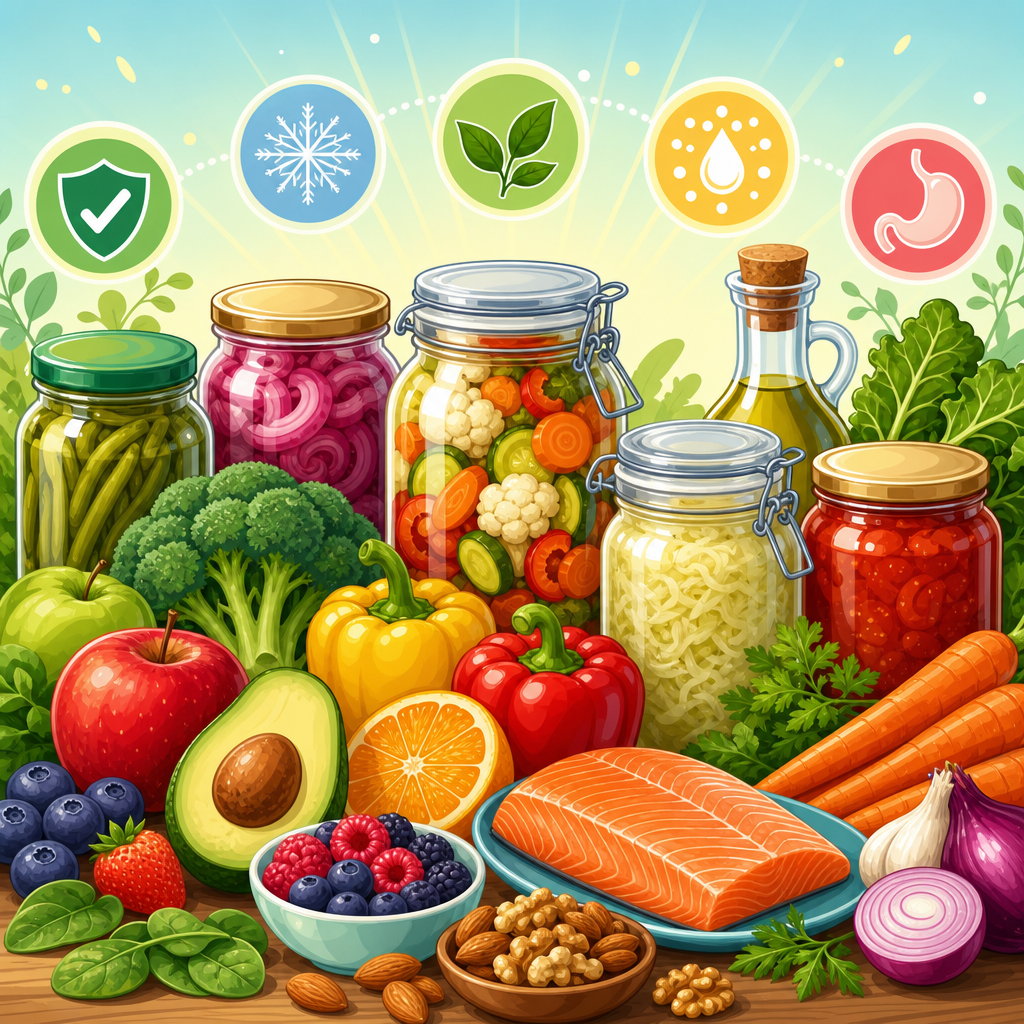
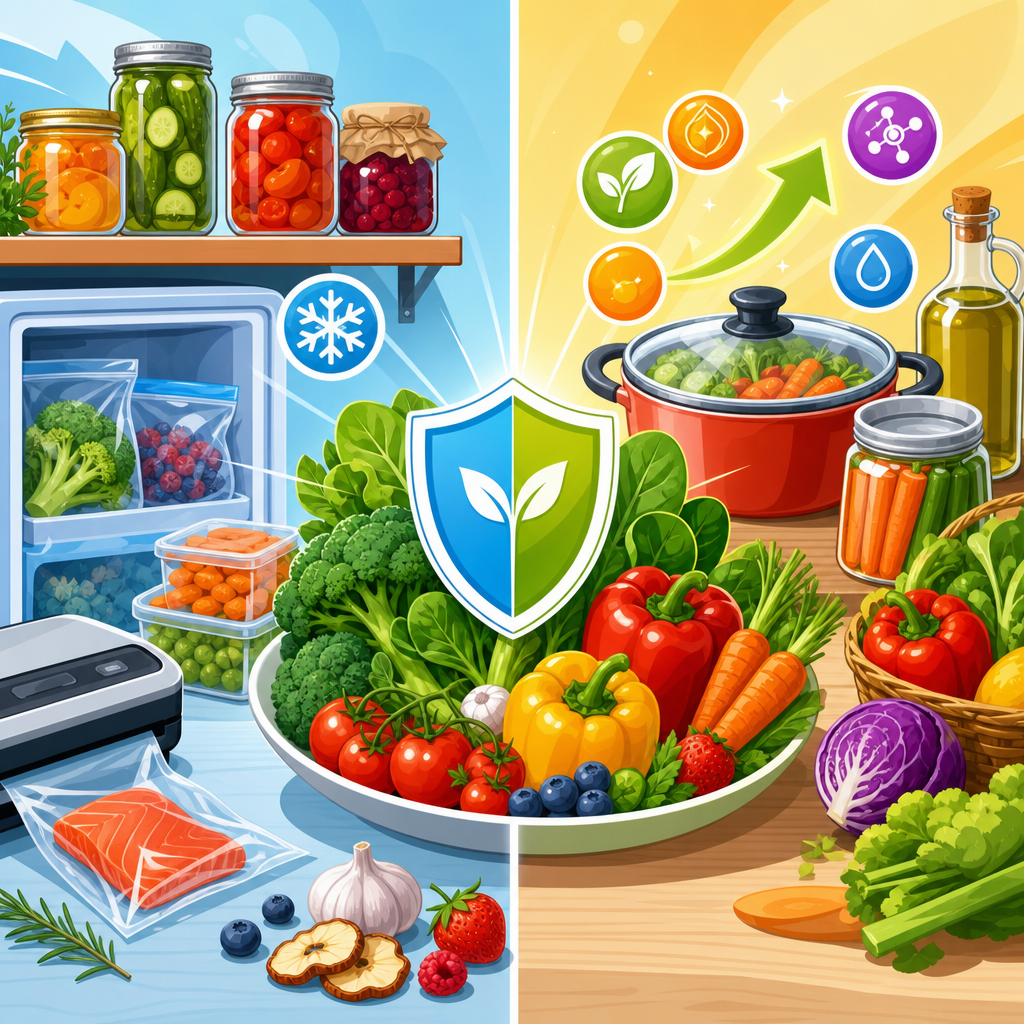
Preservation can be as simple as refrigeration or as sophisticated as high-pressure processing. Common methods include chilling, freezing, canning, drying, fermentation, pasteurization, vacuum sealing, modified atmosphere packaging, salting, sugaring, and acidification. Each method controls one or more spoilage factors. Refrigeration slows microbial growth. Freezing halts growth but can affect texture. Canning uses heat to destroy pathogens and create shelf stability. Drying removes water that microbes need. Fermentation lowers pH and introduces beneficial organisms. These methods are not equal for every food, and nutrient outcomes depend on temperature, oxygen exposure, light, time, pH, and the food’s structure.
Consumers often assume fresh food always contains more nutrition than preserved food, but timing changes that picture. Spinach that sits in distribution for a week may lose more vitamin C than spinach frozen shortly after harvest. Canned tomatoes can provide highly available lycopene because heat breaks down cell walls. Frozen fish often preserves protein quality extremely well, while dried fruit keeps fiber and minerals but may lose some heat-sensitive vitamins. To understand food preservation and nutrient retention, it helps to look at how nutrients degrade, how preservation methods work, and how to match technique to food. That foundation makes better buying, storage, cooking, and sustainability decisions.
How Food Spoilage Happens and Why Nutrients Decline
Food spoils through biological, chemical, and physical pathways. Bacteria, yeasts, and molds consume nutrients and produce off odors, slime, gas, toxins, or visible growth. Enzymes naturally present in plants and animals continue working after harvest or slaughter, leading to browning, softening, rancidity, and flavor loss. Oxygen drives oxidation of fats, pigments, and vitamins. Light accelerates breakdown in foods such as milk and oils. Moisture migration changes texture, while temperature abuse speeds nearly every deterioration process. In food safety training, time and temperature control for safety foods are monitored closely because warm conditions can allow dangerous growth of organisms such as Salmonella, Listeria monocytogenes, and Clostridium perfringens.
Nutrients decline for equally specific reasons. Vitamin C is highly sensitive to oxygen, heat, and water. Thiamin can be reduced by prolonged heating. Folate is vulnerable in some processing conditions. Unsaturated fats oxidize and produce rancid compounds. Pigments and polyphenols can degrade with light and heat. Minerals are more stable, but they can leach into cooking water. Protein usually remains substantial, though digestibility and texture may change with heat and drying. Fiber is generally retained well unless parts of the food are physically removed, as in peeling or refining grains. This is why nutrient retention is never one number; it differs by nutrient, food matrix, and process.
The food matrix is especially important. A vitamin inside intact plant tissue can be protected differently than the same vitamin in juice. Cutting, crushing, and pureeing increase surface area and oxygen contact. Blanching vegetables before freezing inactivates enzymes that would otherwise degrade flavor and color, but the brief heat step can reduce some water-soluble vitamins. Yet skipping blanching often causes greater long-term quality losses. In practice, preserving food means managing tradeoffs. The best method is the one that delivers the safest product with the strongest overall retention of edible quality over the intended shelf life, not the method that performs best on a single nutrient in a laboratory snapshot.
How Major Preservation Methods Affect Nutrient Retention
Different preservation methods protect foods in different ways, so comparing them requires looking at both safety and nutrient outcomes. Refrigeration is the least disruptive method for many fresh foods because it uses low temperatures rather than severe heat. It works well for milk, berries, leafy greens, eggs, meat, and leftovers, but it only slows spoilage and does not stop it. Freezing is one of the strongest options for long-term nutrient retention because temperatures well below 0°C greatly slow chemical reactions and halt microbial growth. Vegetables frozen close to harvest often retain vitamin and mineral levels very effectively, especially when blanching and cold-chain handling are well controlled.
Canning provides long shelf life and strong microbiological safety when correctly processed. Low-acid foods such as beans, corn, meat, and soups must be pressure canned to reach temperatures high enough to control botulism risk. High-acid foods like many fruits and pickled products can be water-bath canned. Heat can reduce vitamin C and some B vitamins, but canned foods remain nutrient-dense and highly useful, especially where refrigeration is limited. Drying lowers water activity, making foods lighter and shelf stable. It is excellent for grains, legumes, herbs, mushrooms, and fruits, though heat and oxygen can diminish certain vitamins and volatile flavor compounds. Fermentation can improve shelf life, flavor complexity, and sometimes digestibility.
| Method | Main preservation mechanism | Typical nutrient strengths | Key limitations |
|---|---|---|---|
| Refrigeration | Slows microbial and enzymatic activity | Good short-term retention of fresh characteristics | Limited shelf life; abuse temperatures raise safety risk |
| Freezing | Stops microbial growth and slows chemical change | Strong retention of protein, minerals, fiber, many vitamins | Texture damage in some produce; needs stable cold chain |
| Canning | Heat processing plus sealed container | Long shelf life; good retention of minerals and many phytochemicals | Losses of heat-sensitive vitamins; texture softening |
| Drying | Reduces water activity | Concentrates minerals, fiber, calories | Loss of some vitamins; oxidation if poorly packaged |
| Fermentation | Acid production and competitive microbes | Can support bioavailability and sensory quality | Results vary by culture, salt, pH, and hygiene |
Emerging methods add useful nuance. Vacuum packaging reduces oxygen exposure, helping meats, coffee, and nuts, but it must be paired with cold storage or other hurdles because low oxygen alone does not make food safe. Modified atmosphere packaging changes gas composition around produce, meats, and bakery items to slow respiration and spoilage. Pasteurization improves safety in milk, juice, and liquid eggs while causing fewer nutrient losses than sterilization. High-pressure processing, used in some juices, deli meats, and ready-to-eat products, inactivates many microbes with minimal heat, often preserving fresh flavor better than thermal methods. No single method is superior in all cases; preserving quality requires matching technology to product chemistry and distribution reality.
Food-Specific Examples: Produce, Proteins, Dairy, and Grains
Produce is where preservation questions arise most often because fruits and vegetables are rich in water, enzymes, pigments, and delicate vitamins. Leafy greens lose quality rapidly, so refrigeration with humidity control is essential. Broccoli, peas, and spinach generally perform well when frozen because blanching stabilizes enzymes and freezing slows further nutrient loss. Tomatoes are a classic example of nutrient complexity: fresh tomatoes offer vitamin C, but processed tomato products often provide more bioavailable lycopene after heating disrupts cell walls. Apples store well under refrigerated, controlled-atmosphere conditions, while berries are fragile and often best frozen quickly if they will not be eaten soon.
Animal proteins respond differently. Fresh meat and poultry require strict refrigeration because bacterial hazards can grow quickly. Freezing preserves protein and minerals effectively, though repeated thawing and refreezing damages texture and increases drip loss. Fish is especially perishable because of enzymatic activity and unsaturated fats; rapid chilling or freezing immediately after catch is one of the best ways to maintain quality. Canned tuna and sardines remain strong sources of protein, and canned salmon can supply calcium when soft edible bones are included. Egg preservation ranges from refrigeration to pasteurized liquid products and dried powders used in manufacturing, each balancing convenience, microbial control, and functional properties.
Dairy illustrates how preservation can expand access without destroying value. Pasteurized milk retains high-quality protein, calcium, and several B vitamins, although riboflavin is sensitive to light, which is one reason opaque packaging matters. Yogurt and kefir use fermentation to extend shelf life and alter texture and acidity while preserving much of the original protein and minerals. Cheese preservation combines acid development, moisture control, salt, and aging. Grain and legume storage depends heavily on moisture management. Whole grains keep more nutrients than refined grains but can turn rancid faster because their oils remain intact. Dried beans store well for long periods, although very old beans may harden and cook unevenly, reducing culinary quality more than nutritional value.
What Consumers Can Do to Maximize Nutrient Retention at Home
Household handling has a larger effect on nutrient retention than many shoppers realize. Start by buying according to realistic use, because food that spoils in the refrigerator delivers no nutrition at all. Store produce correctly: leafy greens cold and slightly humid, potatoes in a cool dark place, onions dry and ventilated, bananas at room temperature until ripe. Keep the refrigerator at or below 4°C and the freezer at or below -18°C, standards widely supported in food safety guidance. Use airtight containers for leftovers, label dates, and cool cooked foods promptly. I have seen more quality loss from poor home storage habits than from most commercial preservation steps.
Preparation and cooking choices also matter. Wash produce before use rather than before long storage, because surface moisture can speed spoilage. Cut fruits and vegetables close to mealtime to reduce oxygen exposure. Steam or microwave vegetables with minimal water when the goal is preserving water-soluble vitamins; boiling can be useful, but nutrients may leach into the cooking liquid unless that liquid is consumed in soups or sauces. Avoid holding cooked foods hot for extended periods. Freeze extra herbs in oil or broth, portion meat before freezing, and rotate pantry goods using a first-in, first-out system. These simple practices improve food preservation and nutrient retention without requiring specialized equipment.
Preservation, Public Health, and Sustainability
Food preservation is not only a kitchen concern; it is central to resilient food systems. Safe shelf-stable foods support emergency preparedness, school meal programs, hospitals, military logistics, and regions with unreliable cold chains. Fortified preserved foods can help address nutrient gaps at population scale, as seen with enriched flour, iodized salt, and shelf-stable milk programs. Preservation also broadens seasonal access. Frozen vegetables and canned beans allow consistent intake of fiber, folate, potassium, and protein regardless of harvest timing or geography. For many households, preserved foods are not compromises but practical foundations of an affordable healthy diet.
Sustainability benefits are equally important. Extending shelf life reduces waste across farms, processors, retailers, and homes. A bruised peach with a short fresh window may be transformed into frozen slices or canned fruit rather than discarded. Surplus tomatoes become sauce; excess milk becomes cheese or powder. Preservation does consume energy and packaging materials, so tradeoffs should be evaluated honestly. Freezers use electricity, cans require metal, and drying uses heat. Yet life-cycle assessments often show that preventing food waste delivers major environmental gains because the embedded emissions in producing food are typically higher than those from preserving it responsibly. The smartest approach is not avoiding preserved food; it is choosing efficient preservation matched to actual use and eating what is purchased.
The key lesson is simple: food preservation and nutrient retention are partners, not enemies. Nutrients are protected when spoilage is slowed, safety is maintained, and foods are handled in ways that fit their chemistry. Fresh, frozen, canned, dried, and fermented foods all have a place in a strong diet, and each can be the best choice depending on timing, budget, storage capacity, and cooking plans. If you want better nutrition with less waste, build meals around a mix of preservation formats, store foods correctly, and learn which methods suit specific ingredients. Use this hub as your starting point, then explore deeper guides on freezing, canning, fermentation, storage science, and sustainable food choices.
Frequently Asked Questions
1. What is the difference between food preservation and nutrient retention?
Food preservation and nutrient retention are closely related, but they are not the same thing. Food preservation focuses on extending a food’s usable life by slowing or preventing spoilage. That spoilage can be caused by bacteria, yeasts, molds, natural enzymes, oxidation, moisture changes, and physical damage during storage or handling. Nutrient retention, on the other hand, refers to how much of a food’s original nutritional value remains after harvesting, processing, transporting, storing, and cooking. This includes vitamins, minerals, protein quality, healthy fats, fiber, and beneficial plant compounds such as antioxidants and polyphenols.
People often assume that preserving food automatically destroys nutrients, but that is an oversimplification. In reality, preservation can protect nutrition by reducing waste and slowing the natural breakdown that happens over time. For example, fresh produce can begin losing sensitive nutrients soon after harvest, especially if it spends days in transport and storage. Freezing, canning, drying, fermenting, and other preservation methods can help lock in a significant portion of nutritional value when done properly. So while some nutrient loss may occur during processing, preservation often prevents even greater losses that would happen if food spoiled or sat too long before being eaten.
The key point is that food safety, shelf life, and nutrition should be viewed together. A preserved food that remains safe, stable, and nutrient-rich over time can be a highly practical and health-supportive choice. Understanding that balance helps consumers make smarter decisions instead of relying on the outdated idea that only minimally handled food is nutritious.
2. Do preserved foods always have fewer nutrients than fresh foods?
No, preserved foods do not always have fewer nutrients than fresh foods. The answer depends on the type of food, the preservation method used, how quickly the food was processed after harvest, and how long the “fresh” version has been stored before it is eaten. In many cases, foods preserved at peak ripeness can compare very well nutritionally with fresh versions that have spent significant time in shipping, warehouses, grocery displays, and home refrigerators.
For example, frozen fruits and vegetables are often processed soon after harvest, which helps preserve many vitamins and minerals. Canned foods can also retain substantial nutrition, especially minerals, fiber, protein, and fat-soluble nutrients. Some heat-sensitive vitamins, such as vitamin C and certain B vitamins, may decline during canning or prolonged heating, but that does not mean the food becomes nutritionally poor. In fact, some nutrients become easier for the body to absorb after processing. Tomatoes are a classic example: canned or cooked tomatoes can provide more bioavailable lycopene than raw ones.
It is also important to remember that “fresh” does not automatically mean nutritionally superior. A bunch of spinach that has been stored for several days may have lost more of certain sensitive nutrients than frozen spinach processed shortly after harvest. The same principle applies to other produce, seafood, and even some prepared foods. What matters most is the total journey from harvest to plate, not just the label.
Consumers should evaluate preserved foods based on the full picture: nutrient content, ingredient quality, sodium or added sugar levels when relevant, storage convenience, affordability, and whether the food is likely to be eaten before spoiling. A nutrient-rich frozen vegetable that gets used regularly can support a healthy diet far better than fresh produce that gets thrown away.
3. Which food preservation methods are best for protecting nutrients?
There is no single best preservation method for every food, because different nutrients respond differently to heat, oxygen, light, moisture, and time. That said, several methods are especially effective when used appropriately. Freezing is widely considered one of the strongest options for retaining overall nutritional quality, particularly for fruits, vegetables, fish, and some prepared meals. Because it slows enzyme activity and microbial growth dramatically, freezing helps preserve texture, flavor, and many nutrients for extended periods.
Canning is another highly effective method, especially for foods that need long shelf life and pantry stability. While the heat used in canning can reduce some delicate vitamins, the method offers major benefits in food safety, accessibility, and reduced waste. It also preserves many important nutrients very well, including minerals, protein, carbohydrates, and fiber. In some foods, the softening effect of heat improves digestibility and nutrient availability.
Drying and dehydration can also retain nutrition effectively, particularly when temperatures are controlled and moisture is removed efficiently. These methods work well for herbs, fruits, legumes, and grains, although some vitamin losses can occur due to heat and oxygen exposure. Vacuum sealing and modified-atmosphere packaging can further support nutrient protection by reducing oxidation. Fermentation stands out because it not only preserves food but can also enhance flavor, improve digestibility, and in some cases increase the availability of certain nutrients or introduce beneficial microbes.
The most protective method ultimately depends on the food itself and how the preserved product will be stored and used. Nutrient retention is strongest when processing happens quickly after harvest, oxygen exposure is minimized, storage conditions are stable, and preparation at home does not undo those benefits through excessive boiling, reheating, or poor storage practices.
4. How do storage and cooking affect nutrient retention after food has been preserved?
Storage and cooking play a major role in whether preserved foods maintain their nutritional value over time. Even after a food has been frozen, canned, dried, or fermented, nutrients can still degrade if the product is stored improperly or prepared in ways that expose it to too much heat, air, light, or water. In other words, preservation does not permanently “lock” nutrition in place; it slows deterioration, but handling still matters.
For frozen foods, consistent low temperatures are important. Repeated thawing and refreezing can damage texture and may reduce quality. For canned goods, cool and dry storage helps maintain both safety and nutritional stability. Dried foods should be kept sealed and protected from humidity and light, since moisture and oxygen can encourage spoilage and nutrient breakdown. Once opened, preserved foods often need refrigeration and timely use just like fresh foods.
Cooking methods also make a difference. Water-soluble vitamins, including vitamin C and several B vitamins, are especially vulnerable to long cooking times and large amounts of water. Boiling can cause these nutrients to leach into cooking liquid, especially in vegetables. Steaming, microwaving, sautéing, pressure cooking, or using minimal water can often help retain more nutrients. On the other hand, some cooking improves digestibility and increases the availability of certain compounds. For example, heat can make some antioxidants easier to absorb and can improve the digestibility of proteins and starches in certain foods.
A practical rule is to cook preserved foods only as much as needed for safety, texture, and flavor. Avoid overcooking vegetables, store foods according to package directions, and use opened products promptly. Good preservation creates a strong starting point, but smart storage and gentle cooking are what help carry those nutritional benefits all the way to the plate.
5. How can consumers choose preserved foods that are both safe and nutritious?
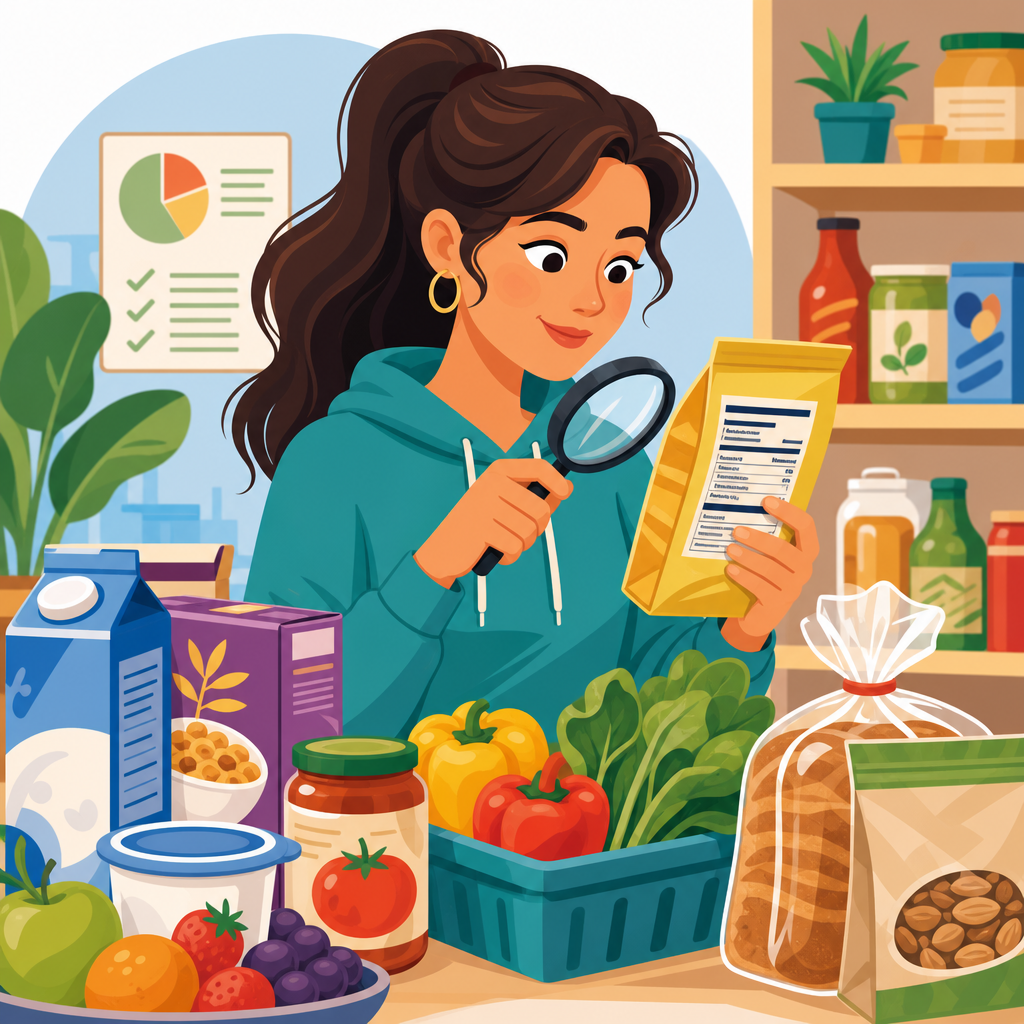
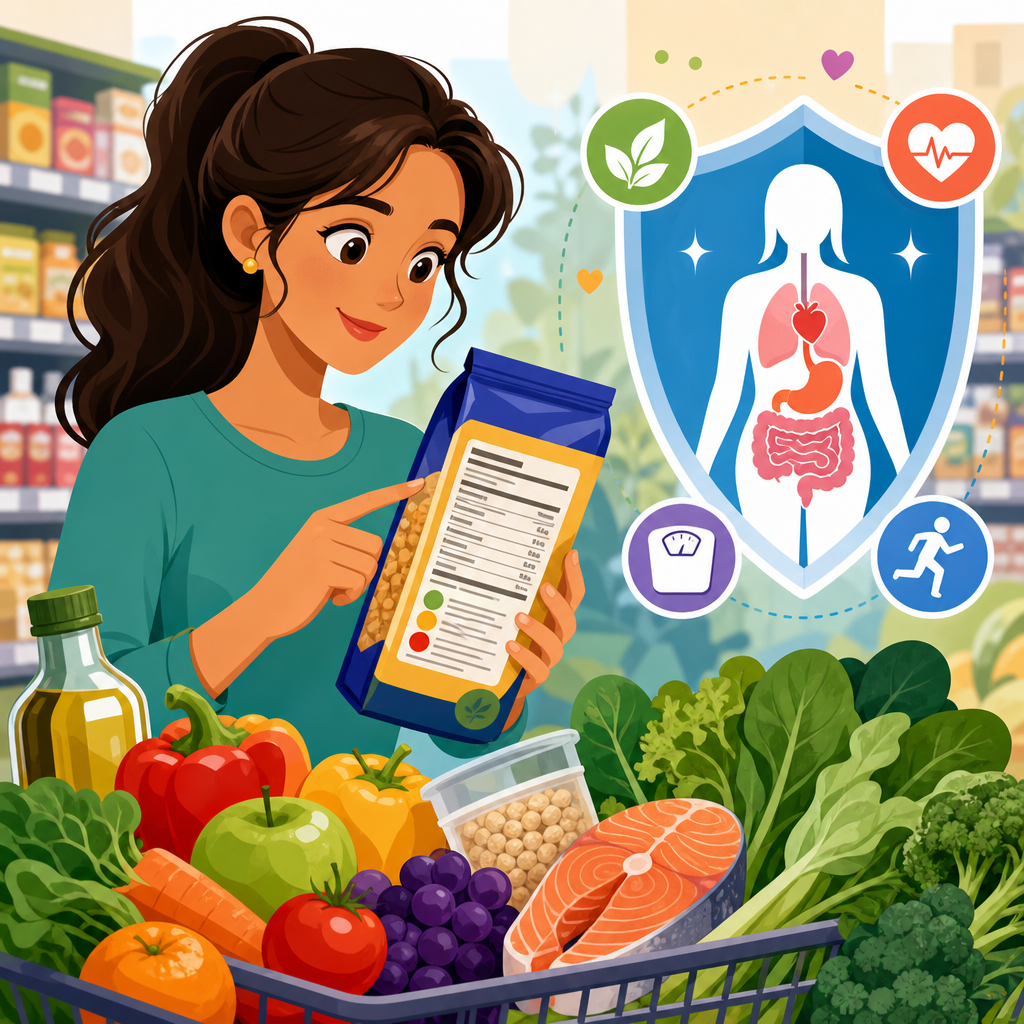
Choosing safe and nutritious preserved foods starts with understanding that convenience and health do not have to conflict. Consumers should first look for products that use preservation to protect quality rather than simply extend shelf life at any cost. Reading labels is one of the most useful habits. Check the ingredient list for unnecessary additives, compare sodium levels in canned goods, watch for added sugars in preserved fruit products, and note whether fats used in prepared preserved foods are of good quality. The nutrition facts panel can help identify foods that still provide meaningful amounts of protein, fiber, vitamins, and minerals.
It also helps to match the preservation method to the food category. Frozen vegetables, frozen fruit, canned beans, canned fish, fermented dairy, dried legumes, and minimally processed shelf-stable staples can all be excellent choices. For produce, options packed without heavy syrups or excess salt are often preferable. For canned vegetables or beans, rinsing can reduce some sodium. For dried foods, choose products stored in airtight packaging and be mindful of portion sizes, since water removal makes nutrients and calories more concentrated.
Food safety should remain part of the decision as well. Use packages that are intact, avoid bulging or damaged cans, follow storage instructions, and pay attention to use-by or best-by guidance. After opening, refrigerate items as directed and consume them within recommended timeframes. Safe handling at home matters just as much as the preservation process used by the manufacturer.
Perhaps most importantly, choose preserved foods you will actually use. A healthy eating pattern is built on consistency, practicality, and variety. Preserved foods can make it easier to keep fruits, vegetables, proteins, and whole-food ingredients available year-round, often at lower cost and with less waste. When selected thoughtfully, they are not a nutritional compromise. They are a reliable tool for building a safer, more affordable, and more resilient diet.