Food preservation and nutrient retention sit at the center of healthy eating because the value of food depends not only on what you buy, but on how well its vitamins, minerals, fiber, protein, and beneficial plant compounds survive storage, processing, and preparation. In practical terms, food preservation means slowing spoilage caused by microbes, enzymes, oxygen, moisture loss, or light, while nutrient retention means keeping as much of the original nutritional quality as possible until the food is eaten. These goals are linked, yet they are not identical: a method can make food safer and last longer while still reducing heat-sensitive nutrients, and another can protect nutrients well but offer only short shelf life. Understanding that balance matters for households trying to reduce waste, for institutions managing food budgets, and for anyone building a sustainable diet.
In my own work with kitchen systems, meal planning, and shelf-life testing, I have seen the same pattern repeatedly: people focus on freshness labels, but the bigger determinant of nutrition is often handling after purchase. A bag of spinach left warm in a car, berries rinsed too early, or cooked grains cooled slowly can lose quality faster than shoppers expect. By contrast, properly frozen vegetables, canned beans, dried lentils, fermented foods, and vacuum-sealed leftovers can deliver excellent nutrition with less waste and lower cost per serving. Preservation is therefore not merely a survival skill or an industrial process; it is a public health tool. The U.S. Department of Agriculture and the World Health Organization both emphasize food safety, but the broader lesson is that safe preservation also helps maintain access to nutrient-dense foods across seasons, regions, and income levels.
Food preservation matters even more in the context of sustainability. Roughly one-third of food produced globally is lost or wasted, according to estimates frequently cited by the Food and Agriculture Organization. When food spoils before it is eaten, the wasted water, land, labor, fertilizer, fuel, and packaging are lost with it. Better preservation extends usability, smooths seasonal supply, and helps consumers buy in bulk without nutritional compromise. Nutrient retention matters because preservation should not create the illusion of abundance while quietly degrading quality. The smartest approach is to match the method to the food, the desired shelf life, and the nutrients most worth protecting. This hub explains how major preservation methods work, which nutrients are most vulnerable, and how to choose techniques that support health, food safety, and sustainability at the same time.
How Food Spoilage Happens and Which Nutrients Are Most Vulnerable
Food spoils for five main reasons: microbial growth, enzymatic activity, oxidation, moisture change, and physical damage. Bacteria, yeasts, and molds multiply when moisture, temperature, and pH allow it. Enzymes naturally present in produce continue acting after harvest, softening texture and changing color and flavor. Oxygen drives rancidity in fats and degrades compounds such as vitamin C and some carotenoids. Moisture loss wilts produce, while excess moisture encourages mold. Bruising accelerates all of these processes by breaking protective cell structures. Effective preservation interrupts one or more of these pathways.
Nutrients do not all behave the same. Vitamin C, folate, and thiamin are especially sensitive to heat, oxygen, and water. Riboflavin is vulnerable to light. Unsaturated fats can oxidize, especially in fish, nuts, seeds, and whole-grain products. Some phytochemicals decline with long storage, yet others become more available after processing. Lycopene in tomatoes is a classic example: heat processing can improve bioavailability even if some vitamin C is lost. Minerals such as calcium, iron, potassium, zinc, and magnesium are generally stable, but they can leach into cooking water. Protein usually remains intact through common preservation methods, although texture and digestibility may change.
This is why “fresh is always best” is too simplistic. Fresh peas transported slowly and held for days can lose vitamin C quickly, while frozen peas processed near harvest may retain more. Dried beans lose little mineral content and provide stable protein and fiber for months. Canned salmon offers long shelf life plus calcium from softened bones. The correct question is not whether a food is fresh or preserved, but whether the chosen preservation method protects the nutrients that matter most for that food while keeping it safe and usable.
Refrigeration and Freezing: Best Everyday Tools for Nutrient Retention
Refrigeration slows microbial growth and enzymatic activity, making it the first line of defense for perishables. Most refrigerators should hold 40 degrees Fahrenheit or 4 degrees Celsius or below; freezers should remain at 0 degrees Fahrenheit or minus 18 degrees Celsius. Those benchmarks are not arbitrary. Above them, spoilage organisms and pathogens can multiply faster, and nutrient loss accelerates. In home kitchens, poor airflow, overloaded shelves, and warm-door storage often create temperature variation that shortens shelf life. I routinely advise using an appliance thermometer because built-in dials are often inaccurate.
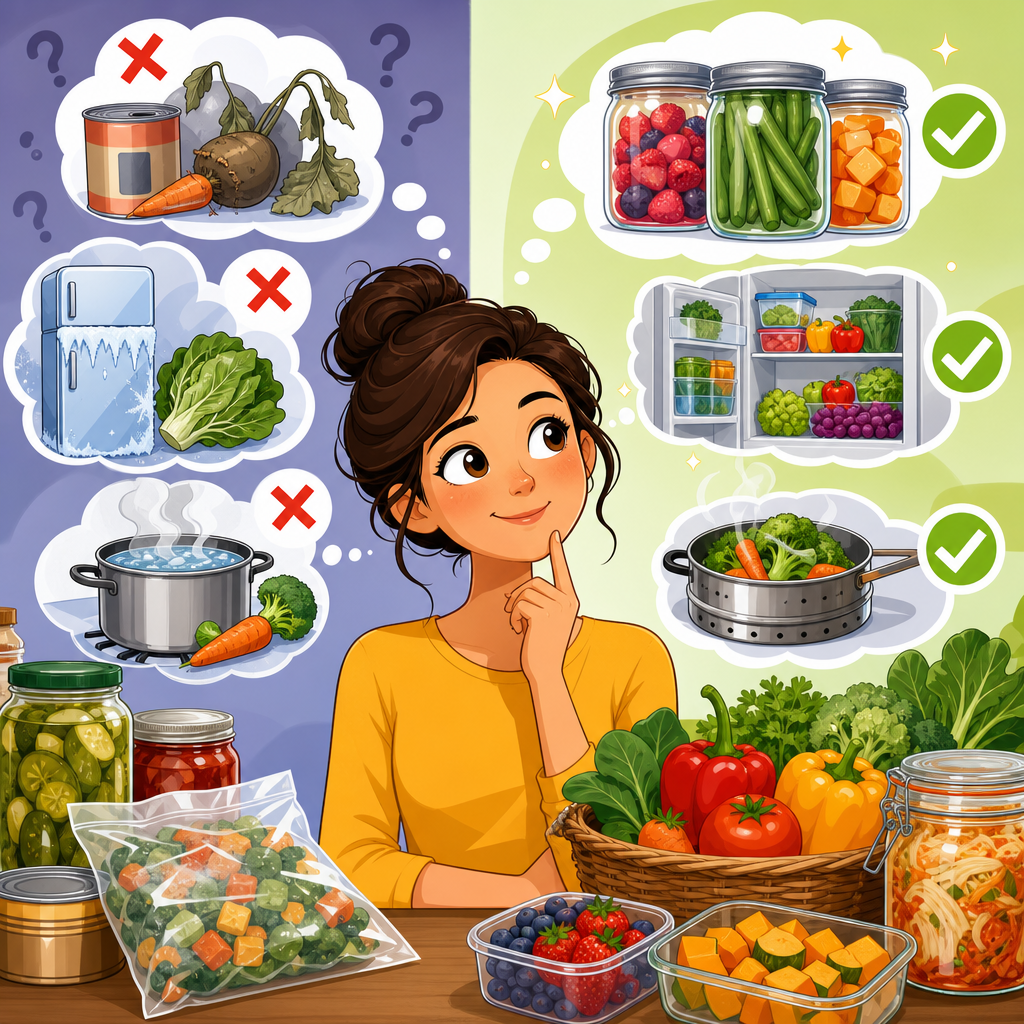
Freezing is one of the strongest methods for preserving nutrients over longer periods. When produce is blanched briefly before freezing, enzymes that would otherwise cause quality deterioration are inactivated. Blanching does cause some loss of water-soluble vitamins, but the tradeoff is usually favorable because frozen storage then stabilizes the food for months. Commercially frozen vegetables are often processed within hours of harvest, which is why frozen broccoli, spinach, peas, and mixed vegetables can be nutritionally competitive with fresh versions held in distribution for days.
Packaging choices matter. Airtight freezer bags, vacuum sealing, and moisture-resistant containers reduce freezer burn, oxidation, and dehydration. Labeling foods with dates improves rotation and prevents “mystery leftovers” from becoming waste. Cooked soups, beans, grains, fish, and poultry usually freeze well if cooled rapidly and portioned into shallow containers. Texture changes are most likely in high-water produce such as lettuce, cucumbers, and raw potatoes, but these foods can still work in cooked applications after freezing. The biggest mistakes are slow cooling, repeated thawing and refreezing, and storing foods so long that quality, though not always safety, declines sharply.
Canning, Drying, and Fermentation: Long Shelf Life with Specific Tradeoffs
Canning uses heat and sealed containers to create shelf-stable food. High-acid foods such as tomatoes, fruits, jams, and pickles can be processed in a boiling-water bath, while low-acid foods such as beans, meats, soups, and most vegetables require pressure canning to control Clostridium botulinum. That distinction is nonnegotiable. Nutritionally, canning preserves minerals, fiber, and macronutrients well, but some heat-sensitive vitamins decline. Even so, canned foods remain valuable because they widen access, reduce waste, and make healthy staples practical year-round. Choosing low-sodium beans, no-sugar-added fruit, and fish packed in water or olive oil improves nutritional quality.
Drying removes water to inhibit microbes and slow enzyme action. Traditional sun drying still exists, but controlled dehydrators and low-temperature ovens offer more reliable results. Dried fruits, herbs, mushrooms, grains, legumes, and jerky can keep for months when protected from moisture and light. Drying concentrates calories and sugars by removing water, which is useful for portability but changes portion size. Some vitamin losses occur, especially with prolonged heat exposure, yet dried foods often remain rich sources of fiber, minerals, and phytonutrients. Proper storage in airtight containers with oxygen absorbers, where appropriate, is critical because moisture reabsorption can quickly ruin the product.
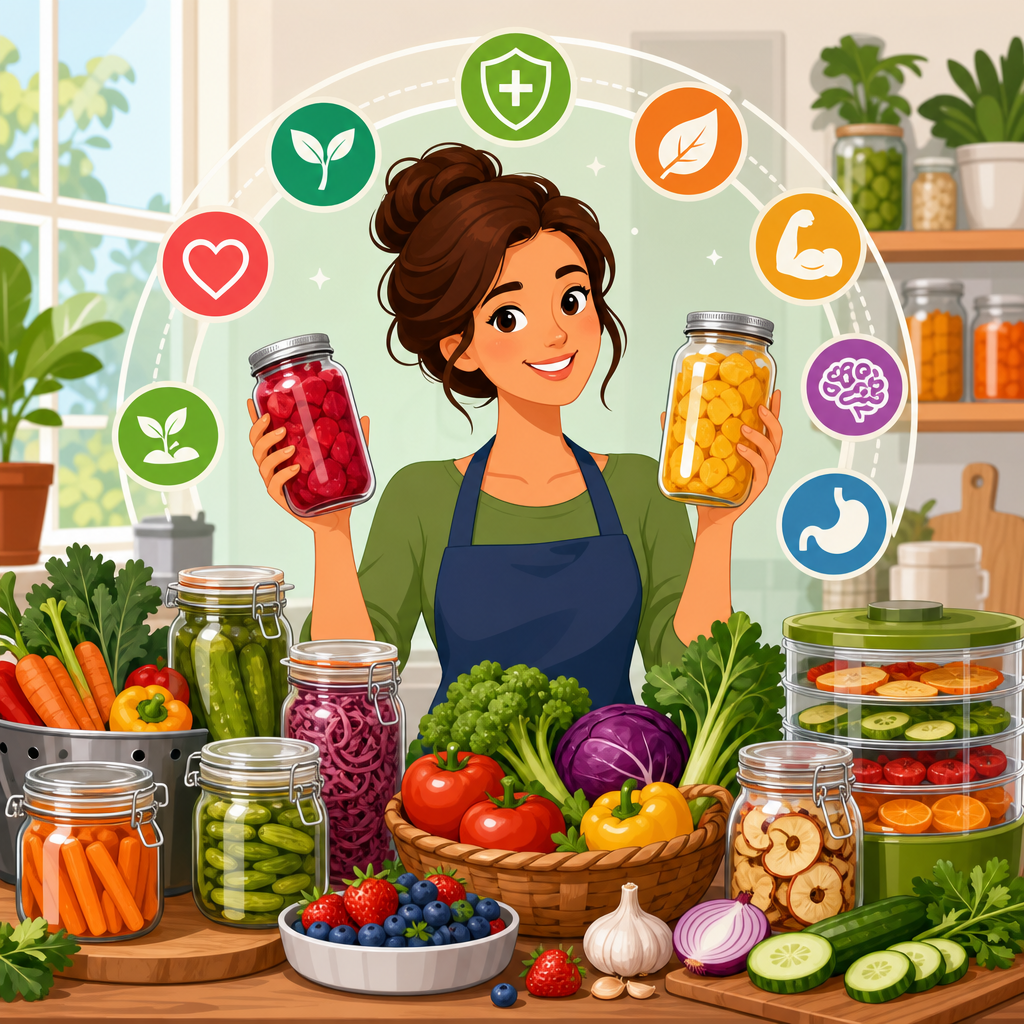
Fermentation preserves food by encouraging beneficial microbes that produce acids, alcohol, or other compounds that suppress spoilage organisms. Yogurt, kefir, kimchi, sauerkraut, tempeh, miso, sourdough, and many pickled vegetables fall into this category. Fermentation can improve digestibility, create beneficial metabolites, and in some cases increase availability of certain nutrients by reducing antinutrients such as phytate. Results vary by food and method, so fermented does not automatically mean healthier. Salt levels can be high, live cultures may not survive pasteurization, and improper home fermentation introduces risk. When done correctly, however, fermentation is one of the most efficient ways to extend shelf life while adding flavor complexity and functional value.
What Different Preservation Methods Do to Nutrition
| Method | Main shelf-life benefit | Typical nutrient effect | Best use case |
|---|---|---|---|
| Refrigeration | Slows spoilage for days to weeks | Good retention if temperature stays low | Fresh produce, dairy, cooked leftovers |
| Freezing | Extends life for months | Excellent retention after quick processing | Vegetables, fruit, fish, batch-cooked meals |
| Canning | Creates shelf-stable foods for months to years | Some vitamin loss, strong mineral and protein retention | Beans, tomatoes, fish, soups, fruit |
| Drying | Reduces water for long storage | Concentrates minerals and fiber, lowers some vitamins | Fruit, herbs, mushrooms, legumes, snacks |
| Fermentation | Uses acids or beneficial microbes to stabilize food | May improve digestibility and bioavailability | Vegetables, dairy, soy foods, breads |
This comparison shows why no single technique dominates in every situation. Freezing is often the best all-around choice for retaining the original nutrient profile, especially for produce and cooked meals. Canning is unmatched for pantry readiness and emergency storage. Drying is efficient for lightweight, stable foods and reducing transport burden. Fermentation adds microbial and culinary value that other methods cannot. Refrigeration remains essential for short-term control and quality maintenance, but it is not a long-term solution for most perishables.
The practical takeaway is to build a mixed preservation strategy. Keep fragile fresh items for immediate use, freeze foods that are approaching peak ripeness, stock canned staples for convenience, dry foods that store well without refrigeration, and include fermented foods for diversity. That combination improves diet quality because it makes nutrient-dense options available in multiple forms, which is exactly what consistent healthy eating requires.
Choosing the Right Method for Fruits, Vegetables, Proteins, and Grains
Produce responds differently depending on structure and nutrient profile. Leafy greens are fragile, so refrigeration with airflow control and minimal washing before storage works best for short-term use, while blanching and freezing are better for longer holding. Berries spoil quickly because of high moisture and delicate skins; refrigeration in breathable containers and freezing on trays before bagging usually outperform canning if the goal is nutrient retention. Tomatoes are unusual because cooking and canning can increase lycopene availability. Root vegetables such as carrots, beets, and potatoes store well in cool, dark conditions, although cut forms should be refrigerated promptly.
Animal proteins demand strict temperature control. Refrigeration buys limited time; freezing is the safest way to preserve raw poultry, meat, and seafood for longer periods. Fatty fish are especially prone to oxidation, so vacuum sealing and cold storage are important. Canned tuna, sardines, and salmon provide protein, omega-3 fats, and, in the case of bone-in salmon and sardines, meaningful calcium. Eggs keep well under refrigeration but are poor candidates for freezing in shell; liquid eggs freeze better. Dairy varies widely: hard cheeses age well, yogurt is refrigerated, and milk powder offers a shelf-stable alternative with strong protein and mineral retention.
Grains and legumes are preservation success stories. Dried beans, lentils, oats, brown rice, quinoa, and whole wheat store well when kept cool, dry, and protected from oxygen and pests. The main risk is rancidity in higher-fat whole grains and flours. I recommend buying whole-grain flour in smaller quantities or freezing it, because once the bran and germ are exposed, oxidation speeds up. Cooked grains and beans should be cooled quickly and refrigerated or frozen to prevent bacterial growth. This is particularly important for rice, which can harbor Bacillus cereus spores that survive cooking and multiply if rice is held warm too long.
Storage Practices That Protect Nutrients and Cut Food Waste
Good preservation depends as much on handling as on the method itself. The highest-yield habits are simple: maintain correct temperatures, store foods in the right humidity, use clean containers, date everything, rotate older items forward, and divide large batches into usable portions. Produce drawers are designed for humidity control, but many households ignore the settings. High humidity suits leafy greens and herbs; lower humidity suits fruits that emit ethylene, such as apples. Separating ethylene producers from sensitive produce like broccoli, cucumbers, and lettuce extends shelf life noticeably.
Light and oxygen are major but overlooked drivers of nutrient loss. Oils, nuts, seeds, spices, and whole-grain flours keep better in opaque, airtight containers away from heat. Milk loses riboflavin with light exposure, which is one reason opaque packaging performs better than clear containers. Once a package is opened, headspace matters: transferring foods into smaller containers reduces oxygen exposure. For leftovers, shallow containers speed cooling, and reheating only what will be eaten helps preserve both safety and quality.
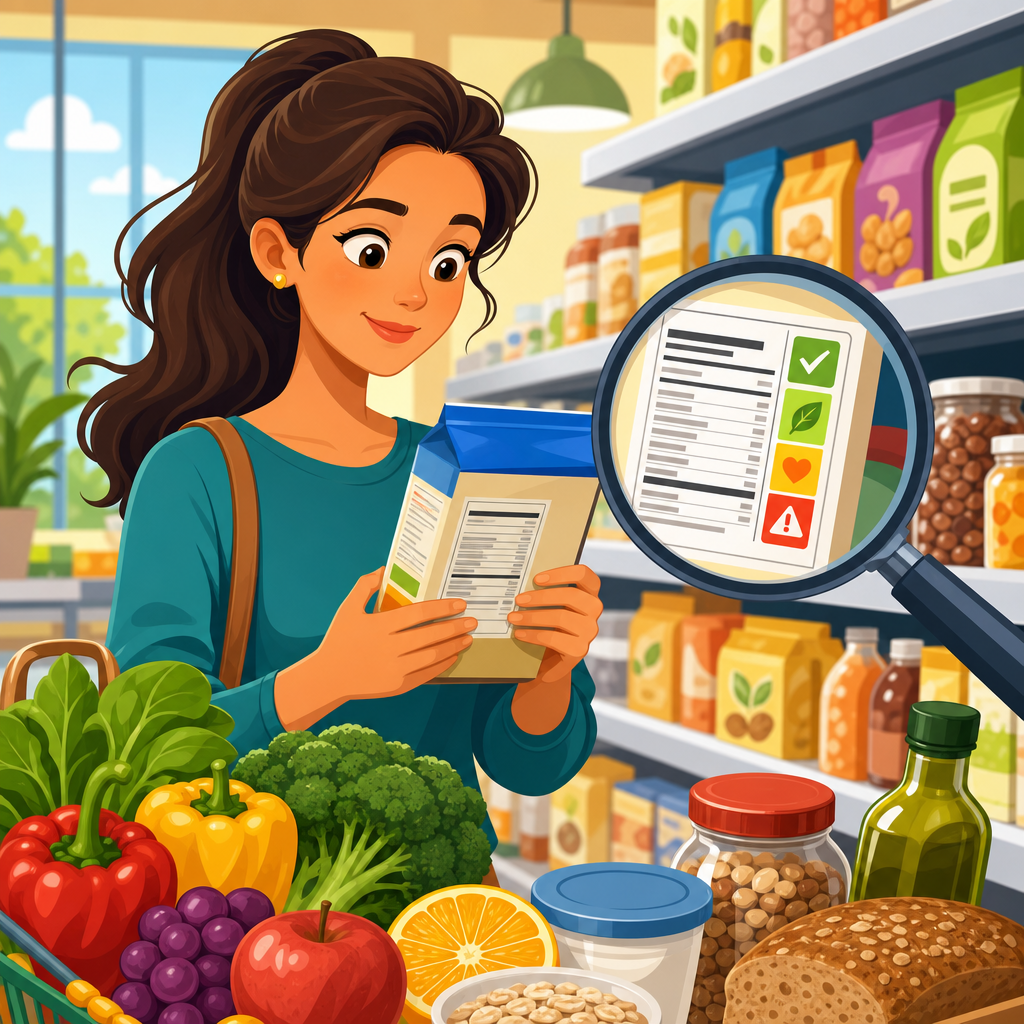
Label dates also need interpretation. “Best by” usually refers to quality, not safety, while “use by” may be more important for highly perishable items. Sensory checks still matter, but they are not enough for risky foods. A systematic home approach works best: weekly inventory, planned use of the most perishable items first, and preservation of surplus before quality declines. If bananas are overripe, freeze them for smoothies or baking. If herbs begin to wilt, dry them or blend them into pesto and freeze in cubes. These small interventions improve nutrient access precisely because they prevent edible food from turning into garbage.
Building a Healthy, Sustainable Preservation Strategy
Maximizing your health with food preservation and nutrient retention comes down to one principle: preserve food in ways that protect safety, maintain nutritional value, and fit how you actually eat. Refrigeration and freezing are the strongest daily tools for preserving quality. Canning provides reliable shelf stability and convenience. Drying offers low-moisture storage with concentrated nutrients, and fermentation adds flavor, variety, and functional benefits. None of these methods is universally best; each excels when matched to the right food and storage goal.
The biggest advantage of mastering preservation is consistency. When vegetables are frozen at peak quality, beans and fish are stocked in the pantry, grains are stored properly, and leftovers are cooled and portioned correctly, healthy choices become easier and cheaper. You waste less, shop more efficiently, and stay prepared for busy weeks without relying on highly processed convenience foods. That is the real connection between food science and sustainability: preserving nutrition while extending usability reduces both dietary gaps and environmental burden.
Use this hub as your starting point for smarter food handling. Audit your refrigerator and pantry, check temperatures, learn which foods freeze or can well, and build a routine that preserves nutrients before they disappear. Small storage changes produce measurable health benefits over time, and the best time to start is with the food already in your kitchen today.
Frequently Asked Questions
What is the difference between food preservation and nutrient retention, and why do both matter for health?
Food preservation and nutrient retention are closely related, but they are not exactly the same thing. Food preservation refers to the methods used to keep food safe, fresh, and usable for longer by slowing or preventing spoilage. Spoilage can be caused by bacteria, mold, yeast, enzymes, oxygen exposure, moisture changes, and light. Nutrient retention, on the other hand, is about how much of a food’s original nutritional value remains intact during storage, handling, processing, and cooking. A food may still look acceptable to eat, but it can lose meaningful amounts of vitamin C, certain B vitamins, antioxidants, and other sensitive compounds if it is not stored or prepared properly.
Both matter because healthy eating is not just about choosing nutrient-rich foods at the store. It is also about protecting those nutrients until the moment you eat them. For example, vegetables left too long in warm temperatures may lose quality quickly, while grains or legumes stored in poor conditions can develop spoilage or become less appealing and harder to use. Proper preservation helps reduce food waste, improves food safety, and makes it easier to keep nutritious ingredients available at home. Strong nutrient retention ensures that the foods you rely on for vitamins, minerals, fiber, protein, and phytonutrients continue to support immunity, energy production, digestion, muscle maintenance, and long-term disease prevention.
In practical terms, the healthiest approach combines both goals. You want foods to stay safe and edible, but you also want to minimize unnecessary nutrient loss. That means paying attention to temperature, storage time, packaging, moisture control, and cooking methods. When preservation and nutrient retention work together, you get more value from every meal, make your grocery budget go further, and create a more consistent foundation for overall health.
Which food preservation methods best protect nutrients while still extending shelf life?
Some preservation methods are especially effective because they extend shelf life without causing major nutrient losses. Freezing is one of the best examples. When fruits, vegetables, cooked grains, soups, fish, or lean proteins are frozen promptly and stored well, freezing can preserve much of their nutritional value. In many cases, frozen produce compares very well with fresh produce, particularly if the fresh version has spent days in transport and storage. While blanching before freezing can reduce small amounts of heat-sensitive vitamins, freezing still remains one of the most practical and nutrient-friendly preservation tools available in everyday life.
Refrigeration is another important method because it slows microbial growth and enzyme activity without exposing food to high heat. It works especially well for produce, dairy, eggs, cooked leftovers, and prepared meals. However, refrigeration is best thought of as short-term preservation. Nutrients can still decline over time, so using refrigerated foods within reasonable windows is important. Drying and dehydration can also be effective, especially for beans, grains, herbs, and certain fruits. These methods reduce moisture, which slows spoilage, but some heat-sensitive compounds may decline depending on the drying temperature and duration.
Canning can provide excellent shelf stability and safety, but it may reduce certain vitamins because of the heat involved. Even so, canned foods can still be highly nutritious and incredibly useful, especially when fresh options are limited. Fermentation is another valuable method because it preserves food while also potentially enhancing flavor, digestibility, and beneficial microbial content in foods such as yogurt, kefir, kimchi, and sauerkraut. Vacuum sealing and oxygen-reducing packaging can further protect quality by limiting oxidation, especially when combined with refrigeration or freezing.
The best method depends on the food itself. Delicate berries may do well frozen, root vegetables may store well in cool conditions, whole grains benefit from dry airtight storage, and leftovers are often best chilled quickly and used soon. The most effective strategy is not relying on one technique, but matching the preservation method to the food so that safety, taste, texture, and nutritional value are all maintained as much as possible.
How do storage conditions like temperature, light, air, and moisture affect vitamin and mineral loss?
Storage conditions have a major influence on how quickly food quality declines. Temperature is one of the most important factors. Warmer conditions speed up chemical reactions, enzyme activity, and microbial growth, all of which can reduce freshness and nutrient quality. Many perishable foods, including leafy greens, berries, dairy products, cooked meals, and cut produce, lose quality much faster when left at room temperature. Cold storage slows these processes significantly, which is why refrigeration and freezing are so effective for preserving both safety and nutrition.
Light also matters, especially for foods containing light-sensitive nutrients. Riboflavin, for example, can degrade with light exposure, and fats can develop off-flavors when light contributes to oxidation. That is one reason oils, dairy products, and certain packaged foods benefit from opaque or dark containers. Air exposure is another key factor because oxygen drives oxidation. Oxidation can damage fats, dull flavors, and reduce levels of certain vitamins and antioxidants. Once produce is cut, blended, or juiced, its surface area increases and exposure to oxygen rises, which often speeds nutrient loss.
Moisture plays a dual role. Too much moisture can encourage mold, bacteria, and texture breakdown, while too little can lead to shriveling and quality loss in fresh produce. For shelf-stable foods such as flour, grains, nuts, seeds, and dried beans, controlling humidity helps prevent spoilage and rancidity. For fresh foods, the goal is often balancing moisture retention without trapping excess condensation that encourages decay. Packaging choices matter here: breathable produce bags, airtight containers, and moisture-absorbing materials can all be useful depending on the food.
Time ties all of these factors together. Even under excellent storage conditions, nutrients gradually decline. That is why the phrase “fresh is best” is only partly true. What matters more is how long the food has been stored and under what conditions. A vegetable frozen soon after harvest may retain more nutritional value than a fresh vegetable that has sat for a week or longer. Understanding storage fundamentals helps you protect the nutritional quality of your food more effectively and make smarter choices about when to refrigerate, freeze, seal, or use items right away.
What cooking methods help retain the most nutrients in fruits, vegetables, proteins, and grains?
Cooking can either protect or reduce nutrients, depending on the method used. In general, shorter cooking times, lower water use, and moderate heat tend to support better nutrient retention. Steaming is often one of the best methods for vegetables because it softens food and improves digestibility while limiting the nutrient losses that happen when vitamins leach into large amounts of cooking water. Microwaving can also be surprisingly effective because it usually cooks food quickly with minimal added water. Stir-frying and sautéing can work well too, especially when done briefly over moderate heat.
Boiling is one of the methods most likely to reduce water-soluble nutrients such as vitamin C and several B vitamins, especially when the cooking water is discarded. That does not mean boiling is always a poor choice, but it is best used thoughtfully. If you boil vegetables, using the cooking liquid in soups, stews, or sauces can help recover some of the nutrients that moved into the water. Roasting and baking can preserve minerals and fiber well, though very high heat or extended cooking times may reduce certain delicate compounds. Pressure cooking can sometimes offer a good balance by shortening cooking time substantially, which may help preserve nutrients despite the use of heat.
For proteins such as fish, poultry, eggs, beans, and lentils, nutrient retention is usually less about vitamin loss and more about preventing excessive heat damage, dryness, or unhealthy additions. Gentle baking, steaming, poaching, simmering, or pressure cooking can maintain quality well. With grains and legumes, proper cooking improves digestibility and can make nutrients more bioavailable, even if some losses occur. In other words, the most nutritious food is not always the least cooked food. Sometimes preparation actually helps the body absorb more of what is there.
The best practical advice is to avoid overcooking. Cook vegetables until just tender rather than limp, store cut produce only as long as needed, and choose methods that fit both the food and your routine. Also remember that eating a wide variety of fruits, vegetables, whole grains, legumes, nuts, seeds, and quality proteins matters more than chasing perfect nutrient preservation in every single dish. Consistency, variety, and sensible cooking habits deliver the biggest long-term benefits.
What are the best everyday strategies for maximizing nutrient retention at home and reducing food waste?
The most effective everyday strategy is planning ahead so foods are used at the right time and stored in the right way. Start by buying realistic amounts, especially for highly perishable foods like berries, salad greens, fresh herbs, seafood, and ripe fruit. Once home, refrigerate or freeze perishable items promptly, and avoid letting groceries sit out longer than necessary. Organizing your refrigerator so older items are visible and used first can make a major difference. Good food preservation begins with habits, not just equipment.
Another smart approach is to prepare foods in stages rather than all at once. Washing and chopping can save time, but cutting produce too far in advance may increase exposure to oxygen and moisture loss. For some foods, it is better to wash just before use, while for others, careful prep