Food preservation and nutrient retention are inseparable topics because the value of food depends not only on how long it lasts, but on how much of its original nutrition remains available when people finally eat it. In food science, preservation means slowing spoilage caused by microbes, enzymes, oxidation, moisture loss, or physical damage. Nutrient retention refers to the proportion of vitamins, minerals, protein quality, healthy fats, and beneficial phytochemicals that survive harvesting, processing, storage, and cooking. When I evaluate preservation methods, I look at both safety and nutritional outcome, because shelf life without nourishment is a hollow win, and nutrition without stability often leads to waste. The science matters for households, manufacturers, schools, hospitals, and food systems trying to feed more people with fewer losses.
Preservation has shaped civilization for centuries, from drying grains and salting fish to canning vegetables and freezing berries. Today, the question is not whether preserved food can be healthy, but which methods best protect specific nutrients under specific conditions. Different foods degrade in different ways. Vitamin C is highly sensitive to oxygen and heat, thiamin can decline during prolonged heating, unsaturated fats oxidize when exposed to light and air, and carotenoids may become more bioavailable after thermal processing even when total levels decrease slightly. That complexity is why broad claims such as “fresh is always best” or “processed means less nutritious” fail under scrutiny. A fresh spinach leaf held too long in a warm distribution chain may deliver less vitamin C than properly frozen spinach processed near harvest.
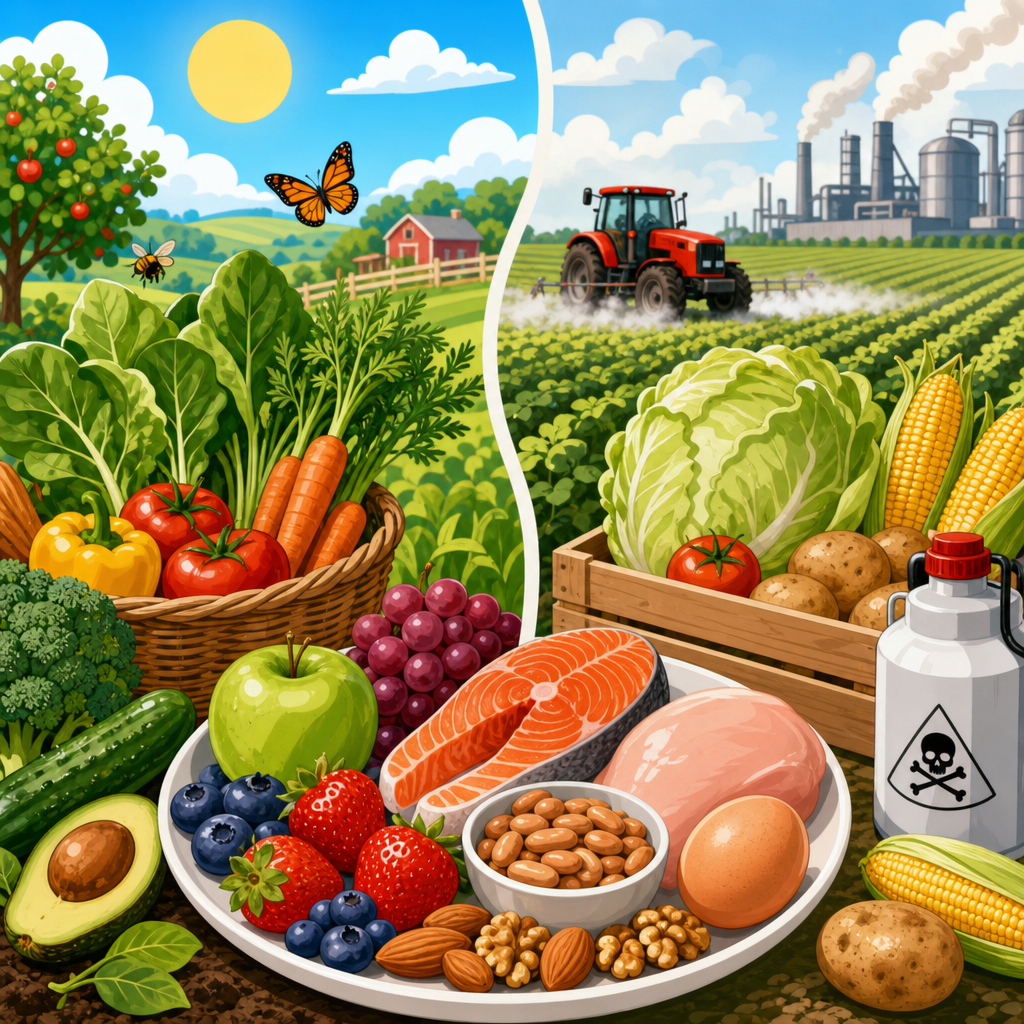
This topic also sits at the center of sustainability. The Food and Agriculture Organization has long estimated that a large share of food produced globally is lost or wasted, and spoilage is one of the main causes. Effective preservation reduces losses after harvest, extends market reach for farmers, stabilizes seasonal supply, and improves food security during disruptions. It can also lower the environmental burden per edible nutrient by keeping food usable for longer. For readers exploring food science and sustainability, this hub explains what preservation methods do, how they affect nutrients, where the tradeoffs are, and how to choose methods that protect both health and resources.
How food spoils and why nutrients decline
Food spoilage is driven by several mechanisms, and each one affects nutrient retention differently. Microbial growth by bacteria, yeasts, and molds can make food unsafe or unpalatable. Enzymatic activity continues after harvest in many plant foods, leading to browning, texture changes, and nutrient loss. Oxidation damages fats, pigments, and sensitive vitamins. Moisture migration can dry foods out or create conditions that favor microbes. Temperature abuse accelerates almost all of these pathways. In practical terms, the clock starts at harvest or slaughter, not at purchase, which is why handling before food reaches the consumer matters so much.
Many nutrients are stable, but several are vulnerable. Water-soluble vitamins, especially vitamin C and folate, often decline first during storage and cooking. Fat-soluble vitamins such as A and E can be lost through oxidation. B vitamins vary: riboflavin is light sensitive, while thiamin is particularly vulnerable to heat in some systems. Minerals are generally stable, but they can leach into cooking water. Protein usually survives preservation well, though texture and digestibility can change. Fiber remains largely intact. Polyphenols and other plant compounds may decrease, remain stable, or become easier to absorb depending on the treatment and the food matrix.
One of the most important scientific ideas here is that nutrient retention is not only about total content; it is also about bioavailability. Tomatoes provide a classic example. Thermal processing can reduce some vitamin C, yet it can increase the bioavailability of lycopene because heat breaks down cell walls and changes the compound into forms the body absorbs more readily. Similarly, cooking carrots can improve access to beta-carotene. This means that preservation should be judged by the full nutritional outcome, not by one vitamin measured in isolation.
What major preservation methods do to nutrition
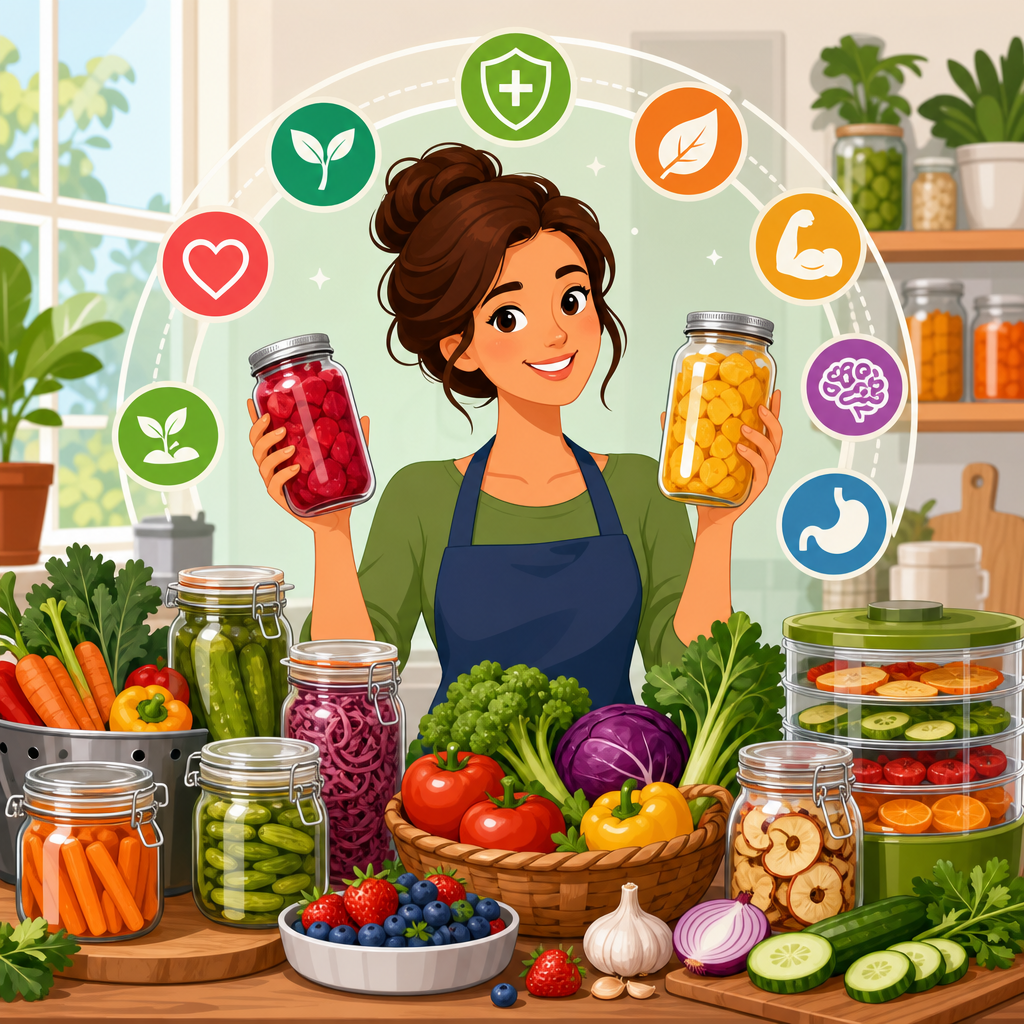
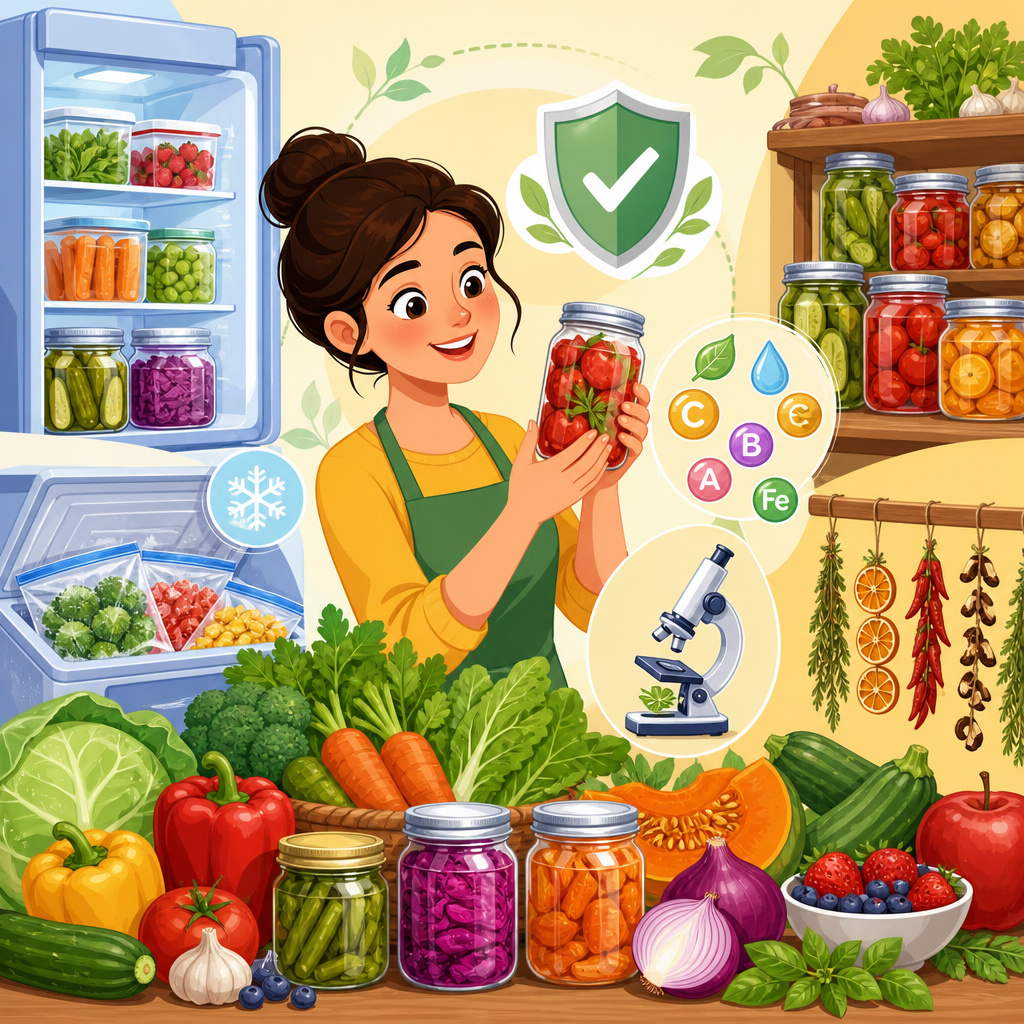
Different preservation methods work by controlling one or more spoilage factors: temperature, water activity, acidity, oxygen, microbial load, or pressure. Refrigeration slows microbial growth and enzymatic action but does not stop them completely. Freezing halts most microbial growth and sharply slows chemical reactions, making it one of the best methods for preserving nutrients over time when blanching and storage are managed well. Canning uses heat to destroy pathogens and spoilage organisms in sealed containers; it can cause losses in heat-sensitive vitamins, yet it offers excellent stability and safety. Drying removes water, limiting microbial growth, but exposure to heat and oxygen can reduce vitamin C and some antioxidants.
Fermentation is different because it deliberately uses beneficial microbes to create acid, alcohol, or other compounds that preserve food. Yogurt, kimchi, sauerkraut, tempeh, and kefir are preserved foods with distinct nutritional profiles. Fermentation can improve digestibility, reduce certain antinutrients, and in some cases increase B vitamins or generate beneficial metabolites, though exact effects vary by strain, recipe, and storage. Pickling preserves by acidification, often with vinegar, and can protect vegetables for long periods, though sodium levels may be high. Vacuum sealing and modified atmosphere packaging reduce oxygen exposure and can extend shelf life, particularly for meats, salads, and coffee, but they do not replace safe temperature control.
| Method | Main preservation mechanism | Typical nutrient impact | Best use case |
|---|---|---|---|
| Refrigeration | Slows microbial and enzymatic activity | Good short-term retention; gradual vitamin loss continues | Fresh produce, dairy, cooked leftovers |
| Freezing | Stops microbial growth and slows reactions | Excellent retention, especially when frozen soon after harvest | Vegetables, fruit, fish, meat, prepared meals |
| Canning | Heat treatment plus airtight sealing | Some heat-sensitive vitamin loss; strong long-term stability | Beans, tomatoes, fish, soups, fruit |
| Drying | Reduces water activity | Concentrates minerals and fiber; can lower vitamin C | Herbs, fruit, grains, jerky |
| Fermentation | Acid production by beneficial microbes | Variable; may improve digestibility and some bioactive compounds | Dairy, vegetables, soy foods |
In commercial settings, newer methods such as high-pressure processing, pulsed electric fields, and freeze-drying can preserve quality with less thermal damage. High-pressure processing is widely used for refrigerated juices, dips, and deli meats because it inactivates many microbes while preserving fresh-like flavor and some heat-sensitive nutrients better than conventional heating. Freeze-drying removes water at low temperatures under vacuum and is especially effective for preserving structure, flavor, and many nutrients, though it is expensive. These methods show that preservation science keeps advancing beyond the old tradeoff of shelf life versus nutrition.
Why frozen and canned foods can be highly nutritious
Consumers often assume frozen or canned foods are nutritionally inferior to fresh foods, but controlled comparisons tell a more nuanced story. Frozen produce is commonly blanched and frozen close to harvest, locking in nutrients at a point when the crop is ripe. Because transport and retail display can take days or weeks, fresh produce may continue losing vitamin C, folate, and sensory quality before it reaches the plate. In my own shelf-life reviews, frozen peas, corn, and spinach routinely performed very well nutritionally compared with “fresh” versions stored under typical retail and household conditions.
Canned foods are also underestimated. Canned beans retain protein, fiber, iron, magnesium, and many other nutrients very well, while offering convenience that often increases actual consumption. Canned tomatoes are a standout example because processing improves lycopene availability. Canned salmon and sardines provide protein, omega-3 fatty acids, and, when bones are included, highly absorbable calcium. Heat treatment does reduce some vitamin C and certain B vitamins, but the overall food can still be nutrient dense. For many families, the benefit of an affordable, stable, ready-to-use food outweighs modest losses in heat-sensitive compounds.
The key is product selection. Choose canned items packed in water, juice, or low-sodium brine when possible, and compare labels for added sugars and sodium. For frozen items, plain vegetables and fruit usually deliver the best nutritional value, while breaded or sauce-heavy products may add saturated fat or salt. This is not a reason to avoid preserved foods; it is simply a reminder that preservation method and formulation are separate issues. A frozen broccoli floret and a frozen cheese-covered side dish belong in different nutritional conversations.
Method-specific tradeoffs: heat, water, oxygen, and time
Every preservation technique has tradeoffs, and science gives a practical framework for understanding them. Heat is excellent for food safety and shelf stability, but prolonged heating can degrade vitamin C, folate, and some sensory compounds. Water contact can cause leaching of water-soluble nutrients, which is why blanching and boiling require careful time control. Oxygen exposure drives oxidation in oils, nuts, whole grains, and dehydrated foods. Time amplifies all losses, even under good storage conditions. The best method is often the one that minimizes the most relevant stress for a specific food.
Take berries, for example. They are highly perishable and rich in vitamin C and polyphenols. Refrigeration helps only briefly. Freezing usually preserves them well, while drying can concentrate sugars and lower some sensitive compounds. For legumes, drying is highly effective because beans are naturally suited to low moisture storage, and protein, starch, and minerals remain stable. For milk, pasteurization and ultra-high-temperature treatment extend safety and shelf life with some vitamin changes, but the product remains a major source of protein and calcium. For meats, curing and smoking preserve effectively, yet sodium and nitrosamine concerns mean these methods should be used with balance.
Packaging often determines whether a preservation method succeeds. Oxygen barriers, light protection, and moisture control are critical. Milk in opaque containers protects riboflavin better than milk in clear packaging exposed to light. Vacuum-packed nuts and whole grains resist rancidity longer than loosely stored products. Once a package is opened, the preservation environment changes completely. This is why opened canned foods must be refrigerated, dried foods need resealing, and frozen foods should be protected from freezer burn with airtight packaging.
Preservation, public health, and sustainability
Food preservation supports public health by improving safety, access, and dietary consistency. Thermal processing, refrigeration, freezing, acidification, and dehydration all reduce the risk of foodborne illness when applied correctly. Standards from agencies such as the USDA, FDA, EFSA, and Codex Alimentarius exist because preservation is not guesswork; it is a controlled intervention grounded in microbiology, thermodynamics, and process validation. For vulnerable populations such as older adults, infants, and immunocompromised people, stable and safe foods are not a convenience alone. They are essential.
Preservation also reduces waste across the supply chain. A surplus tomato crop can become canned tomatoes or sauce instead of spoiling in the field. Fish can be frozen near the point of catch, preserving quality and extending distribution. Imperfect fruit can be dried, pureed, or frozen, creating value from food that might otherwise be discarded. From a sustainability standpoint, preserving edible food usually saves more resources than replacing wasted food later, because land, water, fertilizer, fuel, and labor have already been invested in producing it. This is especially important for nutrient-dense foods with high environmental footprints, including meat and dairy.
At home, preservation changes purchasing behavior in useful ways. People who keep frozen vegetables, canned beans, shelf-stable milk, or fermented foods on hand are less likely to lose meals to spoilage and less likely to rely solely on ultra-processed convenience items. Home canning and dehydration can be effective, but they require strict adherence to tested protocols. Low-acid foods such as green beans, corn, and meat must be pressure canned to control Clostridium botulinum. Inadequate home preservation is one area where confidence without science can create real danger.
How to choose the best preserved foods for nutrient retention
The most reliable rule is to match the method to the food and the eating pattern. If you will use delicate produce within a day or two, fresh may be ideal. If not, frozen may protect more nutrients and prevent waste. If convenience drives whether a food gets eaten at all, canned or shelf-stable versions can be nutritionally smart choices. Read labels with a narrow focus: ingredient list, sodium, added sugars, packing medium, and serving size. Then consider storage conditions at home, because a good product can still lose quality in a warm pantry, a bright windowsill, or a frequently opened freezer.
Cooking technique after preservation matters too. Steam or microwave vegetables with minimal water to reduce leaching. Use canning liquid from vegetables or beans in soups when appropriate, since some dissolved nutrients move into the liquid. Avoid repeated reheating, which compounds losses. Rotate stock using first in, first out principles. For oils, nuts, and whole grain flours, use cool, dark storage or refrigeration to limit oxidation. For fermented foods, check whether live cultures are present at the time of consumption if that attribute matters to you.
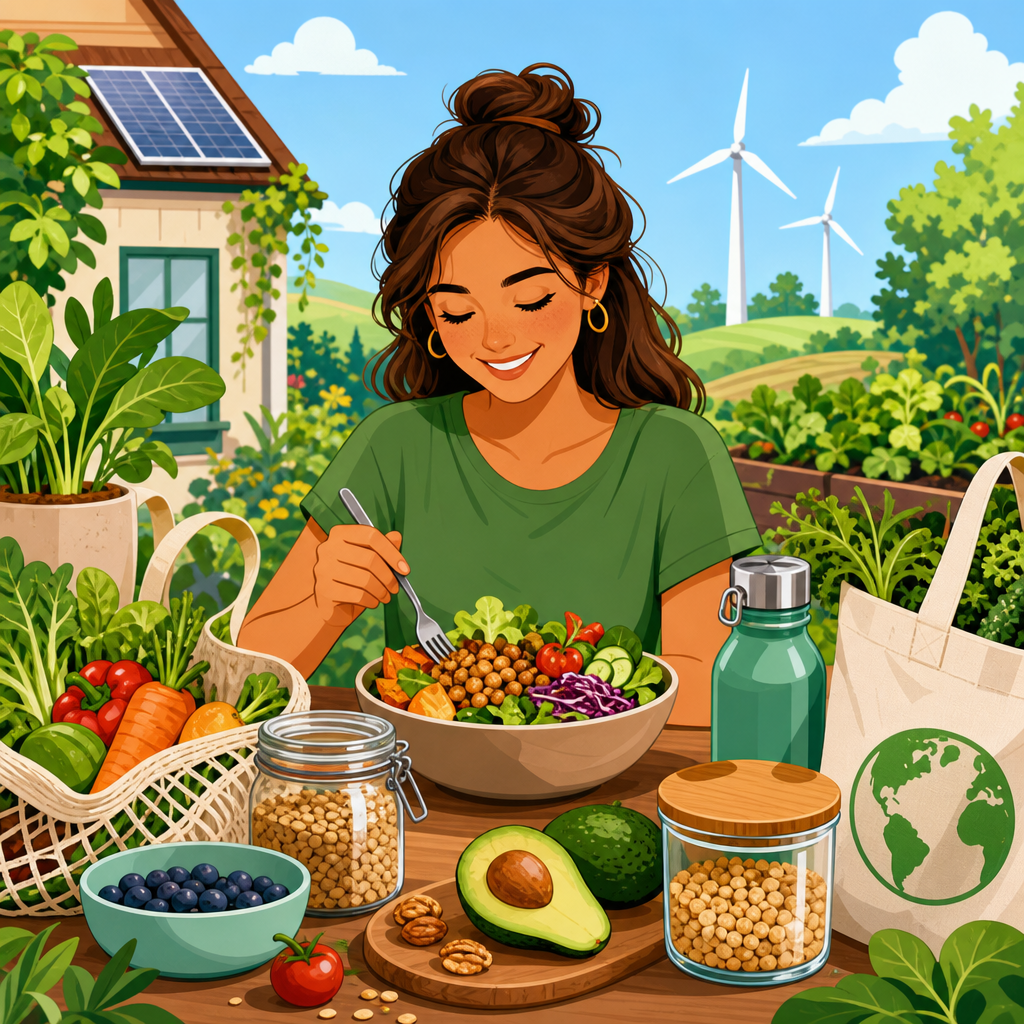
The science is clear: food preservation is not the enemy of nutrition. It is one of the main tools for protecting nutrients, expanding access, and reducing waste when used correctly. Fresh, frozen, canned, dried, and fermented foods all have a place in a healthy, sustainable diet. The smartest approach is not to rank them by ideology, but to understand what each method preserves well, what it compromises, and how that fits your needs. Build meals around a mix of preserved and fresh foods, store them properly, and use preservation as it was meant to be used: to keep good food safe, available, and nourishing for longer.
Frequently Asked Questions
1. What does food preservation actually do, and how is it connected to nutrient retention?
Food preservation is the science and practice of slowing down the natural processes that make food deteriorate after harvest, processing, or preparation. Those processes include microbial growth, enzymatic activity, oxidation, moisture changes, and physical damage. Preservation methods such as refrigeration, freezing, drying, canning, fermentation, vacuum sealing, and modified-atmosphere packaging are designed to reduce the speed of spoilage and keep food safe for longer periods. Nutrient retention is closely tied to this because food only delivers its nutritional value if those nutrients are still present and usable at the time of consumption. In other words, shelf life and nutritional quality are not separate issues; they are part of the same outcome.
From a scientific standpoint, preservation can either protect nutrients or reduce them, depending on the method, the food, and the storage conditions. For example, freezing often preserves vitamins, minerals, and protein quite effectively because it slows enzyme activity and microbial growth without exposing the food to high heat. By contrast, prolonged exposure to oxygen, light, and warm temperatures can steadily degrade nutrients such as vitamin C, folate, and certain antioxidants. This is why a well-preserved food can sometimes provide more nutrition than a “fresh” food that has spent many days in transport, display, and home storage. The key insight from food science is that preservation is not simply about making food last longer; it is about managing time, temperature, oxygen, moisture, and processing stress so that as much original nutritional value as possible remains intact.
2. Do preserved foods lose nutrients compared with fresh foods?
Not always, and this is one of the most important points that science helps clarify. The idea that preserved food is automatically less nutritious than fresh food is too simplistic. Nutrient changes depend on many variables, including the food itself, how quickly it was processed after harvest, the preservation method used, storage duration, and cooking practices before eating. Fresh produce begins changing immediately after harvest. Vitamins can degrade, moisture can be lost, textures can soften, and oxidation can reduce certain beneficial compounds. So while fresh food can be highly nutritious, its advantage is not guaranteed if it spends a long time in transit or in the refrigerator before it is eaten.
In many cases, preserved foods compare very well nutritionally. Frozen fruits and vegetables, for instance, are often processed soon after harvest, which helps lock in many nutrients at a relatively high level. Canned foods may lose some heat-sensitive vitamins during processing, but they often retain minerals, fiber, and macronutrients very well, and some compounds become more available after heating. Tomatoes are a classic example: processing can reduce some vitamin C, yet increase the bioavailability of lycopene, a carotenoid associated with health benefits. Drying can concentrate minerals and calories by removing water, although some delicate vitamins may decline. Fermentation may change nutrient profiles in more complex ways, sometimes improving digestibility and supporting beneficial microbes. The scientific conclusion is that preserved foods should be evaluated individually, not dismissed broadly. In many practical situations, preserved foods are excellent nutritional options, especially when they help people eat more fruits, vegetables, legumes, fish, and other nutrient-dense foods consistently.
3. Which preservation methods are best for protecting vitamins, minerals, and other beneficial compounds?
There is no single best method for every nutrient or every food, but some patterns are well established. Freezing is widely regarded as one of the strongest all-around methods for nutrient retention because it slows the major causes of spoilage without requiring intense heat. Protein, carbohydrates, fats, and minerals usually remain stable in frozen foods, while many vitamins are also retained well, especially when storage temperatures stay consistent. However, the blanching step used before freezing some vegetables can reduce certain water-soluble vitamins. Even so, freezing often preserves nutritional quality better over time than leaving food fresh but unrefrigerated or poorly stored.
Canning is highly effective for safety and long shelf life, but because it uses heat, some heat-sensitive nutrients may decline. Even so, canning preserves many minerals, fibers, and calories reliably, and it can make some compounds easier for the body to absorb. Drying and dehydration are useful for reducing water activity and preventing spoilage, but they can expose foods to oxygen and heat, which may affect vitamins such as vitamin C and some phytonutrients. Freeze-drying generally protects nutrients better than conventional drying because it removes water at low temperatures, though it is more expensive. Fermentation deserves special attention because it not only extends shelf life but can also alter the food in beneficial ways, such as improving digestibility, producing certain bioactive compounds, and supporting a healthier microbial profile. Ultimately, the best preservation method depends on the nutrient of interest, the food matrix, storage time, and how the food will be prepared and consumed. Food science consistently shows that effective preservation is about minimizing the specific forms of damage most likely to affect a particular food.
4. Why do some nutrients decline during storage and processing, even when food is preserved?
Nutrients are not all equally stable. Some are naturally resilient, while others are highly sensitive to heat, oxygen, light, pH changes, moisture, and enzyme activity. Water-soluble vitamins such as vitamin C and folate are among the most vulnerable, which is why they often decline during long storage periods, repeated reheating, or high-temperature processing. Fat-soluble compounds, including certain carotenoids and vitamins, can also be affected, particularly when fats oxidize. Polyphenols and other phytochemicals may change over time as well, although their responses can be complex and food-specific. Meanwhile, minerals are generally much more stable, but they can still be lost through leaching into cooking water or discarded liquid.
Processing and storage influence these nutrients through several mechanisms. Heat can break down delicate compounds. Oxygen can trigger oxidation, which degrades fats, pigments, and antioxidant molecules. Light can damage sensitive vitamins, especially in transparent packaging. Moisture shifts can affect texture and concentration, while enzymes naturally present in the food continue to act unless they are inactivated by cooling, blanching, drying, or acidification. Time matters too: even under good conditions, small nutrient losses can accumulate. This is why food scientists focus not only on the moment of preservation, but on the entire chain from harvest to processing, packaging, transport, retail, home storage, and final preparation. Preserving nutrition successfully means controlling all the factors that can chip away at quality before the food reaches the plate.
5. How can consumers maximize nutrient retention when buying, storing, and preparing preserved foods?
Consumers have more influence than they may realize. Nutrient retention does not depend only on the manufacturer or preservation method; it also depends on what happens at home. A smart first step is choosing preserved foods with minimal unnecessary additives and packaging that protects against oxygen, moisture, and light. Frozen foods should be kept solidly frozen and not repeatedly thawed and refrozen. Canned foods should be stored in a cool, dry place and rotated so older items are used first. Dried foods should be sealed tightly to limit moisture absorption and oxidation. Fermented foods often need refrigeration or careful storage according to label instructions to maintain quality and safety.
Preparation habits matter just as much. Cooking for the shortest effective time, using minimal water when appropriate, and avoiding repeated reheating can help protect sensitive nutrients. If canned vegetables or beans are used, the liquid may contain leached nutrients, although sodium content should also be considered depending on dietary needs. Microwaving and steaming often preserve nutrients better than prolonged boiling because they reduce both cooking time and nutrient loss into water. It is also helpful to think in terms of the whole diet rather than one processing step. A preserved food that is convenient, affordable, safe, and likely to be eaten regularly can make a major nutritional contribution. Science supports a practical takeaway: the best preserved food is not simply the one with the highest theoretical nutrient value at processing, but the one that remains safe, appealing, and nutrient-dense by the time it is actually consumed.