Food preservation and nutrient retention shape the quality, safety, affordability, and health value of nearly everything people eat. In food science, preservation means slowing spoilage caused by microbes, enzymes, oxygen, light, and moisture loss or gain. Nutrient retention refers to how well vitamins, minerals, protein quality, healthy fats, and beneficial plant compounds remain available from harvest to plate. These two ideas are inseparable. A food that is perfectly fresh for one day but spoiled on day three is less useful than a food preserved safely for weeks while still keeping most of its nutritional value.
This matters because modern diets depend on storage, transport, and processing. Very few households live on food picked and eaten the same hour. I have worked with restaurant kitchens, cold-chain planning, and packaged food labeling, and the same pattern appears everywhere: preservation choices directly affect nutrition, waste, cost, and public health. Freezing vegetables quickly after harvest can protect vitamin content better than leaving “fresh” produce in transit for a week. On the other hand, excessive heat, prolonged holding, and poor packaging can steadily strip away sensitive nutrients such as vitamin C, folate, and some polyphenols.
Food preservation and nutrient retention also matter for sustainability. The Food and Agriculture Organization has long estimated that roughly one third of food produced globally is lost or wasted. Extending shelf life through refrigeration, drying, fermentation, canning, and smart packaging reduces this waste. Less waste means fewer wasted resources, including water, land, labor, fuel, and fertilizer. A healthy diet is not only about what nutrients a food contains in theory; it is about what remains edible, safe, affordable, and absorbable when a person is ready to eat it.
For readers exploring food science and sustainability, this hub article explains the major preservation methods, how each one affects nutrient retention, where the tradeoffs are, and how households can make practical choices. The central principle is simple: the best preservation method is the one that protects safety first, minimizes nutrient loss, and suits how the food will actually be stored, cooked, and consumed.
Why preservation is essential for safety, access, and diet quality
Food preservation starts with safety. Bacteria, yeasts, and molds can multiply rapidly when temperature, moisture, acidity, and oxygen conditions allow it. Pathogens such as Listeria monocytogenes, Salmonella, and Clostridium botulinum are not prevented by good intentions; they are controlled through measurable barriers such as refrigeration below 40°F or 4°C, heat processing, reduced water activity, acidification, salt, sugar, and hygienic packaging. In practical terms, preservation creates time. It gives farmers time to move crops, retailers time to sell them, and households time to use them without unacceptable microbial risk.
That time has nutritional consequences. Without preservation, many foods would need to be consumed immediately or discarded. Milk would sour quickly, meat would become hazardous, berries would collapse, and leafy greens would lose texture and vitamin content before reaching many communities. Preservation expands access to foods that support a healthy diet year-round. Frozen spinach, canned beans, dried lentils, shelf-stable milk, fermented yogurt, and jarred tomatoes all help consumers meet recommendations for vegetables, fruit, protein, fiber, and calcium even when seasonality, distance, budget, or weather limit fresh options.
Preservation also supports equity. Rural areas, disaster zones, school meal programs, and low-access neighborhoods often rely heavily on foods that can travel and store well. In those settings, the comparison is not between perfect farm-fresh produce and processed alternatives. The real comparison is between preserved food and no food, or between preserved food and heavily wasted food. From a diet quality standpoint, nutrient-dense preserved foods often outperform highly perishable foods that spoil before use. That is why public health guidance increasingly treats frozen, canned, dried, and fermented foods as legitimate tools for healthy eating, provided sodium, added sugar, and food safety are managed carefully.
How nutrients are lost between harvest and consumption
Nutrients decline through several well-understood mechanisms. Oxidation is one of the biggest. Oxygen exposure can degrade vitamin C, vitamin E, carotenoids, and flavor compounds. Light damages riboflavin in milk and can affect fats and pigments. Heat speeds chemical reactions and can break down thiamin, folate, and certain antioxidants, although it may also improve the bioavailability of some compounds, such as lycopene in tomatoes. Water causes another problem: boiling can leach water-soluble nutrients, especially vitamin C and B vitamins, into cooking liquid that is then discarded.
Enzymes continue working after harvest unless slowed or inactivated. Polyphenol oxidase causes browning in cut apples and potatoes. Lipase and protease activity can change flavor and texture in fats and proteins. Respiration in produce consumes sugars and can reduce quality over time. Mechanical damage accelerates all of this by exposing internal tissues to air and microbes. A bruised peach or chopped lettuce leaf usually deteriorates faster than intact produce because cellular barriers have been broken.
The timing of preservation matters as much as the method. A vegetable frozen within hours of harvest may retain more nutrients than one sold fresh after several days in warm conditions. This is why blanket claims that fresh is always more nutritious are inaccurate. Nutrient retention depends on the entire chain: variety, maturity at harvest, handling, storage temperature, package atmosphere, and final cooking method. In my own shelf-life reviews, the largest avoidable losses usually came not from processing itself, but from weak temperature control and long delays before consumption.
Comparing preservation methods and their effects on nutrient retention
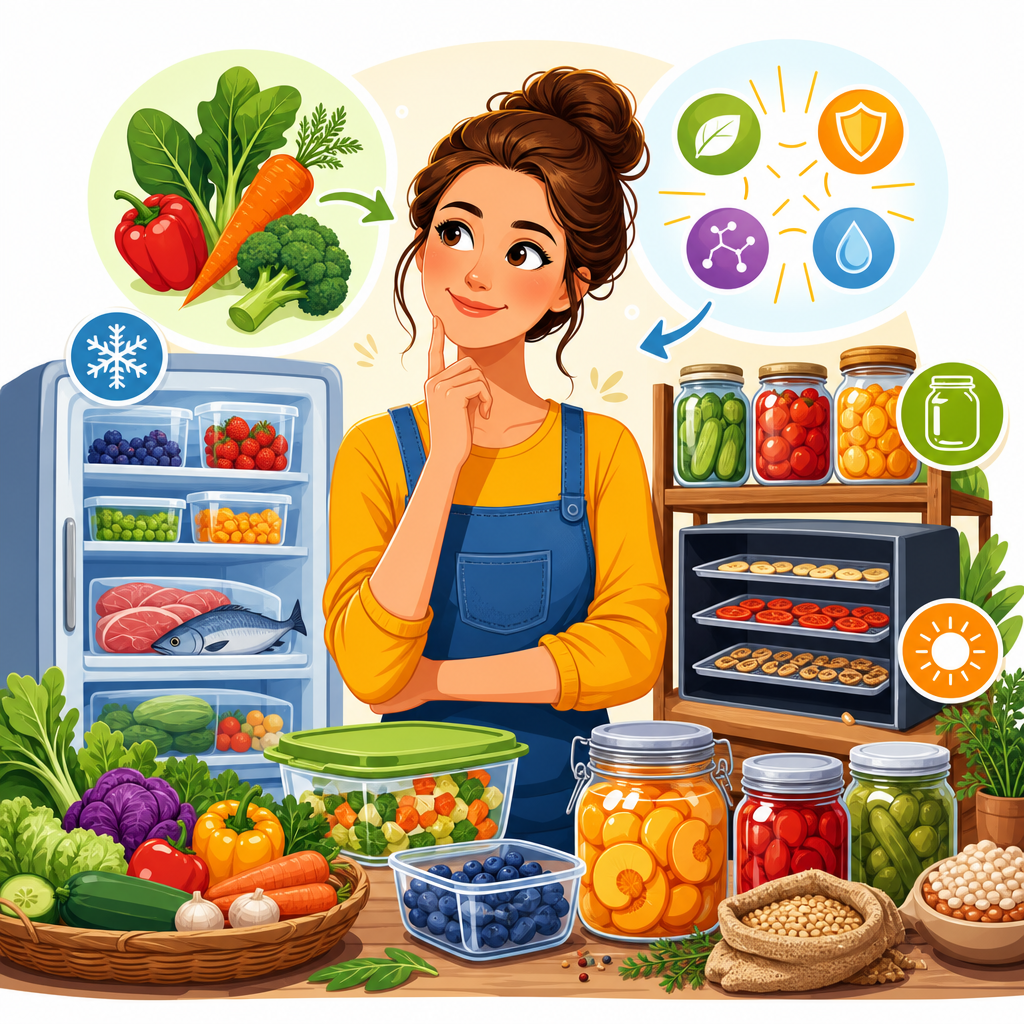
Each preservation method controls spoilage in a different way, so each has a distinct nutrient profile. Refrigeration slows microbial growth and enzymatic activity but does not stop them. It is excellent for short-term storage of produce, dairy, and cooked foods, yet nutrient decline continues gradually. Freezing slows most reactions dramatically and can preserve vitamins effectively, especially when foods are blanched appropriately first. Canning uses heat to create shelf stability, which can lower heat-sensitive nutrients but often preserves minerals, fiber, protein, and overall edible availability very well. Drying reduces water activity, making foods lighter and shelf-stable, though some vitamins decline during heat exposure and long storage.
Fermentation is different because it uses beneficial microbes to create acid, alcohol, or other compounds that improve safety and shelf life. Yogurt, kimchi, kefir, sauerkraut, tempeh, and miso can retain core nutrients while adding desirable flavors and, in some cases, enhancing digestibility. Pickling preserves through acid and salt, but sodium levels require attention. Vacuum sealing and modified atmosphere packaging reduce oxygen exposure and slow deterioration, yet they are not substitutes for refrigeration when a food requires cold storage.
| Method | Main preservation mechanism | Typical nutrient effect | Best use case |
|---|---|---|---|
| Refrigeration | Slows microbial and enzymatic activity | Good short-term retention; gradual vitamin loss continues | Fresh produce, dairy, leftovers |
| Freezing | Greatly slows reactions and microbial growth | High retention when frozen quickly; texture may soften after thawing | Vegetables, fruit, seafood, batch-cooked meals |
| Canning | Heat processing plus sealed container | Some heat-sensitive vitamin loss; strong shelf life and low waste | Beans, tomatoes, fish, soups |
| Drying | Reduces water activity | Concentrates minerals and calories; variable vitamin losses | Legumes, herbs, fruit, grains |
| Fermentation | Beneficial microbes create acid or alcohol | Retains many nutrients; may improve digestibility and flavor | Dairy, cabbage, soy foods |
No single method is best for all foods. Peas and spinach generally do very well frozen. Tomatoes can perform exceptionally well canned because cooking and processing make lycopene easier to absorb. Dried beans remain nutritionally strong and economical, while fermented dairy can be easier for some people to tolerate than fluid milk. The right choice depends on nutrient goals, taste, convenience, budget, storage conditions, and intended use in meals.
What happens to vitamins, minerals, protein, and beneficial compounds
Water-soluble vitamins are usually the most fragile. Vitamin C is highly sensitive to oxygen, heat, and storage time, making it a useful indicator of handling quality. Folate and thiamin can also decline with heating and extended holding. Fat-soluble vitamins such as A, D, E, and K are often more stable, though oxidation of fats can still reduce quality. Minerals such as calcium, iron, potassium, magnesium, and zinc are generally stable during preservation, but they can move into processing or cooking liquids. If the liquid is consumed, as in soups or stews, the nutritional loss is often minimal.
Proteins usually survive preservation well in terms of total quantity, but quality can change with extreme heat or long storage. Maillard reactions can alter certain amino acids in heavily processed foods, although normal household cooking rarely creates major protein losses. Fats are nutritionally important and vulnerable in a different way: oxidation can produce rancid flavors and degrade essential fatty acids. This is why packaging, light protection, and cool storage matter for nuts, seeds, whole grains, oils, and fatty fish.
Phytochemicals deserve attention because they influence long-term health even when they are not listed on labels. Polyphenols, glucosinolates, anthocyanins, and carotenoids respond differently to processing. Some decline with heat; others become more available because cell walls soften. Carrots and tomatoes are classic examples where cooking can improve access to carotenoids. Brassica vegetables may lose some glucosinolates with boiling, but steaming often preserves more. The best nutrition strategy is variety across fresh and preserved forms rather than reliance on a single format.
Practical strategies to maximize nutrient retention at home
Consumers can protect food preservation and nutrient retention with simple habits. Buy realistic quantities, not aspirational quantities. Most household waste starts with overbuying fragile produce. Store foods at proper temperatures, keep refrigerators near 37°F or 3°C, and avoid leaving cooked foods in the danger zone for more than two hours. Use airtight containers to limit oxygen exposure, and keep light-sensitive foods such as oils and some dairy products away from strong light.
Preparation methods matter. Wash produce before use rather than before long storage unless it will be thoroughly dried. Cut fruits and vegetables close to serving time to reduce exposed surface area. Use steaming, microwaving, pressure cooking, or quick sautéing instead of prolonged boiling when the goal is to retain water-soluble vitamins. If boiling is preferred, use the cooking liquid in soups, sauces, or grains. Freeze surplus herbs, berries, greens, and cooked beans before quality drops, not after. Label dates clearly so older items are used first.
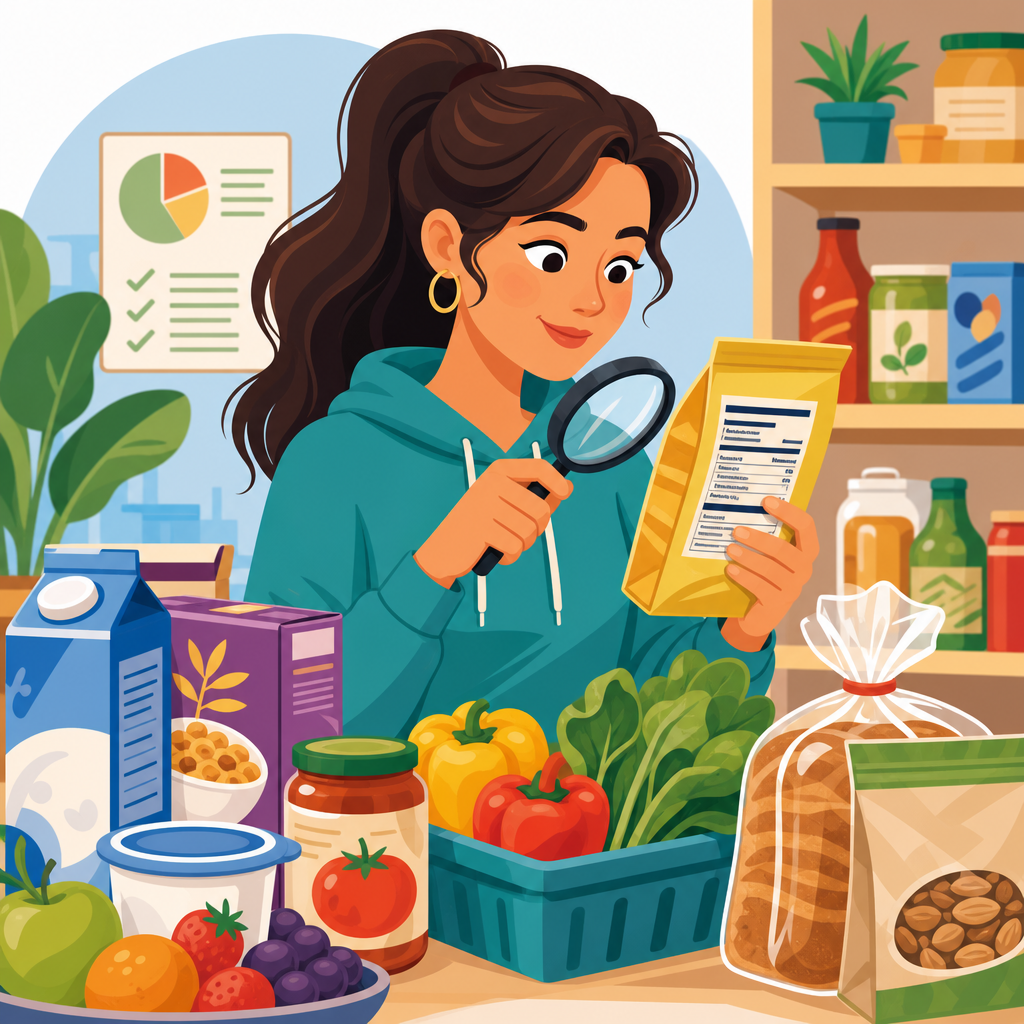
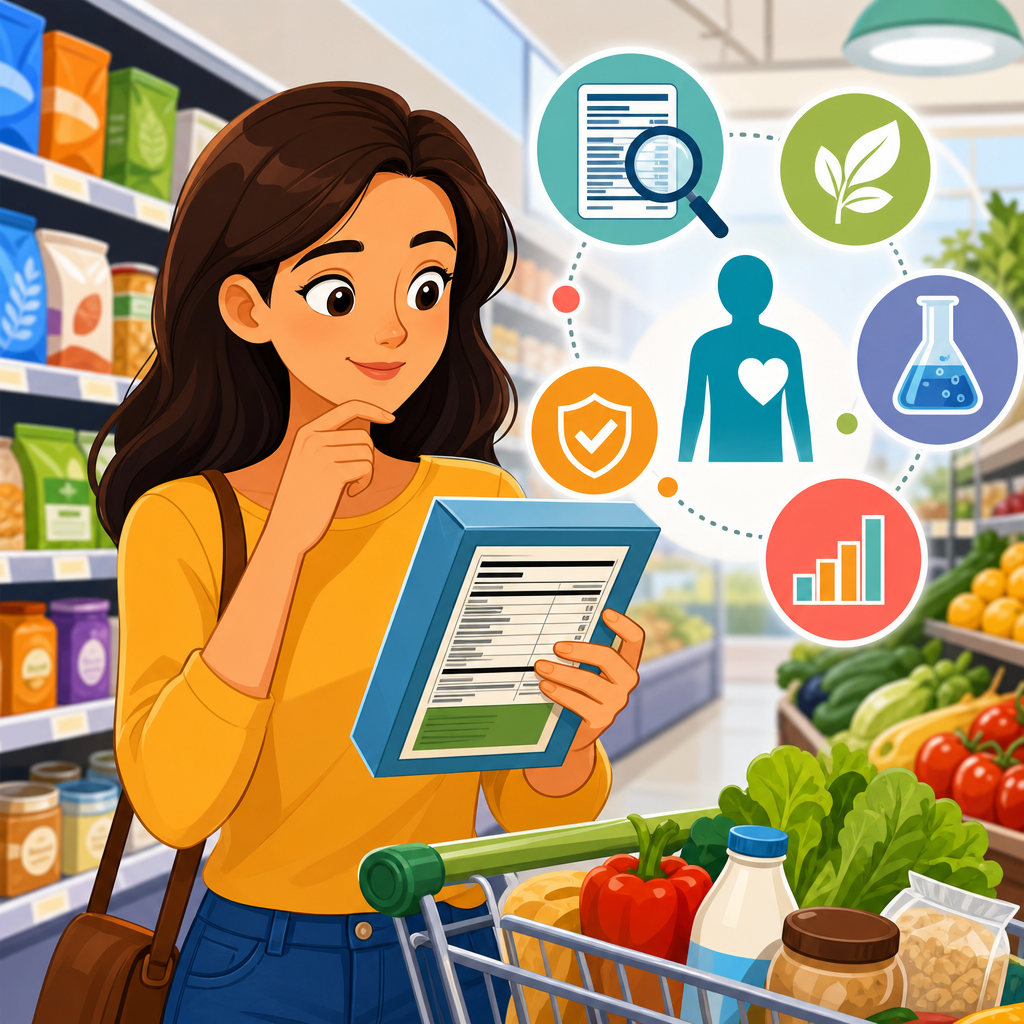
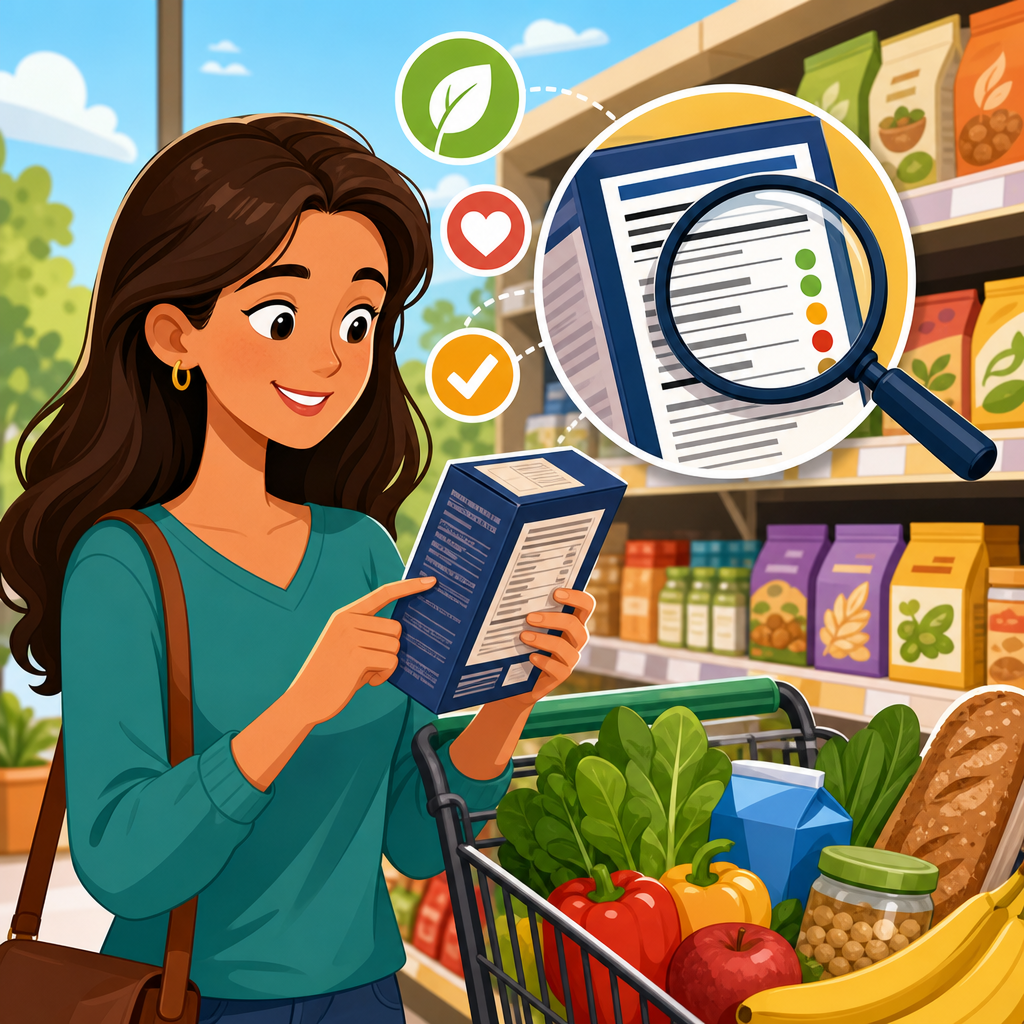
Read packages with context. Canned vegetables can be excellent choices, especially low-sodium versions. Frozen fruit without added sugar often supports better diet quality than fresh fruit that spoils uneaten. Dried fruit offers fiber and minerals but is calorie-dense and sometimes sweetened. Fermented foods can add variety and useful microbes, yet they are not magic foods and may be high in salt. The most reliable pattern is building meals around preserved foods that remain close to their original nutritional profile and fit normal eating habits.
Preservation, sustainability, and the future of healthy eating
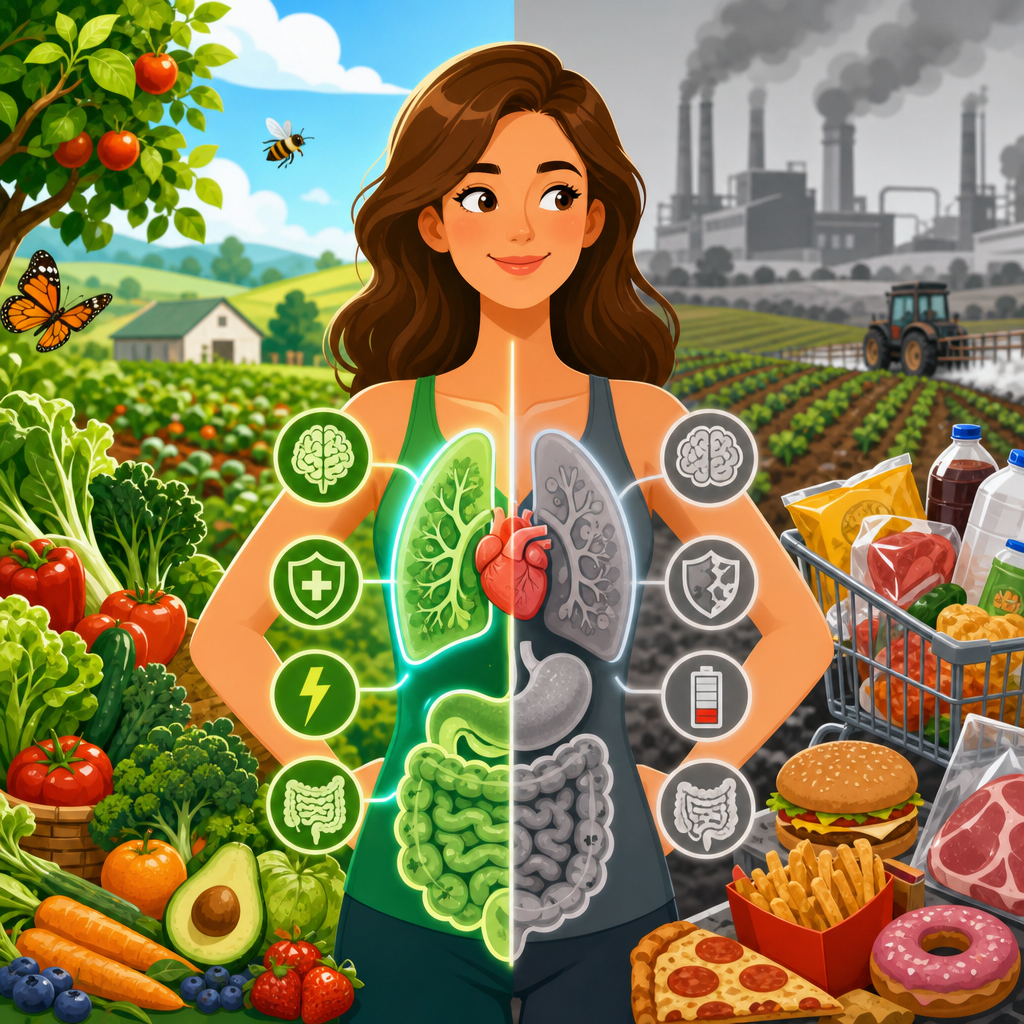
Food preservation and nutrient retention are central to sustainable diets because waste reduction is a nutrition strategy. When foods spoil, all upstream resources are lost with them. Extending shelf life responsibly lowers the environmental burden per edible serving. That is true in industrial systems and in home kitchens. A bag of frozen broccoli that is eaten completely can be a more sustainable and nutritionally effective purchase than fresh broccoli discarded half-used.
Innovation is improving this balance. High-pressure processing extends refrigerated shelf life with less heat damage in products such as juices, deli items, and guacamole. Better barrier films limit oxygen and moisture transfer. Time-temperature indicators, cold-chain sensors, and smarter logistics reduce hidden abuse during transport. Plant breeding for shelf life, texture stability, and nutrient density is also advancing. These tools do not replace basic safe handling, but they help preserve both quality and public confidence.
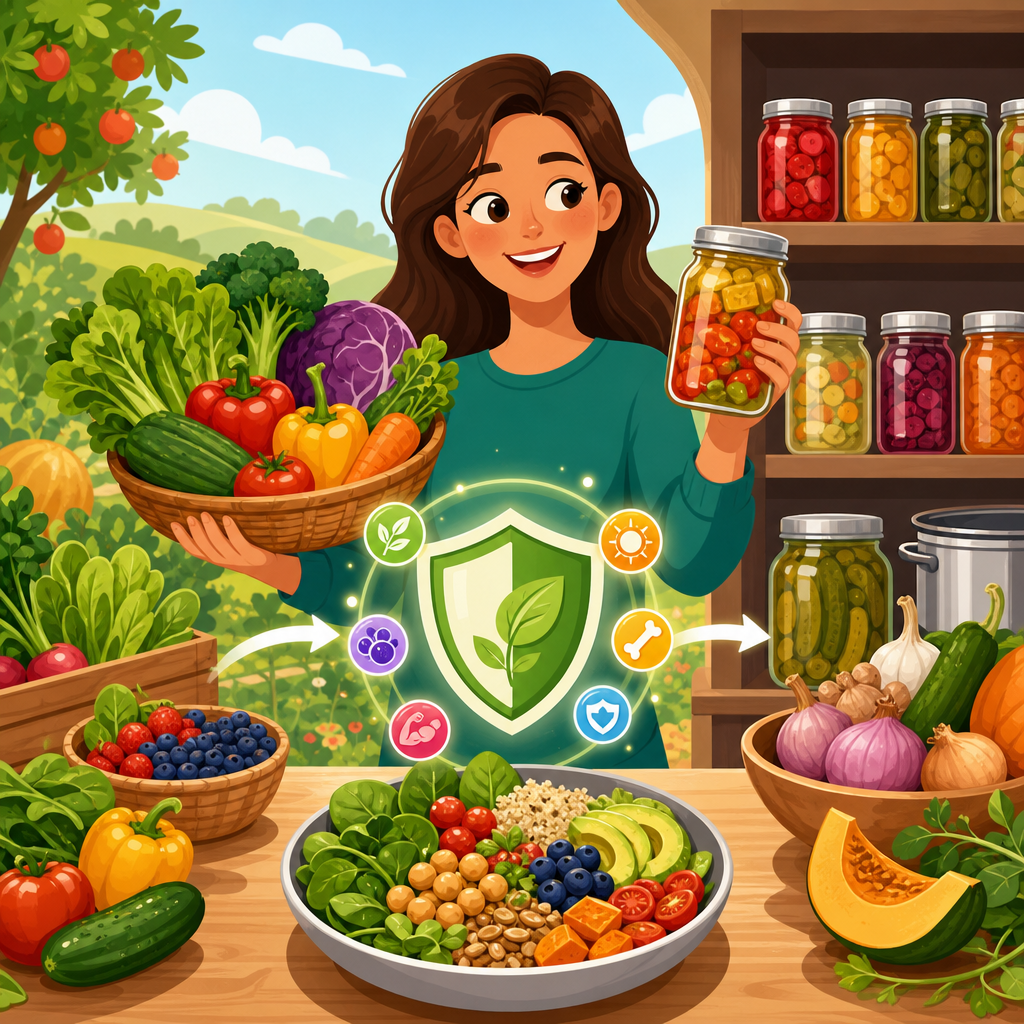
The main takeaway is clear: healthy eating depends not only on what food contains at harvest, but on what remains safe, accessible, and nourishing when it is eaten. Choose preservation methods based on the food, the nutrient priorities, and the real storage conditions in your life. Build meals with a mix of fresh, frozen, canned, dried, and fermented foods. If you want a stronger diet with less waste, start by auditing how you store, cook, and rotate the foods you already buy.
Frequently Asked Questions
1. What is the connection between food preservation and nutrient retention in a healthy diet?
Food preservation and nutrient retention are closely linked because the way food is stored, handled, processed, and cooked directly affects both its safety and its nutritional value. Preservation is designed to slow the natural processes that make food deteriorate, including microbial growth, oxidation, moisture changes, and enzyme activity. Nutrient retention refers to how much of a food’s original nutritional value remains available by the time it is eaten. In practical terms, a healthy diet depends not only on choosing nutritious foods, but also on keeping those foods safe, stable, and beneficial long enough to actually consume them.
Many people assume that “fresh” automatically means “most nutritious,” but that is not always true. Some foods lose vitamins rapidly after harvest, especially if they are exposed to heat, air, and light during transportation and storage. Frozen fruits and vegetables, for example, are often processed soon after harvest, which can help preserve nutrients very effectively. Similarly, canned beans, tomatoes, and fish can still provide substantial amounts of protein, fiber, minerals, and other beneficial compounds while offering convenience and a longer shelf life.
From a diet quality perspective, preservation helps reduce food waste, improve food access, and make nutrient-dense foods available year-round. Nutrient retention ensures that these preserved foods continue to support energy, immune function, muscle maintenance, heart health, and overall wellness. When preservation is done well, it protects both food safety and nutritional usefulness, making it easier for individuals and families to maintain a balanced, affordable, and consistent healthy diet.
2. Do preserved foods lose all their nutrients compared with fresh foods?
No, preserved foods do not lose all their nutrients, and in many cases they remain highly nutritious. While certain nutrients are sensitive to time, temperature, oxygen, and water, nutrient loss varies widely depending on the food and the preservation method used. Water-soluble vitamins such as vitamin C and some B vitamins tend to be more vulnerable during storage and heating, while minerals, protein, fiber, and many fats are generally more stable. This means that even when some nutrient changes occur, preserved foods can still make a major contribution to a healthy diet.
Freezing is one of the best examples of effective preservation with good nutrient retention. Frozen produce is usually picked at ripeness and frozen quickly, which can help lock in nutrients. Canning may reduce some heat-sensitive vitamins, but it can also improve the availability of certain compounds. Tomatoes are a classic example, because processed tomato products can provide readily usable lycopene. Drying removes moisture to inhibit spoilage, and although it can concentrate sugars and alter texture, it often preserves minerals, fiber, and many plant compounds well. Fermentation can also add value by changing flavor, improving shelf life, and in some cases supporting digestive health.
The more helpful question is not whether preserved foods are “perfect,” but whether they remain nutrient-rich enough to support good health. In most cases, the answer is yes. Canned vegetables, frozen berries, dried legumes, pasteurized milk, whole-grain products, and shelf-stable proteins can all be part of a nutritious eating pattern. Choosing lower-sodium, lower-added-sugar, and minimally processed options when possible can further improve their health value. Preserved foods are not nutritional failures; they are often practical, reliable tools that help people eat well consistently.
3. Which food preservation methods best protect nutrients?
No single preservation method is best for every food, but several methods are especially effective at protecting nutrients when used appropriately. Freezing is often considered one of the strongest options for retaining overall nutritional quality, particularly in fruits, vegetables, seafood, and some prepared foods. Because freezing slows enzyme action and microbial growth dramatically, it helps preserve texture, flavor, and many nutrients over time. Blanching before freezing can cause some vitamin loss, but it also prevents greater nutrient degradation during storage.
Canning is another important method that offers excellent food safety and long-term stability. Although the heating step can reduce some sensitive vitamins, canned foods still retain many essential nutrients, including minerals, protein, fiber, and fat-soluble nutrients. In some foods, the heat used in canning can make beneficial compounds easier for the body to absorb. Vacuum sealing and modified-atmosphere packaging help reduce oxygen exposure, which can slow oxidation and quality loss in certain products. Refrigeration is useful for short-term preservation and helps slow spoilage, though nutrient decline can still continue over time if foods are stored too long.
Drying and dehydration are effective because microbes need water to grow. These methods can preserve food for extended periods and keep many nutrients intact, especially if the drying process is carefully controlled. Fermentation deserves special attention because it not only preserves food but can also create desirable flavors and potentially support the availability of some nutrients. The best method depends on the food itself, how long it needs to be stored, and how it will be used. In a healthy diet, the smartest approach is variety: combining fresh, frozen, canned, dried, and fermented foods can help maximize both convenience and nutritional coverage.
4. How can cooking, storage, and meal preparation affect nutrient retention at home?
What happens in the kitchen has a major impact on nutrient retention. Even highly nutritious foods can lose quality if they are stored improperly or cooked in ways that expose them to unnecessary heat, water, oxygen, or time. For example, cutting fruits and vegetables far in advance, leaving oils or produce in direct light, or storing perishable foods too long in the refrigerator can all accelerate nutrient loss. Heat-sensitive nutrients, especially vitamin C and some B vitamins, are more likely to decline when foods are overcooked or held warm for long periods.
Several simple habits can help protect nutrients. Refrigerate perishables promptly, store foods in airtight containers when appropriate, and use the oldest items first to avoid prolonged storage. When cooking vegetables, methods such as steaming, microwaving, sautéing, and roasting with moderate heat often retain more nutrients than prolonged boiling. If boiling is used, using minimal water and incorporating the cooking liquid into soups, sauces, or grains can help recover nutrients that have leached out. Keeping skins on produce when practical can also preserve fiber and certain micronutrients.
Meal preparation matters too. Washing produce before use is important, but soaking cut produce for long periods can contribute to nutrient loss. Reheating leftovers repeatedly can gradually reduce both quality and some nutrient content, so portioning meals in advance can be helpful. Healthy fats should be protected from excessive heat and rancidity by proper storage and sensible cooking temperatures. Overall, nutrient retention at home is less about perfection and more about thoughtful handling. Small choices in shopping, storage, prep, and cooking can collectively make meals safer, more flavorful, and more nutritionally valuable.
5. Why does food preservation matter for affordability, food security, and long-term healthy eating habits?
Food preservation plays a central role in making healthy eating realistic, affordable, and sustainable. Without preservation, many foods would spoil before they could be transported, sold, or eaten, leading to higher costs, more waste, and less reliable access to nutrient-dense options. Preservation extends shelf life, helps stabilize supply, and allows foods to be available beyond their harvest season. This is especially important for households trying to manage budgets, rural communities with fewer shopping options, and people who cannot shop frequently.
From a public health perspective, preserved foods support food security by making essential staples and nutritious ingredients more dependable. Frozen vegetables, canned fish, dried beans, whole grains, shelf-stable dairy products, and preserved fruits can help families maintain balanced meals even when fresh options are limited, expensive, or unavailable. This consistency matters because healthy diets are built over time. Reliable access to foods that provide protein, fiber, vitamins, minerals, and healthy fats is far more important than chasing an unrealistic idea that every meal must come entirely from just-harvested ingredients.
Preservation also reduces waste, which has both economic and nutritional benefits. When food spoils less often, households can stretch their budgets further and keep more nutritious choices on hand. This supports better meal planning, less reliance on ultra-processed convenience foods, and a steadier intake of wholesome ingredients. In other words, food preservation is not just a technical food science concept. It is a practical foundation for healthy eating patterns, helping people turn nutritious foods into meals they can actually access, afford, store safely, and enjoy regularly.