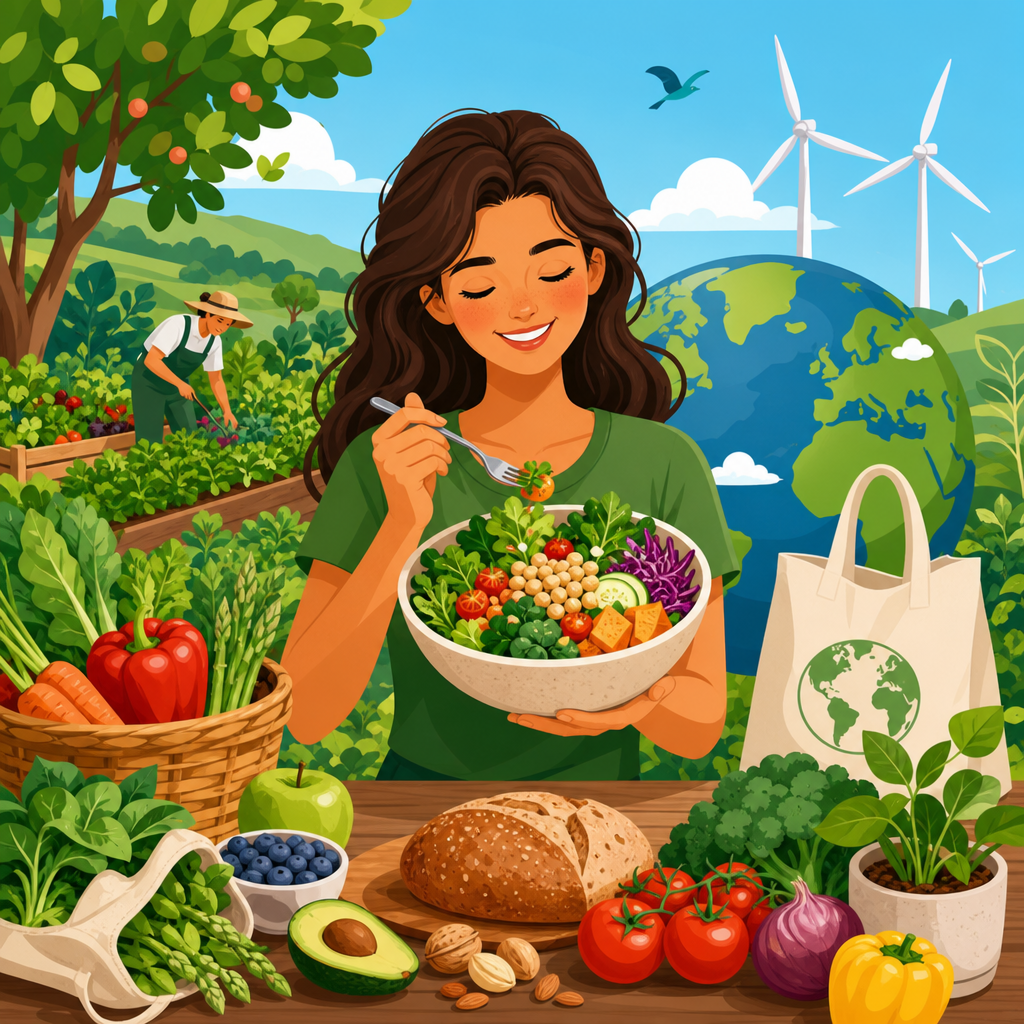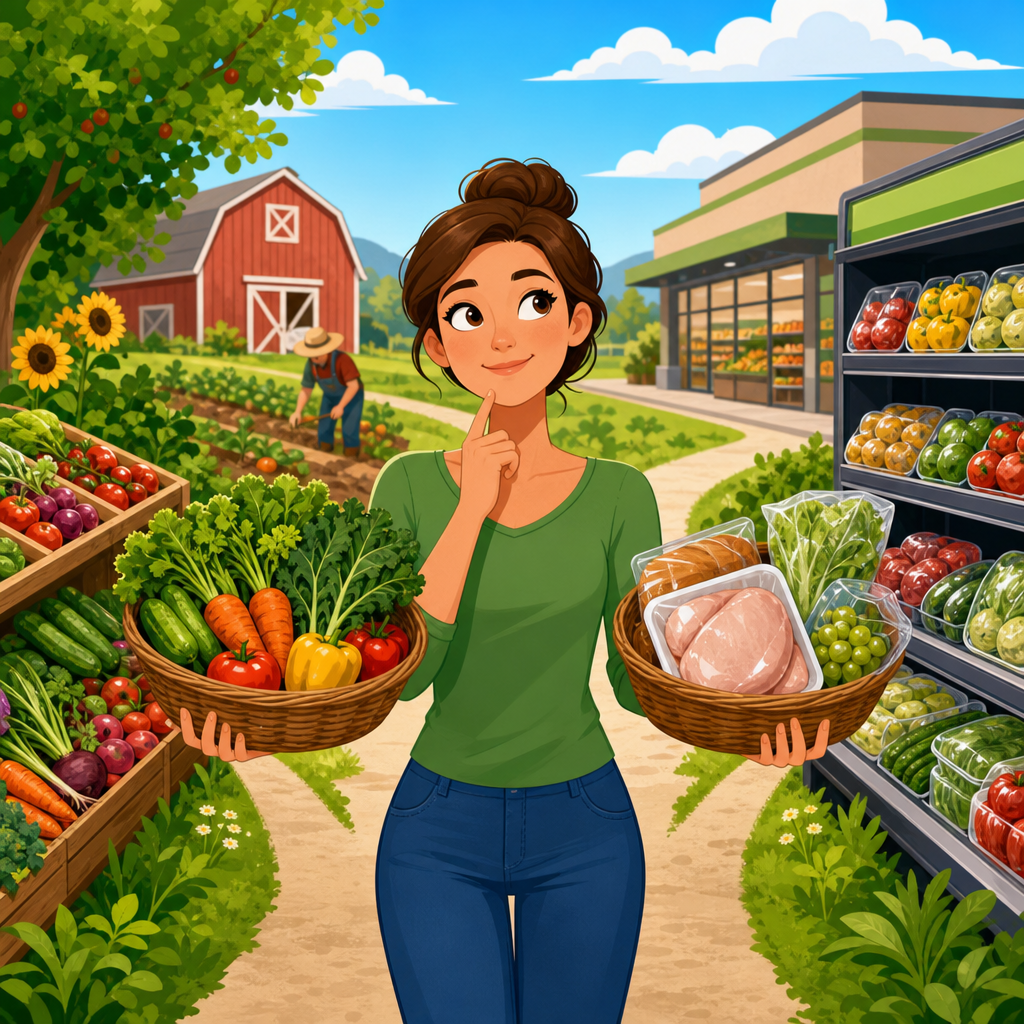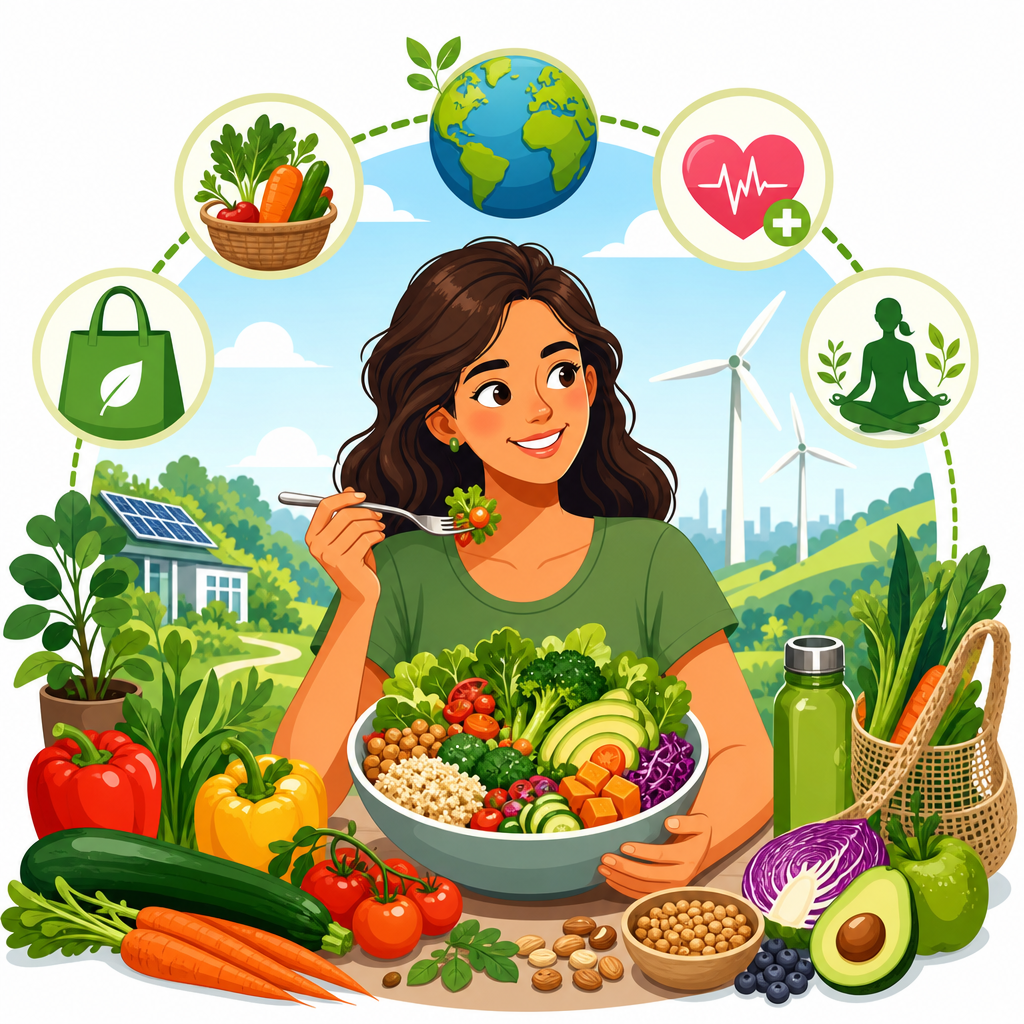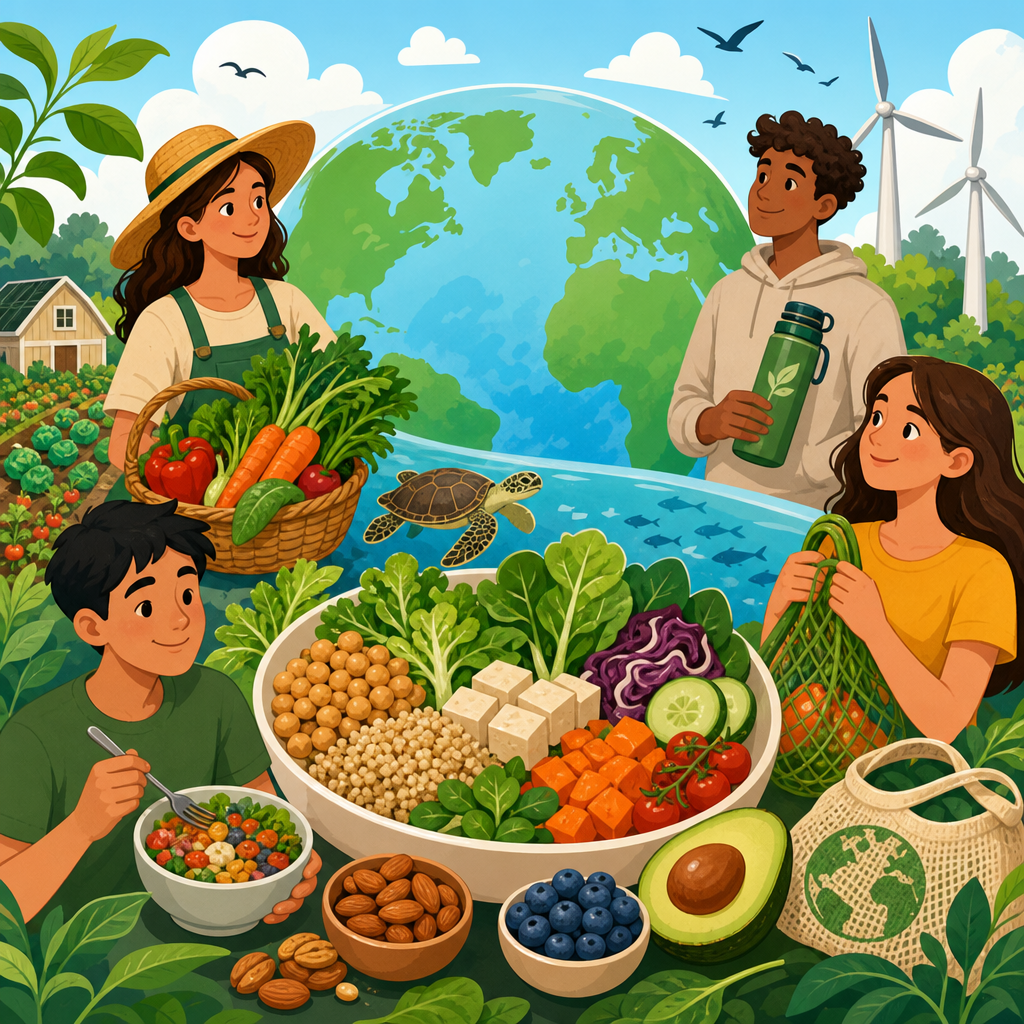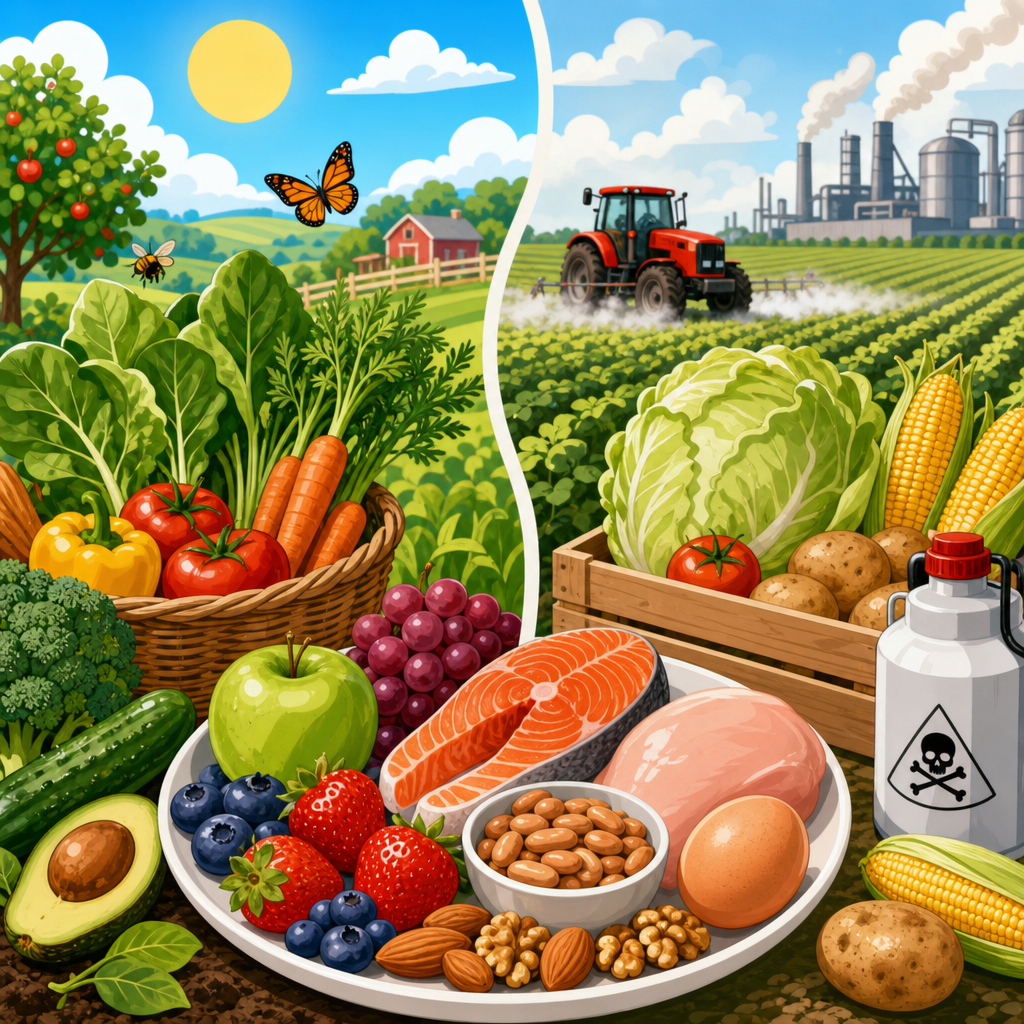
Organic vs. conventional foods shape how people shop, cook, and think about health, cost, and environmental impact. The topic matters because food choices sit at the intersection of nutrition, farming methods, household budgets, and public trust. In practice, consumers are not simply asking whether organic food is “better.” They want to know what organic means, how conventional farming works, whether nutrient levels differ, which foods are worth prioritizing, and how labels connect to pesticide exposure, soil health, and sustainability. I have worked with food labeling standards, farm sourcing questions, and retail nutrition content, and the same pattern appears every time: confusion grows when terms are used loosely.
Organic food refers to products grown and processed under regulated standards that restrict most synthetic pesticides, prohibit routine use of genetically engineered seeds in certified systems, and emphasize soil-building practices, biodiversity, and animal welfare rules. In the United States, the USDA National Organic Program sets those standards. Conventional food is the broader category covering mainstream agricultural production, where approved synthetic fertilizers, crop protection chemicals, modern breeding methods, and highly optimized yield systems are commonly used. Conventional does not mean unsafe; it means produced under a different set of agronomic tools and economic priorities.
The phrase “top foods rich in organic vs. conventional foods” can sound awkward, but the useful interpretation is clear: which foods most clearly illustrate the differences between organic and conventional production, and why should they be in your diet at all? The answer starts with a basic nutritional truth. People need fruits, vegetables, legumes, grains, dairy, eggs, and proteins because they provide fiber, vitamins, minerals, essential fatty acids, and phytochemicals linked with lower risk of cardiovascular disease, type 2 diabetes, and some cancers. The production method changes some factors around those foods, but the food category itself still matters most.
What Organic and Conventional Foods Actually Mean
Organic and conventional foods are farming systems, not nutrient categories. A strawberry remains a strawberry whether it is organic or conventional, and it still provides vitamin C, manganese, water, fiber, and polyphenols. The production system affects how the crop was grown, how pests were managed, what inputs were allowed, and sometimes how consumers perceive quality. Certified organic farmers may use naturally derived pesticides and approved materials, but they cannot rely on the same wide set of synthetic chemicals available in conventional systems. Conventional farmers can use tools such as synthetic nitrogen fertilizers, herbicides, and fungicides when permitted by regulators and according to label directions.
That distinction matters because many shoppers assume “organic” means pesticide-free and “conventional” means nutritionally inferior. Neither claim is accurate. Organic farming does use pesticides from approved lists, although the hazard profile and persistence can differ. Conventional farming often delivers affordable, abundant food with strong food safety oversight. The more accurate comparison is this: organic standards regulate process and inputs, while conventional systems prioritize flexibility, efficiency, and often higher yields per acre. Nutritional differences exist in some studies, particularly for certain phytonutrients or fatty acid profiles, but they are usually smaller than differences caused by variety, ripeness, soil type, storage, and cooking method.
For a hub article, the clearest way to think about the topic is through shopper questions. Which foods should I buy organic first? Which conventional foods are still healthy and cost-effective? Are organic animal products meaningfully different? Is the environmental case straightforward? The sections below answer those practical questions directly so readers can move from label confusion to informed decisions.
Top Foods That Best Illustrate Organic vs. Conventional Choices
Some foods highlight the organic versus conventional decision more clearly than others because of residue patterns, price gaps, or production differences. Produce with edible skins and frequent pesticide applications, such as strawberries, spinach, apples, grapes, peaches, nectarines, pears, bell peppers, and blueberries, often gets the most attention. The Environmental Working Group popularized this discussion with annual consumer guides, though its methodology is debated by toxicologists because detection does not equal risk. Even with that caveat, shoppers who want to reduce pesticide residues often prioritize organic purchases in exactly these categories.
Animal products are another major comparison point. Organic milk comes from cows raised under organic feed rules, no routine antibiotics, and pasture access requirements. Organic eggs come from hens fed organic feed and managed under organic standards. Organic meat carries similar feed and treatment restrictions. Conventional dairy, eggs, and meat remain nutritionally valuable, but the production differences are more substantial than with many plant foods because they affect feed sourcing, medication practices, and animal management systems. Whole grains, beans, lentils, oats, and rice also matter because staple foods accumulate over time in a household diet, and choosing organic versions can align with consumer priorities around farming practices.
| Food | Why It Matters | Organic Priority Level | Main Reason to Eat It |
|---|---|---|---|
| Strawberries | Often associated with higher residue concern and delicate skin | High | Vitamin C, fiber, anthocyanins |
| Spinach | Leafy greens have large surface area and are eaten frequently | High | Folate, vitamin K, carotenoids |
| Apples | Common daily snack with edible peel | High | Fiber, quercetin, hydration |
| Milk | Production standards differ clearly between systems | Medium to High | Protein, calcium, vitamin B12 |
| Eggs | Feed and animal management influence buying decisions | Medium | Protein, choline, lutein |
| Avocados | Thick peel limits direct residue concerns | Low | Monounsaturated fat, fiber, potassium |
| Bananas | Inedible peel reduces consumer exposure from surface residues | Low | Potassium, vitamin B6, carbohydrates |
| Beans and lentils | Staple foods tied to soil and crop rotation decisions | Medium | Protein, fiber, iron, folate |
This list should guide prioritization, not create fear. If your budget only supports conventional produce, eating more fruits and vegetables is still one of the strongest dietary improvements you can make. In clinic-style nutrition counseling and product education, I consistently recommend this rule: buy the produce you will actually eat, then upgrade selected items to organic where it meaningfully matches your values or concerns.
Nutritional Differences: What Research Supports
The central nutrition question is simple: are organic foods more nutritious? The best answer is that both organic and conventional foods can support excellent diets, and differences are usually modest rather than dramatic. Meta-analyses have reported somewhat higher concentrations of certain antioxidant compounds in some organic crops, while conventional crops may show similar or slightly higher levels of specific nutrients depending on fertilizer use, variety, and growing conditions. In dairy, some studies have found higher omega-3 fatty acids in organic milk, likely linked to pasture intake. However, these differences do not automatically translate into major health outcomes for the average person.
What reliably matters more is overall dietary pattern. A diet rich in produce, legumes, whole grains, nuts, seafood, and minimally processed proteins outperforms a poor diet whether the inputs are organic or conventional. Cooking and storage also affect nutrition substantially. Fresh spinach loses vitamin C over time; overboiled broccoli loses water-soluble nutrients; long storage degrades certain antioxidants. Shoppers sometimes focus intensely on label distinctions while ignoring basic quality factors such as freshness, variety, and preparation technique. From a food science perspective, those overlooked variables often have greater nutritional impact than certification status alone.
Still, it is reasonable to value small differences. If a household drinks a lot of milk, buys eggs weekly, and eats berries daily, choosing organic versions may incrementally change exposure patterns and align with farm-practice preferences. The key is accuracy: organic foods are not nutritionally magic, and conventional foods are not second-rate. The strongest evidence supports eating a wide range of nutrient-dense foods consistently.
Pesticides, Residues, and Food Safety Without the Hype
Pesticide discussions drive much of the organic versus conventional debate, and they need precision. Regulatory agencies such as the U.S. Environmental Protection Agency set tolerances for pesticide residues on food, and monitoring programs from the USDA and FDA routinely test samples. Most foods sold in retail channels fall below legal limits, often far below. That means conventional produce in the marketplace is generally considered safe to eat. Washing under running water, peeling when appropriate, and varying the diet can reduce residues further, although washing does not remove everything.
Why, then, do some consumers still choose organic? Because risk management is not only about legal safety thresholds; it is also about preference, cumulative exposure concerns, occupational farming impacts, and trust in production systems. Families with young children and pregnant consumers often prefer to lower avoidable exposures where practical. That is a values-based decision more than a verdict that conventional food is dangerous. Organic systems can reduce reliance on many synthetic chemicals, but they are not exposure-free, and lower residues do not eliminate microbial food safety concerns. Organic lettuce can still carry pathogens if handling fails. Food safety depends on sanitation, water quality, cold chain control, and proper kitchen practices across all systems.
Environmental and Sustainability Tradeoffs
Organic farming is often associated with healthier soils, greater biodiversity support, and reduced synthetic input use. Practices such as compost application, cover cropping, crop rotation, and mechanical weed control can improve soil structure and biological activity over time. Those are meaningful benefits, especially in systems designed for long-term resilience. I have seen suppliers with strong organic soil programs produce noticeably better water infiltration and lower erosion after heavy rain, which matters in a warming climate.
But sustainability is not one-dimensional. Conventional farming often delivers higher yields per acre, which can reduce land-use pressure if managed well. Precision agriculture, drip irrigation, variable-rate fertilizer application, integrated pest management, and no-till systems have improved resource efficiency in many conventional operations. Organic farms may require more labor, face heavier weed pressure, or produce lower yields in some crops, potentially increasing cost and land requirements. Transport, packaging, storage losses, and dietary waste also shape a product’s real footprint. An imported organic out-of-season berry is not automatically more sustainable than a local conventional apple.
The practical takeaway is balance. Organic systems offer clear strengths in certain ecological measures, while advanced conventional systems can be highly efficient and responsible. Consumers should evaluate not just the certification label, but also seasonality, distance, packaging, farm transparency, and the type of food being purchased.
How to Shop Smart: Budget, Labels, and Practical Priorities
Smart shopping starts with understanding labels and making tradeoffs intentionally. “USDA Organic” indicates certified compliance. “Made with organic ingredients” means a lower threshold and is not the same as fully organic. Terms like “natural,” “farm fresh,” or “eco-friendly” are not equivalent to certified organic standards. For animal products, separate claims such as grass-fed, pasture-raised, cage-free, and no antibiotics ever describe specific practices but do not replace organic certification.
If you are building a cost-conscious plan, prioritize organic purchases for foods your household eats often and that typically have edible skins or meaningful production concerns. Buy conventional versions of thick-skinned produce such as bananas, oranges, avocados, and pineapples when price matters. Use frozen produce strategically; frozen organic berries or spinach can be cheaper than fresh and retain strong nutrient value. For pantry basics, compare private-label organic lines at major retailers with conventional branded items, because price gaps are sometimes smaller than expected. Farmers markets can also offer value, though local does not automatically mean organic, so ask growers about practices directly.
Meal planning reduces waste, which is one of the most important sustainability moves any household can make. A bag of neglected organic greens thrown away is less responsible than conventional greens eaten fully. Build meals around vegetables, legumes, whole grains, and proteins you can use across several days, and choose the production system that fits your priorities without compromising intake.
Why You Need These Foods in Your Diet
The strongest reason to include these foods is not the label itself but the health value of the foods being compared. Berries provide polyphenols associated with vascular health. Leafy greens supply folate and vitamin K. Apples and pears contribute fiber that supports gut and metabolic health. Beans and lentils improve satiety, blood sugar control, and dietary quality at low cost. Milk, yogurt, eggs, and fortified alternatives help cover protein, calcium, iodine, vitamin B12, or choline needs depending on the product. Nuts, seeds, and avocados contribute unsaturated fats important for heart health.
Organic and conventional foods both belong in evidence-based healthy eating patterns. The smarter question is not which side wins universally, but where your dollars make the biggest difference. For some households, that means buying mostly conventional produce so they can afford variety. For others, it means selectively choosing organic dairy, berries, greens, and apples while keeping staples flexible. Either approach can support health, sustainability, and practical living when it is grounded in facts instead of marketing myths.
Use this hub as your starting point for every deeper question about organic vs. conventional foods: standards, residues, nutrition, environmental effects, dairy, produce, and budget strategy. Focus first on eating more whole, minimally processed foods, then refine your choices by label, farm practice, and frequency of use. If you want better health and a more informed food routine, start with one week of intentional shopping: choose a few priority organic items, keep the rest nutrient-dense and affordable, and build meals around foods you will actually eat.
Frequently Asked Questions
What is the difference between organic and conventional foods?
Organic and conventional foods differ mainly in how they are grown, raised, and processed. Organic farming follows specific standards designed to limit the use of synthetic pesticides, chemical fertilizers, genetically modified organisms, antibiotics, and growth hormones. In crop production, organic farmers often rely on crop rotation, compost, natural soil-building practices, and approved pest-management methods. In animal agriculture, organic standards generally require organic feed, outdoor access, and more tightly controlled medication practices. Conventional farming, by contrast, may use synthetic crop protection products, modern fertilizers, genetically engineered seeds, and a wider range of production tools to improve yield, shelf life, and efficiency.
For shoppers, the most important point is that “organic” is a regulated label, not just a marketing phrase. It signals that a product has met certain production standards. Conventional food is also heavily regulated for safety, but it is produced under a different system focused on productivity, consistency, and affordability. Nutritionally, both organic and conventional foods can support a healthy diet, especially when meals are built around fruits, vegetables, whole grains, legumes, nuts, seeds, dairy, eggs, seafood, and quality proteins. The biggest practical differences tend to involve farming methods, pesticide exposure concerns, animal-raising practices, environmental priorities, and price.
Are organic foods more nutritious than conventional foods?
This is one of the most common questions, and the honest answer is that the nutritional differences are not always dramatic. In many cases, organic and conventional versions of the same food provide similar amounts of major nutrients such as protein, carbohydrates, fats, fiber, vitamins, and minerals. An organic apple and a conventional apple are both nutritious foods. Organic spinach and conventional spinach are both rich in folate, vitamin K, and plant compounds. What matters most for health is usually how much variety and nutrient-dense food you eat overall, not whether every item is organic.
That said, some studies suggest organic foods may sometimes contain slightly higher levels of certain antioxidants or beneficial plant compounds, likely due to differences in growing conditions and stress responses in plants. Organic dairy and meat may also show differences in certain fatty acids depending on feed and pasture access. However, these differences do not automatically mean organic food is universally healthier in a way that transforms a person’s diet on its own. If someone rarely eats vegetables, switching from conventional snacks to organic snacks will not improve health as much as simply eating more whole foods.
A useful way to think about it is this: nutritional quality starts with the food itself. Berries, leafy greens, beans, oats, yogurt, eggs, salmon, sweet potatoes, and nuts are nutrient-rich whether they are organic or conventional. If your budget allows, choosing organic can align with your preferences around farming practices and exposure concerns. If cost is a barrier, conventional produce is still absolutely worth buying and eating. Consistency, balance, and dietary pattern matter far more than perfection at the label level.
Which foods are most worth buying organic, and which are fine to buy conventional?
If you are trying to decide where organic makes the most sense, a practical strategy is to prioritize foods you eat often and foods where you care most about pesticide exposure, farming practices, or animal welfare. Many shoppers choose organic versions of frequently consumed produce such as strawberries, spinach, apples, grapes, peaches, nectarines, bell peppers, and leafy greens because these items are commonly discussed in relation to pesticide residues. Others prioritize organic milk, eggs, yogurt, and meat because they want products from animals raised under organic standards. If a child eats one fruit every day, or your household uses a specific vegetable in nearly every meal, that item may be a smart place to upgrade first.
On the other hand, many foods are perfectly reasonable to buy conventional, especially when price, availability, and freshness are better. Produce with thick peels or protective outer layers—such as bananas, oranges, avocados, pineapples, onions, and melons—is often considered lower priority for organic purchasing. Frozen fruits and vegetables can also be excellent conventional options because they are convenient, affordable, and nutritionally strong. Canned beans, oats, rice, carrots, broccoli, cabbage, and sweet potatoes are often good examples of conventional staples that can help keep healthy eating realistic and sustainable.
The best approach is not all-or-nothing. A mixed shopping strategy works well for most households: buy organic selectively, choose conventional when it is more practical, wash produce well, and focus on eating a wide range of whole foods. A diet rich in fruits, vegetables, legumes, whole grains, nuts, seeds, and quality proteins will do more for long-term health than worrying about making every grocery item fit a single label category.
Do organic foods have fewer pesticides, and does that matter for health?
Organic foods are generally produced using fewer synthetic pesticide inputs, and organic standards restrict many substances that are allowed in conventional agriculture. That is one reason many consumers choose organic. However, it is important to understand the nuance: organic farming can still use certain approved pesticides, and “organic” does not mean pesticide-free. Conventional foods may contain pesticide residues as well, but these are regulated and monitored to stay within safety limits set by public health authorities. So the conversation is not simply “organic has pesticides and conventional does too,” but rather that the types, frequency, and permitted levels differ.
For many people, the health question centers on reducing cumulative exposure over time, especially for young children, pregnant individuals, and households trying to be more precautionary. Some evidence suggests that choosing organic foods can lower exposure to certain pesticide residues. Whether that reduction translates into major long-term health advantages for the average consumer is still debated and depends on many factors, including total diet quality, life stage, occupation, and overall environmental exposure. What is clear is that people should not avoid fruits and vegetables because they are worried they cannot always buy organic. Eating produce consistently is associated with strong health benefits, and those benefits far outweigh the risks of eating conventionally grown produce for most people.
If pesticide exposure is a concern, there are sensible steps short of buying everything organic. Wash produce under running water, peel when appropriate, vary the foods you eat, and purchase from trusted sources. You can also prioritize organic for the items your family consumes most often. This balanced approach respects both the science and the realities of a real grocery budget.
Why do you need foods from both organic and conventional sources in a healthy diet?
What your body actually needs is not a specific percentage of organic or conventional foods, but a steady intake of nutrient-rich foods across all major food groups. You need colorful fruits and vegetables for vitamins, minerals, fiber, and antioxidants. You need proteins such as beans, lentils, eggs, dairy, poultry, fish, tofu, or meat for muscle maintenance, hormones, enzymes, and immune function. You need whole grains for sustained energy and digestive health. You need healthy fats from foods like nuts, seeds, olive oil, and fatty fish for brain health, nutrient absorption, and cell function. Those nutritional needs can be met with organic foods, conventional foods, or a combination of both.
In real life, most healthy diets are built from a mix. Organic foods may support your goals around farming practices, ingredient preferences, and reduced exposure to certain agricultural chemicals. Conventional foods help make healthy eating accessible, affordable, and consistent, which is critical for long-term success. A household that buys conventional carrots, oats, yogurt, and apples while choosing organic berries, eggs, and spinach is still building an excellent nutrition foundation. The label matters less than whether the foods on your plate are varied, minimally processed, and eaten regularly.
This is why many nutrition professionals encourage a flexible mindset. The goal is not to choose sides in a food debate. The goal is to eat enough wholesome food to support energy, heart health, digestion, metabolism, growth, and disease prevention. If organic choices help you feel more confident in your shopping, that can be valuable. If conventional staples help you stay on budget while still filling your cart with produce and whole foods, that is valuable too. The healthiest pattern is the one you can maintain consistently, and for most people, that includes smart choices from both organic and conventional sources.