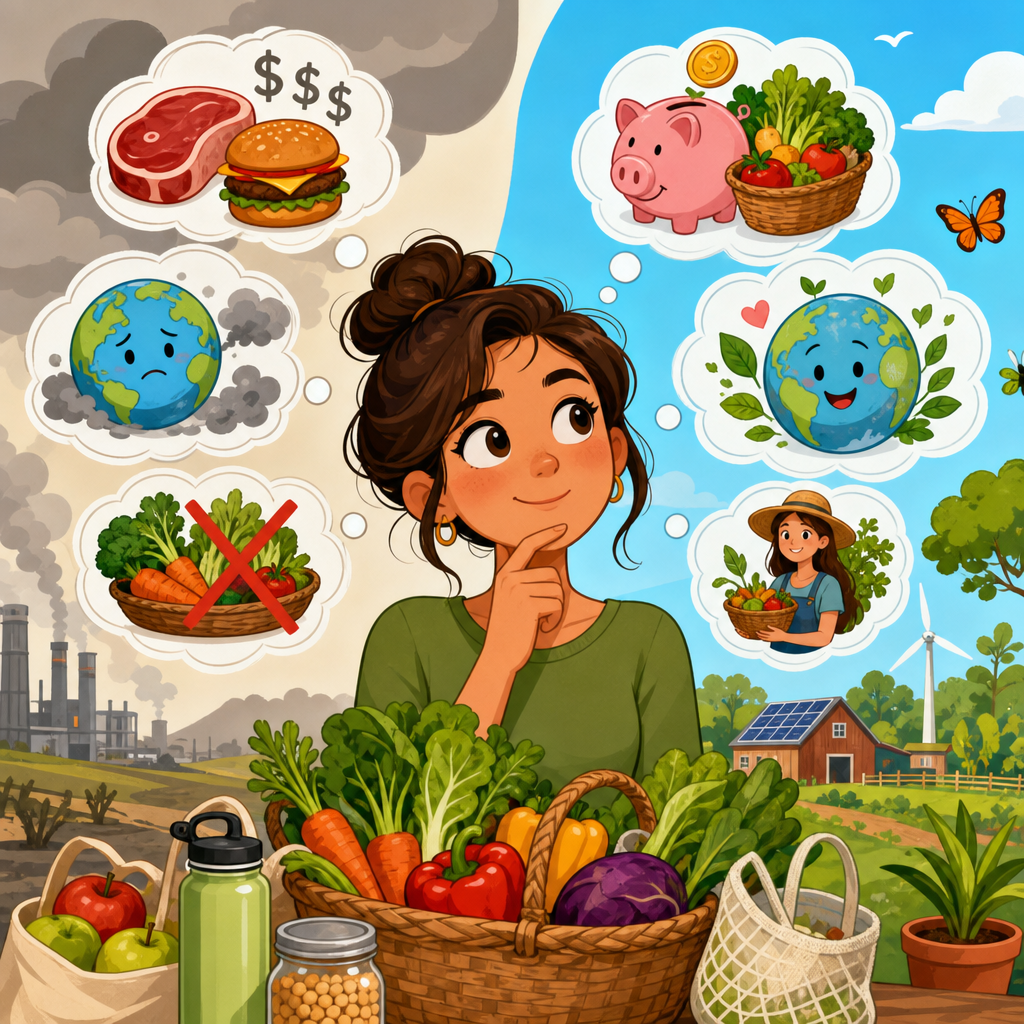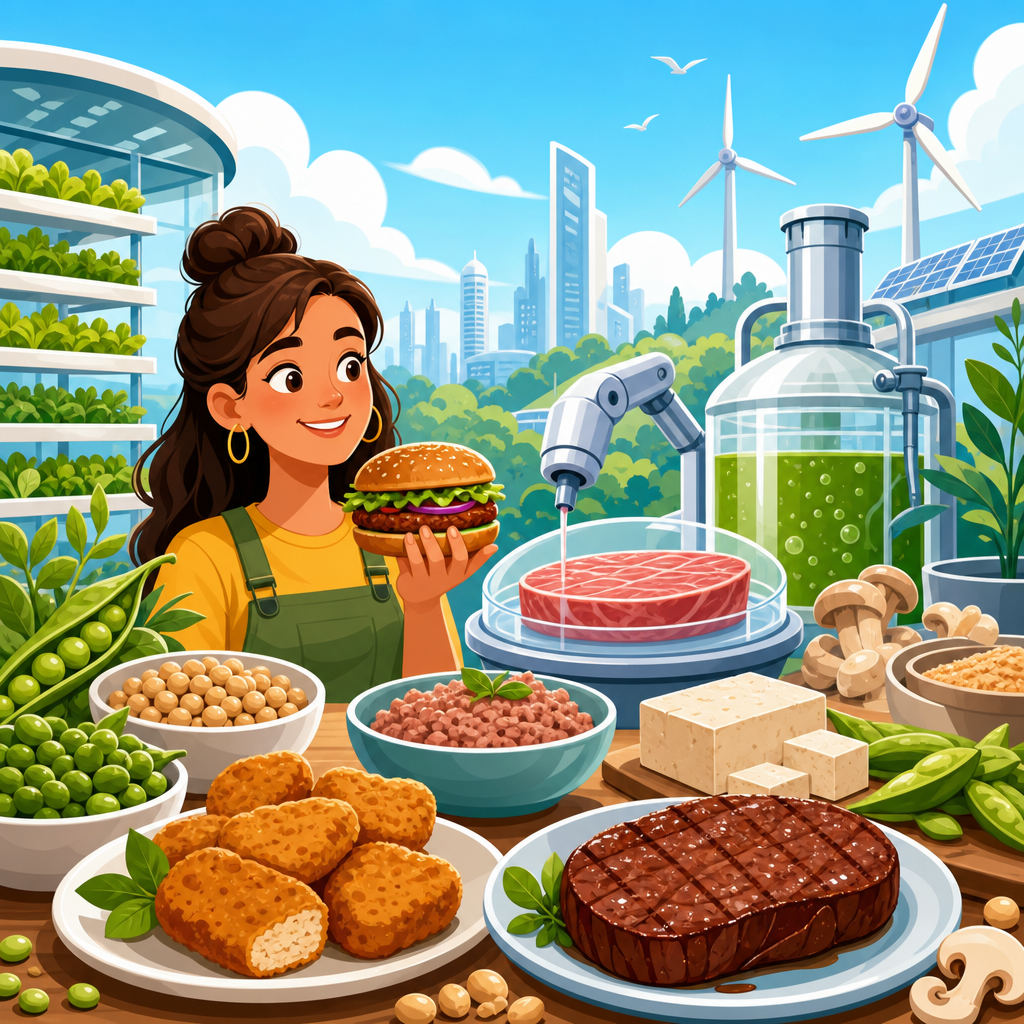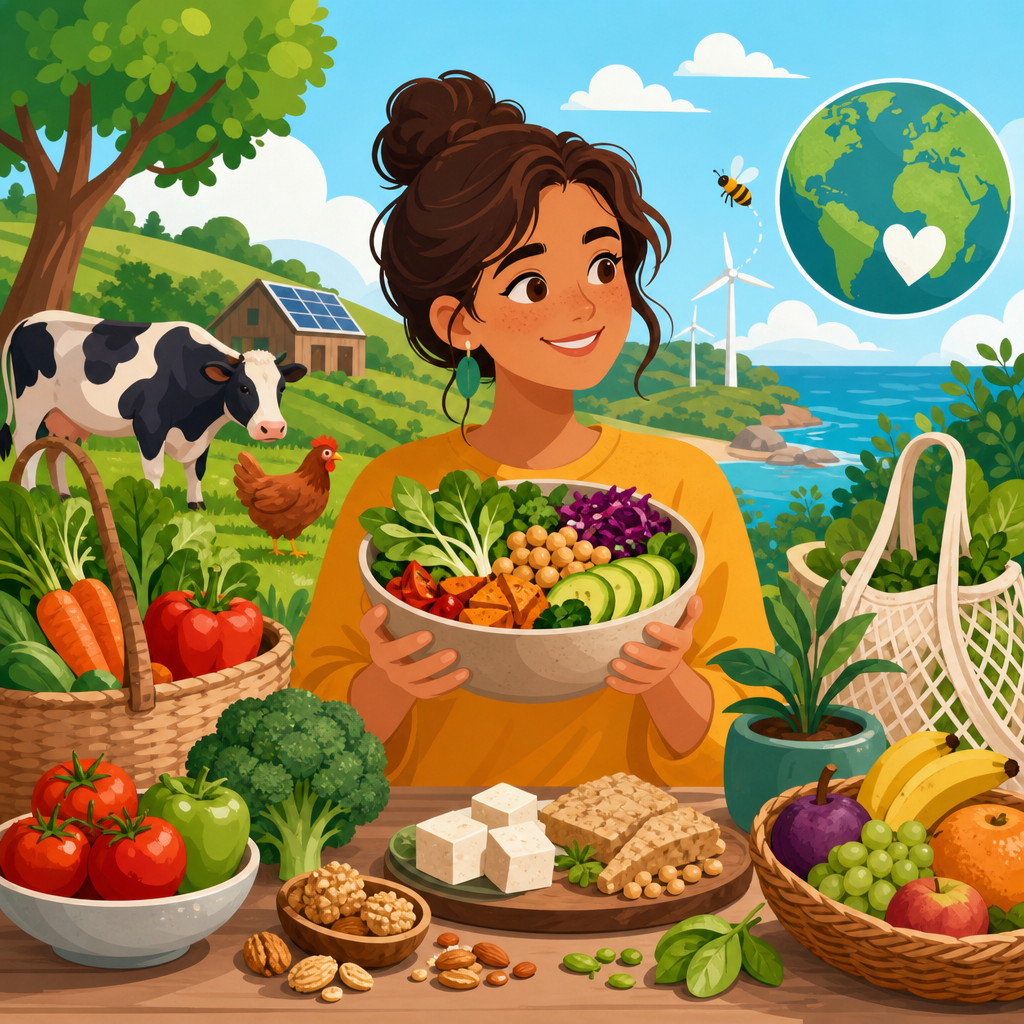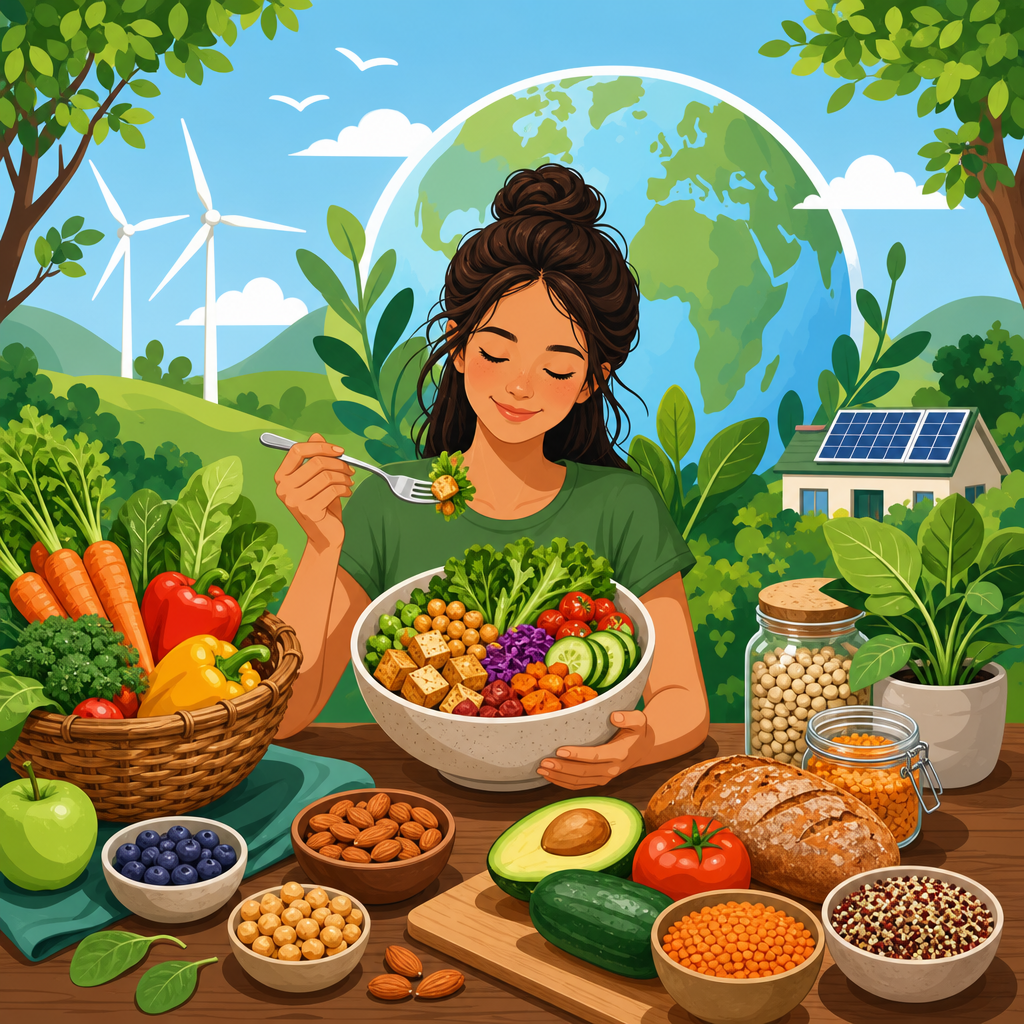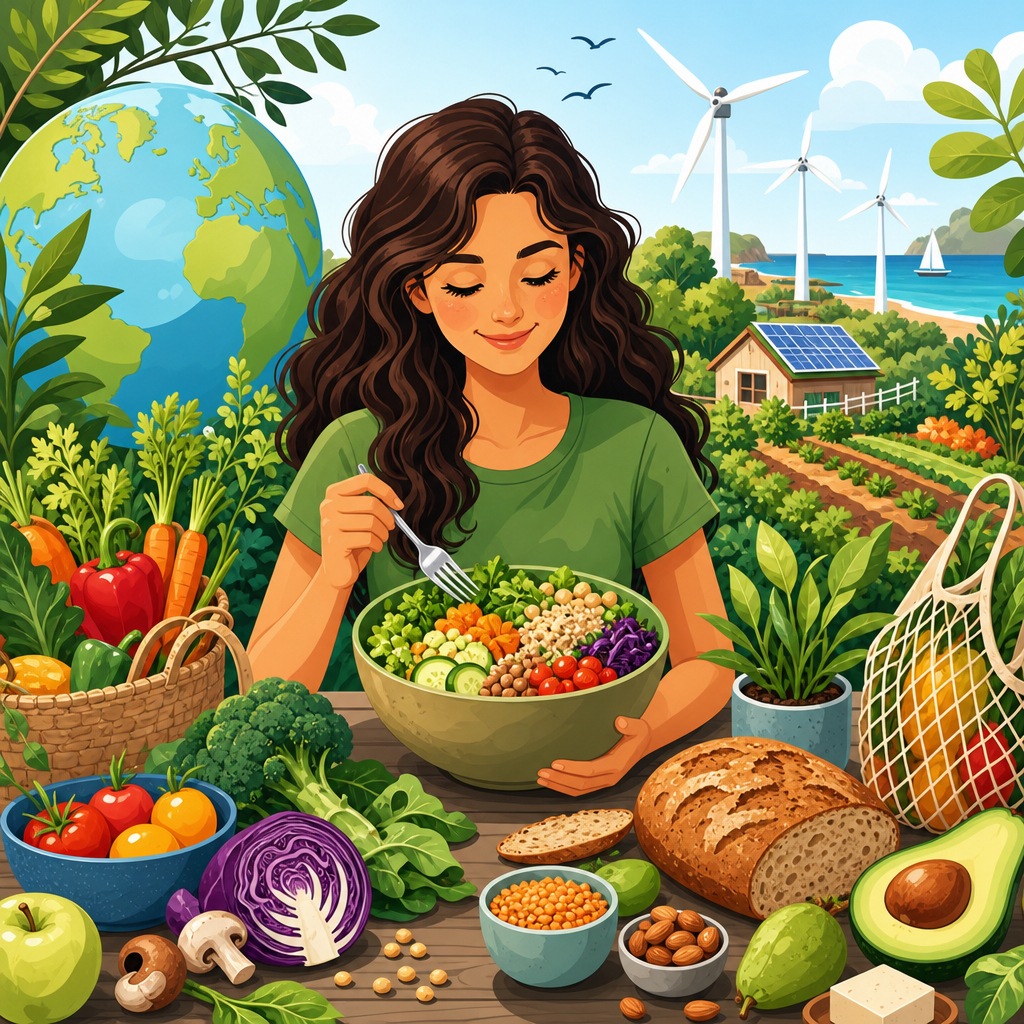
Sustainable eating means choosing foods and dietary patterns that support human health while reducing harm to climate, water, soil, biodiversity, and food system resilience. An eco-friendly diet is not one rigid menu. It is a practical way of eating that considers nutrition quality, production methods, packaging, transport, waste, and fairness across the supply chain. In food science and sustainability work, I have seen that many people assume sustainable eating is simply veganism or buying expensive specialty products. The evidence shows a broader and more useful reality: the most effective approach usually combines more plant foods, less waste, moderate portions of animal foods, seasonal flexibility, and attention to how food is grown and distributed.
This topic matters because the food system is deeply connected to both public health and environmental pressure. The Food and Agriculture Organization and the Intergovernmental Panel on Climate Change have repeatedly shown that agriculture and land use are major sources of greenhouse gas emissions, while diet quality strongly shapes risk for heart disease, type 2 diabetes, obesity, and some cancers. Food production also accounts for about 70 percent of global freshwater withdrawals and is a leading driver of deforestation and biodiversity loss. At the same time, poor diets are among the top contributors to premature death worldwide. A sustainable diet therefore aims to solve two problems at once: nourish people well and lower the ecological burden of what they eat.
As a hub page within Food Science and Sustainability, this guide explains the core concepts behind sustainable eating and eco-friendly diets, the tradeoffs behind common food choices, and the habits that produce the biggest real-world gains. It also clarifies terms readers often search for, including carbon footprint, regenerative agriculture, food miles, local food, plant-based diet, organic food, and sustainable protein. If you want a clear starting point for building better nutrition without ignoring environmental impact, this article lays out the facts and the decision framework that matter most.
What sustainable eating includes in practice
Sustainable eating starts with dietary pattern, not with isolated superfoods. Research published in journals such as The Lancet Planetary Health and guidance from the EAT-Lancet Commission point in the same direction: diets centered on vegetables, fruits, legumes, whole grains, nuts, and seeds tend to have lower environmental footprints and better health outcomes than diets high in red meat, heavily processed foods, and excess calories. In practice, that means meals built around beans, lentils, tofu, oats, brown rice, potatoes, leafy greens, seasonal produce, and modest amounts of dairy, eggs, fish, or meat where culturally appropriate.
Nutrition still comes first. An eco-friendly diet that lacks protein, iron, vitamin B12, calcium, iodine, or omega-3 fats is not a good diet. The goal is nutrient density with lower impact. For most people, that means increasing fiber-rich plant foods, choosing unsaturated fats over saturated fats, limiting highly processed snack foods, and using animal foods more strategically. For example, replacing several weekly beef meals with lentil chili, chickpea curry, tofu stir-fry, or chicken and bean soup usually reduces emissions and saturated fat while maintaining protein intake. In my own menu planning work, this shift is easier for households when they start with familiar dishes rather than trying to overhaul every meal at once.
Sustainable eating also includes affordability and accessibility. A diet cannot be called sustainable if only a small, wealthy audience can follow it. Dried beans, frozen vegetables, oats, cabbage, carrots, onions, peanut butter, eggs, canned tomatoes, and whole grain pasta are among the most budget-friendly foods in many markets, and they can anchor highly nutritious low-impact meals. The best sustainable diet is one people can maintain, enjoy, and adapt to local food cultures.
The environmental footprint of common foods
When people ask which foods matter most, the clearest answer is that animal species differ dramatically in resource use and emissions. Ruminant meats, especially beef and lamb, typically have the highest greenhouse gas footprints because cattle and sheep produce methane through enteric fermentation and often require substantial land. By contrast, legumes, grains, and most vegetables have far lower emissions per kilogram and usually per gram of protein. Poultry, eggs, and many plant proteins generally sit in the middle, though methods vary.
The best-known comparative dataset comes from work by Joseph Poore and Thomas Nemecek, published in Science in 2018, which analyzed tens of thousands of farms and many food products. Their findings are consistently cited because they show that food choice often matters more than transport for total impact. Beef can produce many times the emissions of beans for similar protein contribution. Cheese and chocolate can also be relatively resource intensive because of milk concentration and land use. Farmed shrimp may carry high impacts depending on production system. Meanwhile, potatoes, peas, tofu, and oats usually perform well.
| Food category | Typical climate impact | Main reasons | Practical lower-impact swap |
|---|---|---|---|
| Beef and lamb | Very high | Methane, feed demand, land use | Beans, lentils, tofu, chicken in smaller portions |
| Cheese | High | Large milk input per kilogram | Yogurt, smaller servings, plant spreads |
| Pork and poultry | Moderate | Feed production, manure management | Use less often, combine with legumes |
| Eggs | Moderate | Feed and housing inputs | Use strategically in mixed meals |
| Legumes and soy foods | Low | Efficient protein production, lower land use | Base meals around them |
| Whole grains, roots, vegetables | Low | Generally lower emissions per calorie | Increase meal share |
Environmental impact is not just carbon. Water use, eutrophication, pesticide load, soil erosion, and biodiversity all matter. Almonds, for instance, can be nutritious and relatively low in emissions, yet in drought-prone regions they raise legitimate water concerns. Rice often has a moderate climate burden because flooded paddies emit methane, though improved water management can reduce this. This is why sustainable eating is best treated as a pattern guided by evidence, not as a list of morally pure foods.
Plant-based diets, flexitarian eating, and animal foods
One of the most common questions is whether people must become vegetarian or vegan to eat sustainably. The direct answer is no. A fully plant-based diet can be highly sustainable when it is well planned, but a flexitarian pattern often delivers substantial benefits with greater long-term adherence. Flexitarian eating means mostly plant-based meals with smaller and less frequent portions of animal foods. In dietary counseling and sustainability reviews, this is often the most realistic pathway because it reduces the highest-impact foods without demanding an all-or-nothing identity change.
Plant-based diets have strong nutritional advantages when built around minimally processed foods. They tend to be higher in fiber, folate, potassium, and phytonutrients, and lower in saturated fat. However, some people need careful planning for vitamin B12, iron bioavailability, zinc, calcium, iodine, and long-chain omega-3 fats. Fortified plant milks, calcium-set tofu, beans, lentils, whole grains, nuts, seeds, seaweed used appropriately, and supplements where necessary can address these gaps. Good sustainable nutrition depends on adequacy, not ideology.
Animal foods are not automatically unsustainable. Their impact depends on species, production system, feed source, grazing practice, manure handling, and total quantity eaten. Small portions of yogurt, eggs, mussels, or sustainably managed fish may fit well into an eco-friendly diet for many households. The key distinction is frequency and scale. A weekly bean stew with occasional chicken is very different from a dietary pattern centered on daily large servings of beef, cheese, and processed meat. If readers remember one principle, it should be this: shift the plate toward plants first, then choose animal foods deliberately rather than automatically.
Local, seasonal, organic, and regenerative choices
Consumers often want to know whether buying local is the best way to reduce food impact. Local food can support regional farms, freshness, and community resilience, but it is not always the dominant environmental factor. For most foods, production method matters more than distance traveled. Shipping large volumes by sea can be more efficient than flying small volumes or growing certain crops in heated greenhouses out of season. That is why “food miles” alone can mislead. A tomato grown locally in a heated greenhouse may have a higher footprint than a field-grown tomato shipped efficiently from a warmer region.
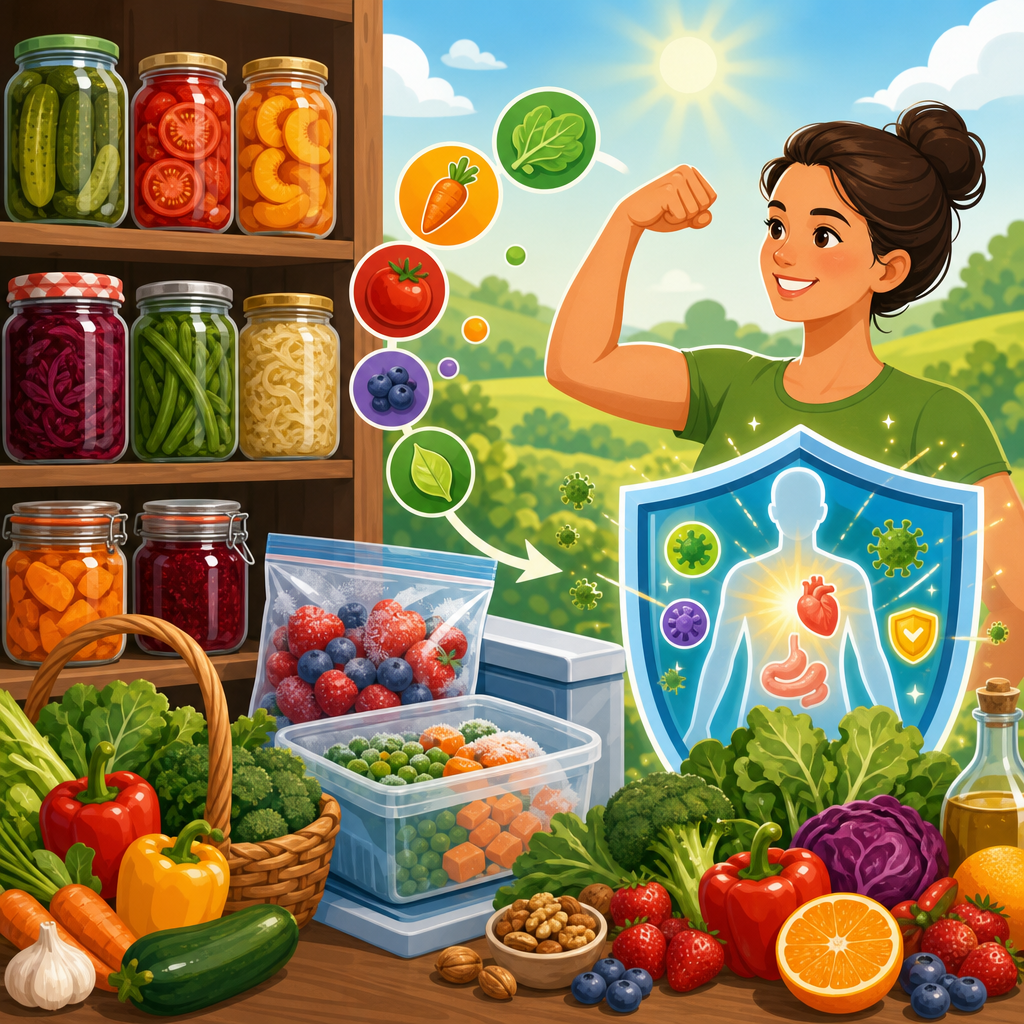
Seasonal eating is usually more reliable as a practical rule. Foods grown in their natural season often require fewer energy-intensive inputs. Seasonal produce can also be cheaper and taste better, making healthy choices easier to sustain. Frozen fruits and vegetables deserve mention here because they preserve nutrients well, reduce spoilage, and let households eat seasonally harvested produce year-round. In real kitchens, frozen spinach, peas, berries, and mixed vegetables prevent waste better than idealized shopping plans.
Organic food presents a more nuanced picture. Organic standards restrict synthetic pesticides and fertilizers and can benefit soil health and biodiversity in some systems. However, organic yields are sometimes lower, which can increase land use per unit of food if not managed carefully. Regenerative agriculture aims to improve soil organic matter, water retention, and ecosystem function through practices such as cover cropping, reduced tillage, rotational grazing, and diversified planting. These approaches can be valuable, but claims should be assessed carefully because measurement methods differ and carbon sequestration potential has limits. The strongest consumer strategy is not to chase labels blindly. Prioritize dietary shifts with the largest evidence base, then use local, seasonal, organic, or regenerative options where they fit your budget and region.
Food waste, packaging, and the hidden impact of convenience
Food waste is one of the fastest ways to undermine an eco-friendly diet. The United Nations Environment Programme has estimated that global food waste is enormous across households, food service, and retail. When food is wasted, the land, water, fertilizer, labor, refrigeration, and transport behind it are wasted too. In many home audits I have reviewed, the most discarded items are salad greens, bread, berries, herbs, milk, and leftovers forgotten in the back of the refrigerator. Preventing that waste often cuts environmental impact more than switching between similar products.
Simple systems work best: plan meals before shopping, keep a visible use-first shelf, freeze surplus bread and cooked grains, label leftovers with dates, and turn aging vegetables into soup, stir-fry, or pasta sauce. Portion control matters as well. Oversized restaurant servings and bulk purchases that never get eaten are not sustainable bargains. A useful rule is to buy the amount you will realistically consume, not the amount that looks most economical on a shelf tag.
Packaging is important, but it is often secondary to the food itself. Consumers sometimes avoid packaged produce even when packaging extends shelf life enough to prevent spoilage. From a life-cycle perspective, throwing away a bag of salad greens usually has a larger footprint than disposing of a small amount of plastic that protected it. The ideal choice combines lower-impact packaging with high likelihood of being eaten. Refillable containers, bulk dry goods, and recyclable materials help, but the hierarchy is clear: first avoid waste, then improve packaging choices.
How to build a sustainable diet that also improves nutrition
The most effective sustainable diet is built from repeatable habits. Start by making half the plate vegetables and fruits, using whole grains and legumes as staple carbohydrates and proteins. Rotate protein sources across the week: beans, lentils, tofu, tempeh, eggs, yogurt, fish, and smaller portions of poultry or meat. Keep highly processed foods and sugary drinks occasional, not foundational. This pattern increases fiber, supports gut health, stabilizes appetite, and generally lowers emissions compared with a meat-heavy diet.
Use a decision sequence. First, ask whether the food is nutrient dense. Second, ask whether a lower-impact version exists that you would genuinely enjoy. Third, ask whether you can buy or prepare it in a way that reduces waste. For breakfast, overnight oats with fruit and nuts beats a packaged pastry on both nutrition and environmental grounds. For lunch, a grain bowl with beans, roasted vegetables, and tahini is usually stronger than a deli sandwich heavy in processed meat and cheese. For dinner, pasta e ceci, vegetable chili, or tofu and broccoli stir-fry are reliable staples because they are affordable, scalable, and family-friendly.
Households do not need perfection. If changing everything feels overwhelming, focus on the highest-leverage moves: cut food waste, reduce beef and lamb, eat more legumes, choose seasonal produce, and cook more often from basic ingredients. Those five actions consistently produce meaningful gains. For deeper reading, link this hub with related guides on plant proteins, life-cycle assessment, sustainable seafood, and food labeling so readers can explore each decision area with more precision. Sustainable eating works best when it becomes a durable routine rather than a short-term challenge. Start with one week of planned meals, track what gets eaten, and build from there.
Sustainable eating and eco-friendly diets are best understood as a balanced framework, not a trend. The central facts are clear: diets rich in vegetables, fruits, legumes, whole grains, nuts, and seeds usually support better health and lower environmental impact; red meat and high-waste habits create disproportionate pressure; and production method, seasonality, and storage practices all influence the final footprint of a meal. Just as important, sustainable nutrition must remain affordable, culturally flexible, and nutritionally complete.
The biggest lesson from food science and sustainability research is that small consistent changes outperform dramatic but short-lived overhauls. Replace some high-impact meals with plant-forward favorites. Buy food in amounts you will actually eat. Use frozen and canned staples when they reduce spoilage. Treat labels such as local, organic, and regenerative as useful context, not automatic proof of sustainability. These choices improve diet quality while reducing emissions, resource use, and waste across the food system.
If you want better nutrition with a lighter footprint, begin with your next shopping list. Add beans, whole grains, seasonal produce, and one reliable plant-based dinner for the week, then build outward. That is how sustainable eating becomes practical, measurable, and lasting.
Frequently Asked Questions
What does sustainable eating actually mean?
Sustainable eating means choosing foods and eating patterns that nourish your body while placing less strain on the environment and supporting a more resilient food system. In practice, this includes looking beyond calories and nutrients alone. A sustainable diet considers how food is grown, raised, processed, packaged, transported, sold, and wasted. It also takes into account impacts on greenhouse gas emissions, water use, soil health, biodiversity, and fair treatment across the supply chain.
Just as important, sustainable eating is not one strict diet that fits everyone. It does not require perfection, and it is not limited to one label such as vegan, vegetarian, organic, or local. In real-world nutrition and sustainability work, the most effective approach is often a flexible one: eating more plant-forward meals, choosing a variety of minimally processed foods, reducing unnecessary waste, and making practical swaps that fit your budget, culture, health needs, and access to food. The goal is to improve both personal nutrition and environmental outcomes over time, not to follow a rigid rulebook.
Is an eco-friendly diet the same thing as being vegan or vegetarian?
No. Vegan and vegetarian diets can be eco-friendly, but an eco-friendly diet is broader than any single eating pattern. Many people assume sustainable eating simply means cutting out all animal foods, yet the full picture is more nuanced. Environmental impact depends on several factors, including the type of food, how it was produced, how much was consumed, the level of processing, packaging choices, transport, storage, and how much ends up being wasted.
For example, a diet built around beans, lentils, whole grains, vegetables, fruits, nuts, and seeds is often a strong sustainability choice, but a person can also eat sustainably while including moderate amounts of foods like yogurt, eggs, or responsibly sourced fish, depending on their needs and local food system. Likewise, a highly processed plant-based product shipped long distances in heavy packaging may not always be the most sustainable option compared with a simple, lower-waste food grown closer to home. The most reliable principle is not strict identity with a diet label, but focusing on more plants, less waste, and thoughtful food choices that support both health and long-term environmental stability.
What are the most effective ways to make my diet more sustainable without sacrificing nutrition?
The most effective starting point is to shift toward a more plant-forward pattern while keeping meals nutritionally balanced. That usually means eating more legumes, whole grains, vegetables, fruits, nuts, and seeds, and relying less often on foods that tend to have a higher environmental footprint. This does not have to happen overnight. Small, repeatable habits matter: swapping one or two meat-based meals each week for bean chili or lentil soup, choosing oats instead of sugary packaged breakfast items, or building dinners around seasonal vegetables and grains can improve both nutrition quality and sustainability.
Another major strategy is reducing food waste. From a sustainability perspective, wasted food also means wasted water, energy, labor, land, and money. Planning meals, storing produce properly, using leftovers, freezing extra portions, and understanding date labels can make a real difference. Choosing minimally processed foods with less packaging when practical can also help, though convenience foods still have a place when they support consistent healthy eating. Finally, aim for variety. A sustainable diet should still provide adequate protein, fiber, iron, calcium, vitamin B12 where needed, omega-3 fats, and other essential nutrients. The best eco-friendly diet is one you can maintain realistically while meeting your health needs.
Does buying local, organic, or seasonal food always make a diet more sustainable?
Not always, although each of these factors can contribute. Seasonal foods are often a smart choice because they may require fewer resource-intensive production methods, especially when they are grown under conditions that match the natural climate. Local food can reduce some transport-related impacts and may strengthen regional food systems, but transportation is only one part of a product’s total footprint. In many cases, how a food is produced matters more than how far it traveled. For example, a crop grown efficiently in its natural season in one region can sometimes have a lower footprint than the same crop grown locally in heated greenhouses out of season.
Organic production may offer benefits in areas such as soil stewardship, biodiversity support, and reduced use of certain synthetic inputs, but it is not automatically the most sustainable option in every situation. Sustainability is multi-dimensional, so there is rarely one label that tells the whole story. A practical approach is to use these ideas as helpful guides rather than absolute rules. If you can, prioritize foods that are nutrient-dense, minimally wasted, responsibly produced, and affordable enough to fit your routine. A conventional seasonal vegetable that you actually cook and eat is often a more sustainable choice than an expensive specialty item that spoils in the fridge.
Can sustainable eating be affordable and realistic for busy households?
Yes. In fact, some of the most practical sustainable eating habits can also save money. Affordable staples such as beans, lentils, peas, oats, rice, potatoes, frozen vegetables, canned tomatoes, peanut butter, and in-season produce can form the base of nutritious, lower-impact meals. Buying in sensible quantities, cooking a few simple meals on repeat, and using leftovers well are often more effective than chasing premium “eco” products. Sustainable eating does not require expensive health foods, specialty subscriptions, or a perfectly curated kitchen.
For busy households, the key is building systems that are easy to repeat. Keep a short list of low-effort meals, use frozen and canned ingredients when they reduce spoilage and save time, and prep flexible basics such as cooked grains, chopped vegetables, or soup for the week. Even small changes count, like packing leftovers for lunch, choosing refillable or lower-packaging items when available, and planning one or two plant-based dinners each week. Sustainable eating works best when it is realistic, culturally familiar, nutritionally sound, and manageable within everyday life. Consistency matters far more than perfection.