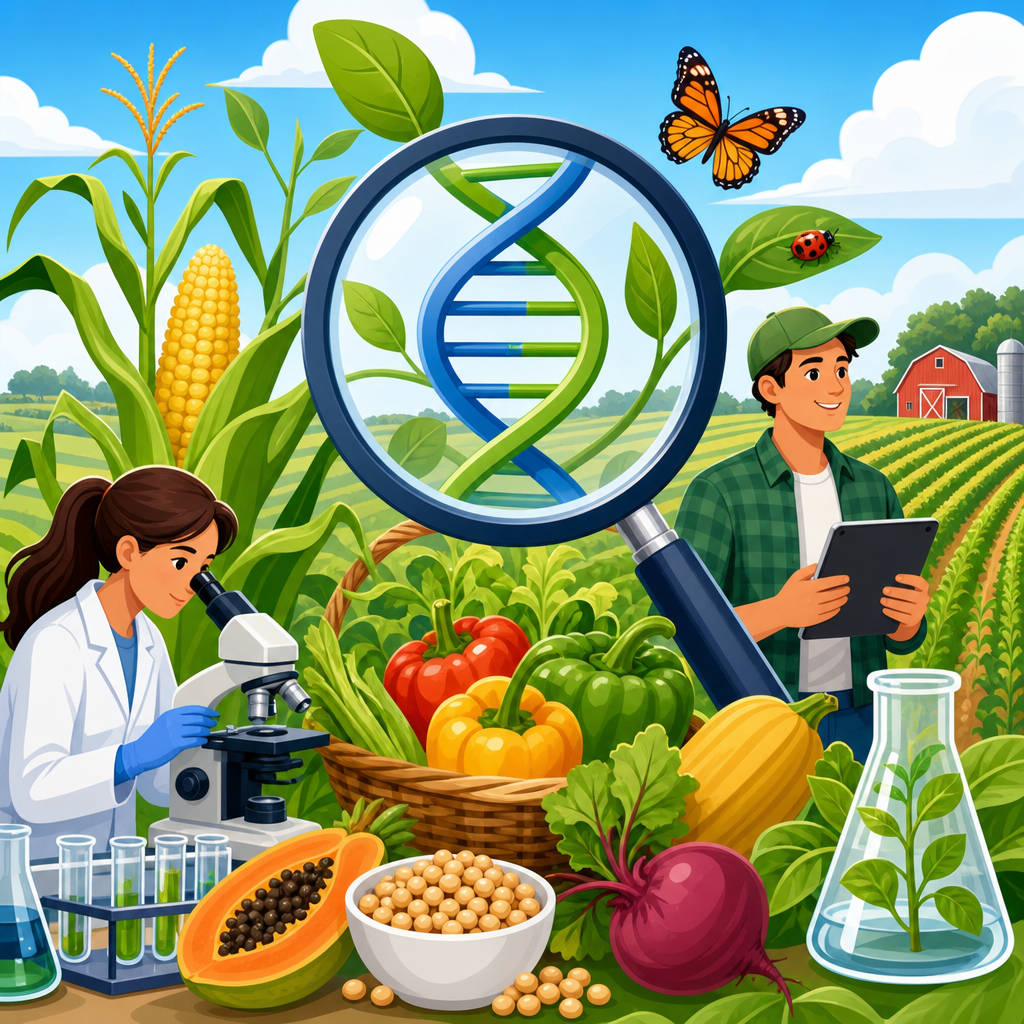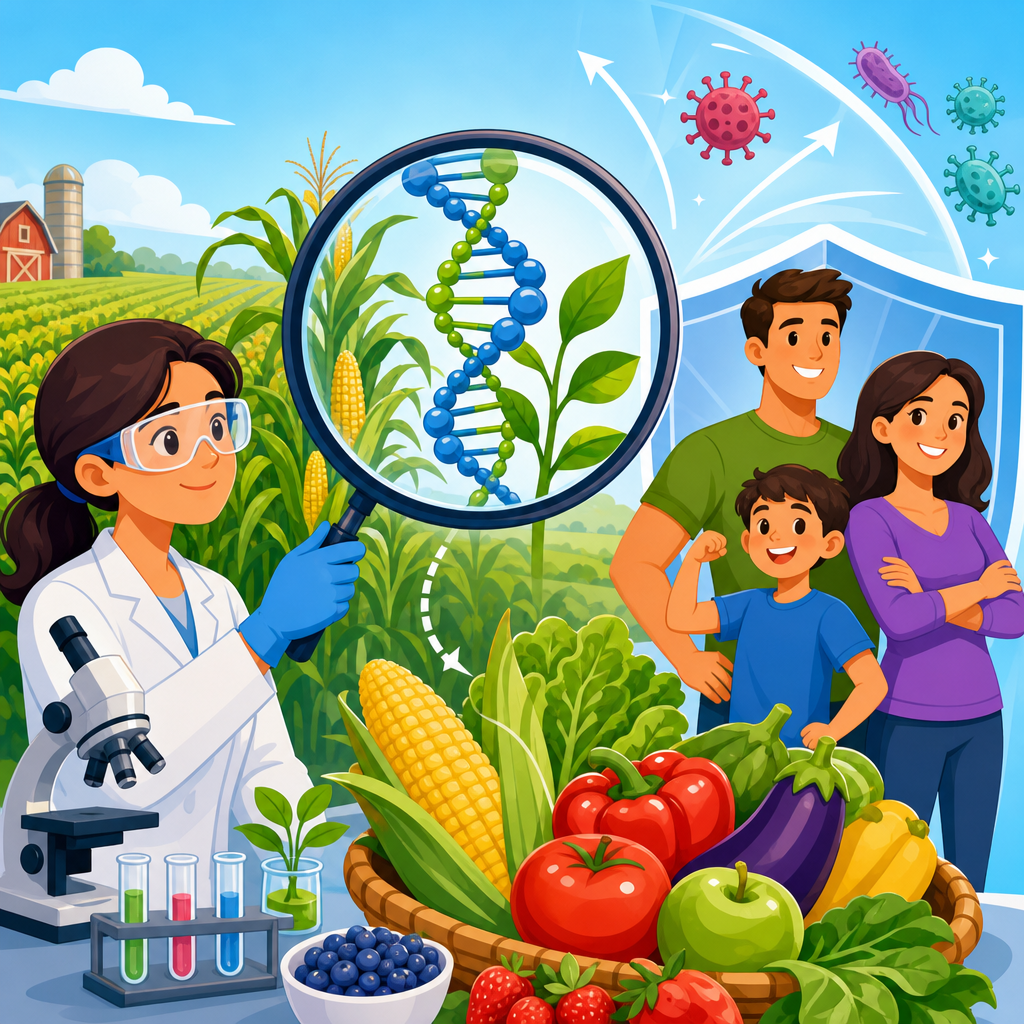
Understanding GMOs and their impact is essential for anyone who wants to make informed decisions about food, agriculture, and disease prevention. GMO stands for genetically modified organism, a plant, animal, or microorganism whose genetic material has been altered using biotechnology to introduce a desired trait. In agriculture, that usually means crops engineered for insect resistance, herbicide tolerance, improved nutrient profiles, drought resilience, or disease resistance. I have worked with food science content teams and reviewed labeling, regulatory, and agronomy materials for years, and one pattern is constant: people often hear strong opinions about GMOs long before they hear a clear explanation of what they are and how they are evaluated.
This topic matters because GMOs sit at the intersection of public health, food security, environmental management, and consumer trust. Discussions about disease prevention often focus narrowly on whether GMOs cause harm, but the better question is broader: how can understanding GMOs help prevent disease in crops, livestock, and humans? The answer includes reduced crop losses from pathogens, lower exposure to certain contaminants, the possibility of better nutrition, and more stable food supplies. It also includes limits and tradeoffs. No crop technology is automatically good or bad in every context, and disease prevention depends on farming practice, regulation, diet quality, and access as much as genetics. A useful starting point is to separate the technology from the product. Genetic engineering is a breeding method. The health and environmental effects depend on the specific trait, the crop, the farming system, and the evidence behind each approved use.
Consumers also need a vocabulary that cuts through confusion. Conventional breeding mixes thousands of genes over generations. Genetic engineering changes targeted genes more directly, and newer gene-editing tools can make even more precise changes. Risk assessment therefore should not be based on the method alone. Regulators and scientific bodies instead evaluate the resulting trait: does it alter allergenicity, toxicity, nutrient composition, ecological interactions, or pesticide use patterns? When people understand those questions, they can assess claims more critically. This article serves as a hub for understanding GMOs and their impact across science, agriculture, nutrition, and sustainability, with a particular focus on where disease prevention is realistic, where evidence is strong, and where caution is still warranted.
What GMOs Are and How They Are Developed
A GMO is not simply a food with chemicals or a crop grown on a large industrial farm. It is an organism whose DNA has been intentionally modified to express a trait that would be difficult, slow, or impossible to achieve through standard breeding alone. Common examples include Bt corn and cotton, which produce proteins from the bacterium Bacillus thuringiensis that are toxic to specific insect pests but not to humans at approved exposure levels, and herbicide-tolerant soybeans, which allow farmers to control weeds more efficiently. There are also virus-resistant papaya, non-browning apples, and biofortified crops designed to address nutrient deficiencies.
Development follows a structured pipeline. Scientists identify a target trait, isolate or design the relevant gene sequence, insert or edit it in the host genome, confirm expression, and screen for unintended effects. The resulting lines undergo greenhouse and field testing for agronomic performance, compositional equivalence, and safety. In the United States, oversight may involve the USDA, EPA, and FDA depending on the trait. Internationally, bodies such as the World Health Organization, Food and Agriculture Organization, and European Food Safety Authority have all published guidance or assessments relevant to GMO safety. In practice, approved GMO crops are among the most scrutinized foods in the supply chain.
The most important distinction for disease prevention is trait specificity. A disease-resistant banana, for example, should be evaluated based on the resistance mechanism, pathogen pressure, and field outcomes, not grouped vaguely with all genetically engineered products. That specificity is how farmers, clinicians, dietitians, and policymakers should approach the subject.
How GMOs Influence Disease Prevention in Agriculture and Human Health
When most people ask whether GMOs affect disease prevention, they are really asking several different questions at once. Can GMOs reduce plant disease? Can they lower foodborne health risks? Can they improve nutrition enough to prevent deficiency-related illness? And do they introduce new health concerns? Each question has a separate evidence base.
In crops, genetic engineering can directly prevent disease losses by adding resistance to viruses, fungi, insects, or other pests that spread infection. A classic example is virus-resistant papaya in Hawaii. Papaya ringspot virus devastated production in the 1990s, threatening the industry. Genetically engineered resistant varieties restored viable yields and reduced the need to abandon orchards. In that case, the technology supported agricultural survival and preserved access to a nutritious fruit. Similar logic applies to crops facing fungal diseases, bacterial wilt, or insect vectors that carry pathogens from plant to plant.
There is also an indirect human health benefit when GMOs reduce contamination. Insect-damaged corn is more vulnerable to fungal infection, which can increase mycotoxins such as fumonisins and aflatoxins. These compounds are linked to serious health risks, including liver damage and certain cancers. Bt corn often shows lower insect damage and, in many growing regions, lower mycotoxin levels than comparable non-Bt corn. That does not make every GMO healthier by default, but it is a concrete pathway by which a crop trait can contribute to disease prevention.
Nutritional enhancement is another route. Biofortified crops can help reduce deficiency diseases where diets are limited and supplementation is inconsistent. Golden Rice is the best-known example because it was engineered to produce beta-carotene, a precursor to vitamin A. Vitamin A deficiency can contribute to blindness, weakened immune function, and higher mortality in children. Golden Rice alone is not a complete public health solution, yet it demonstrates how crop design can support prevention when combined with education, distribution, and local dietary strategies.
| GMO example | Primary trait | Disease-prevention relevance | Real-world significance |
|---|---|---|---|
| Bt corn | Insect resistance | Can reduce insect damage and associated mycotoxin contamination | Supports safer grain in regions with high pest pressure |
| Virus-resistant papaya | Resistance to papaya ringspot virus | Prevents crop collapse and preserves food supply | Helped revive Hawaiian papaya production |
| Golden Rice | Beta-carotene production | Addresses vitamin A deficiency risk | Potential support for child health where deficiency is prevalent |
| Non-browning apple | Reduced enzymatic browning | Indirectly may reduce food waste, not disease directly | Illustrates that not every GMO has a health-prevention function |
What the Scientific Consensus Actually Says About Safety
The strongest broad conclusion is that approved GMO foods currently on the market are not shown to be inherently more risky to human health than comparable conventional foods. That position is supported by major scientific organizations including the National Academies, World Health Organization, American Medical Association, and many national science agencies. However, the phrase approved GMO foods is doing important work. Safety applies to evaluated products, not to every conceivable future modification. Each new trait requires case-by-case assessment.
That assessment generally examines allergenicity, toxicity, nutritional composition, stability of the inserted trait, and expected dietary exposure. Developers compare key nutrients, antinutrients, and biologically active compounds with conventional counterparts. If a new protein is expressed, it is checked against known allergens and toxins, and digestibility data may be reviewed because proteins that break down quickly are less likely to act as allergens. Environmental review can include gene flow, impacts on non-target organisms, and resistance management plans.
From experience, the biggest public misunderstanding is the idea that “GMO” is a single health category. It is not. A soybean engineered for herbicide tolerance and a rice engineered for nutrient enhancement should not be treated as one product for health analysis. The scientific consensus rests on this trait-by-trait approach. That is why some GMO applications are welcomed, some are debated, and some never reach commercialization.
Another area that needs precision is uncertainty. Science rarely proves zero risk. It estimates risk based on available evidence, biological plausibility, exposure, and monitoring. With GMOs, long-term population data have not shown a unique epidemic of illness attributable to approved foods, but surveillance still matters, especially as gene-editing and climate-stress traits expand. Responsible communication means acknowledging confidence where evidence is strong and maintaining scrutiny where new applications raise new questions.
Environmental Impact, Pesticides, and Resistance
Understanding GMOs and their impact requires looking beyond the plate and into the field. GMO traits can change pesticide use, soil management, biodiversity pressures, and farm economics. These environmental effects matter for disease prevention because healthier agricultural systems tend to produce more stable, safer food. They also matter because some benefits can erode if traits are mismanaged.
Bt crops have often reduced the need for broad-spectrum insecticide sprays, which can benefit farmworker exposure and non-target insect populations when compared with previous pest-control programs. Herbicide-tolerant crops, especially in their early adoption years, helped expand no-till and reduced-till systems in some regions, lowering soil erosion and fuel use. Those are meaningful sustainability gains. But repeated reliance on a single herbicide mode of action, particularly glyphosate in certain production systems, accelerated the emergence of herbicide-resistant weeds. Likewise, insect populations can develop resistance to Bt traits if refuge strategies are ignored.
This is why the real-world impact of GMOs is inseparable from stewardship. A disease-resistant or pest-resistant trait is not a replacement for crop rotation, integrated pest management, soil monitoring, and resistance planning. The best outcomes come when biotechnology is one tool among several. Farmers who rotate traits, preserve refuges, monitor pest pressure, and diversify weed control typically maintain benefits longer. When companies or growers overuse a technology, ecological adaptation narrows its value.
Climate pressure adds another layer. Drought, heat, and shifting pathogen ranges are already changing disease dynamics in agriculture. Future GMO and gene-edited crops may help farmers maintain yields under these stresses, but resilience will still depend on water access, extension support, seed affordability, and region-specific agronomy. Technology can strengthen a system; it cannot fix a broken one by itself.
Nutrition, Food Access, and Public Perception
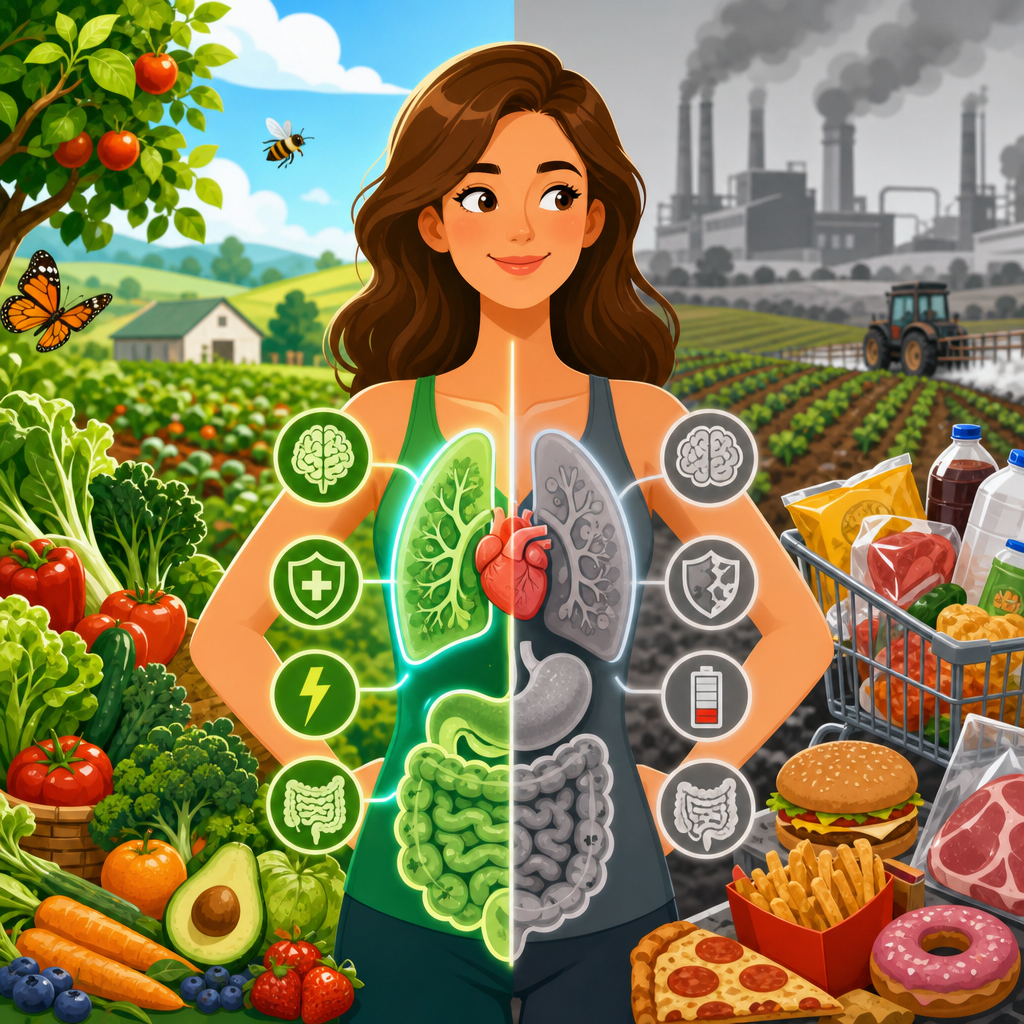
For disease prevention, nutrition remains the most practical lens for most households. A GMO food is not automatically more nutritious, less nutritious, healthier, or less healthy than a non-GMO alternative. The nutritional value depends on the food itself and the overall diet. A genetically engineered soybean oil and a bowl of genetically engineered sweet corn play different roles in health. Public conversation often collapses these distinctions, which makes informed choices harder.
Food access is equally important. If a crop trait improves yield stability, reduces losses to disease, or extends shelf life, it may support more reliable availability and lower waste. In lower-income settings, these outcomes can affect micronutrient intake and food prices, both of which influence disease patterns. Yet access benefits are not guaranteed. Seed pricing, intellectual property rules, trade restrictions, and infrastructure all shape who benefits from GMO innovation. A promising crop that farmers cannot afford or store effectively will have limited public health impact.
Consumer skepticism usually comes from three places: distrust of large agribusiness firms, concern about unknown long-term effects, and confusion between genetic engineering and pesticide use. Those concerns should not be dismissed. Industry concentration is a valid policy issue, and pesticide management deserves close oversight. But these concerns are not evidence that approved GMO foods are unsafe. Better public literacy comes from answering specific questions: What trait was added? Why was it added? How was it tested? What changed in the field? What changed in the food? Those are the questions that lead to useful decisions.
Labeling has also shifted the conversation. In the United States, bioengineered food disclosure rules provide a framework for transparency, though the practical clarity for consumers varies. Labels can support choice, but they do not by themselves indicate risk. A label tells you that biotechnology was used; it does not tell you whether the trait improves pest resistance, alters oil composition, or simply affects bruising. Context is still necessary.
How to Evaluate GMO Claims and Build a Smarter Food Science Perspective
If you want to understand GMOs and their impact without getting lost in marketing or fear-based messaging, use a simple evidence filter. First, identify the product, not just the category. Second, identify the trait. Third, check which regulatory bodies evaluated it. Fourth, separate agronomic effects from direct nutrition effects. Fifth, look for systematic reviews or statements from major scientific organizations rather than relying on a single sensational study. This process quickly improves the quality of the conversation.
It also helps to compare realistic alternatives. A non-GMO crop is not automatically low pesticide, local, nutrient-dense, or sustainable. An organic crop is not automatically lower risk for every consumer or region. A genetically engineered crop is not automatically industrial or unhealthy. In practice, food systems are evaluated through tradeoffs: yield, pest pressure, affordability, labor, biodiversity, nutrient quality, and resilience. The best choices depend on the question being asked.
As a hub topic within food science and sustainability, GMOs connect to broader discussions about regenerative agriculture, food waste, precision breeding, supply chains, and nutrition security. Readers exploring this subject further should next examine gene editing versus transgenic modification, mycotoxin reduction strategies in grain systems, integrated pest management, and the economics of seed technology adoption. Those related topics provide the context needed to judge claims about disease prevention accurately.
Understanding GMOs and their impact ultimately means replacing slogans with evidence. Genetic engineering can help prevent plant disease, reduce some contamination risks, and support nutrition in targeted cases. It can also create management challenges if traits are overused or assessed too narrowly. The practical takeaway is clear: judge each GMO by its specific trait, the quality of the evidence, and the farming system around it. That approach protects public health discussions from confusion and keeps attention on the outcomes that matter most, including safer food, resilient agriculture, and better disease prevention. If you are building a more informed view of food science and sustainability, start by evaluating GMO claims one product at a time and follow the evidence wherever it leads.
Frequently Asked Questions
What are GMOs, and why do they matter in discussions about disease prevention?
GMOs, or genetically modified organisms, are plants, animals, or microorganisms whose genetic material has been changed using modern biotechnology to give them a specific trait. In food and agriculture, this often includes crops designed for insect resistance, herbicide tolerance, drought resilience, improved nutrient content, or stronger resistance to plant diseases. They matter in disease prevention because the way food is grown, protected, and improved can influence both public health and food security. For example, a crop engineered to resist certain pests may reduce crop losses and help maintain a more stable food supply, while a crop enhanced with additional nutrients may help address deficiencies that contribute to poor health outcomes in vulnerable populations.
It is also important to understand that disease prevention in this context is broader than simply asking whether a GMO directly prevents illness in an individual. GMOs can affect disease prevention indirectly by supporting more reliable harvests, reducing contamination risks in some situations, improving nutritional profiles, and helping farmers manage plant diseases that would otherwise damage crops. At the same time, these benefits must be evaluated carefully, trait by trait, rather than assuming all GMOs have the same impact. A strong understanding of GMOs helps consumers move past fear-based or overly simplistic claims and make evidence-based decisions about how biotechnology fits into a healthier food system.
Are GMO foods safe to eat, and is there evidence linking them to human disease?
Current scientific consensus holds that approved GMO foods on the market are generally as safe to eat as their conventional counterparts. Safety assessments typically examine allergenicity, toxicity, nutritional composition, and whether the introduced trait could create unintended health concerns. Regulatory agencies and scientific bodies in many countries review GMO products before they are approved for cultivation or sale, and these evaluations are designed to identify meaningful risks before products reach consumers. This does not mean every future GMO should automatically be assumed safe, but it does mean safety is assessed on a case-by-case basis rather than by labeling all genetic modification as inherently harmful.
When people ask whether GMOs are linked to human disease, the most accurate answer is that no credible body of evidence shows that approved GMO foods as a category cause disease simply because they are genetically modified. Confusion often comes from mixing concerns about the technology itself with concerns about how certain crops are grown, how pesticides are used, or how processed foods affect health more generally. Those are related but separate issues. For example, a highly processed snack made with GMO corn is not unhealthy because it is genetically modified; it may be unhealthy because it is high in sodium, sugar, or unhealthy fats. Understanding this distinction is essential for disease prevention, because it helps people focus on real dietary risk factors instead of broad assumptions that are not supported by the evidence.
Can GMOs help prevent disease by improving nutrition?
Yes, some GMOs are specifically developed to improve nutrition, and this is one of the clearest ways biotechnology can support disease prevention. Nutrient-enhanced crops can be designed to contain higher levels of vitamins, minerals, or other beneficial compounds that address deficiencies tied to serious health problems. A commonly cited example is biofortified rice developed to produce beta-carotene, a precursor to vitamin A. In regions where vitamin A deficiency is common, this type of crop has the potential to support eye health and reduce the risk of deficiency-related disease. Similar approaches can be used to improve iron content, zinc availability, or overall food quality in staple crops relied on by large populations.
That said, nutrition-focused GMOs are not a complete solution on their own. Disease prevention through nutrition depends on access, affordability, diet diversity, education, sanitation, and healthcare as well as the food itself. A fortified crop can be a valuable tool, especially in areas where deficiencies are widespread and dietary options are limited, but it works best as part of a broader public health strategy. Still, the ability to improve the nutritional profile of staple foods is one of the strongest examples of how understanding GMOs can move the conversation from abstract controversy to practical disease-prevention benefits grounded in real-world needs.
How can GMO crops affect the spread of plant disease and broader public health outcomes?
GMO crops can influence plant disease management in ways that have broader implications for human well-being. Crops engineered for resistance to certain viruses, fungi, or insect pests can experience fewer losses in the field, which helps farmers protect yields and reduce the spread of agricultural disease. Healthier crops mean more stable food supplies, less economic disruption for farming communities, and reduced pressure on food systems already strained by climate variability, pests, and population growth. In some cases, reducing insect damage can also lower the risk of fungal infections in crops, which may decrease contamination by naturally occurring toxins that can harm human health if they enter the food supply.
Public health is connected to agriculture more closely than many people realize. When crops fail due to disease, the effects can include food shortages, higher prices, poorer nutrition, and increased vulnerability among low-income populations. Disease-resistant GMO crops may help reduce those pressures by making agriculture more resilient. However, the impact depends on how the crops are managed. Overreliance on a single strategy can lead to resistance problems over time, whether the issue is weeds, insects, or pathogens. That is why experts often emphasize integrated systems that combine biotechnology with crop rotation, soil health practices, monitoring, and responsible pest management. Understanding GMOs within this bigger framework leads to a more realistic discussion of how they can contribute to disease prevention at the population level.
What should consumers keep in mind when evaluating claims about GMOs and disease prevention?
Consumers should start by separating emotional claims from evidence-based ones. GMO discussions often attract strong opinions, but the most useful questions are specific: What trait was introduced? What problem is it designed to solve? How was safety assessed? What are the nutritional, agricultural, and environmental tradeoffs? Asking those questions leads to a clearer understanding than simply asking whether GMOs are good or bad. Since GMOs are not a single product but a category of technologies and traits, each one should be judged on its own merits. Some may offer meaningful benefits for nutrition, crop resilience, and food security, while others may have little direct relevance to disease prevention.
It is also wise to remember that overall health outcomes depend on the total diet and food system, not just whether a product contains GMO ingredients. A disease-prevention mindset should focus on dietary quality, food safety, nutrient adequacy, access to fresh and minimally processed foods, and trustworthy scientific information. Consumers can benefit from looking to established scientific and public health organizations rather than sensational headlines or social media claims. Informed decision-making does not require blind trust in biotechnology, but it does require a willingness to evaluate evidence carefully. When people understand GMOs in context, they are better equipped to make food choices that support both personal health and broader disease-prevention goals.