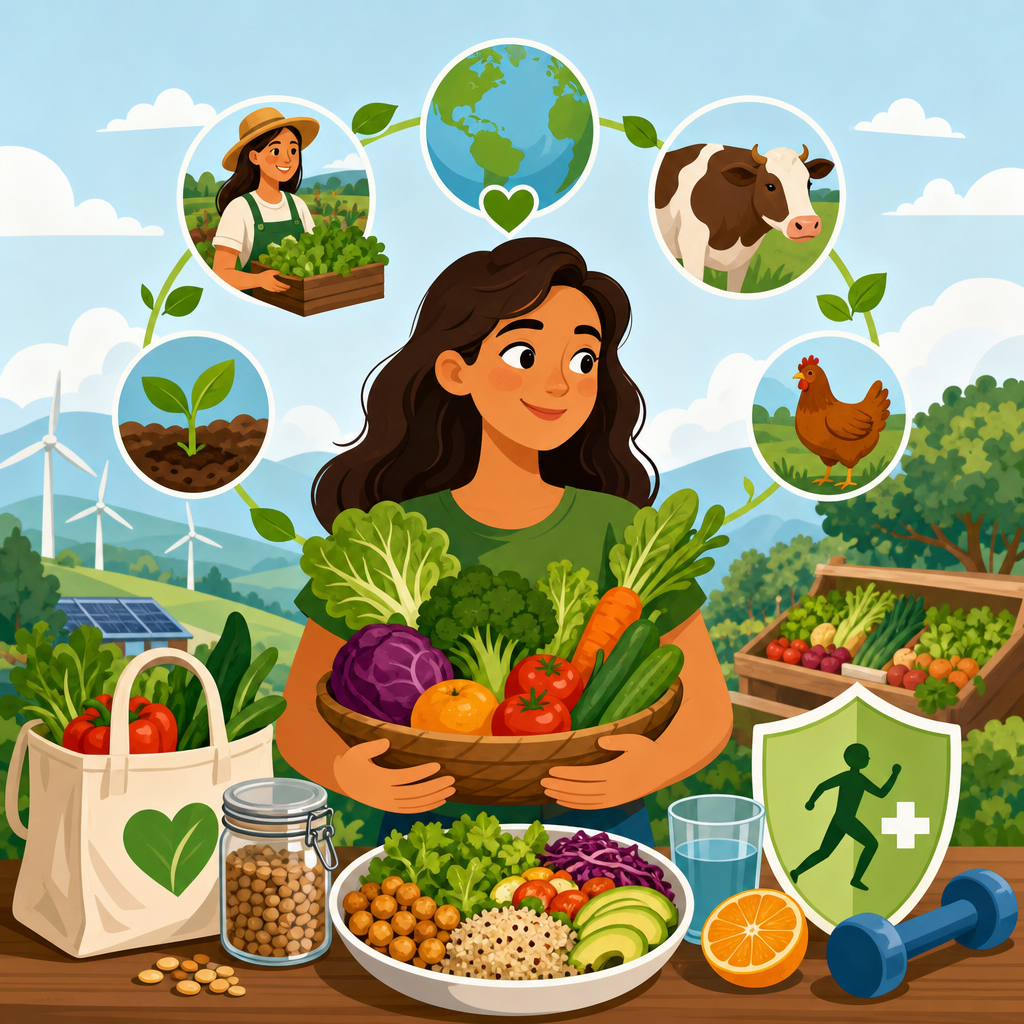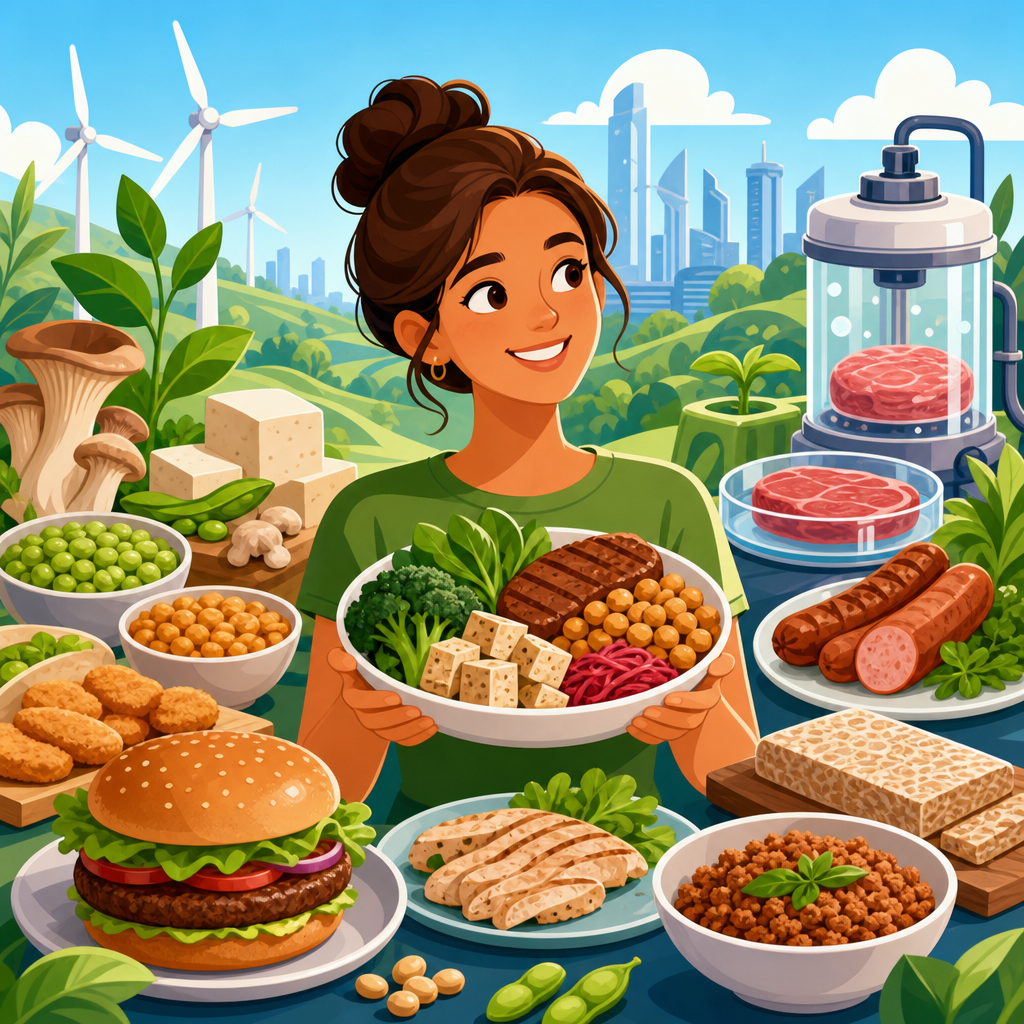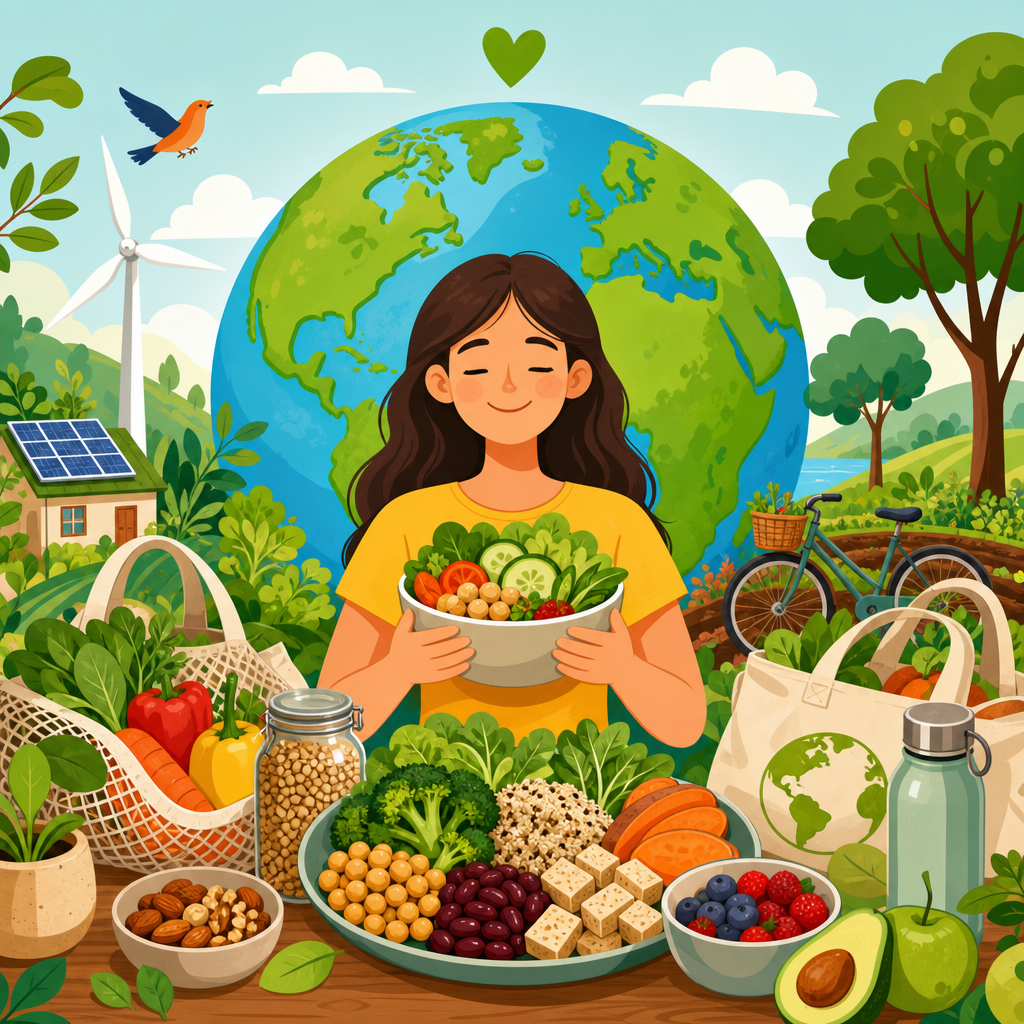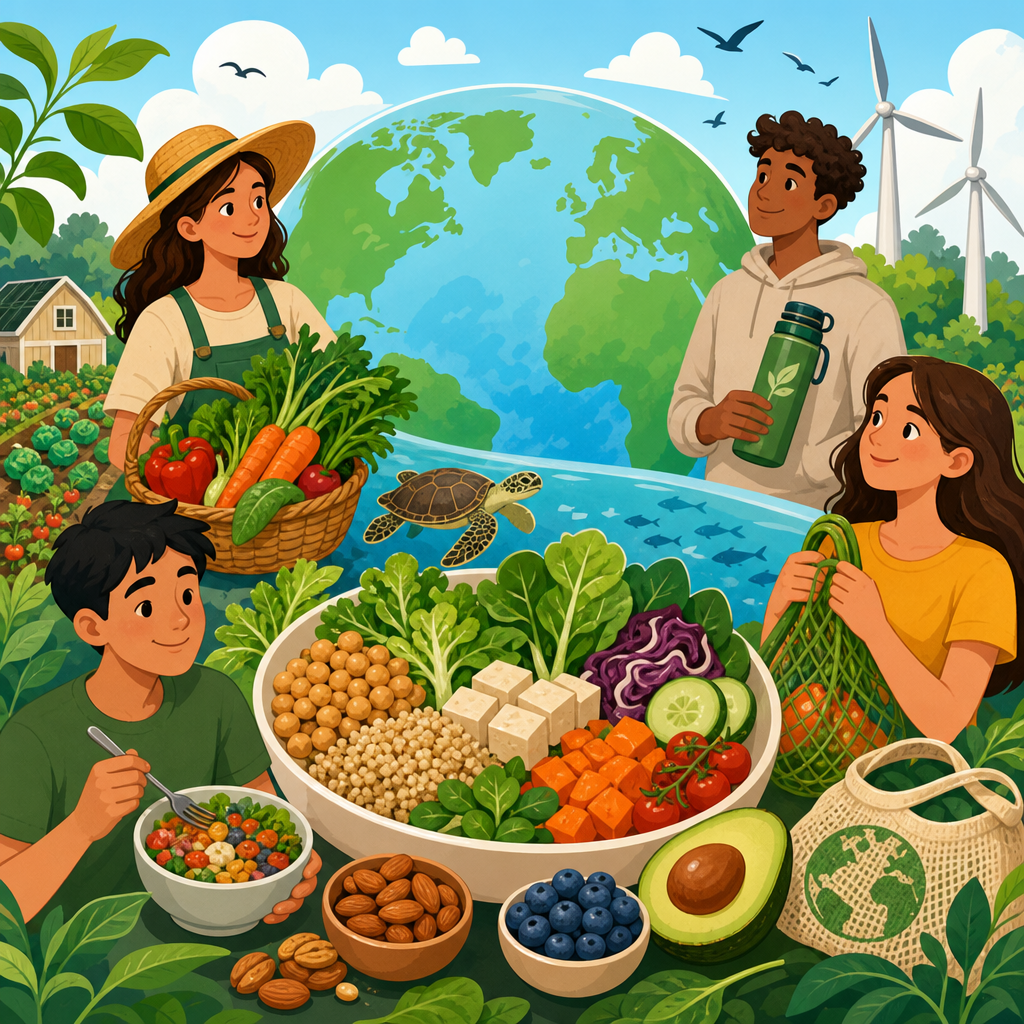
Maximizing your health with the future of alternative proteins starts with understanding what alternative proteins are, how they are made, and why they matter for nutrition, sustainability, and long-term food security. Alternative proteins are protein sources designed to reduce reliance on conventional livestock, and they include plant-based proteins, fermentation-derived proteins, cultivated meat, algae, insects, and hybrid products that combine several technologies. In food science, protein quality refers to amino acid composition, digestibility, and bioavailability, while sustainability refers to the land, water, energy, and emissions required to produce food. I have worked with product teams evaluating protein blends for taste, texture, labeling, and nutrient density, and one lesson is consistent: no single protein source solves everything. Consumers want complete nutrition, familiar eating experiences, affordability, and transparent ingredient lists. Governments and manufacturers want resilient supply chains and lower environmental impact. Health professionals want evidence on saturated fat, fiber, sodium, allergens, and micronutrients. This topic matters because protein demand is rising globally, chronic disease rates remain high, and climate pressure is reshaping food systems. A strong understanding of the future of alternative proteins helps readers choose better foods today while tracking where the category is headed next. This hub article explains the major protein types, health implications, production methods, regulatory realities, and practical strategies for building a balanced diet around them.
What counts as an alternative protein today
The future of alternative proteins is not one market but several distinct categories with different nutritional and technical profiles. Plant-based proteins remain the most established segment, using soy, pea, wheat gluten, fava bean, chickpea, mung bean, canola, potato, and rice proteins in burgers, milks, yogurts, powders, and ready meals. Fermentation-based proteins include mycoprotein, precision-fermented dairy proteins such as whey and casein made without cows, and biomass proteins grown from fungi or microbes. Cultivated meat is produced by growing animal cells in controlled environments, aiming to replicate meat without raising and slaughtering animals. Algae proteins, including spirulina and chlorella, offer high protein yields and valuable pigments. Insects are another protein source with strong feed-conversion efficiency, though consumer acceptance varies widely by market. Hybrid products increasingly combine plant protein with fermentation ingredients or cultivated fat to improve flavor and texture.
Each category answers a different consumer question. If the goal is lower saturated fat and more fiber, legumes and soy foods usually lead. If the goal is a meat-like sensory experience, extruded pea-soy blends or cultivated meat may be more relevant. If the goal is lactose-free dairy functionality for cheese or yogurt, precision fermentation has the clearest technical advantage because it can produce the same key proteins used in conventional dairy processing. Understanding these distinctions prevents a common mistake: treating all alternative proteins as nutritionally interchangeable.
How alternative proteins support health goals
Alternative proteins can improve health when they replace foods associated with excess saturated fat, low fiber intake, and overconsumption of processed red meat. Large dietary patterns such as the Mediterranean diet and plant-forward eating models consistently support legumes, nuts, seeds, soy foods, and whole grains because they contribute protein alongside fiber, unsaturated fats, minerals, and phytochemicals. Soy foods in particular have a strong evidence base. Tofu, tempeh, edamame, and fortified soy milk deliver high-quality protein and can help meet calcium and iron targets depending on the product. Pea protein is useful for allergen-sensitive formulations and sports nutrition, though many pea-based foods need blending to optimize texture and amino acid balance.
Protein quality still matters. Animal proteins naturally contain all essential amino acids in proportions favorable for human needs, but several plant proteins also perform well, especially soy. Complementary protein strategies remain useful, though they do not require pairing foods in the same meal. Beans and grains eaten across the day can support adequate amino acid intake. For older adults, athletes, and people recovering from illness, leucine content and digestibility deserve extra attention because they influence muscle protein synthesis. That is why some formulators blend pea with rice or add fermentation-derived ingredients to improve amino acid performance.
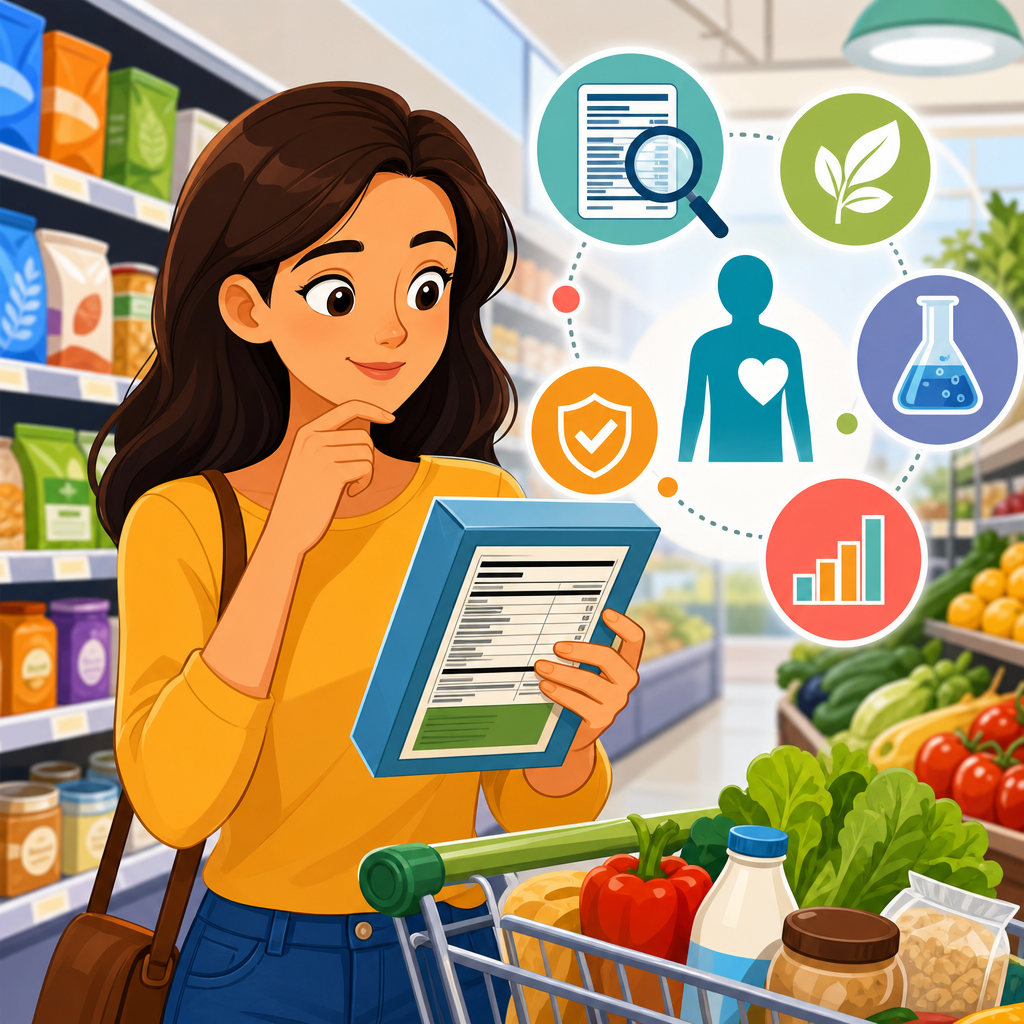
Health benefits are not automatic. Some meat alternatives are high in sodium, use refined oils, or rely on long ingredient lists to mimic meat texture. As with breakfast cereal or yogurt, the category includes both excellent choices and weak ones. Reading labels for protein per serving, fiber, sodium, saturated fat, iron, vitamin B12, and calcium provides a more reliable guide than front-of-pack marketing claims.
Nutritional strengths and limitations by protein source
When I assess alternative protein products, I look first at amino acid completeness, digestibility, fortification, processing intensity, and the role of the product in a full diet. Whole-food sources usually offer the best nutritional package. Lentils, black beans, chickpeas, soybeans, tofu, tempeh, and unsweetened soy yogurt provide protein plus fiber and minerals with minimal formulation complexity. Tempeh stands out because fermentation can improve digestibility and create a firmer texture useful in savory meals. Mycoprotein also deserves attention; research has associated it with satiety benefits and favorable fiber content due to fungal cell walls.
Highly engineered products can still be useful. A pea-protein burger may help someone reduce beef intake, and a precision-fermented whey drink may allow lactose-intolerant consumers to use a complete protein in sports recovery. But tradeoffs are real. Fortified products can fill nutrient gaps, yet they may not replicate the broader nutrient matrix of minimally processed foods. Cultivated meat may match conventional meat more closely for protein quality, but unless the fat profile is engineered, it may not deliver the same cardiometabolic advantages associated with legumes or soy foods.
| Protein source | Main strengths | Main limitations | Best use case |
|---|---|---|---|
| Soy foods | Complete protein, versatile, widely studied | Allergen for some consumers | Daily meals, dairy alternatives, meat replacement |
| Pea protein | Good functionality, common allergen alternative | Often needs blending for texture and amino acid balance | Shakes, burgers, snacks |
| Mycoprotein | High protein, useful texture, fiber content | Less familiar to some shoppers | Cutlets, mince, prepared meals |
| Precision-fermented dairy protein | Complete protein with dairy functionality | Scaling cost and labeling questions | Sports nutrition, cheese, yogurt |
| Cultivated meat | Animal-identical muscle potential | High cost, limited scale, evolving regulation | Premium meat analogs |
The science shaping the future of alternative proteins
Several technologies are driving the future of alternative proteins beyond simple ingredient substitution. High-moisture extrusion uses heat, pressure, and shear to align plant proteins into fibrous structures that resemble chicken or beef. The process depends heavily on protein solubility, water-holding capacity, and the right blend of proteins, starches, and hydrocolloids. Fermentation improves flavor and nutrition in multiple ways. Traditional fermentation, used for tempeh and miso, can reduce antinutrients and create savory complexity. Biomass fermentation grows large quantities of protein-rich fungi or microbes rapidly in tanks. Precision fermentation programs microorganisms to produce specific proteins such as beta-lactoglobulin, giving formulators a way to build dairy alternatives with true foaming, emulsification, and gelation properties.
Cultivated meat depends on cell line selection, growth media design, bioreactor engineering, scaffolding, and downstream structuring. Progress is real, but scaling remains difficult because cell culture at food volumes is far more demanding than at pharmaceutical volumes. Costs have fallen dramatically since the first public cultured burger in 2013, yet commercial viability still hinges on cheaper media, efficient bioprocessing, and reliable regulatory pathways. Algae research is also moving fast, especially for protein concentrates, omega-3 enrichment, and color stabilization. Across these technologies, the next breakthrough is unlikely to be one miracle ingredient. It will be better systems integration: cleaner flavors, improved texture, lower cost, and stronger nutrient profiles in products people actually want to eat regularly.
Sustainability, supply chains, and what the data really says
Alternative proteins gained momentum partly because conventional livestock production places heavy demands on land and contributes significantly to greenhouse gas emissions. The broad conclusion from life-cycle assessment studies is clear: many plant-based proteins have lower emissions and land use than beef and lamb, often by a wide margin. Water use is more nuanced and depends on geography, irrigation, and methodology. Soy and pea proteins generally compare favorably to ruminant meat, but processing energy, cold-chain requirements, and ingredient transport still matter. Sustainability claims should never be treated as absolute without context.
Supply chain resilience is another major reason this category matters. Diversifying protein production reduces dependence on feed crops, animal disease cycles, and concentrated meatpacking systems. Fermentation facilities can be located near demand centers, and plant proteins can be sourced from a wider range of crops, including fava bean and canola, helping regional agriculture. However, resilience also requires transparency about inputs. Some products rely on coconut oil shipped long distances or on highly refined components with volatile pricing. In practice, the most sustainable portfolio is diversified: more legumes and whole plant foods, targeted use of advanced protein technologies, and regional sourcing where possible. That mix supports both environmental goals and food system stability.
Regulation, labeling, and consumer trust
Regulation will shape which alternative proteins succeed. In the United States, plant-based foods generally follow established food safety and labeling rules, while cultivated meat involves oversight shared between the FDA and USDA for premarket evaluation and production inspection. Precision-fermented proteins must demonstrate safety, allergen status, and manufacturing controls, often through Generally Recognized as Safe pathways or equivalent review processes depending on jurisdiction. In the European Union, novel foods may require additional authorization, which affects timelines and market entry.
Labeling disputes around terms like milk, burger, and meat are not trivial. They influence consumer understanding, shopping behavior, and legal risk. Clear labeling builds trust when it explains what the product is, how it was made, and what nutrition it delivers. In my experience, consumers accept unfamiliar technologies more readily when companies avoid vague claims and show practical benefits: protein quality, lower lactose burden, lower saturated fat, or reduced reliance on intensive livestock. Trust also depends on pricing. If a product promises the future but costs far more than familiar foods while delivering inconsistent taste, adoption stalls quickly.
How to choose alternative proteins for a healthier diet
The best way to maximize your health with the future of alternative proteins is to build a tiered strategy. Start with minimally processed staples: beans, lentils, tofu, tempeh, edamame, nuts, seeds, and fortified soy milk. Add convenient formulated products selectively, especially when they help replace less favorable foods or make high-protein meals easier during busy weeks. Use three label checks. First, aim for a meaningful protein dose, often at least 10 to 20 grams depending on the meal. Second, compare sodium and saturated fat, especially in burgers, sausages, and frozen meals. Third, look for fortification when relying on dairy-free or meat-free patterns, particularly vitamin B12, iron, calcium, iodine, and vitamin D.
People with specific goals should personalize further. Athletes may benefit from blends that deliver leucine-rich complete protein after training. Older adults often need protein distributed across meals rather than concentrated at dinner. Families feeding children should prioritize familiar textures and broad nutrient density over novelty. Anyone with soy, wheat, dairy, or pea allergies must check labels carefully because cross-category innovation can introduce hidden allergens. The category is evolving fast, but the practical rule is stable: choose foods that improve your overall dietary pattern, not products that merely sound futuristic.
The future of alternative proteins is healthiest when it expands your options rather than replacing one rigid food system with another. Plant proteins, fermentation-derived ingredients, cultivated meat, algae, and hybrid products each have a role, but their value depends on nutrition, taste, affordability, safety, and environmental performance working together. For most people, the immediate opportunity is simple: eat more legumes and soy foods, use better-formulated protein products strategically, and watch the next wave of innovation with informed skepticism. The strongest products will not win because they are novel. They will win because they deliver complete nutrition, clear labeling, dependable flavor, and measurable sustainability advantages at prices ordinary households can accept. If you want to maximize your health with the future of alternative proteins, start by auditing your current protein sources, identify one or two smart substitutions each week, and build from there. Small, evidence-based changes are how healthier diets and better food systems actually take hold.
Frequently Asked Questions
1. What are alternative proteins, and why are they important for health and the future of food?
Alternative proteins are protein sources developed to reduce dependence on conventional animal agriculture while still delivering the nutrition, functionality, and eating experience people expect from protein-rich foods. This category includes plant-based proteins made from ingredients such as peas, soy, fava beans, lentils, chickpeas, and wheat; fermentation-derived proteins created with yeast, fungi, or precision fermentation; cultivated meat grown from animal cells; algae-based proteins; edible insects; and hybrid products that combine multiple technologies. Their importance goes well beyond food trends. From a health perspective, alternative proteins can help diversify the diet, increase access to fiber and beneficial plant compounds in certain products, and give consumers more ways to manage saturated fat intake, cholesterol, and overall calorie quality depending on the product chosen.
They also matter because food systems are under pressure from population growth, climate change, land constraints, water use, and concerns about long-term food security. Producing protein in new ways can reduce reliance on resource-intensive livestock systems and create a more resilient supply of nutritious foods. At the same time, not all alternative proteins are identical nutritionally or environmentally, so the best approach is to evaluate each option carefully. When chosen thoughtfully, these foods can support personal health goals while also contributing to a more sustainable and adaptable food future.
2. Are alternative proteins actually healthy, and how do they compare nutritionally with traditional animal protein?
Alternative proteins can absolutely be part of a healthy diet, but their nutritional value varies significantly by source and by product formulation. Whole-food plant proteins such as beans, lentils, tofu, tempeh, edamame, and minimally processed soy foods are generally strong choices because they provide protein along with fiber, vitamins, minerals, and beneficial phytonutrients. More engineered products, such as plant-based burgers, nuggets, or dairy alternatives, may still offer meaningful protein but can differ widely in sodium content, saturated fat, ingredient quality, and micronutrient fortification. Fermentation-based proteins can offer excellent amino acid profiles and digestibility, while cultivated meat is being designed to closely resemble conventional meat nutritionally, though final nutrient composition depends on how the product is produced.
Compared with conventional animal protein, many alternative proteins offer advantages such as lower cholesterol, less saturated fat in some cases, and added fiber when the source is plant-based. However, some may be lower in certain nutrients naturally abundant in animal foods, such as vitamin B12, heme iron, zinc, or long-chain omega-3 fats, unless they are fortified or paired with other nutrient-dense foods. Protein quality also matters. Scientists often evaluate protein by amino acid composition and digestibility, and while soy, potato, mycoprotein, and some blends perform very well, other plant proteins may be lower in one or more essential amino acids if eaten in isolation. The good news is that a varied diet easily solves most of these concerns. For most people, the healthiest strategy is to focus on minimally processed options often, use fortified products when appropriate, and read labels rather than assuming every product in the category is equally nutritious.
3. How are alternative proteins made, and does the production process affect nutrition and safety?
Alternative proteins are made through several different technologies, and each one influences taste, texture, nutrition, and safety in different ways. Plant-based proteins are often produced by milling, concentrating, or isolating protein from crops such as peas or soy, then combining those proteins with fats, fibers, flavor compounds, and binders to create foods that resemble meat, dairy, or eggs. Fermentation-derived proteins use microorganisms such as yeast, fungi, or bacteria to produce protein-rich biomass or specific functional ingredients. Precision fermentation goes a step further by programming microbes to make targeted proteins, such as whey or casein, without using cows. Cultivated meat is produced by growing animal cells in controlled environments with nutrients, allowing real animal tissue to form without raising and slaughtering livestock. Algae and insects are also processed into powders, flours, or ingredients that can be incorporated into foods.
The production method does affect nutrition and safety, but not in a negative way by default. Processing can sometimes improve digestibility, remove anti-nutrients, enhance protein concentration, and create more consistent nutrient profiles. It can also introduce tradeoffs, such as added sodium, refined oils, or stabilizers in heavily formulated products. From a safety standpoint, alternative proteins are subject to food safety reviews, ingredient assessments, allergen labeling rules, and manufacturing controls, though regulations vary by country and by technology. Consumers should understand that “processed” does not automatically mean unhealthy or unsafe. The key question is how the product is processed and what the final nutritional profile looks like. A well-made alternative protein can be safe, useful, and nutritionally valuable, especially when it is part of a balanced eating pattern built around whole and minimally processed foods.
4. What should I look for when choosing the best alternative protein products for my health goals?
Choosing the right alternative protein starts with matching the product to your specific health priorities. If your goal is everyday nutrition, look for products with a strong protein content per serving, moderate sodium, limited added sugars, and a short, understandable ingredient list when possible. If you want better heart health, compare saturated fat levels and favor products made with healthier fat sources. If you are focused on muscle maintenance or active living, check whether the product provides a complete or complementary amino acid profile and enough total protein to support your needs. Fortification can also matter. Products enriched with vitamin B12, iron, calcium, vitamin D, or zinc may be especially useful for people transitioning away from animal-based foods.
It is also smart to distinguish between whole-food alternatives and convenience products. Tofu, tempeh, beans, lentils, edamame, and unsweetened fortified soy foods are often among the most nutritionally efficient choices. Packaged meat alternatives can still be helpful, especially for convenience or dietary transition, but label reading is essential. Pay attention to allergens such as soy, wheat, pea protein, or nuts. Consider how the product fits into the rest of your diet rather than judging it in isolation. For example, a plant-based burger served with vegetables, whole grains, and a balanced sauce can fit well into a healthy meal. In contrast, even a high-protein product may be less beneficial if the rest of the meal is highly refined and low in nutrients. The best choice is usually the one that helps you consistently meet protein needs while improving overall diet quality.
5. Can alternative proteins support long-term food security and sustainability without compromising personal health?
Alternative proteins are widely seen as an important part of the long-term solution for food security and sustainability because they can reduce pressure on land, water, feed inputs, and greenhouse gas-intensive livestock production. Plant proteins, fermentation platforms, and certain next-generation protein systems may allow food production to become more efficient and adaptable, especially as global demand for protein rises. They can also diversify supply chains, which matters in a world facing climate disruptions, disease outbreaks, geopolitical instability, and resource constraints. In practical terms, having multiple ways to produce high-quality protein makes the food system more resilient and potentially more accessible over time.
From a personal health perspective, sustainability and nutrition do not have to compete, but the balance depends on making informed choices. Many alternative proteins can support excellent health when they are nutrient-dense, appropriately fortified when needed, and included as part of a varied diet rich in vegetables, fruits, whole grains, legumes, nuts, and healthy fats. At the same time, sustainability claims should be viewed critically and in context, because not every product has the same environmental footprint, and not every alternative protein is equally beneficial nutritionally. The strongest approach is to combine evidence-based nutrition with practical sustainability: eat a diverse range of protein sources, rely more often on minimally processed options, and use innovative products strategically where they add convenience, enjoyment, or nutritional value. That approach supports both individual well-being and the broader future of the food system.