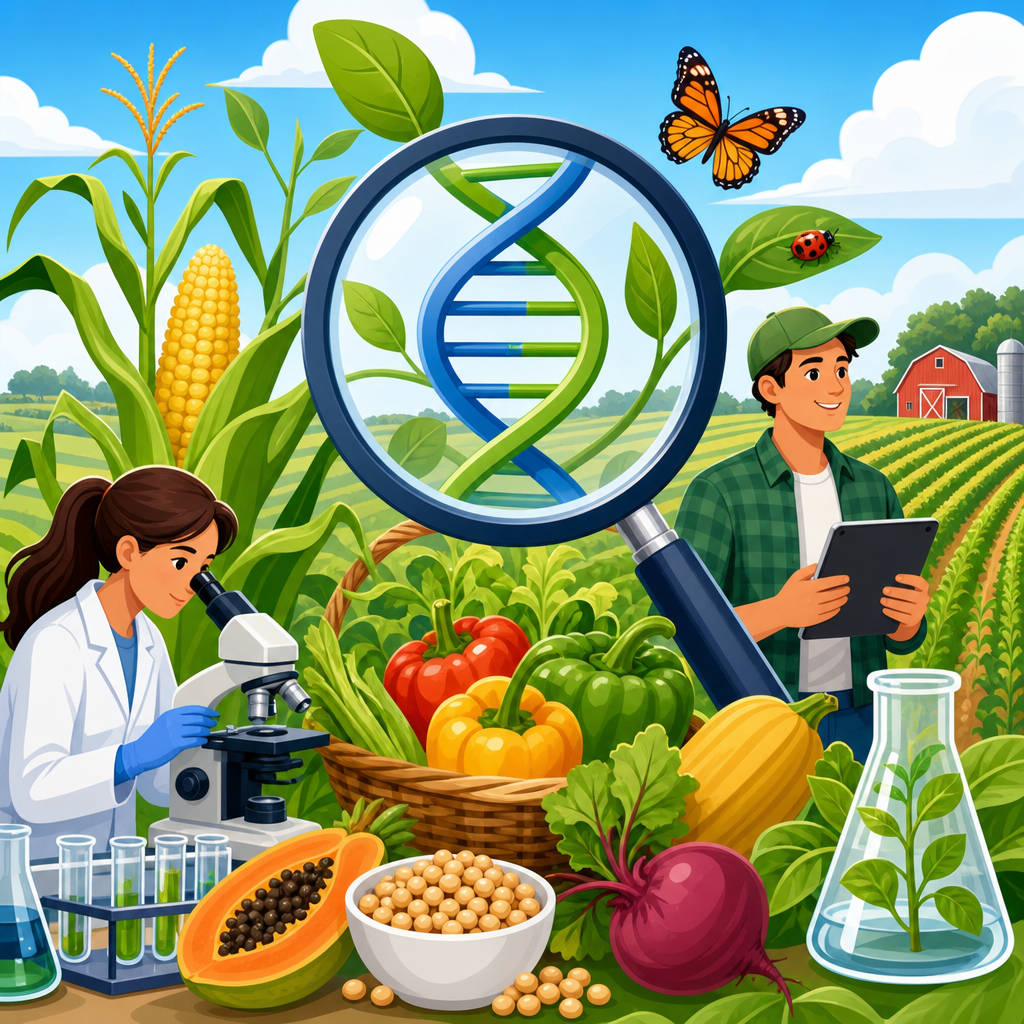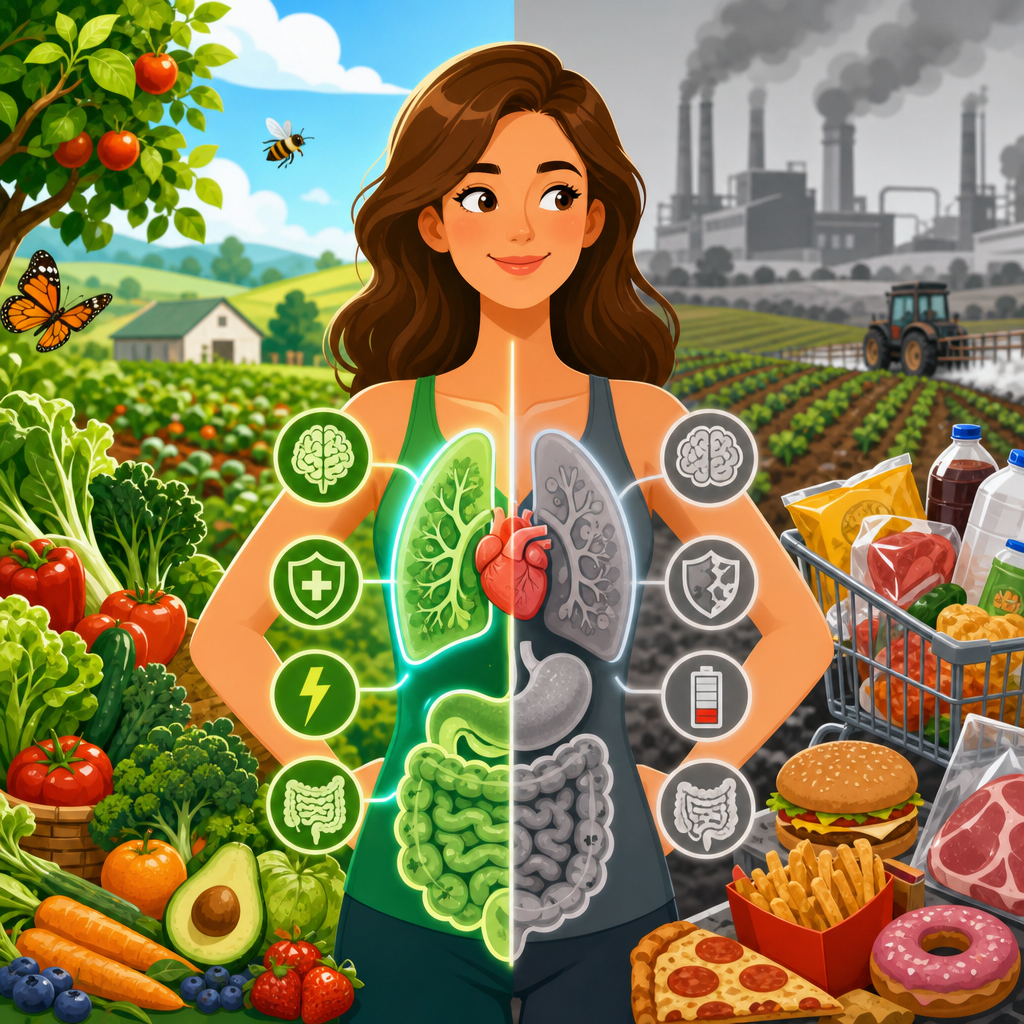
Organic vs. conventional foods affects far more than grocery labels, because the way food is grown, processed, and regulated can influence nutrient intake, chemical exposure, microbial safety, cost, and long-term eating habits. In food science, organic foods are produced under certification standards that restrict most synthetic pesticides, prohibit routine use of genetic engineering, and limit synthetic fertilizers, irradiation, and sewage sludge. Conventional foods come from the dominant agricultural system, which may use synthetic crop protection products, mineral fertilizers, modern breeding tools, and highly optimized supply chains to improve yield, shelf life, and price stability. Consumers often frame the choice as healthier versus less healthy, but the practical question is broader: how does each system support the body’s key functions, including energy production, tissue repair, immune regulation, hormonal balance, gut health, brain performance, and detoxification pathways?
That question matters because food works through patterns, not single headlines. A body running thousands of biochemical processes each minute needs adequate macronutrients, essential vitamins and minerals, protective phytochemicals, fiber, and safe hydration. It also benefits when avoidable burdens stay low, such as excessive sodium, ultra-processing, foodborne pathogens, or repeated exposure to contaminants. In my work reviewing ingredient specifications, supplier claims, and nutrition labels, I have seen people focus narrowly on the organic seal while overlooking the stronger predictor of health: whether the food itself is nutrient-dense and regularly eaten. Organic blueberries and conventional blueberries both support vascular health and cognition; organic cookies and conventional cookies are still cookies. The useful comparison is not ideological. It is physiological, evidence-based, and tied to what people actually buy, cook, and absorb.
A clear definition helps. “Organic” describes a production system and certification process, not a guarantee of superior nutrition in every item. “Conventional” describes the standard system used in most modern agriculture and food distribution. “Supports your body’s key functions” means helping core systems operate efficiently: cells generate ATP from carbohydrates, fats, and proteins; enzymes use minerals as cofactors; the immune system relies on amino acids, zinc, selenium, and vitamins A, C, D, and E; the nervous system depends on omega-3 fats, B vitamins, glucose regulation, and adequate iron; the gut microbiome thrives on fiber and plant diversity. To judge organic vs. conventional foods responsibly, you need to examine nutrient composition, residue profiles, safety standards, environmental influences on food quality, and accessibility. The most defensible conclusion is nuanced: organic foods can reduce certain exposures and may slightly raise levels of some phytochemicals, while conventional foods remain a reliable, safe, and often more affordable source of essential nutrients.
Nutrient Density and Energy Metabolism
Your body’s first priority is usable energy. Mitochondria convert carbohydrate, fat, and protein into ATP, but that process depends on micronutrients such as magnesium, riboflavin, niacin, iron, copper, and manganese. Organic and conventional foods both contribute to energy metabolism when the food is minimally processed and nutritionally intact. Whole grains, beans, dairy, eggs, fish, fruits, and vegetables provide the carbohydrate, amino acids, fatty acids, and micronutrient cofactors needed for daily function. The strongest determinant of nutrient density is usually the food category itself, followed by cultivar, freshness, storage conditions, and preparation method. A conventional lentil soup supports energy regulation better than an organic sugary cereal because fiber, protein, and mineral content matter more than production label alone.
Research comparing nutrient levels between organic and conventional crops shows mixed but useful patterns. Meta-analyses have reported that some organic produce contains higher concentrations of certain polyphenols and lower cadmium levels, while differences in core nutrients such as protein, vitamin C, calcium, and potassium are often modest or inconsistent. That means organic spinach may deliver a phytochemical advantage in some cases, but conventional spinach still contributes folate, vitamin K, lutein, nitrates, and magnesium that support red blood cell formation, bone metabolism, visual function, and vascular performance. From a practical nutrition standpoint, eating enough plants consistently produces a larger metabolic benefit than waiting for ideal sourcing. If budget limits you, prioritize total intake and variety first, then upgrade selectively where organic offers the clearest value.
Chemical Exposure, Detoxification, and Hormone-Related Concerns
Many shoppers choose organic foods to reduce pesticide exposure, and that rationale is scientifically grounded. Organic certification restricts most synthetic pesticides, so organic produce generally carries lower detectable residues. Biomonitoring studies have shown that when families switch to organic diets, urinary metabolites of several commonly used pesticides often decline within days. That matters because the body’s detoxification systems, especially in the liver, rely on enzymes that transform and excrete foreign compounds. Lower exposure does not mean the body was failing before, but it can reduce cumulative burden, particularly for children, pregnant women, and agricultural workers already facing higher background exposure. Lower exposure is a support factor, not a magic shield.
Conventional food is not unregulated or automatically unsafe. In the United States, the Environmental Protection Agency sets pesticide tolerances, the Department of Agriculture runs residue testing through the Pesticide Data Program, and the Food and Drug Administration monitors compliance across food categories. Most samples test below legal limits, and many show no detectable residues at all. Still, legal does not always settle consumer concern. Limits are based on risk assessment and expected intake, yet people eat multiple foods from multiple sources over long periods, and research on mixture effects continues to evolve. Washing, peeling, trimming outer leaves, and diversifying the diet can lower exposure further. For produce items commonly eaten whole, especially berries, apples, spinach, and leafy greens, organic can be a reasonable risk-reduction strategy if cost allows.
Hormone-related questions also arise around milk, meat, and endocrine-disrupting chemicals. Organic livestock standards prohibit routine antibiotic use and impose stricter feed and access requirements, while conventional production may use tools designed to improve animal health, growth efficiency, or disease management within regulatory limits. From a body-function perspective, the main issue is not that one glass of milk disrupts hormones, but whether a person’s overall diet reduces unnecessary exposures while still delivering protein, calcium, iodine, vitamin B12, and other essentials. Choosing organic dairy may reduce exposure to some residues and align with specific values, but conventional dairy remains a highly effective food for bone maintenance, muscle repair, and satiety.
Gut Health, Immune Function, and Food Quality
Gut health is one of the clearest places where the organic vs. conventional discussion should return to food quality basics. The gut microbiome depends primarily on fermentable fiber, resistant starch, polyphenols, and dietary diversity. Beans, oats, onions, garlic, leeks, bananas, apples, fermented foods, yogurt, kefir, and a range of vegetables feed beneficial microbes that produce short-chain fatty acids such as butyrate. These compounds help maintain the intestinal barrier, regulate inflammation, and support immune communication. Organic plant foods may sometimes contain more certain phenolic compounds due to differences in growing conditions, but the microbiome benefit comes mostly from eating enough plant matter across the week. A conventional chickpea salad with extra vegetables supports the gut more than an organic frozen dessert.
Immune function also depends on adequate protein and micronutrients, not just lower residues. Zinc, selenium, iron, vitamin A, folate, and vitamins C and D all contribute to immune cell development, signaling, and antioxidant defense. Both organic and conventional foods can provide them well. Food quality factors such as harvest timing, cold-chain management, and processing integrity often influence real-world value more than production label. I have seen premium organic produce lose texture, flavor, and vitamin retention after poor storage, while conventional produce from a well-managed distributor arrives fresher and is eaten more readily. The best immune-supportive food is the one that is nutritious, safe, appealing, and consistently consumed.
| Body Function | Organic Foods: Typical Strength | Conventional Foods: Typical Strength | Best Practical Choice |
|---|---|---|---|
| Energy metabolism | Comparable macronutrients; possible higher phytochemicals in some produce | Broad availability of staple foods at lower cost | Choose whole foods first, regardless of label |
| Detoxification support | Lower synthetic pesticide exposure in many items | Residues usually within regulated limits | Use organic selectively for high-residue produce |
| Gut and immune health | Potential polyphenol advantages in some crops | Affordable access to fiber-rich foods year-round | Prioritize dietary diversity and fiber intake |
| Muscle and bone support | Organic dairy and eggs appeal to residue-conscious buyers | Reliable protein, calcium, vitamin D, and B12 sources | Meet protein and mineral needs consistently |
Brain Function, Development, and Long-Term Health Patterns
The brain needs stable glucose delivery, essential fatty acids, amino acids for neurotransmitter synthesis, and micronutrients including iodine, choline, iron, zinc, folate, and B vitamins. Organic vs. conventional status affects these needs indirectly through food choice and exposure patterns, not through a unique brain-health mechanism. For example, choosing organic strawberries may modestly lower pesticide exposure, which can matter during pregnancy and childhood when neurodevelopment is especially sensitive. But the bigger cognitive gain still comes from eating enough fruit, vegetables, eggs, seafood, legumes, and dairy or fortified alternatives in the first place. The body cannot build robust neural tissue from food ideology alone.
Long-term health patterns show the same principle. People who buy more organic food often also eat more produce, cook more meals at home, smoke less, and maintain healthier overall lifestyles. Those factors can confound observational findings that associate organic food consumption with better outcomes. A careful reading of the evidence suggests benefits are plausible through lower exposure and improved dietary patterns, but the label itself is not a standalone health guarantee. If a household’s budget is limited, replacing sugary drinks with water and adding conventional vegetables at dinner will usually improve metabolic health more than buying a smaller amount of organic snack food. Health gains come from sustained dietary structure.
Cost, Sustainability, and Smart Buying Decisions
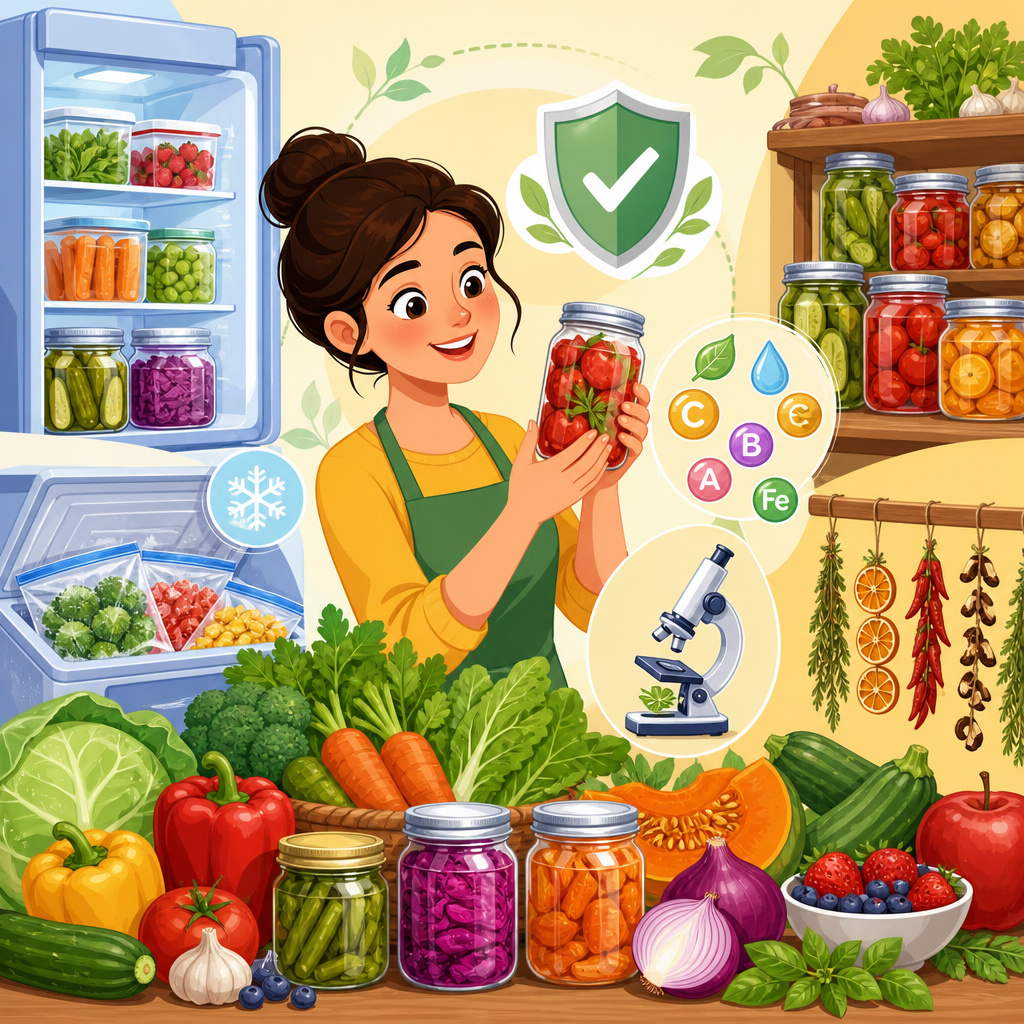
Cost remains the largest barrier to choosing organic foods consistently. Organic farming often has higher labor demands, lower yields in some systems, and certification costs that raise retail prices. For many families, that premium reduces total produce purchased, and that is counterproductive if it crowds out nutrient intake. A smart approach is selective organic buying. Prioritize organic for produce items with soft skins or higher reported residue frequency, and choose conventional for thick-skinned, lower-cost staples when needed. Frozen fruits and vegetables, whether organic or conventional, are often excellent because they are processed near harvest and help reduce waste.
Sustainability deserves attention because body health and food-system health are linked. Organic systems can improve soil organic matter, promote biodiversity, and reduce reliance on certain synthetic inputs, but they may also require more land per unit of food when yields are lower. Conventional systems can produce large volumes efficiently and use precision agriculture, integrated pest management, and improved irrigation to reduce waste, yet they may contribute to runoff, soil degradation, or ecosystem pressure when poorly managed. The most sustainable diet is usually plant-forward, minimally wasted, and sourced from producers using strong agronomic practices. As this hub expands, related guides on pesticide residues, regenerative agriculture, food labels, and nutrient bioavailability can help readers go deeper into each decision point.
Organic vs. conventional foods supports your body’s key functions best when you stop treating the choice as all or nothing. Organic foods offer clear advantages in lowering exposure to many synthetic pesticide residues and may provide slightly higher levels of some phytochemicals. Conventional foods remain nutritionally valuable, tightly regulated, widely available, and often essential for affordability. Your cells, gut, muscles, bones, and brain benefit most from a dietary pattern built around whole or minimally processed foods, adequate protein, fiber-rich plants, healthy fats, and enough micronutrients to sustain metabolism and repair. Production method matters, but it matters inside the larger context of diet quality, safety, freshness, and consistency.
The practical takeaway is simple. Buy more fruits, vegetables, legumes, whole grains, nuts, seeds, dairy or fortified alternatives, eggs, and quality proteins first. Choose organic strategically where it meaningfully reduces exposure or matches your priorities, especially for frequently eaten produce and certain animal products. Use conventional options confidently when they make a nutritious diet possible on your budget. Wash produce, store it well, and cook more often. If you want to build a healthier, more sustainable food pattern, start with one week of smarter shopping and compare how your body, budget, and kitchen habits respond.
Frequently Asked Questions
What is the main difference between organic and conventional foods when it comes to supporting the body’s key functions?
The biggest difference is not that one category automatically “makes you healthy” while the other does not. Rather, organic and conventional foods differ in how they are grown, processed, and regulated, and those differences can shape factors that matter to the body such as nutrient intake, exposure to pesticide residues, eating habits, and overall diet quality. Organic foods are produced under certification standards that restrict most synthetic pesticides, prohibit routine genetic engineering, and limit synthetic fertilizers, irradiation, and sewage sludge. Conventional foods come from the dominant agricultural system and may use a wider range of crop protection chemicals, fertilizers, and production methods.
From a body-function perspective, your cells, organs, hormones, immune system, muscles, and nervous system all depend first on core nutrition: adequate protein, carbohydrates, fats, vitamins, minerals, fiber, and water. A conventional apple and an organic apple both provide carbohydrates, fiber, vitamin C, and plant compounds that help support digestion, energy metabolism, and cellular protection. That is why nutrition professionals often emphasize that eating more fruits, vegetables, whole grains, legumes, nuts, seeds, and quality protein matters more than choosing organic for every item.
Where organic may offer an advantage is in lowering exposure to certain synthetic pesticide residues and influencing consumer behavior toward more minimally processed food choices. For some people, especially families trying to reduce chemical exposure or prioritize environmental practices, that matters a great deal. Conventional foods, on the other hand, are often more affordable and accessible, which can make it easier to consistently meet nutrient needs. In practical terms, the best choice for supporting key body functions is the one that helps you regularly eat a varied, nutrient-dense diet. If organic foods help you do that and fit your budget, they can be a meaningful option. If conventional foods make it easier to eat enough produce and whole foods, they absolutely still support health.
Are organic foods actually more nutritious than conventional foods?
This is one of the most common questions, and the most accurate answer is: sometimes slightly, but not always in a way that dramatically changes health outcomes on its own. Research comparing organic and conventional foods has found that nutrient differences can exist, but they are inconsistent and often depend on the crop variety, soil quality, weather, harvesting methods, storage conditions, and how fresh the food is when you eat it. In other words, there is no universal rule that all organic foods contain more vitamins or minerals than all conventional foods.
Some studies suggest that certain organic produce may contain higher levels of specific antioxidant compounds, particularly polyphenols, which help plants defend themselves and may also benefit human health by supporting cellular function and helping manage oxidative stress. Oxidative stress is relevant to many body systems because it can affect blood vessels, tissues, and metabolic processes over time. However, the presence of somewhat higher antioxidants in one food does not automatically mean the overall diet is superior if total intake of fruits and vegetables is low.
For the body’s key functions, consistency matters more than small nutrient differences. Energy production depends on sufficient calories and B vitamins. Immune health relies on protein, zinc, vitamin A, vitamin C, vitamin D, and overall dietary adequacy. Bone health depends on calcium, magnesium, vitamin D, vitamin K, and protein. Gut health depends heavily on fiber diversity. Both organic and conventional whole foods can deliver these essentials. A fresh conventional spinach salad will generally do more for your health than avoiding vegetables because organic options are unavailable or too expensive.
It is also important to remember that processing level often has a stronger impact than farming label alone. An organic snack food with refined flour, added sugar, and low fiber may be less supportive of blood sugar control and digestive health than a conventional bowl of oats, beans, berries, or plain yogurt. If your goal is to support the body’s major systems, focus first on food quality, variety, and dietary pattern. Then, if desired and practical, choose organic strategically for items you eat often.
Does eating organic reduce harmful chemical exposure, and why does that matter for the body?
Yes, eating organic can reduce exposure to certain synthetic pesticide residues, and that is one of the clearest distinctions between organic and conventional food systems. Organic certification standards restrict most synthetic pesticides, although organic farming may still use some approved substances. Conventional farming can use a broader range of pesticides to manage weeds, insects, and plant disease. Regulatory agencies set residue limits intended to keep foods within legal safety standards, but many consumers and health professionals still pay attention to cumulative exposure over time, especially for children and pregnant individuals.
Why this matters is that the body is constantly processing what it takes in. The liver helps metabolize chemicals, the kidneys help excrete waste, the gut acts as both a digestive and immune organ, and the endocrine system depends on finely tuned chemical signaling. While the residues found on foods are usually within regulated limits, some people prefer to reduce avoidable exposures when possible, particularly because food is a daily, lifelong input. Lower exposure does not guarantee better health by itself, but it may align with a broader risk-reduction approach.
That said, it is crucial not to let fear of residues discourage produce intake. Washing fruits and vegetables, peeling certain items when appropriate, and eating a wide variety of foods can all help. More importantly, the proven health benefits of eating plenty of produce far outweigh the risks of avoiding it. Fiber supports gut motility, blood sugar balance, and cholesterol management. Potassium helps regulate fluid balance and blood pressure. Vitamins and phytonutrients support immune defenses and tissue repair. Those benefits matter every day.
If reducing pesticide exposure is a top priority, a practical strategy is to buy organic versions of foods you eat frequently or produce items that are harder to wash thoroughly. If budget is limited, continue buying conventional produce rather than cutting back on plant foods altogether. The healthiest approach is one that balances exposure concerns with affordability, access, and sustainable eating habits.
Is organic food safer than conventional food in terms of bacteria, hormones, and antibiotics?
Safety is a broad issue, and organic is not automatically synonymous with “safer” in every category. Both organic and conventional foods can be safe, and both can pose risks if food is handled, stored, or cooked improperly. Microbial safety is a good example. Harmful bacteria such as Salmonella, E. coli, and Listeria can affect foods from either system. Produce can become contaminated through water, soil, animals, equipment, or processing environments, and raw animal foods can carry pathogens regardless of whether they are organic or conventional. Proper washing, refrigeration, cooking, and kitchen hygiene remain essential.
Where organic standards do create meaningful differences is in livestock production. Organic rules prohibit the routine use of antibiotics and restrict the use of growth-promoting hormones in ways that differ from conventional systems. This matters because antibiotic use in agriculture is part of a larger public health conversation about antimicrobial resistance. Many consumers choose organic dairy, eggs, or meat because they want to avoid products from systems that rely more heavily on routine antibiotic use. For the body, that concern is less about immediate nutrient function and more about long-term public health and personal preferences regarding food production.
From a nutritional standpoint, the safety and benefit of animal foods also depend on fat quality, portion size, preparation method, and frequency of intake. For example, grilled processed meats, whether organic or conventional, are not the same as a minimally processed protein source such as beans, lentils, fish, eggs, or plain yogurt. Likewise, spoiled organic milk is not safer than properly handled conventional milk. The farming label does not replace food safety basics.
The most balanced conclusion is that organic may reduce certain exposure concerns, especially around routine antibiotics and some production inputs, but food safety still depends heavily on supply chain controls and what happens in your kitchen. For supporting the body’s functions, prioritize safe handling, adequate cooking where needed, and a nutrient-dense overall diet built on whole foods.
How should someone choose between organic and conventional foods without compromising nutrition or overspending?
The smartest approach is to think in terms of priorities, not perfection. You do not need to buy everything organic to eat well, and you do not need to avoid organic if it fits your goals and budget. Start with the foods that have the greatest impact on your body’s key functions: vegetables, fruits, whole grains, legumes, nuts, seeds, dairy or fortified alternatives, and quality protein sources. A consistent intake of these foods supports energy production, digestion, immune resilience, hormone production, muscle maintenance, nerve signaling, and cardiovascular health.
Next, decide where organic matters most to you. Some people prioritize organic for foods their children eat daily, such as berries, apples, oats, milk, or peanut butter. Others focus on animal products because they care most about antibiotic and feed practices. Some prefer to buy organic versions of heavily consumed staples and use conventional options for the rest. This selective strategy can lower costs while still aligning with personal values.
You can also save money by buying frozen organic produce, choosing store brands, shopping seasonally, and comparing unit prices rather than package prices. Frozen fruits and vegetables are often harvested at peak ripeness and can support nutrient intake just as effectively as fresh options. Canned beans, plain oats, brown rice, lentils, eggs, yogurt, and in-season produce—whether