Choosing the best sources of the future of alternative proteins for optimal health starts with understanding what alternative proteins actually are, how they are produced, and why they matter for personal nutrition and planetary resilience. Alternative proteins include plant-based proteins such as pea, soy, fava, and mycoprotein; fermentation-derived ingredients like precision-fermented dairy proteins and microbial biomass; and cultivated meat grown from animal cells rather than whole animals. In food science, these categories are distinct because their amino acid profiles, digestibility, processing methods, environmental footprints, and regulatory pathways differ substantially. I have worked with product teams evaluating these ingredients for taste, cost, labeling, and nutritional quality, and one lesson is consistent: no single alternative protein is best in every context. The right choice depends on health goals, dietary pattern, budget, allergies, and how much processing a consumer is comfortable accepting.
The topic matters now because global protein demand is rising while conventional livestock systems face land, water, methane, and feed conversion constraints. The Food and Agriculture Organization has long documented the efficiency gap between feeding crops directly to people and cycling them through animals, particularly for beef. At the same time, many consumers are not simply looking for meat substitutes; they want better metabolic health, lower saturated fat intake, more fiber, and food systems that are less vulnerable to drought, feed price shocks, and disease outbreaks. Alternative proteins sit at the intersection of human nutrition and sustainability, but they also raise practical questions. Are they complete proteins? Are ultra-processed options healthy? Which products are likely to improve over the next decade? This hub article answers those questions directly and provides a framework for choosing smarter options as the category evolves.
To evaluate the future of alternative proteins for optimal health, focus on five criteria: protein quality, micronutrient density, ingredient simplicity, metabolic impact, and scalability. Protein quality refers to essential amino acid content and digestibility, often described by PDCAAS or DIAAS scores. Micronutrient density includes iron, vitamin B12, calcium, zinc, iodine, and omega-3 fats, which can be limited in some plant-forward diets. Ingredient simplicity matters because a minimally processed tofu block and a highly formulated burger patty may both be plant-based yet have very different sodium levels, additives, and calorie density. Metabolic impact covers satiety, blood lipid effects, glycemic control, and the role of fiber. Scalability determines whether a promising technology can move beyond pilot projects and become affordable, safe, and widely available. These criteria create a useful lens for comparing sources without getting distracted by marketing claims.
What counts as an alternative protein, and which categories are leading?
Alternative proteins are nontraditional protein sources designed to replace or reduce reliance on conventional meat, dairy, eggs, and seafood. Today, the leading categories are plant proteins, fermentation-based proteins, insect proteins in certain regions, and cultivated animal cells. Plant proteins currently dominate commercial sales because they are already scalable, familiar to consumers, and relatively inexpensive. Soy remains the benchmark in many applications because it offers a strong amino acid profile, functionality in extrusion, and decades of safety data. Pea protein has grown quickly because it is soy-free, neutral in flavor after modern processing, and useful in beverages, meat analogues, and high-protein snacks. Mycoprotein, produced from filamentous fungi, is notable for its fibrous texture and naturally occurring fiber, making it one of the more nutritionally interesting categories for satiety and cholesterol management.
Fermentation is the next major growth engine. Traditional fermentation includes tempeh and other cultured foods, but the future is being shaped by biomass fermentation and precision fermentation. Biomass fermentation grows protein-rich microorganisms efficiently, producing ingredients with high protein content and potentially low land use. Precision fermentation programs microbes to produce specific molecules such as whey or casein proteins that are chemically identical to those from dairy animals. That means a future yogurt or cheese could deliver dairy-like functionality without cows, which has major implications for lactose-free nutrition, supply stability, and greenhouse gas reduction. Cultivated meat has captured attention because it can replicate animal tissue directly, but it is still early in commercial terms. The science is progressing, yet cost, bioreactor scale, cell culture media, and texture engineering remain significant barriers.
How to judge protein quality for health outcomes
Not all grams of protein perform equally in the body. The best sources of the future of alternative proteins for optimal health should provide all nine essential amino acids in adequate amounts and be digestible enough to support muscle maintenance, recovery, immune function, and healthy aging. Soy protein isolate is one of the strongest plant-based performers and often scores near animal proteins on established quality metrics. Pea protein is strong in lysine but relatively lower in methionine, so pairing it with grains can improve overall amino acid balance. Rice protein can complement pea effectively, which is why many sports nutrition products blend the two. Mycoprotein has shown favorable effects on muscle protein synthesis and satiety in emerging research, making it more than a simple meat analogue ingredient.
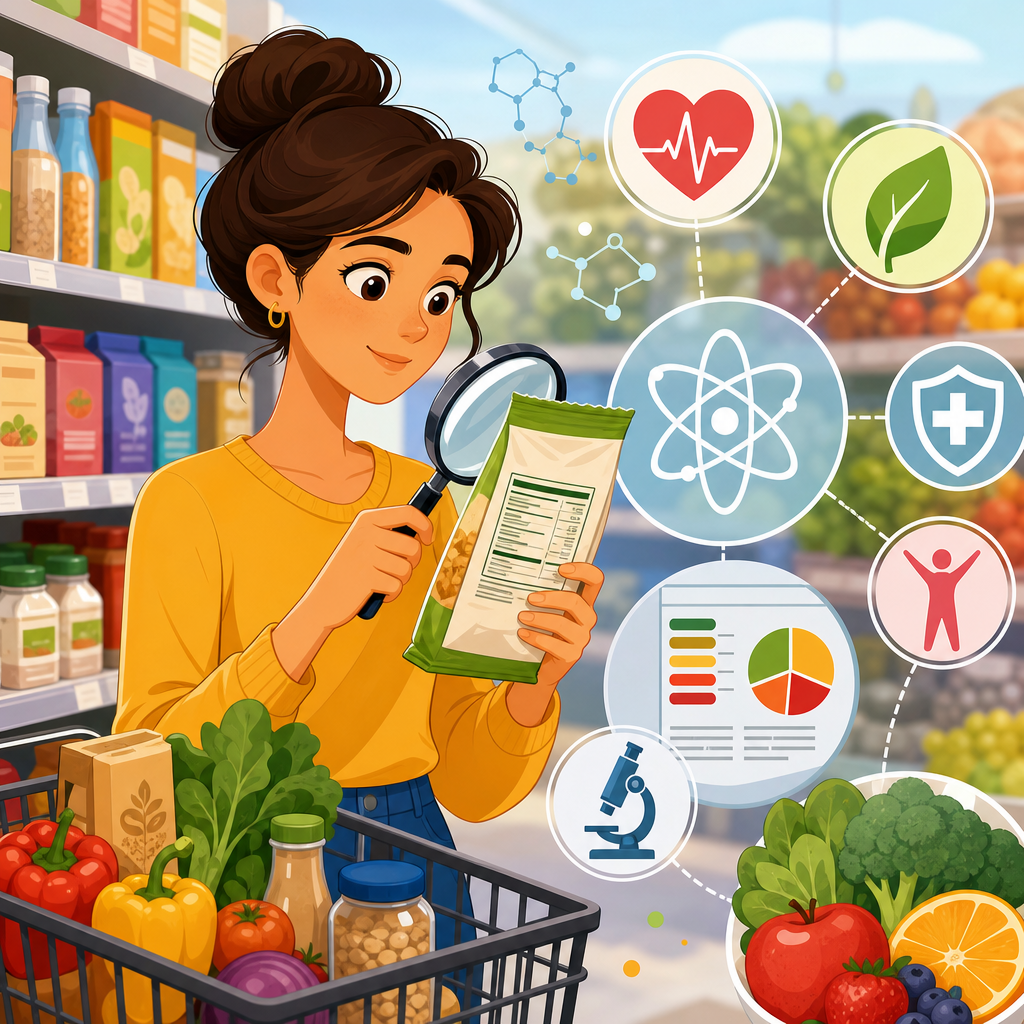
For most healthy adults, total daily protein intake matters more than perfection at every meal, but distribution still helps. A practical target is around 20 to 35 grams per meal, depending on body size and activity level, with enough leucine to stimulate muscle protein synthesis. This is where some alternative proteins struggle if products are built mainly for texture rather than nutrition. I routinely tell clients to read beyond the front-of-pack “protein” claim and check the actual grams per serving, sodium, saturated fat from coconut oil, and whether the protein source is concentrated or diluted by starches. A black bean burger can be a wholesome food, but if it provides only 8 grams of protein, it is nutritionally different from a tofu, tempeh, or mycoprotein entrée delivering 20 grams or more. Quality is not a slogan; it is measurable.
Best current and emerging sources for optimal health
When health is the priority, the strongest current choices are minimally processed soy foods, mycoprotein, pulses, and well-formulated blended plant proteins. Tofu, tempeh, edamame, and unsweetened soy yogurt provide complete or near-complete protein, useful amounts of iron, and in some cases calcium when fortified or set with calcium salts. Tempeh offers an additional advantage because fermentation can improve digestibility and flavor complexity. Lentils, chickpeas, and beans are not glamorous, but they remain foundational because they deliver protein together with fiber, potassium, folate, and polyphenols associated with cardiometabolic benefits. These whole-food options consistently outperform many imitation products on sodium, additives, and cost per serving.
Among emerging sources, mycoprotein deserves close attention because it combines a high-quality protein matrix with fiber and a meat-like texture that does not require as much saturated fat to taste satisfying. Precision-fermented dairy proteins are also promising for people who want dairy functionality without lactose and with potentially lower environmental burdens. Over the next decade, expect better products built from fava bean, chickpea, mung bean, canola, sunflower, duckweed, and microbial proteins. These ingredients can diversify supply chains and reduce dependence on a few dominant crops. However, novel does not automatically mean healthier. Some new proteins may arrive first in bars, shakes, and desserts rather than balanced staple foods, so product design will determine real-world value.
| Protein source | Key health strengths | Main limitations | Best use case |
|---|---|---|---|
| Soy foods | Complete protein, versatile, widely studied | Soy allergy, variable consumer acceptance | Daily meals, dairy alternatives, meat substitutes |
| Mycoprotein | High protein, fiber, strong satiety | Higher cost, not suitable for everyone | Center-of-plate meals |
| Pulses | Fiber, minerals, low cost, heart-health benefits | Lower methionine, digestive tolerance for some | Staple foods and blended proteins |
| Precision-fermented dairy proteins | Dairy functionality, lactose-free potential | Newer category, price and labeling questions | Yogurt, cheese, beverages |
| Cultivated meat | Animal tissue without conventional livestock | Very limited scale, high cost today | Future premium products |
Processing, formulation, and the ultra-processed debate
A common question is whether alternative proteins are healthy if they are processed. The honest answer is that processing itself is not the deciding factor; purpose and formulation are. Protein isolation, extrusion, fermentation, and fortification are tools, not verdicts. Infant formula, yogurt, tofu, canned beans, and frozen vegetables all involve processing, yet they can support excellent diets. The bigger issue is whether a product uses those tools to deliver meaningful nutrition or to imitate meat while adding excessive sodium, refined starch, and saturated fat. Many early plant-based burgers relied heavily on coconut oil to reproduce beef juiciness, which improved sensory appeal but sometimes created a fatty acid profile that was less favorable than consumers expected.
In product reviews, I use a simple screen. First, does the food provide at least 15 to 20 grams of protein in a realistic serving? Second, does it keep sodium within a reasonable range for the meal? Third, is saturated fat low unless there is a clear nutritional tradeoff? Fourth, does it contribute fiber, vitamins, or minerals rather than empty calories? This approach avoids the false choice between whole foods and innovation. A tofu stir-fry, lentil pasta, or plain soy yogurt with fruit is usually a stronger everyday choice than a heavily engineered nugget. Yet a well-formulated meat analogue can still play a positive role if it helps someone reduce red meat, maintain protein intake, and stick with a healthier pattern over time.
Environmental and economic realities shaping the future
The future of alternative proteins will not be determined by nutrition alone. Cost, infrastructure, regulation, and agricultural inputs will shape what becomes mainstream. Plant proteins currently have the clearest path because the supply chains already exist and processing technologies such as dry fractionation and high-moisture extrusion continue to improve yield and texture. Fermentation can be extremely efficient, but scaling bioreactors, feedstocks, downstream processing, and energy use is capital intensive. Cultivated meat faces even steeper economics because sterile production, growth media, and tissue structuring remain expensive. That is why most near-term forecasts expect plant proteins and fermentation-derived ingredients to outpace cultivated meat for widespread adoption.
Environmental claims also need nuance. Life-cycle assessments generally show lower greenhouse gas emissions and land use for plant proteins than for beef, but results vary by crop, region, energy source, packaging, and manufacturing method. Almond-based products can be water intensive in drought-prone regions. Coconut oil may travel long distances. Precision fermentation can look impressive on land use while still depending heavily on electricity. The most credible sustainability choices combine strong nutrition with realistic industrial efficiency. In practice, that means favoring legumes, soy, and fermentation systems that can use low-impact inputs, renewable energy, and transparent sourcing. Health and sustainability usually align, but the best products are the ones that prove both through data, not branding.
How consumers can choose the best options now
If you want the best sources of the future of alternative proteins for optimal health today, build your diet around foods that already meet both nutrition and sustainability criteria. Start with tofu, tempeh, edamame, lentils, beans, chickpeas, peas, and unsweetened fortified soy foods. Use newer products strategically rather than automatically. A mycoprotein fillet can be a high-protein weeknight solution. A precision-fermented dairy beverage may eventually become a useful option for lactose-free households. But do not assume every product with a futuristic label is nutritionally superior. Compare labels, look for meaningful protein density, and check whether the product improves your overall dietary pattern.
For families, athletes, and older adults, meal construction matters. Pair legumes with grains, include vitamin C-rich foods to improve plant iron absorption, and pay attention to B12, iodine, calcium, and omega-3 intake if animal foods are limited. For children, choose familiar formats with straightforward ingredients and avoid replacing balanced meals with snack foods marketed as protein solutions. For adults managing cholesterol or blood pressure, prioritize options low in saturated fat and sodium. The main benefit of this category is choice: it can expand the ways people reach healthy protein intake with fewer environmental tradeoffs. Explore one or two high-quality alternatives, use them consistently, and let evidence, not hype, guide what earns a permanent place on your plate.
Frequently Asked Questions
What are alternative proteins, and why are they important for optimal health?
Alternative proteins are protein sources designed to complement or replace conventional animal-based foods while still delivering the amino acids, nutrients, and functionality people expect from protein-rich meals. This category includes plant-based proteins such as pea, soy, fava bean, and mycoprotein, fermentation-derived proteins made with microbes or precision fermentation, and cultivated meat grown from animal cells. They matter for optimal health because they can help diversify the diet, increase protein intake quality when chosen carefully, and often make it easier to reduce saturated fat while increasing fiber and beneficial plant compounds in the overall eating pattern.
From a nutrition standpoint, the best alternative proteins can support muscle maintenance, metabolic health, satiety, and healthy aging, especially when they provide a complete or complementary amino acid profile. Many options also bring added benefits such as lower cholesterol content, less reliance on antibiotics in production, and a reduced environmental footprint compared with some conventional animal proteins. That environmental angle matters too, because long-term human health is closely tied to food system resilience, climate stability, and sustainable resource use. In practical terms, choosing strong alternative protein sources can be good for your plate today and supportive of broader planetary health in the future.
How do I choose the healthiest alternative protein sources?
The healthiest choice depends on more than just the front label saying “plant-based” or “high protein.” Start by checking protein quantity and quality. Look for products that provide a meaningful amount of protein per serving and, ideally, contain complete protein or are easy to pair with other foods to fill amino acid gaps. Soy, mycoprotein, and many fermentation-derived proteins are especially strong in this regard. Pea protein can also be excellent, particularly when used in blends. Beyond protein, review the ingredient list for sodium, added sugars, highly refined oils, and unnecessary additives. A shorter ingredient list is not always automatically better, but nutrient density and overall formulation matter much more than marketing claims.
It also helps to compare the food’s broader nutritional profile. The best options often provide fiber, iron, B vitamins, and healthy fats while keeping saturated fat and sodium within reasonable limits. For example, whole-food forms such as tofu, tempeh, edamame, lentil-based products, and minimally processed mycoprotein foods can offer a better balance than heavily processed meat analogs that are high in salt. If you are considering precision-fermented dairy proteins or cultivated meat, look for products that fit your personal goals around digestibility, protein quality, and ingredient transparency. Ultimately, the healthiest alternative protein is one that combines strong nutrition, good digestibility, low overprocessing, and a realistic fit with your daily eating habits.
Are plant-based, fermentation-derived, and cultivated proteins nutritionally comparable to traditional animal protein?
They can be, but there are important differences across categories. Some plant proteins, especially soy and mycoprotein, are already well regarded for their protein quality and amino acid composition. Others, such as pea and fava, can still be very effective but may work best as part of a blended diet or in products formulated to improve amino acid balance. Fermentation-derived proteins are especially promising because they can be designed for functionality and nutritional performance, and some precision-fermented ingredients can closely resemble dairy proteins in structure and usefulness. Cultivated meat aims to provide a nutritional profile much closer to conventional meat because it is grown from animal cells, though final nutrient composition will depend on production methods and formulation.
Where alternative proteins sometimes differ from traditional animal foods is in accompanying nutrients. Conventional meat and dairy may naturally provide vitamin B12, heme iron, zinc, or calcium, while some plant-based alternatives need fortification to offer similar benefits. On the other hand, plant-forward options may provide advantages such as fiber, phytonutrients, and lower saturated fat, which traditional animal proteins typically do not. The smartest approach is not to assume that all products in one category are equal. Read labels, compare nutrients, and think about the whole meal. Nutritionally comparable options absolutely exist, but informed selection makes the difference between a protein source that is merely trendy and one that genuinely supports optimal health.
Are alternative proteins safe, and should I be concerned about processing or additives?
Most alternative proteins currently on the market are considered safe when produced under approved food safety standards and consumed as part of a balanced diet. Plant proteins such as tofu, tempeh, soy milk, pea protein foods, and mycoprotein products have been eaten widely and studied extensively. Fermentation is also a long-established food production method, and modern fermentation-derived proteins are developed within strict regulatory frameworks. Cultivated meat is newer, so consumer questions are understandable, but it is also subject to detailed oversight related to safety, production conditions, and ingredient composition before entering the market in regulated settings.
That said, safety is not exactly the same as optimal nutrition. Some alternative protein products are highly processed, and processing itself is not automatically harmful, but it can create tradeoffs. A product may be high in protein while also containing significant sodium, stabilizers, flavoring systems, or saturated fat from coconut oil. For most people, the key is balance rather than fear. It is perfectly reasonable to use convenient meat alternatives sometimes, especially if they help reduce reliance on less healthy foods. But for everyday use, prioritize options with strong nutrition panels, moderate sodium, sensible fat composition, and ingredients you understand. If you have allergies or digestive sensitivities, pay extra attention to soy, wheat, fungal proteins, and novel ingredients, and choose products that align with your individual tolerance.
What are the best practical ways to include future-focused alternative proteins in a healthy daily diet?
The easiest strategy is to build meals around a mix of familiar whole foods and newer protein innovations. For breakfast, that could mean fortified soy yogurt, a smoothie with pea or soy protein, or eggs paired with a plant-based side if you are not fully replacing animal foods. At lunch and dinner, tofu, tempeh, edamame, lentil pasta, fava-based products, and mycoprotein can all serve as high-protein anchors in bowls, stir-fries, salads, wraps, or pasta dishes. Fermentation-derived dairy alternatives may fit well into snacks and recovery meals, especially for people looking for high-quality protein with lower environmental impact. As cultivated meat becomes more available, it may offer another option for people who want the sensory experience of meat with a different production model.
For optimal health, think in terms of variety and meal quality instead of chasing a single “perfect” protein. Pair alternative proteins with vegetables, whole grains, nuts, seeds, legumes, and healthy fats to create balanced meals that support blood sugar control, fullness, and micronutrient intake. If you are physically active, older, or trying to preserve muscle mass, distribute protein across the day and make sure each meal contains a meaningful amount. Also remember that the future of protein is not just about replacing one burger with another. It is about creating a more resilient, nutrient-conscious eating pattern. Choosing a mix of minimally processed plant proteins, thoughtfully formulated fermented proteins, and emerging innovations can help you meet today’s health goals while supporting a more sustainable food future.