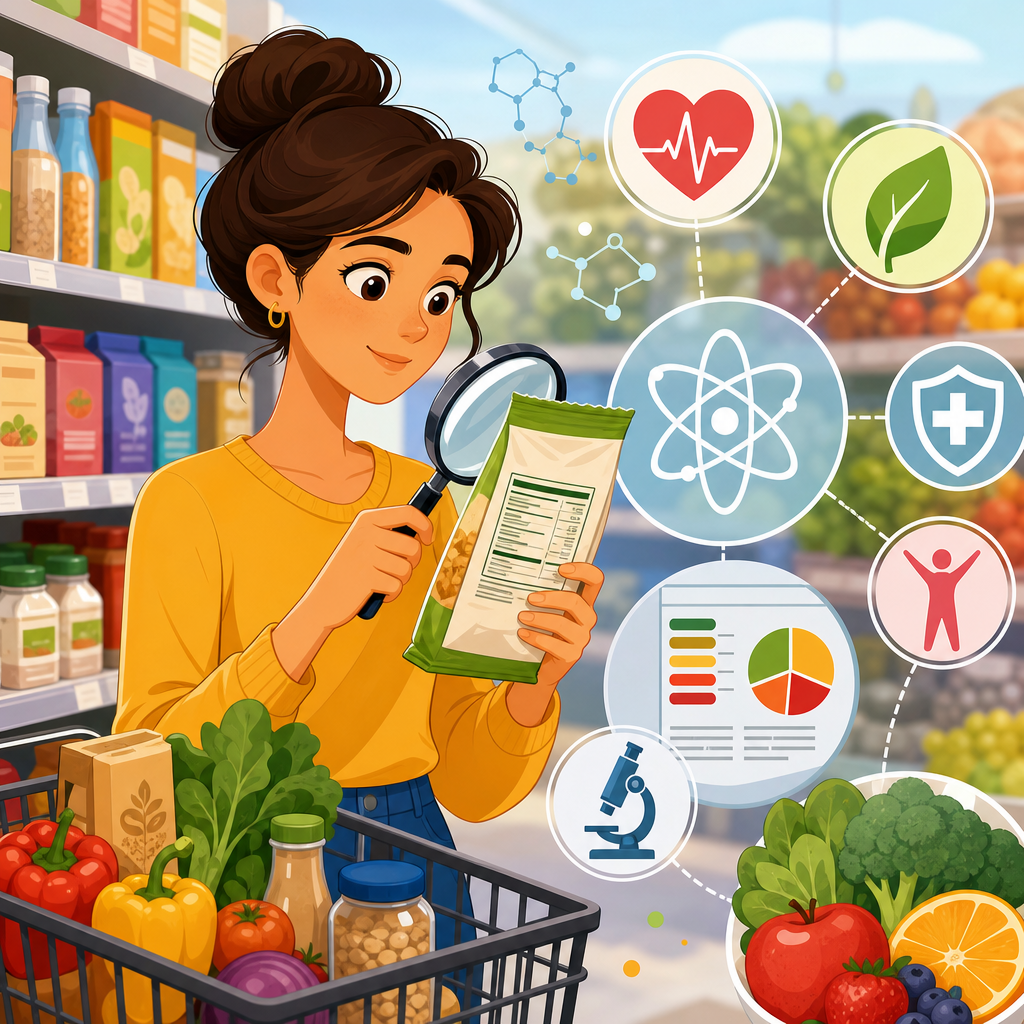
Food labels look simple, but they are the end result of nutrition science, toxicology, packaging engineering, food law, and consumer behavior research. Understanding food packaging and label reading matters because the package is often the only source of verified information a shopper sees before buying. When people read labels well, they can compare products accurately, manage allergies, reduce excess sodium or added sugar, identify misleading claims, and make choices that support both personal health and broader sustainability goals.
In practice, label reading means more than glancing at calories. It involves interpreting the Nutrition Facts panel, ingredient list, allergen statement, date marking, storage instructions, serving size, certification seals, recycling guidance, and front-of-pack marketing language. Food packaging refers to the materials and systems used to contain, protect, transport, preserve, and communicate information about food. Primary packaging touches the food directly, secondary packaging groups items together, and tertiary packaging supports shipping. Each layer affects shelf life, safety, waste, and consumer understanding.
I have worked with packaged food specifications, supplier documentation, and label reviews, and one lesson comes up repeatedly: a technically compliant label can still confuse a shopper if the information is poorly prioritized. The science behind label reading is therefore twofold. First, analytical science determines what goes on the label, from nutrient values to allergen declarations. Second, behavioral science studies how people notice, interpret, and act on that information. This combination is why label reading sits at the center of food science and sustainability. Better labels help people choose healthier products and reduce avoidable food waste.
This hub article explains how to read food packaging systematically, what label elements mean, how nutrient data are generated, which claims deserve caution, and how packaging itself influences health. It also serves as a foundation for deeper articles on allergens, additives, expiration dates, recycling systems, and sustainable materials. If you want one reliable method for reading labels quickly in a store, start with serving size, ingredients, sodium, added sugars, protein, allergens, and storage instructions. Those seven checks catch most of the issues that affect health and real-world usability.
How nutrition labels are built and why serving size comes first
The Nutrition Facts panel is not marketing copy; it is a regulated summary created from laboratory analysis, supplier data, formulation records, and nutrient databases. In the United States, the Food and Drug Administration sets formatting and declaration rules. Similar frameworks exist through the European Union, Health Canada, FSANZ in Australia and New Zealand, and Codex Alimentarius guidance internationally. The panel typically lists calories, macronutrients, key vitamins and minerals, and nutrients of public health concern such as saturated fat, sodium, added sugars, and dietary fiber.
Serving size comes first because every number on the panel depends on it. A cereal that looks moderate at 140 calories per serving may be closer to 280 or 420 calories in the amount many people actually pour into a bowl. I have seen consumers compare two products by calories alone while missing that one package used a much smaller serving size. The quickest correction is to compare per 100 grams when available, or calculate nutrients for the amount you actually eat. That turns label reading from compliance data into useful decision-making.
Percent Daily Value is another common source of confusion. It estimates how much one serving contributes to a standard daily intake for listed nutrients. As a practical shortcut, 5% Daily Value or less is generally low, and 20% or more is high. That rule helps shoppers identify products high in sodium or saturated fat without advanced nutrition training. It is not a personalized prescription, however. Athletes, children, pregnant women, and people with hypertension, diabetes, or kidney disease may need different thresholds, so the label is a starting point, not a complete diet plan.
Nutrient values also carry normal variation. Agricultural inputs, seasonality, moisture loss, and processing conditions all affect final composition. Regulations allow controlled tolerances because food is a biological material, not a pharmaceutical tablet. That matters when people expect exact precision from every package. The panel is highly useful for comparison and pattern recognition, but it should be read as representative rather than mathematically perfect. For most healthy shoppers, consistent habits matter more than tiny single-product differences.
Ingredient lists, allergens, and additives: what the fine print really tells you
If the Nutrition Facts panel tells you how much, the ingredient list tells you what. Ingredients are usually listed in descending order by weight at the time of formulation. That means the first few ingredients deserve the most attention because they make up the largest share of the product. In a flavored yogurt, for example, milk may come first, followed by sugar, fruit preparation, starches, flavors, and cultures. In a whole grain bread, enriched flour listed before whole wheat flour signals that the product may be less whole-grain-rich than the front panel suggests.
Ingredient lists are especially valuable for identifying added sugars in their many forms, including cane sugar, glucose syrup, fructose, honey, fruit juice concentrate, dextrose, and malt syrup. From a metabolic standpoint, these ingredients still contribute free or added sugars even when the package uses a natural-sounding term. Reading the list alongside the added sugars line on the nutrition panel provides a clearer picture than front claims like no refined sugar. That claim may be technically true while the product remains high in total sweeteners.
Allergen labeling is one of the most important safety functions on food packaging. Major allergens vary by jurisdiction, but common examples include milk, eggs, fish, shellfish, tree nuts, peanuts, wheat, soy, and sesame. Clear allergen statements help people avoid potentially life-threatening reactions. Precautionary statements such as may contain are more complicated. They indicate possible cross-contact risk, not an intentionally included ingredient, and their use is not always standardized. For highly sensitive consumers, the safest approach is to treat them seriously and contact the manufacturer when needed.
Additives are often misunderstood. Their presence does not automatically make a food unhealthy, and their absence does not automatically make it better. Preservatives such as potassium sorbate or sodium benzoate can inhibit microbial growth. Emulsifiers like lecithin help fat and water mix. Antioxidants such as ascorbic acid slow rancidity. Stabilizers, acidity regulators, anticaking agents, and curing agents each serve technical purposes tied to safety, texture, or shelf life. The right question is not whether an additive sounds chemical, because everything in food is chemistry, but what function it serves and whether the total product fits your dietary needs.
| Label element | What it means | Smart shopper takeaway |
|---|---|---|
| Serving size | Reference amount used for all nutrition numbers | Recalculate for the portion you actually eat |
| Ingredients | Components listed by weight, highest first | Check the first three ingredients closely |
| Added sugars | Sugars added during processing, not naturally occurring only | Compare products within the same category |
| Allergen statement | Declared priority allergens in the product | Essential for safety, not just preference |
| Date mark | Quality or safety guidance depending on product and region | Pair with storage instructions before discarding |
Packaging materials, food safety, and the hidden health role of shelf life
Food packaging is not just a container; it is a preservation system. Glass provides an excellent barrier and is chemically stable, which is why it is used for acidic foods like sauces. Metal cans protect against oxygen, light, and microbes, enabling long shelf life for beans, tomatoes, tuna, and soups. Plastics vary widely: PET is common for beverage bottles, HDPE for milk jugs, LDPE for films, PP for microwaveable tubs, and multilayer laminates for products that need strong moisture and oxygen barriers. Paperboard adds structure and printability but usually needs coatings or liners for direct food contact.
These materials influence health indirectly by controlling spoilage, contamination, and nutrient degradation. Oxygen exposure can oxidize fats and destroy sensitive compounds. Light can degrade vitamins, especially in dairy and oils. Moisture changes affect texture and microbial risk. Modified atmosphere packaging, vacuum sealing, and oxygen scavengers are examples of technologies designed to keep food safer and more stable without necessarily changing the ingredient list. In my experience, consumers often underestimate this benefit because they focus on the package as waste rather than as a food protection tool. Both perspectives matter.
Chemical migration from packaging into food is a legitimate scientific issue, but it should be approached with precision rather than fear. Food-contact materials are evaluated using migration testing, exposure assumptions, and toxicological thresholds. The degree of transfer depends on temperature, contact time, fat content, acidity, and the material itself. This is why microwave instructions, hot-fill limitations, and reuse guidance matter. A container designed for refrigerated yogurt is not automatically appropriate for reheating leftovers. Following intended-use instructions is one of the simplest ways to reduce avoidable exposure and preserve product quality.
Shelf life is another label area with direct health consequences. A package that extends shelf life can reduce spoilage and foodborne illness risk, but it can also encourage overbuying if consumers misunderstand date labels. Best by dates usually indicate quality, not safety, whereas use by dates can be more safety-relevant for perishable foods. Sensory checks still matter, but they are not enough for all products. Ready-to-eat deli items, infant formula, and refrigerated high-risk foods require closer adherence to label instructions than shelf-stable crackers or dry pasta.
Front-of-pack claims, sustainability signals, and how to avoid being misled
Most shoppers decide quickly, so front-of-pack claims strongly influence perception. Terms like natural, lightly sweetened, multigrain, immune support, high protein, and made with whole grains can be meaningful, but they can also distract from less favorable nutrition details. A granola bar marketed as protein-rich may still be high in added sugar. A vegetable chip may contain more starch and oil than vegetables. The disciplined approach is to treat front claims as hypotheses and verify them on the back panel. If the claim is true, the data will support it.
Health claims and structure-function statements also vary in strength. Some are tightly regulated and must meet nutrient thresholds, such as low sodium or good source of fiber. Others are broader and easier for consumers to overinterpret. Claims around probiotics, antioxidants, collagen, or botanical extracts may rest on emerging evidence, strain-specific effects, or dose-dependent outcomes that the package does not fully explain. When I review these products, I look for the actual amount delivered, the form of the ingredient, and whether the claim aligns with established evidence rather than trend language.
Sustainability labeling adds another layer. Recyclable does not always mean recyclable in your local system. Compostable may require industrial facilities rather than home composting. Biobased materials are not automatically biodegradable. Carbon-neutral claims can depend heavily on offset methodology. Credible signals usually come from recognized certification programs with traceable standards, such as FSC for paper sourcing, How2Recycle for disposal guidance in the United States, USDA Organic for production standards, or third-party certifications for fair trade and responsible fisheries. Even then, one seal does not make a product universally sustainable.
The healthiest label reading habit is comparative, not absolute. Compare yogurt with yogurt, bread with bread, cereal with cereal, and frozen meals with frozen meals. Within a category, prioritize products with shorter ingredient lists when functionality is similar, higher fiber when appropriate, lower sodium, less added sugar, clearly declared allergens, and packaging that matches how you will store and use the food. Sustainability decisions should also consider waste prevention. A lightweight pouch may be harder to recycle than glass, yet still reduce transport emissions and food spoilage. Good choices require context, not slogans.
How to read food packaging efficiently in everyday life
For daily shopping, speed matters. The most effective system I use is a seven-point scan: serving size, calories in the portion you will eat, first three ingredients, added sugars, sodium, protein or fiber depending on the food, and allergen plus storage information. This takes less than thirty seconds once you build the habit. On canned soup, sodium is often the deciding factor. On breakfast cereal, fiber and added sugars matter most. On frozen entrees, serving size, protein, saturated fat, and microwave instructions can quickly separate a solid option from a poor one.
Different goals call for different label priorities. For blood pressure management, choose lower sodium products and compare sauces, soups, breads, and deli meats carefully because they are major hidden sources. For diabetes management, examine total carbohydrates, added sugars, fiber, and portion size together instead of focusing on one line. For sports nutrition, protein quantity, leucine-rich ingredients such as dairy or soy, and carbohydrate timing may matter more. For families managing allergies, the ingredient list and cross-contact language come before every other consideration.
As this hub expands, use it as the starting point for deeper guides on decoding date labels, understanding food additives, comparing packaging materials, evaluating health claims, and reducing household food waste. Strong label reading is a practical skill with immediate payoff: safer choices, better nutrition, smarter spending, and fewer products bought on impulse because the package looked healthier than it was. The science is already on the label if you know where to look. The next time you shop, pause for one extra half minute and let the evidence on the package guide your cart.
Frequently Asked Questions
Why is reading food labels considered a science-based health habit rather than just a shopping tip?
Reading food labels is science-based because every part of a package reflects research from multiple disciplines, including nutrition science, toxicology, packaging engineering, public health, and food regulation. A label is not just marketing text on a box or bottle; it is a structured summary of tested, standardized, and legally regulated information intended to help consumers make informed decisions. The Nutrition Facts panel, ingredient list, allergen disclosure, serving size, and storage instructions all exist because scientists, regulators, and manufacturers have studied how foods affect the body, how ingredients interact, and how consumers interpret information at the point of purchase.
From a health perspective, label reading helps translate abstract nutrition advice into real-world action. Instead of simply hearing “eat less sodium” or “limit added sugar,” shoppers can compare products side by side and identify which one better supports those goals. It also helps people manage very specific concerns, such as food allergies, blood pressure, blood sugar control, digestive sensitivity, or calorie intake. In many cases, the package is the only verified source of product information available before buying, which makes label literacy especially important in busy retail environments where branding and front-of-package claims can be persuasive but incomplete.
There is also a behavioral science element. Researchers know that people often make decisions quickly, based on color, wording, or assumptions about terms like “natural,” “light,” or “made with whole grains.” Label reading slows that process down and replaces guesswork with evidence. In that sense, it is a practical health habit grounded in data interpretation. When consumers understand how to read labels accurately, they are better equipped to avoid misleading impressions, choose foods aligned with their nutritional needs, and build eating patterns that support long-term well-being.
What are the most important parts of a food label to check first when evaluating health benefits?
The most useful place to start is the serving size, because every number on the Nutrition Facts panel depends on it. A product may appear low in calories, sugar, or sodium until you notice that the listed serving is much smaller than what most people actually eat. Checking serving size first creates the right context for interpreting the rest of the label. After that, calories can be helpful, but they should not be the only focus. A healthier evaluation usually includes sodium, added sugars, saturated fat, fiber, protein, and the overall ingredient profile.
The ingredient list is especially important because it shows what is actually in the food, in descending order by weight. This helps you see whether whole-food ingredients are prominent or whether the product is built mostly from refined starches, sweeteners, oils, or additives. If a product promotes fruit, whole grain, or protein on the front but those ingredients appear far down the list, that is a signal to look more carefully. For people with allergies or sensitivities, the ingredient list and allergen statement are essential, since they can reveal the presence of milk, eggs, soy, wheat, peanuts, tree nuts, fish, shellfish, sesame, or other substances that may pose a health risk.
It is also smart to compare the front-of-package claims against the Nutrition Facts panel and ingredients. Claims such as “low fat,” “high protein,” “multigrain,” “immune-supporting,” or “no added sugar” may be technically true, but they do not automatically mean the product is broadly healthy. For example, a product low in fat may still be high in sodium or added sugar. A “high protein” snack may also be heavily processed. The best approach is to use the claims as a starting point, not a final conclusion. Looking at the full label allows you to evaluate whether the food genuinely offers meaningful health benefits in the context of your own dietary needs.
How do food labels help people reduce risks related to allergies, excess sodium, and added sugar?
Food labels are one of the most important safety tools available to consumers, especially for allergy management. For someone with a serious food allergy, even a small exposure can cause a severe reaction, so accurate ingredient reading is not optional. Labels identify ingredients by name and often include clear allergen disclosures that help shoppers quickly determine whether a product contains major allergens. This is particularly helpful in foods where an allergen may not be obvious from the product name alone, such as sauces, baked goods, snack foods, seasonings, or processed meats. Reading labels carefully can also help identify ingredient changes over time, since a familiar brand may reformulate without changing its packaging dramatically.
Labels are equally useful for reducing excess sodium, which matters because high sodium intake is associated with elevated blood pressure and increased cardiovascular risk in many individuals. Foods that do not taste salty, such as breads, cereals, soups, frozen meals, and sauces, can still contribute significant sodium to the diet. By reviewing sodium per serving and comparing similar products, consumers can often reduce intake without giving up convenience. Looking at the percent Daily Value can also help put sodium content into perspective and make quick comparisons easier.
Added sugar is another area where labels provide practical, evidence-based guidance. The distinction between total sugars and added sugars matters because it helps consumers tell the difference between naturally occurring sugars, such as those in fruit or milk, and sugars added during processing for sweetness, texture, or shelf stability. This matters for overall diet quality, energy balance, and metabolic health. A yogurt with fruit may contain natural milk sugars, but the label can show whether extra sweeteners were added. The same is true for cereals, snack bars, beverages, flavored oatmeal, and condiments. With regular label reading, people can identify products that appear healthy but contain surprisingly high amounts of added sugar and choose alternatives that better support stable energy, dental health, and long-term nutrition goals.
Can food packaging and front-of-package claims be misleading, and how can shoppers tell?
Yes, food packaging can create misleading impressions, even when it remains legally compliant. This usually happens through emphasis, design, and selective wording rather than direct falsehood. Terms like “natural,” “wholesome,” “farm fresh,” “lightly sweetened,” “made with real fruit,” or “contains whole grains” can sound strongly health-oriented, but they may not reveal the full nutritional picture. A package may highlight one positive trait while drawing attention away from less favorable ones, such as high sodium, refined carbohydrates, large portion size, or substantial added sugar. This is why experienced label readers treat front-of-package language as a prompt to investigate, not as proof of overall health value.
One of the best ways to detect this is to compare claims with the Nutrition Facts panel and the ingredient list. If a product says “made with whole grains,” check whether whole grain ingredients appear near the top of the list or whether enriched flour is still the primary ingredient. If it says “fruit snack,” see whether actual fruit ingredients are present in meaningful amounts or whether sugar and syrups dominate. If it is labeled “low fat,” ask what may have been added for flavor compensation. Sometimes the answer is more sugar, starch, or sodium. In other words, a single positive label claim should always be interpreted within the context of the full product composition.
Packaging science also plays a role here because package size, imagery, color, and serving format affect perception. A small package may seem portion-controlled while still containing multiple servings. Green colors and leaf graphics can imply healthfulness even when the product is nutritionally similar to less “healthy-looking” alternatives. This is where consumer behavior research becomes relevant: people often infer more than the label actually states. To avoid that trap, shoppers should focus on measurable information first—serving size, ingredients, sodium, added sugars, fiber, protein, and saturated fat—before deciding whether a product truly supports their goals. That habit helps separate marketing from meaningful health information.
How does understanding food packaging support both personal health and smarter long-term food choices?
Understanding food packaging supports personal health because it improves decision-making at the exact moment choices are made. Instead of relying on habit, advertising, or assumptions, shoppers can use labels to build a diet that fits their needs with more precision. That may mean selecting products with more fiber for digestive health, less sodium for heart health, fewer added sugars for metabolic health, or simpler ingredient lists for allergy management or personal preference. Over time, these small repeated decisions can shape broader eating patterns, which is where many meaningful health outcomes are influenced.
Packaging also provides practical information beyond nutrients alone. Storage instructions, expiration or best-by dates, preparation directions, and tamper-evident features all contribute to safety and quality. Packaging engineering is designed to protect foods from moisture, oxygen, light, and contamination, which affects freshness, nutrient stability, and shelf life. Understanding these details can reduce food waste, improve food safety at home, and help consumers use products as intended. In that sense, packaging is not only a marketing container; it is part of the food system’s communication and protection infrastructure.
There is a long-term educational benefit as well. The more often people read labels, the better they become at recognizing patterns across categories such as cereals, breads, yogurts, soups, frozen meals, and snack foods. They learn which products consistently offer stronger nutrition profiles and which rely heavily on health halos. That growing familiarity makes shopping faster, more confident, and more aligned with personal goals. It can also support household health more broadly, especially when buying for