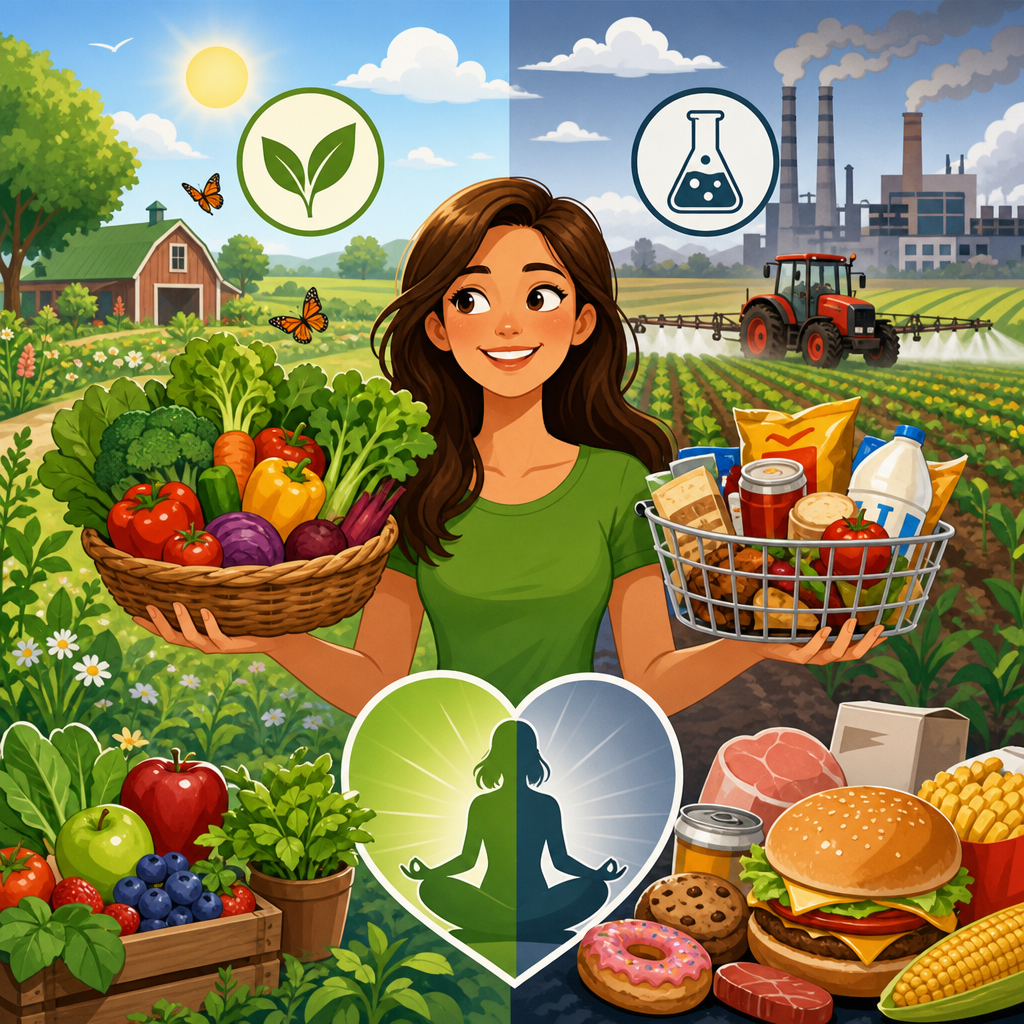
Organic and conventional foods are often presented as opposites, but in practice they are two overlapping farming and food distribution systems shaped by agronomy, regulation, economics, and consumer expectations. Organic food generally refers to products grown and processed under standards that restrict most synthetic pesticides, prohibit routine use of genetically engineered seeds, and emphasize soil health, crop rotation, and approved inputs. Conventional food is the broader default category, covering farms that may use synthetic fertilizers, modern crop protection products, biotechnology, precision agriculture tools, and integrated pest management. Understanding the difference matters because purchasing decisions are frequently driven by claims about nutrition, safety, environmental impact, and price, yet many of those claims are incomplete or wrong. After years working with food labeling, supplier documentation, residue reports, and sustainability communications, I have seen how quickly simple narratives collapse under real evidence. The most useful question is not which system is universally better, but what each one actually does well, where tradeoffs exist, and how consumers can evaluate products without relying on marketing shorthand.
Myth 1: Organic food is completely pesticide-free
This is the most persistent misconception, and it is flatly incorrect. Organic farming does use pesticides; the distinction is that the substances allowed are limited by organic standards and usually come from natural or specifically approved sources. Copper-based fungicides, sulfur, spinosad, horticultural oils, insecticidal soaps, and Bacillus thuringiensis are well-known examples used in organic production. Conventional farming also uses pesticides, but it can draw from a larger toolbox that includes synthetic herbicides, fungicides, and insecticides. The practical issue is not whether pesticides are used, but which compounds are used, at what rates, under what weather conditions, and with what residue outcomes at harvest.
Residue monitoring helps put the issue in context. Programs run by the USDA Pesticide Data Program and similar regulators routinely find that both organic and conventional foods are overwhelmingly compliant with legal residue tolerances. Organic products may still show residues because of environmental drift, shared transport equipment, or persistent compounds in soil from previous land use. I have reviewed supplier corrective actions where an organic shipment tested positive at trace levels despite the farm following organic handling rules. That does not automatically mean fraud; it often means agricultural systems are physically connected. Consumers seeking lower exposure can wash produce, peel when appropriate, vary their diet, and pay attention to high-consumption items, but “organic equals zero pesticides” is not a scientific statement.
Myth 2: Organic food is always more nutritious
Organic food is not automatically more nutritious, and blanket claims about superior vitamin or mineral content do not hold consistently across crops, regions, seasons, and varieties. Nutrition depends heavily on cultivar, soil type, maturity at harvest, storage time, processing, and cooking method. A just-picked conventional strawberry from a local farm can easily outperform an organic strawberry shipped long distance and stored for extended periods. Likewise, whole foods matter more than production label alone; a conventional apple is still a nutrient-dense choice, while an organic cookie is still a cookie.
Some studies have found modest average differences in certain compounds, such as slightly higher polyphenol levels in some organic fruits and vegetables, but these findings are not universal and often have limited clinical significance for the average person. On the animal side, organic milk and meat can differ in fatty acid profile when livestock spend more time on pasture, yet feeding regime and breed explain much of that variation. In practical nutrition counseling and product review work, the consistent advice is simple: eat more fruits, vegetables, legumes, whole grains, and minimally processed foods first. If organic options help someone do that, great. If price pushes a household away from produce entirely, that is a bigger nutritional problem than choosing conventional produce.
Myth 3: Conventional food is unsafe to eat
Conventional food is not inherently unsafe. Food safety is governed by a wider framework than organic certification, including pesticide tolerances, microbiological controls, veterinary drug regulations, sanitation rules, hazard analysis systems, and inspection programs. In the United States, the FDA, USDA, and EPA all play roles in setting and enforcing these standards. Similar multi-agency systems exist globally. A conventional lettuce grower, apple packer, dairy processor, or poultry plant must still meet safety requirements related to contamination, handling, and labeling. Organic certification does not replace those requirements; it sits alongside them.
In fact, many food safety risks have little to do with whether a product is organic or conventional. Pathogens such as E. coli O157:H7, Salmonella, Listeria monocytogenes, and norovirus can affect food from either system. Water quality, worker hygiene, manure management, cold chain control, and processing sanitation are often more important than label category. I have participated in supplier assessments where the strongest food safety performers were a mix of organic and conventional operations, because disciplined management systems matter. Consumers should keep priorities straight: wash produce, refrigerate perishable foods promptly, cook high-risk items to safe temperatures, and avoid cross-contamination. Those habits reduce real risk more effectively than assuming one label guarantees safety.
Myth 4: Organic farming is always better for the environment
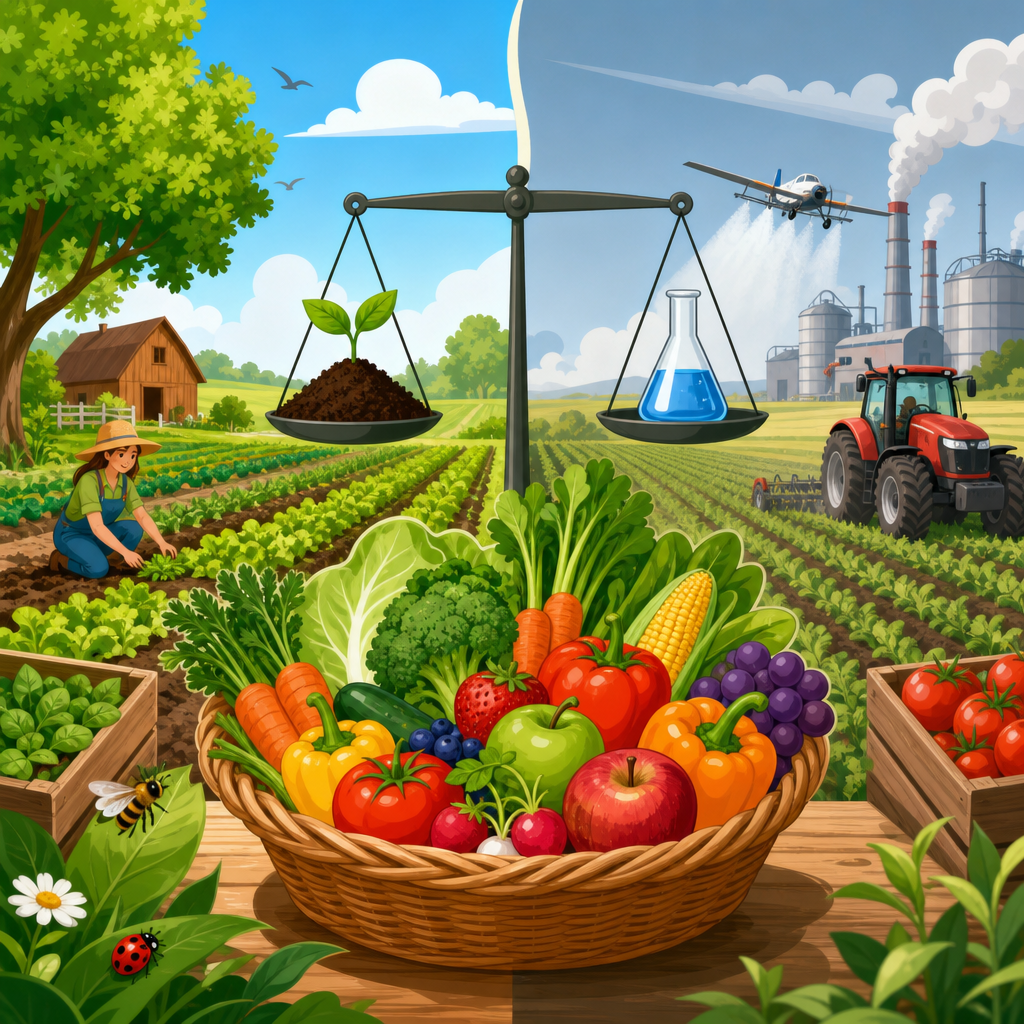
Organic farming can deliver important environmental benefits, but saying it is always better oversimplifies a complex comparison. Organic systems often support soil structure through cover crops and compost, reduce use of many synthetic inputs, and can encourage biodiversity through crop rotation and habitat practices. Those are meaningful strengths. However, environmental performance should be measured across multiple indicators: yield per acre, greenhouse gas emissions per kilogram of food, nutrient runoff, water use, energy consumption, soil carbon, pollinator impact, and land conversion pressure. No single farming system wins every category for every crop.
Yield is central to this debate. Organic yields are often lower than conventional yields, although the gap varies widely by crop and management quality. Lower yields can mean more land is needed to produce the same amount of food, which may offset some ecological gains if forests or grasslands are converted elsewhere. On the other hand, conventional systems can have higher impacts from nitrogen fertilizer production, herbicide resistance, and simplified landscapes if not carefully managed. The most credible sustainability assessments therefore compare outcomes, not slogans. Regenerative practices, precision fertilizer application, drip irrigation, no-till systems, biological controls, and diversified rotations can improve either organic or conventional operations depending on local conditions.
How standards, labels, and certifications actually work
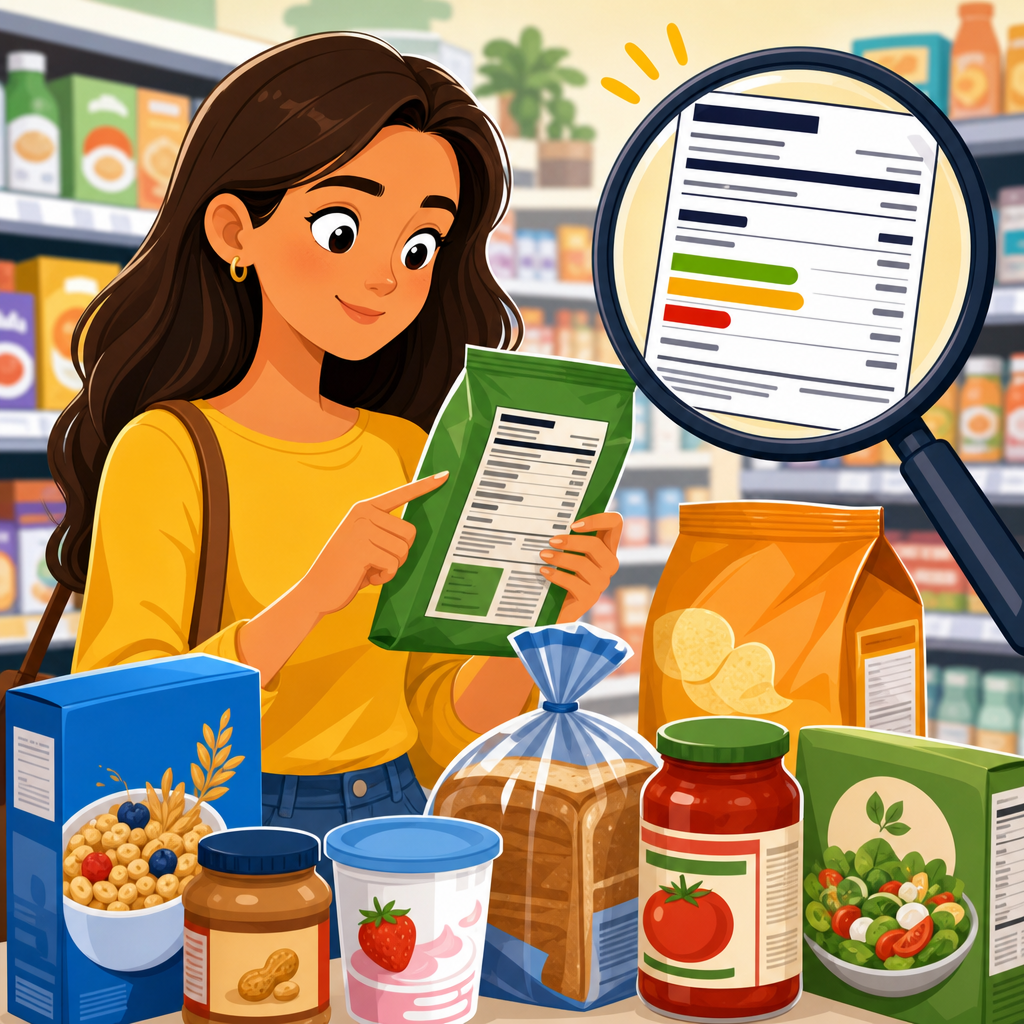
One reason myths persist is that shoppers rarely see the compliance infrastructure behind a food label. Organic certification is not a vague lifestyle claim; it is a regulated process. Certified farms and handlers maintain organic system plans, document approved inputs, keep traceability records, separate organic and non-organic products, and undergo inspections. Rules differ somewhat by country, but the common principle is documented control from field to final sale. “Made with organic ingredients” is not the same as “100% organic,” and private marketing terms such as “natural” are not equivalent to certified organic standards.
Conventional food, meanwhile, is not unregulated. It operates under residue tolerances, maximum veterinary drug limits, food safety modernization requirements, grading systems, environmental permits, worker protection standards, and retailer audit programs. In my experience, confusion often comes from consumers comparing a highly specific certification on one side with a broad category on the other. The better comparison is certified practice versus certified practice: organic certification, GlobalG.A.P., HACCP-based controls, animal welfare audits, fair trade claims, non-GMO verification, and sustainability protocols all answer different questions. No single seal covers every ethical, nutritional, and environmental concern at once.
Myth 5: The price premium means organic food is mostly marketing
Organic food often costs more, but the premium is not simply invented by branding teams. Organic production can involve higher labor costs for weed control, more complex crop rotations, certification fees, lower average yields for some crops, segregated storage and transport, and tighter restrictions on inputs. Supply chains are also smaller for many categories, which reduces economies of scale. Those cost drivers are real. I have seen procurement sheets where the premium was explained line by line through packing, freight, shrink, and seasonal sourcing constraints rather than a vague “organic markup.”
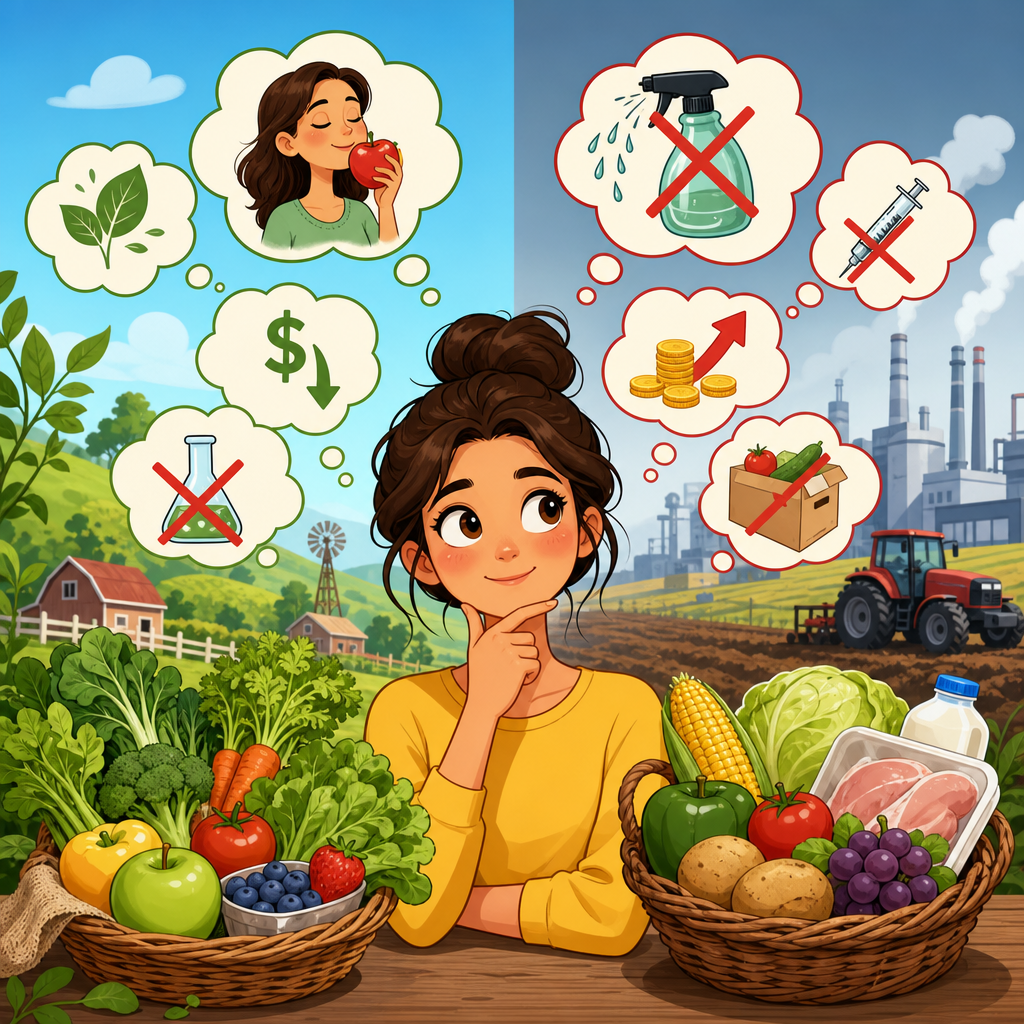
That said, the premium does not always mean the product delivers value for every buyer. For some foods, especially thick-skinned produce or low-residue staples, many households may prefer to allocate budget elsewhere. For other shoppers, organic purchasing aligns with priorities around production methods, farmworker exposure, or livestock management, and the extra cost feels justified. A practical strategy is selective buying rather than all-or-nothing shopping.
| Question | Organic Often Makes Sense When | Conventional Often Makes Sense When |
|---|---|---|
| Budget | You can absorb the premium without reducing produce intake | Choosing conventional helps you buy more fruits and vegetables overall |
| Production priorities | You want certified restrictions on synthetic inputs and GMOs | You prioritize local, seasonal, or specific farm practices over certification |
| Product type | You buy high-consumption fresh items and prefer certified methods | You buy frozen, canned, or thick-peeled items with strong value pricing |
| Availability | Reliable certified options are stocked consistently | Organic quality is poor, limited, or requires excessive transport |
Myth 6: Organic and conventional are fixed opposites with no middle ground
Real agriculture is far more nuanced than a binary label suggests. Many conventional farms use integrated pest management, satellite imagery, variable-rate fertilizer application, beneficial insect releases, conservation tillage, and water monitoring to reduce environmental impact. Many organic farms use sophisticated crop planning, resistant varieties, biological pesticides, and precision cultivation technology. Some farms are certified organic and regenerative. Others are not certified organic but still maintain exceptional soil stewardship and biodiversity programs. The label alone cannot capture every management decision that matters.
Food systems are also transitional. Farms may shift acreage gradually as they test new markets, respond to climate pressure, or manage the three-year transition period required for organic land certification in many jurisdictions. Retailers increasingly source from suppliers using metrics such as greenhouse gas intensity, water stewardship plans, and soil organic matter trends rather than relying on one category alone. From a sustainability standpoint, progress often comes from hybrid improvement: conventional farms adopting better nutrient management, and organic farms improving yield stability and logistics efficiency. Framing the issue as a culture war obscures the real opportunity, which is better farming performance across the board.
How consumers can make evidence-based choices
The best way to compare organic vs. conventional foods is to match the product to your goals. If your main goal is family nutrition, prioritize variety, affordability, and minimally processed foods. If your goal is reducing certain synthetic input exposures, certified organic may fit better for selected items. If your focus is climate or local economies, ask where the food came from, how it was grown, and how far it traveled. Read labels carefully, because “natural,” “farm fresh,” and “sustainably grown” have inconsistent definitions. Look for credible certification when a claim matters to you, and remember that local farmers at markets may follow strong practices even if they are not certified, though you should ask direct questions.
This hub is the starting point for deeper topics within Organic vs. Conventional Foods, including pesticide residues, nutrient comparisons, farming methods, food affordability, and environmental tradeoffs. The clearest takeaway is that both systems can produce safe, nutritious food, and both can perform well or poorly depending on management. Rejecting myths makes room for smarter choices. Buy more produce, compare labels critically, support farms that can explain their practices, and use evidence rather than ideology to guide your next grocery trip.
Frequently Asked Questions
Is organic food always more nutritious than conventional food?
No. One of the most common myths is that organic automatically means significantly more nutritious, but the evidence is more nuanced. The nutrient content of any food depends on many factors beyond whether it was produced under organic or conventional standards. Variety, soil conditions, weather, harvest timing, freshness, storage, and transportation can all influence levels of vitamins, minerals, and antioxidants. In some studies, certain organic foods show slightly higher levels of specific compounds, while other studies find little meaningful difference overall. That is why nutrition experts generally focus first on getting people to eat more fruits, vegetables, whole grains, legumes, and other minimally processed foods, regardless of production system.
It is also important to separate nutritional quality from broader production practices. Organic standards are designed to guide how food is grown and handled, not to guarantee that every organic product is healthier in a nutritional sense. An organic cookie is still a cookie, and a conventionally grown apple is still a nutrient-dense food. For most consumers, the biggest dietary gains come from food choices and eating patterns rather than from assuming one label alone determines nutritional value. Organic and conventional foods can both play a role in a healthy diet.
Does conventional food contain dangerous levels of pesticides while organic food is completely pesticide-free?
This is another oversimplification. Conventional farming may use synthetic pesticides, while organic farming restricts most synthetic options and relies on approved natural or limited-use substances, along with practices such as crop rotation, biological controls, and soil management. But organic does not mean pesticide-free. Organic farmers can and do use pesticides that meet organic standards when needed. The key difference is the types of pest-control tools allowed and the regulatory framework governing them, not the total absence of pesticides.
Conventional food sold legally is also not supposed to contain pesticide residues above established safety limits. Regulatory agencies set tolerances with large safety margins and monitor compliance through residue testing programs. Residues, when present, are usually found at levels considered safe by those standards. That does not mean consumers should ignore concerns about pesticide exposure or environmental impacts, but it does mean the common claim that conventional food is inherently unsafe is misleading. Washing produce, peeling when appropriate, and eating a wide variety of foods are sensible steps for all shoppers. From a public health perspective, eating enough produce matters far more than avoiding fruits and vegetables out of fear.
Are organic and conventional farming completely opposite systems?
Not really. They are often presented as if they exist in separate worlds, but in practice they overlap much more than many people realize. Both systems depend on agronomy, weather, labor, logistics, food safety rules, and market pressures. Many farmers use ideas that are associated with both approaches, such as cover crops, targeted pest management, soil testing, water conservation, and careful nutrient planning. A conventional farm may use precision technology to reduce inputs and improve efficiency, while an organic farm may use sophisticated monitoring and approved treatments to manage pests and disease. The reality is less about absolute opposites and more about different sets of tools, restrictions, incentives, and certification requirements.
It is also worth remembering that food systems are shaped by economics and distribution, not just ideals. Farms may transition between systems, adopt hybrid practices, or make decisions crop by crop depending on region, disease pressure, labor availability, and consumer demand. Organic certification requires meeting specific standards and documentation requirements, but that does not mean every conventional farm ignores soil health or sustainability. Likewise, organic farming is not automatically low-impact in every circumstance. A more accurate way to think about organic and conventional food is that they are overlapping frameworks within modern agriculture, each with strengths, tradeoffs, and areas of continuous improvement.
Does organic farming always have a lower environmental impact than conventional farming?
Not always. Organic farming is often promoted as better for the environment, and in some areas it can offer clear benefits, especially around soil-building practices, crop diversity, and reduced use of many synthetic inputs. Organic standards often encourage approaches that support soil structure, microbial activity, and long-term land stewardship. These practices can be important for erosion control, water retention, and biodiversity. However, environmental impact is not determined by one label alone. The outcome depends on the crop, region, management skill, yield, transportation, storage, land use, and many other factors.
For example, if one system produces lower yields for a particular crop, more land may be needed to produce the same amount of food, which can affect habitat and resource use. In other cases, conventional systems that use precision irrigation, targeted fertilizer application, integrated pest management, or improved genetics may reduce waste and limit environmental burdens. Transportation, refrigeration, packaging, and food waste can also shape a product’s overall footprint as much as farming method. That is why broad claims that one system is always greener are too simplistic. A better question is which practices, in which setting, are delivering the best outcomes for soil, water, biodiversity, climate, and food production.
Is organic food just a marketing label, or does it actually mean something?
Organic is not just a vague marketing term when it is used on certified products. In regulated markets, organic labeling is tied to defined production and processing standards. Those standards generally restrict most synthetic pesticides and fertilizers, prohibit routine use of genetically engineered seeds, and require farms and processors to follow approved methods and maintain records. Certification systems include inspections, documentation, and rules about how products are grown, handled, and labeled. So while branding can certainly influence how organic products are advertised, the term itself has a real regulatory meaning when used properly.
That said, the label does not mean perfection, and it does not answer every question a shopper might have. Organic certification does not automatically mean local, more nutritious, pesticide-free, small-scale, or lower-cost. It also does not guarantee ideal labor practices, minimal packaging, or the lowest carbon footprint. Consumers often attach a long list of assumptions to the word organic that go beyond what the standards actually cover. The most informed approach is to see organic as one meaningful signal among several. It tells you something important about how the food was produced and processed, but it is only one part of a bigger picture that includes freshness, affordability, nutrition, sourcing, and personal priorities.