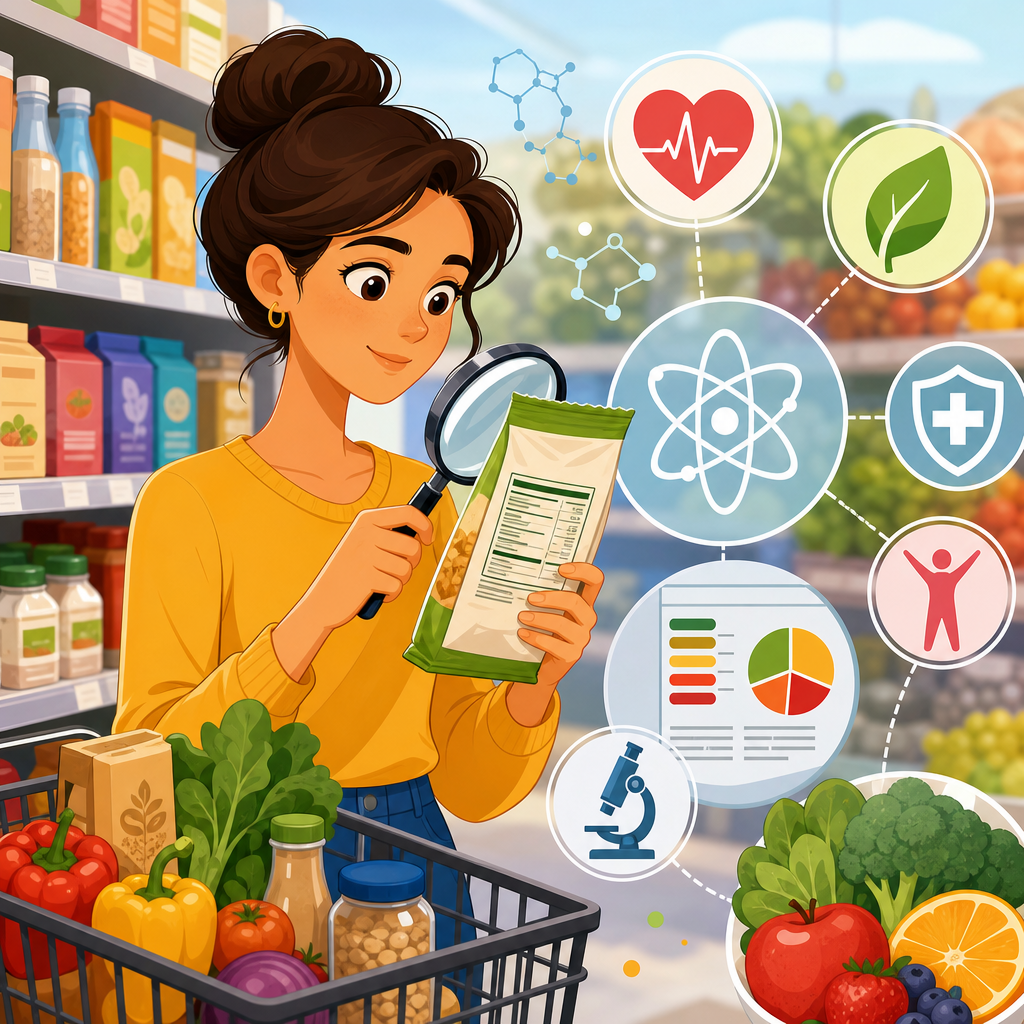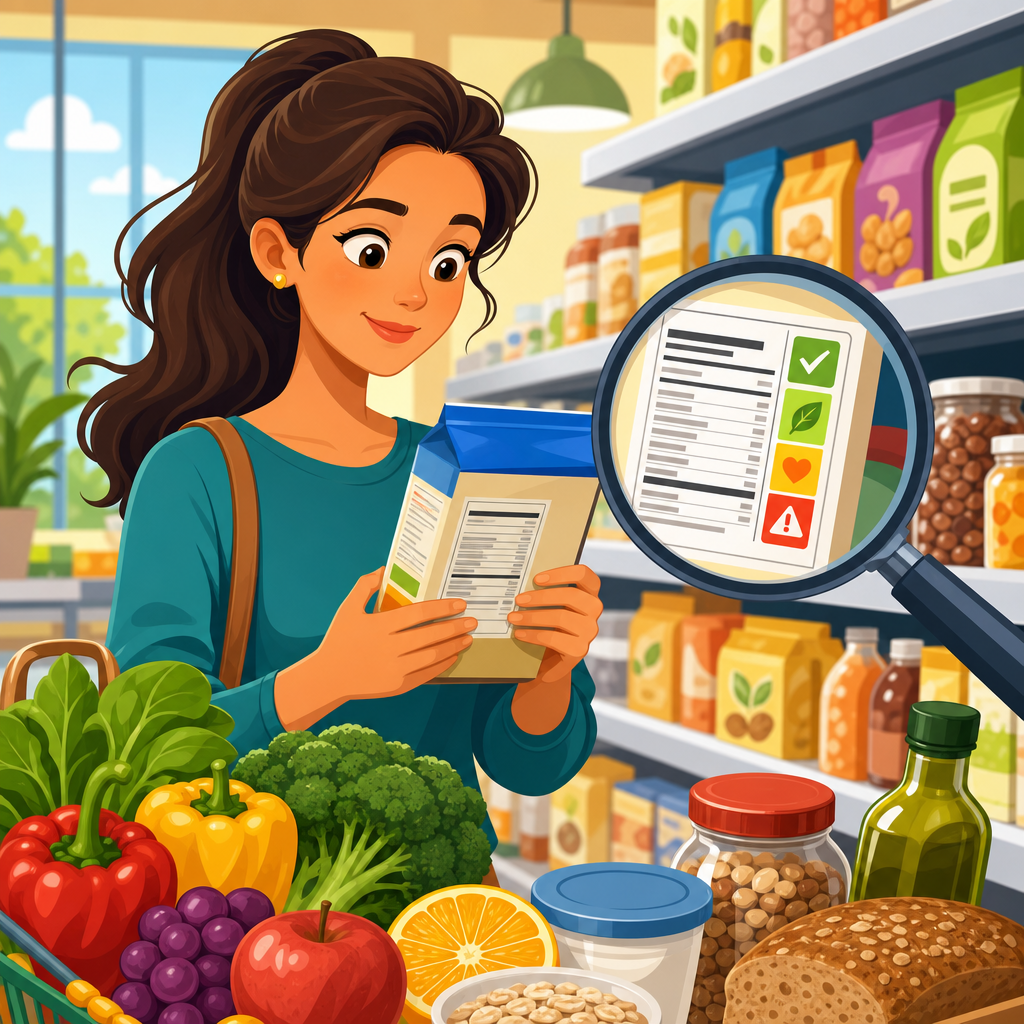
Choosing the best sources of label reading starts with understanding what food packaging is designed to communicate, what it can obscure, and how to separate marketing from measurable facts. In practical nutrition work, I have seen two shoppers buy the same category of food for very different reasons: one follows a front-of-pack claim like “natural,” while the other checks the ingredient list, nutrition facts, allergen statement, date code, and storage instructions. The second shopper almost always makes the more informed decision. Label reading is the skill of interpreting every formal and informal signal on a package, including mandatory disclosures, voluntary claims, symbols, certifications, and traceability information. Food packaging is the physical container and the printed communication system attached to a food product. Together, they affect health, safety, cost, sustainability, and dietary adherence.
This matters because packaged food now dominates many eating patterns, and the package often serves as the consumer’s only source of product-level evidence at the point of purchase. A label can reveal sodium load, added sugars, ultra-processed ingredients, allergens, portion distortion, and whether nutrients are naturally present or fortified. It can also indicate how food should be stored to prevent spoilage, whether it meets standards such as organic certification, and how long it is likely to remain safe and high quality. For anyone managing blood pressure, diabetes, celiac disease, food allergies, weight goals, or environmental concerns, accurate label reading is not optional. It is one of the most practical health skills available, and this hub explains how to use packaging information correctly, consistently, and with confidence.
What food labels must tell you first
The most reliable information on a package usually sits away from the largest marketing text. Start with the product identity, net quantity, ingredient list, nutrition facts panel, allergen declaration, manufacturer or distributor details, date marking, and storage or preparation instructions. These elements are governed by food labeling rules in most major markets, even though exact formatting differs by country. In the United States, for example, the Nutrition Facts label must list serving size, calories, macronutrients, sodium, added sugars, and selected vitamins and minerals. In the European Union and United Kingdom, labels commonly present energy in kilojoules and kilocalories, along with fat, saturates, carbohydrate, sugars, protein, and salt. Ingredient lists are generally ordered by weight, from highest to lowest at formulation time, which gives you an immediate sense of what the product is mostly made of.
That order matters more than most shoppers realize. If sugar, refined flour, palm oil, or sodium-containing additives appear near the top, the product’s health profile is usually weaker than its front panel implies. I routinely advise people to compare two granolas or breads by ingredients before they compare calories, because the ingredient list often exposes the bigger issue: one may rely on oats, nuts, and seeds, while another is built largely from syrup, isolated starches, and flavorings. Allergen statements deserve equal attention. Major allergens such as milk, eggs, fish, shellfish, tree nuts, peanuts, wheat, soy, and sesame must be identified in many jurisdictions, but precautionary phrases like “may contain” are voluntary in some systems and are not standardized risk measures. When the health consequence is serious, labels should be treated conservatively, and manufacturer follow-up may be necessary.
How to read the nutrition facts panel accurately
The nutrition facts panel answers the question, “What nutrients am I actually getting in the amount I am likely to eat?” The first checkpoint is serving size. Serving size is not a recommendation; it is a reference amount. A bottle that looks like one drink may contain two and a half servings, which means the listed sugars, caffeine, and calories must be multiplied if you consume the whole package. This is where many people underestimate intake. For blood pressure management, sodium per serving can look moderate until you notice there are three servings in the container. For blood glucose control, total carbohydrate, fiber, and added sugars matter more than broad front-of-pack promises like “made with whole grains.”
Percent Daily Value can help, but only if used correctly. As a rule of thumb, 5% Daily Value or less is low and 20% or more is high for a nutrient per serving. That makes it useful for screening sodium, saturated fat, and added sugars downward, and fiber, calcium, iron, potassium, or vitamin D upward, depending on your goals. Calories still matter, but nutrient density matters more. A yogurt with slightly more calories may be the better choice if it contains more protein, less added sugar, and a shorter ingredient list. In products marketed as healthy, I pay special attention to sodium in soups, sauces, meat alternatives, and frozen meals, because those categories often exceed expectations. I also check whether “zero” claims rely on rounding rules; legally, very small amounts can sometimes be declared as zero, so frequency and portion size still matter.
Ingredient lists, additives, and processing signals
An ingredient list tells a story about formulation, functionality, and processing intensity. It does not automatically rank foods as good or bad, but it helps you understand why a product behaves the way it does. Emulsifiers keep mixtures stable, humectants hold moisture, preservatives slow spoilage, antioxidants limit rancidity, and gums modify texture. These functions are not inherently harmful, and consumers often benefit from the food safety and shelf life they provide. The better question is whether the ingredient system supports your health needs and whether the product displaces more nutrient-dense options in your overall pattern of eating.
Some practical signals are easy to spot. Long lists are not always problematic, but a long list made mostly of refined starches, sweeteners, colorings, flavor enhancers, and isolates often indicates a highly engineered product with lower satiety and weaker nutritional value. Short lists are not always superior either; cookies made from sugar, butter, and flour still remain cookies. What matters is the combination of ingredient quality, nutrient profile, and eating context. For example, plain canned beans may contain beans, water, and salt, while a flavored bean pouch can add sugar, modified starch, and sodium-heavy seasonings. Both are convenient, but they serve different nutritional purposes. Reading for whole-food anchors such as oats, lentils, fruit, milk, cocoa, nuts, and vegetables helps you identify products built from recognizable food matrices rather than mostly from extracted components.
Front-of-pack claims and certification marks
Front-of-pack language is designed to sell, not to summarize nutrition impartially. Terms such as “natural,” “multigrain,” “immune support,” “lightly sweetened,” or “plant-based” can be technically true while still leaving out information that would change your decision. “Multigrain” only means more than one grain is present; it does not mean whole grain. “Natural” is a weak health signal and often a poor buying criterion. “No added sugar” does not mean sugar-free, since the product may still contain concentrated fruit ingredients or a high total carbohydrate load. This is why the best source of truth remains the side or back panel.
Certification marks can be useful when they are tied to audited standards. USDA Organic, Certified Gluten-Free, Fairtrade, Marine Stewardship Council, Rainforest Alliance, and Non-GMO Project Verified each communicate something specific, though none summarizes overall nutritional quality. Organic candy is still candy. Gluten-free cookies can still be high in sugar and low in fiber. Sustainability marks can indicate sourcing practices, but they do not eliminate the need to check packaging material, portion size, or transport assumptions. In practice, I treat certifications as targeted filters, not universal indicators of health. They are most helpful when you already know your priority, such as avoiding gluten exposure, supporting a fishery standard, or choosing products produced under a defined organic system.
Date labels, storage guidance, and food safety
Many shoppers misunderstand date labels, which leads to unnecessary waste and avoidable food safety risks. “Best if used by” or “best before” usually refers to quality, not safety. Texture, flavor, color, or nutrient retention may decline after that date, but the food is not automatically unsafe. “Use by” is more critical, especially for perishable products. Infant formula is a special case because date accuracy directly relates to nutrient adequacy and safety expectations. Storage instructions matter just as much as the date itself. A yogurt kept continuously refrigerated below 40°F or 4°C behaves differently from one left in a warm car. Vacuum packaging, modified atmosphere packaging, and aseptic processing can extend shelf life, but once opened, the clock changes.
Food packaging often includes handling instructions that consumers skip, such as “refrigerate after opening,” “consume within three days,” or “cook thoroughly to 165°F.” Those are not suggestions. They are part of the product’s safety system. The package may also indicate whether a product was previously frozen, whether a tamper-evident seal should be intact, or whether bulging, leaking, or broken packaging signals spoilage or contamination risk. In my experience, some of the most important label reading happens after purchase. A shopper who chooses an excellent frozen meal but stores it improperly defeats the benefit of the original decision. Healthful selection and safe handling are inseparable.
Comparing labels for health and sustainability
When comparing foods, use a repeatable method instead of chasing one number. I recommend evaluating category peers side by side: compare two cereals, two plant milks, or two pasta sauces, not unrelated foods. Check serving size first, then calories, protein, fiber, sodium, saturated fat, and added sugars, then ingredients and certifications. Finally, assess package format, recyclability claims, and waste implications. A nutritionally strong product in excessive single-use packaging may conflict with your sustainability goals, while a minimally packaged option may require shorter storage and more careful planning. The best choice depends on your priorities, but the process should stay consistent.
| Label element | What it tells you | Why it matters for health | Why it matters for sustainability |
|---|---|---|---|
| Serving size | Reference amount per listed nutrients | Prevents underestimating calories, sodium, and sugar | Supports realistic meal planning and less waste |
| Ingredient list | Main components in descending weight | Reveals whole-food content, allergens, sweeteners, additives | Shows sourcing clues such as palm oil or cocoa systems |
| Date and storage | Quality window and handling requirements | Reduces spoilage and foodborne illness risk | Helps avoid premature disposal of edible food |
| Certification marks | Compliance with specific audited standards | Useful for gluten-free, organic, or allergen needs | Can indicate fisheries, farming, or trade practices |
| Package material claim | Recyclable, compostable, recycled content, refillable | Indirect health effect through storage performance and contamination control | Influences disposal impact and circularity potential |
Real-world examples make the method clearer. Two tomato sauces may both list 90 calories per serving, yet one has 480 milligrams of sodium and 10 grams of added sugar, while the other has 220 milligrams of sodium and no added sugar. Two oat milks may both appear fortified, but one delivers useful calcium and vitamin D with moderate ingredients, while another adds more oil and sugar than necessary. Two whole-grain breads may share similar calories, but the better one usually lists whole grain flour first, offers at least 3 grams of fiber per slice pair, and keeps sodium in check. These comparisons seem small until they are repeated across a week of meals.
Using labels as a hub for smarter food choices
Label reading becomes powerful when it connects to larger decisions: meal planning, chronic disease management, budget control, and lower-impact consumption. This is why a hub approach works. Once you know how to decode nutrition facts, ingredients, claims, dates, and packaging materials, you can apply the same framework to snacks, beverages, dairy, meat alternatives, frozen meals, canned goods, and supplements. The core questions remain consistent. What is this product mostly made of? How much am I actually going to eat? What nutrients or risks matter most for my needs? How should it be stored? What does the package imply about environmental impact?
The main takeaway is simple: the best sources of label reading are the regulated facts, the ingredient hierarchy, and the safety instructions, not the largest promises on the front of the box. Shoppers who read labels this way make better decisions without needing perfect diets or expensive products. They identify hidden sodium, avoid misleading health halos, manage allergens more safely, reduce food waste, and build eating patterns that are easier to sustain. Use this hub as your starting point for every food packaging question, then apply the same disciplined method every time you shop. The more often you practice, the faster and more accurate your decisions become.
Frequently Asked Questions
1. What are the most important parts of a food label to read first?
The best place to start is not the front of the package, but the regulated information panel. In most cases, that means reading the nutrition facts, ingredient list, allergen statement, date code, and storage instructions before giving much weight to marketing language. Front-of-pack phrases such as “natural,” “made with whole grains,” “immune-supporting,” or “light” can influence buying decisions quickly, but they often do not give enough context to tell you whether a product truly fits your health goals.
Begin with serving size, because every number on the nutrition facts panel depends on it. A product may appear low in calories, sugar, sodium, or saturated fat until you notice that the serving size is unrealistically small compared with what most people actually eat. After that, review calories, protein, fiber, added sugars, sodium, and types of fat. These are often the most useful markers for everyday decision-making, especially if you are trying to improve energy balance, blood sugar control, heart health, digestive health, or weight management.
Next, move to the ingredient list. Ingredients are listed in descending order by weight, so the first several items reveal a great deal about what the product is mostly made of. If sugar in one form or another appears near the top, or if refined starches dominate the first ingredients, that tells you more than a positive slogan on the package ever could. The allergen statement matters for safety, and storage instructions matter for both food quality and foodborne illness prevention. Together, these sections give a much fuller and more reliable picture than promotional claims alone.
2. How can I tell the difference between marketing claims and truly useful nutrition information?
A practical rule is this: marketing claims are designed to persuade, while nutrition information is designed to inform. The persuasive language usually appears on the front of the package in large print and includes words such as “natural,” “clean,” “wholesome,” “guilt-free,” “multigrain,” or “made with real fruit.” These phrases may sound healthy, but many of them are broad, loosely understood by shoppers, or not especially meaningful when you look at the actual contents of the food.
Useful nutrition information is found in the measurable, standardized parts of the label. That includes the nutrition facts panel, ingredient list, allergen disclosures, and any clearly defined nutrient claims. For example, if a product says “high in fiber,” the real question is how many grams of fiber it contains per serving and whether the serving size reflects a realistic portion. If a cereal says “made with whole grains,” check whether a whole grain is one of the first ingredients and whether the product is also high in added sugars. If a snack says “low fat,” ask what replaced the fat—often extra starch, sugar, or sodium.
The strongest approach is to treat front-of-pack language as a starting point, not a conclusion. Confirm every positive claim by looking for objective evidence elsewhere on the package. If the packaging promises health benefits but the nutrition facts show high sodium, minimal fiber, and several sweeteners, the measurable facts should carry more weight than the branding. Over time, this habit helps you become a faster, more confident shopper who is less influenced by packaging design and more guided by nutritional substance.
3. Why is the ingredient list so important when choosing healthier foods?
The ingredient list often tells the real story of the product. While the nutrition facts panel gives a numerical summary, the ingredient list shows the food’s basic composition. Because ingredients are listed by weight from highest to lowest, the first three to five ingredients usually reveal whether a product is built around whole-food components or highly refined inputs. This can help you spot foods that look healthy on the shelf but are dominated by refined flour, sugar, oils, or additives.
Reading the ingredient list is especially valuable when comparing foods within the same category. Two granola bars may have similar calorie counts, yet one may rely mostly on oats, nuts, and seeds, while the other is built around syrups, sweeteners, and processed starches. Two yogurts may both advertise protein, but one may include milk and active cultures with modest added sugar, while the other contains multiple thickeners, flavoring agents, and a significant sugar load. The ingredient list helps you move beyond broad claims and examine the quality and character of the food itself.
It is also useful for identifying hidden sources of sugar, sodium, allergens, and additives that matter to your personal health needs. Sugar may appear under several names, including cane sugar, corn syrup, dextrose, fruit juice concentrate, honey, or malt syrup. Sodium can appear in preservatives, seasoning blends, or leavening agents. For people managing food sensitivities or specific dietary patterns, the ingredient list is often the most important section of all. You do not need to fear every unfamiliar ingredient, but you should understand that the list gives essential context that packaging claims rarely provide.
4. What should I look for on labels if my goal is optimal health rather than just fewer calories?
Optimal health usually requires a broader view than calorie counting alone. Calories matter, but they are only one part of the picture. A more complete strategy is to look for foods that offer a strong combination of nutrient density, satisfying protein, helpful fiber, reasonable sodium levels, and limited added sugars, while also fitting your medical needs, activity level, and eating patterns. The label can help you assess all of these areas quickly when you know what to prioritize.
Start by asking whether the food will nourish you and satisfy you. Protein can support fullness, muscle maintenance, and stable eating patterns. Fiber supports digestive health, cholesterol management, and better blood sugar response, and it often signals a less refined product. Added sugars are worth monitoring because they can raise total calorie intake without adding much nutritional value. Sodium deserves attention as well, especially in packaged soups, sauces, snacks, frozen meals, and convenience foods. Looking at saturated fat can also be useful, particularly for those focused on heart health.
Then consider food quality and usability. Is the product made from ingredients that align with your needs? Does it contain allergens? Can it be stored safely? Will you realistically eat the recommended serving, or are you likely to consume two or three? A food that appears healthy on paper may not support your goals if the portion guidance is misleading or if the product encourages overeating. The healthiest choice is often the one that balances nutritional value, practicality, satiety, and consistency. Label reading supports optimal health best when it helps you make sustainable choices, not just low-number choices.
5. How can I compare two packaged foods quickly and make the better choice?
A fast and reliable comparison method is to evaluate both products in the same order every time. First, compare serving sizes so you are not judging unequal portions. If one cracker label lists nutrients for five crackers and another lists them for twelve, the numbers are not directly comparable until you account for that difference. Once serving sizes are aligned, compare calories only after you have looked at protein, fiber, added sugars, sodium, and saturated fat. This sequence helps prevent you from choosing the lower-calorie option if it is also less filling or more heavily processed.
Next, compare the ingredient lists side by side. Ask which product is built from more recognizable, functional ingredients and which one depends more heavily on sweeteners, refined starches, or unnecessary additives. Also check whether whole-food ingredients appear earlier in the list. In many categories, the better option is the one with more fiber and protein, less added sugar and sodium, and a more straightforward ingredient profile. For some products, such as bread, cereal, yogurt, or frozen meals, these differences can be substantial even when the packaging makes both products look equally healthy.
Finally, factor in your own health priorities. A better choice for one person may not be the better choice for another. Someone managing high blood pressure may prioritize sodium. Someone with diabetes may focus more on total carbohydrate context, fiber, and added sugars. Someone with food allergies must begin with safety before anything else. The best source of label reading is not any single claim or number, but the full label interpreted through your actual goals. When you compare foods this way consistently, you make decisions based on evidence rather than packaging persuasion.