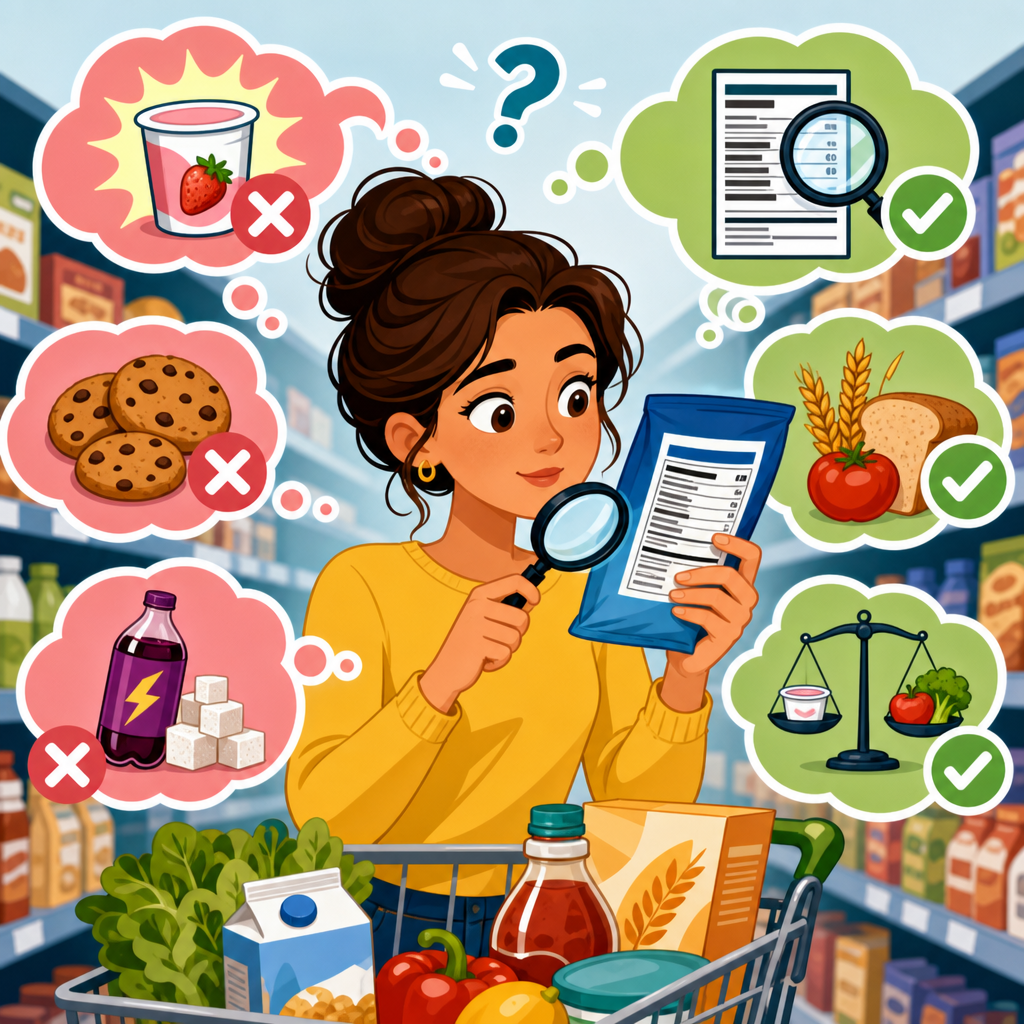
Breaking down label reading starts with a simple truth: food packaging is a technical document disguised as a shopping tool. Every panel on a box, bag, bottle, or carton communicates something about ingredients, safety, shelf life, nutrition, sourcing, and environmental impact. When people say they want to understand food labels, they usually mean the Nutrition Facts panel, but effective label reading goes further. It includes the ingredient list, allergen statement, date marking, storage instructions, package material codes, serving sizes, front-of-pack claims, and manufacturer disclosures. I have worked with packaged food specifications and retail compliance reviews, and the biggest mistake I see is assuming that one claim on the front tells the full story.
Understanding food packaging matters because labels influence health decisions, budgeting, waste reduction, and trust. A parent managing a child’s sesame allergy needs different information than an athlete comparing sodium levels, but both depend on accurate packaging. The same package may also determine whether food is stored safely, whether a product can be recycled locally, and whether a “natural” or “multigrain” claim means much at all. Regulations from agencies such as the U.S. Food and Drug Administration and U.S. Department of Agriculture set the baseline, yet consumers still need practical literacy to interpret what they read. This hub article explains the core parts of food packaging, how to judge claims, how labels relate to sustainability, and how to read quickly without missing what matters most.
The Core Parts of a Food Label and What Each One Tells You
The most useful way to read food packaging is in layers. Start with the statement of identity, which tells you what the product legally is: “ice cream,” “frozen dairy dessert,” “whole wheat bread,” or “fruit drink.” These terms matter. A “fruit drink” may contain only a small percentage of juice, while “100% juice” is a defined claim. Next, check the net quantity statement, usually shown on the front, which tells you how much product is in the package by weight, volume, or count. This is essential for unit-price comparisons because package size often changes while shelf price does not.
Then move to the information panel. The ingredient list is ordered by predominance by weight, from highest to lowest at the time of formulation. If sugar, refined flour, or oil appears among the first few ingredients, that tells you more than a front label saying “made with whole grains” or “lightly sweetened.” Allergens are usually declared in plain language for major allergens such as milk, eggs, fish, crustacean shellfish, tree nuts, peanuts, wheat, soy, and sesame in the United States. Also look for handling instructions such as “keep refrigerated,” “perishable,” or “cook thoroughly,” especially on meat, seafood, and ready-to-eat refrigerated items.
The Nutrition Facts panel is designed to standardize comparison, but it only works if you notice serving size and servings per container first. I routinely see consumers compare two products by calories without realizing one serving is half a cup and the other is a full cup. Percent Daily Value helps identify whether a nutrient is low or high in a serving; roughly 5% is low and 20% is high. That shortcut is useful for sodium, saturated fat, added sugars, calcium, iron, potassium, and fiber. Calories still matter, but nutrient density matters more for most buying decisions. A cereal with more fiber and less added sugar often serves people better than one with a marginally lower calorie number.
How to Read Ingredients, Additives, and Processing Clues
If you want the fastest route to understanding food packaging, read the ingredients before the claims. Ingredients reveal formulation choices, processing methods, and product quality. Whole foods or minimally processed components are usually easy to recognize: tomatoes, oats, chickpeas, olive oil, spinach. More complex ingredients are not automatically bad; many serve technical purposes such as preservation, emulsification, or texture stabilization. Lecithin helps oil and water stay mixed. Ascorbic acid can function as an antioxidant. Pectin helps create gel structure in jams. The goal is not to fear ingredients with scientific names but to understand why they are present and whether they fit your needs.
Added sugars illustrate why wording matters. Sugar may appear as cane sugar, corn syrup, dextrose, honey, maple syrup, agave syrup, fruit juice concentrate, or malt syrup. The label now separates total sugars from added sugars, which is one of the most useful updates for consumers. For sodium, ingredient clues include salt, sodium benzoate, baking soda, monosodium glutamate, disodium phosphate, and sodium caseinate. For fats, watch for butter, palm oil, coconut oil, shortening, and hydrogenated oils, though partially hydrogenated oils have largely been removed from the market because of trans fat regulation.
Processing clues also hide in product wording. “Cheese product” is not the same as cheese. “Imitation crab” is typically surimi made from white fish. “Made with real fruit” may mean a modest amount of puree in a heavily sweetened snack. “Smoke flavor added” differs from traditional smoking. In sensory and product development work, these distinctions are normal and often economically justified, but shoppers deserve to know what they are buying. The more specific the ingredient list and statement of identity, the easier it is to judge value and quality without relying on packaging design.
Nutrition Facts: Serving Size, Daily Values, and Smart Comparisons
Nutrition Facts answers one of the most common label-reading questions: is this food actually a good choice for my goals? The answer depends on context. Serving size is based on a reference amount customarily consumed, not on what a person should eat. Some packages contain multiple servings even when they look like a single snack. If a bottle lists 2.5 servings, you need to multiply calories, sodium, added sugars, and other nutrients if you plan to drink the whole thing. This is where many “healthy” smoothies and teas become misleadingly light at first glance.
The most practical comparison method is to hold serving size as constant as possible, then compare nutrients that matter most to your diet. For blood pressure, sodium is usually the first filter. For satiety and blood sugar management, fiber, protein, and added sugars are key. For heart health, look at saturated fat, sodium, and overall ingredient quality. In my reviews of packaged soups, for example, products marketed as “artisan” or “organic” often still exceed 700 milligrams of sodium per serving. The package story and the nutrition story are not always aligned.
| Label Element | What It Means | What to Watch For |
|---|---|---|
| Serving Size | Reference amount for one serving | Packages with 2 or more servings that look single-serve |
| Added Sugars | Sugars added during processing | High numbers in yogurt, cereal, drinks, and sauces |
| Sodium | Total sodium per serving | Anything above 20% Daily Value is high |
| Fiber | Indigestible carbohydrate that supports digestive health | Low-fiber foods with whole-grain marketing claims |
| Protein | Macronutrient important for tissue repair and satiety | Inflated claims on foods with high sugar or saturated fat |
Daily Value percentages are not perfect for every individual, but they are excellent screening tools. If you are choosing between two frozen meals, one with 8% Daily Value for saturated fat and another with 30%, the difference is meaningful. If one bread has 12% Daily Value for fiber and another has 4%, that matters too. Use the panel to compare products in the same category, not entirely different foods. Comparing crackers to yogurt is less useful than comparing one cracker brand to another with the same portion size.
Marketing Claims, Certifications, and What They Really Mean
Front-of-pack claims are where confusion grows fastest. Some claims are regulated and relatively precise. “Organic” in the United States is governed by USDA standards, with different rules for “100% organic,” “organic,” and “made with organic ingredients.” “Gluten-free” has a defined threshold of less than 20 parts per million. “Low sodium,” “good source of fiber,” and “high in vitamin C” are nutrient content claims tied to regulatory definitions. These are more dependable than broad lifestyle phrases.
Other claims are looser. “Natural” on many packaged foods has no single comprehensive definition that settles consumer expectations around processing, additives, or farming methods. “Multigrain” only means more than one grain is present; it does not mean whole grain. “Made with whole grain” may be technically true even if refined flour dominates the recipe. “No added sugar” does not mean sugar-free, because naturally occurring sugars may still be substantial. “Plant-based” is useful directionally, but the nutrition quality of plant-based products varies widely, from lentils and tofu to highly processed snack foods and burgers.
Certifications can help when they come from recognized programs. Fair Trade, Rainforest Alliance, Marine Stewardship Council, Certified Humane, and Non-GMO Project each address different concerns, from sourcing to farming practices to genetic engineering preferences. None is a universal stamp of overall virtue. A sustainably sourced product may still be high in sodium. An organic cookie is still a cookie. The right way to use claims is as entry points for deeper reading, not as final proof. Turn the package over and confirm that the nutrition, ingredients, and storage instructions support the promise on the front.
Date Labels, Safety Statements, and Storage Instructions
Many shoppers assume date labels are strict safety deadlines, but that is often incorrect. “Best if used by” usually refers to peak quality, not safety. “Use by” may signal quality and, in some cases, safety guidance for highly perishable products. “Sell by” is mainly for inventory management in retail settings. The lack of standardized national date labeling language across all foods has contributed significantly to household food waste. I have seen perfectly good shelf-stable foods discarded because consumers treated a quality date as a spoilage warning.
The packaging context matters. Shelf-stable canned beans stored in a cool, dry place behave differently from fresh salsa, deli meat, or raw chicken. Vacuum packaging and modified atmosphere packaging can extend shelf life, but once opened, the clock changes. Labels such as “refrigerate after opening” are non-negotiable. So are statements like “keep frozen” or “cook to 165°F.” For infant formula, date integrity is especially important because nutrient stability is part of product performance, not just flavor quality. For canned foods, bulging ends, leaks, or severe dents near seams are warning signs regardless of the printed date.
Storage instructions also affect sustainability. Food wasted because it was stored incorrectly carries the embedded cost of water, fertilizer, transport, packaging, and labor. If salad greens say “keep refrigerated” and “wash before use,” that guidance affects both safety and shelf life. If a nut butter says oil separation is natural and should be stirred, that is normal product behavior, not a defect. Reading and following storage directions is one of the simplest ways to save money and reduce avoidable waste.
Packaging Materials, Recycling Labels, and Sustainability Tradeoffs
Food packaging does more than contain a product. It provides barrier protection against oxygen, moisture, light, microbes, odor transfer, and physical damage. A multilayer pouch may be harder to recycle than a simple glass jar, yet it can dramatically reduce shipping weight and food spoilage. This is the central tradeoff in sustainable packaging: the most recyclable material is not always the material with the lowest overall environmental impact once transport, breakage, energy use, and food waste are included. In sustainability assessments, preventing food loss often delivers bigger gains than switching to a package that looks greener but protects less effectively.
Material identification codes can help, but they are not guarantees of curbside recyclability. PET, often marked as #1, and HDPE, marked as #2, are commonly accepted in many municipal systems. Polypropylene, #5, acceptance is improving but still varies. Flexible films, multilayer laminates, black plastics, and items with food residue are frequent problem categories. Compostable packaging adds another layer of complexity. Industrially compostable materials usually require specific facilities and may not break down properly in home compost. A compostable fork or pouch tossed into regular recycling can contaminate the stream.
Consumers should read packaging disposal language as carefully as nutrition claims. Terms such as “recyclable where facilities exist” are important qualifiers, not fine print to ignore. The How2Recycle labeling system, where used, offers more practical guidance than a chasing-arrows symbol alone. For sustainability-minded shopping, combine package format with food type. Buying a large container only helps if you will use it before spoilage. Single-serve packs create more packaging per ounce, but they can reduce waste for products consumed slowly or used for portion control. Good label reading weighs both material impact and food preservation.
How to Read Labels Efficiently and Build Better Shopping Habits
The best label-reading method is repeatable and fast. Start on the front only to identify the product category and package size. Then check serving size, calories if relevant, sodium, added sugars, fiber, and protein. Next, read the first five ingredients and scan for allergens or ingredients you intentionally avoid. Finally, review storage instructions and date marking if the product is perishable. This process takes less than thirty seconds once you practice it. I use it in stores constantly, especially when comparing cereals, yogurts, sauces, breads, frozen meals, and snack bars, where marketing language is often strongest.
Context makes label reading more useful than any one rule. A canned tomato product with a short ingredient list may be an excellent pantry staple even if the can liner or sodium level prompts comparison shopping. A fortified breakfast cereal can help close nutrient gaps for some households even if it is more processed than oatmeal. A frozen vegetable blend in plastic may have a lower real-world footprint than fresh produce that spoils in the refrigerator before use. Better choices come from matching labels to actual eating patterns, medical needs, budget limits, and local waste systems. To improve your food decisions, pick three categories you buy every week and start comparing labels deliberately today.
Frequently Asked Questions
What parts of a food label should I check first when deciding whether to buy something?
The best approach is to read a food package in layers rather than relying on the front-of-pack marketing. Start with the product name and package claims, but treat them as a summary, not the final word. Then move to the Nutrition Facts panel to understand serving size, calories, fat, sodium, added sugars, fiber, and protein. Serving size is especially important because every number in that panel is based on that amount, and many packages contain more than one serving. A snack that looks moderate in sodium or sugar can quickly become excessive if you typically eat two or three servings at once.
After that, read the ingredient list carefully. Ingredients are generally listed in descending order by weight, so the first few items usually tell you the most about what the product is primarily made of. This helps you distinguish between foods built from whole ingredients and foods made mostly from refined starches, sweeteners, oils, and additives. Next, check the allergen statement if you or anyone in your household has food sensitivities or medically diagnosed allergies. Then review date marking and storage instructions, because a product can only stay safe and high quality if it is handled the way the package directs. Finally, look for manufacturer information, country or source details if relevant, and any recycling or disposal guidance. In short, strong label reading means combining nutrition, ingredients, safety, and practical use information instead of focusing on only one box on the package.
How do I interpret the Nutrition Facts panel without getting overwhelmed?
The easiest way to use the Nutrition Facts panel is to focus on a few high-impact categories and compare them to how you actually eat. First, identify the serving size and the number of servings per container. This is the foundation of the entire panel. If a bottle lists 120 calories per serving but contains 2.5 servings, drinking the whole bottle means you consumed 300 calories, not 120. Once you understand that baseline, look at calories in context with the product’s intended role. A meal replacement, a side dish, and a condiment should not be judged by the same calorie standard.
Next, review nutrients many people need to limit, such as saturated fat, sodium, and added sugars. If these numbers are high in a small serving, the product may be less balanced than the front label suggests. Then look at nutrients many people benefit from getting more of, such as dietary fiber, protein, vitamin D, calcium, iron, and potassium, depending on your needs. Percent Daily Value can help you judge whether a nutrient is present in a low or high amount, but it works best as a comparison tool rather than a perfect rule for every individual. Your age, activity level, health status, and medical conditions all affect what is ideal for you. The key is not to memorize every nutrient target. Instead, use the panel consistently to compare similar products and to see whether the food supports your overall eating pattern.
Why is the ingredient list so important, and what can it tell me that the front of the package cannot?
The ingredient list often gives a more honest picture of a product than its advertising language. Front-of-package claims like “natural,” “multigrain,” “made with real fruit,” or “high protein” can sound meaningful, but they do not always tell you the full formulation story. The ingredient list shows what is actually in the food and in what general order. Because ingredients are usually listed by weight, the first several ingredients reveal whether the product is based mainly on whole foods or on refined ingredients, sweeteners, oils, and processing aids.
This list is also where you can identify multiple forms of sugar, sodium-containing ingredients, artificial or natural flavor systems, gums, stabilizers, preservatives, and color additives. None of these automatically make a product unhealthy or unsafe, but they do help explain texture, shelf life, taste, and processing level. For example, a cereal marketed as wholesome may still list sugar among the first ingredients, while a fruit snack may contain fruit puree concentrate but rely heavily on syrups or starches. Ingredient lists also matter for dietary preferences and restrictions, including vegetarian, vegan, kosher, halal, gluten-free, and allergen-aware eating. If you want to know what a food really is, not just how it is marketed, the ingredient list is one of the most valuable sections on the package.
What do date labels and storage instructions actually mean, and are they the same as food safety deadlines?
Date labels are one of the most misunderstood parts of food packaging. In many cases, phrases like “best by,” “best if used by,” or “sell by” are primarily indicators of quality rather than strict safety cutoffs. They often refer to the period during which the manufacturer expects the product to retain its best flavor, texture, and appearance. That means a food may still be usable after the date, depending on the type of product, whether it has been opened, and how it has been stored. However, date labels should never be interpreted in isolation.
Storage instructions are just as important because they determine whether the food stays stable and safe through its intended shelf life. Directions such as “keep refrigerated,” “store in a cool, dry place,” “refrigerate after opening,” or “use within 7 days of opening” are practical safety instructions, not optional suggestions. A shelf-stable sauce may be fine in the pantry before opening but require refrigeration immediately afterward. A frozen product may remain safe only if it has stayed continuously frozen. Products for infants, ready-to-eat perishables, meats, seafood, and dairy-based foods deserve especially careful handling. The most reliable way to think about date labels is to combine them with product type, package condition, storage instructions, and signs of spoilage. Labels help guide you, but safe handling and common-sense inspection are part of the full picture.
How can I spot misleading packaging claims and make smarter comparisons between products?
The most effective way to avoid being misled is to treat front-of-package claims as starting points for verification, not as proof. Packaging often highlights one positive feature while downplaying the overall nutrition or ingredient profile. A product can be labeled “low fat” but still be high in added sugar. Something promoted as “made with whole grains” may contain mostly refined flour unless whole grains appear prominently in the ingredient list. “No added sugar” does not necessarily mean low in total sugar, especially if the product contains concentrated fruit ingredients. Even terms like “light,” “clean,” “simple,” or “wholesome” can be persuasive without giving you enough measurable information to make a decision.
To compare products intelligently, use a same-category method. Compare bread to bread, yogurt to yogurt, cereal to cereal, and so on. Check serving sizes first so you are evaluating equivalent amounts. Then compare calories, saturated fat, sodium, added sugars, fiber, and protein, followed by the ingredient list. Also notice package size, because a smaller-looking container is not always the smaller portion. If environmental impact matters to you, review recycling symbols, material type, and any disposal instructions, but remember that sustainability claims vary in specificity and should be assessed carefully. In general, the smartest shopper is not the person who memorizes marketing language, but the one who reads past it. The label gives you the evidence you need if you know where to look.