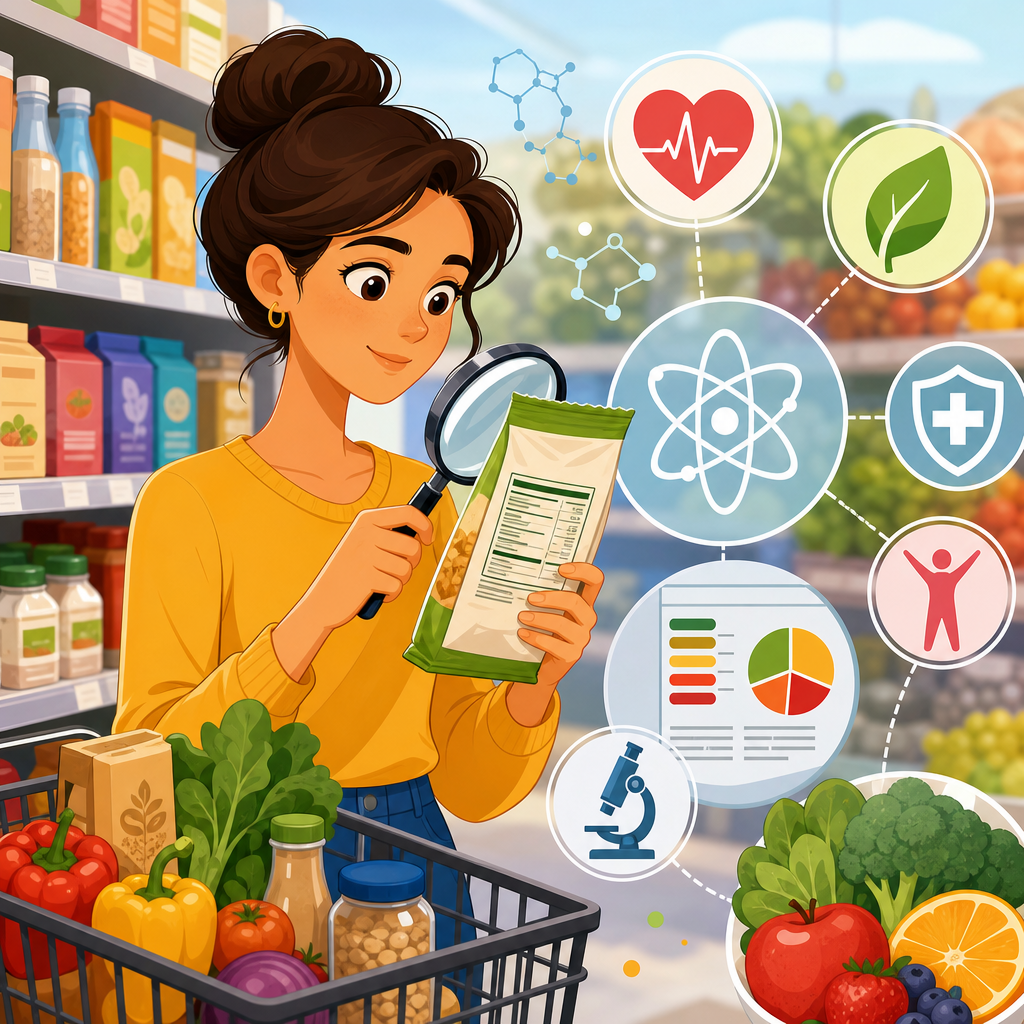
Food labels shape nearly every grocery decision, yet many shoppers still misread what packaging is actually saying. “Label reading” means interpreting the regulated information on a food package—nutrition facts, ingredient list, allergen statement, date marks, claims, symbols, and front-of-pack marketing—so you can judge what the product is, how it was made, and whether it fits your needs. “Food packaging” includes both the physical package and the information printed on it, and understanding both matters because safety, nutrition, waste, cost, and sustainability all intersect on that small surface. I have spent years reviewing packaged food labels for formulation, compliance, and consumer education projects, and the same myths appear again and again: natural means healthy, short ingredient lists mean safer products, expiration dates signal danger, and recyclable always means environmentally better. Those assumptions sound reasonable, but they are often wrong. Packaging language is governed by regulations, shaped by marketing, and constrained by space, so a label rarely tells the whole story unless you know where to look. This hub article explains the most common myths about label reading, what the terms really mean, and how to evaluate a package with more confidence. If you want to buy food that matches your health goals, budget, values, and storage habits, learning to read labels accurately is one of the most useful food science skills you can build.
Myth 1: The front of the package tells you the full story
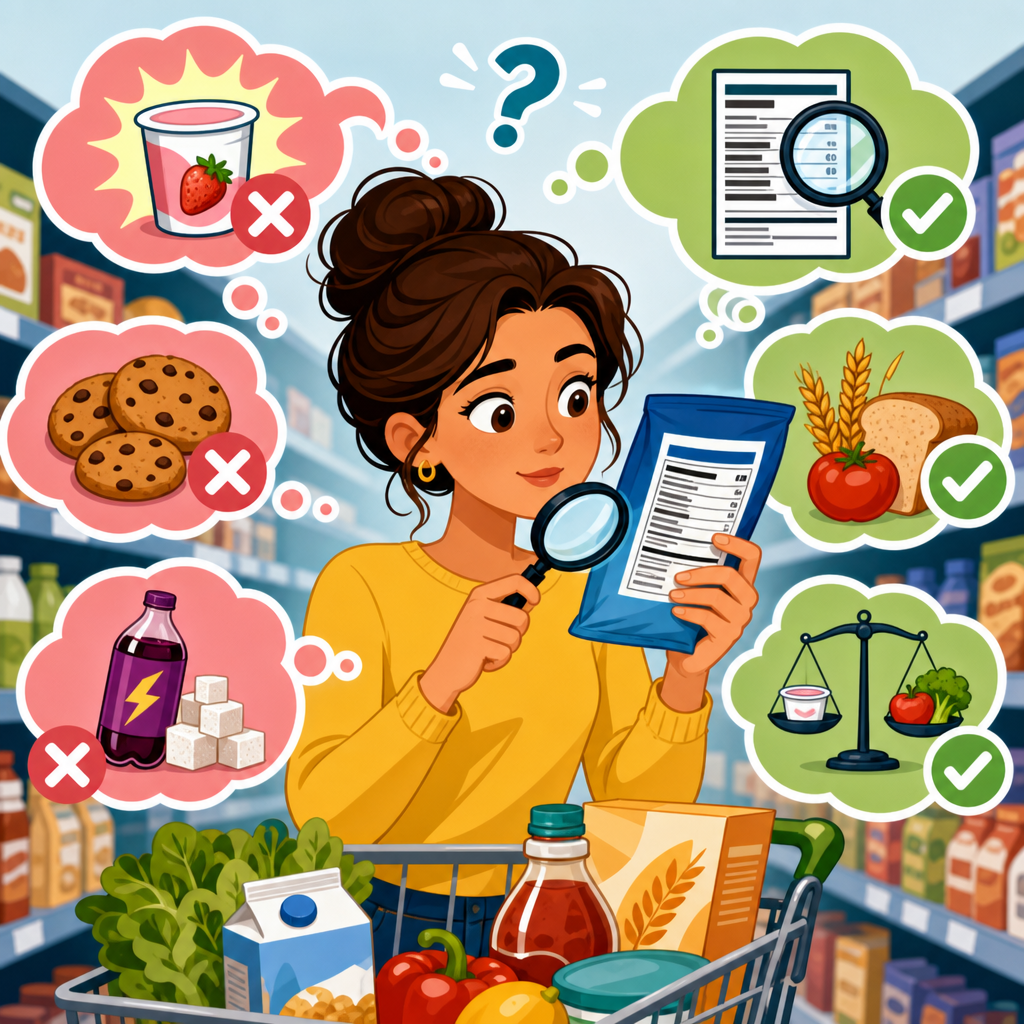
Front-of-pack claims are designed to catch attention, not provide complete context. A cereal box may say “whole grain,” “made with real fruit,” or “excellent source of vitamin D,” yet still be high in added sugar or low in fiber per serving. In the United States, the Nutrition Facts panel, ingredient list, and allergen declaration are the most reliable core sources because they follow standardized rules under the Food and Drug Administration, while many front claims highlight one positive feature and omit balancing information. I routinely advise people to treat the front panel as an invitation to verify, not as evidence on its own.
Consider yogurt labeled “high protein.” That statement may be true, but the product can also contain substantial added sugar, stabilizers, or flavorings that matter to some shoppers. The same is true for chips marketed as “made with avocado oil” even when avocado oil is only one fat among several, or for beverages promoted as “electrolyte drinks” despite being sugar-sweetened drinks with limited nutritional value for sedentary consumers. The practical rule is simple: use the front to identify the category, then confirm the details on the back. If you want more guidance, a deeper explainer on nutrition facts, serving sizes, and ingredient lists would naturally sit under this hub as a next read.
Myth 2: If the ingredient list is short, the food is automatically better
Ingredient count is not a scientific measure of healthfulness, safety, or sustainability. A short ingredient list can describe a highly nutritious product, such as plain oats, but it can also describe candy made from sugar, palm oil, and flavoring. A longer list can belong to a fortified whole-grain bread that includes vitamins, minerals, emulsifiers for texture, and preservatives that reduce mold growth and prevent waste. The correct question is not “How many ingredients?” but “What are they doing in the food?”
Food scientists group ingredients by function: sweeteners add sweetness, emulsifiers keep oil and water mixed, humectants hold moisture, antioxidants slow oxidation, and preservatives inhibit spoilage organisms. Those functions are not inherently negative. Calcium propionate in bread, for example, helps delay mold; lecithin improves texture in chocolate; ascorbic acid may strengthen dough and also act as an antioxidant. Some consumers may still prefer fewer additives, but the presence of a functional ingredient does not mean the product is unsafe. Evaluating ingredients requires context: dose, purpose, dietary pattern, and your own sensitivities.
Myth 3: “Natural” means minimally processed, nutritious, and safer
“Natural” is one of the most misunderstood words on food packaging. In many markets, including the United States, the term has limited formal meaning compared with regulated terms such as “organic.” It generally does not guarantee low processing, superior nutrition, absence of pesticides, or environmental benefits. I have reviewed products labeled natural that contain refined sweeteners, concentrates, flavors, and processing aids consumers would never expect. The term often functions as brand positioning more than a precise technical description.
Processing itself is also widely misunderstood. Pasteurization, freezing, drying, fermentation, milling, and canning are all forms of processing, and many improve safety, shelf life, or nutrient availability. Canned beans, frozen vegetables, and plain yogurt are processed foods, yet they are often excellent choices. A better approach is to look beyond the halo word and ask concrete questions: How much added sugar is present? What is the sodium level? Is this product mainly whole grains, legumes, fruit, dairy, or nuts, or is it largely refined starch and sweetener? Labels answer those questions far better than a vague front claim.
Myth 4: Dates on packages tell you exactly when food becomes unsafe
Date labeling is one of the biggest sources of household food waste. “Best if used by,” “best before,” and similar phrases usually refer to peak quality, not safety. Texture, flavor, color, or crispness may decline after the printed date, but that does not mean the food instantly becomes hazardous. The U.S. Department of Agriculture has repeatedly noted that, with the exception of infant formula, manufacturers generally use date marks to communicate quality. That distinction matters because many perfectly edible foods are discarded solely because the date passed.
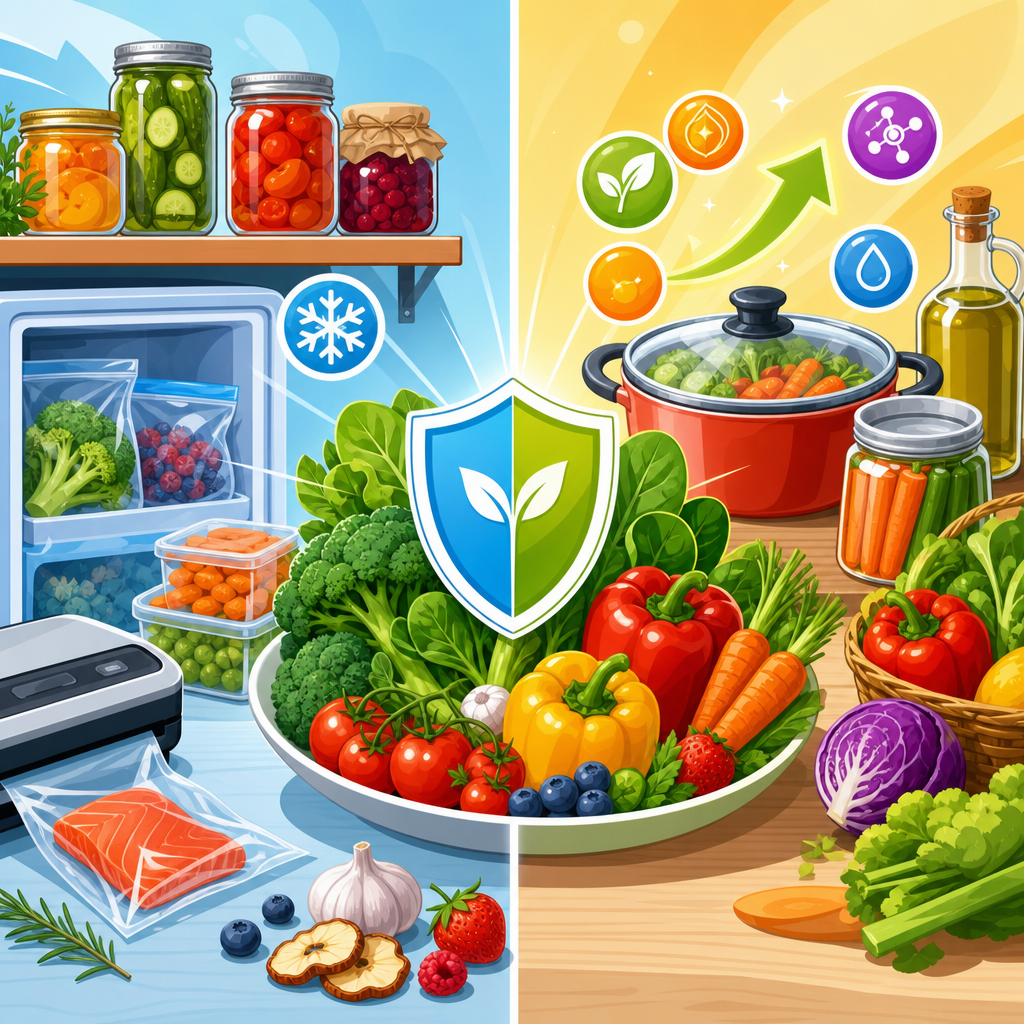
Safety depends more on product type, storage conditions, and handling than on the printed date alone. Shelf-stable crackers past their best-by date may simply taste stale. Refrigerated deli meat, by contrast, requires closer attention because of microbial risk after opening. Packaging also influences longevity: modified atmosphere packaging can extend freshness for salads or meats, while vacuum sealing can reduce oxidation in coffee or cheese. The smart habit is to read the date and the storage instructions together. “Keep refrigerated,” “use within seven days of opening,” and “do not refreeze after thawing” usually matter more than consumers realize.
Myth 5: Nutrition facts are straightforward if you only check calories
Calories matter, but they are not the whole nutritional picture. A package can appear low in calories because the serving size is unrealistically small or because air, water, or nonnutritive sweeteners dilute the product. I often see snack bags framed as “100 calories” that contain multiple servings, leading people to underestimate intake. The updated Nutrition Facts format improved visibility for serving size and added sugars, but you still have to connect the numbers to the amount you realistically eat.
| Label element | Common myth | What to check instead |
|---|---|---|
| Serving size | It matches what most people eat | Compare servings per container with your actual portion |
| Calories | Low calories means healthy | Review protein, fiber, added sugar, sodium, and fat quality |
| Percent Daily Value | Higher is always better | High can help for fiber, calcium, iron; lower is often better for sodium and saturated fat |
| Added sugars | Sugar is sugar, so the source does not matter | Separate naturally occurring sugars from sugars added during processing |
| Ingredients order | Ingredients are random | They are listed by weight, which helps reveal the product’s main components |
Percent Daily Value is another area of confusion. It is based on reference intake levels, usually for a 2,000-calorie diet, and works best as a comparative tool. Around 5% Daily Value is considered low and 20% or more is high, but whether high is good depends on the nutrient. High fiber is typically helpful; high sodium may not be. For products marketed to children, athletes, or older adults, context matters even more. Label reading works best when you combine calories, nutrient density, and your likely portion rather than relying on a single number.
Myth 6: Recyclable packaging is always the most sustainable option
Packaging sustainability cannot be judged from a single symbol. Recyclable material is not the same as recycled content, and neither guarantees that the item will actually be recycled where you live. Local collection systems, sorting technology, contamination, and end-market demand all affect whether a package gets processed. Flexible pouches, black plastic trays, multilayer films, and compostable bioplastics often confuse consumers because the environmental performance depends on infrastructure, not just material type.
In sustainability work, I have seen simple answers fail repeatedly. Glass may feel greener than plastic, but it is heavier to transport and energy intensive to produce. Aluminum has high initial production impacts but can perform well in systems with strong recycling rates. Lightweight plastic can reduce transport emissions and food damage, yet poor recovery rates weaken its overall profile. The most sustainable package is often the one that protects the food effectively, minimizes spoilage, and fits the local waste system. Food waste typically carries a larger environmental burden than the package around it, especially for meat, dairy, and prepared foods.
Myth 7: All additives and unfamiliar words are harmful
Chemical-sounding names make many shoppers uneasy, but every ingredient is a chemical in the scientific sense, including water, salt, and vitamin C. Risk depends on hazard, exposure, and use conditions. Regulated additives are evaluated for safety at intended levels, and many substances with intimidating names perform ordinary jobs. Tocopherols are forms of vitamin E used as antioxidants. Xanthan gum stabilizes texture. Citric acid adjusts acidity and flavor. These are not signs of deception; they are part of modern food formulation.
That said, skepticism should not disappear entirely. Some consumers need to avoid specific additives for medical or personal reasons, and some formulations use additives to make highly palatable products easier to overconsume. The balanced approach is to identify the actual concern. Are you managing sulfite sensitivity? Watching phosphate additives because of kidney disease? Avoiding certain color additives for a child under medical guidance? Those are concrete reasons. “I cannot pronounce it” is not. Good label reading separates evidence-based concerns from anxiety triggered by technical vocabulary.
Myth 8: Organic, non-GMO, and free-from claims answer every buying question
Special claims can be useful, but each addresses a narrow issue. Organic standards focus on agricultural practices and approved inputs; they do not automatically mean lower sugar, lower sodium, or better taste. Non-GMO indicates the absence or avoidance of genetically modified ingredients under a defined standard, but it says nothing directly about pesticide residues, nutrition, or processing level. “Gluten-free,” “dairy-free,” and similar claims are essential for some people and optional for others. The mistake is assuming one claim summarizes the product’s total value.
For example, organic cookies are still cookies. Gluten-free crackers may rely on refined starches and contain little fiber. Plant-based meat alternatives can help reduce animal agriculture impacts, yet sodium levels vary widely and ingredient functionality is complex. In category reviews, I compare claims with the underlying formulation, not instead of it. Claims should narrow your search based on your priorities, then the nutrition facts, ingredients, and storage instructions should determine whether the specific product deserves a place in your cart.
How to read a food package accurately in under one minute
The fastest reliable method is a five-part scan. First, identify the product category and intended use: snack, staple, condiment, meal component, or dessert. Second, check serving size and servings per container so you know what the numbers represent. Third, look at the big nutritional signals for that category—fiber and added sugar for cereal, sodium for soup, protein and saturated fat for yogurt or entrées, and added oils for sauces. Fourth, read the first several ingredients and note allergen statements. Fifth, check date and storage directions, because safety and quality depend on handling after purchase.
This hub article is meant to anchor a broader set of resources on label reading: one article can dive into nutrition facts, another into date labels and food waste, another into sustainability symbols, and another into additives and ingredient functions. As the central guide, the main lesson is consistency. Do not let one buzzword, one symbol, or one number dominate your decision. Read labels as systems. When you compare products this way across a few shopping trips, pattern recognition develops quickly, and the package starts revealing much more than the marketing intended.
Food packaging is not lying by default, but it is selective, compressed, and easy to misinterpret without a framework. The biggest myths about label reading all come from the same habit: treating one cue as the whole truth. A short ingredient list does not guarantee a better product. A natural claim does not guarantee minimal processing. A date mark does not automatically mean food is unsafe. A recyclable symbol does not settle the sustainability question. Calories alone do not define nutritional quality, and unfamiliar ingredient names are not proof of harm. Accurate label reading means combining regulated facts, ingredient function, storage guidance, and realistic portion awareness.
The payoff is practical. You waste less food, compare products faster, avoid being misled by halo claims, and choose items that fit your health and sustainability goals with more precision. Start with one shopping habit this week: ignore the front for ten seconds and read the back first. Then compare two similar products using serving size, added sugar, sodium, ingredient order, and storage instructions. That small routine will improve every grocery decision you make, and it is the foundation for understanding food packaging with confidence.
Frequently Asked Questions
1. Does a “natural,” “healthy,” or “made with real ingredients” claim mean a food is automatically better for me?
No. One of the biggest label-reading myths is that front-of-pack wording tells the full nutritional story. Terms like “natural,” “healthy,” “wholesome,” or “made with real ingredients” can strongly influence buying decisions, but they do not always mean a product is low in sugar, sodium, saturated fat, or calories. In many cases, these phrases are marketing claims designed to attract attention first, while the more regulated and complete information appears elsewhere on the package.
To understand what a product really offers, compare the front of the package with the Nutrition Facts panel and ingredient list. A cereal, snack bar, yogurt, or frozen meal may sound nutritious on the front, yet still contain added sugars, refined starches, or high sodium levels when you look closer. “Made with whole grains,” for example, does not necessarily mean the product is mostly whole grain. “Made with real fruit” may still describe a product with very little fruit and a lot of added sweetener.
The best approach is to treat front-of-pack language as a starting point, not proof. Check serving size, added sugars, fiber, protein, sodium, and the order of ingredients. Labels are most useful when you read the full package, not just the sales message on the front.
2. If an ingredient is listed first, does that always mean the food is mostly made of that ingredient?
Not exactly. Ingredients are generally listed in descending order by weight, so the first ingredient is the heaviest ingredient in the product at the time of formulation. That makes the ingredient list very helpful, but it does not always mean the product is “mostly” that ingredient in the way shoppers may assume. Weight includes water content, and some ingredients weigh more than others even if they do not dominate the final nutrition profile.
For example, a soup may list water first, which is expected, or a sauce may list tomatoes first because of their weight, even though sugar or salt still plays a major role in flavor and nutrition. In baked goods and snack foods, manufacturers can also split similar ingredients into multiple forms. A product might contain cane sugar, brown rice syrup, fruit juice concentrate, and dextrose. Each may appear lower on the list individually, but together they can add up to a significant amount of sweetener.
That is why ingredient order should be read alongside the Nutrition Facts panel. The ingredient list tells you what is in the food and roughly how prominent each ingredient is by weight, while the nutrition panel tells you how much of key nutrients you are actually getting per serving. Used together, these tools give a much clearer picture than either one alone.
3. Are food date labels like “best by,” “sell by,” and “use by” the same as safety deadlines?
No, and this is one of the most common sources of confusion. Many shoppers assume any printed date means the food becomes unsafe immediately afterward, but date marks often relate to quality rather than food safety. “Best by” or “best if used by” usually refers to peak freshness, flavor, texture, or quality. “Sell by” is typically used for store inventory management. These phrases do not automatically mean the food is dangerous the next day.
“Use by” can sound more urgent, but its meaning still depends on the product and how it has been stored. Perishable foods such as fresh meat, dairy, deli items, and ready-to-eat refrigerated products deserve more caution than shelf-stable foods like crackers, cereal, pasta, or canned goods. Storage conditions matter greatly. A food can spoil before its date if handled improperly, or remain acceptable after the date if stored correctly and if it is a product where quality dates are being used.
Smart label reading means combining the date mark with food type, storage instructions, package condition, and common-sense signs of spoilage. If a package is swollen, leaking, badly dented in critical areas, moldy, or smells off, the date alone does not make it safe. On the other hand, many shelf-stable foods remain usable after quality dates. Understanding this distinction can reduce unnecessary food waste while still keeping safety the priority.
4. Does a shorter ingredient list always mean a food is healthier or less processed?
Not necessarily. A short ingredient list can look appealing, and sometimes it does reflect a simpler product, but it is not a guaranteed sign of better nutrition. A food with only a few ingredients can still be high in sugar, salt, saturated fat, or calories. For instance, a product made from just cream, sugar, and flavoring may have a very short label but still be nutritionally dense in ways some shoppers are trying to limit.
At the same time, a longer ingredient list is not automatically a red flag. Some foods include a greater number of ingredients because they contain spices, vitamins, minerals, cultures, stabilizers, or ingredients used for food safety, texture, and preservation. Fortified cereals, whole grain breads, plant-based products, and flavored yogurts may all have longer lists for understandable reasons. The key question is not simply how many ingredients appear, but what those ingredients are doing in the product.
Instead of counting ingredients, look for the overall pattern. What are the main ingredients? How much added sugar, sodium, and saturated fat does the product contain? Does it offer fiber, protein, vitamins, or minerals? Does it fit your dietary goals, allergies, and preferences? Label reading is about context, not shortcuts. A shorter list may be useful information, but it should never replace a full look at the package.
5. Can I rely on claims like “low fat,” “gluten-free,” “organic,” or “cholesterol-free” to decide whether a product fits my needs?
These claims can be meaningful, but they do not tell you everything. Many are regulated and have specific definitions, which is helpful, but each claim only describes one aspect of the food. “Low fat” does not mean low sugar. “Gluten-free” does not mean more nutritious. “Organic” refers to certain production standards, not necessarily calorie level or sodium content. “Cholesterol-free” may sound heart-healthy, yet the product could still contain high amounts of saturated fat, which also matters for cardiovascular health.
This is where shoppers often get tripped up by the so-called health halo effect. A single positive claim can make the whole product seem healthier than it really is. For someone with celiac disease, a gluten-free label is essential. For someone avoiding allergens, an allergen statement is critical. For someone comparing snack foods for everyday nutrition, however, those claims should be only part of the decision. The full label still matters.
To decide whether a product truly fits your needs, use claims as filters, not final answers. If you need to avoid gluten, dairy, peanuts, or other allergens, verify the ingredient list and allergen declaration. If you care about heart health, compare sodium, saturated fat, and fiber. If you want a balanced breakfast, look at protein, fiber, and added sugars. Good label reading means understanding that claims can be useful, but they are not substitutes for checking the complete nutrition and ingredient information on the package.