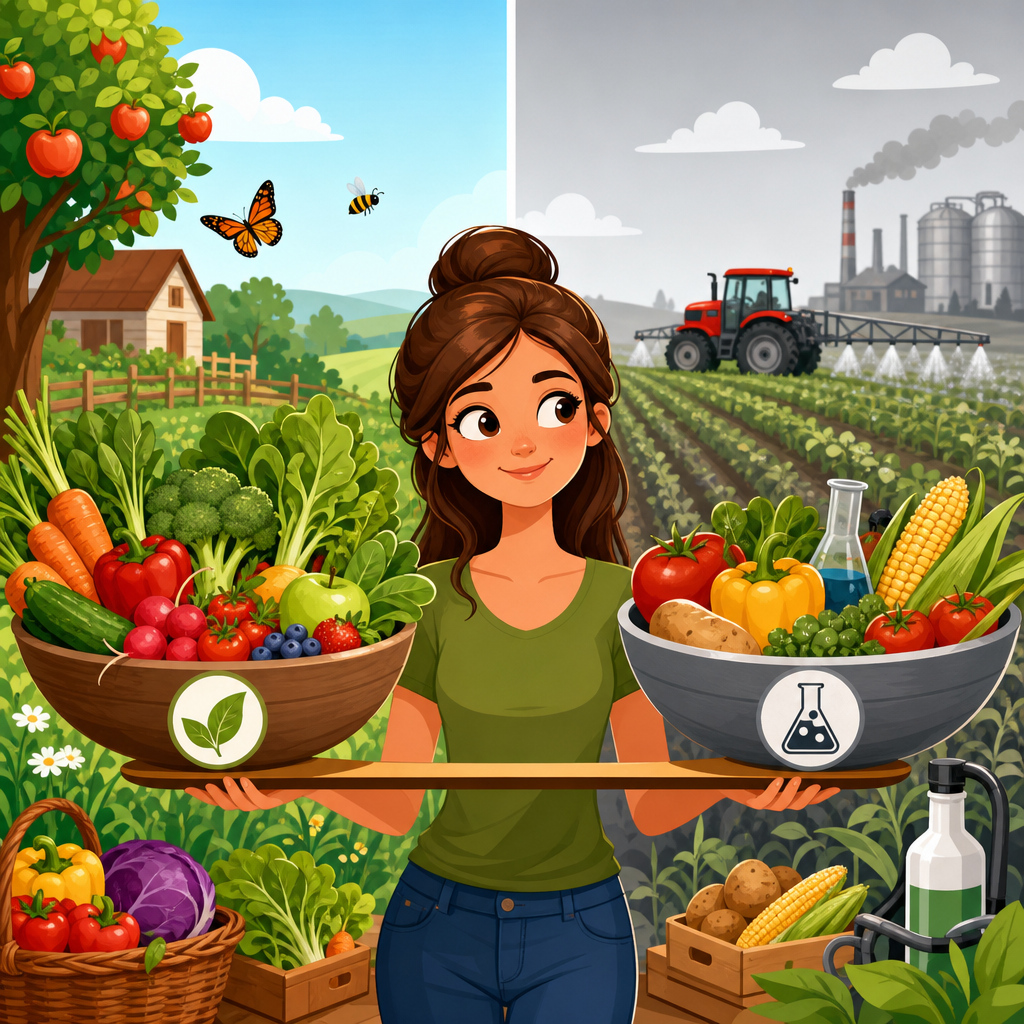
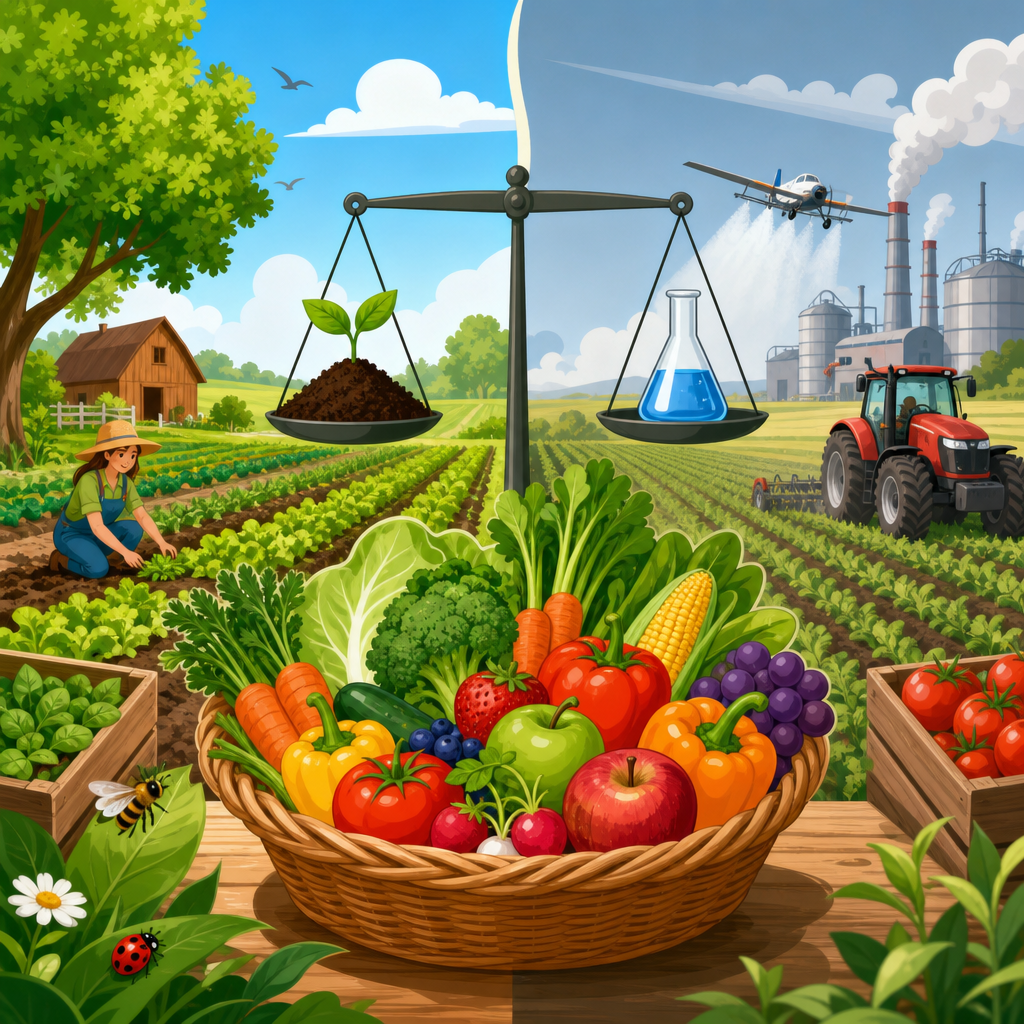
Genetically modified organisms, usually called GMOs, are living plants, animals, or microbes whose DNA has been changed using modern biotechnology to express a desired trait. In food science, the term most often refers to crops such as corn, soybeans, cotton, canola, sugar beet, papaya, and some squash that have been engineered for insect resistance, herbicide tolerance, disease resistance, improved shelf life, or altered nutrition. Understanding GMOs and their impact matters because food choices now sit at the intersection of public health, agricultural productivity, climate pressure, biodiversity, regulation, and consumer trust. I have worked with food labeling, ingredient sourcing, and scientific literature reviews, and I have seen how quickly this topic becomes confusing when basic terms are mixed together.
A GMO is not the same thing as a conventionally bred crop, even though both involve changing traits over time. Conventional breeding crosses plants with desired characteristics and selects offspring over many generations. Genetic engineering identifies a specific gene or sequence and introduces, silences, or edits it with much greater precision. Newer techniques such as CRISPR gene editing can make targeted changes without introducing foreign DNA, which is one reason regulations differ by country. The science behind understanding GMOs and their impact starts with this distinction: all agriculture changes organisms, but biotechnology changes them using direct molecular tools.
Why does this matter for health benefits? Because the strongest questions consumers ask are practical ones: Are GMO foods safe to eat? Do they change nutrition? Do they reduce pesticide use? Can they help feed more people with fewer resources? The short answer is that approved GMO foods currently on the market are considered as safe as their conventional counterparts by major scientific and regulatory bodies when assessed case by case. The longer answer is more useful. Different traits create different outcomes, and the benefits or risks depend on the crop, the gene, the farming system, and the way the product is regulated and monitored after release.
This hub article explains the science, the health implications, the environmental effects, the common myths, and the policy context in plain terms. It also serves as a foundation for deeper articles on labeling, gene editing, pesticide use, nutrition, and sustainable agriculture. If you want one clear resource on understanding GMOs and their impact, start here: the evidence shows that GMO technology is a tool, not a guarantee. Its value comes from how responsibly it is designed, tested, deployed, and integrated into the broader food system.
How GMOs Are Made and What Traits They Add
To understand GMOs, it helps to follow the process from lab to field. Researchers begin by identifying a trait worth adding or modifying, such as resistance to a pest that routinely destroys yield. They isolate the relevant gene or genetic sequence, then introduce it into the target organism using methods such as Agrobacterium-mediated transformation or particle bombardment. Plant cells that successfully incorporate the change are grown into whole plants through tissue culture, then tested over multiple generations. The resulting line is evaluated for stability, expression level, agronomic performance, nutrient composition, and unintended effects before it ever reaches commercial production.
The best-known commercial traits are insect resistance and herbicide tolerance. Insect-resistant crops often contain genes derived from Bacillus thuringiensis, a soil bacterium long used in organic and conventional agriculture as a microbial spray. These crops produce proteins toxic to specific insect pests but not to humans because the proteins act on insect gut receptors that people do not have. Herbicide-tolerant crops are engineered to survive application of a specific herbicide, allowing farmers to control weeds without damaging the crop. Other traits include virus-resistant papaya in Hawaii, which helped rescue production from papaya ringspot virus, and nonbrowning apples designed to reduce food waste during storage and slicing.
Nutrition-focused traits also matter when discussing health benefits. Golden Rice is the classic example: it was engineered to produce beta-carotene, a precursor to vitamin A, in the grain. The public debate around Golden Rice has often overshadowed the basic nutritional goal, which is to reduce vitamin A deficiency in populations where rice is a staple and access to dietary diversity is limited. Biofortified GMO crops are not a complete solution to malnutrition, but they can complement supplementation, fortification, and dietary interventions when implemented carefully.
What the Research Says About Food Safety and Human Health
The most direct answer to “Are GMO foods safe?” is that approved GMO foods on the market have not been shown to be inherently more risky than comparable conventional foods. Safety evaluation is trait specific, not ideology specific. Regulators assess allergenicity, toxicity, nutritional equivalence, digestibility, and compositional changes. In the United States, oversight involves the FDA, USDA, and EPA depending on the trait and intended use. Internationally, Codex Alimentarius provides widely used principles for food safety assessment, and organizations such as the National Academies, World Health Organization, and European Food Safety Authority have repeatedly concluded that currently approved GMO foods are as safe as conventional alternatives.
That conclusion does not mean every future genetically engineered product should be accepted automatically. Each product requires case-by-case review. For example, if a new protein is introduced into a food crop, scientists evaluate whether it resembles known allergens, how quickly it breaks down during digestion, and whether exposure levels are meaningful. Compositional analyses compare key nutrients, anti-nutrients, and natural toxins against conventional reference ranges. This is standard, methodical risk assessment, not assumption. In practical terms, the health question is not “Is genetic engineering good or bad?” but “What exactly was changed, and what does the evidence show about that change?”
One area where health benefits appear indirectly is reduced mycotoxin exposure. Bt corn, engineered to resist certain insect pests, often suffers less insect damage. That matters because insect wounds can allow fungi to colonize kernels and produce mycotoxins such as fumonisins, which are linked to animal and human health concerns. Meta-analyses have found that Bt maize can contain lower levels of some mycotoxins than non-Bt counterparts under comparable conditions. The crop was engineered for pest control, but one downstream public health benefit may be cleaner grain. That is a concrete example of why evaluating impact requires following the whole production chain, not just the gene insertion itself.
| GMO trait | Main purpose | Possible health relevance | Real-world example |
|---|---|---|---|
| Insect resistance | Reduce crop loss from targeted pests | May lower mycotoxin contamination by limiting insect damage | Bt corn |
| Herbicide tolerance | Improve weed control | Indirect effect depends on herbicide program and residue compliance | Glyphosate-tolerant soybeans |
| Virus resistance | Protect yields from plant disease | Supports stable fruit supply and farm viability | Rainbow papaya |
| Enhanced nutrition | Increase specific vitamins or nutrients | Can address deficiencies in targeted populations | Golden Rice |
| Reduced browning | Extend quality and cut food waste | Encourages fresh produce use and reduces waste losses | Arctic apples |
Environmental Impact, Farming Practice, and Sustainability Tradeoffs
Understanding GMOs and their impact requires looking beyond the dinner plate and into the field. GMO crops can change pesticide patterns, tillage practices, fuel use, soil erosion, and biodiversity pressures. In my work reviewing sourcing claims, this is where oversimplified messaging causes the most confusion. Some GMO traits have reduced the need for broad-spectrum insecticide sprays, especially in the early years of Bt crop adoption. That can benefit farmworker exposure, non-target organisms, and integrated pest management. Herbicide-tolerant systems, meanwhile, often made no-till or reduced-till farming easier, which can help reduce soil erosion and conserve moisture.
But these benefits are not automatic or permanent. Repeated reliance on a single herbicide has contributed to herbicide-resistant weeds in several regions. Repeated reliance on a single insect control trait can also drive insect resistance if refuge strategies are ignored. This is not evidence that the technology failed in principle; it is evidence that biology responds to selection pressure. Sustainable use requires stewardship: rotating traits, using multiple weed-management tactics, preserving refuges, and monitoring resistance. Farmers, seed developers, extension services, and regulators all have roles in making the system work over time.
Climate resilience is another area of active interest. Drought-tolerant and stress-tolerant crops may help stabilize yield under harsher growing conditions, though performance varies by region and management. Higher and more stable yields can reduce pressure to convert additional land into agriculture, which matters for habitat conservation. Still, sustainability is about systems, not slogans. A GMO crop grown in a poorly managed monoculture is not automatically sustainable, while a biotech trait integrated into diversified farming can support resilience. The environmental impact depends on cropping patterns, local ecology, resistance management, water use, and the economics facing farmers on the ground.
Common Concerns, Myths, and What Consumers Should Actually Watch
Many public concerns about GMOs mix real questions with inaccurate claims. One common myth is that GMO foods “change your DNA” when you eat them. They do not. All foods contain DNA, and digestion breaks DNA and proteins into smaller components. Another myth is that GMO means “loaded with chemicals.” Genetic engineering and pesticide use are separate issues, even when a trait influences pesticide strategy. The right question is whether the crop was grown and regulated in a way that keeps residues within established safety limits and supports long-term agronomic stewardship. That answer depends on the product and farming system, not a label alone.
Consumers should also know that “non-GMO” does not automatically mean more nutritious, safer, or more sustainable. Non-GMO and organic products can be excellent choices, but the label itself does not prove superior health outcomes. The more informative signals are the food’s overall nutritional profile, processing level, fiber content, sodium, added sugar, and role in a balanced diet. A non-GMO cookie is still a cookie. A GMO soybean used in tofu can still be part of a healthy diet. In other words, the health impact of food usually depends more on what the food is than on whether a biotech trait was used in the crop.
Labeling matters because people want transparency. In the United States, foods that meet disclosure criteria fall under the National Bioengineered Food Disclosure Standard, though implementation details can be confusing for shoppers. If you want to evaluate a product intelligently, read the full ingredient list, look for third-party certifications only when they answer a question you actually care about, and distinguish between production method and nutritional quality. For a deeper look, related articles on GMO labeling, gene editing versus genetic modification, and pesticide residues can expand on these issues.
Economic and Social Effects Across the Food System
GMOs affect more than farms and grocery shelves. They also influence seed markets, trade rules, intellectual property, public research priorities, and access for smallholders. Supporters point to yield protection, reduced crop losses, and more predictable supply chains. Critics point to corporate concentration, patent control, and dependence on purchased seed. Both concerns are valid parts of the discussion. In several countries, farmers have benefited economically from reduced pest losses and simplified weed management. In others, high seed costs, regulatory barriers, or weak extension support have limited the gains.
Public-sector innovation is important here. When biotechnology is driven only by large commodity markets, traits that benefit poorer regions or orphan crops may be underdeveloped. Yet the science itself is adaptable. Disease-resistant cassava, blight-resistant potatoes, and nutrient-enhanced staples show how genetic tools can be used for public-health and food-security goals. The social outcome depends on governance, licensing, local agronomy, farmer education, and trust in institutions. That is why understanding GMOs and their impact requires social science as well as molecular biology. Technology enters real communities, with real histories, uneven resources, and legitimate concerns about who benefits.
The key takeaway is practical: judge GMO foods and crops by evidence, purpose, and performance, not by fear or marketing shorthand. Genetic engineering can support health benefits through safer grain, improved nutrition, reduced crop loss, and more stable food production when traits are well designed and responsibly managed. It can also create problems if stewardship, competition, or transparency are weak. For consumers, the smartest approach is to focus on overall diet quality while staying informed about how food is produced. For educators, producers, and policymakers, the job is to communicate clearly, regulate rigorously, and use biotechnology where it solves real problems. Explore the related guides in this Food Science & Sustainability hub to build a fuller, fact-based view of the future food system.
Frequently Asked Questions
1. What exactly are GMOs, and how are they different from traditionally bred foods?
Genetically modified organisms, or GMOs, are plants, animals, or microorganisms whose genetic material has been intentionally altered using modern biotechnology to produce a specific trait. In food and agriculture, the term most commonly refers to crops such as corn, soybeans, canola, sugar beets, papaya, and some squash varieties. Scientists may modify these crops to help them resist insects, tolerate certain herbicides, fight plant diseases, improve shelf life, or enhance nutritional content. The key idea is precision: instead of relying only on conventional crossbreeding over many generations, researchers can target a known trait more directly at the DNA level.
Traditional breeding also changes the genetic makeup of plants, but it does so less precisely by crossing plants with desirable characteristics and selecting the best offspring over time. That process has been used for centuries and has produced many of the fruits, vegetables, and grains people eat today. Genetic modification differs mainly in the tools used and the speed and specificity with which changes can be introduced. Both methods aim to improve crops, but biotechnology allows scientists to work with greater control, especially when solving agricultural problems such as insect pressure, crop disease, or nutrient limitations. Understanding this distinction helps consumers see that GMOs are part of a broader continuum of food science and crop improvement rather than something completely separate from agriculture.
2. Are GMO foods safe to eat, and what does the science say about human health?
The broad scientific consensus is that approved GMO foods currently on the market are as safe to eat as their non-GMO counterparts. Major scientific and regulatory organizations around the world evaluate GMO crops before they are commercialized, looking at factors such as toxicity, allergenicity, nutritional composition, and how the food compares with conventional versions. These assessments are designed to determine whether the genetic change creates any meaningful health risk. When a GMO crop passes these reviews, it is considered substantially equivalent in safety to similar foods already in the food supply.
It is also important to separate the idea of “genetically modified” from assumptions about nutrition or processing. A genetically modified crop is not automatically more or less healthy simply because it is genetically engineered. For example, a GMO soybean and a non-GMO soybean may be nutritionally very similar, while the overall health impact of a food product depends more on how it is processed, prepared, and consumed in the diet. Scientists continue to monitor and study GMO foods, but current evidence does not support the claim that approved GMOs cause cancer, infertility, or other broad health problems often mentioned in misinformation. As with any food technology, each product should be evaluated on its own traits rather than judged by fear or by label alone.
3. What are the potential health benefits of GMO crops?
One of the most promising aspects of GMO technology is its potential to improve public health through better food quality and more reliable agricultural production. Some genetically modified crops are developed to enhance nutrition directly. A well-known example is biofortification, where scientists increase levels of certain vitamins or nutrients in a crop to help address nutrient deficiencies in populations that rely heavily on staple foods. In principle, this kind of innovation can support better health outcomes by making commonly eaten foods more nutritious and more accessible to communities that need them most.
GMOs may also offer indirect health benefits by helping farmers reduce crop losses from pests and disease, which can improve food availability and stability in the supply chain. In certain cases, insect-resistant crops may lower the need for some pesticide applications, which can have occupational and environmental benefits when managed properly. Improved shelf life can also help reduce spoilage and food waste, making fresh foods more practical to transport and store. While not every GMO is created for a nutritional purpose, the broader health benefit lies in the technology’s ability to support food security, crop resilience, and targeted improvements in the nutritional profile of foods. These outcomes matter because healthier food systems can contribute to healthier populations.
4. How do GMOs affect the environment and agriculture?
The environmental impact of GMOs depends on the specific crop, the trait introduced, and how the crop is managed in the real world. Some GMO crops have helped farmers control insects more efficiently or protect yields under challenging conditions. This can translate into more consistent production, which is especially important in regions dealing with climate pressure, plant disease, or limited resources. In some systems, GMOs can support conservation tillage practices by making weed management easier, which may reduce soil erosion and help preserve soil moisture. These outcomes can be beneficial for long-term agricultural sustainability when integrated into responsible farm management.
At the same time, GMO use is not without challenges. Overreliance on any one farming tool, including a genetically engineered trait, can contribute to issues such as herbicide-resistant weeds or insect resistance over time. That is why agricultural experts emphasize integrated pest management, crop rotation, and stewardship practices rather than treating GMOs as a one-size-fits-all solution. Environmental discussions around GMOs are most useful when they move beyond simple “good” or “bad” labels and instead focus on measurable outcomes. In many cases, the real question is not whether a crop is genetically engineered, but how effectively and responsibly it is used within the larger agricultural system.
5. Why is understanding GMOs important for making informed food choices?
Understanding GMOs matters because food choices are often shaped by headlines, labels, marketing claims, and social media opinions that may not reflect the full scientific picture. When consumers know what GMOs are, how they are evaluated, and why they are used, they are better equipped to make decisions based on evidence rather than fear. This is especially important in a food landscape where terms like “natural,” “organic,” and “non-GMO” can influence buying behavior but do not automatically indicate that one food is safer or more nutritious than another. A well-informed consumer can look beyond simplified messaging and evaluate food based on total nutritional value, ingredient quality, processing level, affordability, and personal health needs.
Learning about GMOs also helps people understand the bigger relationship between food science, sustainability, and public health. Genetic engineering is one tool among many that scientists and farmers use to respond to real challenges such as crop disease, food waste, pest damage, and nutrient deficiencies. Whether someone chooses to buy GMO or non-GMO foods, the most beneficial approach is to make that choice with a clear grasp of the science and the broader context. In that sense, understanding GMOs is not just about one category of food. It is about becoming a more informed participant in conversations about agriculture, nutrition, health, and the future of the global food supply.