Understanding GMOs and their impact shapes daily decisions about food, health, cost, and environmental responsibility. GMO stands for genetically modified organism, a plant, animal, or microorganism whose DNA has been changed using biotechnology to introduce or adjust specific traits. In food science, the term usually refers to crops engineered for insect resistance, herbicide tolerance, disease resistance, improved shelf life, or altered nutrition. I have worked on content and research projects around food labeling, agricultural biotechnology, and consumer risk communication, and one pattern is consistent: people make better choices when they understand what GMOs are, what they are not, and where the real tradeoffs sit.
This matters because food is never only about calories. It affects exposure to pesticides, grocery budgets, farming methods, supply chain stability, and confidence in the products sitting in your kitchen. For many shoppers, the GMO conversation is tangled up with broader concerns about processed food, corporate control of seeds, biodiversity, and chronic disease. Those concerns deserve clear answers. A GMO is not automatically more nutritious, less safe, more harmful, or more sustainable simply because it has been genetically engineered. The impact depends on the crop, the trait introduced, how it is grown, how it is regulated, and how it fits into the wider food system.
Major scientific bodies, including the National Academy of Sciences, the World Health Organization, and the American Medical Association, have stated that approved genetically engineered foods currently on the market are not inherently riskier to eat than comparable conventional foods. That does not mean every biotechnology application should be accepted without scrutiny. It means safety must be assessed case by case. Understanding that distinction improves overall well-being because it lowers confusion, supports evidence-based choices, and helps you focus on the factors that most strongly influence health: diet quality, fiber intake, food variety, preparation methods, affordability, and consistency over time.
As a hub article in Food Science and Sustainability, this guide explains the science behind GMOs, the most common GMO crops, how regulation and labeling work, where health and environmental benefits may exist, where legitimate concerns remain, and how to make practical food choices without fear. If you want to understand whether GMOs affect your body, your family’s nutrition, and the planet that produces your food, this is the foundation.
What GMOs Are and How They Differ From Conventional Breeding
Humans have been changing crops for thousands of years through selective breeding. Farmers saved seeds from plants with desirable traits such as larger kernels, sweeter fruit, or better drought tolerance, then repeated the process over generations. Modern biotechnology speeds up and sharpens that process by changing DNA more directly. In older transgenic methods, a gene from one organism may be inserted into another to express a useful trait. Newer gene-editing tools, including CRISPR, can alter existing genes without necessarily adding foreign DNA. Both approaches are distinct from traditional crossbreeding because they target traits with much greater precision.
A common example is Bt corn or Bt cotton. These crops contain genetic material that enables the plant to produce a protein originally found in the soil bacterium Bacillus thuringiensis. That protein targets specific insect pests, reducing crop damage and often lowering the need for some insecticide sprays. Another example is herbicide-tolerant soybeans, which allow farmers to control weeds more efficiently. There are also biofortified crops such as Golden Rice, designed to produce beta-carotene, a precursor to vitamin A, to address deficiency in vulnerable populations.
Precision does not mean simplicity. A crop’s impact depends on trait expression, farming practice, pest pressure, and local ecology. That is why comparing “GMO” to “non-GMO” as if each were a single nutritional or environmental category is misleading. An engineered papaya that resists ringspot virus solved a devastating disease problem in Hawaii. An herbicide-tolerant crop may streamline weed management but also contribute to herbicide overreliance if stewardship is poor. The technology is a tool, not a universal verdict.
How GMOs Affect Human Health and Overall Well-Being
The direct health question most people ask is simple: are GMO foods safe to eat? The evidence from currently approved products says yes, when they have passed regulatory review. Safety assessments typically examine potential allergenicity, toxicity, nutritional composition, and whether the engineered trait behaves as intended. Regulators compare the GMO crop to its conventional counterpart, looking for meaningful differences in nutrients, antinutrients, and known risk factors. This comparative assessment is more rigorous than many consumers realize.
From a well-being perspective, the more useful question is broader: how do GMOs influence the quality, accessibility, and reliability of the food supply? In practice, genetically engineered crops can support more stable yields, lower some forms of crop loss, and in certain cases reduce mycotoxin contamination. For example, insect-resistant corn can experience less insect damage, which matters because damaged corn is more vulnerable to Fusarium fungi that produce fumonisins, unwanted compounds linked to health risks. Lower pest injury can therefore indirectly improve food quality.
At the same time, GMOs do not cancel out unhealthy eating patterns. A sugary cereal made with GMO corn is still a sugary cereal. I often see consumers place too much weight on the GMO label and too little on the nutrition facts panel, ingredient list, sodium levels, and degree of processing. For overall well-being, those broader markers carry more day-to-day significance. If your goal is better health, prioritize vegetables, legumes, fruit, whole grains, adequate protein, and minimally processed foods first. Whether a soybean or corn ingredient originated from a GMO source is usually a secondary issue compared with the overall nutrient profile.
| Question | Evidence-based answer | Why it matters for well-being |
|---|---|---|
| Are approved GMO foods inherently unsafe? | No. Major scientific reviews have found no inherent increase in risk compared with comparable conventional foods. | Reduces fear and helps consumers focus on total diet quality. |
| Do GMOs automatically make food more nutritious? | No. Some are nutritionally similar; some are engineered for specific nutritional benefits. | Prevents assumptions and encourages label reading. |
| Can GMO crops reduce some pesticide use? | In certain systems, yes, especially for targeted insect control, though outcomes vary by crop and management. | Links food choices to farmworker exposure and environmental conditions. |
| Are all concerns unfounded? | No. Herbicide resistance, seed access, biodiversity, and market concentration are real issues that require oversight. | Supports balanced decisions instead of blind acceptance or rejection. |
Environmental Impact: Sustainability, Pesticides, and Biodiversity
Understanding GMOs and their impact also means understanding farm-level outcomes. Some genetically engineered traits have delivered clear environmental benefits in specific contexts. Insect-resistant cotton, for instance, has been associated in many regions with lower insecticide applications and reduced harm from key pests. Herbicide-tolerant crops helped drive wider adoption of conservation tillage and no-till systems, which can lower soil erosion, reduce fuel use, and improve soil moisture retention. Those are tangible sustainability gains.
However, environmental outcomes are not static. Repeated use of the same weed-control strategy can select for herbicide-resistant weeds. Repeated exposure to the same insecticidal trait can encourage resistant insect populations if refuge strategies are not followed. This is a classic evolutionary problem, not a proof that the underlying biotechnology is flawed. It shows why stewardship matters. Farmers, agronomists, seed developers, and regulators all play a role in resistance management.
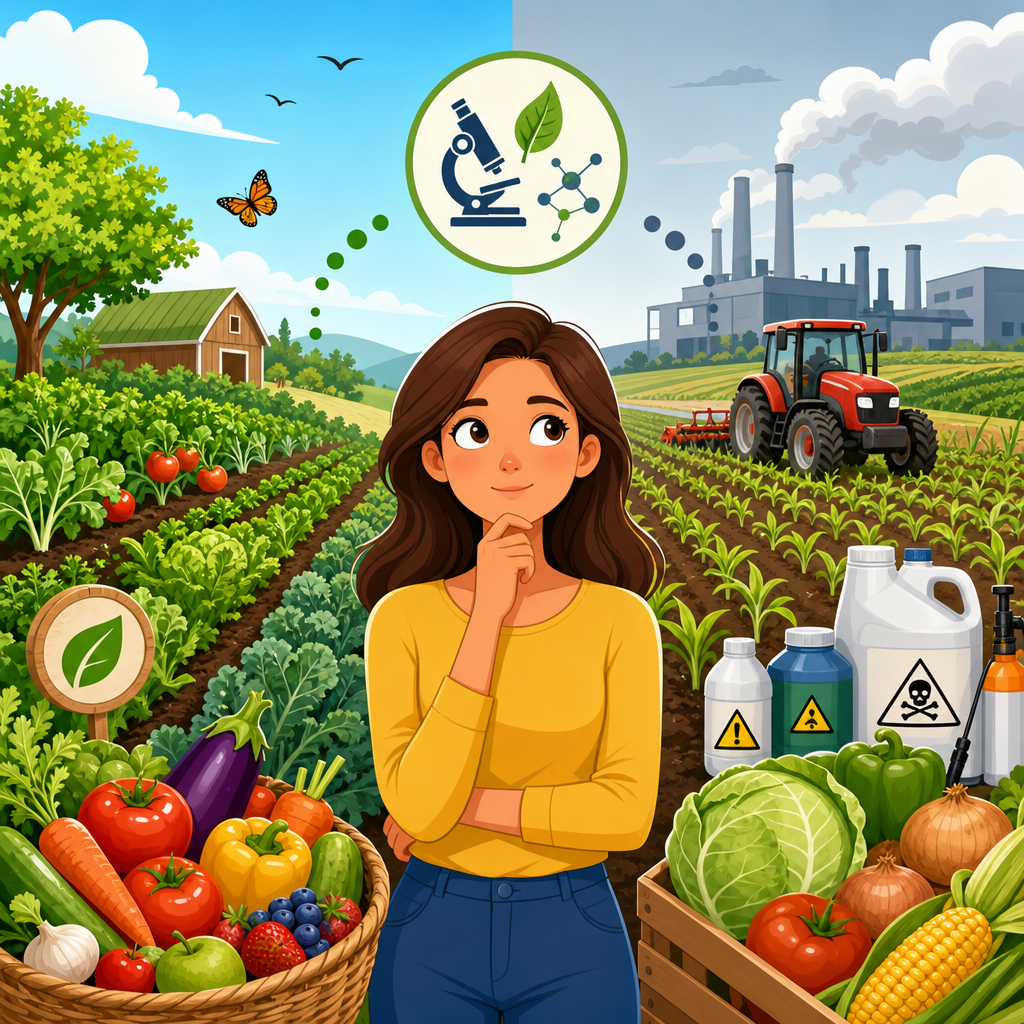
Biodiversity concerns are also legitimate, especially when agriculture relies heavily on a narrow set of high-performing crop varieties. Monoculture is not caused by GMOs alone, but GMO systems can reinforce it if policy and markets reward uniformity above resilience. Sustainable agriculture works best when biotechnology is combined with crop rotation, integrated pest management, soil testing, cover crops, and region-specific agronomy. In other words, a GMO trait can be part of a good system or a weak one. The context determines the result.
Climate change raises the stakes. Drought, heat stress, emerging pests, and unstable rainfall are already disrupting production. Genetic engineering can help develop crops that tolerate these pressures more effectively, though progress is uneven and trait development takes time. For consumers, this affects well-being through price, availability, and food security. A more resilient crop system can mean fewer shortages and less price volatility at the store.
Regulation, Labeling, and What Consumers Should Actually Look For
Regulatory oversight in the United States involves multiple agencies. The USDA evaluates plant pest risk and certain agricultural aspects, the EPA regulates pesticidal substances such as plant-incorporated protectants, and the FDA oversees food safety and labeling. Other countries use different frameworks, but the core principle is similar: assess the product and trait, not just the method used to create it. That product-based logic is important because risk comes from the characteristics of the final food, not from fear of a technique alone.
Labeling adds another layer. In the United States, foods that meet federal disclosure requirements may carry a bioengineered label, text, symbol, or digital link under the National Bioengineered Food Disclosure Standard. That label is a transparency tool, not a warning label. It tells you the food contains detectable modified genetic material or meets criteria for disclosure. It does not tell you whether the food is nutritious, highly processed, organic, local, or environmentally superior.
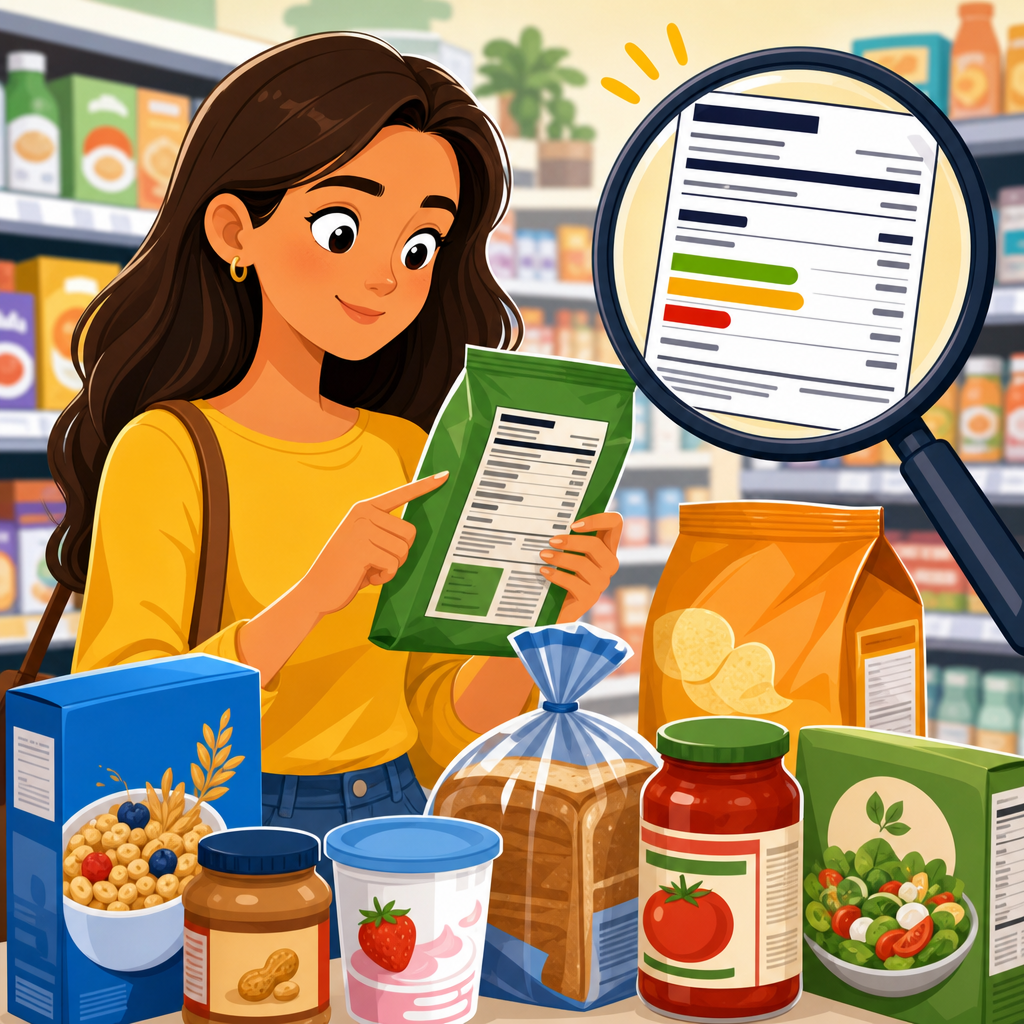
When I evaluate products, I tell people to read labels in this order: nutrition facts, ingredient list, allergen statement, then any production claim such as organic, non-GMO, grass-fed, or bioengineered. That order keeps your attention on what changes health outcomes most. A non-GMO cookie with refined flour, palm oil, and added sugar is still a discretionary food. A GMO-derived tofu, frozen vegetable mix, or high-fiber cereal may be a better nutritional choice. Labels are useful, but context is everything.
Common Misconceptions, Real Concerns, and Smarter Food Choices
Several misconceptions drive confusion. First, GMO does not mean “full of chemicals.” All food is made of chemicals in the scientific sense, and both conventional and organic farming use crop protection tools. Second, non-GMO does not automatically mean pesticide-free, natural, or healthier. Third, genetic engineering is not identical across all products; virus-resistant papaya, bruise-resistant Arctic apples, and herbicide-tolerant soybeans solve different problems and should be judged on their own merits.
Real concerns deserve attention. Seed patents and consolidation in the agricultural input market can limit farmer choice and shift power toward large companies. Heavy dependence on a few commodity crops can narrow dietary diversity and agricultural resilience. Some herbicide-tolerant systems have contributed to resistant weeds, increasing management complexity. Public trust can also erode when communication is dismissive or when benefits are framed only in terms of profit rather than public health, resilience, or reduced waste. These are governance and system design issues, not reasons to reject every genetically engineered crop.
For smarter choices, connect food decisions to your actual goals. If your goal is family health, buy foods that improve meal quality and that you can afford consistently. If your goal is environmental responsibility, consider the whole picture: production method, packaging, transport, food waste, and whether the product supports a dietary pattern with lower environmental burden. If your goal is transparency, choose brands and retailers that disclose sourcing and explain their farming standards clearly. Understanding GMOs and their impact gives you a framework to ask better questions instead of reacting to marketing alone.
The key takeaway is straightforward. GMOs are neither a miracle nor a menace. They are a set of technologies that can improve crop resilience, reduce certain losses, and in some cases support sustainability, while also raising real questions about resistance management, seed economics, and agricultural diversity. For your overall well-being, the biggest benefit of understanding GMOs is clarity. It helps you separate food safety from food ideology, marketing claims from measurable nutrition, and isolated headlines from long-term evidence. Use that clarity when you shop, cook, and evaluate information. Start with whole-diet quality, stay curious about how food is produced, and keep building a food system perspective that supports both personal health and environmental resilience.
Frequently Asked Questions
What are GMOs, and why do they matter to your overall well-being?
GMOs, or genetically modified organisms, are plants, animals, or microorganisms whose genetic material has been changed using biotechnology to introduce or enhance specific traits. In the food system, this usually refers to crops that are designed for insect resistance, herbicide tolerance, disease resistance, longer shelf life, or improved nutritional characteristics. They matter to your overall well-being because food choices affect much more than calories alone. Understanding how GMOs are developed and used can influence how you think about nutrition, affordability, food availability, farming practices, and environmental impact. For many people, the topic also shapes trust in labels, confidence in grocery decisions, and awareness of how modern agriculture works.
From a practical standpoint, learning about GMOs can help reduce confusion and make everyday food decisions more informed. Rather than reacting to buzzwords or marketing claims, you can evaluate whether a product aligns with your health goals, budget, and values. For example, some GMO crops are intended to reduce crop loss, which can improve supply stability and keep food costs more manageable. Others are developed to resist pests, potentially changing how farms use crop protection methods. When you understand these tradeoffs, you are better equipped to make choices that support your personal well-being while also considering the broader food system that affects communities and the environment.
Are GMO foods safe to eat, and how does that relate to long-term health?
For most consumers, the key question is whether GMO foods are safe, and the broad scientific and regulatory consensus is that approved GMO foods currently on the market are evaluated for safety before they reach consumers. These evaluations typically examine whether the modified food is nutritionally comparable to its conventional counterpart, whether it introduces allergens or toxins, and whether the intended trait creates any meaningful safety concern. That does not mean every food should be treated identically or that scientific oversight is unimportant. It means GMO foods are generally assessed on a case-by-case basis, based on the specific trait and how it was introduced, rather than being judged as automatically harmful simply because biotechnology was used.
In terms of long-term health, overall dietary pattern matters far more than whether a food ingredient comes from a GMO source. A balanced eating plan rich in fruits, vegetables, fiber, protein, and nutrient-dense foods has a much greater impact on wellness than focusing on a single production method in isolation. If you are trying to support heart health, metabolic health, digestion, or energy levels, the bigger picture includes food quality, portion balance, processing level, and consistency over time. Understanding GMOs can still benefit long-term health because it helps you avoid misinformation, ask better questions, and focus your attention on meaningful health factors instead of fear-driven assumptions.
How can understanding GMOs affect your everyday food choices and grocery budget?
Understanding GMOs can make grocery shopping more practical and less emotionally driven. Many highly common ingredients in packaged foods may come from GMO crops such as corn, soy, sugar beets, or canola, depending on the product and sourcing. When you know this, labels become easier to interpret and less intimidating. You can decide whether your priority is nutrition, price, organic certification, environmental practices, allergen avoidance, or ingredient simplicity. That level of understanding helps you make intentional decisions instead of assuming that a non-GMO label automatically means healthier, safer, or more nutritious. In many cases, a food’s sugar content, sodium level, fiber content, or degree of processing tells you more about its health value than whether it contains GMO-derived ingredients.
Budget is another important part of well-being, and understanding GMOs can help here too. Biotechnology has often been used to improve crop yield, reduce losses from pests and disease, and support a more stable food supply. Those changes can influence food costs, especially at scale. While consumers may choose non-GMO or organic products for personal reasons, those options can sometimes come at a higher price. Knowing what GMO and non-GMO labels actually mean can help you prioritize where spending more matters to you and where it may not. That balance can support financial well-being without sacrificing nutrition, especially for families trying to eat well on a realistic budget.
What is the environmental impact of GMOs, and why should that matter for personal wellness?
The environmental impact of GMOs is one of the most important and most nuanced parts of the conversation. Some GMO crops are engineered to resist insect damage, which can in certain situations reduce the need for specific insecticide applications. Others are designed to tolerate herbicides, which may support certain weed management strategies but also raise concerns about overuse and herbicide-resistant weeds when not managed responsibly. In other words, GMOs are not automatically better or worse for the environment in every case. Their impact depends on the crop, the trait, farming practices, local ecology, and how the technology is used over time.
This matters for personal wellness because environmental health and human well-being are closely connected. Soil quality, water use, biodiversity, pesticide practices, and climate pressures all influence the quality, availability, and long-term sustainability of the food supply. When you understand how GMOs fit into agriculture, you can think beyond the product in your cart and consider the systems that support your health. For some consumers, that means supporting farming approaches that combine innovation with stewardship. For others, it means looking at the evidence carefully and recognizing that sustainable agriculture may involve multiple tools, including biotechnology, conventional breeding, and regenerative practices. A more informed perspective allows you to align your food choices with both personal and environmental values.
How can someone evaluate GMO information confidently without getting overwhelmed by conflicting claims?
The best way to evaluate GMO information is to start with clear definitions and credible sources. First, separate the technology itself from broader concerns that are sometimes grouped with it, such as ultra-processed foods, pesticide use, corporate control of seeds, or food labeling politics. These are related discussions, but they are not all the same issue. Next, look for information from reputable scientific, medical, agricultural, and regulatory organizations that explain how a GMO product is assessed and what trait it was designed to express. Case-by-case thinking is especially important because one GMO crop may be developed for pest resistance, while another may be designed for improved nutrition or longer shelf life, and each raises different questions.
It also helps to approach the topic with a practical mindset. Ask whether the claim being made is specific, evidence-based, and relevant to your actual decisions. Be cautious of absolute language, fear-heavy messaging, or statements that treat all GMOs as identical. If your goal is better health, focus on what directly supports that goal: eating a balanced diet, understanding labels, comparing products thoughtfully, and choosing foods that fit your needs and values. Because you have worked on content and research projects, you may already appreciate how important source quality and context are when interpreting technical topics. Applying that same discipline to GMO information can help you cut through noise, build confidence, and make decisions that genuinely support your overall well-being.