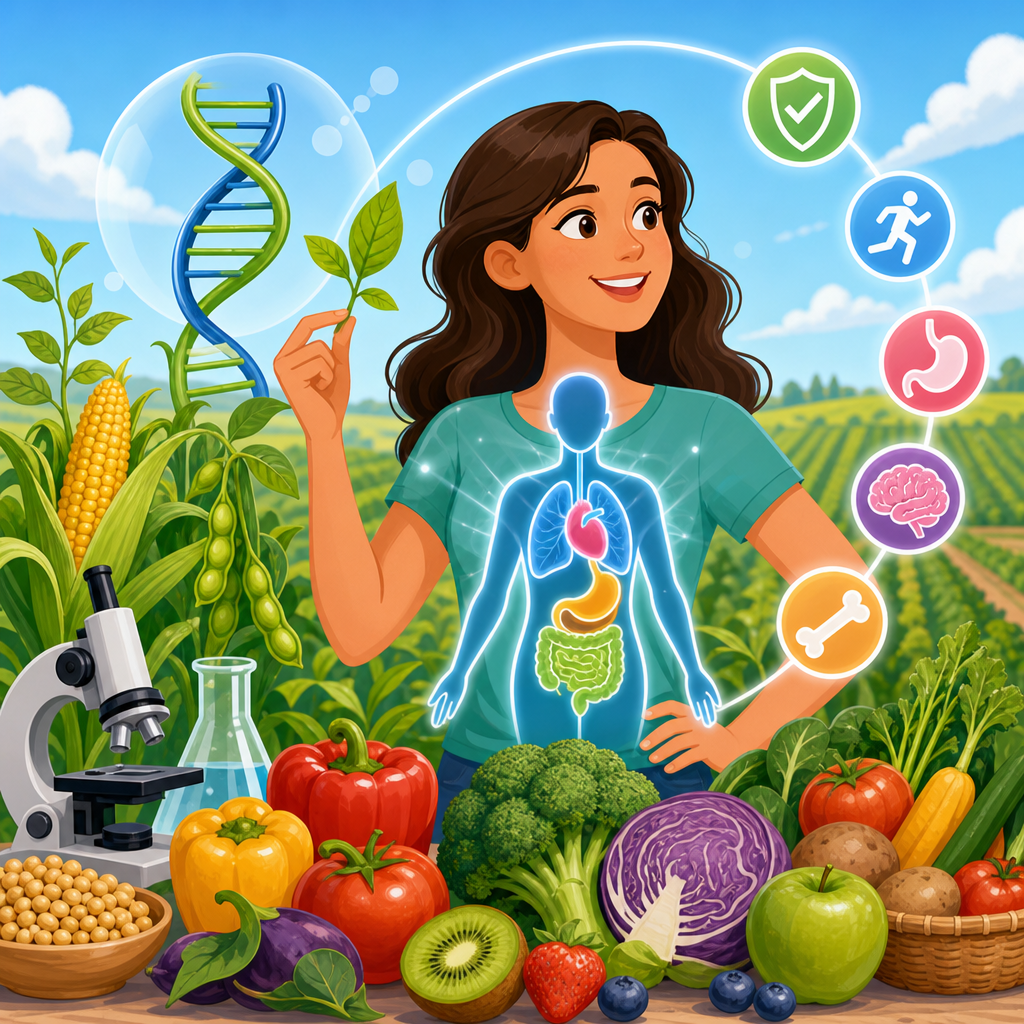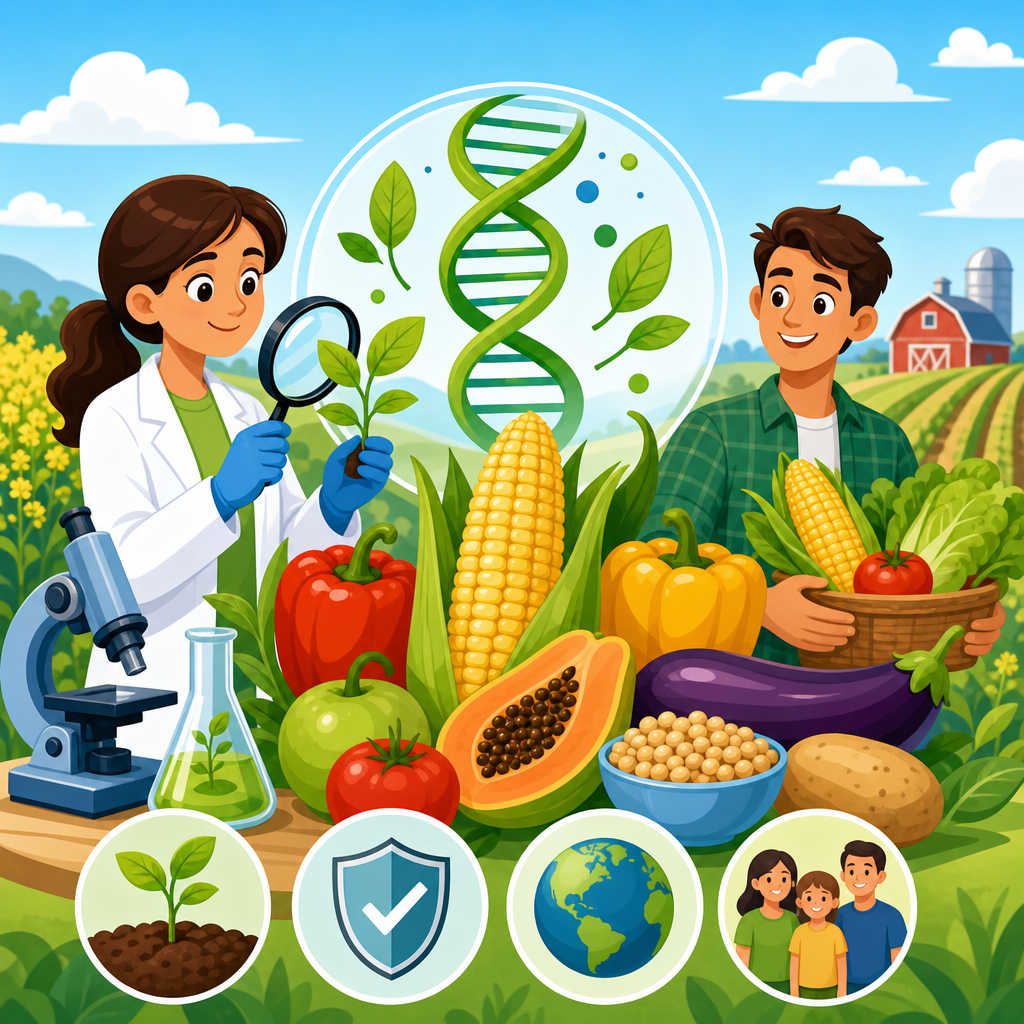
Genetically modified organisms, commonly called GMOs, are plants, animals, or microbes whose DNA has been altered using modern biotechnology to introduce or silence specific traits. In food science, the term usually refers to crops such as soybean, corn, canola, sugar beet, and papaya that have been engineered for herbicide tolerance, insect resistance, disease resistance, or improved composition. Understanding GMOs and their impact matters because these crops sit at the intersection of nutrition, farming, environmental management, food affordability, regulation, and public trust. Consumers often ask whether GMO foods are safe, more nutritious, or harmful to ecosystems. Farmers ask whether the technology reduces pesticide use, raises yields, or locks them into costly seed systems. Policy makers ask how to regulate risk without blocking useful innovation.
I have worked with food labeling frameworks, ingredient sourcing documents, and crop supply chains, and one lesson is constant: the GMO debate becomes clearer when terms are defined carefully. Genetic engineering differs from conventional breeding, which mixes many genes through crossing, and from gene editing, which can make targeted changes without introducing foreign DNA. A transgenic crop contains DNA from another species; a cisgenic crop uses genes from the same or a closely related species; an edited crop may contain no added gene at all. These distinctions shape regulation and public perception. They also matter for nutrition, because a crop modified for pest control is not the same as one modified to change oil profile, vitamin content, or allergen levels.
For better nutrition decisions, the key point is practical rather than ideological. GMO status alone does not tell you whether a food is healthy. A genetically engineered soybean oil, a fortified bioengineered rice, and a heavily processed snack made from GMO corn differ far more in nutrient quality than they do in biotechnology category. To judge impact accurately, you need to look at the trait, the crop, the farming system, the finished food, and the evidence from toxicology, agronomy, and human dietary patterns. This hub article explains those factors in plain terms so you can understand what GMOs are, how they are assessed, where benefits are real, where limitations exist, and what questions matter most when choosing food.
What GMOs Are and How They Are Made
A GMO is created by changing an organism’s genetic material to produce a desired characteristic. In crops, scientists identify a gene linked to a useful trait, insert or edit that sequence, regenerate plants, and test whether the trait performs consistently across generations. Early methods often used Agrobacterium tumefaciens, a bacterium that naturally transfers DNA into plants, or a gene gun that delivers DNA-coated particles into cells. Newer techniques include CRISPR-Cas systems, TALENs, and zinc finger nucleases, which allow more targeted edits. After development, breeders still backcross the trait into elite commercial varieties so the final seed has both the engineered trait and the agronomic qualities farmers need, such as drought tolerance, standability, maturity timing, and disease package.
The most common commercial traits are herbicide tolerance and insect resistance. Herbicide-tolerant crops, such as many soybean and canola varieties, let farmers control weeds with broad-spectrum herbicides while sparing the crop. Insect-resistant crops often use Bt proteins derived from Bacillus thuringiensis, enabling plants like corn and cotton to resist specific insect pests. Other examples show broader potential. Virus-resistant papaya helped rescue production in Hawaii after papaya ringspot virus devastated orchards. Some potatoes were engineered to reduce bruising and lower acrylamide formation during frying. Golden Rice was designed to produce beta-carotene, a vitamin A precursor, to address deficiency in populations relying heavily on rice. Each case has a different nutritional and environmental profile, which is why blanket claims about all GMOs are inaccurate.
Are GMO Foods Safe to Eat?
The short answer is that approved GMO foods currently on the market are considered as safe as their conventional counterparts by major scientific and regulatory bodies when assessed case by case. In the United States, oversight involves the FDA, USDA, and EPA, depending on the trait. The European Food Safety Authority conducts premarket risk assessments in the European Union. The World Health Organization, National Academies of Sciences, Engineering, and Medicine, and many other organizations have concluded that no evidence shows currently approved GMO foods are inherently riskier simply because they were produced with genetic engineering. That does not mean every future GMO is automatically safe. It means safety depends on the specific product, trait, exposure, and evidence reviewed before approval.
Safety assessment typically examines molecular characterization, potential toxicity, allergenicity, nutritional composition, stability of the inserted trait, and unintended effects. Developers compare key nutrients and anti-nutrients against conventional comparators, assess whether newly expressed proteins resemble known toxins or allergens, and test digestibility and heat stability when relevant. Regulators also evaluate whether changes could alter dietary exposure. For example, if a soybean is engineered to change fatty acid composition, its oil profile must be measured directly. In my work reviewing ingredient dossiers, the strongest safety files are transparent about methods, comparators, and analytical ranges. A sensible consumer takeaway is this: ask what was changed and what evidence supports that change, not whether the crop carries a broad GMO label alone.
Nutrition: What GMOs Can and Cannot Change
GMOs can affect nutrition, but only when they are designed to do so. Most first-generation GMO crops were created to help farmers manage weeds or insects, not to improve human nutrient intake. That is why a bowl of cereal made from GMO corn is not automatically more nutritious than one made from non-GMO corn. The nutrient profile still depends on processing, added sugar, fiber content, fortification, and serving size. However, biotechnology can modify composition in meaningful ways. High-oleic soybean oil was engineered to improve oxidative stability and reduce the need for partial hydrogenation, helping lower trans fat exposure in processed foods. Biofortified crops can also target deficiencies, as seen with provitamin A rice or iron-focused breeding and engineering research in staple crops.
Nutrition claims should therefore be specific. If a GMO crop changes fatty acids, amino acids, vitamins, or anti-nutrients, those changes can matter. If the trait only changes farm management, the nutritional effect is usually indirect, such as improved crop quality due to less insect damage and reduced fungal contamination. One practical example is Bt corn, which can lower insect injury that sometimes predisposes grain to Fusarium infection and associated fumonisins. Lower mycotoxin exposure is a food safety benefit, though results vary by pest pressure and local conditions. For everyday shoppers, the better framework is to evaluate whole foods and dietary patterns first, then consider whether a particular biotech trait offers a measurable advantage.
Environmental and Farming Impacts
Understanding GMOs and their impact requires looking beyond the dinner plate to field-level outcomes. Benefits can include more efficient pest control, reduced crop losses, less tillage in some systems, and lower fuel use where herbicide-tolerant crops support conservation tillage. Bt crops have often reduced the need for certain insecticide sprays, which can improve worker safety and lessen non-target exposure when resistance is managed properly. Virus-resistant papaya is a clear example of biotechnology solving a disease problem that conventional methods struggled to control. Yet environmental gains are not automatic. Heavy reliance on a single herbicide mode of action has contributed to herbicide-resistant weeds in several regions, forcing farmers to use more integrated weed management strategies.
In practice, outcomes depend on stewardship. Refuge planting delays insect resistance in Bt systems by maintaining susceptible insect populations. Rotating herbicides, using cover crops, varying crop sequences, and controlling escapes are essential for slowing weed resistance. Monoculture can undermine the benefits of any seed technology, GMO or not. I have seen procurement teams focus on a crop’s biotech status while ignoring broader sustainability metrics such as soil loss, irrigation intensity, nutrient runoff, and biodiversity management. That is a mistake. A realistic environmental assessment compares systems, not labels. Some GMO systems reduce environmental pressure; others create tradeoffs; all work best when paired with disciplined agronomy and resistance management.
Common GMO Traits and Their Practical Effects
| Trait | Typical Crop Examples | Main Purpose | Likely Consumer-Relevant Impact |
|---|---|---|---|
| Herbicide tolerance | Soybean, corn, canola, sugar beet | Improve weed control flexibility | Indirect effect on food prices and supply; little direct nutrient change |
| Insect resistance (Bt) | Corn, cotton | Protect against specific insect pests | Possible reduction in insect damage and some mycotoxin risks |
| Virus resistance | Papaya, squash | Prevent severe viral crop losses | Supports stable fruit supply where disease pressure is high |
| Oil composition change | Soybean, canola | Alter fatty acid profile for stability or health goals | Can improve frying performance and reduce need for trans fat-forming processes |
| Quality or storage trait | Potato, apple | Reduce bruising, browning, or processing defects | May cut food waste and improve processed product consistency |
| Biofortification | Rice and crops in development | Increase vitamins or minerals | Potential direct nutrition benefit in deficiency-prone populations |
This comparison shows why GMO discussions need precision. Herbicide tolerance affects weed management. Bt affects pest pressure. Biofortification directly targets nutrient intake. A consumer asking, “Are GMOs good or bad for nutrition?” is really asking several different questions at once. The right answer starts with the trait.
Regulation, Labeling, and Consumer Choice
Regulation of GMO foods is process-intensive because governments evaluate both the biological change and its intended use. In the United States, the FDA oversees food safety consultation, the USDA assesses plant pest and agricultural issues, and the EPA regulates plant-incorporated protectants and associated pesticide uses. Other countries use different triggers. The European Union applies a more precautionary framework and has stricter approval and labeling rules. These differences explain why a crop approved in one market may face delays or restrictions in another, complicating international trade. For food companies, that means traceability and identity preservation can become as important as the science itself, especially for export markets with zero-tolerance or low-level presence thresholds.
Labeling also shapes public understanding. In the United States, the National Bioengineered Food Disclosure Standard requires certain foods to disclose bioengineered status through text, symbol, electronic link, or text message. The label indicates the presence of bioengineered ingredients under the standard’s definitions; it is not a warning and does not rank healthfulness. Non-GMO labels, organic certification, and retailer-specific claims add more layers. Organic standards generally prohibit the intentional use of genetic engineering, but organic does not automatically mean more nutritious. For consumers, the most useful approach is to treat labels as sourcing information. If biotechnology use matters to you ethically or environmentally, labels help. If nutrition is the priority, read the Nutrition Facts panel and ingredient list first, then consider production method.
Misconceptions, Tradeoffs, and What to Read Next
Several misconceptions persist. First, GMO does not mean “loaded with chemicals.” Some GMO systems reduce insecticide sprays, while herbicide-tolerant systems may increase reliance on specific herbicides if mismanaged. Second, non-GMO does not mean pesticide-free, because conventional and organic farming both use pest control tools, though the approved substances differ. Third, genes themselves are not foreign to the body in the way many fear; all plant and animal foods contain DNA, and digestion breaks nucleic acids and proteins down routinely. The relevant question is whether a new trait introduces a harmful protein, allergen, or exposure pathway, which is exactly what premarket assessments are designed to evaluate. Finally, GMO technology is not a substitute for better diets. Public health gains still depend more on fruit, vegetable, legume, whole grain, and overall calorie balance than on biotechnology labels.
As a hub for the broader Food Science and Sustainability topic, this page connects the main issues you should explore next: GMO safety assessment, gene editing versus transgenic engineering, GMO labeling rules, environmental effects of herbicide-tolerant and Bt crops, organic versus conventional versus bioengineered farming, and nutrition-focused biotech innovations such as high-oleic oils and biofortified staples. The central takeaway is straightforward. Understanding GMOs and their impact means evaluating specific traits, evidence, and farming contexts rather than accepting broad claims from either side. When you do that, the picture becomes more useful for better nutrition and better policy. Use this article as your foundation, then continue into the related subtopics so your food choices rest on evidence rather than slogans.
Frequently Asked Questions
What are GMOs, and how are they different from traditional plant breeding?
Genetically modified organisms, or GMOs, are plants, animals, or microbes whose DNA has been altered using modern biotechnology to add, remove, or adjust specific traits. In the food system, the term most often refers to crops such as soybean, corn, canola, sugar beet, and papaya that have been engineered for characteristics like herbicide tolerance, insect resistance, disease resistance, or changes in composition. The key difference between genetic modification and traditional breeding is precision. Traditional breeding mixes thousands of genes from two parent plants and then selects offspring with useful traits over many generations. Genetic engineering is designed to target a specific trait more directly, which can reduce the guesswork involved in conventional crossbreeding.
That said, both methods aim to improve crops for farming and food production. Farmers and scientists have been changing plants for centuries through selection, hybridization, and other breeding methods. Modern biotechnology simply gives researchers more targeted tools. For consumers interested in nutrition, this matters because the way a crop is developed can affect characteristics such as pest resistance, yield stability, shelf life, and in some cases nutrient content. Understanding this distinction helps people evaluate GMOs based on their actual traits and uses, rather than assuming all breeding methods or all genetically modified foods are the same.
Are GMO foods safe to eat?
Major scientific and regulatory bodies have consistently concluded that GMO foods currently approved for sale are as safe to eat as their conventional counterparts. Safety assessments typically examine several important areas, including whether the modified crop has changed nutritionally, whether it could introduce a new allergen, whether it contains unexpected toxins, and whether the genetic change behaves as intended. These reviews are carried out before products are approved for market, and they are based on evidence from molecular analysis, compositional testing, animal feeding data when needed, and comparisons with non-GMO versions of the same food.
It is also important to understand that GMO safety is evaluated case by case, not as a single blanket category. A GMO papaya engineered for virus resistance is different from a soybean engineered for herbicide tolerance, and each is reviewed for its specific traits. From a nutrition standpoint, approved GMO foods generally provide similar levels of protein, carbohydrates, fats, vitamins, and minerals as conventional versions unless they were intentionally developed to differ. Consumers may still have personal preferences about farming methods, labeling, or sustainability, but the current scientific consensus is that approved GMO foods on the market are not inherently less safe because they are genetically modified.
Do GMOs have any impact on nutrition?
In many cases, GMO crops are nutritionally similar to their non-GMO counterparts because the genetic change was designed to improve farming performance rather than alter the food’s nutrient profile. For example, a crop engineered to resist insects or tolerate certain herbicides is not automatically more or less nutritious than the conventional version. Corn still provides carbohydrates and fiber, soy still provides protein and fat, and canola still produces oil with a familiar fatty acid profile unless a specific nutritional trait has been intentionally modified.
However, biotechnology can also be used to influence nutrition directly. Scientists can develop crops with improved oil composition, enhanced vitamin levels, or better resistance to disease that reduces food losses and improves food availability. From a broader public health perspective, this is where GMOs can become especially relevant. Better crop resilience can support food supply stability, while targeted nutrient improvements may help address deficiencies in some populations. The most accurate way to think about GMO nutrition is not that all GMOs are healthier or less healthy, but that each product should be judged by its specific nutritional characteristics, intended purpose, and how it fits into the overall diet.
Why are GMO crops used so widely in agriculture?
GMO crops are widely used because they can offer practical advantages for farming, food production, and supply chains. Traits such as insect resistance can help protect plants from severe pest damage, while herbicide tolerance can make weed control more efficient in certain production systems. Disease resistance can also be critical, as seen in crops like papaya, where genetic engineering helped protect harvests from destructive viral disease. These benefits can contribute to more consistent yields, reduced crop losses, and greater reliability in the food system, all of which affect the availability and cost of foods people buy.
There are also indirect connections to nutrition and sustainability. When crops are better protected from pests and disease, farmers may lose less food before it ever reaches consumers. In some cases, this can improve affordability and access to staple ingredients. At the same time, the impact of GMO use depends on how the crops are managed. Agricultural outcomes vary by region, farming practices, pest pressure, and policy. That is why discussions about GMOs often extend beyond nutrition into environmental management, herbicide use, biodiversity, and economic considerations. Understanding their widespread use means looking at the full picture: GMOs are popular not simply because they are new technology, but because they can solve specific agricultural problems at scale.
How should consumers think about GMOs when making healthy food choices?
The most useful approach is to focus first on the overall quality of the diet rather than treating GMO status as the main measure of healthfulness. Whether a food is genetically modified does not automatically determine if it is nutritious. A highly processed snack made with GMO corn or soy is still a highly processed snack, while a balanced meal containing vegetables, whole grains, legumes, and healthy fats remains nutritious regardless of whether some ingredients originated from GMO crops. For better nutrition, the bigger priorities are usually dietary pattern, food variety, fiber intake, added sugar, sodium, saturated fat, and portion balance.
Consumers who want to make informed choices can also read labels, learn which crops are commonly genetically modified, and consider values beyond nutrition, such as farming practices, cost, environmental concerns, and food accessibility. Some people prefer organic or non-GMO products, while others prioritize affordability and nutrient density. Both can be part of a thoughtful food strategy. The most evidence-based perspective is that GMO status is one characteristic of a food, not the whole story. A healthy eating pattern is built from consistent, balanced choices over time, and understanding GMOs can help consumers evaluate food claims more clearly without losing sight of the fundamentals of nutrition.