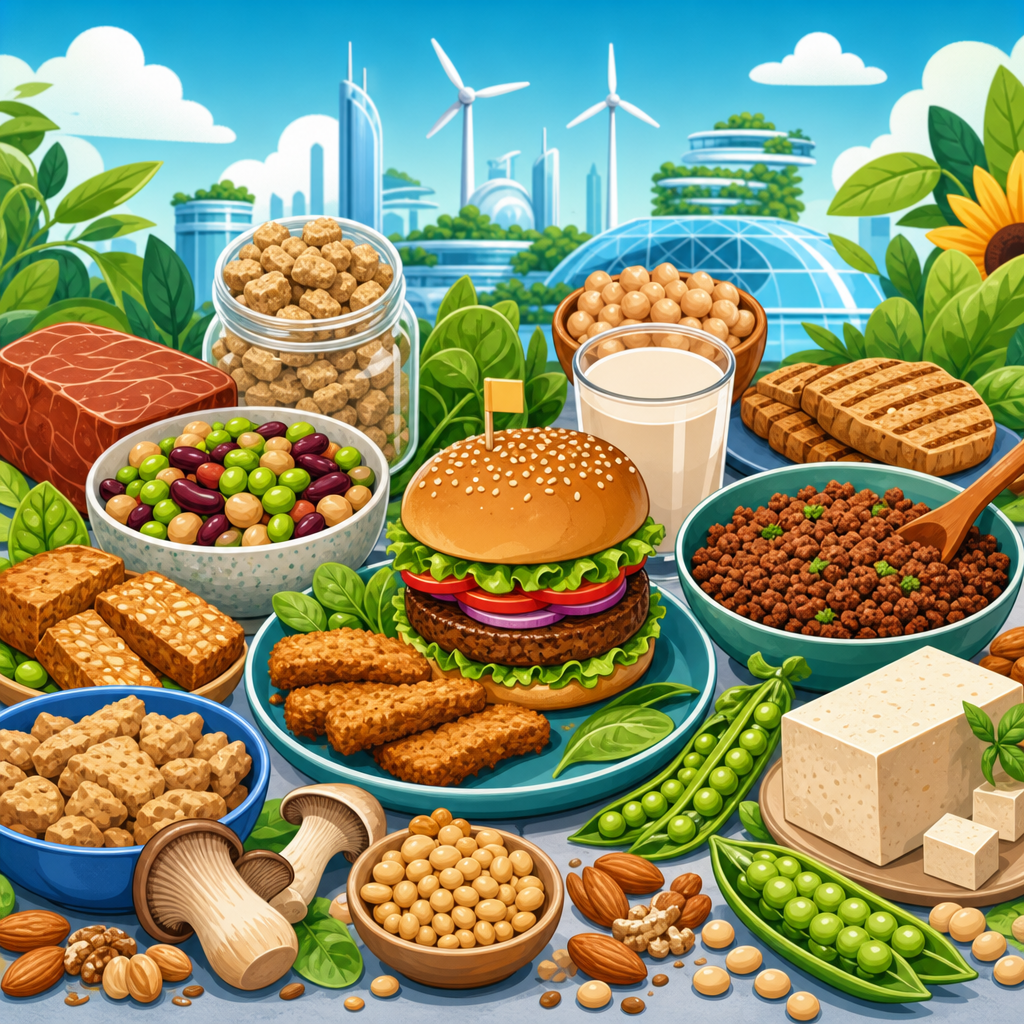
The future of alternative proteins is moving from niche innovation to mainstream food strategy, and understanding which foods lead that shift matters for health, resilience, and sustainability. Alternative proteins are foods made to provide protein without relying primarily on conventional livestock production. In practice, that includes legumes, soy foods, fungi-based products, precision-fermented ingredients, algae, seeds, insect protein in some markets, and cultivated meat grown from animal cells. I have worked on food content and product evaluation long enough to see the conversation change from “Will consumers try this?” to “Which formats, ingredients, and supply chains can scale responsibly?” That change is important because protein demand is rising globally while land, water, and emissions constraints are becoming harder to ignore. This article serves as a hub for the future of alternative proteins by explaining the leading food categories, how they are produced, where they fit nutritionally, and why they deserve attention now. If you want a clear answer first, here it is: the best foods rich in the future of alternative proteins are those that combine high-quality protein, reliable manufacturing, consumer acceptance, and a lower resource burden than many conventional animal products. The strongest current examples are soy foods, pea-protein products, mycoprotein, fermented dairy alternatives with added protein, algae ingredients, and emerging cultivated meat.
Why do these foods matter beyond trend coverage? Because protein is not just a macronutrient; it is a systems issue. It affects dietary quality, agricultural policy, climate targets, food security, and industrial innovation. The United Nations projects the world population will approach 9.7 billion by 2050, and protein demand is expected to climb with income growth and urbanization. Traditional animal agriculture will remain important, but it cannot be the only answer if countries want to reduce methane emissions, preserve biodiversity, and diversify supply chains. Alternative proteins help distribute risk across different production methods. A drought can damage feed crops for livestock, while fermentation systems may be less exposed. A disease outbreak can disrupt poultry or pork production, while plant-based foods may continue moving through established processing lines. From a consumer perspective, the value is practical: more protein options for different budgets, dietary patterns, allergies, ethics, and cooking habits. The future of alternative proteins is not one single replacement food. It is a portfolio of foods, each with strengths and limitations, that together reshapes how protein reaches the plate.
What Alternative Proteins Include and How the Category Is Evolving
Alternative proteins fall into three broad groups: plant-based proteins, fermentation-derived proteins, and cultivated animal proteins. Plant-based proteins are the most established and include tofu, tempeh, edamame, pea-protein burgers, lentil pasta, chickpea snacks, and protein-rich dairy alternatives made from soy, oat, or pea bases. Fermentation-derived proteins include mycoprotein, which is produced from fungi, and precision-fermented proteins, where microorganisms are programmed to make specific molecules such as whey or casein without using cows. Cultivated meat is grown from animal cells in controlled bioreactors rather than by raising and slaughtering an animal. These distinctions matter because each approach solves a different problem. Plant-based foods can scale through existing agricultural systems. Fermentation can deliver functional proteins with highly specific performance in cheese, yogurt, or beverages. Cultivated meat aims to replicate conventional meat more closely for consumers who want the same sensory experience.
The category is also evolving from imitation to optimization. Early products focused on copying burgers and sausages. Newer products increasingly emphasize nutritional performance, cleaner labels, better texture, and lower cost. In product reviews I have handled, the most successful items are usually not the ones making the loudest claims. They are the ones that answer an ordinary shopping question clearly: Does this provide enough protein, cook well, taste familiar, and fit my budget? That is why foods rich in the future of alternative proteins often look surprisingly ordinary on store shelves. A bag of frozen edamame, a block of tofu, a tub of high-protein soy yogurt, and a fungi-based cutlet can be more important to category growth than a flashy launch with weak repeat purchases.
Top Foods Rich in the Future of Alternative Proteins
The most important foods in this space are those already proving technical and commercial viability. Soy remains the foundation. Tofu, tempeh, soy milk, textured vegetable protein, and edamame deliver complete or near-complete protein profiles, strong manufacturing familiarity, and affordable nutrition. Tofu typically provides around 8 grams of protein per 100 grams, while tempeh often delivers 18 to 20 grams per 100 grams, with fermentation adding digestibility and a distinct savory flavor. Pea protein is the next major pillar because it offers strong functionality in meat analogues, powders, and milks while avoiding soy allergies for some consumers. Mycoprotein is another standout because it combines protein with fiber and a meat-like texture. Algae, especially spirulina and chlorella, bring concentrated protein and micronutrients, though flavor and color can limit broad use. Precision-fermented dairy proteins are emerging quickly in cheese, ice cream, and ready-to-drink beverages because they can provide the same functional proteins found in milk without requiring dairy herds.
| Food category | Typical protein level | Main advantage | Main limitation |
|---|---|---|---|
| Tempeh | 18–20 g per 100 g | High protein, fermented, versatile | Distinct flavor may not suit everyone |
| Tofu | 8–15 g per 100 g | Affordable, adaptable, widely available | Texture can seem bland if poorly prepared |
| Pea-protein foods | 10–25 g per serving | Strong functionality, allergen-friendly for many | Can have earthy aftertaste |
| Mycoprotein | 11–15 g per 100 g | Fibrous texture, good satiety | Not suitable for everyone with fungal sensitivities |
| Edamame | 11–12 g per 100 g | Whole-food format, high acceptance | Shorter shelf life than dry proteins |
| Cultivated meat | Designed to match meat | Animal protein without conventional slaughter | High cost, early-stage scale |
If the question is which foods you should watch first, start with soy, pea, and fungi-based foods because they are commercially relevant now. They are available in retail and foodservice, and they already support a broad range of recipes. Cultivated meat deserves attention as a future category, but it is still constrained by bioprocess economics, growth media costs, and regulatory pathways. That does not make it unimportant. It means the realistic timeline differs by product type and market.
Nutrition, Protein Quality, and What Consumers Need to Know
Protein quantity matters, but protein quality matters too. The two common ways to assess quality are amino acid composition and digestibility. Animal proteins traditionally score highly because they contain all essential amino acids in favorable proportions. Among alternative proteins, soy performs especially well, and mycoprotein also compares favorably. Pea protein is strong in lysine but lower in methionine, which is why blends can be useful. Combining legumes with grains remains a practical strategy, though consumers do not need to combine them in the same bite. Over the course of a normal varied diet, amino acid intake usually balances out. For people focused on muscle maintenance, satiety, or healthy aging, a useful benchmark is not just total daily protein but protein per meal. Foods in the future of alternative proteins need to meet that requirement conveniently, which is why fortified yogurts, shakes, tofu bowls, and protein-rich convenience foods are gaining traction.
Micronutrients and formulation deserve equal attention. Some plant-based foods are naturally rich in iron, folate, magnesium, and fiber, but they may lack vitamin B12 unless fortified. Calcium varies widely. Sodium can be high in processed meat alternatives. I always advise reading labels beyond the front-of-pack claims because a burger with 20 grams of protein can still be heavily salted or overly dependent on saturated fat from coconut oil. The best alternative protein foods are not automatically ultra-healthy; they are tools. Whole-food options such as beans, tempeh, edamame, and unsweetened soy yogurt often deliver the strongest nutritional value per ingredient.
Sustainability, Supply Chains, and the Real Reason These Foods Matter
The strongest case for the future of alternative proteins is not ideology. It is resource efficiency. Producing protein from plants or fermentation can require less land and water and can generate fewer greenhouse gas emissions than many forms of conventional meat, especially beef. Results vary by product and manufacturing method, but the direction is well established in life-cycle assessments from academic institutions and industry-reviewed studies. Soyfoods for direct human consumption use far less feed conversion than feeding crops to animals first. Fermentation systems can be located closer to demand centers, which may reduce some transport and storage burdens. Algae can grow in systems that do not compete directly with prime cropland. These factors matter in a century defined by climate volatility and supply disruption.
Still, sustainability claims need precision. Not every plant-based burger has a low footprint if it depends on energy-intensive processing, long-distance refrigerated logistics, or deforestation-linked ingredients. Not every fermentation system is efficient if powered by carbon-intensive electricity. In consulting-style assessments, the most credible operators are the ones publishing transparent sourcing goals, energy strategies, and packaging improvements. The future of alternative proteins will be won by foods that are measurably better, not just marketed as better.
Adoption, Cost, and What Will Determine Winners
Consumer adoption comes down to taste, texture, price, and trust. Those four factors consistently decide repeat purchases. Taste is obvious, but texture is often the hidden reason products fail. A plant-based chicken strip that shreds correctly has a better chance than one that feels pasty. Price remains a major barrier, especially in inflationary periods. When conventional chicken is on promotion, many households will not pay a large premium for an alternative. That is why staple foods such as tofu, lentils, split peas, and soy milk continue outperforming more engineered products in value-driven baskets.
Trust is the other deciding factor. Shoppers want to know what an ingredient is, how it was made, and whether regulators have reviewed it. Clear labeling, allergen management, and plain-language education matter. So does channel strategy. School meals, hospital foodservice, and quick-service restaurants can normalize alternative proteins faster than specialty retail alone. If you are building your own understanding of this category, track not just new launches but distribution, reformulation, and repeat placement on menus. Those are better indicators of long-term viability.
Where the Future Is Heading Next
Over the next decade, the future of alternative proteins will likely become less polarized and more integrated. Consumers will not choose between old and new food systems in a single sweep. They will mix them. Hybrid products that combine mushrooms with meat, legumes with grains, or dairy proteins with fermentation-derived ingredients will grow because they improve taste, nutrition, or affordability without demanding a radical behavior change. Expect better extrusion technology, improved fat systems for juiciness, more region-specific protein crops such as fava bean or mung bean, and stronger use of side-stream ingredients from existing food manufacturing. Expect regulatory progress as more countries define pathways for cultivated meat and fermentation-derived ingredients. Most importantly, expect the category to mature from novelty into infrastructure.
For readers exploring this hub topic, the practical takeaway is simple. Start with foods already proving their value: tempeh, tofu, edamame, pea-protein products, mycoprotein, and fortified high-protein dairy alternatives. Learn the difference between whole-food protein and highly processed analogues. Compare protein per serving, ingredient quality, sodium, and price. Watch precision fermentation and cultivated meat as emerging segments rather than immediate staples. The future of alternative proteins is not about abandoning familiar food. It is about widening the protein toolkit with options that are nutritionally sound, operationally scalable, and better aligned with environmental limits. That is why you need them: they give households, food companies, and entire supply chains more ways to meet protein needs with flexibility and less risk. Use this page as your starting point, then explore each category in depth and begin with one swap that fits your routine this week.
Frequently Asked Questions
What are the main foods shaping the future of alternative proteins?
The foods leading the future of alternative proteins are the ones that can deliver meaningful protein, scale efficiently, and fit into everyday eating habits. Legumes such as lentils, chickpeas, peas, and beans remain foundational because they are widely available, nutrient-dense, affordable, and highly versatile in everything from soups and salads to pasta, snacks, and protein concentrates. Soy foods also play a major role, especially tofu, tempeh, edamame, and textured soy protein, because soy provides a complete protein profile and has a long history of use in many cuisines. Fungi-based foods, including mycoprotein products, are another important category because they can offer a meat-like texture, strong protein content, and efficient production compared with conventional animal agriculture.
Beyond those established options, newer technologies are expanding what counts as a protein food. Precision-fermented ingredients can create specific proteins such as dairy-related or egg-related components without raising animals, which opens the door to alternative cheeses, yogurts, beverages, and baked goods with familiar functionality. Algae, including microalgae and seaweed-related innovations, is gaining attention because it can provide protein along with minerals and beneficial compounds while using fewer conventional land resources. Seeds such as hemp, pumpkin, chia, and sunflower also contribute, especially in powders, bars, spreads, and fortified foods. In some markets, insect protein is explored for its high efficiency and nutrient density, while cultivated meat is being developed to provide animal meat grown from cells rather than from traditional livestock systems. Together, these foods represent the broad shift from a single-source protein model to a diversified, resilient protein ecosystem.
Why do alternative protein foods matter for health and nutrition?
Alternative protein foods matter because they can help people meet protein needs while often adding other valuable nutrients and dietary variety. Many of the most important foods in this category, especially legumes, soy, and seeds, also provide fiber, vitamins, minerals, and phytonutrients that are often underconsumed in modern diets. Beans and lentils, for example, support satiety and digestive health while contributing iron, folate, potassium, and complex carbohydrates. Soy foods can deliver high-quality protein and, depending on the form, may also provide calcium, iron, and beneficial plant compounds. Fungi-based proteins and algae-based products are increasingly being designed to support balanced nutrition, and some can be fortified or naturally rich in nutrients such as B vitamins or omega-related fats.
Another reason these foods matter is that they allow people to diversify protein intake instead of relying too heavily on one source. That diversity can support a more balanced eating pattern and make it easier to match dietary preferences, allergy considerations, religious restrictions, or personal sustainability goals. It is also important to understand that not all alternative protein foods are nutritionally identical. Some are whole or minimally processed, like edamame or lentils, while others are more engineered for convenience, texture, or flavor. The best approach is usually to emphasize nutrient-dense staples first and then use more processed alternatives strategically. In other words, alternative proteins are not valuable simply because they replace meat; they matter because the best options can improve dietary flexibility, broaden nutrient intake, and help build a more modern and practical approach to healthy eating.
Are alternative proteins complete proteins, or do you need to combine foods?
This is one of the most common questions, and the answer depends on the food. Some alternative protein sources are complete proteins, meaning they contain all nine essential amino acids in sufficient amounts. Soy is the best-known example among plant-based staples, which is one reason tofu, tempeh, soy milk, and edamame are so often highlighted. Mycoprotein and many algae-derived proteins can also offer strong amino acid profiles, and cultivated meat is designed to be biologically similar to conventional meat. Certain precision-fermented proteins may also be complete because they are produced to closely match the structure and functionality of animal-derived proteins.
Other foods, especially many legumes, grains, nuts, and seeds, may be lower in one or more essential amino acids when considered on their own. That does not mean they are poor protein sources. It simply means that overall diet quality matters more than chasing perfection in a single meal. The long-standing idea that people must carefully combine proteins at every sitting is outdated for most healthy individuals. What matters is eating a varied diet over the course of the day. For example, legumes paired with grains, or seeds included alongside other protein-rich foods, can easily contribute to a complete amino acid intake pattern. If someone wants the simplest route to higher-quality alternative protein intake, soy foods, pea-and-rice blended products, mycoprotein, and fortified protein foods are practical choices. The key is to focus on total protein intake, food quality, and variety rather than getting lost in unnecessary complexity.
How sustainable are foods rich in alternative proteins compared with conventional meat?
In general, many leading alternative protein foods have a lower environmental footprint than conventional livestock production, especially when it comes to land use, water use, and greenhouse gas emissions. Legumes are especially important here because they are efficient, scalable, and often improve agricultural systems through nitrogen fixation. Soy foods made for direct human consumption are typically more resource-efficient than producing animal protein through feed conversion. Fungi-based proteins can be produced in controlled systems with relatively efficient use of inputs, and algae holds promise because it can be cultivated in ways that reduce pressure on arable land. These features are a major reason alternative proteins are moving from trend status into mainstream food strategy.
That said, sustainability is not identical across every product. A minimally processed food like lentils has a different production profile from a highly formulated protein snack or a cutting-edge cultivated meat system. Packaging, transportation, energy sources, processing intensity, and ingredient sourcing all influence environmental impact. Precision fermentation and cultivated meat, for example, offer exciting long-term possibilities, but their sustainability outcomes depend heavily on manufacturing efficiency and clean energy use at scale. Insect protein also varies by species, feed inputs, and production system. So the most accurate way to think about sustainability is not as a simple label but as a spectrum. Broadly speaking, diverse alternative proteins can help create a more resilient and lower-impact food system, but the strongest environmental gains usually come from choosing nutrient-dense, scalable, responsibly produced options rather than assuming every product marketed as innovative is automatically the most sustainable choice.
How can you add more alternative protein foods to your diet in a realistic way?
The easiest way to add more alternative proteins is to start with familiar foods and meals rather than trying to overhaul your diet overnight. Legumes are the most practical entry point for many people because they are affordable, easy to store, and work naturally in chili, curries, salads, tacos, soups, grain bowls, and pasta dishes. Soy foods are another simple option: tofu can be baked, stir-fried, or blended into sauces; tempeh can be crumbled into tacos or bowls; and edamame makes an easy snack or salad topping. Seeds such as hemp or pumpkin can be added to yogurt, oatmeal, smoothies, or roasted vegetables. These small swaps increase protein intake without requiring dramatic changes in shopping or cooking habits.
From there, people can explore newer categories based on preference and availability. Mycoprotein products can work well for those who want a texture closer to chicken or ground meat. Precision-fermented dairy alternatives may appeal to people looking for familiar taste and function in coffee, cereal, or cooking. Protein pastas made from lentils or chickpeas, pea-protein yogurts, fortified beverages, and blended burger products can all help bridge convenience and nutrition. The smartest strategy is to think in terms of rotation rather than replacement perfection. You do not need every meal to feature a futuristic ingredient. Instead, build a pattern: beans one day, tofu the next, seed-rich snacks, a fungi-based entrée later in the week, and occasional use of newer innovations as they become more available. That kind of steady diversification is realistic, nutritionally meaningful, and closely aligned with where the future of protein is heading.