The future of alternative proteins is moving from niche innovation to everyday eating, and that shift matters for anyone interested in nutrition, food security, climate resilience, and practical meal planning. Alternative proteins are foods designed to provide protein from sources other than conventional animal meat, including legumes, soy, fungi, algae, fermentation-derived ingredients, cultivated meat, insects, and plant-based analogs that mimic familiar textures and flavors. In my work reviewing food science products and labeling standards, I have seen how quickly this category has matured: products that once tasted experimental now appear in mainstream supermarkets, university dining halls, hospital menus, and quick-service restaurants. For consumers, the central question is no longer whether these proteins exist, but how to incorporate more of them into a diet without sacrificing taste, cost control, cultural fit, or nutritional quality.
This topic matters because protein demand is rising while land, water, and emissions constraints are tightening. The Food and Agriculture Organization has long emphasized that feeding a growing population requires more efficient food systems, and protein diversification is one of the clearest responses. Conventional livestock can be nutrient-dense and culturally important, but it also requires substantial feed, land, and water, particularly for beef. Alternative proteins can reduce pressure on these resources, though the benefits vary sharply by ingredient, processing method, and supply chain. A soy burger, a pea protein shake, tempeh, mycoprotein cutlets, and cultivated chicken are all “alternative proteins,” but they are not interchangeable in nutrition, cost, culinary use, or environmental footprint. Understanding these differences is the foundation for making smart choices.
For a hub article under food science and sustainability, the most useful approach is practical and evidence-based. You need a framework for what counts as an alternative protein, how each category is made, what nutritional factors deserve attention, and how to use these foods in real meals. You also need context on regulation, affordability, and adoption barriers, because the future of alternative proteins will be shaped as much by consumer behavior and manufacturing scale as by laboratory breakthroughs. The good news is that incorporating more of these foods into your diet does not require a total identity shift. It usually starts with replacing one or two weekly meals, learning a handful of reliable cooking methods, and choosing products whose ingredients and protein quality match your goals.
What Counts as an Alternative Protein Today
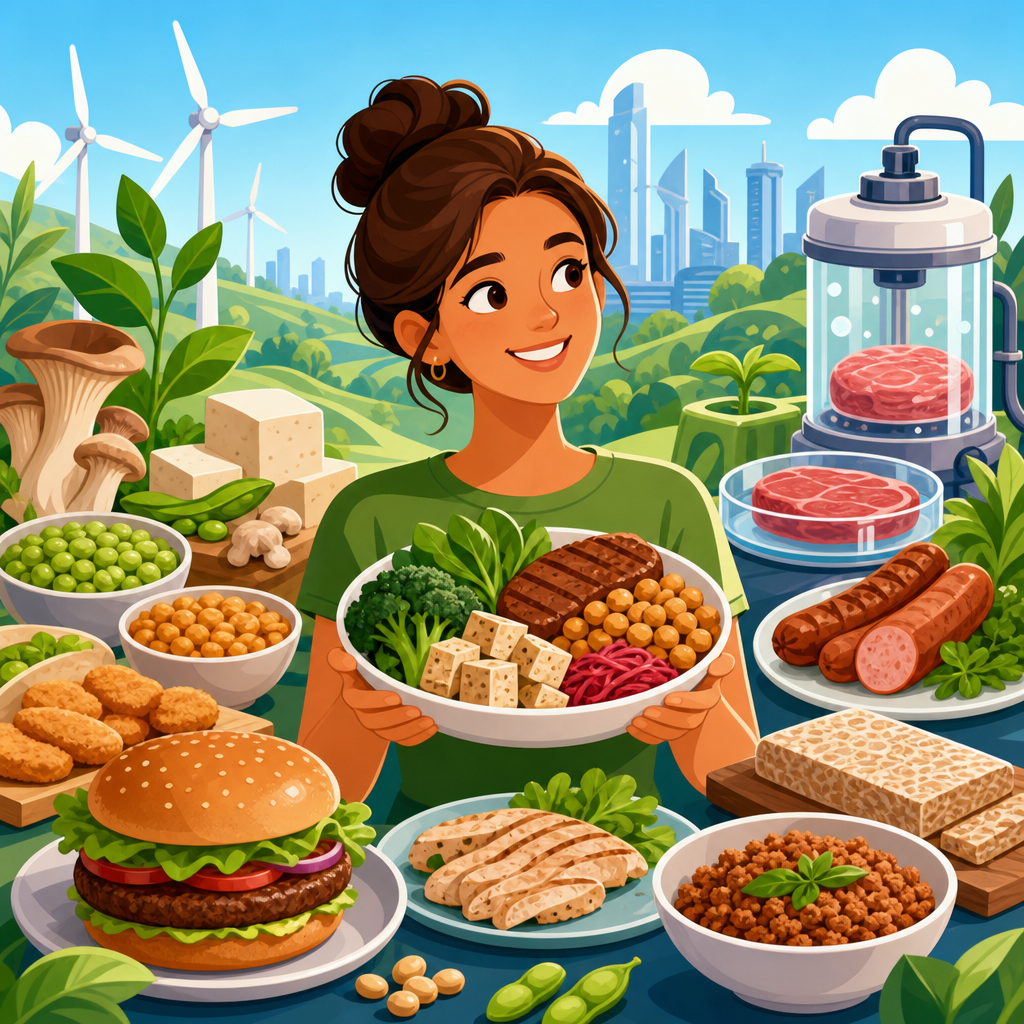
Alternative proteins fall into several major groups, each with distinct science and culinary strengths. Plant proteins include beans, lentils, peas, chickpeas, tofu, tempeh, edamame, seitan, textured vegetable protein, and newer plant-based meats built from isolated proteins, fats, and flavor systems. Fermentation-based proteins include traditional foods like tempeh as well as precision fermentation ingredients, where microorganisms produce specific proteins such as whey or casein without cows. Mycoprotein, made from filamentous fungi, is another fermentation-derived category with a fibrous texture that works well in cutlets, mince, and nuggets. Cultivated meat is grown from animal cells in controlled conditions rather than raising a whole animal. Algae and insect proteins remain smaller categories in many markets, but both offer strong protein potential and are used in powders, snacks, and feed applications.
These categories matter because they answer different consumer needs. If you want low-cost, minimally processed staples, lentils, tofu, and beans are still the most practical options. If you want a direct replacement for burgers, sausages, or chicken strips, plant-based analogs and mycoprotein products are easier transitions. If dairy is the issue, fermentation-derived proteins may eventually allow cheese, yogurt, and ice cream with familiar functionality but different production systems. Cultivated meat aims to satisfy people who want the sensory and nutritional profile of meat without conventional animal farming, but price and scale remain limiting factors. The future of alternative proteins is therefore plural, not singular. No one product will replace all meat, eggs, or dairy, and diets that successfully incorporate more alternative protein usually combine traditional staples with newer formats.
Why the Future of Alternative Proteins Is Expanding
Several forces are pushing the category forward at once. First is resource efficiency. Producing protein through legumes or microbial fermentation often uses less land than raising ruminant livestock, and in many life-cycle assessments it also lowers greenhouse gas emissions. Second is public health interest. Many consumers want to reduce saturated fat, diversify fiber intake, or shift away from heavily meat-centered diets without compromising protein intake. Third is supply resilience. Climate volatility, animal disease outbreaks, and feed price swings have exposed the fragility of concentrated protein systems. Alternative proteins create more pathways to produce food, which matters for national food security as much as for individual diets.
Investment and technology have also accelerated progress. High-moisture extrusion has improved the texture of plant-based meats. Precision fermentation has made it possible to produce specific functional proteins with greater consistency. Cell culture media, scaffolding, and bioreactor design are improving, even if cultivated meat remains early-stage. Retail expansion has broadened availability, while foodservice trials have introduced consumers to these products in low-friction settings. I have watched adoption rise fastest when products solve a practical problem: a frozen mycoprotein fillet that cooks like chicken on a weeknight, a pea-protein milk that works in coffee, or tofu pre-marinated for air fryer use. Convenience often drives dietary change more reliably than ideology.
Nutrition: How to Choose Better Alternative Proteins
The best alternative protein for your diet depends on protein quantity, amino acid quality, digestibility, fortification, sodium, fiber, and overall ingredient profile. Whole-food plant proteins such as beans, lentils, tofu, tempeh, and edamame deliver protein with fiber, minerals, and phytonutrients. Soy stands out because it is a complete protein with a strong amino acid profile. Mycoprotein also performs well and contributes fiber from fungal cell walls. Seitan is high in protein but low in lysine, so it works best alongside legumes. Plant-based meats can be useful transition foods, but they vary widely. Some offer 18 to 25 grams of protein per serving and are fortified with vitamin B12, iron, or zinc; others rely more on starches and coconut oil than meaningful protein density.
Consumers often ask whether alternative proteins are “healthy” or “ultra-processed.” The accurate answer is that processing alone does not determine nutritional value. Yogurt, tofu, and whole-grain bread are processed foods; that fact alone does not make them poor choices. What matters is the full nutritional profile and the role of the food in the diet. A black bean chili, tempeh stir-fry, or calcium-set tofu bowl is fundamentally different from a sodium-heavy imitation deli slice with little fiber. Read the label with specific questions in mind: How many grams of protein are in a realistic serving? Is the product high in saturated fat? Does it contain iron, B12, or calcium if you rely on it often? Does it fit your digestive tolerance and overall eating pattern?
| Protein type | Typical protein per serving | Key advantages | Best use |
|---|---|---|---|
| Lentils, cooked 1 cup | About 18 g | High fiber, low cost, versatile | Soups, curries, salads |
| Firm tofu, 3 ounces | About 9–12 g | Complete protein, adaptable texture | Stir-fries, scrambles, bowls |
| Tempeh, 3 ounces | About 15–18 g | Fermented, nutty flavor, dense texture | Sandwiches, grain bowls, sautés |
| Mycoprotein entrée | About 13–20 g | Meaty texture, good satiety | Nuggets, cutlets, mince dishes |
| Plant-based burger patty | About 14–21 g | Easy swap, familiar format | Burgers, wraps, meal prep |
How to Incorporate More Alternative Proteins Into Your Diet
The most effective strategy is substitution by meal type, not a total pantry overhaul. Start with dishes where protein is only one component, because changes are less noticeable. Replace half the meat in chili with lentils or textured vegetable protein. Use tofu cubes in curry, ramen, or peanut noodles. Swap one weekly chicken meal for mycoprotein cutlets or marinated tempeh. Blend white beans into pasta sauce for extra protein and creaminess. If breakfast is protein-light, add soy yogurt, a fortified plant milk, or a smoothie using pea or soy protein. These are small changes, but they build familiarity with flavors and cooking behavior, which is what drives long-term adoption.
Texture and seasoning determine success more than most beginners realize. Tofu needs pressing or a high-heat method if you want chew; tempeh benefits from steaming and marinating to soften bitterness; lentils need acid and aromatics so they do not taste flat. Plant-based meats should be treated like a convenience protein, not a universal health food. They are useful when speed matters, especially for people transitioning from meat-centered meals, but they work best alongside vegetables, whole grains, and legumes. One weekly pattern I often recommend is simple: one bean-based dinner, one soy-based dinner, one convenience dinner using a quality plant-based or mycoprotein product, and one mixed meal where meat is reduced rather than eliminated. That structure makes the future of alternative proteins manageable now.
Cost, Sustainability, and What Tradeoffs Matter
Cost remains one of the biggest determinants of whether people incorporate more alternative proteins into their diet. Whole-food options usually win on value. Dry lentils, split peas, black beans, and soy foods often deliver the lowest cost per gram of protein in the store. Newer branded meats, cheeses, and cultivated products are far more expensive because manufacturing, cold-chain logistics, and ingredient systems are still scaling. If your goal is affordability and sustainability together, begin with legumes and tofu, then use higher-cost analogs selectively for convenience or specific meals. This is how many households successfully reduce meat without raising grocery bills.
Sustainability claims also require nuance. Plant proteins generally perform well in land use and emissions comparisons, especially when replacing beef. Yet not every alternative protein automatically has a low footprint. Intensive processing, energy use, imported ingredients, refrigeration, and packaging all matter. Almond-based products raise separate water questions; coconut oil changes the saturated fat profile of some meat analogs; cultivated meat will depend heavily on energy sources and production efficiency as it scales. The sound approach is comparative, not absolute. Eating more beans, tofu, peas, and mycoprotein in place of resource-intensive meats is usually a meaningful step. Chasing novelty alone is not the same as building a sustainable diet.
Regulation, Labeling, and the Next Wave of Innovation
The future of alternative proteins will depend partly on regulation and consumer trust. In the United States, the FDA and USDA share oversight for cultivated meat, while conventional plant-based foods follow existing food safety and labeling rules. In Europe, novel food approval can shape the speed of new ingredient adoption. Labeling debates around terms like “milk,” “burger,” and “meat” may sound semantic, but they affect shopper understanding and market access. Clear allergen disclosure is especially important because soy, wheat, and some fermentation-derived ingredients can complicate choices for sensitive consumers. Trust increases when labels state protein content, fortification, ingredient sources, and cooking guidance plainly.
The next decade will likely bring better texture engineering, cleaner flavor systems, and more hybrid products rather than a single dramatic takeover. Expect more foods that combine legumes, grains, mushrooms, and fermentation-derived ingredients to improve taste and nutrition. Precision fermentation may expand dairy alternatives that melt, foam, or stretch more like conventional cheese and milk proteins. Cultivated meat, if it reaches competitive scale, may first appear in blended products where cell-cultured fat improves flavor while plant ingredients control cost. For most consumers, however, the future arrives through ordinary retail: better tofu formats, more reliable plant-based meal kits, higher-protein snacks, and school or workplace menus that normalize alternative proteins without making them feel like compromises.
Incorporating more of the future of alternative proteins into your diet does not require waiting for science fiction foods or abandoning everything familiar. It means understanding the categories available now, choosing nutritionally sound options, and using them where they make sense in real life. Beans, lentils, tofu, tempeh, mycoprotein, and well-formulated plant-based products already give most people enough variety to reduce dependence on conventional meat while supporting protein needs, budget goals, and sustainability priorities. Emerging technologies such as precision fermentation and cultivated meat may broaden those options, but the foundation is already in your grocery store and kitchen.
The key takeaway is simple: start with practical wins. Build meals around affordable staples, use convenience products strategically, read labels for protein quality and sodium, and match each product to the dish where it performs best. When people fail with alternative proteins, it is usually because they expect one product to do everything or they ignore preparation technique. When they succeed, they learn a few reliable swaps and repeat them until the foods become normal. That is how dietary shifts actually happen.
If you want to make your diet more future-ready, choose one meal this week and redesign it around an alternative protein. Then add a second. Small, consistent changes are what turn food innovation into everyday habit.
Frequently Asked Questions
What exactly are alternative proteins, and why are they becoming such an important part of the future of food?
Alternative proteins are protein-rich foods made from sources other than conventional animal meat. That includes whole foods like beans, lentils, peas, tofu, tempeh, and edamame, as well as newer categories such as mycoprotein made from fungi, algae-based ingredients, fermentation-derived proteins, cultivated meat, insect protein, and plant-based meat alternatives designed to replicate the taste and texture of beef, chicken, pork, or seafood. What makes this category so important is that it addresses several major concerns at once: personal nutrition, food system efficiency, environmental pressure, and long-term food security.
As the global population grows and consumers become more aware of the climate and resource demands of conventional livestock production, alternative proteins are increasingly viewed as practical tools rather than niche products. Many of these foods require less land, less water, and produce fewer greenhouse gas emissions than traditional meat, depending on how they are produced. They also give people more flexibility in how they eat, whether they want to reduce meat intake for health reasons, ethical concerns, budget considerations, or simple curiosity. The future of alternative proteins is not necessarily about eliminating animal foods overnight; it is more realistically about expanding the protein toolbox so everyday meals can be more diverse, resilient, and sustainable.
How can I start incorporating more alternative proteins into my diet without making my meals feel unfamiliar or restrictive?
The easiest way to add more alternative proteins to your diet is to start with substitution, not total reinvention. Instead of trying to overhaul your eating habits all at once, look at the meals you already enjoy and identify where an alternative protein can fit naturally. For example, lentils can replace part or all of the ground beef in tacos, chili, pasta sauce, or shepherd’s pie. Tofu can be added to stir-fries, curries, noodle bowls, and breakfast scrambles. Tempeh works well in sandwiches, grain bowls, and salads. Plant-based burgers, sausages, and chicken alternatives can also be used as convenient stand-ins when you want familiar flavors and textures.
Another smart strategy is to think in terms of “blended meals.” You do not have to go fully plant-based to benefit. You can mix mushrooms or lentils into meatballs, use half beef and half plant-based mince in a Bolognese, or add edamame to rice dishes and soups for extra protein. These kinds of gradual shifts are sustainable because they preserve the structure and comfort of meals you already know. Over time, your palate adjusts, your cooking confidence grows, and incorporating alternative proteins starts to feel normal rather than experimental.
It also helps to build around flexible meal formats. Grain bowls, wraps, salads, soups, curries, pasta dishes, and tacos are especially good because they can accommodate almost any protein source. If you keep a few staples on hand, such as canned beans, lentils, tofu, frozen edamame, hummus, nuts, seeds, and a favorite plant-based meat option, it becomes much easier to include alternative proteins several times a week without feeling like you are “on a diet.” The goal is convenience and consistency, not perfection.
Are alternative proteins actually nutritious, and how do they compare with traditional animal protein?
Alternative proteins can be highly nutritious, but the answer depends on the specific food. Whole-food options such as beans, lentils, peas, soy foods, nuts, seeds, and certain grains offer more than just protein. They often provide fiber, complex carbohydrates, vitamins, minerals, and phytonutrients that are largely absent from meat. Soy foods such as tofu, tempeh, and edamame are especially notable because they provide high-quality protein with a strong amino acid profile. Legumes are also excellent staples for heart health and digestive health because of their fiber content.
More processed products, such as plant-based burgers, nuggets, sausages, and deli slices, can also be useful, especially when convenience matters or when someone is transitioning away from conventional meat. However, they vary widely in nutrition. Some are fortified with vitamin B12, iron, or zinc and contain protein levels comparable to meat, while others may be higher in sodium or include added fats and stabilizers. That does not automatically make them unhealthy, but it does mean label reading matters. Looking at protein content, saturated fat, sodium, ingredient quality, and fortification can help you choose products that fit your goals.
It is also worth remembering that a healthy diet is not built on protein alone. If you are relying more heavily on plant-based and alternative proteins, pay attention to overall balance. Include a variety of sources to cover different amino acids and nutrients, and be mindful of nutrients that may need extra attention depending on your broader eating pattern, such as vitamin B12, iron, omega-3 fats, calcium, and iodine. For most people, alternative proteins can absolutely support a healthy diet when they are incorporated thoughtfully and as part of a varied meal pattern.
What are the best alternative protein foods to keep at home for easy everyday meal planning?
A practical alternative protein routine starts with a mix of shelf-stable, refrigerated, and frozen options so you always have something available no matter how busy the week gets. For pantry staples, canned beans, chickpeas, black beans, lentils, split peas, peanut butter, nuts, seeds, and high-protein pasta are excellent foundations. These foods are affordable, versatile, and easy to add to soups, stews, salads, wraps, grain bowls, and pasta dishes. They are also ideal for batch cooking, which makes it much easier to maintain a consistent habit.
In the refrigerator, tofu, tempeh, hummus, soy yogurt, and minimally processed plant-based products can be useful staples. Tofu is particularly adaptable because it can be baked, crumbled, sautéed, grilled, blended into sauces, or used in desserts and smoothies. Tempeh has a firmer texture and nutty flavor that works well in savory meals. If you enjoy convenience foods, keeping one or two well-chosen plant-based meat alternatives on hand can help on nights when you want speed and familiarity. In the freezer, edamame, veggie burgers, plant-based meatballs, and frozen legumes are all excellent time-savers.
For the most success, create a simple weekly structure. For instance, you might use beans in one soup, tofu in one stir-fry, lentils in one pasta sauce, and a plant-based burger for one quick dinner. Breakfast can include soy yogurt, chia pudding, nut butter toast, or a tofu scramble. Lunches can revolve around leftovers, hummus wraps, lentil salads, or grain bowls with edamame. When alternative proteins are integrated into a repeatable routine rather than treated as occasional specialty items, they become much easier to maintain as part of everyday eating.
Is the future of alternative proteins really about replacing meat completely, or is there a more realistic way to think about it?
For most people, the most realistic way to think about the future of alternative proteins is not total replacement but meaningful diversification. The conversation is often framed as a strict choice between conventional meat and alternatives, but in real life, eating patterns are usually more flexible. Many people are not looking to become fully vegetarian or vegan; they simply want more options that support health, lower environmental impact, and fit modern lifestyles. In that context, alternative proteins are best understood as an expansion of the menu rather than an all-or-nothing movement.
This matters because lasting dietary change is usually gradual. A person might begin by having one bean-based dinner a week, then switch to tofu in stir-fries, try a plant-based burger occasionally, or explore fermented or fungi-based proteins as new products become more available. Over time, those choices can reduce dependence on conventional meat without creating unnecessary pressure or friction. That kind of steady change is often more achievable, more enjoyable, and more durable than extreme dietary rules.
From a broader food systems perspective, diversification also improves resilience. Relying on a wider range of protein sources can help address challenges related to climate variability, supply chain disruptions, land use, and changing consumer preferences. For individuals, it creates more flexibility in meal planning and nutrition. So no, the future of alternative proteins does not have to mean removing all animal foods from every plate. A more practical and sustainable approach is to make room for more protein diversity, use the best options available for different situations, and build meals that are satisfying, nutritious, and realistic for everyday life.