The future of alternative proteins is no longer a fringe food trend; it is a central question in nutrition, agriculture, and public health. Alternative proteins include plant-based meat analogs, fermented proteins, mycoprotein, algae, insect protein, and cultivated meat grown from animal cells. In practical terms, these foods are designed to complement or replace part of the protein people currently get from livestock, seafood, dairy, and eggs. I have worked with food product teams evaluating ingredient labels, amino acid quality, and consumer adoption barriers, and one point is consistently clear: the discussion is not simply about replacing steak with a burger made from peas. It is about building a food system that can deliver enough high-quality protein while lowering pressure on land, water, climate, and biodiversity.
Protein matters because it supports muscle maintenance, immune function, enzymes, hormones, satiety, and healthy aging. Yet the source of protein matters too. Traditional animal agriculture provides complete proteins and essential micronutrients, but it also carries heavy environmental costs, particularly from beef and lamb production, manure management, feed conversion losses, and methane emissions. Alternative proteins aim to reduce those costs while preserving nutritional adequacy and culinary appeal. For consumers trying to build a healthy diet, the real issue is balance: which alternative proteins are genuinely nutritious, which are overly processed, and how should they fit beside beans, fish, poultry, eggs, dairy, and whole grains?
This hub article explains the role of the future of alternative proteins in a healthy diet by defining the main categories, evaluating their nutritional strengths and limitations, and showing where each is headed commercially. It also covers safety, labeling, affordability, and how families can use these foods realistically. If you want a practical answer up front, here it is: the healthiest future is not one magic protein source, but a diversified protein portfolio built around nutrient density, digestibility, affordability, taste, and lower environmental impact. That portfolio will almost certainly include more legumes, more fermentation-derived ingredients, more blended foods, and gradually, more novel proteins as regulation and scale improve.
What alternative proteins are and why they are expanding
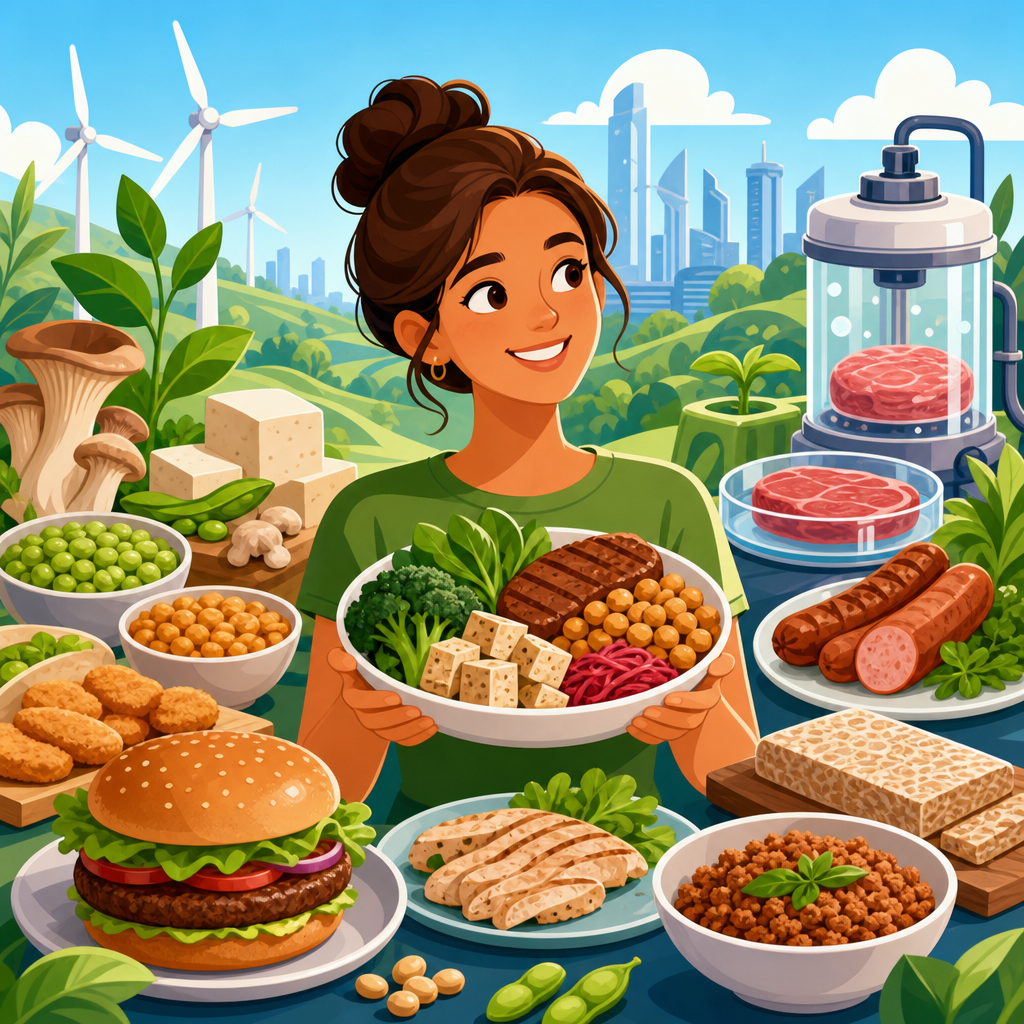
Alternative proteins are foods and ingredients that provide protein with less reliance on conventional animal farming. The broad categories are plant-based proteins, fermentation-derived proteins, mycoprotein, insect protein, algae, and cultivated meat. Plant proteins come from soy, peas, fava beans, lentils, chickpeas, wheat gluten, potato protein, and canola. Fermentation includes traditional biomass fermentation, precision fermentation that programs microbes to produce specific proteins such as whey or casein, and gas fermentation using carbon sources to grow microbial protein. Mycoprotein is a fungal biomass product, with Quorn being the best-known commercial example. Cultivated meat is produced by growing animal cells in controlled bioreactors rather than raising and slaughtering whole animals.
These categories are expanding for four practical reasons. First, global protein demand is rising with population growth, urbanization, and income gains. Second, food manufacturers need resilience against feed costs, disease outbreaks, and climate volatility. Third, retailers and foodservice operators want products that satisfy consumers seeking lower-meat or flexitarian diets. Fourth, investors and governments see strategic value in domestic protein production technologies. Singapore’s early cultivated meat approval, the European Union’s novel food pathway, and large U.S. investments in fermentation infrastructure all signal that alternative proteins are now part of serious food policy and industrial planning.
Consumer behavior also explains the shift. Most buyers are not strict vegetarians. They are trying to eat less meat without giving up familiar formats such as burgers, nuggets, yogurt, milk, or protein shakes. That is why alternative proteins often appear in direct substitutes rather than entirely new meal forms. In my experience reviewing product launches, the products that succeed usually solve a simple problem: they fit existing eating habits. A pea protein milk that works in coffee, a mycoprotein cutlet with a convincing bite, or a blended beef-mushroom meatball that reduces saturated fat can move faster than a nutritionally impressive ingredient that asks consumers to rethink every meal.
Nutritional value: what makes an alternative protein healthy
The healthiest alternative proteins are those that deliver adequate protein quality with favorable levels of fiber, unsaturated fat, vitamins, minerals, and sodium. Protein quality is commonly assessed by PDCAAS or DIAAS, which consider essential amino acid content and digestibility. Soy protein performs especially well and is often comparable to animal proteins in practical diet planning. Potato protein and some dairy proteins made through fermentation also score highly. Pea protein is useful and widely tolerated, though often lower in methionine. Wheat protein is lower in lysine and unsuitable for people with celiac disease. Combining protein sources, such as pea with rice or legumes with grains, improves amino acid balance.
Healthfulness also depends on the food matrix, not just grams of protein. A minimally processed tofu, tempeh, edamame, lentil pasta, or unsweetened soy yogurt can be excellent staples because they contribute protein along with fiber and phytonutrients. By contrast, some meat analogs achieve texture and flavor through refined starches, coconut oil, methylcellulose, and substantial sodium. Those products can still be useful, especially for replacing processed meat, but they should not automatically be treated as everyday nutritional equivalents to beans or fish. When I assess labels, I look beyond front-of-pack claims to protein per serving, saturated fat, sodium, added sugars, ingredient quality, and whether the food contributes meaningful micronutrients like iron, zinc, calcium, vitamin B12, and vitamin D.
Digestibility, allergies, and individual tolerance matter too. Soy is nutritionally strong but allergenic for some people. Pea protein avoids common allergens, yet certain products can have earthy notes or digestive issues if formulated poorly. Mycoprotein offers protein and fiber with a meat-like structure, although fungal sensitivity can occur in rare cases. Insect protein is nutrient dense, but shellfish-allergic individuals may react because of shared proteins. Healthy use therefore means matching the protein source to personal needs, just as clinicians tailor diets around lactose intolerance, kidney disease, or sports recovery requirements.
How major alternative protein categories compare
Each category has a distinct role in the future healthy diet. Plant-based proteins are commercially mature, widely available, and generally the easiest entry point for consumers. Fermentation-derived proteins are advancing quickly because they can produce targeted ingredients with high functionality, such as animal-free whey for beverages or egg proteins for baking. Mycoprotein stands out for texture and satiety. Algae and insect proteins remain more niche in Western markets but have strong nutritional potential. Cultivated meat offers familiarity and the possibility of real animal tissue without conventional slaughter, but it still faces major scaling and cost hurdles.
| Category | Main strengths | Main limitations | Best diet role |
|---|---|---|---|
| Plant-based proteins | Accessible, affordable, fiber in many formats, established supply chains | Variable amino acid balance, some products high in sodium or saturated fat | Daily staples and meat reduction |
| Fermentation-derived proteins | Precise functionality, strong protein quality, lactose-free animal-equivalent options | Higher cost, regulatory complexity, consumer confusion | Dairy and egg replacement, high-protein foods |
| Mycoprotein | Good texture, fiber, relatively low saturated fat | Allergen sensitivity for some, limited brand diversity | Center-of-plate meat alternatives |
| Algae and insect proteins | Nutrient density, efficient production potential | Taste acceptance, labeling, cultural barriers | Powders, specialty foods, feed and ingredients |
| Cultivated meat | Real animal cells, familiar sensory target, potential ethical benefits | Scale, cost, energy demand, regulatory approval | Future premium and hybrid products |
The most realistic future is not winner-take-all. Plant proteins will keep leading volume, fermentation will power ingredients behind the scenes, and cultivated meat will likely begin in premium, blended, or foodservice formats rather than replacing commodity meat quickly. This matters for healthy diets because availability drives behavior. A nutritious protein cannot improve public health if it remains too expensive, too unfamiliar, or too difficult to cook.
Alternative proteins and long-term health outcomes
For long-term health, the strongest evidence still supports diets rich in legumes, nuts, seeds, and minimally processed soy foods. Large dietary pattern research, including Mediterranean-style and plant-forward eating models, links these foods with lower cardiovascular risk, better weight management, and improved metabolic health. Replacing processed red meat with beans, soy foods, or nuts generally improves dietary quality by reducing saturated fat and increasing fiber. That is the clearest immediate health role for alternative proteins: helping people shift away from the highest-risk protein choices without reducing total protein intake.
Processed meat alternatives require a more nuanced view. They can be a better choice than bacon, sausage, or high-fat burgers, especially when they lower heme iron exposure, saturated fat, and caloric density. But not every plant-based burger is heart healthy. Some rely heavily on coconut oil and contain sodium levels similar to or higher than the meat products they replace. The right comparison is therefore specific. A black bean patty with whole ingredients is nutritionally different from a heavily engineered burger, and a fermented dairy protein beverage is different again. Consumers should ask, healthier than what, and for what purpose: everyday meals, athletic recovery, or convenience eating?
For older adults, athletes, and people on GLP-1 medications who may eat less overall, protein density becomes especially important. In these cases, high-quality alternative proteins can support muscle preservation if leucine content, digestibility, and total intake are adequate. Fortified soy beverages, tofu, tempeh, and blended protein products often work well. I regularly recommend a food-first approach, but strategically using alternative protein shakes or yogurts can help close gaps when appetite, time, or chewing ability is limited.
Sustainability, affordability, and the real barriers to adoption
Environmental performance is a major driver of interest, but it must be discussed honestly. Many plant proteins have significantly lower greenhouse gas emissions, land use, and water use than beef, according to life-cycle assessments from groups such as Poore and Nemecek and data synthesized by Our World in Data. Soybeans, peas, and mycoprotein typically outperform ruminant meat on climate metrics by a wide margin. However, not every alternative protein is automatically low impact. Energy use in controlled fermentation and cultivated meat facilities can be substantial, especially if electricity is not low carbon. Packaging, cold-chain storage, and ingredient sourcing also affect total impact.
Affordability remains the decisive barrier. Dry beans, lentils, tofu, and peanut butter are among the best-value proteins in the supermarket. Many next-generation products are not. A family may support sustainability goals in principle but still choose chicken thighs if plant-based nuggets cost much more per serving. That is why the near-term future likely favors a split market: whole-food proteins for value and health, plus premium alternative products for convenience and sensory parity. Public procurement, school meals, hospital menus, and workplace cafeterias can accelerate adoption by normalizing lower-cost, protein-diverse meals at scale.
Trust is another barrier. Consumers want to know whether novel proteins are safe, how they are made, and whether labels are transparent. Companies that explain inputs, processing, allergens, and nutrition clearly perform better over time than brands that lean only on climate messaging. In my experience, people are open to innovation when the benefits are concrete and the ingredient story is understandable. Precision-fermented whey described as a milk-identical protein made without cows is easier to grasp than vague claims about food technology.
What the future looks like for a healthy diet
The future of alternative proteins in a healthy diet will be hybrid, not absolute. Households will combine whole legumes, soy foods, nuts, seeds, dairy or dairy alternatives, eggs, seafood, and selected novel proteins based on budget, culture, and health goals. More products will be blended rather than purely substituted: beef-mushroom burgers, chicken with plant protein extenders, yogurts enriched with fermentation-derived protein, and pasta or bread boosted with legume flours. This hybrid model is commercially practical because it improves nutrition and environmental performance without demanding a complete break from familiar foods.
Expect sharper product segmentation. One group of products will focus on clean labels and everyday wellness, emphasizing tofu, tempeh, edamame, lupin, fava, and simple fermented foods. Another will target high performance with fortified beverages, shakes, and bars using soy isolate, pea protein, or precision-fermented dairy proteins. A third will pursue sensory realism through cultivated fat, heme-like flavor systems, extrusion technology, and mycelium structures. Regulation will shape the speed of all three. Agencies such as the FDA, USDA, EFSA, and the Singapore Food Agency will continue to influence safety review, naming, and market access.
The practical takeaway is straightforward. Build your protein strategy around foods you can eat consistently, enjoy, and afford. Prioritize minimally processed alternative proteins first, use more engineered products strategically, and watch sodium, saturated fat, and fortification levels. The future of alternative proteins is promising because it expands choice, improves resilience, and can make healthy eating more sustainable. Start with one or two swaps that fit your routine, such as tofu in stir-fries, lentils in pasta sauce, or a well-formulated plant or fermentation-based yogurt. Small, repeatable changes are what turn food innovation into better public health.
Frequently Asked Questions
1. What are alternative proteins, and why do they matter for a healthy diet?
Alternative proteins are foods and ingredients designed to provide protein from sources other than traditional livestock. This category includes plant-based meat alternatives made from soy, pea, wheat, or fava protein; mycoprotein derived from fungi; proteins made through fermentation; algae-based proteins; insect protein; and cultivated meat grown from animal cells. They matter because they expand the range of ways people can meet their protein needs while also potentially improving diet quality, food system resilience, and long-term sustainability.
From a nutrition perspective, alternative proteins can help people diversify their amino acid sources and reduce overreliance on a small number of animal foods. Many of these products also bring additional nutritional benefits, such as fiber, unsaturated fats, and useful micronutrients, depending on how they are formulated. Plant-forward eating patterns in particular are consistently linked with better cardiometabolic health when they emphasize whole or minimally processed foods alongside adequate protein intake. At the same time, not all alternative proteins are nutritionally identical, so it is important to judge them by their full nutrition profile rather than assuming they are automatically healthier simply because they are new or meat-free.
They also matter because the future of food is not just about individual choice. It is about how to feed growing populations with a mix of foods that supports public health, environmental goals, affordability, and cultural preferences. Alternative proteins are increasingly viewed as practical tools that can complement traditional protein sources rather than replace them entirely. For many households, the healthiest approach will be a flexible one: using alternative proteins to add variety, improve balance, and create meals that fit both nutritional needs and everyday life.
2. Are alternative proteins actually healthy, or are they too processed to be good for you?
The honest answer is that alternative proteins are not all the same. Some are highly nutritious and can fit very well into a healthy diet, while others are best treated as occasional convenience foods. Processing itself is not automatically a problem. Yogurt, tofu, canned beans, and whole-grain bread are all processed foods, yet they can absolutely support health. What matters more is the product’s overall nutritional quality: how much protein it provides, the type of fat it contains, whether it is high in sodium, how much fiber it offers, and whether it includes helpful nutrients such as iron, vitamin B12, zinc, or calcium.
For example, tofu, tempeh, edamame, and many bean-based foods are excellent alternative proteins with strong nutritional value and relatively simple ingredient lists. Mycoprotein products can also be a good source of protein and fiber. Some newer meat analogs are engineered to closely mimic the texture and flavor of beef, chicken, or sausage, and while they can help people reduce red or processed meat intake, they may also be relatively high in sodium or include long ingredient lists. That does not mean they should be avoided completely; it simply means they should be evaluated in the same way you would assess any packaged food.
A practical rule is to look at the nutrition facts and ingredients with the same care you would use for any protein source. Ask whether the product delivers meaningful protein per serving, whether it fits your calorie needs, and whether its sodium and saturated fat levels are reasonable. Also consider what role it plays in the meal. A plant-based burger served with vegetables, beans, and whole grains can support a balanced pattern of eating. So can a tofu stir-fry or lentil pasta. In short, alternative proteins can be healthy, but healthfulness depends on the specific food, portion size, and the overall quality of the diet.
3. Can alternative proteins provide complete protein and all the nutrients the body needs?
Many alternative proteins can provide complete protein, but the answer depends on the source. Complete proteins contain all nine essential amino acids in sufficient amounts. Soy foods such as tofu, tempeh, and soy milk are complete proteins. Mycoprotein also has a strong amino acid profile. Cultivated meat, because it is grown from animal cells, is expected to provide protein in a way that is nutritionally similar to conventional meat, although final nutrition profiles will vary by product. Some fermented proteins may also offer highly usable amino acid profiles depending on how they are produced.
Plant proteins vary more widely. Pea protein, wheat protein, rice protein, and proteins from legumes or grains can all contribute substantially to protein intake, but they may differ in one or more amino acids. In real-world eating, this usually is not a major problem for people who consume a variety of foods across the day. Beans with grains, soy with vegetables, nuts with legumes, and other combinations can easily help meet amino acid needs without requiring meticulous meal planning. The old idea that every plant protein has to be paired in the same meal is outdated; what matters most is total variety and adequate intake over time.
Protein is only part of the story, though. People also need iron, zinc, vitamin B12, calcium, iodine, omega-3 fats, and other nutrients that are sometimes abundant in animal foods. Some alternative protein products are fortified to help fill those gaps, and that can be very useful. Others are not. If someone is relying heavily on alternative proteins while eating little or no meat, dairy, seafood, or eggs, it becomes especially important to pay attention to nutrients such as B12, iron, and omega-3s. A healthy diet built around alternative proteins is absolutely possible, but it works best when it includes a mix of whole foods, fortified foods where appropriate, and awareness of any nutrients that may need extra attention.
4. How can someone include alternative proteins in meals without sacrificing taste, nutrition, or satisfaction?
The easiest way is to think of alternative proteins as additions to the menu, not just substitutes. Many people struggle when they expect every plant-based or novel protein food to taste exactly like the animal product it is replacing. A better strategy is to choose the right alternative protein for the right job. Tofu works beautifully in stir-fries, curries, and grain bowls because it absorbs flavor well. Tempeh adds a firm, nutty texture to salads, sandwiches, and roasted vegetable dishes. Lentils and beans are excellent in soups, tacos, pasta sauces, and chili. Mycoprotein and some fermented protein products can work well in familiar formats such as cutlets, mince, or nuggets when convenience is important.
For nutrition and satisfaction, meal structure matters. Protein should be paired with fiber-rich carbohydrates, healthy fats, and plenty of produce. For example, a balanced meal could include a bean and quinoa bowl with avocado and vegetables, a tofu and broccoli stir-fry over brown rice, or a whole-grain wrap filled with mycoprotein pieces, hummus, and salad. This combination supports fullness, steadier energy, and better overall nutrient intake than focusing on protein alone. Seasoning, texture, and cooking method also make a big difference. Marinating tofu, roasting tempeh, crisping plant-based proteins in a skillet, or using savory ingredients such as garlic, ginger, herbs, and umami-rich sauces can turn a neutral protein into a satisfying centerpiece.
It can also help to take a gradual approach. Instead of fully replacing all animal proteins at once, many people do better by starting with one or two swaps per week. Try blending lentils into a meat sauce, using half mushrooms and half plant-based mince in tacos, or rotating in a plant-based lunch a few times each week. This makes the transition easier, keeps meals enjoyable, and allows people to discover which products and recipes genuinely work for their routine. Long-term healthy eating is not about forcing dramatic change. It is about building a pattern that is nourishing, realistic, and enjoyable enough to maintain.
5. What role will alternative proteins likely play in the future of nutrition and public health?
Alternative proteins are likely to play a significant role in the future because they sit at the intersection of diet quality, food security, agricultural efficiency, and chronic disease prevention. As populations grow and health systems continue to deal with high rates of obesity, cardiovascular disease, type 2 diabetes, and diet-related illness, there is increasing interest in protein sources that can support healthier eating patterns without placing as much pressure on land, water, and supply chains. That does not mean alternative proteins are a single solution, but they are becoming an important part of a broader strategy for improving how food is produced and consumed.
From a public health standpoint, one of the most promising aspects is flexibility. Alternative proteins can help reduce dependence on processed meats and excessive red meat intake in populations where those are overconsumed, while still giving people familiar meal formats and adequate protein. They may also improve access to protein in regions where traditional animal protein is expensive, limited, or vulnerable to supply disruptions. Fermentation-derived proteins, algae, and other emerging technologies could eventually allow for more scalable production with targeted nutritional profiles, including products designed to deliver specific amino acids or micronutrients more efficiently.
Still, the future impact will depend on quality, affordability, regulation, and consumer trust. If alternative proteins are nutritionally strong, reasonably priced, widely available, and transparent in labeling, they can become a meaningful part of healthy dietary patterns. If they remain niche, expensive, or heavily dependent on formulations that do not compare well nutritionally, their impact will be more limited. The most realistic outlook is that the