Organic and conventional foods sit at the center of modern grocery choices, yet many shoppers still struggle to explain what separates them beyond labels and price. In food science, organic refers to a regulated production system that limits synthetic pesticides, prohibits most synthetic fertilizers, restricts antibiotics and growth hormones in livestock, and emphasizes soil health, biodiversity, and ecological balance. Conventional food is the broader standard system used across modern agriculture, relying on a wider toolbox that can include synthetic crop protection products, mineral fertilizers, advanced genetics, irrigation, mechanization, and tightly managed animal health programs. Understanding organic vs. conventional foods matters because the choice affects nutrition perceptions, pesticide exposure, environmental outcomes, farm economics, and household budgets. I have worked with food labeling reviews, supplier questionnaires, and agricultural sourcing teams, and the biggest source of confusion is that people expect a simple good-versus-bad answer. The reality is more useful and more nuanced. Organic and conventional systems each have strengths, limitations, and tradeoffs that become clearer when you look at standards, farming methods, safety rules, and evidence from long-term research. This guide explains those differences in plain language so readers can make informed decisions, compare products intelligently, and navigate the broader conversation about health, sustainability, and trust in the food system.
What organic and conventional really mean
Organic food is not just food grown “naturally.” In most markets, it is a legally defined claim tied to certification. In the United States, the USDA National Organic Program sets production and labeling rules. Farmers must avoid most synthetic pesticides and fertilizers for at least three years before harvest on certified land, use approved substances from the National List, maintain buffers to reduce contamination risk, and document practices in an organic system plan. Livestock standards require organic feed, outdoor access, and strict limits on antibiotic use. In the European Union, similar principles apply under EU organic regulations, though detailed rules differ by region and product category. Conventional food, by contrast, follows general agricultural and food safety law without the extra restrictions required for organic certification.
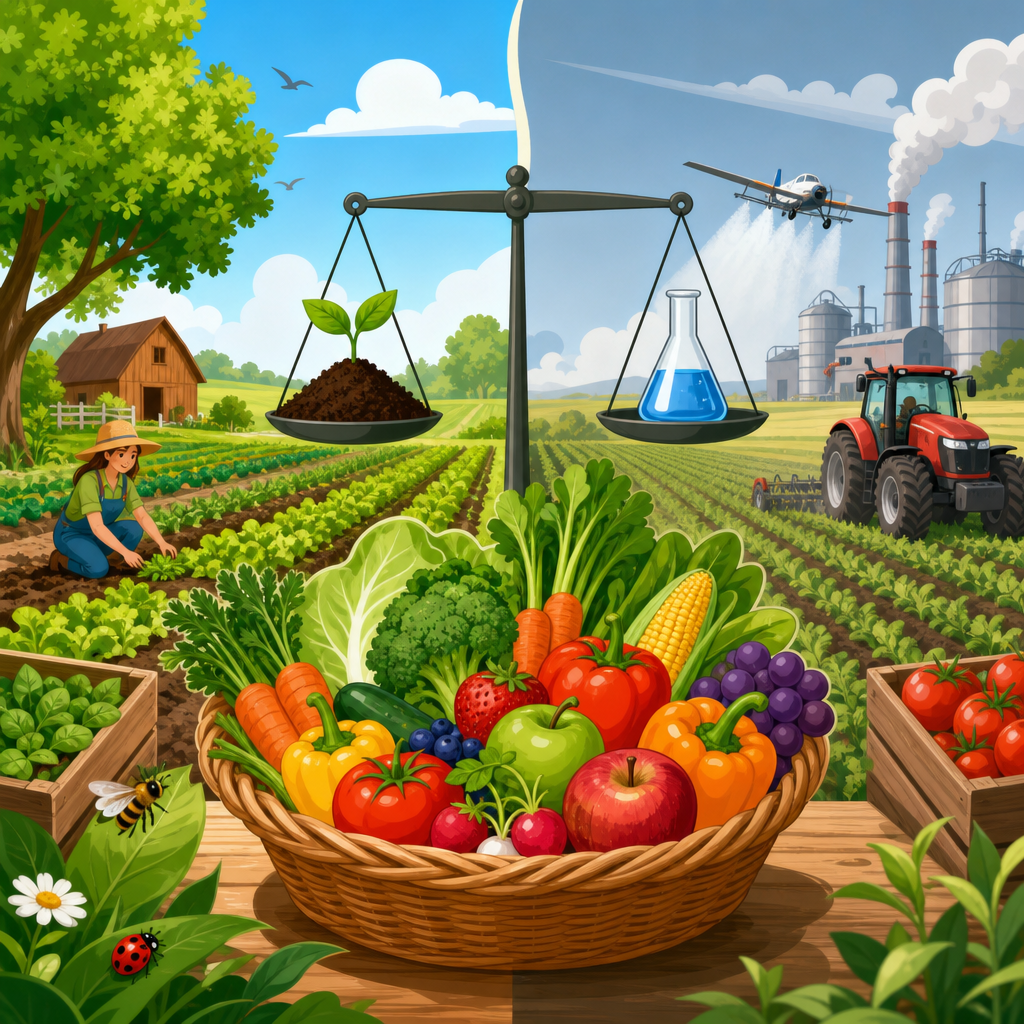
That distinction is critical because “conventional” does not mean unregulated. Conventional farms are subject to pesticide registration rules, residue tolerances, worker protection standards, animal health laws, water rules, and food safety requirements. A conventional apple grower may use integrated pest management, pheromone disruption, selective sprays, drip irrigation, and soil testing. An organic apple grower may use mating disruption, copper or sulfur products, biological controls, resistant varieties, and mechanical weed management. Both are farming systems. Both aim to produce safe food. The difference is in the allowed inputs, management philosophy, certification burden, and often the cost structure.
Labels also matter. “100% organic” generally means every ingredient and processing aid is certified organic, with narrow exceptions. “Organic” usually means at least 95 percent organic ingredients. “Made with organic ingredients” is a different claim and does not mean the entire product is organic. Conventional foods may carry other claims such as non-GMO, regenerative, local, pesticide-free, or raised without antibiotics, none of which automatically make them organic. As a hub topic, organic vs. conventional foods includes crop production, animal agriculture, processing, labeling, environmental science, and consumer behavior, so a useful comparison has to look across the full system rather than one slogan on a package.
How farming practices differ from field to shelf
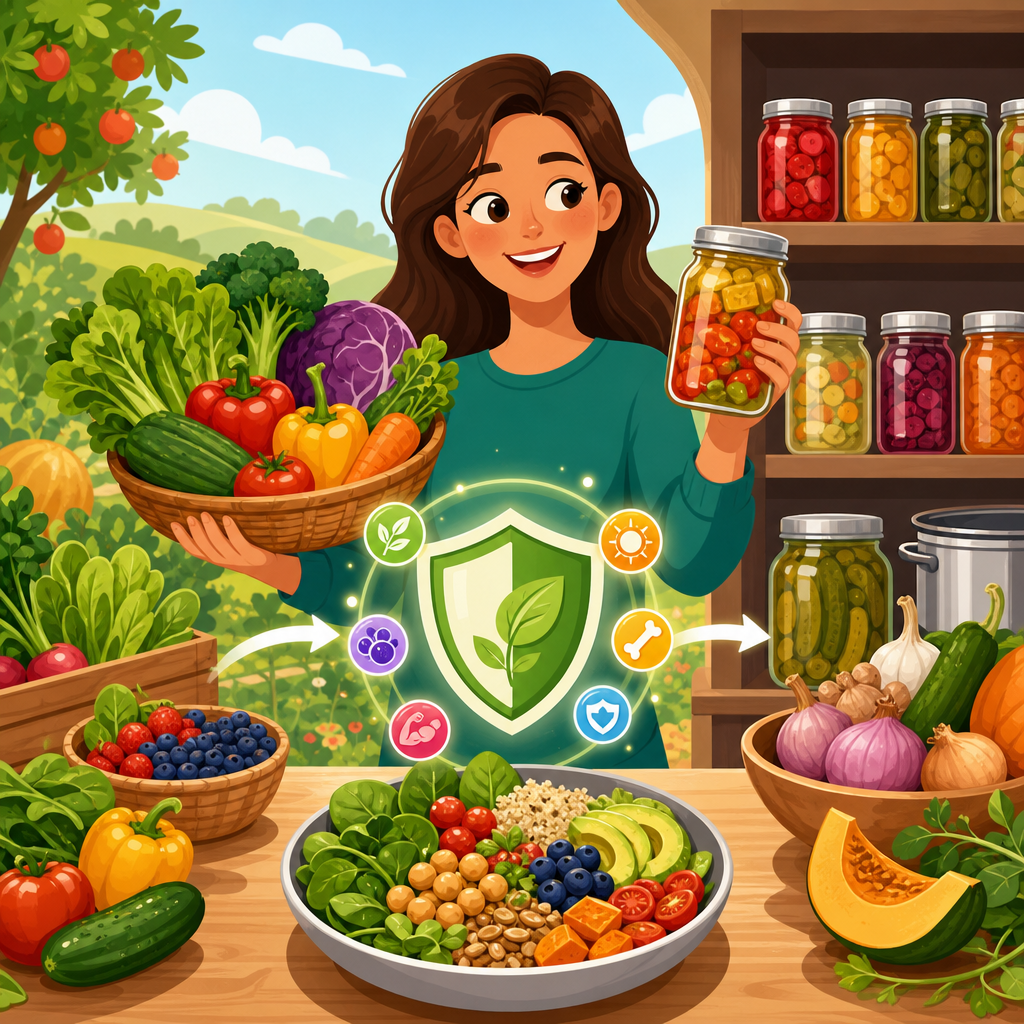
The most practical way to compare organic vs. conventional foods is to examine how the two systems manage fertility, pests, weeds, disease, livestock, and postharvest handling. Organic systems build fertility through crop rotation, cover crops, compost, manure, and approved mineral amendments. Their objective is to feed the soil food web and improve long-term structure, organic matter, and nutrient cycling. Conventional systems may also use cover crops and compost, but they can supplement with synthetic nitrogen, phosphorus, and potassium fertilizers in precisely timed applications. In high-yield crops such as corn or lettuce, that flexibility often supports more predictable output and lower unit costs.
Pest and weed control create the most visible contrast. Organic farmers typically rely on prevention first: crop rotation, resistant varieties, timing adjustments, habitat for beneficial insects, mulching, flame weeding, cultivation, and targeted approved sprays if needed. Conventional farmers also use prevention, but they have access to a larger range of herbicides, fungicides, and insecticides, which can reduce crop losses and labor requirements. From field experience, weed pressure is one of the hardest operational challenges in organic production because mechanical cultivation takes fuel, labor, and favorable weather, and one missed pass can cut yield significantly.
Animal agriculture follows a similar pattern. Organic dairy and poultry operations must source organic feed, provide defined living conditions, and avoid routine antibiotic use. If a dairy cow needs antibiotics to treat illness, that animal must be treated, but its milk can no longer be sold as organic. Conventional producers can use antibiotics under veterinary oversight to protect animal health and manage disease, although practices vary widely by farm and species. Many conventional programs now limit medically important antibiotics because retailers, consumers, and public health guidance increasingly favor stewardship.
Processing and distribution add another layer. Certified organic foods must be protected from commingling with nonorganic products, and processors need verified ingredient sourcing, sanitation controls, and audit trails. Conventional supply chains also use traceability systems, but the segregation demands are generally lower. These operational differences help explain why organic food often costs more: certification fees, recordkeeping, separate handling, labor-intensive weed control, and lower average yields all affect price before a product reaches the shelf.
Nutrition, food safety, and pesticide exposure
One of the most common questions is whether organic food is more nutritious. The short answer is that organic and conventional foods are broadly similar in core nutrients, but differences can exist depending on crop variety, soil, weather, freshness, and farming method. Reviews of the scientific literature have found some organic crops contain higher average levels of certain polyphenols, while conventional crops may sometimes show slightly higher protein or specific mineral values. These variations are real but usually smaller than consumers expect. Eating more fruits, vegetables, legumes, and whole grains matters far more than choosing only one production system.
Food safety is another area where nuance matters. Organic does not mean safer by default, and conventional does not mean unsafe. Both systems can produce contamination risks if handling is poor. Pathogens such as Salmonella, E. coli, and Listeria are not prevented simply by the production label. Safety depends on water quality, sanitation, manure management, worker hygiene, cold chain control, and processing standards. Regulations such as the Food Safety Modernization Act in the United States apply across food production and are especially important for fresh produce and ready-to-eat foods.
Pesticide exposure is where organic and conventional foods differ most consistently. Organic production generally results in lower detectable residues of synthetic pesticides on food. That said, residue detection is not the same as hazard. Conventional foods sold legally must comply with residue tolerances established by regulators after toxicological review, including safety margins. Programs such as the USDA Pesticide Data Program routinely show that the vast majority of sampled foods fall below established limits. For consumers who want to reduce exposure where practical, washing produce under running water, peeling when appropriate, and varying the diet are sensible steps regardless of whether food is organic or conventional.
| Topic | Organic Foods | Conventional Foods |
|---|---|---|
| Certification | Third-party certified to defined production rules | General food and agriculture regulations apply |
| Pest control | Prevention, biological controls, approved inputs | Broader set of synthetic and non-synthetic tools |
| Fertility | Rotations, compost, manure, approved minerals | Organic amendments plus synthetic fertilizers if desired |
| Residues | Typically lower synthetic pesticide residues | Usually within legal tolerance limits |
| Price | Often higher because of labor, yield, and segregation costs | Often lower due to scale and input flexibility |
Environmental impact, sustainability, and yield tradeoffs
Environmental comparisons between organic and conventional foods are more complex than many headlines suggest. Organic farming often performs well on measures tied to biodiversity, pollinator habitat, soil organic matter, and reduced use of synthetic nitrogen and synthetic pesticide inputs. Diverse rotations and cover crops can improve soil structure, water infiltration, and resilience. On mixed farms, manure cycling and lower stocking density can support nutrient management goals. These are meaningful strengths, and they explain why organic systems are often highlighted in sustainability discussions.
However, environmental performance cannot be judged by input rules alone. Yield matters because land use matters. Meta-analyses commonly report that organic yields are lower on average than conventional yields, although the gap varies by crop, region, and management quality. Lower yields can mean more land is needed to produce the same amount of food, which may offset some environmental gains if additional land conversion occurs. In water-limited systems, tillage used for weed control can also increase erosion risks if not carefully managed. Conventional systems, especially those using precision agriculture, no-till, variable-rate fertilizer application, and targeted crop protection, can achieve high output with reduced resource loss per unit of food.
Climate impacts also depend on context. Synthetic nitrogen fertilizer can drive nitrous oxide emissions and energy use in conventional systems, but organic systems can generate emissions through tillage, manure handling, and lower productivity. A fair comparison looks at greenhouse gas emissions per hectare and per kilogram of food, not just whether a farm uses synthetic inputs. In practice, the best sustainability results often come from combining strong agronomy with measurable outcomes: healthier soils, efficient nutrient use, fewer losses to water, lower waste, and durable yields. That is why many researchers and buyers now focus on outcomes-based metrics rather than assuming one label answers every environmental question.
Cost, accessibility, and how shoppers should decide
Price is the most immediate difference consumers notice. Organic foods often carry a premium because certification, labor, lower yields, separate storage, and smaller production volumes raise costs. Premiums vary widely. Fresh berries, leafy greens, and dairy can show substantial gaps, while dry beans, oats, or some private-label items may be closer in price. Availability also differs by location. Urban supermarkets may offer broad organic ranges, while rural or lower-margin stores may stock only a few basics. For many households, the main barrier is not interest but budget.
That is why practical decision-making matters more than ideology. If a family can afford some organic foods but not all, prioritizing frequently eaten items or products where label claims align with personal values makes sense. Parents may choose organic milk, eggs, or baby food. Other shoppers may buy conventional frozen vegetables because they are affordable, nutritious, and reduce spoilage. From a public health perspective, a diet rich in produce is beneficial whether it is organic or conventional. The worst outcome is avoiding fruits and vegetables because the “perfect” option feels too expensive or confusing.
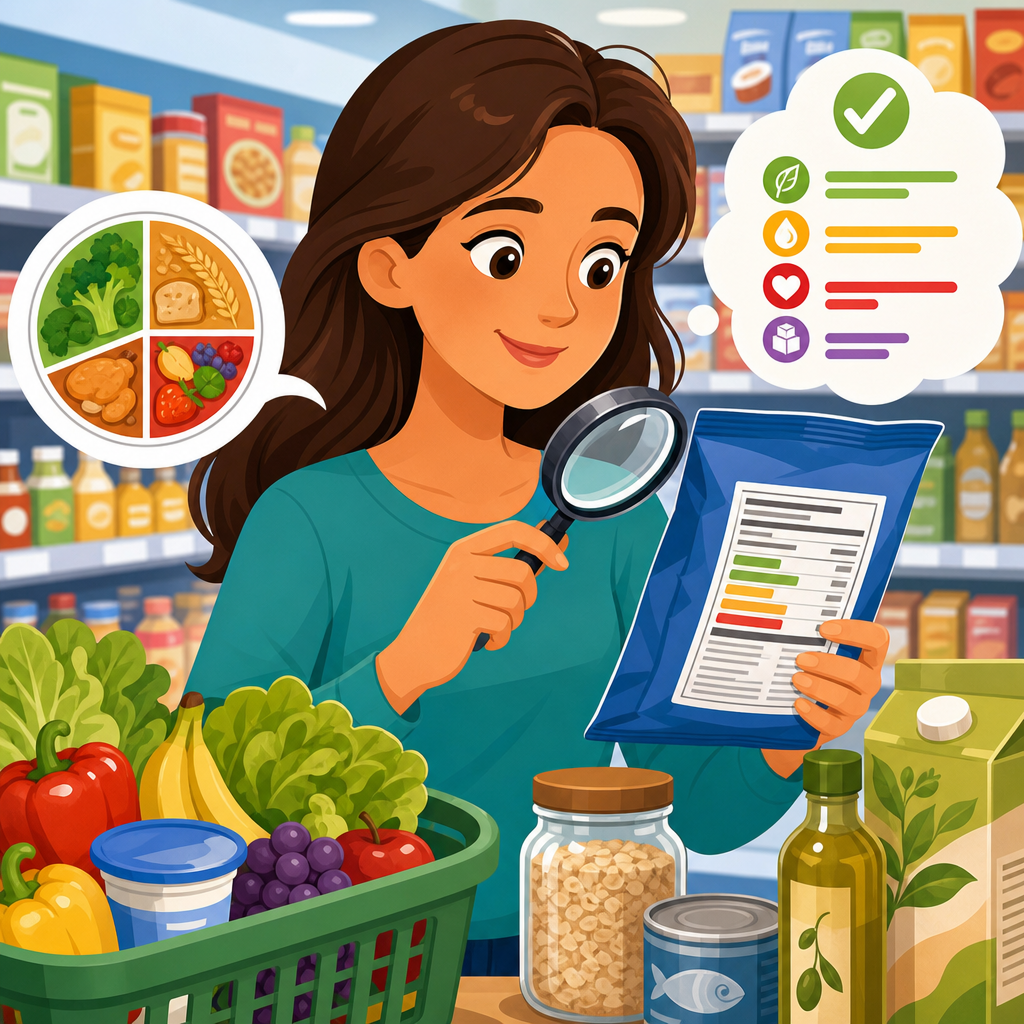
Reading labels carefully helps. Organic certification verifies a production standard, but it does not guarantee better taste, higher nutrition in every case, lower carbon footprint, local origin, or minimal processing. An organic cookie is still a cookie. A conventional canned tomato may still be an excellent pantry choice. Taste often depends more on cultivar, ripeness, season, storage time, and handling than on production system alone. When I evaluate products, I tell consumers to ask five direct questions: What does the label certify, what problem am I trying to solve, what can I afford consistently, how perishable is this item, and does this purchase support the kind of farming outcome I value most?
What this hub topic connects to next
As a hub within Food Science and Sustainability, organic vs. conventional foods links to several deeper topics worth exploring. One branch is pesticide science: how residues are tested, what tolerance levels mean, and how hazard differs from exposure. Another is soil health, including cover crops, compost, microbial activity, and nutrient density claims. A third is livestock systems, where questions about antibiotics, pasture access, animal welfare, and feed sourcing deserve separate treatment. Processing is another major area because ultra-processed foods, additives, preservation methods, and ingredient sourcing affect health and sustainability regardless of whether a product is organic.
Shoppers also benefit from understanding life-cycle assessment, food miles, seasonal eating, and waste reduction. A local conventional tomato in season may have different environmental implications than an imported organic tomato grown in heated conditions. Likewise, frozen conventional spinach that gets eaten is often a more sustainable choice than fresh organic spinach that spoils in the refrigerator. This broader systems view is the best lens for future reading because it avoids false binaries and focuses on measurable outcomes that matter in the real world.
Organic vs. conventional foods is not a debate with one universal winner; it is a comparison of two regulated, evolving food production systems with different tools, costs, and priorities. Organic standards restrict synthetic inputs, require certification, and often support biodiversity and soil-focused management. Conventional agriculture offers flexibility, scale, and usually lower prices, while still operating under food safety and pesticide regulations. Nutritionally, the two are more similar than many claims imply. In safety terms, both can produce safe food when managed well, and both can fail if basic controls are ignored. The clearest consistent difference is lower synthetic pesticide residues in organic foods, balanced against higher prices and, in many cases, lower yields. For consumers, the smartest approach is not purity but strategy: buy more fruits, vegetables, legumes, and whole grains; use organic options where they fit your budget and values; and evaluate labels with a clear understanding of what they do and do not guarantee. If you are building a more sustainable, informed kitchen, use this guide as your starting point, then explore the connected topics on residues, soil health, livestock systems, processing, and food waste to make choices grounded in evidence rather than marketing.
Frequently Asked Questions
What is the main difference between organic and conventional foods?
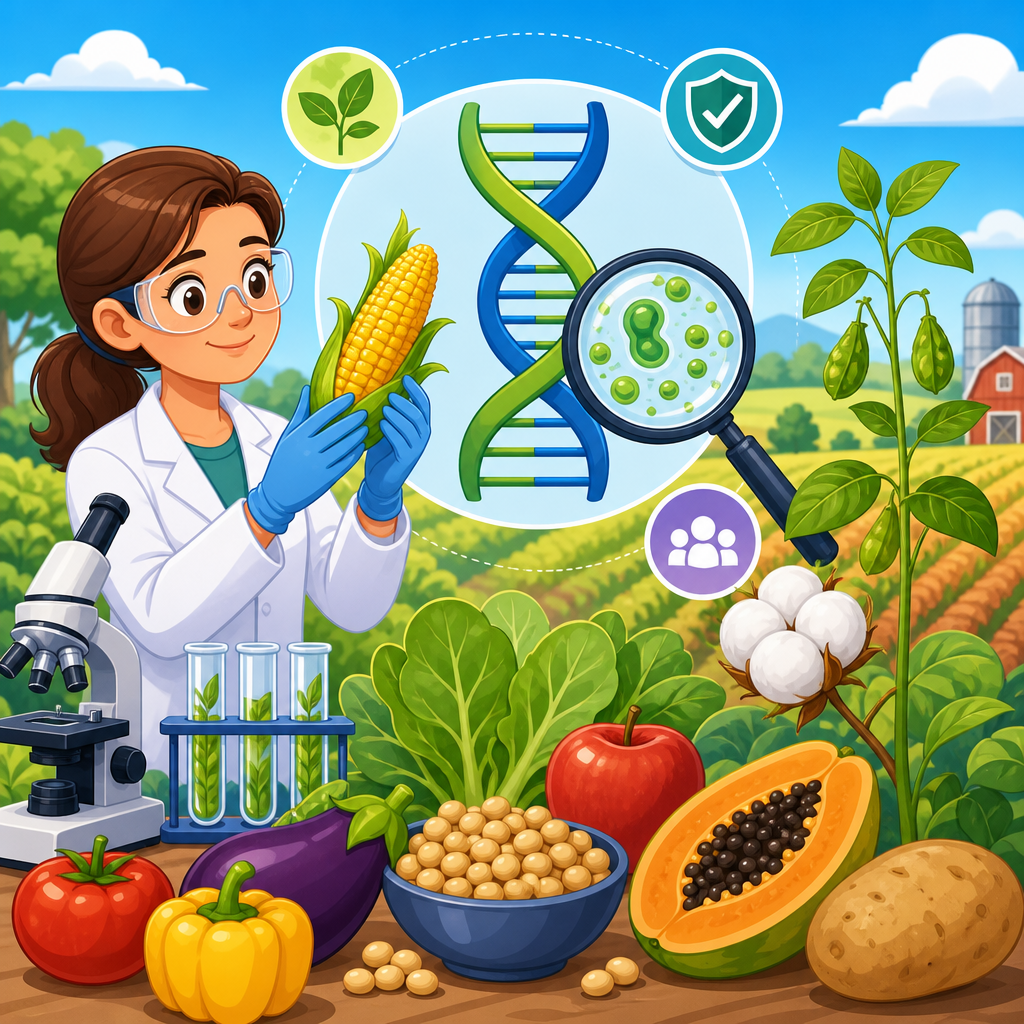
The main difference is how the food is produced, not necessarily how it looks on the shelf. Organic food comes from a regulated farming and food production system designed to limit or avoid many synthetic inputs. In crop production, that usually means avoiding most synthetic pesticides and fertilizers, avoiding genetically engineered seeds, and relying more heavily on practices such as crop rotation, composting, cover cropping, and biological pest management. In livestock production, organic standards generally require organic feed, outdoor access or pasture depending on the animal, and strict limits on the use of antibiotics and growth hormones.
Conventional food, by contrast, refers to the standard modern agricultural system used across much of the food supply. Conventional farms may use synthetic fertilizers to promote growth, synthetic pesticides to control weeds, insects, and disease, and a wider range of technologies to improve efficiency and yields. In animal agriculture, conventional systems may allow antibiotics for disease treatment and prevention under applicable regulations, along with other management tools not permitted under organic rules. That does not automatically mean conventional food is unsafe or lower quality; it means it is produced under a different set of methods and priorities.
In practical terms, organic emphasizes ecological balance, soil health, biodiversity, and tightly defined production rules, while conventional emphasizes productivity, scalability, consistency, and broad access. For shoppers, the most useful takeaway is that “organic” is a legally defined claim in many markets, whereas “conventional” is the general default category for foods not produced under certified organic standards.
Does organic food have more nutrients or better health benefits than conventional food?
This is one of the most common questions, and the most accurate answer is that the differences are often smaller and more variable than many people expect. Some studies have found that certain organic foods may contain slightly higher levels of specific antioxidants or lower levels of some pesticide residues compared with conventional foods. However, nutrition is influenced by many factors beyond farming system, including crop variety, soil conditions, weather, ripeness at harvest, storage, transport, and how the food is prepared at home.
From a health perspective, the strongest consensus is not that organic food is universally more nutritious in every case, but that both organic and conventional foods can absolutely fit into a healthy diet. Eating more fruits, vegetables, whole grains, legumes, nuts, seeds, and lean proteins matters far more than choosing only one production system. A person who regularly eats a wide variety of produce, whether organic or conventional, is generally making a better health choice than someone who avoids produce because of uncertainty over labels.
That said, some consumers choose organic specifically to reduce exposure to synthetic pesticide residues or to support livestock systems that restrict routine antibiotic use. Those are valid reasons, but they are not the same as proving that every organic item delivers dramatically better nutrition. If your budget allows, buying organic can align with your values and preferences. If it does not, conventional produce and staple foods still provide major nutritional benefits and should not be dismissed.
Are organic foods safer than conventional foods?
Organic foods are often perceived as safer, but safety is more nuanced than simply comparing labels. Both organic and conventional foods sold through regulated markets are subject to food safety standards, inspection systems, and residue limits where applicable. Organic certification focuses on how food is produced, including what substances can and cannot be used, but it does not mean organic food is automatically free from all risks. Organic foods can still be exposed to natural toxins, environmental contaminants, or harmful bacteria if they are improperly handled, just as conventional foods can.
One area where organic may differ is pesticide residue. Organic production restricts most synthetic pesticides, and research often shows lower detectable levels of certain synthetic residues on organic produce. However, lower residue does not automatically mean conventional produce is unsafe, because conventional foods are typically monitored against established legal tolerance levels designed to protect consumers. In other words, the discussion is often about degree of exposure and production philosophy, not a simple safe-versus-unsafe divide.
Food safety also depends heavily on handling after purchase. Washing produce, storing meat and dairy at proper temperatures, preventing cross-contamination in the kitchen, and cooking foods thoroughly when needed are all essential. Whether you buy organic or conventional, safe storage and preparation practices matter enormously. For most shoppers, the better question is not “Which is perfectly safe?” but rather “Which production methods and risk tradeoffs am I most comfortable with?”
Why do organic foods usually cost more than conventional foods?
Organic foods often cost more because organic production is usually more labor-intensive, more tightly regulated, and often less optimized for maximum output than conventional farming. Organic farmers may rely on manual or mechanical weed control instead of certain chemical herbicides, use more complex crop rotations, and invest more time in soil-building practices that do not always translate into immediate high yields. In livestock systems, organic feed can cost more, and meeting certification requirements for housing, pasture, and animal care can also increase production expenses.
Certification itself also adds cost. To sell products as certified organic, farms and processors generally have to maintain detailed records, undergo inspections, and comply with specific standards throughout production and handling. These administrative and operational requirements are part of what gives the organic label credibility, but they also raise the overall cost of doing business. On top of that, organic supply chains may be smaller and less centralized than conventional ones, which can reduce economies of scale.
Conventional farming, by comparison, often benefits from larger-scale infrastructure, higher average yields in some systems, broader use of synthetic inputs for efficiency, and more established distribution networks. That can help keep prices lower for consumers. If cost is a concern, many shoppers use a mixed approach: buying organic for certain products they prioritize, such as foods they eat frequently or items where they prefer specific farming practices, while buying conventional for the rest. That approach can be both practical and budget-friendly.
How should shoppers decide whether to buy organic or conventional foods?
The best approach is to match your choices to your priorities rather than assuming there is only one right answer. Some shoppers choose organic because they want to support farming practices that emphasize soil health, biodiversity, and reduced use of synthetic pesticides and fertilizers. Others focus on animal welfare considerations, especially in organic dairy, eggs, and meat. Some are primarily concerned with reducing pesticide exposure, while others are trying to stretch a grocery budget and prioritize affordability, convenience, and nutrition first.
A helpful strategy is to start with your overall food quality habits. Choose more minimally processed foods, increase your intake of fruits and vegetables, read ingredient labels, and pay attention to freshness and storage. Once those foundations are in place, decide where organic matters most to you. For example, you might choose organic for milk, eggs, or produce you buy every week, while opting for conventional frozen vegetables, pantry staples, or items where price differences are significant. There is nothing inconsistent about making selective choices.
It is also worth remembering that local, seasonal, and fresh foods can be excellent choices whether they are organic or conventional. A thoughtful shopper looks beyond a single label and considers nutrition, farming methods, environmental values, taste, price, and availability together. In the end, the most sustainable and health-supportive diet is often the one you can maintain consistently. If organic fits your goals and budget, it can be a meaningful choice. If conventional helps you keep healthy foods on the table regularly, that is a strong choice too.