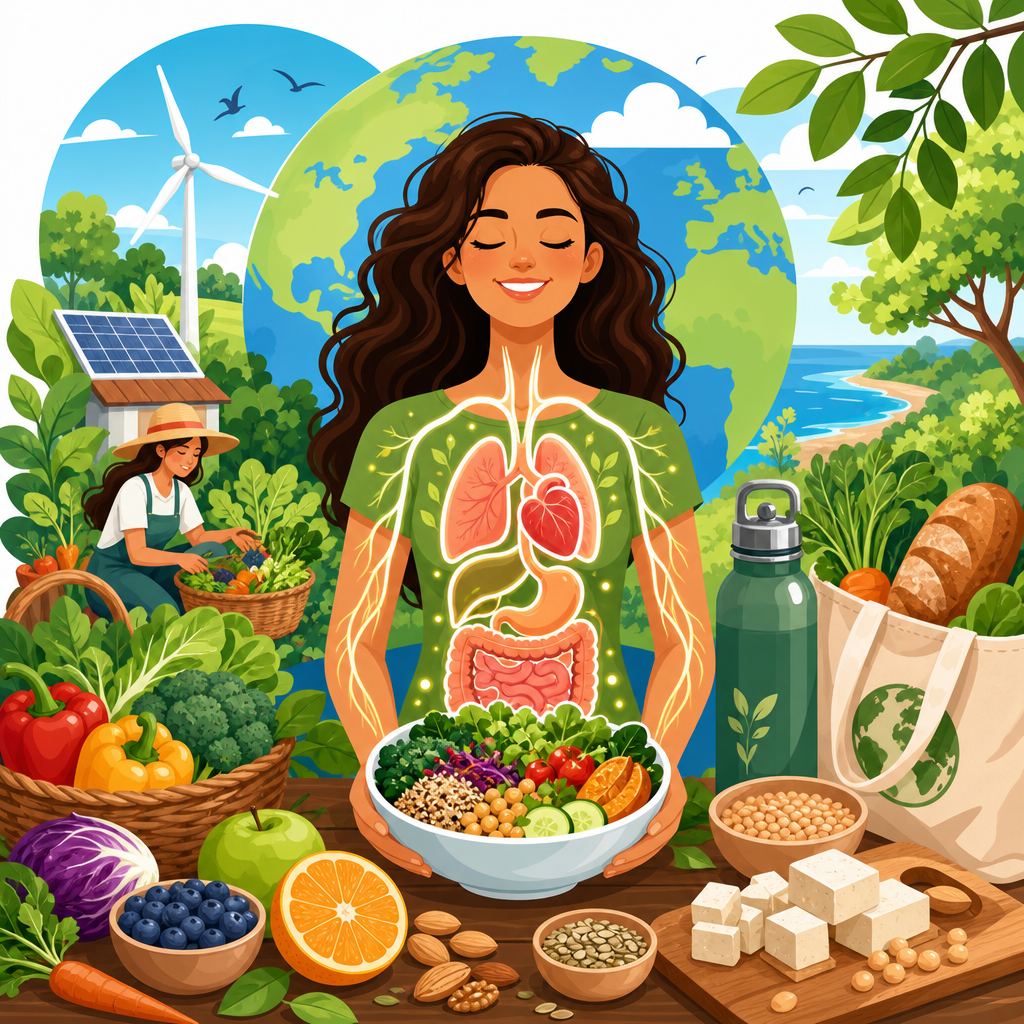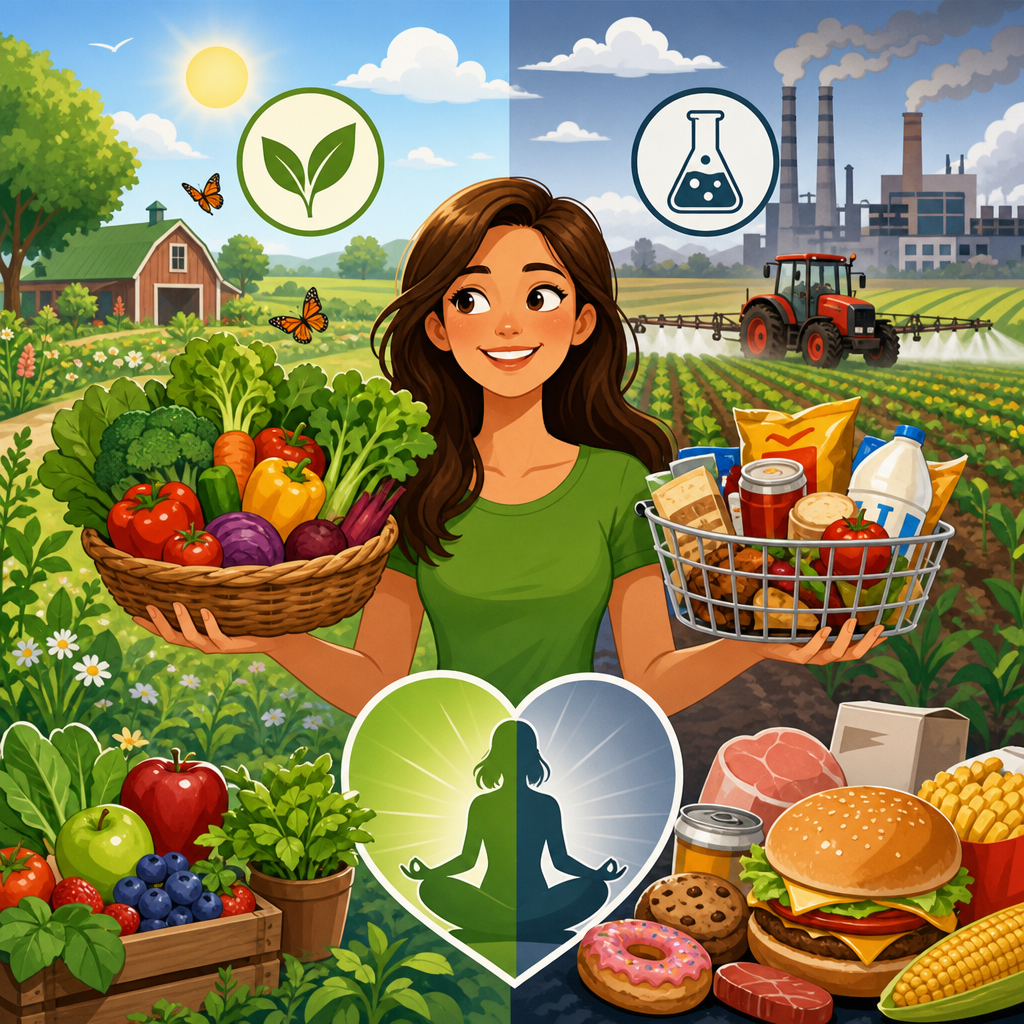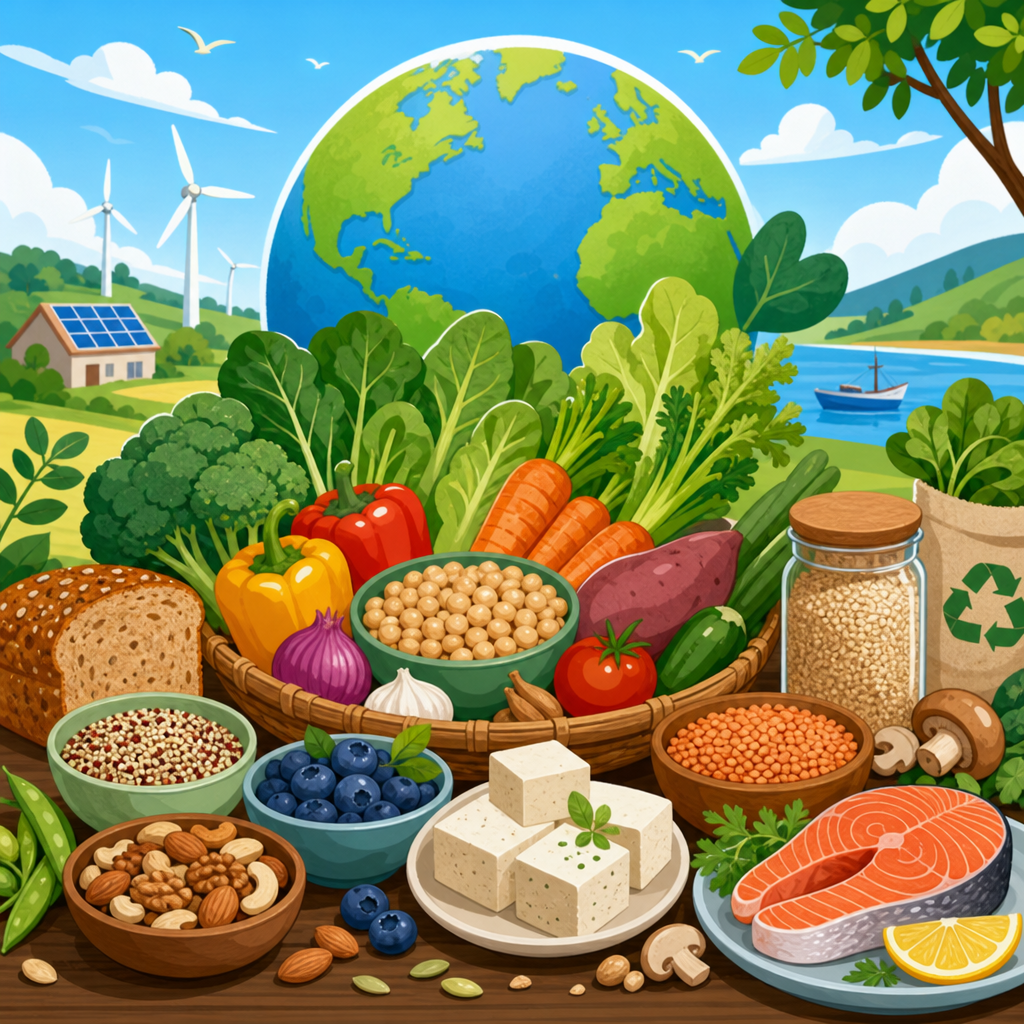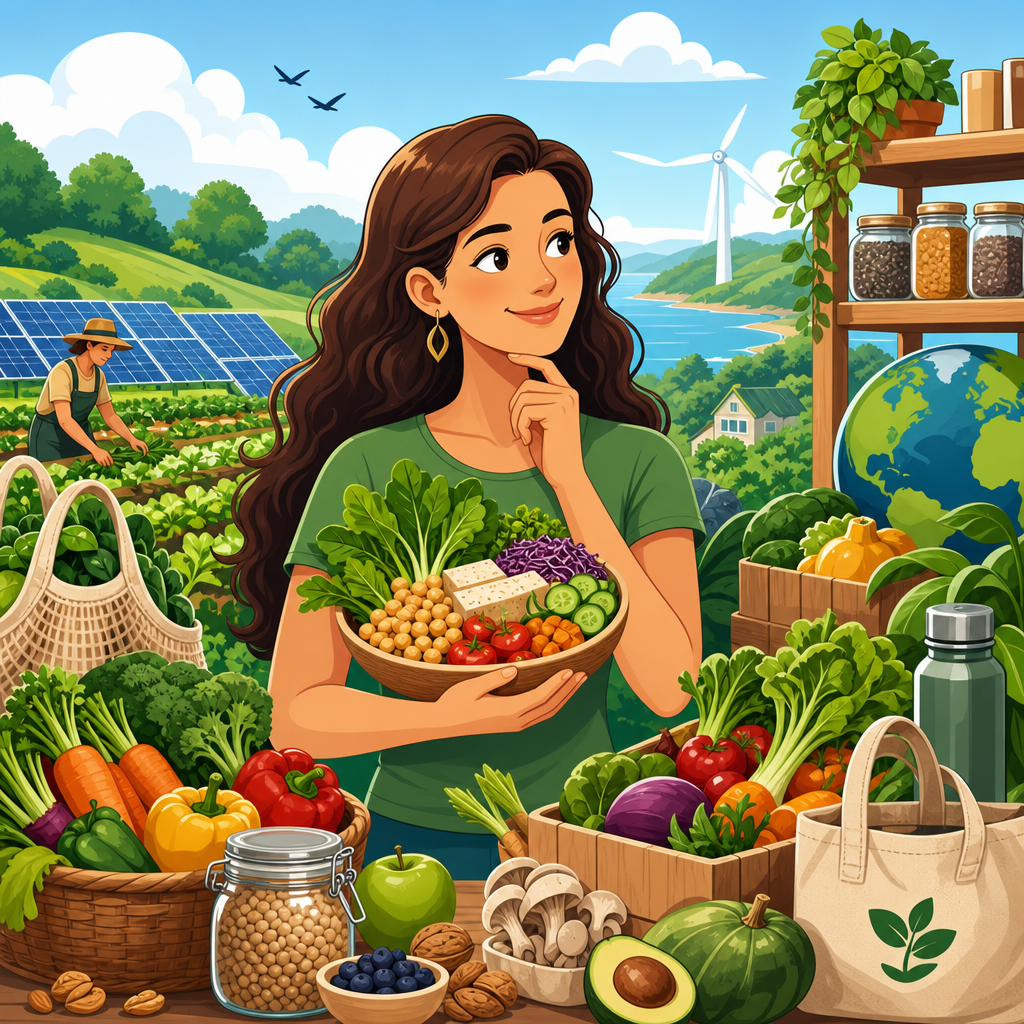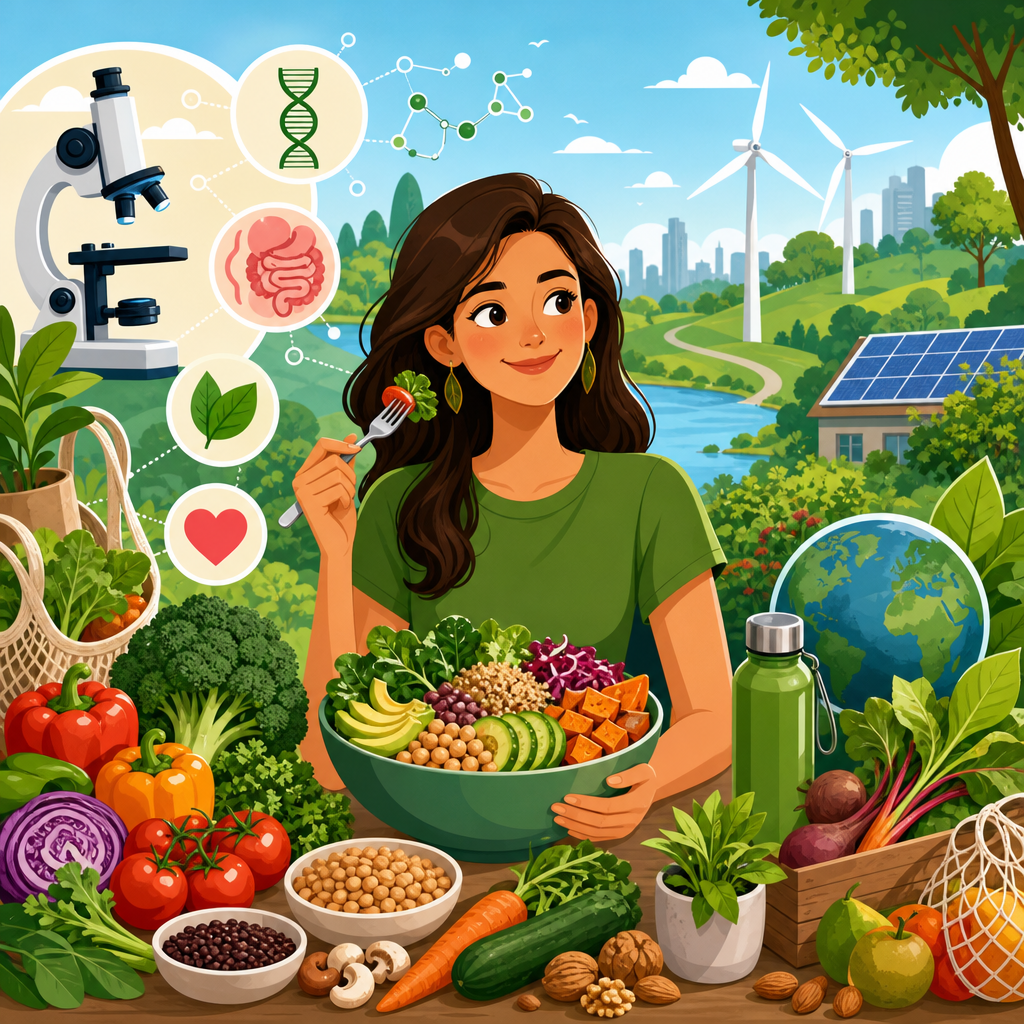
Sustainable eating and eco-friendly diets connect personal nutrition with the environmental systems that make food possible. In practical terms, sustainable eating means choosing foods and dietary patterns that support human health while reducing harm to soil, water, air, climate, biodiversity, and farm livelihoods. An eco-friendly diet applies that idea to daily meals by favoring foods with lower environmental impact, less waste, and more resilient production methods. I have worked on food content and nutrition planning long enough to see that people often treat health and sustainability as separate goals. They are not. The strongest dietary patterns improve both at the same time.
The science behind sustainable eating draws from nutrition, agronomy, ecology, epidemiology, and public health. Researchers measure greenhouse gas emissions, land use, freshwater use, nutrient density, and disease risk to compare foods and eating patterns. Those comparisons consistently show that diets rich in vegetables, fruits, legumes, whole grains, nuts, and seeds tend to use fewer resources and support better long-term health than diets centered on large amounts of red and processed meat and highly refined foods. This does not mean one rigid menu fits everyone. Geography, culture, budget, food access, and medical needs matter. But the overall direction is clear: a more plant-forward, less wasteful diet is usually the most sustainable choice.
This matters because food systems are a major driver of environmental change. The Food and Agriculture Organization and other global assessments have shown that agriculture and related land use contribute a substantial share of greenhouse gas emissions, while also affecting deforestation, water depletion, and habitat loss. At the same time, poor diet is a leading risk factor for heart disease, type 2 diabetes, some cancers, and premature death. A sustainable diet addresses both problems through one lever people use every day: food choice. For readers exploring food science and sustainability, this hub article explains the core concepts, the evidence behind them, and the practical shifts that make eco-friendly diets realistic rather than idealistic.
What sustainable eating means in scientific terms
A sustainable diet is not simply a vegetarian label or a list of “good” foods. It is a pattern evaluated across several dimensions. Environmental scientists typically examine greenhouse gas emissions, measured in carbon dioxide equivalents; land occupation, often per kilogram or per serving; freshwater use; eutrophication potential, which reflects nutrient runoff into waterways; acidification; and effects on biodiversity. Nutrition scientists add nutrient adequacy, energy balance, fiber, sodium, saturated fat, and dietary quality scores. Social and economic researchers look at affordability, cultural acceptability, labor conditions, and food security. A truly eco-friendly diet performs reasonably well across all of those criteria.
Life cycle assessment is one of the main methods used to compare foods. It estimates impacts from farm inputs through production, processing, transport, retail, and sometimes cooking and disposal. In my experience, this is where many assumptions break down. People often think transport dominates, but for most foods, especially ruminant meat, production at the farm level drives the largest share of emissions. Methane from cattle digestion, manure management, feed production, and land use change make beef and lamb far more emissions-intensive than beans, peas, tofu, or grains. That is why replacing even a few high-impact animal products can shift a diet’s footprint more than obsessing over minor packaging differences.
At the same time, scientific definitions of sustainable eating avoid absolute claims. Some fish species are sustainably managed and nutrient dense; others are overfished or associated with damaging practices. Greenhouse-grown produce in one region may have higher energy use than seasonal field-grown produce elsewhere. Almonds provide healthy fats but can involve significant irrigation in water-stressed areas. The point is not perfection. The point is informed tradeoffs. Sustainable eating uses evidence to favor foods that deliver strong nutrition for relatively low environmental cost.
Why plant-forward diets usually lower environmental impact
The clearest finding in sustainable diet research is that plant-forward diets generally reduce environmental pressure. Plants are eaten directly, while animal foods usually require feed, land, water, and additional energy to convert plant calories into meat, eggs, or dairy. This trophic inefficiency means that producing one kilogram of beef typically demands far more resources than producing one kilogram of legumes. Large meta-analyses, including well-known work published in Science and analyses used by Oxford researchers and Our World in Data, have repeatedly found that beef has among the highest impacts per gram of protein and per serving. Lamb is also high, while poultry, eggs, yogurt, and milk usually fall in the middle. Beans, lentils, peas, soy foods, and whole grains are among the lowest-impact staples.
That pattern matters because emissions are not the only concern. Livestock production occupies extensive land for grazing and feed crops, which can displace forests and natural habitats. Fertilizer applied to feed crops contributes to nitrous oxide emissions and nutrient runoff. Water demands can be high, especially when irrigation is involved. By contrast, legumes improve crop rotations because many fix atmospheric nitrogen through symbiosis with soil bacteria, reducing dependence on synthetic fertilizer. In practical meal planning, swapping one beef-based dinner for lentil chili, black bean tacos, or tofu stir-fry is not symbolic. It is one of the more evidence-based ways to reduce the environmental footprint of a week’s food.
| Food category | Typical environmental impact | Key nutrition contribution | Practical sustainable swap |
|---|---|---|---|
| Beef and lamb | Highest emissions and land use | Protein, iron, B12 | Use beans, lentils, tofu, or smaller portions less often |
| Pork and poultry | Moderate impact, lower than ruminants | Protein, B vitamins | Choose as transition options in mixed diets |
| Dairy foods | Moderate impact, variable by product | Calcium, protein, iodine | Balance with fortified soy foods and lower-waste use |
| Legumes and soy foods | Low emissions and land use | Protein, fiber, folate, minerals | Build meals around lentils, chickpeas, tempeh, tofu |
| Whole grains, vegetables, fruits | Generally low impact | Fiber, vitamins, phytonutrients | Make them the default base of most meals |
Plant-forward does not require total exclusion of animal foods. Mediterranean, flexitarian, and planetary-style eating patterns all allow flexibility. The scientific takeaway is narrower and stronger: when the overall diet shifts toward whole plant foods and away from high-impact animal products, environmental performance improves in most settings.
How sustainable diets support heart, metabolic, and gut health
The health case for eco-friendly diets is just as strong as the environmental case. Diets built around legumes, whole grains, fruits, vegetables, nuts, seeds, and unsaturated fats are associated with lower LDL cholesterol, better blood pressure control, improved insulin sensitivity, and healthier body weight over time. These foods are high in fiber, resistant starch, potassium, magnesium, polyphenols, and unsaturated fatty acids, while usually being lower in saturated fat and energy density than heavily processed alternatives. From a disease prevention standpoint, this combination matters more than any single superfood.
Cardiovascular research gives the clearest examples. Replacing some red and processed meat with beans, soy foods, nuts, or fish can lower saturated fat intake and increase fiber and unsaturated fat intake. Soluble fiber from oats, barley, beans, and lentils helps reduce LDL cholesterol by binding bile acids in the gut. Nuts, especially walnuts and almonds, contribute plant sterols and healthy fats. Olive oil and other unsaturated fats can improve lipid profiles when they replace butter or other sources of saturated fat. These are not abstract mechanisms; they show up in controlled feeding studies and long-term cohort data.
Gut health is another major benefit. Diverse plant foods feed a more diverse gut microbiome, which in turn produces short-chain fatty acids such as butyrate. Those compounds support the intestinal lining, modulate immune activity, and may help regulate inflammation and metabolism. In practice, the most sustainable diets are often the most microbiome-friendly because they emphasize variety: beans one day, oats another, leafy greens, berries, onions, fermented foods, nuts, and seeds through the week. When I help people shift toward eco-friendly eating, the first measurable improvement is often digestive regularity because fiber intake rises quickly.
There are, however, nutritional details to manage. Vegan and mostly plant-based diets should be planned to cover vitamin B12, iron, zinc, iodine, calcium, vitamin D, and omega-3 fats. Fortified foods and supplements are useful tools, not signs of failure. Sustainable eating is healthiest when it is intentional.
The role of food production, processing, and waste
Eco-friendly diets are shaped by more than ingredient choice. How food is grown, processed, packaged, transported, cooked, and discarded also matters. Regenerative practices, conservation tillage, cover cropping, integrated pest management, agroforestry, rotational grazing, and precision fertilizer use can improve soil structure, reduce erosion, lower runoff, and in some contexts increase resilience. Organic agriculture can reduce synthetic pesticide use and support some biodiversity outcomes, though yields may be lower depending on crop and region. Local food can strengthen regional economies and freshness, but local is not automatically lower impact than efficiently produced food from farther away. Production method usually matters more than food miles alone.
Processing deserves a balanced view. Minimal processing often aligns with healthier and lower-impact diets, yet some processed foods support sustainability. Frozen vegetables reduce spoilage. Canned beans provide low-cost protein with long shelf life. Plant milks and fortified soy yogurt can help people replace higher-impact foods while meeting nutrient needs. The real issue is not processing by itself but whether processing strips nutritional value, increases waste, or promotes overconsumption of low-quality calories.
Food waste is one of the most actionable sustainability issues in households. When edible food is thrown away, all the land, water, fertilizer, labor, energy, and transport behind it are wasted too. In home kitchen audits I have reviewed, the biggest losses are usually produce forgotten in drawers, overbought bread, cooked grains left unused, and oversized restaurant portions. Better planning works: make a weekly meal map, store herbs and greens correctly, freeze surplus portions, and use “first in, first out” rotation. Date labels add confusion because “best by” usually refers to quality, not safety. Reducing waste is one of the fastest ways to make any diet more sustainable without changing cultural food preferences.
How to build a sustainable eating pattern in everyday life
The most effective eco-friendly diet is the one a household can actually maintain. Start with meal architecture rather than strict rules. Build most plates from vegetables, legumes, whole grains, and a protein source; use animal foods as smaller components or less frequent choices. A practical formula is half vegetables and fruit, one quarter whole grains or starchy vegetables, and one quarter protein, with legumes used several times per week. This works across cuisines: chickpea curry with brown rice, tofu and broccoli stir-fry, black bean enchiladas, pasta e fagioli, lentil bolognese, or a grain bowl with roasted vegetables and tahini.
Shopping strategy matters. Buy seasonal produce when it is abundant and affordable. Keep shelf-stable staples such as oats, brown rice, lentils, canned tomatoes, canned beans, peanut butter, and frozen vegetables on hand so low-impact meals are convenient. Choose seafood guided by credible standards such as the Marine Stewardship Council or regional seafood watch recommendations when relevant. If you eat meat, reduce portion size before reducing pleasure: use 3 to 4 ounces as part of a stir-fry or stew rather than building the meal around a large steak. That single habit can lower cost, emissions, and saturated fat intake at once.
For families, transition gradually. A meatless Monday approach can help, but frequency matters more than branding. Aim for several plant-based lunches and dinners each week, increase legume intake slowly if fiber has been low, and learn a short list of repeat recipes. Children often accept sustainable meals more readily when familiar formats are used, such as tacos, pasta, soups, burgers, and bowls. For athletes or older adults concerned about protein, spread protein across the day and include concentrated sources such as soy foods, dairy, eggs, legumes, or fish according to dietary preference.
Budget is a common concern, yet many sustainable staples are economical. Dried beans, lentils, oats, potatoes, cabbage, carrots, bananas, peanut butter, and in-season produce often cost less per serving than meat-heavy convenience foods. The expensive version of eco-friendly eating exists, but it is not required.
Limits, tradeoffs, and what responsible guidance looks like
Sustainable eating is evidence-based, but it is not morally simple. Some regions rely on pastoral systems where animal agriculture supports livelihoods and uses land unsuitable for crops. Some individuals need therapeutic diets for allergies, gastrointestinal disease, kidney disease, or eating disorder recovery. Some communities face food deserts, transportation barriers, or cultural displacement that make idealized advice unrealistic. Responsible guidance must reflect those constraints. The goal is improvement within context, not purity.
Metrics also vary. A food can be low in emissions yet high in water stress, or nutritious yet linked to labor concerns. Carbon labels alone are useful but incomplete. That is why diversified, minimally wasteful, plant-forward eating remains the most defensible broad recommendation: it performs well across multiple outcomes even when exact rankings shift by region and production method. In professional practice, I trust patterns more than isolated food villains.
The main benefit of sustainable eating is that one set of daily choices can support both long-term health and a more resilient food system. Favor whole plant foods, reduce high-impact meats, manage nutrients thoughtfully, and waste less food. Those four moves capture most of the science without making eating feel restrictive. If you want to build a healthier plate and lighten your environmental footprint, start with one week of meals, swap in two legume-based dinners, and track what changes.
Frequently Asked Questions
What does sustainable eating actually mean, and how is it different from just “eating healthy”?
Sustainable eating goes beyond personal nutrition and looks at the full impact of food choices on both human health and the environment. A healthy diet typically focuses on nutrients, calories, disease prevention, and overall wellness. A sustainable diet includes those goals, but also considers how food is grown, processed, transported, packaged, and wasted. That means asking whether a food supports soil health, conserves water, protects biodiversity, reduces greenhouse gas emissions, and helps create resilient farming systems and fair livelihoods for producers.
In practice, sustainable eating often emphasizes more plant-forward meals, seasonal produce, minimally processed foods, responsibly raised animal products when included, and lower levels of food waste. It does not require perfection or a single strict eating pattern. Instead, it is a practical framework for choosing foods that nourish the body while placing less strain on natural resources. The key idea is balance: diets should be good for people today without undermining the ecological systems needed to feed people in the future.
Why are plant-forward and eco-friendly diets often considered better for the environment?
Plant-forward diets are frequently associated with lower environmental impact because many plant foods generally require fewer resources and produce fewer emissions than resource-intensive animal foods. Producing food depends on land, water, energy, fertilizer, transportation, and storage, and different foods place very different demands on those systems. In many cases, beans, lentils, whole grains, vegetables, fruits, nuts, and seeds have a smaller carbon footprint per serving or per gram of protein than foods from high-emission livestock systems.
That said, sustainability is not just about whether a food is plant or animal based. The production method matters greatly. A locally grown seasonal crop can differ substantially from the same crop grown out of season in energy-intensive conditions. Similarly, not all animal agriculture has the same impact, and not all plant foods are automatically sustainable. Eco-friendly diets work best when they focus on overall patterns: eating more diverse plant foods, reducing overconsumption of high-impact items, supporting farming methods that protect soil and water, and cutting waste at home. The environmental advantage comes from the cumulative effect of many lower-impact choices made consistently over time.
What are the health benefits of sustainable eating and eco-friendly diets?
Many sustainable eating patterns align closely with established nutrition principles linked to long-term health. Diets centered on vegetables, fruits, legumes, whole grains, nuts, and healthy fats tend to provide more fiber, vitamins, minerals, antioxidants, and beneficial plant compounds. These nutrients support digestive health, cardiovascular health, blood sugar regulation, immune function, and healthy weight management. They are also associated with a lower risk of chronic conditions such as heart disease, type 2 diabetes, and certain diet-related metabolic disorders.
Another important benefit is dietary quality through variety. Sustainable eating often encourages a broader mix of seasonal and minimally processed foods, which can improve nutrient diversity. It also tends to reduce dependence on heavily processed, high-sugar, high-sodium convenience foods that may be less supportive of long-term wellness. For people who still include animal products, a sustainable approach often promotes more moderate portions and better quality sourcing, which can improve the overall balance of the diet. In this way, the health benefits are not separate from the environmental benefits; they often reinforce each other through more thoughtful, nutrient-dense, and less wasteful food choices.
Do you have to stop eating meat or dairy to follow a sustainable diet?
No, a sustainable diet does not necessarily require eliminating meat or dairy completely. For many people, sustainability is more realistically achieved through moderation, quality, and frequency rather than absolute restriction. Reducing portions of high-impact animal foods, eating them less often, and choosing products from producers who use more responsible land, water, and animal management practices can meaningfully lower a diet’s environmental footprint. Even small shifts, such as replacing a few meat-centered meals each week with beans, lentils, tofu, or whole grains, can make a measurable difference over time.
This flexible approach is one reason sustainable eating is practical for a wide range of households, cultures, and budgets. It respects the fact that food traditions, nutritional needs, access, and preferences vary. Some people may choose vegetarian or vegan patterns, while others may follow omnivorous diets with a stronger emphasis on plant foods and fewer resource-intensive choices. The most effective sustainable diet is often the one a person can maintain consistently, enjoy socially and culturally, and adapt to local food availability without sacrificing nutritional adequacy.
What are the most practical ways to start eating more sustainably in everyday life?
The most effective place to begin is with simple, repeatable habits rather than major dietary overhauls. Start by building more meals around beans, lentils, peas, whole grains, vegetables, and fruits. Choose seasonal produce when possible, buy only what you are likely to use, and store food properly to reduce spoilage. Planning meals in advance, using leftovers creatively, and freezing extra portions can significantly reduce food waste, which is one of the easiest ways to make any diet more eco-friendly. Waste matters because discarded food also wastes the water, land, labor, energy, and transportation that went into producing it.
It also helps to pay attention to sourcing and processing. Foods with minimal packaging, fewer ultra-processed ingredients, and more transparent production practices can support both personal health and environmental goals. If you eat animal products, consider using them as part of a meal rather than the centerpiece, and prioritize quality over quantity. Supporting local farmers markets, community-supported agriculture, or brands with credible sustainability practices can strengthen more resilient food systems. Most importantly, focus on progress, not perfection. Sustainable eating is not about making every meal ideal. It is about steadily shifting your overall eating pattern toward choices that are healthier for you and gentler on the ecosystems that make food possible.