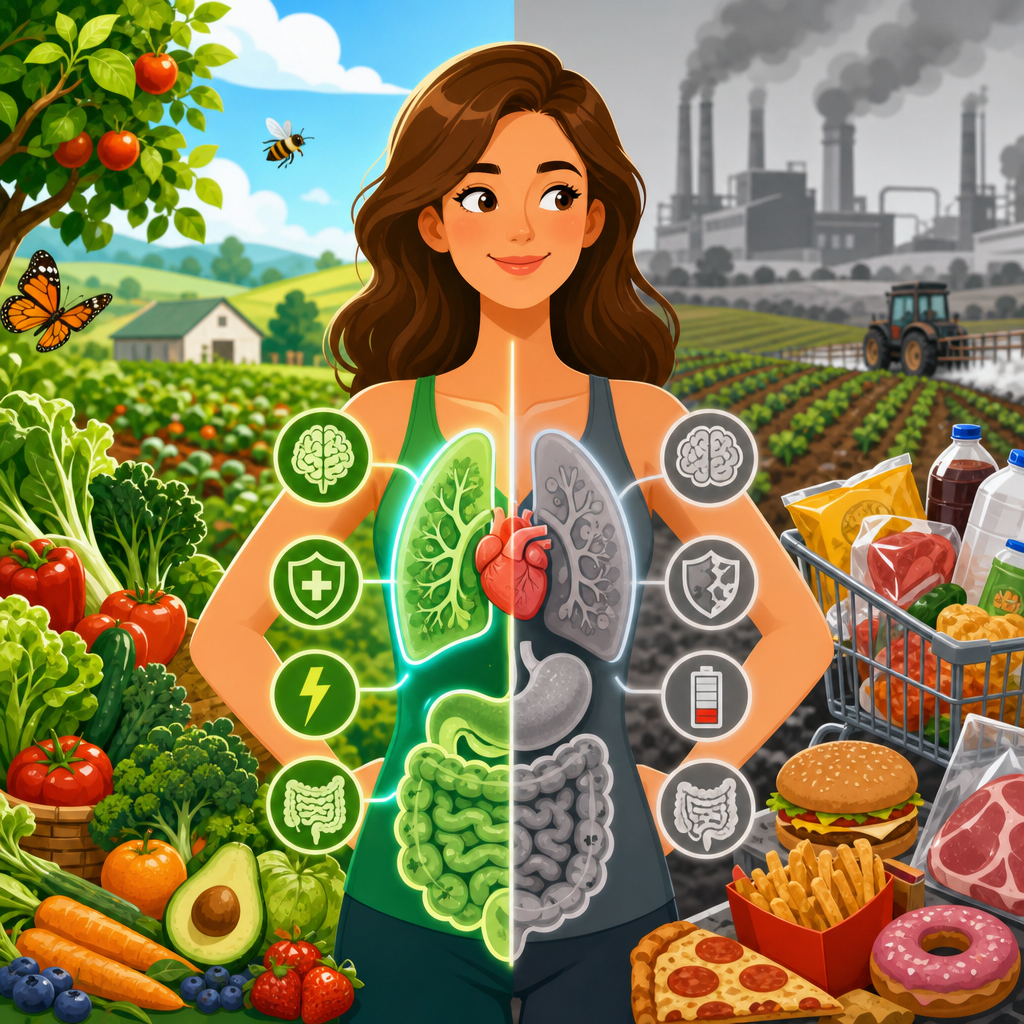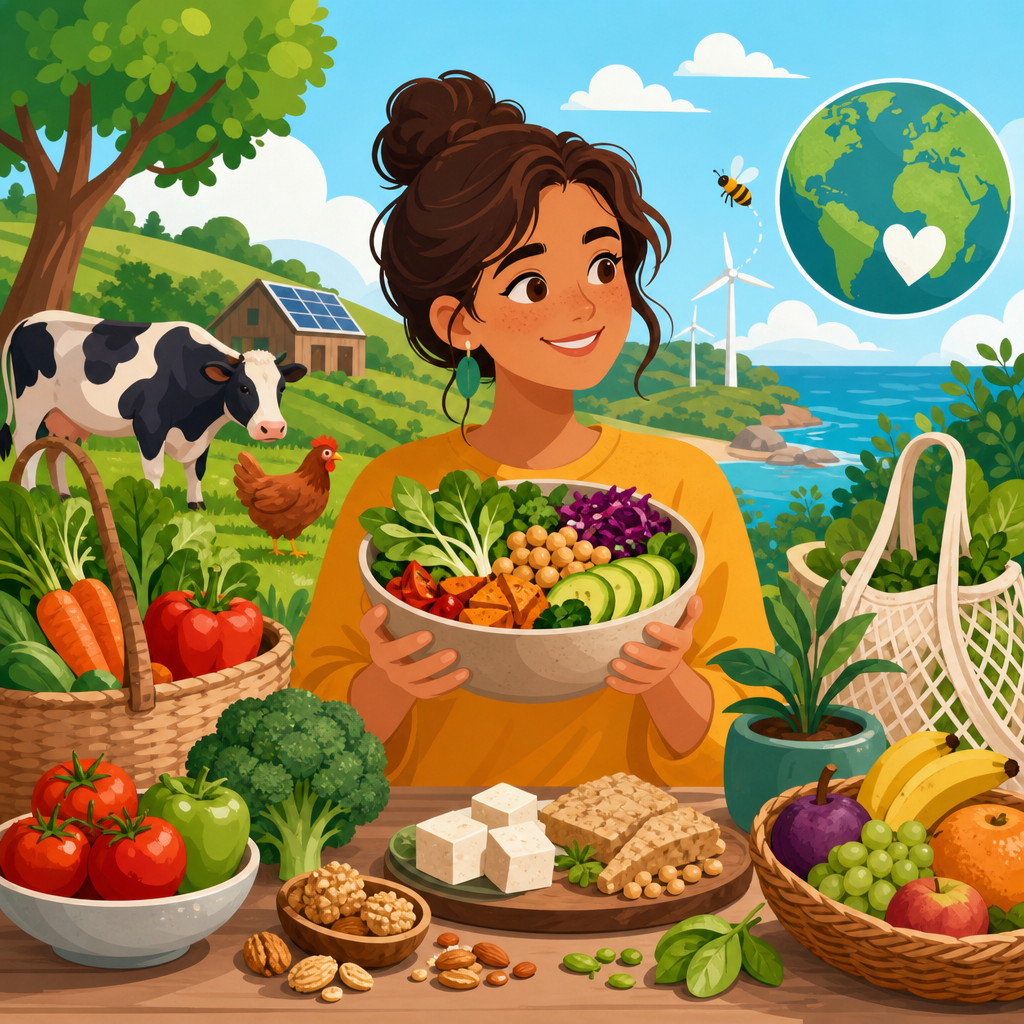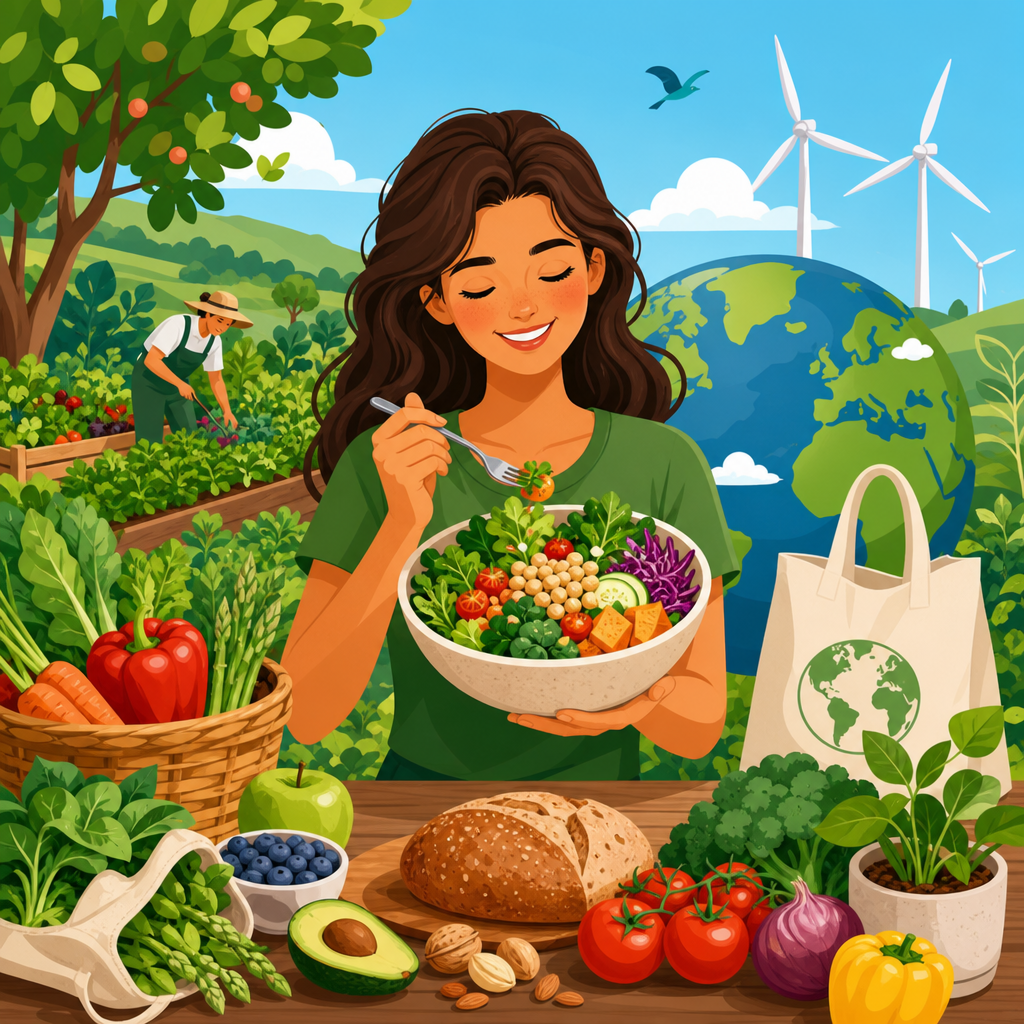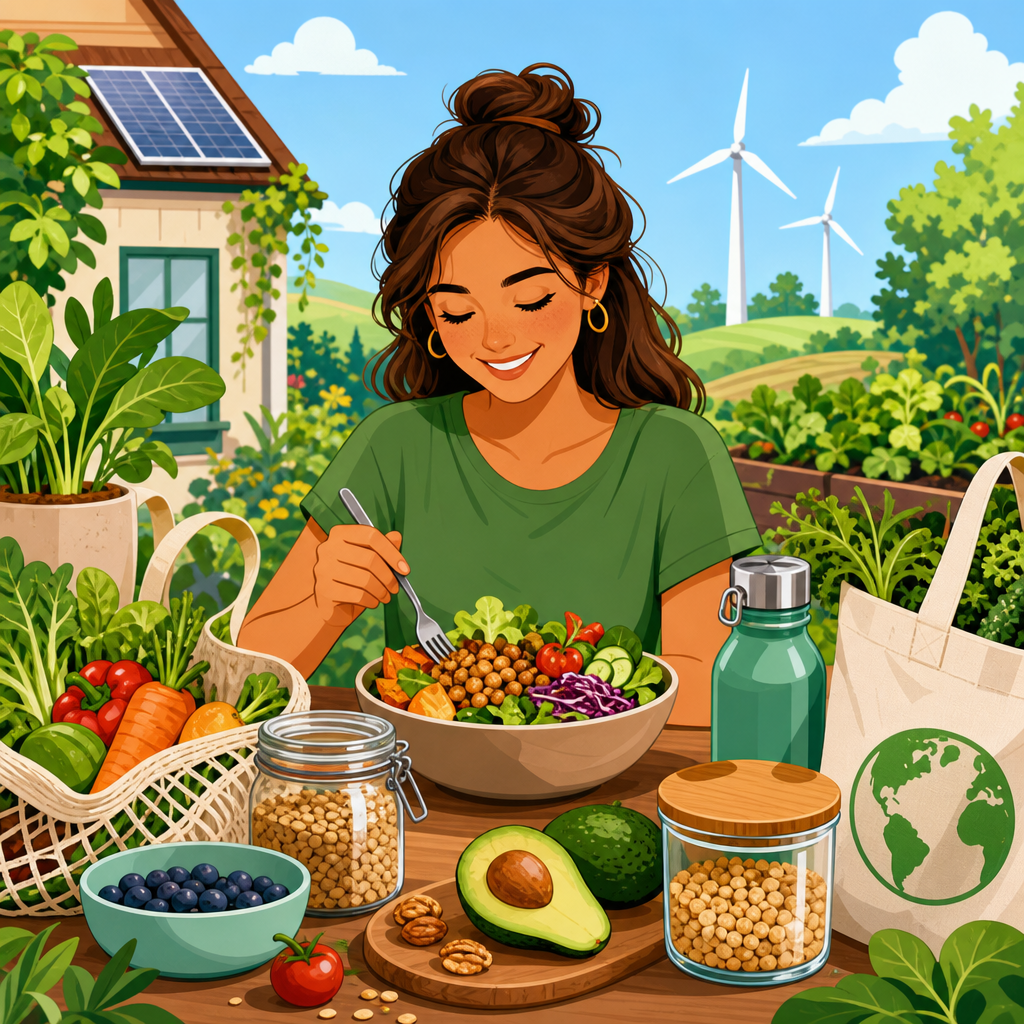
Sustainable eating and eco-friendly diets reduce the environmental impact of food while supporting nutrition, affordability, and cultural fit. In practice, that means choosing foods and habits that use fewer resources, create fewer greenhouse gas emissions, protect soil and water, and still work in real kitchens and real budgets. I have seen the difference firsthand when households shift even a few routines: wasting less produce, eating more beans and whole grains, and planning meals around seasonal ingredients can lower grocery costs and cut food-related emissions without making meals feel restrictive. For a subtopic within food science and sustainability, this subject matters because food systems are responsible for a large share of global greenhouse gas emissions, land use, freshwater withdrawals, and biodiversity loss.
The core idea is simple: what we eat affects more than personal health. Different foods carry different environmental footprints based on farming methods, fertilizer use, feed conversion, transport, refrigeration, packaging, processing, and waste. Beef and lamb generally have higher emissions per kilogram than legumes, grains, and most vegetables because ruminant animals produce methane and require significant feed and land. Highly perishable foods wasted at home also create avoidable impacts, since all the resources used to grow, process, and ship them are lost when they are thrown away. An eco-friendly diet is not one rigid menu. It is a pattern that emphasizes plant-forward meals, moderate portions of animal products, lower waste, and smarter sourcing.
People often ask whether sustainable eating means going fully vegan, buying only local food, or paying premium prices. The answer is no. A sustainable diet can include animal products, imported foods, frozen produce, and convenience items when they make sense. The strongest levers are usually reducing food waste, shifting some protein from red meat to beans, lentils, tofu, eggs, or poultry, and choosing minimally processed staples more often. Nutrition remains central. A diet is only sustainable if people can maintain it, enjoy it, and meet their nutrient needs over time. The most effective changes are practical ones that fit your schedule, cooking skills, cultural preferences, and household finances.
This hub article explains how to incorporate more sustainable eating and eco-friendly diets into your diet with a food-science lens. It covers the major drivers of food impact, the healthiest and most realistic swaps, how to shop and cook with less waste, what labels and certifications actually tell you, and how to measure progress at home. If you want one guiding principle, use this: build meals around plants, buy with a plan, waste as little as possible, and treat high-impact foods as occasional rather than automatic choices. That approach consistently delivers the biggest environmental gains while preserving flexibility.
Understand what makes a diet sustainable
A sustainable diet balances four factors: environmental impact, human health, economic access, and social acceptability. In technical terms, researchers often evaluate food through life cycle assessment, which estimates impacts across production, processing, transport, retail, consumption, and disposal. The most relevant metrics include greenhouse gas emissions, land use, water use, eutrophication potential, and biodiversity effects. In everyday terms, a sustainable eating pattern is one that nourishes people today without undermining the ecosystems and resources needed to feed people tomorrow.
From a household perspective, the largest environmental differences usually come from food type, not food miles alone. Transport matters most for foods moved by air freight, such as some highly perishable produce, but production methods and the biology of the food often matter more. For example, beef typically has a much higher carbon footprint than beans because cattle require feed, land, and time, and they emit methane during digestion. Cheese can also be impact-intensive because it concentrates large amounts of milk into a smaller finished product. By contrast, dried beans, oats, potatoes, and lentils are generally nutrient-dense, affordable, shelf-stable, and relatively low impact. Understanding these patterns helps you prioritize changes that matter.
Shift toward plant-forward protein without losing nutrition
The most effective diet change for many people is reducing high-impact animal proteins, especially beef and lamb, and replacing part of that intake with legumes, soy foods, nuts, seeds, and whole grains. This does not require eliminating meat. In my work reviewing meal plans, the easiest success comes from partial substitution: black beans blended into tacos, lentils added to bolognese, tofu in stir-fries, or chickpeas in grain bowls. These swaps preserve familiar flavors and textures while lowering emissions and often lowering cost. Poultry, eggs, and some seafood can play a role too, but the environmental profile varies by production system and species.
Nutrition should guide the transition. Beans and lentils provide fiber, folate, potassium, magnesium, and protein, but they are lower in methionine than animal proteins, which is why dietary variety matters. Soy foods such as tofu, tempeh, and edamame offer complete protein and are especially useful in sustainable eating plans. If you reduce red meat significantly, pay attention to iron, vitamin B12, zinc, iodine, calcium, and omega-3 fats depending on your overall pattern. Pair iron-rich plant foods with vitamin C sources to improve absorption; for example, lentils with tomatoes, or spinach with citrus. Fortified plant milks and yogurts can help maintain calcium and vitamin D intake.
| Food choice | Typical sustainability profile | Practical use at home |
|---|---|---|
| Beef | Usually high emissions and land use | Use smaller portions, less often, in mixed dishes |
| Chicken | Lower impact than beef, still animal-based | Rotate with beans, eggs, or tofu |
| Lentils | Low impact, shelf-stable, fiber-rich | Soups, curries, pasta sauces, salads |
| Tofu | Low impact, complete protein | Stir-fries, scrambles, sheet-pan meals |
| Eggs | Moderate impact, nutrient-dense | Budget breakfasts, fried rice, frittatas |
A useful benchmark is to think in weekly patterns instead of single meals. If a household that eats beef four times a week cuts that to once and replaces the other meals with bean chili, tofu stir-fry, and lentil pasta, the cumulative effect is meaningful. This approach also improves fiber intake, which many adults underconsume. Sustainable eating works best when the replacement foods are satisfying and familiar, not when they feel like a sacrifice.
Buy seasonal, flexible, and minimally wasteful foods
Seasonality supports sustainable eating because foods grown in their natural season often require fewer energy-intensive inputs and may taste better, making them more likely to be eaten rather than wasted. However, seasonal does not always mean fresh and local. Frozen berries, spinach, peas, and mixed vegetables are often picked at peak ripeness and can be more sustainable than fresh produce that spoils in the refrigerator. I regularly recommend a “fresh plus frozen plus pantry” strategy: buy a few fresh items you know you will use quickly, keep frozen vegetables for backup, and stock pantry staples such as beans, tomatoes, oats, rice, and pasta for reliable low-waste meals.
Flexibility is a major sustainability skill. Instead of shopping from a rigid recipe list, learn interchangeable categories. If broccoli is expensive or looks tired, buy cabbage. If fresh berries are out of season, choose frozen. If chickpeas are sold out, use cannellini beans. This reduces the chance that you overpay for poor-quality produce or let niche ingredients sit unused. Minimally processed foods often carry lower packaging and processing burdens, though this is not an absolute rule. Bagged salad can be helpful for some households if it prevents takeout or increases vegetable intake, but if half the box spoils every week, a whole head of lettuce or shredded cabbage is the more sustainable option.
Cut food waste with kitchen systems that actually work
Food waste is one of the fastest ways to improve the sustainability of your diet. When edible food is discarded, all the embedded energy, water, fertilizer, labor, and packaging are wasted too. In many homes, the biggest losses come from produce, leftovers, bread, dairy, and prepared foods bought without a clear plan. The fix is not perfection. It is a repeatable system. Start with a weekly inventory before shopping, then plan meals around what you already have. Put the most perishable items at eye level in the refrigerator. Label leftovers with the date. Freeze extra bread, cooked grains, chopped herbs in oil, and portions of soups or sauces before they become questionable.
Portioning matters as much as storage. Cooked food is more likely to be eaten when it is easy to see and easy to reheat. I advise households to store leftovers in shallow, clear containers, then assign them a purpose: tomorrow’s lunch, Friday fried rice, or freezer backup for a busy night. “Use-up meals” are especially effective. Vegetable stems and soft greens can go into soup, roasted vegetables can become a grain bowl, and overripe fruit can become oatmeal topping or smoothies. If you keep scraps for stock, do it selectively and safely; onion skins, carrot peels, and celery tops are useful, but bitter brassica cores can overwhelm flavor.
Date labels cause confusion. In many regions, “best by” indicates quality, not safety. Dry pasta, rice, canned beans, and frozen vegetables often remain usable beyond the labeled date if stored correctly. Sensory checks still matter, especially for refrigerated foods. Sustainable eating includes food safety, because illness and waste are both costly. The best household metric is simple: track what you throw away for two weeks. Patterns appear quickly, and that information is more actionable than abstract intentions.
Choose seafood, dairy, and packaged foods more carefully
Not all animal products have the same footprint, and not all packaged foods are automatically unsustainable. Seafood varies widely by species and production method. Some bivalves, such as mussels and oysters, can be lower-impact options because they do not require feed and may even improve water quality under suitable conditions. By contrast, some overfished wild species and poorly managed aquaculture systems carry significant ecological risks. Use recognized guidance such as Seafood Watch or credible national fisheries advisories to identify better choices by region and species.
Dairy also sits on a spectrum. Milk and yogurt generally have lower impact than cheese and butter because they are less concentrated. If dairy is a staple, reducing cheese-heavy meals can make a bigger difference than swapping milk alone. For packaged foods, look beyond the package count. A canned bean may use packaging, yet still be a highly sustainable choice because it is shelf-stable, affordable, and displaces more impact-intensive proteins. Ultra-processed snacks tend to have added environmental burdens from multiple ingredients, energy-intensive manufacturing, and packaging, but convenience foods that prevent waste or support cooking at home can still fit a sustainable diet.
Use labels, certifications, and sourcing claims wisely
Food labels can help, but they are not shortcuts to a fully sustainable diet. Organic, regenerative, grass-fed, local, fair trade, cage-free, and carbon-neutral claims each address different issues, and none guarantees superiority across every metric. Organic standards can reduce use of certain synthetic pesticides and fertilizers, which may support soil and water goals, but yields can be lower in some systems. Local food can strengthen regional economies and freshness, but transport is often a smaller share of total emissions than production. Grass-fed beef may improve some animal welfare or pasture management outcomes, yet beef still remains emissions-intensive compared with most plant proteins.
The most useful approach is to match the claim to the concern. If you care about labor conditions, fair trade is relevant. If you care about fisheries management, species-specific seafood guidance matters more than a broad natural label. If you care about pesticide exposure on a produce item your family eats daily, organic may be worth prioritizing selectively. In practice, households get better sustainability results by focusing first on overall pattern—more plants, less waste, fewer high-impact foods—then using certifications as secondary refinements when budget allows.
Build a sustainable diet that fits budget, culture, and routine
The best eco-friendly diet is the one you can repeat. Budget constraints, cooking time, family preferences, and cultural food traditions are not barriers to sustainability; they are the design criteria. Many traditional diets already rely on sustainable foundations: beans, lentils, maize, rice, fermented soy foods, seasonal vegetables, flatbreads, stews, and soups. Start there. A low-cost sustainable pantry often includes oats, potatoes, onions, carrots, cabbage, dried or canned beans, lentils, pasta, rice, peanut butter, eggs, tofu, plain yogurt, and frozen vegetables. With those ingredients, you can build dozens of meals with strong nutrition and low waste.
To maintain momentum, set measurable habits. Try one meatless dinner twice a week, one leftover lunch plan, and one produce-saving tactic such as freezing ripe bananas or reviving herbs in water. Review your grocery receipts and waste bin monthly. If your household eats better, spends less, and throws away less food, you are moving in the right direction. Sustainable eating and eco-friendly diets are not about purity. They are about repeated decisions that lower impact while keeping meals enjoyable and realistic. Start with the next grocery trip: plan a plant-forward week, buy what you will actually use, and let consistency do the heavy lifting.
Frequently Asked Questions
What does sustainable eating actually mean in everyday life?
Sustainable eating means choosing foods and habits that nourish you while reducing strain on the environment. In daily life, that usually looks less like following a rigid “perfect” diet and more like making practical, repeatable decisions: eating more plant-based foods such as beans, lentils, peas, whole grains, nuts, seeds, fruits, and vegetables; wasting less food; buying portions you can realistically use; and planning meals around what is available, affordable, and culturally familiar. It also means thinking beyond a single ingredient and considering how food is grown, transported, packaged, and used in your kitchen. A sustainable diet supports nutrition first, but it also aims to use fewer natural resources, create fewer greenhouse gas emissions, and protect soil and water quality.
For most households, sustainable eating does not require giving up favorite foods overnight. A more realistic and effective approach is to adjust patterns over time. For example, swapping one or two meat-heavy dinners each week for meals built around beans or whole grains can significantly lower environmental impact while saving money. Using leftovers well, freezing extra produce before it spoils, and choosing seasonal foods when possible can also make a noticeable difference. The key idea is progress, not perfection. If your meals become a little more plant-forward, a little less wasteful, and a little more intentional, you are already moving toward a more eco-friendly diet in a meaningful way.
Do I need to stop eating meat and dairy to have a more eco-friendly diet?
No. While diets that include more plant-based foods generally have a lower environmental footprint, you do not have to eliminate meat and dairy entirely to eat more sustainably. In fact, one of the most practical approaches is simply to reduce how often large portions of animal-based foods appear at meals and to treat them more as part of the plate rather than the center of it. For example, smaller amounts of chicken, eggs, yogurt, or cheese paired with beans, vegetables, and whole grains can still fit into a more sustainable eating pattern. This approach tends to be easier to maintain and more adaptable for families with different nutritional needs, budgets, and food traditions.
If you do eat animal products, quality and frequency both matter. Choosing them more thoughtfully, eating moderate portions, and avoiding unnecessary waste are important steps. You might start by replacing a few beef-based meals with lentil chili, bean tacos, vegetable stir-fries, pasta with chickpeas, or grain bowls topped with roasted vegetables and a modest amount of meat or cheese. This creates a balanced middle ground: better for the environment than a heavily meat-centered diet, but still flexible and realistic. Sustainable eating should work in real life, and for many people that means shifting the overall pattern rather than adopting an all-or-nothing rule.
How can I make sustainable eating affordable on a tight budget?
Sustainable eating can be very budget-friendly when it is built around simple staples and smart planning. Some of the most affordable foods in the grocery store are also among the most sustainable: dried or canned beans, lentils, oats, brown rice, potatoes, frozen vegetables, seasonal produce, peanut butter, pasta, and whole grains. These foods are versatile, filling, and nutrient-dense, and they can be used across many meals. Instead of focusing on specialty “green” products, expensive organic trends, or heavily marketed health foods, it is often more effective to build your meals around low-cost basics that store well and reduce waste.
Meal planning plays a major role in affordability. Start by checking what you already have, then plan meals that use overlapping ingredients so nothing gets forgotten in the refrigerator. A bag of carrots, a bunch of greens, cooked beans, and a pot of rice can turn into soups, grain bowls, tacos, salads, or stir-fries over several days. Frozen fruits and vegetables are often just as nutritious as fresh and can help prevent spoilage. Buying in bulk can save money when you know you will use the food, especially for dry goods like oats, rice, lentils, and beans. The most budget-friendly sustainable diet is not about buying more products; it is about using what you buy more completely and relying on affordable staples that make everyday cooking easier.
What are the best first steps if I want to start eating more sustainably without overcomplicating my routine?
The best first steps are the ones you can repeat consistently. A simple starting point is to choose one habit in each of three areas: what you eat, how you shop, and how you reduce waste. For what you eat, try making two or three meals each week centered on beans, lentils, or whole grains. For shopping, build your grocery list around seasonal produce and flexible staples you can use in multiple dishes. For waste reduction, designate one night a week to use leftovers or ingredients that are close to spoiling. These small actions are manageable, and together they can meaningfully lower the environmental impact of your diet.
It also helps to make your meals more “plant-forward” rather than trying to overhaul everything at once. You do not need a completely new menu. Familiar dishes can often be adapted with very little effort: add lentils to soups, use mushrooms and beans in tacos, bulk up pasta sauce with vegetables, or combine rice with roasted vegetables and a simple protein. Keep convenience in mind, because sustainable habits only last when they fit your real schedule. Stocking canned beans, frozen vegetables, whole grains, and a few dependable seasonings can make eco-friendly choices much easier on busy days. The most successful changes are usually the least dramatic: practical, flexible habits that support health, budget, and everyday life.
How does reducing food waste help create a more sustainable diet?
Reducing food waste is one of the most effective and often overlooked ways to eat more sustainably. When food is wasted, all of the resources used to produce it are wasted too, including water, energy, labor, land, packaging, and transportation. That means even nutritious foods with a relatively lower footprint can become less sustainable if they are regularly thrown away. In many homes, food waste happens not because people are careless, but because routines are busy and ingredients are purchased without a plan. Produce gets forgotten, leftovers are not repurposed, and bulk items seem economical until part of them spoils.
Preventing waste starts with simple kitchen systems. Plan meals around what you already have before shopping for more. Store produce correctly so it lasts longer. Freeze extra bread, chopped vegetables, cooked grains, or leftover soup before they go bad. Learn a few “use-it-up” meals such as stir-fries, omelets, soups, grain bowls, and casseroles that can incorporate odds and ends from the refrigerator. Pay attention to portion sizes so less food gets left on plates. It is also helpful to understand the difference between quality and safety; many foods are still perfectly usable after the date printed on the package, depending on storage and condition. A sustainable diet is not only about choosing better foods at the store, but also about honoring the food you bring home by using as much of it as possible.