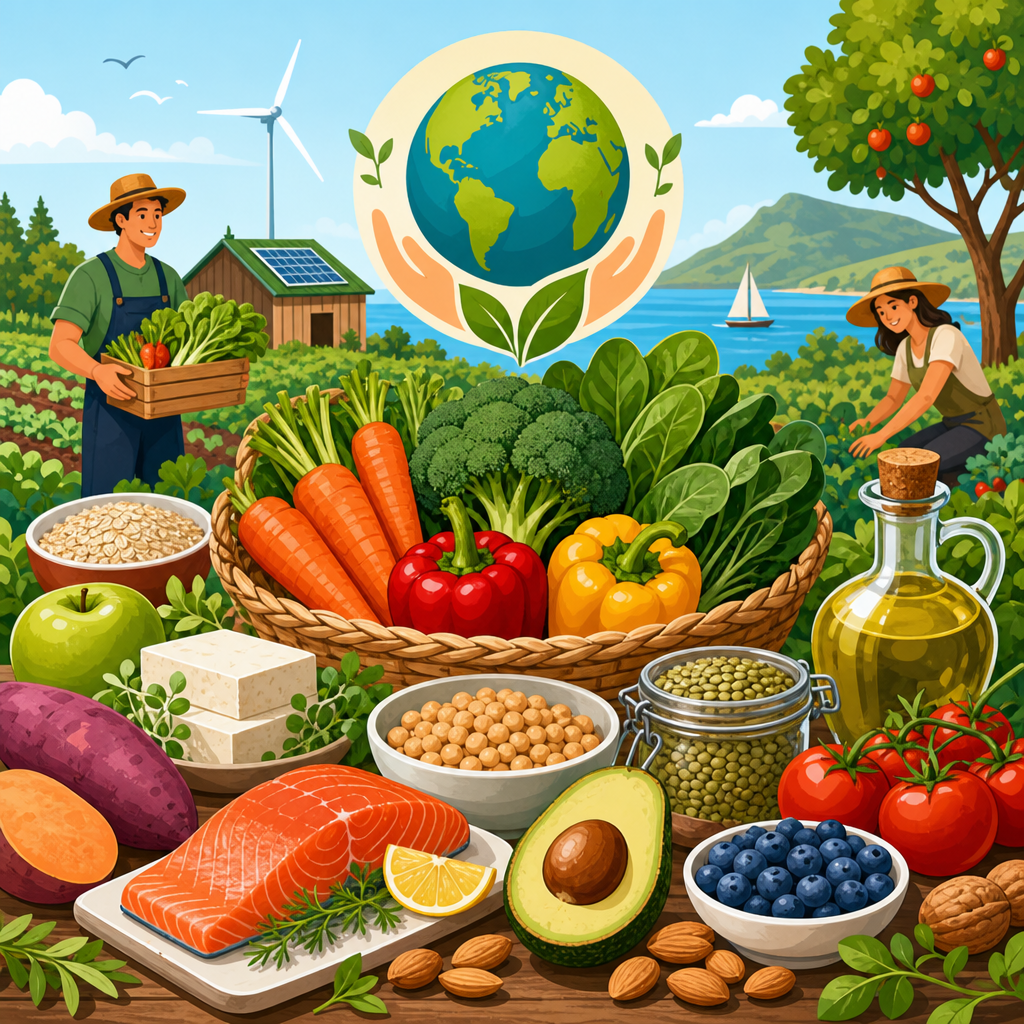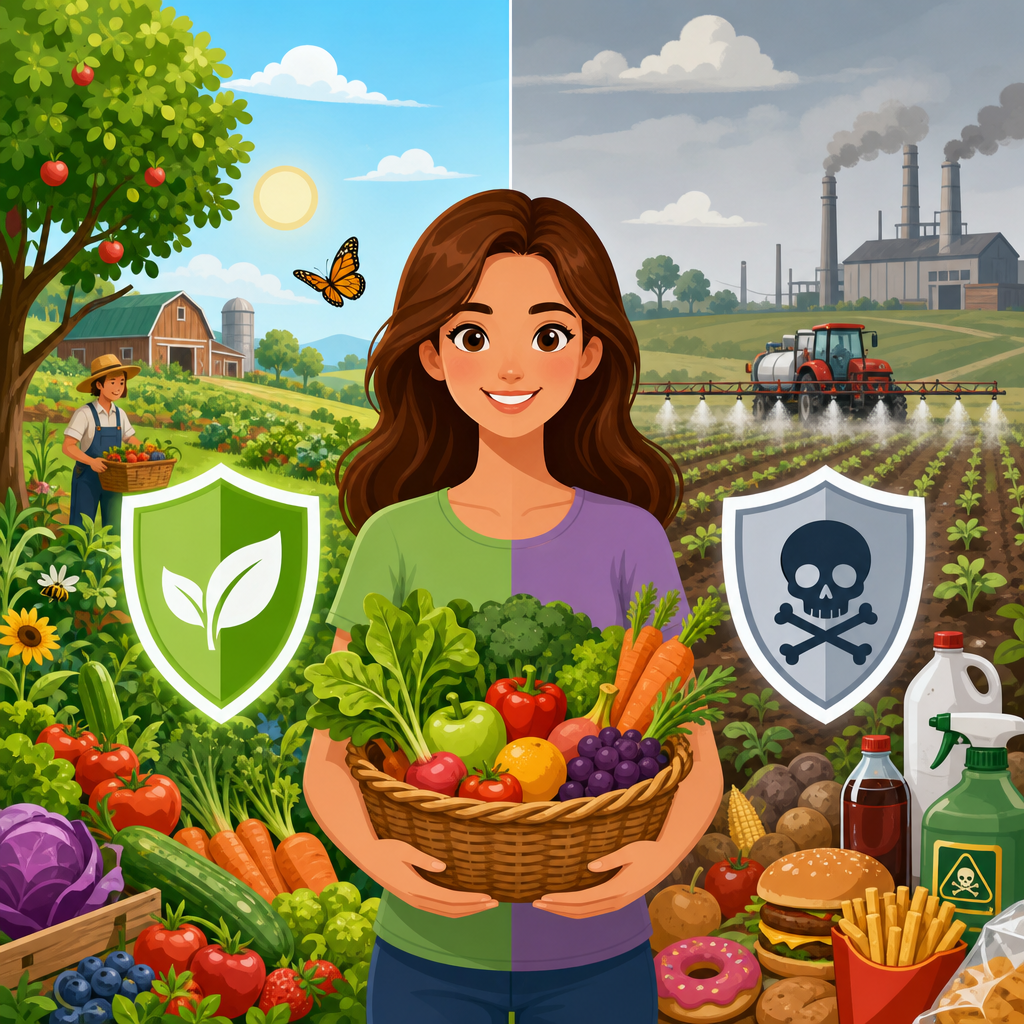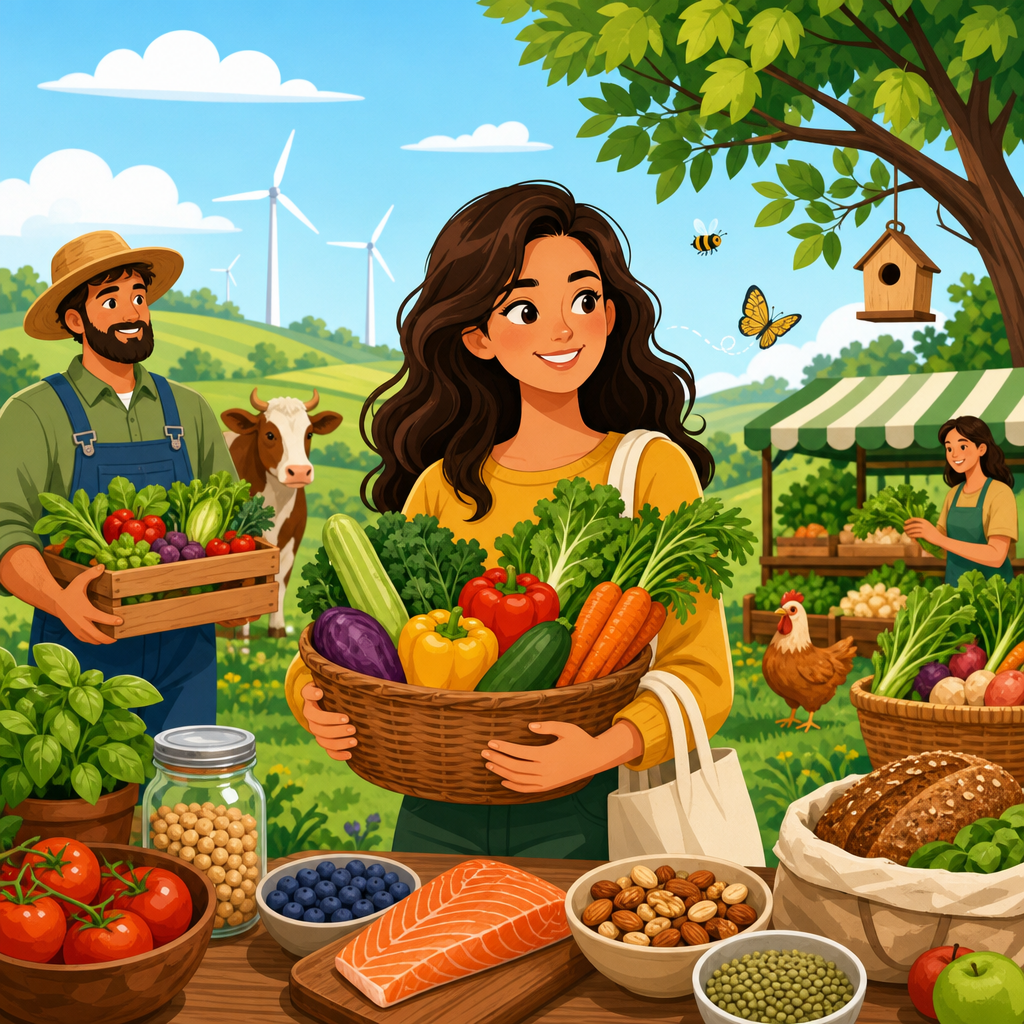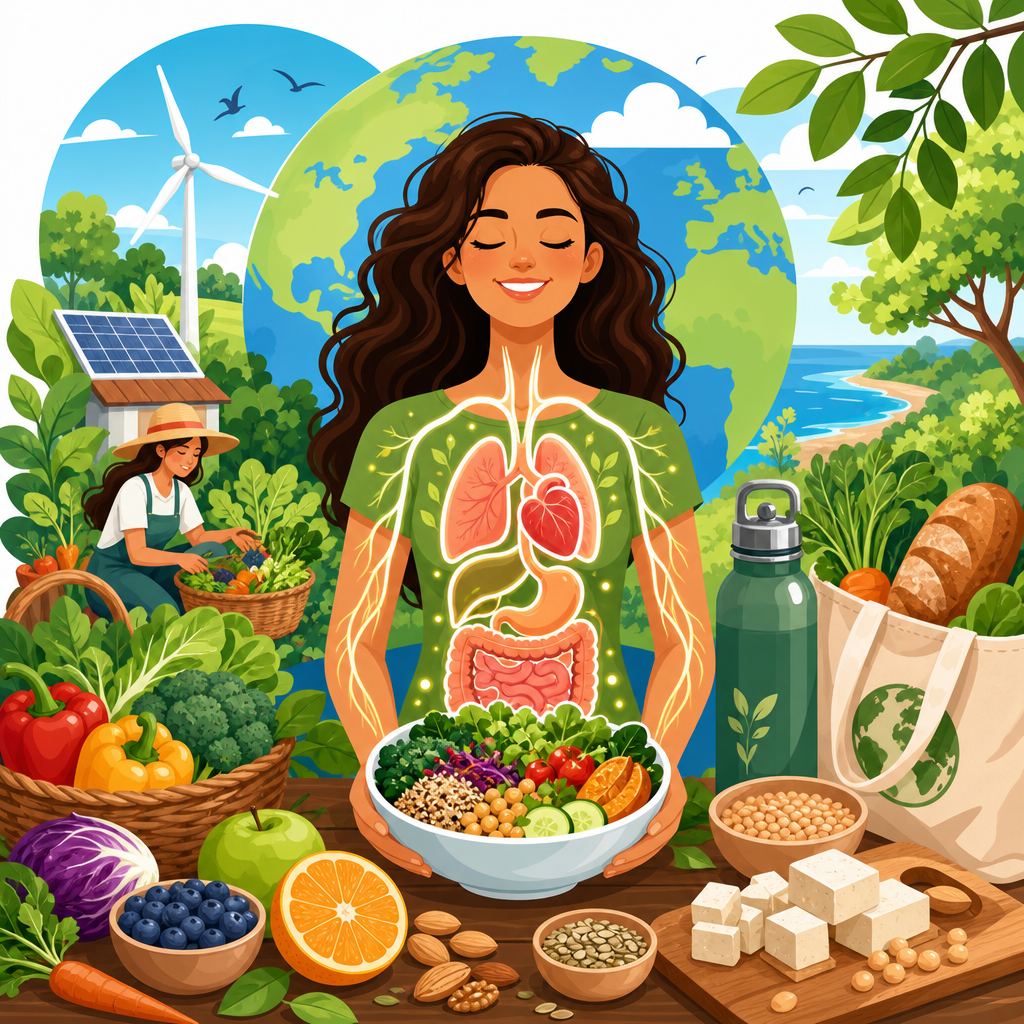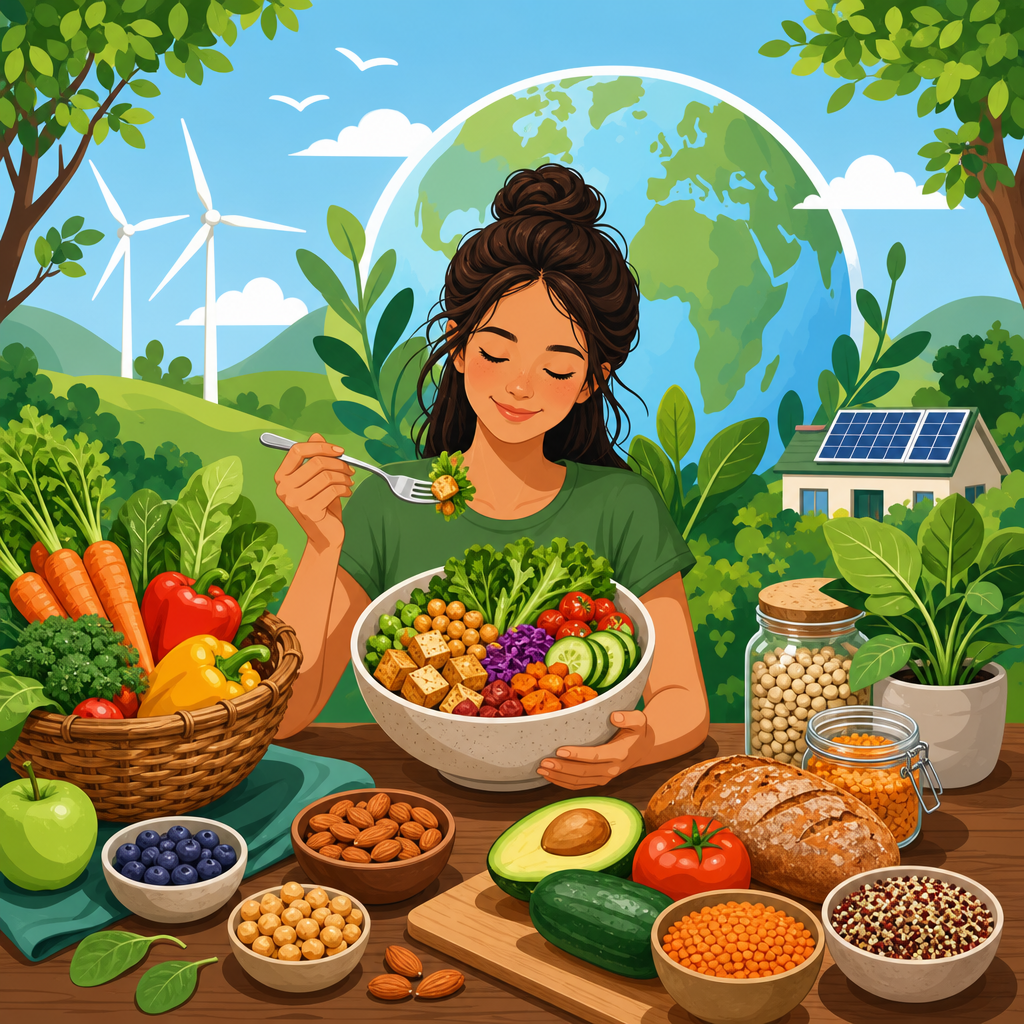
Sustainable eating and eco-friendly diets describe food patterns that support human health while reducing environmental harm across farming, processing, transport, retail, and waste. In practice, that means choosing foods linked to lower greenhouse gas emissions, less land conversion, lower water stress, and stronger biodiversity outcomes, without ignoring affordability, culture, or nutrition. Science increasingly treats diet as both a health behavior and a systems issue. What people eat affects chronic disease risk, but it also shapes fertilizer use, methane emissions, deforestation, fish stocks, and the resilience of local food economies. I have worked on food content and sustainability strategy long enough to see one persistent problem: many people hear broad advice like “eat greener” yet never get a usable definition of what that actually means at the plate level.
A sustainable diet is not a single menu and not a purity test. The Food and Agriculture Organization has long described sustainable diets as those with low environmental impacts that contribute to food and nutrition security and healthy lives for present and future generations. Researchers often assess them through several lenses at once: nutrient adequacy, carbon footprint, water use, land use, biodiversity pressure, cost, and social fit. An eco-friendly diet overlaps with that idea but usually emphasizes environmental outcomes more directly. The strongest evidence supports dietary patterns centered on vegetables, fruits, legumes, whole grains, nuts, and seeds, with lower reliance on resource-intensive animal foods, especially beef and lamb. That does not mean everyone must become vegan. It means the direction of travel is clear, and the data are remarkably consistent across countries and methods.
This matters because food systems are a major environmental driver. Global estimates published in journals such as Science and Nature Food show food production accounts for roughly one quarter to one third of human-caused greenhouse gas emissions, uses about half of habitable land, and is a leading source of freshwater withdrawals and nutrient pollution. Agriculture is also the biggest driver of biodiversity loss in many regions. At the same time, unhealthy diets contribute to obesity, cardiovascular disease, type 2 diabetes, and some cancers. Sustainable eating matters because it addresses both sides of that equation. When done well, it can lower environmental pressure and improve diet quality together. For a Food Science & Sustainability hub, this topic is foundational because it connects climate science, nutrition, public health, agriculture, and consumer behavior in one decision people make every day.
What science means by a sustainable diet
Scientists do not judge sustainability by one metric alone. A food can be low in carbon but poor in nutrition, or nutritious but linked to heavy water use in a drought-prone region. That is why the best studies use life cycle assessment, dietary modeling, and epidemiology together. Life cycle assessment estimates impacts from inputs such as feed, fertilizer, and energy through production and sometimes packaging, transport, retail, and waste. Dietary modeling asks whether a pattern can meet nutrient requirements within environmental limits and realistic budgets. Epidemiology examines links between dietary patterns and long-term health outcomes. When these methods point in the same direction, confidence rises.
Across this literature, several conclusions are stable. First, plant-forward diets generally have lower greenhouse gas emissions and land use than meat-heavy diets. Second, ruminant meats, especially beef, have far higher emissions per kilogram and per gram of protein than beans, lentils, tofu, peas, and most poultry. Third, improving diet sustainability is not only about swapping one protein for another; it also involves reducing food waste, choosing seasonal and regionally appropriate produce when practical, and limiting ultra-processed foods with poor nutritional payoff. Fourth, local food is not automatically lower impact. Production method usually matters more than distance, although air-freighted perishables can be exceptions.
Environmental benefits: lower emissions, land pressure, and water stress
The environmental case for sustainable eating is strongest around greenhouse gases. Ruminant animals emit methane through enteric fermentation, and methane has far greater warming power than carbon dioxide over the short term. Beef and lamb also require substantial land for grazing and feed, making them major drivers of deforestation in some supply chains. Joseph Poore and Thomas Nemecek’s widely cited global analysis found that even the lowest-impact beef often exceeds the footprint of many plant proteins by a wide margin. This does not mean all beef systems are identical, but it does mean that reducing average consumption of high-impact meats is one of the most effective dietary shifts available.
Land use is just as important. When diets rely heavily on animal products, especially grain-fed beef, more cropland is diverted to feed rather than directly feeding people. That inefficiency increases pressure to clear forests and grasslands, releasing carbon and shrinking habitat. By contrast, legumes fix nitrogen and can improve crop rotations, reducing dependence on synthetic fertilizer in some systems. Water impacts also differ sharply. Almonds are often criticized for water demand, and that concern is valid in water-stressed regions, but beef, cheese, and some irrigated feed crops can also be highly water intensive. The practical takeaway is not to obsess over one viral example; it is to understand the broader hierarchy of impacts and make consistent, evidence-based choices.
| Dietary shift | Likely environmental effect | Plain-language example |
|---|---|---|
| Replace beef meals with beans or lentils several times weekly | Large reduction in emissions and land use | Chili made with lentils instead of ground beef |
| Choose poultry or tofu more often than lamb or beef | Moderate to large reduction in average footprint | Stir-fry with tofu, vegetables, and brown rice |
| Reduce food waste at home | Cuts embedded emissions, water, and cost | Plan leftovers and freeze extra portions |
| Buy seasonal produce when feasible | Can lower energy use and improve freshness | Local tomatoes in summer instead of hothouse imports |
| Limit heavily packaged, low-nutrient convenience foods | Reduces upstream processing and waste burdens | Oats, fruit, and yogurt instead of single-serve snack packs |
Health benefits: what happens when sustainable eating is nutrient-dense
The health case matters because a diet that lowers emissions but undermines nutrition is not a good public recommendation. Fortunately, the patterns with the best environmental profiles often align with strong health outcomes. Mediterranean-style diets, plant-forward omnivorous diets, vegetarian diets, and well-planned vegan diets are consistently associated with lower risk of cardiovascular disease and improved markers such as LDL cholesterol, blood pressure, and fiber intake. Large cohort studies and reviews in journals including The Lancet and BMJ show that diets rich in whole plant foods are linked to lower all-cause mortality and lower rates of type 2 diabetes.
The mechanism is straightforward. Beans, whole grains, vegetables, fruits, nuts, and seeds provide fiber, unsaturated fats, potassium, folate, magnesium, and phytochemicals that support metabolic and gut health. Replacing processed meat and some red meat can also lower saturated fat, sodium, and exposure to compounds linked with higher cardiometabolic risk when intake is high. However, sustainable eating is not automatically healthy. French fries are plant-based, but that does not make them a model diet. A credible eco-friendly diet must still be built around minimally processed staples, adequate protein, and reliable sources of key nutrients such as iron, calcium, iodine, vitamin B12, vitamin D, omega-3 fats, and zinc when animal foods are reduced substantially.
Common questions and tradeoffs people should understand
One question I hear constantly is whether local food is always best. The answer is no. For most foods, farming method and food type have a larger impact than transport. Shipping lentils or bananas by sea can be relatively efficient, while heated greenhouses or air-freighted berries may carry a bigger footprint. Another question is whether organic automatically equals sustainable. Organic standards can reduce synthetic pesticide and fertilizer use and may support some biodiversity outcomes, but yields are often lower, so land-use efficiency can vary. The most accurate answer is that organic can be part of a sustainable food system, but it is not a universal shortcut.
People also ask whether sustainable diets are expensive. They can be, if they are built around specialty products, but basic versions usually are not. Dried beans, oats, potatoes, seasonal produce, frozen vegetables, peanut butter, tofu, and brown rice are often cost-effective. The affordability challenge appears when people try to reproduce a conventional meat-centered menu using premium meat alternatives, prepared health foods, or out-of-season produce. The smarter route is to start with traditional low-cost staples used worldwide. Finally, there is the issue of culture. Sustainable eating works better when it adapts familiar dishes than when it demands a total identity change. Bean tacos, chickpea curry, vegetable pasta, and half-meat mushroom Bolognese are more durable than restrictive overhauls.
How to build a sustainable plate in real life
The most practical framework is simple: make plants the default, not the side dish. Aim for meals anchored by legumes, soy foods, whole grains, vegetables, and fruit, then add animal foods strategically rather than automatically. In my experience, people succeed when they change meal architecture first. Instead of asking what meat goes with dinner, ask what grain, bean, and vegetable combination will carry the meal, then decide whether any meat is necessary. This shift lowers impact without requiring perfection. Even reducing beef intake from five meals a week to one or two changes the household footprint meaningfully over a year.
Start with substitutions that preserve convenience and satisfaction. Use lentils in tacos, chili, soups, and pasta sauces. Replace one breakfast sausage routine with overnight oats, yogurt, fruit, and nuts. Keep canned beans, frozen vegetables, whole grain pasta, tofu, and eggs on hand for quick meals. If seafood is part of the diet, choose options guided by programs such as the Monterey Bay Aquarium Seafood Watch, which evaluates stock status and production methods. For packaged foods, labels rarely give a complete environmental score, so prioritize recognizable ingredient lists, lower waste packaging when possible, and products that deliver real nutritional value. If you want this hub to connect outward, topics like plant protein quality, food waste reduction, regenerative agriculture, sustainable seafood, and life cycle assessment are natural next reads.
What the evidence supports now
The scientific consensus is not that one perfect global diet fits everyone. It is that diets emphasizing whole plant foods and reducing high-impact animal foods deliver the clearest environmental benefits while supporting good health when planned well. The exact mix varies by region, food culture, income, and local ecology. In some places, dairy, eggs, or modest amounts of meat may remain practical parts of a sustainable pattern. In others, legumes and grains can carry most protein needs at lower cost and impact. What does not change is the direction of the evidence: less waste, more plants, fewer resource-intensive foods, and better attention to nutrient quality.
For readers trying to act on the science, the best next step is not a dramatic purge of the pantry. It is to make repeatable upgrades. Build two or three plant-forward dinners you genuinely enjoy. Cut food waste by planning leftovers. Treat beef and lamb as occasional foods rather than defaults. Choose fiber-rich staples that support both health and budget. Sustainable eating and eco-friendly diets are most effective when they are practical enough to last. Start with the meal you will eat next, improve it one decision at a time, and use this Food Science & Sustainability hub as your guide for going deeper into the evidence.
Frequently Asked Questions
What is a sustainable eating pattern, and how is it different from simply “eating healthy”?
A sustainable eating pattern is a way of eating that aims to support both personal health and the health of the planet. Traditional healthy eating advice usually focuses on nutrients, calories, disease prevention, and overall dietary quality. Sustainable eating includes all of that, but it adds another layer: the environmental effects of food production, processing, packaging, transportation, retail, and waste. In other words, it asks not only whether a food is good for the body, but also how it affects greenhouse gas emissions, land use, freshwater resources, soil quality, ecosystems, and biodiversity.
Science increasingly shows that these two goals often overlap. Diets centered on vegetables, fruits, legumes, whole grains, nuts, and seeds tend to be associated with lower risks of chronic diseases such as heart disease, type 2 diabetes, and some cancers, while also generally producing fewer emissions and requiring fewer natural resources than diets high in red and processed meats. That does not mean every plant food is automatically sustainable or that every animal food is inherently unsustainable. The bigger picture matters: how food is grown, how much is consumed, whether it is wasted, whether it is locally appropriate, and whether it is replacing more resource-intensive options in realistic ways.
Another important difference is that sustainable eating is not a one-size-fits-all rulebook. Researchers and public health experts emphasize that a genuinely eco-friendly diet must also be affordable, nutritionally adequate, culturally acceptable, and practical to maintain. A food pattern cannot be called sustainable if it lowers environmental impacts but leaves people undernourished, excludes cultural traditions, or is financially out of reach for most households. So sustainable eating is best understood as a flexible framework: eat more foods that are both nourishing and lower-impact, eat fewer foods linked to high environmental burdens, and reduce waste wherever possible.
Do plant-forward or eco-friendly diets really have measurable environmental benefits?
Yes. A large body of research shows that food choices can meaningfully influence environmental outcomes, especially when shifts occur at the population level. One of the clearest findings in the literature is that diets lower in red meat and higher in plant foods often have lower greenhouse gas emissions. This is especially true for beef and lamb, which tend to have higher emissions per serving or per gram of protein than most beans, lentils, peas, grains, and many other staple foods. The reasons include methane from ruminant animals, feed production, manure management, and the land required for grazing or growing feed crops.
Beyond emissions, sustainable diets can also reduce pressure on land and water systems. Producing more calories and protein directly from plants is often more resource-efficient than cycling those crops through livestock first, although the exact numbers vary by farming system, climate, and geography. Many eco-friendly eating patterns are also associated with less land conversion, which matters because habitat loss is a major driver of biodiversity decline. When dietary demand shifts away from the most land-intensive foods, it can reduce incentives for deforestation and ecosystem fragmentation in some supply chains.
That said, science is careful about nuance. Not every environmentally friendly choice is obvious from labels like “local,” “organic,” or “natural.” Transportation can matter, but for many foods, especially emissions-intensive animal products, farm-level production often accounts for a larger share of total impact than shipping. Likewise, some crops can create high water stress if they are grown in drought-prone regions, even if they are plant-based. This is why researchers increasingly evaluate diets using multiple indicators rather than a single metric. The strongest takeaway is not that one food is perfect and another is forbidden, but that broad dietary patterns emphasizing diverse plant foods and reducing high-impact items can produce real, measurable environmental gains.
What does science say about the health benefits of sustainable or eco-friendly diets?
Evidence suggests that many sustainable diets align closely with dietary patterns already associated with better long-term health. Diets rich in whole plant foods tend to provide fiber, vitamins, minerals, unsaturated fats, and protective plant compounds while being lower in saturated fat and, in many cases, lower in highly processed foods. These features are consistently linked with improved cardiovascular health, better blood sugar regulation, healthier weight management, improved gut health, and reduced risk of several chronic diseases.
For example, Mediterranean-style, plant-forward, and other largely whole-food-based dietary patterns have been widely studied for their cardiometabolic benefits. They often include vegetables, fruits, legumes, whole grains, nuts, seeds, and modest amounts of animal-source foods. These patterns can help lower LDL cholesterol, improve blood pressure, and support insulin sensitivity. They may also encourage a healthier gut microbiome because fiber-rich foods feed beneficial gut bacteria that produce compounds linked to reduced inflammation and improved metabolic health.
Importantly, the science does not claim that sustainability alone guarantees health. A diet can be technically plant-based and still be poor in quality if it is dominated by refined starches, added sugars, sodium-heavy packaged foods, and low-fiber convenience products. Likewise, eliminating animal foods without thoughtful replacement can lead to nutritional gaps in some people, especially for vitamin B12, iron, iodine, calcium, omega-3 fats, or protein quality, depending on the diet. The healthiest sustainable diets are usually those that are well planned, varied, and based primarily on minimally processed foods. In practice, the health benefits come not just from eating “green,” but from eating nutrient-dense foods in balanced, sustainable ways.
Does eating sustainably mean giving up meat and dairy completely?
No. Sustainable eating does not necessarily require everyone to become vegetarian or vegan, although reducing intake of the most resource-intensive animal foods is one of the strategies most consistently supported by environmental research. A common scientific conclusion is that even modest changes can matter. Replacing some beef or lamb meals with beans, lentils, tofu, peas, or other lower-impact proteins can significantly lower the footprint of a diet without requiring total elimination of animal products.
Dairy and other animal foods occupy a more nuanced space. Their impacts vary considerably depending on the product, the production system, the region, and the amount consumed. For some people, moderate amounts of yogurt, milk, eggs, poultry, or fish may fit within a sustainable dietary pattern, especially if the rest of the diet is rich in whole plant foods and overall food waste is low. The key issue is not perfection, but proportion. In most high-income settings, the scientific discussion is less about absolute bans and more about shifting average intake away from overconsumption of high-impact foods and toward a more plant-forward balance.
This flexibility matters for nutrition, culture, and accessibility. Many traditional foodways include small or moderate amounts of animal-source foods alongside grains, beans, vegetables, and seasonal produce. Those patterns can still be compatible with sustainability goals. What science tends to discourage is a diet built around frequent large portions of high-impact meats combined with low plant diversity and high food waste. A more realistic and evidence-based message is this: if people eat more legumes, whole grains, vegetables, nuts, and seeds, and treat meat as a smaller part of the plate rather than the center of every meal, they can improve both dietary quality and environmental outcomes.
What are the most practical ways to start an eco-friendly diet without making it expensive or overwhelming?
The most effective place to start is with simple, repeatable changes rather than a complete dietary overhaul. Research and public health guidance suggest that gradual shifts are more sustainable behaviorally and often more affordable. One practical strategy is to build more meals around inexpensive staple foods such as beans, lentils, chickpeas, oats, rice, potatoes, whole grains, frozen vegetables, seasonal produce, and nuts or seeds when budget allows. These foods are often nutrient-dense, versatile, and lower-impact than many heavily meat-centered meals.
Another major opportunity is reducing food waste. From an environmental perspective, wasted food represents wasted land, water, fertilizer, energy, labor, and money. Planning meals, storing food properly, freezing leftovers, using perishable items early, and repurposing ingredients into soups, stews, stir-fries, or grain bowls can make a household’s diet more sustainable without changing every item in the cart. In many cases, reducing waste can have as much practical relevance as buying specialty “eco” products.
It also helps to focus on substitution rather than restriction. Try one or two meatless meals per week, swap part of the ground meat in recipes for lentils or mushrooms, choose whole grains more often, or make vegetables and legumes a larger share of everyday meals. If possible, prioritize foods that are both nutritious and likely to have lower environmental burdens, but do not assume every sustainable choice has to be premium-priced, organic, or locally branded. Canned beans, frozen spinach, bulk grains, and seasonal produce are often excellent options. Finally, remember that a sustainable diet should fit real life. The best approach is one that supports health, respects cultural preferences, stays within budget, and is realistic enough to maintain over time.