Sustainable eating and eco-friendly diets shape a healthy diet by linking personal nutrition with the environmental systems that produce food. In practice, this means choosing foods and eating patterns that support human health while reducing unnecessary pressure on land, water, climate, and biodiversity. The concept is broader than simply eating less meat or buying expensive specialty products. It includes dietary quality, farming methods, food waste, supply chains, seasonality, cultural fit, affordability, and long-term resilience. When I have helped people redesign meal plans around sustainability, the most effective changes were rarely extreme. They were usually practical shifts such as increasing legumes, planning leftovers, choosing seasonal produce, and treating animal foods as higher-impact ingredients to use more thoughtfully.
A sustainable diet is generally defined as one that has low environmental impact, contributes to food and nutrition security, respects ecosystems, is culturally acceptable, and remains economically fair and accessible. An eco-friendly diet is the consumer-facing expression of that idea. It focuses on everyday choices: what to buy, how often to eat certain foods, where foods come from, and how to store and cook them efficiently. A healthy diet, meanwhile, emphasizes nutrient adequacy, appropriate energy intake, dietary fiber, unsaturated fats, and lower intakes of excess sodium, added sugars, and heavily processed foods. The important point is that these goals often overlap. Diets centered on vegetables, fruits, beans, whole grains, nuts, and moderate amounts of responsibly produced animal foods can improve cardiometabolic health and usually lower environmental impact at the same time.
This topic matters because food systems account for a substantial share of global greenhouse gas emissions and are major drivers of freshwater use, land conversion, and habitat loss. At the same time, poor diets are a leading contributor to preventable disease. A food pattern that ignores environmental limits is not durable, and a food pattern that ignores nutrition is not truly sustainable either. For households, sustainable eating can also lower grocery costs when it is built around staples and waste reduction instead of premium branding. As a hub topic in food science and sustainability, sustainable eating deserves a clear framework: understand impact, prioritize nutrient-dense lower-impact foods, use animal products strategically, cut waste, and make choices that are realistic enough to maintain for years rather than weeks.
What Sustainable Eating Means in Practical Terms
Sustainable eating means selecting foods and building meals in ways that balance health, environmental stewardship, and everyday feasibility. The core principle is not perfection. It is impact reduction through repeatable habits. In nutrition practice and product analysis, I have found that people often overestimate the importance of one label and underestimate the cumulative effect of routine decisions. Eating beans three times a week instead of once, buying only what will be used, and choosing whole grains more often than refined convenience foods can matter more over a year than occasional idealized purchases.
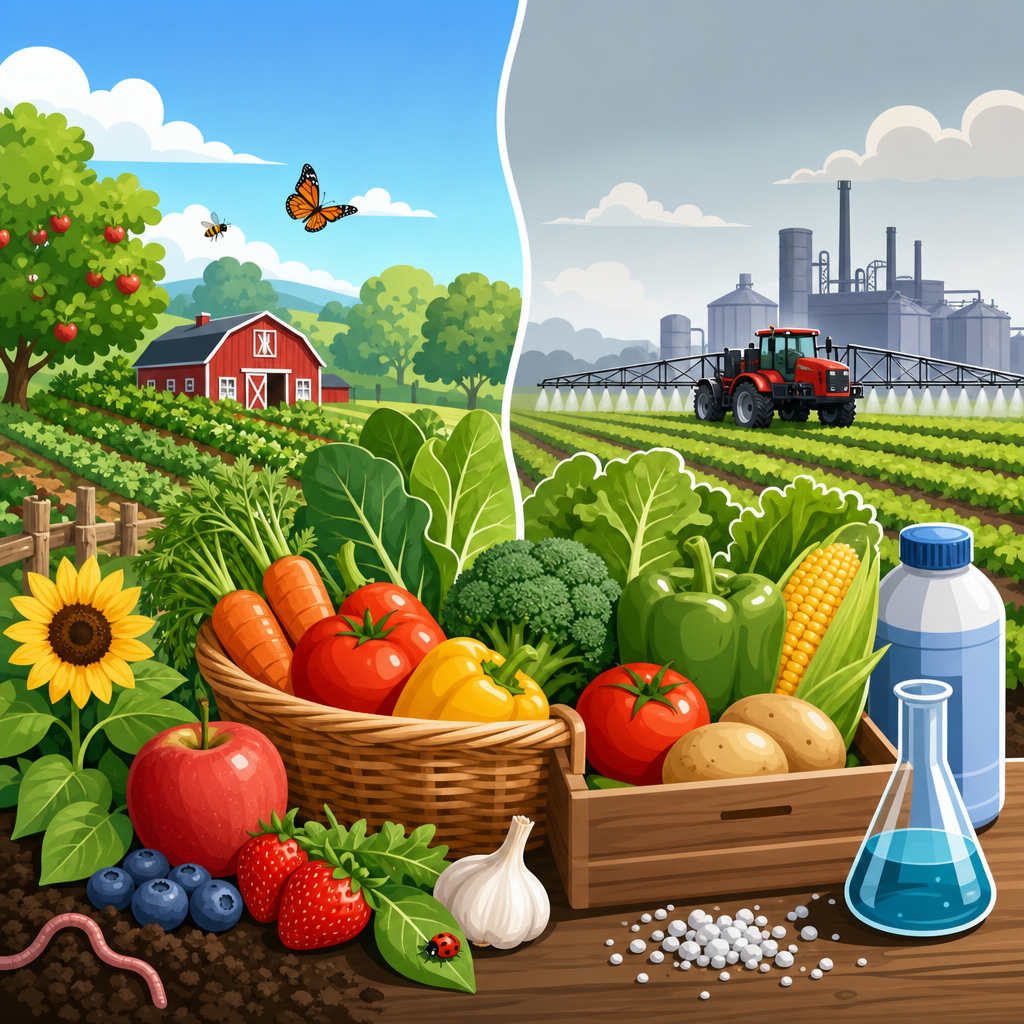
From a food science perspective, environmental impact is commonly assessed through life cycle thinking. Researchers look at emissions, water demand, land use, eutrophication potential, and sometimes biodiversity effects across production, processing, transport, packaging, retail, cooking, and disposal. The headline finding is consistent: food type matters more than food miles in many cases, especially when comparing ruminant meat with plant proteins. Beef and lamb tend to have the highest greenhouse gas intensity because methane from enteric fermentation, feed production, and land requirements drive impacts upward. Legumes, soy foods, peas, lentils, and many grains usually have much lower emissions per kilogram and often per gram of protein.
That does not mean all plant foods are automatically sustainable or all animal foods are equally problematic. Almonds raise questions about irrigation in water-stressed regions. Out-of-season produce grown in heated greenhouses can be energy intensive. Air-freighted perishables carry a heavier transport burden than ship-transported staples. On the animal side, poultry, eggs, yogurt, and some seafood species can have lower impacts than beef while still contributing high-quality protein and micronutrients. The practical lesson is to evaluate patterns, not slogans. A sustainable healthy diet is usually plant-forward, diverse, minimally wasteful, and adapted to local conditions.
How Eco-Friendly Diets Support Human Health
Eco-friendly diets improve health when they replace high-impact, low-quality calories with nutrient-dense foods that align with established dietary guidance. The strongest evidence supports dietary patterns rich in vegetables, fruits, legumes, whole grains, nuts, seeds, and unsaturated fats. These patterns are associated with lower risk of cardiovascular disease, type 2 diabetes, hypertension, and some cancers. They also tend to provide more fiber, potassium, folate, and phytonutrients than diets dominated by refined grains, processed meats, and excess saturated fat.
One reason this alignment works is that many lower-impact foods are nutritionally efficient. Beans and lentils deliver protein, fiber, iron, magnesium, and slow-digesting carbohydrate. Oats, barley, and brown rice add satiety and support glycemic control. Nuts and seeds contribute healthy fats and minerals, although portion size matters because they are energy dense. Vegetables and fruit increase volume and micronutrient density without driving calories excessively high. If people build meals around these foods, they often improve diet quality before they ever calculate environmental metrics.
There are still nutritional tradeoffs to manage. Very low intake of animal-source foods can require closer attention to vitamin B12, iron bioavailability, zinc, iodine, calcium, omega-3 fats, and sometimes protein distribution across meals, especially for children, older adults, pregnant people, and athletes. This is not a reason to dismiss sustainable eating; it is a reason to plan it well. Fortified foods, dairy or fortified alternatives, seafood choices with lower contaminant risk, eggs, and targeted supplementation can close gaps. The healthiest sustainable diet is not defined by ideology. It is defined by adequacy, consistency, and evidence-based choices.
Foods to Prioritize and Foods to Limit
For most households, the best sustainable eating strategy is a clear hierarchy. Prioritize whole or minimally processed plant foods first, choose moderate amounts of lower-impact animal foods if they fit your needs, and limit foods that are both nutritionally weak and environmentally intensive. This framework is easier to use than chasing perfect labels. It also makes meal planning straightforward: build from staples, add produce, include a protein source, and use flavor strategically.
| Food category | Why prioritize or limit | Practical examples |
|---|---|---|
| Legumes and soy foods | High protein and fiber with relatively low emissions and land use | Lentil soup, chickpea curry, tofu stir-fry, edamame snacks |
| Whole grains | Support satiety and cardiometabolic health; store well with low waste | Oats, brown rice, barley, whole-wheat pasta, quinoa |
| Seasonal vegetables and fruit | Nutrient-dense and often lower impact when grown in season | Root vegetables in winter, berries in summer, frozen produce year-round |
| Nuts and seeds | Provide healthy fats and minerals, but portions should be moderate | Walnuts, pumpkin seeds, peanut butter, tahini |
| Poultry, eggs, yogurt, some seafood | Often lower impact than beef and useful for nutrient adequacy | Egg-based meals, sardines, mussels, grilled chicken in smaller portions |
| Beef, lamb, processed meat | Typically higher greenhouse gas impact; processed meat also carries health concerns | Use less often, reduce portion size, substitute beans or poultry |
In real kitchens, prioritizing does not mean eliminating pleasure or tradition. It means shifting the center of the plate. A chili can move from mostly beef to mostly beans with mushrooms for texture. Pasta can feature white beans, spinach, and olive oil instead of a large meat portion. Yogurt with oats, fruit, and seeds can replace a packaged breakfast that costs more and offers less nutritional value. These changes reduce impact while preserving familiar meal structures, which is why they tend to last.
Seasonality, Local Sourcing, and Food Miles
Consumers often ask whether local food is always the most sustainable choice. The answer is no, but local sourcing can still be valuable. Transport usually represents a smaller share of food-system emissions than production method and food type, especially for red meat and dairy. A tomato grown locally in a heated greenhouse may have a higher footprint than a field-grown tomato shipped efficiently from a warmer region. By contrast, buying local can improve freshness, support regional agriculture, strengthen community food networks, and sometimes reduce packaging and storage needs.
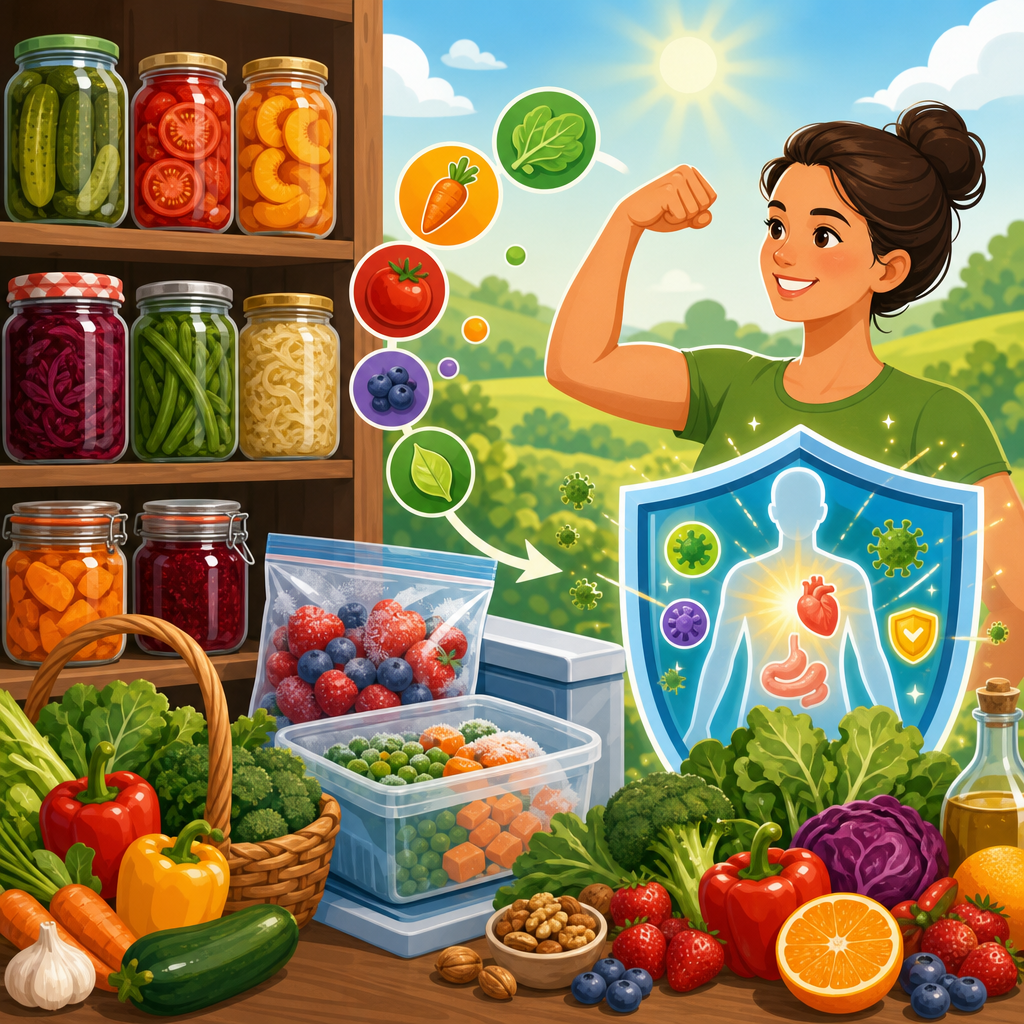
Seasonality is usually the more reliable principle. Foods grown in their natural season generally require fewer energy-intensive inputs and are often less expensive. This is why sustainable shopping often includes fresh produce in season plus frozen or canned produce for the off-season. Frozen spinach, peas, berries, and mixed vegetables preserve nutrients well and reduce spoilage. Canned beans and tomatoes are similarly useful because they support quick cooking with little waste. In many meal plans I have reviewed, frozen produce was the simplest upgrade because it removed the pressure to use everything immediately.
Food miles still matter in specific cases. Air-freighted foods such as fresh asparagus, berries, or green beans imported by plane can carry a much higher transport burden than ship-freighted staples. Labels do not always reveal transport mode, so broad common-sense rules help: buy highly perishable luxury produce less often out of season, rely more on durable staples, and use local produce when it is abundant. Sustainable eating is not an argument against trade; it is an argument for choosing supply chains that deliver nutrition with less waste and energy intensity.
Reducing Food Waste Is One of the Highest-Value Actions
Food waste is one of the most overlooked parts of an eco-friendly diet. When food is discarded, the land, water, energy, labor, fertilizer, packaging, and transport used to produce it are wasted as well. In practical terms, reducing household food waste is often easier and cheaper than changing every ingredient source. It also improves diet quality because planned eating usually includes more home-cooked meals and fewer impulsive purchases.
The most effective waste-reduction system is simple. Plan three to five anchor meals for the week, shop with a list, store food correctly, rotate older items forward, and assign leftovers a purpose. Cooked grains can become grain bowls or soups. Roasted vegetables can be folded into omelets or pasta. Stale bread can become croutons or breadcrumbs. Vegetable scraps can flavor stock when appropriate. Date labeling also deserves attention: “best by” often indicates quality, not safety, while “use by” is more time sensitive. Understanding the difference prevents unnecessary disposal.
Portioning matters too. Oversized servings drive both overeating and waste. Batch cooking should be matched to realistic household habits, not ideal intentions. If a family only enjoys one leftover night, making six extra portions is a mistake. I often recommend using the freezer as part of the meal plan, not as storage for forgotten food. Freeze soup in single servings, label containers clearly, and keep an inventory. Waste reduction is where sustainable eating becomes visible in the budget, because fewer discarded groceries translate directly into lower weekly costs.
Affordability, Access, and Common Misconceptions
A common misconception is that sustainable eating is expensive and only possible with specialty products. In reality, some of the most sustainable foods are also the most affordable: dried beans, lentils, oats, potatoes, rice, seasonal produce, cabbage, carrots, canned fish, and plain yogurt. Costs rise when people equate sustainability with premium packaging, imported superfoods, or highly marketed substitutes. A practical eco-friendly diet is built from staple ingredients and cooking methods that fit available time and equipment.
Access, however, is a real issue. Not every community has the same availability of fresh produce, culturally familiar ingredients, or reliable transportation to full-service grocery stores. Time scarcity also shapes food choice. Someone working long shifts may need convenience formats such as frozen vegetables, prewashed greens, canned beans, and rotisserie chicken. These can still fit a sustainable pattern. Public health advice is strongest when it respects constraints rather than assuming ideal conditions. School meals, workplace food environments, urban agriculture, and retail policies all influence whether sustainable diets are realistic at population scale.
Another misconception is that one eating pattern fits everyone. It does not. Sustainable eating can be omnivorous, pescatarian, vegetarian, or mostly plant-based. The right version depends on health status, age, training demands, culture, budget, and food preferences. What remains consistent is the direction of travel: more whole plant foods, fewer high-impact meats, smarter sourcing, and less waste. People do not need to change everything at once. They need a framework that improves both health and environmental performance without creating nutritional gaps or social friction.
How to Build a Sustainable Healthy Diet That Lasts
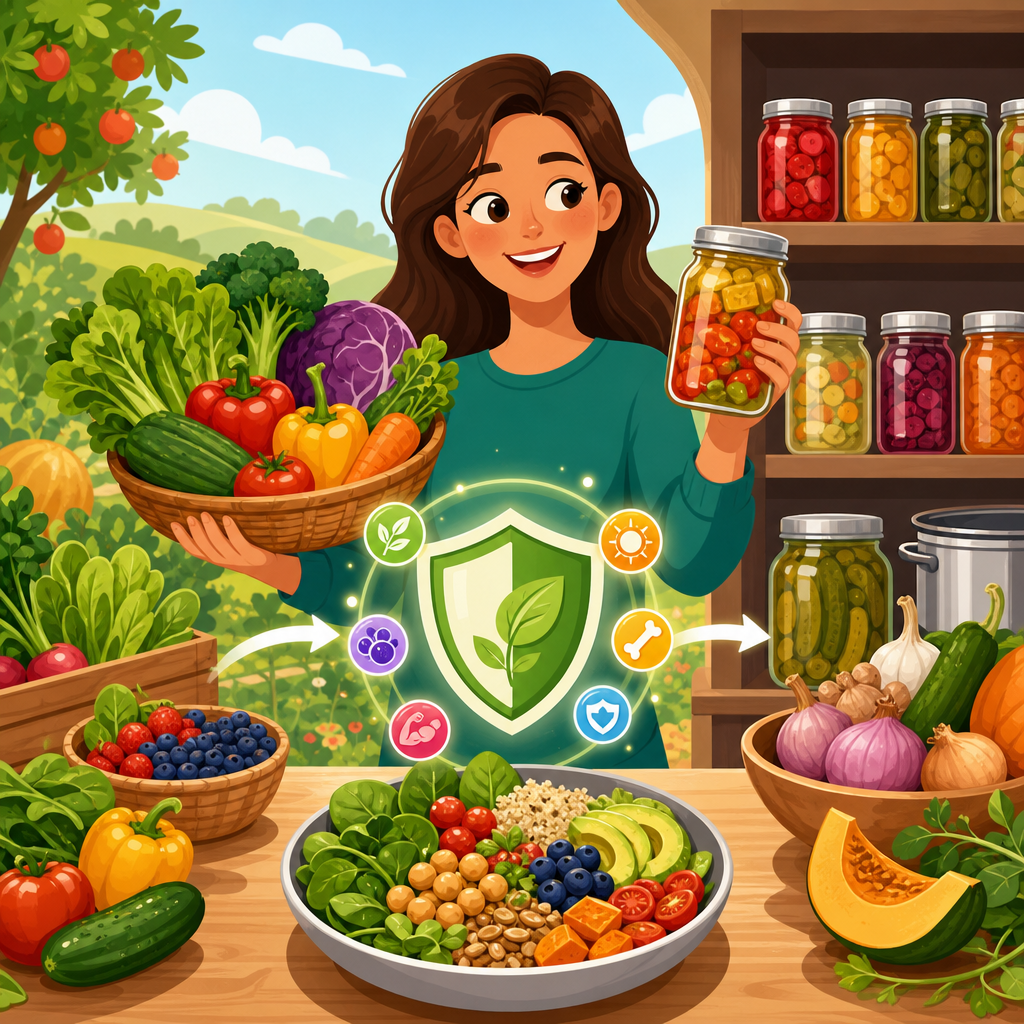
The most durable approach starts with meal architecture. Build most meals from four parts: vegetables or fruit, a whole-grain or starchy base, a protein source, and a flavorful fat or seasoning. This can look like a lentil and vegetable stew with barley, tofu with brown rice and broccoli, yogurt with oats and berries, or grilled fish with potatoes and salad. When people use this structure consistently, dietary quality rises and environmental impact usually falls. It also creates natural internal pathways to related topics such as plant proteins, food labeling, regenerative agriculture, seafood sustainability, and waste reduction, which belong in any serious food science and sustainability resource library.
Start with two or three repeatable habits. Choose one plant-based dinner each week and increase from there. Replace part of the ground meat in recipes with lentils or mushrooms. Keep frozen vegetables and canned beans available for low-effort meals. Buy fruit you actually eat, not fruit you admire. If you consume animal foods, favor smaller portions and better frequency decisions rather than assuming every meal needs a large serving. For beverages, drink water most often and avoid overreliance on resource-intensive single-use packaging.
The goal is progress backed by evidence, not purity. Sustainable eating and eco-friendly diets support a healthy diet when they improve nutrient density, lower unnecessary environmental burden, and fit real life. The best outcomes come from steady changes that households can maintain: eat more plants, waste less food, choose animal products more carefully, and shop with seasonality and practicality in mind. If you are refining your diet, start with one week of meal planning and one waste-reduction habit, then build from there. Small, consistent decisions create healthier people and a more resilient food system.
Frequently Asked Questions
What does sustainable eating actually mean in the context of a healthy diet?
Sustainable eating means choosing foods and eating patterns that support both human health and the long-term health of the planet. In a healthy diet, this goes beyond counting calories or following trends. It includes thinking about how food is grown, processed, transported, packaged, and wasted, as well as how those choices affect land use, water use, greenhouse gas emissions, and biodiversity. A sustainable diet should still meet nutritional needs first, providing enough protein, fiber, healthy fats, vitamins, and minerals, while also reducing unnecessary environmental strain.
In practical terms, sustainable eating often emphasizes more plant-forward meals, a wider variety of minimally processed foods, sensible portions, and a lower reliance on resource-intensive products. However, it does not require perfection or a one-size-fits-all approach. Cultural traditions, budget, food access, personal health conditions, and regional food systems all matter. A truly sustainable healthy diet is one that people can maintain over time, one that fits their life, supports physical well-being, and avoids wasteful or excessively harmful patterns of consumption.
Do eco-friendly diets always mean becoming vegetarian or vegan?
No. While plant-based eating patterns are often associated with lower environmental impact, an eco-friendly diet does not automatically require complete avoidance of animal foods. The broader goal is to reduce pressure on environmental systems while preserving nutritional adequacy and long-term practicality. For many people, that may mean eating more legumes, whole grains, vegetables, fruits, nuts, and seeds, while reducing the frequency or portion size of foods that tend to carry a higher environmental footprint, especially heavily processed foods and some animal products produced through intensive systems.
There is room for flexibility. Some people follow Mediterranean-style, mostly plant-based, pescatarian, or reduced-meat diets that can still align well with sustainable eating principles. The quality and source of food matter too. For example, responsibly produced dairy, eggs, seafood, or meat may fit into an eco-friendly pattern when consumed thoughtfully and balanced with a strong foundation of plant foods. The key is not rigid labels, but an overall eating pattern that supports health, respects local and cultural realities, and lowers unnecessary environmental impact.
How can sustainable eating improve both personal health and environmental health at the same time?
Sustainable eating often aligns closely with the core principles of good nutrition. Diets centered on vegetables, fruits, beans, lentils, whole grains, nuts, and seeds are typically higher in fiber and beneficial plant compounds, and they can support heart health, digestive health, blood sugar control, and healthy weight management. At the same time, these foods often require fewer natural resources than diets dominated by high-impact foods. That creates a valuable overlap: what is good for long-term health is frequently also better for soil, water, climate, and ecosystem stability.
Environmental health also affects personal health in indirect but important ways. Food systems influence air and water quality, antibiotic use, soil resilience, and climate-related risks that can affect food security and public health over time. By choosing a more sustainable diet, people help support systems that are better able to produce nutritious food in the future. This makes sustainable eating not just a personal wellness strategy, but part of a broader approach to protecting the conditions that make healthy diets possible for communities and future generations.
What are the most practical ways to eat more sustainably without spending a lot of money?
Eating more sustainably does not have to mean buying premium organic products or shopping at specialty stores. Some of the most effective steps are simple and budget-friendly. Building meals around beans, lentils, peas, oats, brown rice, potatoes, seasonal produce, frozen vegetables, and other basic staples can support both nutrition and sustainability at a relatively low cost. Reducing food waste is another major strategy. Planning meals, storing food properly, using leftovers, freezing extra portions, and understanding date labels can save money while lowering the environmental burden associated with wasted food.
Other practical habits include cooking at home more often, choosing less heavily packaged foods when possible, buying only what will realistically be eaten, and using animal products more strategically rather than making them the center of every meal. Seasonal and locally available foods can sometimes be more affordable, though this depends on region and supply chains. The most realistic approach is usually to make gradual changes, such as adding one or two plant-based meals per week, replacing some convenience foods with whole-food staples, and focusing on consistency rather than perfection. Small, repeatable actions often have the greatest long-term impact.
How do seasonality, local food, and food waste fit into an eco-friendly diet?
Seasonality, local food, and food waste are all important parts of sustainable eating, but they should be understood in a balanced way. Eating foods that are in season can support freshness, variety, and sometimes lower resource use, especially when those foods are naturally suited to local growing conditions. Local food can also strengthen regional economies and shorten supply chains, which may improve transparency and resilience. However, local is not always automatically the most sustainable option. Production methods, storage needs, transport efficiency, and packaging all influence a food’s overall footprint, so the bigger picture matters.
Food waste is one of the most overlooked areas of sustainable eating. When food is wasted, the water, land, energy, labor, and transportation used to produce it are wasted too. That means preventing waste is often one of the most effective ways to make a diet more eco-friendly. Practical steps include meal planning, portion awareness, using edible scraps creatively, rotating older ingredients to the front, and choosing realistic quantities when shopping. A healthy, sustainable diet is not only about what foods are selected, but also about using those foods responsibly from purchase to plate.