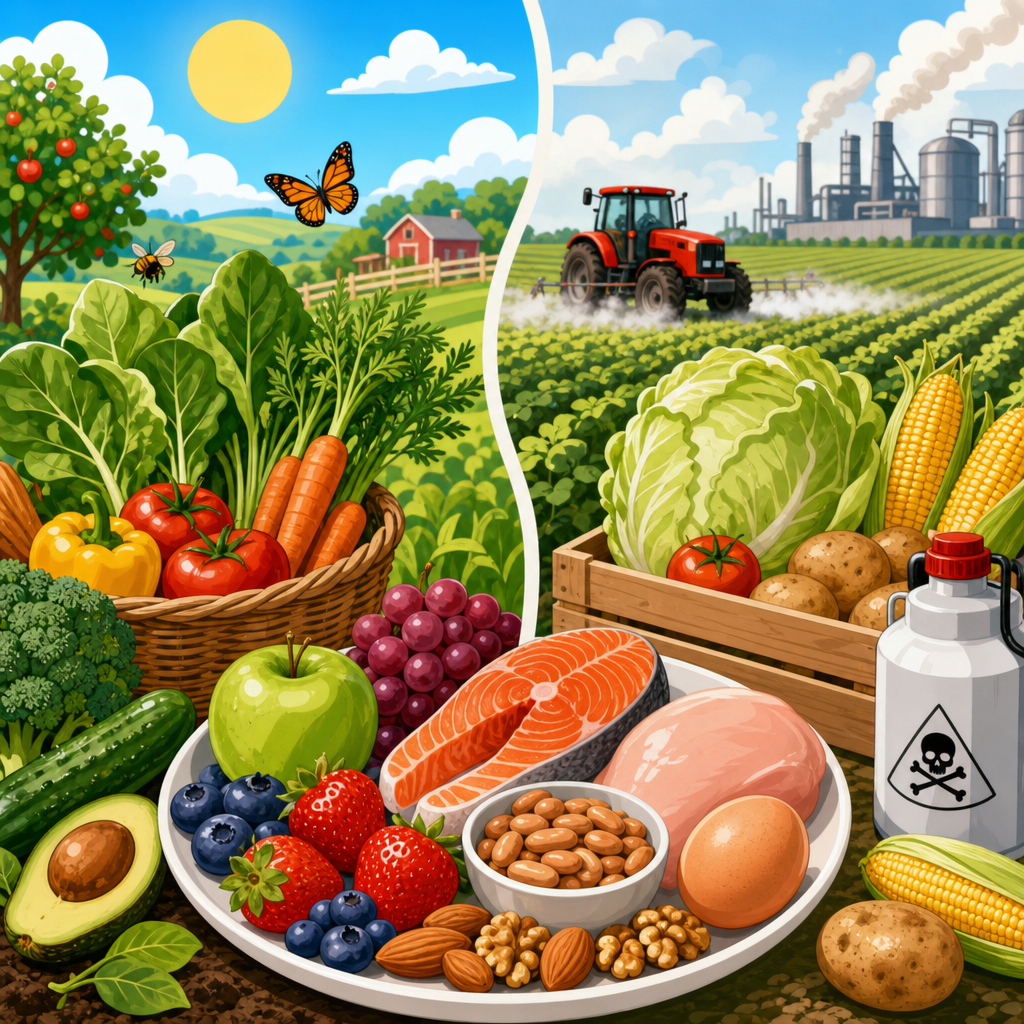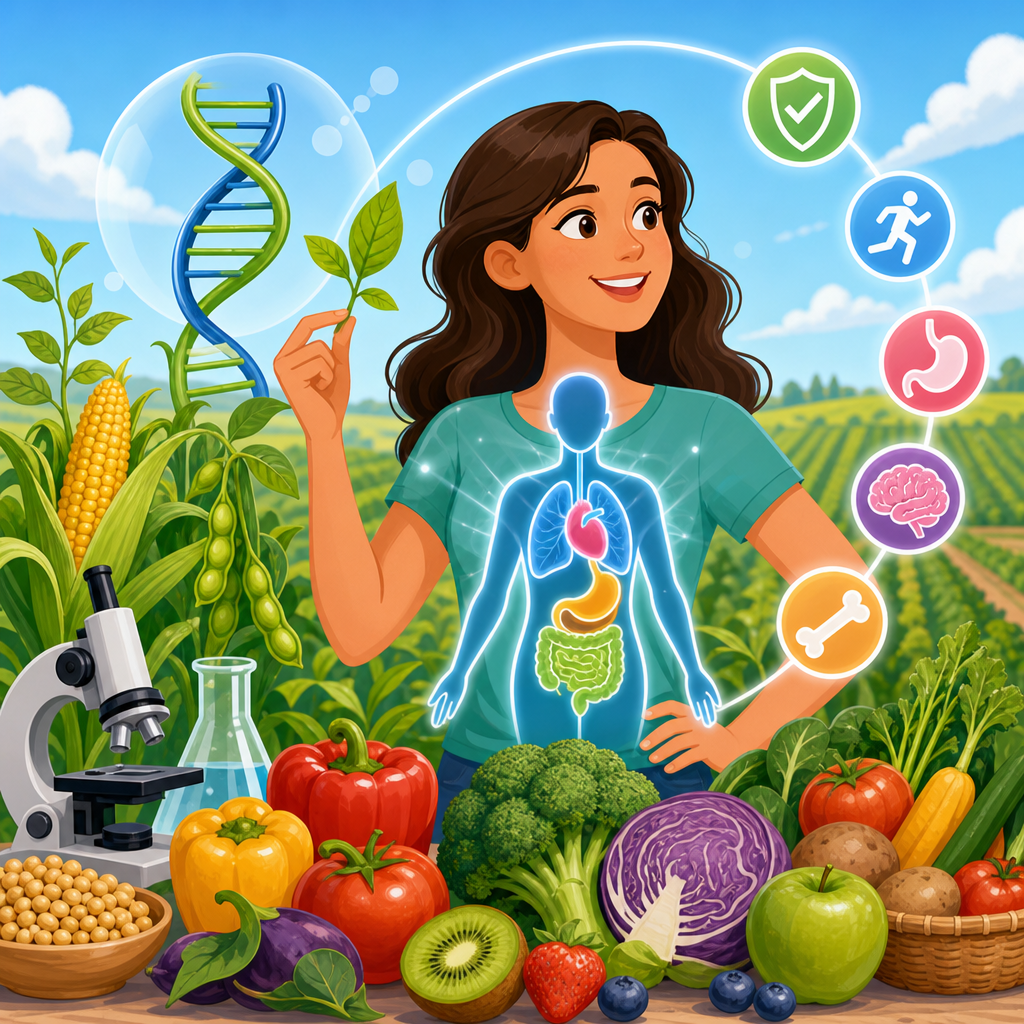
Food preservation and nutrient retention sit at the center of modern food science because the safest meal is not automatically the most nourishing one, and the freshest-looking ingredient can still lose vitamins, texture, flavor, and shelf life if it is handled poorly. Food preservation means slowing spoilage caused by microbes, enzymes, oxidation, moisture loss, or physical damage. Nutrient retention means keeping essential compounds such as vitamin C, folate, carotenoids, omega-3 fats, minerals, and protein quality intact from harvest to plate. In practical terms, the best foods for preservation and nutrient retention are those that naturally resist deterioration, respond well to low-temperature storage, drying, fermentation, canning, or freezing, and still deliver strong nutritional value after processing. I have worked with producers, commercial kitchens, and home storage systems, and one pattern is consistent: choosing the right foods matters as much as choosing the right method. This topic matters for household budgets, food waste reduction, emergency planning, public health, and supply chain resilience, especially as consumers expect convenience without sacrificing nutrition.
Some foods are naturally better candidates for long storage because their chemistry, structure, or water activity gives them an advantage. Dry beans, whole grains, nuts, seeds, root vegetables, fermented dairy, canned fish, frozen berries, and certain brassicas preserve well while holding substantial nutrients. Others are fragile. Leafy greens, cut fruit, fresh herbs, and high-moisture seafood can degrade rapidly unless temperature, humidity, oxygen exposure, and packaging are carefully controlled. Understanding the difference helps shoppers buy smarter and helps educators build realistic guidance around seasonality, sustainability, and healthy eating. It also clarifies an important point: preservation is not the enemy of nutrition. Freezing can lock in vitamin levels soon after harvest. Fermentation can improve digestibility and support beneficial microbes. Canning can make fish bones edible and increase calcium intake. Drying can concentrate minerals and energy density. The real question is not whether preserved food is good or bad, but which preserved foods offer the best balance of shelf life, safety, affordability, and retained nutritional value.
What makes a food preserve well while keeping nutrients
A food preserves well when spoilage reactions are naturally slow or can be slowed without severe nutrient loss. The main variables are water activity, acidity, fat stability, enzyme activity, tissue structure, and microbial susceptibility. Low-water foods such as lentils, oats, and brown rice are stable because bacteria and molds need available moisture. Acidic foods such as tomatoes and many fruits inhibit dangerous pathogens more effectively than low-acid vegetables. Dense plant tissues in carrots, sweet potatoes, cabbage, and apples tolerate refrigeration and transport better than delicate greens. Fatty foods require a different lens because unsaturated fats oxidize; that is why flaxseed, walnuts, and oily fish need tighter control of oxygen, light, and temperature than dried beans or pasta.
Nutrient retention depends on the nutrient itself. Vitamin C and folate are heat and oxygen sensitive. Thiamin can decline with extended heating. Carotenoids such as beta-carotene and lycopene are comparatively stable and can even become more bioavailable after cooking. Minerals like iron, calcium, potassium, magnesium, and zinc are generally stable, though they can leach into cooking water. Protein usually survives preservation well, but texture and digestibility may change. In practice, the best preservation foods are not simply the longest lasting foods. They are foods that still offer meaningful nutrition after realistic storage and preparation. That is why dried pulses, frozen vegetables, canned seafood, cultured dairy, and cold-stored root vegetables consistently outperform highly refined shelf-stable snacks, which may keep for months but contribute less nutritionally.
Top foods rich in food preservation and nutrient retention
Dry beans and lentils are among the strongest examples. Their low moisture supports long shelf life, often one to three years in sealed, cool conditions, while their protein, fiber, iron, potassium, and folate make them foundational foods in sustainable diets. Whole grains such as oats, barley, and brown rice also preserve relatively well, though brown rice has a shorter shelf life than white rice because bran oils can turn rancid. Root vegetables including potatoes, sweet potatoes, carrots, beets, onions, and winter squash store for weeks or months under proper temperature and humidity. They retain carbohydrates, fiber, potassium, and carotenoids with far less loss than many fresh greens.
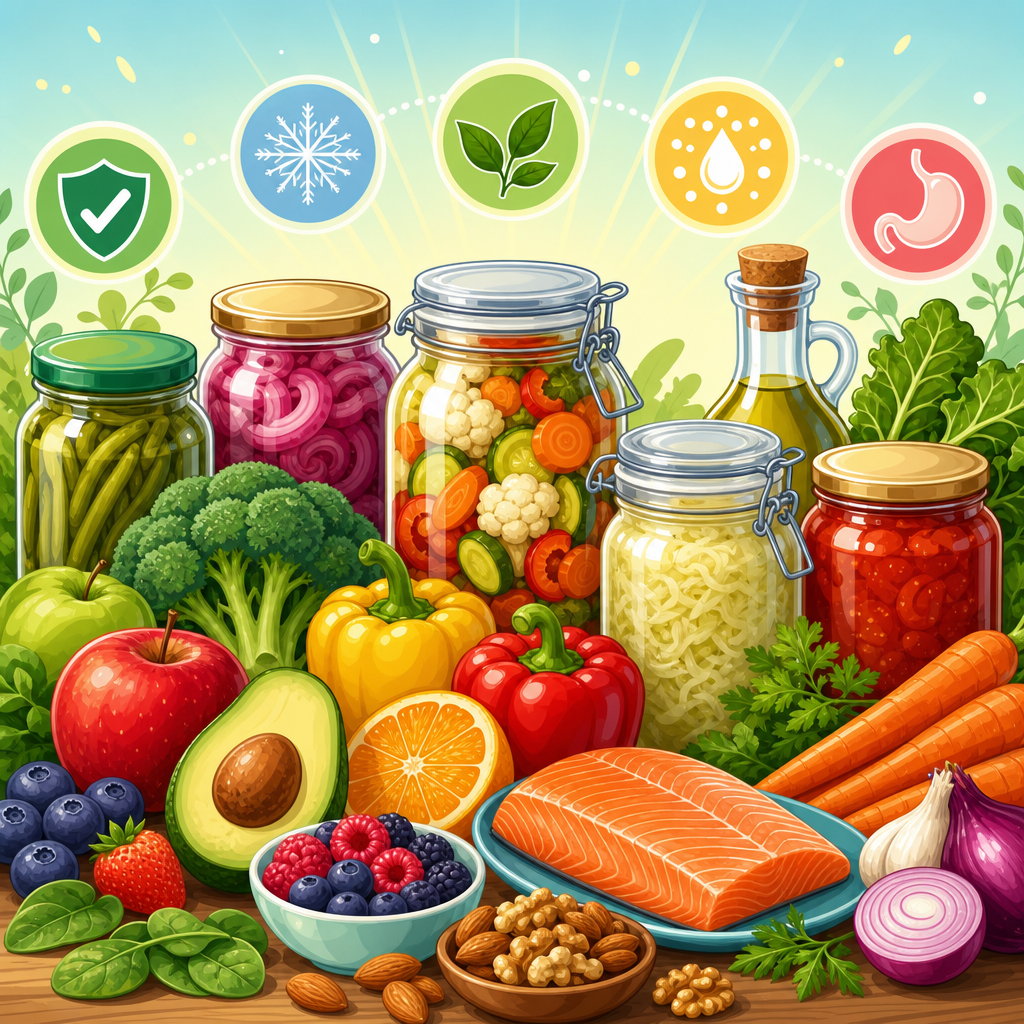
Frozen fruits and vegetables deserve special emphasis because they are often processed close to harvest. In commercial systems, peas, spinach, berries, and broccoli are usually blanched or cleaned and frozen rapidly, limiting enzymatic damage. This means frozen produce can equal or exceed the vitamin content of fresh produce that spent days in transit and more days in a refrigerator. Fermented foods such as yogurt, kefir, sauerkraut, and kimchi combine preservation with microbial transformation. They extend usability while contributing protein, calcium, or beneficial fermentation products, though probiotic survival varies by product and storage. Canned fish, especially sardines and salmon, offer one of the best nutrient-to-shelf-life ratios in the grocery store. They provide stable protein, omega-3 fats, vitamin D, selenium, and, when bones are included, highly available calcium.
| Food | Typical storage advantage | Key retained nutrients | Best use case |
|---|---|---|---|
| Dry beans and lentils | Long shelf life at low moisture | Protein, fiber, iron, folate | Low-cost pantry staple |
| Frozen broccoli and peas | Rapid freezing slows degradation | Vitamin C, fiber, carotenoids | Reliable year-round vegetables |
| Sweet potatoes and carrots | Cold storage with durable tissue | Beta-carotene, potassium, fiber | Seasonal storage crops |
| Yogurt and kefir | Fermentation extends usability | Protein, calcium, live cultures | Digestive-friendly dairy option |
| Canned sardines and salmon | Heat-processed for long storage | Omega-3s, vitamin D, calcium | Compact nutrient-dense protein |
How preservation methods affect the foods you buy most often
Freezing is one of the most reliable methods for retaining nutrition because it slows microbial growth and enzymatic activity with minimal need for additives. The tradeoff is texture. Frozen strawberries or thawed spinach rarely match the structure of fresh versions, but they still work well in smoothies, sauces, soups, and cooked dishes. Blanching before freezing can reduce some heat-sensitive vitamins, yet it also prevents much larger losses during storage by deactivating enzymes. In my own kitchen audits, frozen peas and corn routinely beat neglected fresh produce on both waste reduction and actual weekly consumption.
Canning uses heat to achieve shelf stability, and that heat can reduce some vitamins. However, the process also creates major benefits: safety, convenience, and access. Tomatoes are a clear example. Canned tomatoes may lose some vitamin C, but they remain rich in potassium and lycopene, and the lycopene is often more available to the body after processing. Fish canning is another high-value case because it turns a highly perishable food into a shelf-stable protein source. Drying removes water, lowering spoilage risk, but it concentrates sugars and calories. Dried apricots, raisins, dates, and figs still provide fiber and minerals, yet portion control matters. Fermentation can lower pH, generate flavor, and in some foods reduce antinutrients, but salt content in pickled or fermented products should be checked, especially for people managing blood pressure.
Best storage practices for keeping food quality high at home
Even the best preservation-friendly foods lose value if stored carelessly. Temperature control is the first rule. Refrigerators should stay at or below 40°F, and freezers at 0°F. Dry goods last longest in airtight containers away from heat, humidity, and light. Oxygen absorbers can help with long-term pantry storage, but for everyday use, simple sealed jars or food-grade bins are often sufficient. Root vegetables need crop-specific handling. Potatoes prefer cool, dark, well-ventilated spaces and should not be refrigerated if you want to avoid cold-induced sweetening. Onions need dry airflow. Carrots and beets keep best in high humidity, usually in the refrigerator crisper.
Packaging also changes outcomes. Vacuum sealing can extend freezer life by reducing oxidation and freezer burn, especially for berries, fish, and cooked grains. Ethylene management matters for fresh produce; apples, bananas, avocados, and tomatoes produce ethylene gas that speeds ripening in nearby foods. That is why storing apples next to leafy greens or cucumbers often shortens freshness. First in, first out rotation is still one of the most effective waste-reduction systems in both home and commercial kitchens. Labeling dates on leftovers, frozen soups, and batch-cooked beans sounds basic, but it is the difference between theoretical shelf life and food that actually gets eaten before quality declines.
Why these foods matter for sustainability, resilience, and everyday nutrition
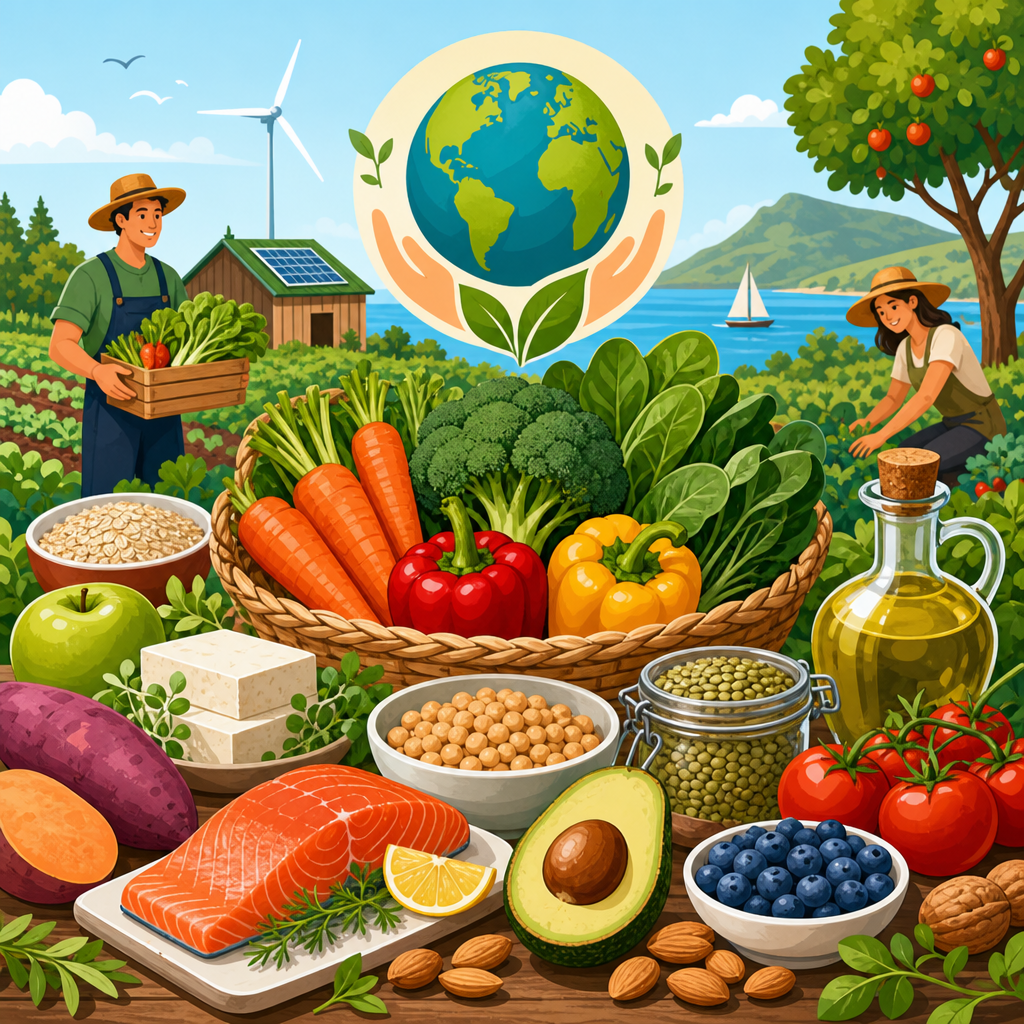
Foods that preserve well and retain nutrients support sustainability because they reduce loss across the entire chain from harvest to household. The United Nations Food and Agriculture Organization has long identified food loss and waste as a major issue for climate, land use, water use, and food security. When consumers buy perishable foods that spoil before use, they waste not only money but also the embedded energy, fertilizer, labor, packaging, and transport behind that item. Shelf-stable and freezer-stable staples help smooth seasonal gaps, reduce emergency shopping, and make meal planning more predictable. For communities with limited retail access, preserved nutrient-dense foods are not a compromise; they are often the most dependable route to balanced diets.
These foods also build resilience. A pantry with beans, oats, canned salmon, shelf-stable milk, nuts, dried fruit, and frozen vegetables can support nutritious meals during storms, supply disruptions, or busy work periods without heavy dependence on takeout. In nutrition counseling, I often see better adherence when people combine fresh produce with preserved nutrient-dense backups instead of aiming for an all-fresh ideal that collapses midweek. The most effective pattern is mixed sourcing: fresh when quality is high and timing is right, frozen and canned when consistency, budget, and waste prevention matter more.
How to choose the best foods for this subtopic hub
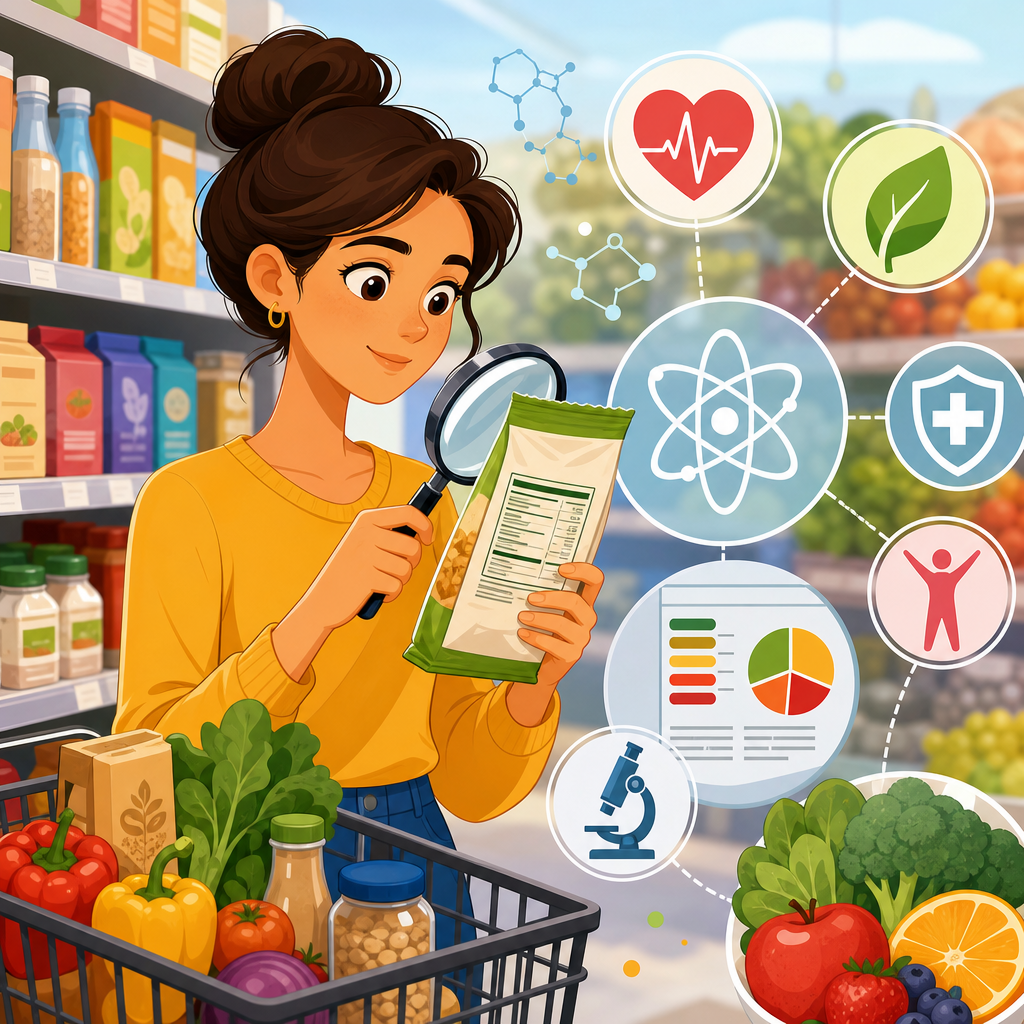
If you are building a smarter kitchen or researching food preservation and nutrient retention, start with categories rather than individual superfoods. Choose one legume, one whole grain, two frozen vegetables, one fermented dairy product, one canned fish, two storage vegetables, and one dried fruit or nut you will actually use. Read labels for sodium, added sugar, oil quality, and pack date where available. Prefer products with short ingredient lists and clear storage guidance. For home preservation, follow tested protocols from the USDA Complete Guide to Home Canning or National Center for Home Food Preservation rather than informal online advice. Safety must come first, especially with low-acid foods.
The takeaway is simple: the top foods rich in food preservation and nutrient retention are practical staples, not gimmicks. Dry beans, lentils, whole grains, frozen vegetables and berries, root crops, cultured dairy, canned fish, nuts, seeds, and carefully selected dried fruit give you longer usability without giving up nutritional strength. They save money, cut waste, improve meal reliability, and make healthy eating easier across seasons. Use this hub as your starting point, then build your routine around a balanced mix of fresh, frozen, fermented, dried, and canned foods that fit how you actually cook. Audit your pantry this week, replace low-value fillers with high-retention staples, and turn food science into everyday advantage.
Frequently Asked Questions
What does “food preservation and nutrient retention” actually mean, and why does it matter?
Food preservation is the process of slowing down spoilage so food stays safe, stable, and usable for longer. Spoilage can happen because of bacteria, yeast, mold, enzymes, oxygen exposure, moisture changes, light, and simple physical damage during storage or transport. Nutrient retention, on the other hand, refers to how well a food keeps its valuable nutrients over time and through processing, cooking, freezing, drying, or canning. These nutrients include vitamin C, B vitamins such as folate, fat-soluble compounds like carotenoids and vitamin E, healthy fats such as omega-3s, and important minerals.
This matters because a food can look fresh and still have lost part of its nutritional value, especially if it has been exposed to too much heat, air, or time. It also works the other way around: some preserved foods can actually deliver excellent nutrition because preservation locks in quality at the right moment. Frozen vegetables are a classic example. They are often processed soon after harvest, which helps retain many nutrients very effectively. In practical terms, understanding preservation and nutrient retention helps you choose foods that are not only less likely to spoil, but also more likely to nourish you well. That means better value, less waste, more consistent food quality, and a smarter approach to healthy eating.
Which foods are especially good for both long shelf life and strong nutrient retention?
Several foods stand out because they naturally store well or respond especially well to preservation methods while still holding onto valuable nutrients. Frozen fruits and vegetables are among the best examples. Produce such as spinach, peas, berries, broccoli, and mixed vegetables is usually frozen quickly after harvest, which helps preserve vitamins, color, texture, and flavor. Canned tomatoes are another strong choice because they offer a long shelf life and remain rich in lycopene, an antioxidant that can even become more available after heat processing. Beans, lentils, and chickpeas, whether dried or canned, are excellent because they store well and provide fiber, plant protein, iron, magnesium, and other key nutrients.
Fermented foods also deserve attention. Yogurt, kefir, sauerkraut, and kimchi can offer good shelf stability under proper storage and may provide beneficial bacteria, depending on the product and handling. Nuts and seeds are useful as well because they contain healthy fats, minerals, and antioxidants, though they should be stored carefully to prevent their oils from turning rancid. Fatty fish preserved by freezing, vacuum sealing, or canning, such as salmon and sardines, can remain rich in omega-3 fats, protein, vitamin D, and calcium in the case of canned fish with soft edible bones. Dried herbs and certain dehydrated foods can also retain meaningful flavor and some nutrients while dramatically extending usability. The best overall strategy is to include a mix of fresh, frozen, canned, dried, and fermented foods so your diet stays both nutrient-dense and practical.
Are frozen, canned, or dried foods less nutritious than fresh foods?
Not necessarily. This is one of the most common misunderstandings in nutrition. Fresh food can be highly nutritious, but only if it is truly fresh and handled well. Once produce is harvested, nutrient losses begin, especially for fragile compounds like vitamin C and folate. If a “fresh” vegetable or fruit spends days in transport, distribution, storage, and your refrigerator drawer, it may no longer have a clear nutritional advantage over a frozen version. Frozen foods often compare very well because they are usually blanched and frozen soon after harvest, which slows enzymatic breakdown and preserves many nutrients effectively.
Canned foods can also be highly nutritious, although the specific nutrient profile depends on the food and the processing method. Heat-sensitive vitamins may decrease during canning, but other nutrients remain stable, and some become easier for the body to use. Tomatoes are a prime example because their lycopene becomes more bioavailable after heating. Canned beans retain protein, fiber, and minerals very well, making them a convenient and healthy staple. Dried foods can concentrate minerals, fiber, and calories, but some vitamins may be reduced during dehydration. The takeaway is simple: fresh is not always best by default. The best choice depends on harvest timing, storage conditions, processing quality, and how quickly you actually use the food. A balanced kitchen includes multiple forms because each has strengths.
What causes foods to lose nutrients during storage and preservation?
Nutrient loss usually happens because of five major forces: heat, oxygen, light, moisture changes, and time. Heat can damage delicate vitamins, especially vitamin C and several B vitamins. Oxygen can trigger oxidation, which affects nutrients such as vitamin E, carotenoids, and polyunsaturated fats like omega-3s. Light exposure can degrade certain vitamins and accelerate quality loss, especially in foods stored in clear containers. Moisture loss can change texture and quality, while too much moisture can encourage microbial growth and spoilage. Time is the silent factor that amplifies all of these issues. Even under decent storage conditions, quality gradually declines.
Enzymes naturally present in food also play a major role. After harvest, enzymes continue to act on color, flavor, and texture unless they are slowed by refrigeration or stopped through methods like blanching before freezing. Physical damage matters too. Bruising, slicing, crushing, and rough handling increase the food’s surface area and expose more tissue to air and microbes. That is why chopped produce often deteriorates faster than whole produce. Packaging and storage temperature are also critical. Airtight containers, vacuum sealing, refrigeration, freezing, and protection from light can all help preserve both safety and nutrition. In other words, nutrient loss is not caused by one single event. It is usually the result of several small stresses that build over time.
How can I choose and store foods to maximize both preservation and nutrient retention at home?
Start by buying foods in the form that best matches when you will use them. If you plan to eat produce within a day or two, fresh may be ideal. If not, frozen can be the smarter choice because it helps reduce waste while preserving nutritional quality. For pantry basics, keep canned beans, canned tomatoes, dried legumes, whole grains, nuts, seeds, and shelf-stable seafood on hand so you always have nutrient-dense options available. Look for packaging that protects against air, moisture, and light, and check dates without assuming that a later date always means better quality than a properly stored product.
At home, refrigerate perishable foods promptly, keep your refrigerator at a safe temperature, and avoid washing produce until you are ready to use it if excess moisture could speed spoilage. Store oils, nuts, and seeds away from heat and light, and consider refrigeration for products rich in delicate fats. Freeze foods in meal-sized portions so they thaw quickly and do not require repeated refreezing. Use airtight containers to limit oxygen exposure, and rotate your pantry so older products are used first. When cooking, use methods that reduce unnecessary nutrient losses, such as steaming, microwaving, sautéing briefly, or using minimal water when appropriate. Finally, remember that the most nutritious food is often the food you actually eat before it spoils. Smart selection, proper storage, and realistic meal planning are what turn food preservation and nutrient retention into everyday health advantages.