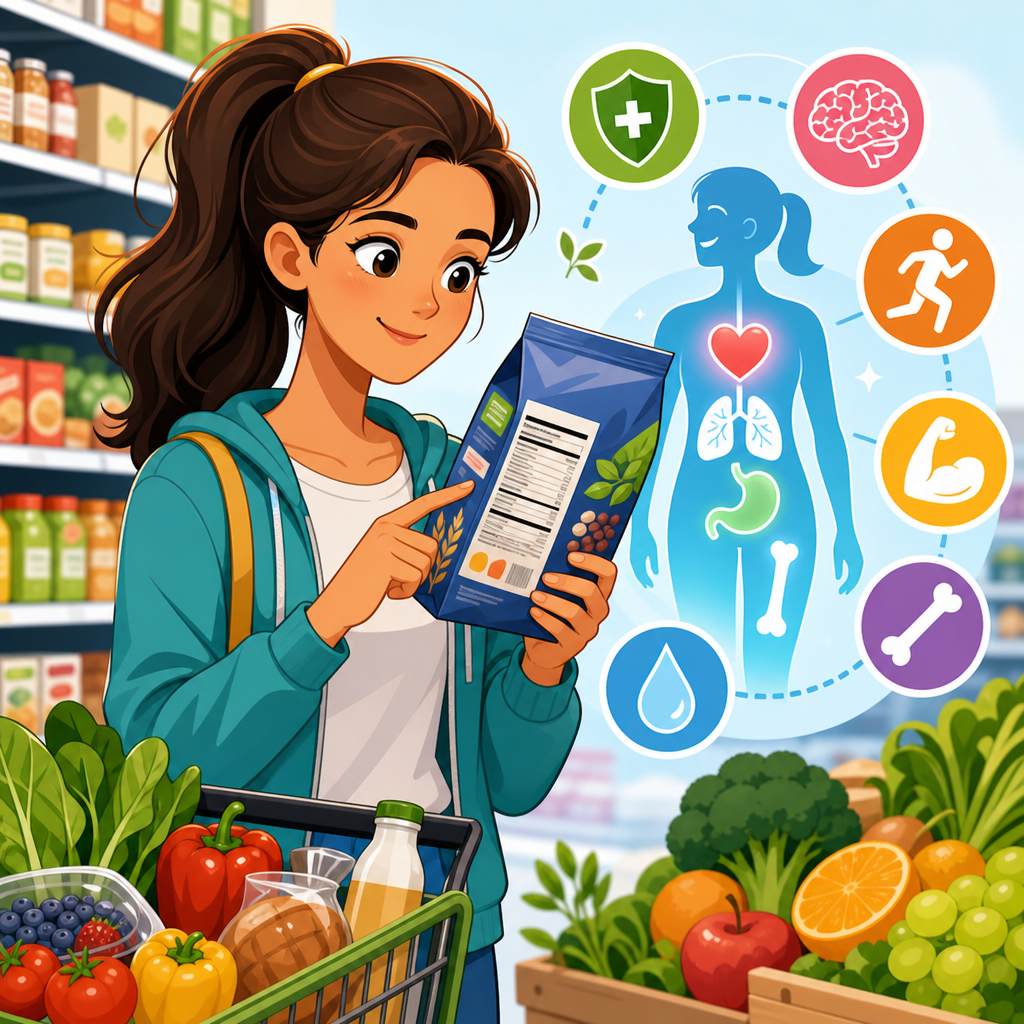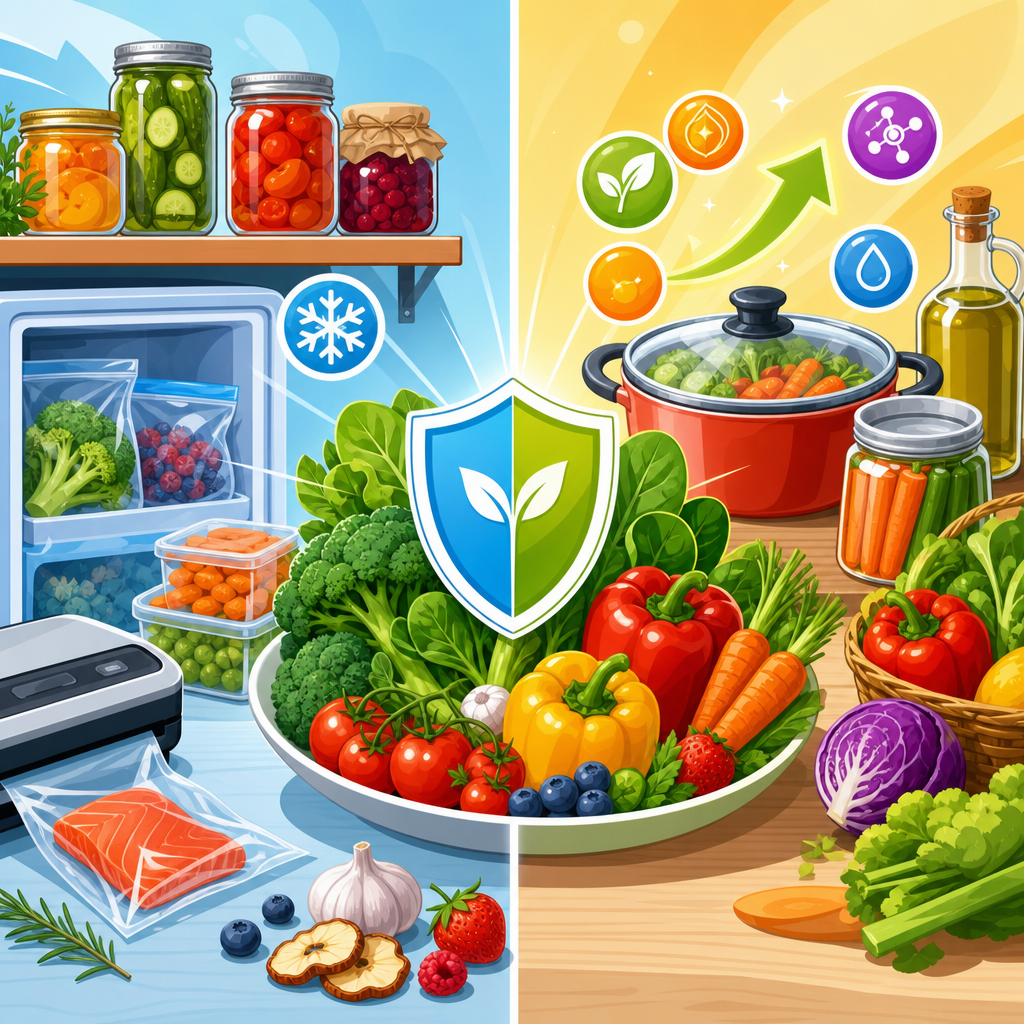
Food preservation and nutrient retention are essential to a balanced diet because the value of food depends not only on what is grown or purchased, but also on how safely and effectively it is stored, processed, and prepared before it is eaten. In food science, preservation means slowing spoilage caused by microbes, enzymes, oxidation, moisture loss, or physical damage. Nutrient retention refers to keeping vitamins, minerals, protein quality, healthy fats, fiber, and beneficial plant compounds intact from harvest to plate. I have seen in both commercial kitchens and nutrition education work that people often focus on buying “healthy” ingredients while overlooking what happens afterward. Yet poor storage, overcooking, repeated reheating, or long transport times can reduce quality dramatically. Understanding food preservation and nutrient retention matters because it protects health, stretches budgets, reduces waste, improves food security, and supports sustainability. For households, schools, hospitals, and food businesses, preserving food well means more consistent access to safe, nutritious meals throughout the week and across seasons.
A balanced diet requires reliable intake of energy, essential amino acids, fatty acids, vitamins, minerals, and phytochemicals. Preservation helps achieve that reliability by extending shelf life without making food unsafe or nutritionally empty. This is especially important for perishable foods such as leafy greens, berries, milk, fish, meat, and cooked grains, which can lose freshness quickly. Not all preservation methods affect nutrients in the same way. Freezing usually preserves vitamin and mineral content well, while high heat can reduce vitamin C and some B vitamins. Canning can soften fiber structures and improve availability of some compounds, such as lycopene in tomatoes, even as it lowers heat-sensitive nutrients. Drying concentrates calories and minerals but may alter texture and damage certain antioxidants if temperatures run too high. Fermentation can improve digestibility and generate beneficial metabolites, but salt levels must be managed carefully. The practical question is not whether preserved food is “good” or “bad.” It is which method best protects safety, nutrition, flavor, and convenience for a given food and a given eating pattern.
This topic sits at the center of food science and sustainability because food waste and malnutrition often stem from the same problem: food is lost, spoiled, or nutritionally degraded before it is consumed. According to the Food and Agriculture Organization, large shares of food are lost after harvest or wasted at retail and household levels, while many populations still fail to meet basic micronutrient needs. Better preservation closes that gap. A frozen spinach portion that keeps folate available for months, or pasteurized milk that remains safe long enough to be distributed widely, can have more real dietary impact than fragile fresh products discarded after a few days. As a hub topic, food preservation and nutrient retention connects home storage, industrial processing, packaging, cold chain logistics, cooking methods, labeling, and food access. When these systems work together, a balanced diet becomes more practical, affordable, and resilient.
What food preservation does and why it supports diet quality
Food preservation works by controlling the main causes of deterioration. Microbial growth is limited through refrigeration, freezing, heat treatment, drying, acidification, salting, sugaring, or modified atmosphere packaging. Enzymatic browning and texture breakdown are slowed through blanching, pH control, or low temperatures. Oxidation is reduced by excluding oxygen, limiting light exposure, and using antioxidant ingredients or packaging barriers. Each of these actions protects diet quality in a measurable way. If milk is pasteurized, pathogens such as Listeria monocytogenes, Salmonella, and Campylobacter are reduced to safe levels, allowing families to consume calcium, protein, riboflavin, and vitamin B12 without unnecessary risk. If beans are dried or canned, they become shelf-stable sources of protein, iron, folate, and fiber that support balanced meals in places where fresh animal protein is expensive or intermittent.
Preservation also improves dietary consistency. In practice, consistency is a hidden pillar of nutrition. A balanced diet is not one ideal meal; it is a pattern sustained over time. That pattern becomes easier when staples are stable. Frozen vegetables make it possible to include produce in weeknight meals without daily shopping. Canned fish offers long-lasting omega-3 fats and protein. Shelf-stable whole grains and legumes provide low-cost nutrition during seasonal shortages or emergencies. In institutional food service, I have repeatedly seen menus improve when storage systems improve. Better rotation, tighter temperature control, and sensible use of frozen and minimally processed foods reduce spoilage and increase the number of nutrient-dense options actually served. Preservation therefore supports not just safety, but adherence to healthy eating.
How preservation methods affect nutrient retention
Nutrient retention depends on the food matrix, the nutrient itself, and the preservation conditions. Water-soluble vitamins, especially vitamin C, thiamin, and folate, are generally more vulnerable to heat and leaching. Fat-soluble vitamins such as A, D, E, and K tend to be more stable, though they can degrade with oxygen and light exposure. Minerals are usually retained well because they do not break down with heat, but they can be lost in discarded cooking water. Protein quality is often preserved during freezing and canning, though excessive heat may reduce digestibility slightly through Maillard reactions. Fiber remains largely intact in most methods, but texture changes alter how foods are perceived and used.
To compare options clearly, the best preservation method depends on the food and the household goal, whether that goal is maximum shelf life, best texture, highest vitamin retention, or lowest cost.
| Method | How it works | Nutrient impact | Best uses |
|---|---|---|---|
| Refrigeration | Slows microbial and enzymatic activity at 0–5°C | Good short-term retention; some vitamin loss over time | Dairy, produce, cooked meals |
| Freezing | Stops microbial growth and greatly slows chemical change below -18°C | Excellent overall retention; minor losses after blanching | Vegetables, fruit, fish, meat, batch-cooked meals |
| Canning | Heat processing in sealed containers destroys spoilage organisms | Lower heat-sensitive vitamins; strong mineral, protein, and fiber retention | Beans, tomatoes, fish, soups |
| Drying | Removes water to inhibit microbes | Concentrates minerals and calories; variable vitamin losses | Fruits, herbs, grains, legumes |
| Fermentation | Beneficial microbes produce acid or alcohol that suppresses spoilage | Can improve digestibility and create useful metabolites | Yogurt, kefir, kimchi, sauerkraut |
Freezing is often the strongest all-around option for nutrient retention. Vegetables destined for freezing are usually processed soon after harvest, then blanched briefly to inactivate enzymes before rapid freezing. That blanching causes some vitamin loss, but because storage is cold and oxygen exposure is limited afterward, frozen peas, spinach, and berries often retain nutrients better over time than “fresh” products held in distribution and home refrigerators for a week. Canning has a different profile. It subjects food to higher heat, which can reduce vitamin C and some B vitamins, but it creates a long shelf life and remarkable safety when standards are followed. Tomatoes are a classic example: canned tomatoes may contain less vitamin C than fresh, yet heat processing increases the bioavailability of lycopene, an antioxidant carotenoid linked with cardiovascular benefits. Drying is efficient and portable, useful for grains, pulses, mushrooms, and fruit, but oxygen, light, and high temperatures can affect color and antioxidants. Fermentation, used for yogurt, kefir, miso, and vegetables, can preserve food while contributing acids, peptides, and live cultures, though final health value depends on sugar and sodium levels.
Storage, packaging, and cooking habits that preserve nutrients
Even the best preservation method fails if storage practices are weak. Temperature control is the first rule. Refrigerators should stay at or below 4°C and freezers at -18°C. Small fluctuations matter, especially for meat, seafood, and ready-to-eat foods. The cold chain, meaning continuous temperature control from production to retail to home, is one of the most important but overlooked determinants of nutrient and safety outcomes. If frozen fish partially thaws during transport and refreezes, texture suffers, oxidation accelerates, and confidence in quality drops. Packaging matters as well. Oxygen barriers protect fats, nuts, and fortified foods from rancidity. Opaque containers shield light-sensitive nutrients such as riboflavin in milk. Vacuum sealing and modified atmosphere packaging can extend shelf life, but they must be paired with safe handling because reduced oxygen alone does not eliminate all hazards.
Home cooking has a major effect on nutrient retention. The most common mistakes are washing cut produce too far in advance, storing herbs and greens unprotected, boiling vegetables in large volumes of water, and reheating the same food repeatedly. Better habits are straightforward. Store produce with airflow appropriate to the item, keep cut fruit cold, use minimal water for cooking, and favor steaming, microwaving, pressure cooking, or quick sautéing when possible. Microwaving is often underestimated, yet for vegetables it can preserve nutrients well because cooking times are short and water use is low. Pressure cooking also reduces cooking time and improves legume digestibility while retaining minerals and protein. On the other hand, deep frying adds energy density and can degrade oils if temperatures are poorly controlled. The goal is not culinary purity; it is a practical system that preserves both edibility and nutrient value.
Why preservation matters for sustainability, access, and public health
Food preservation and nutrient retention are not only kitchen issues. They are central to sustainable food systems and public health planning. Waste reduction is the clearest link. When strawberries mold before they are eaten or leftovers are discarded after unsafe storage, water, land, labor, transport fuel, and packaging are wasted too. Preservation extends the useful life of food and lowers that loss. Frozen produce is a strong example because it allows processors to capture seasonal harvests at peak quality, reduce field losses, and supply markets year-round. In lower-income communities and rural areas, preserved foods can also bridge access gaps. Shelf-stable milk, canned beans, frozen vegetables, and fortified cereals often provide more dependable nutrition than fragile fresh products that are expensive, inconsistent, or unavailable.
Public health agencies and standards bodies emphasize this balance between safety and nutrition. The World Health Organization highlights food safety as a core health priority, while the Codex Alimentarius framework guides safe processing and handling across global trade. In the United States, USDA refrigeration guidance and FDA food code principles shape retail and household practices. These standards matter because preservation done poorly creates risk. Improper home canning can lead to botulism. Inadequate fermentation control can permit spoilage or unsafe microbial growth. Excess sodium in preserved foods can undermine cardiovascular goals, and sugar-heavy fruit preserves can displace healthier options if eaten carelessly. Balanced diet planning therefore means choosing preserved foods strategically: lower-sodium canned beans, fruit packed in juice rather than syrup, frozen vegetables without heavy sauces, and fermented foods that add variety without pushing salt intake too high. Preservation is powerful, but quality choices still matter.
Building a balanced diet with preserved foods
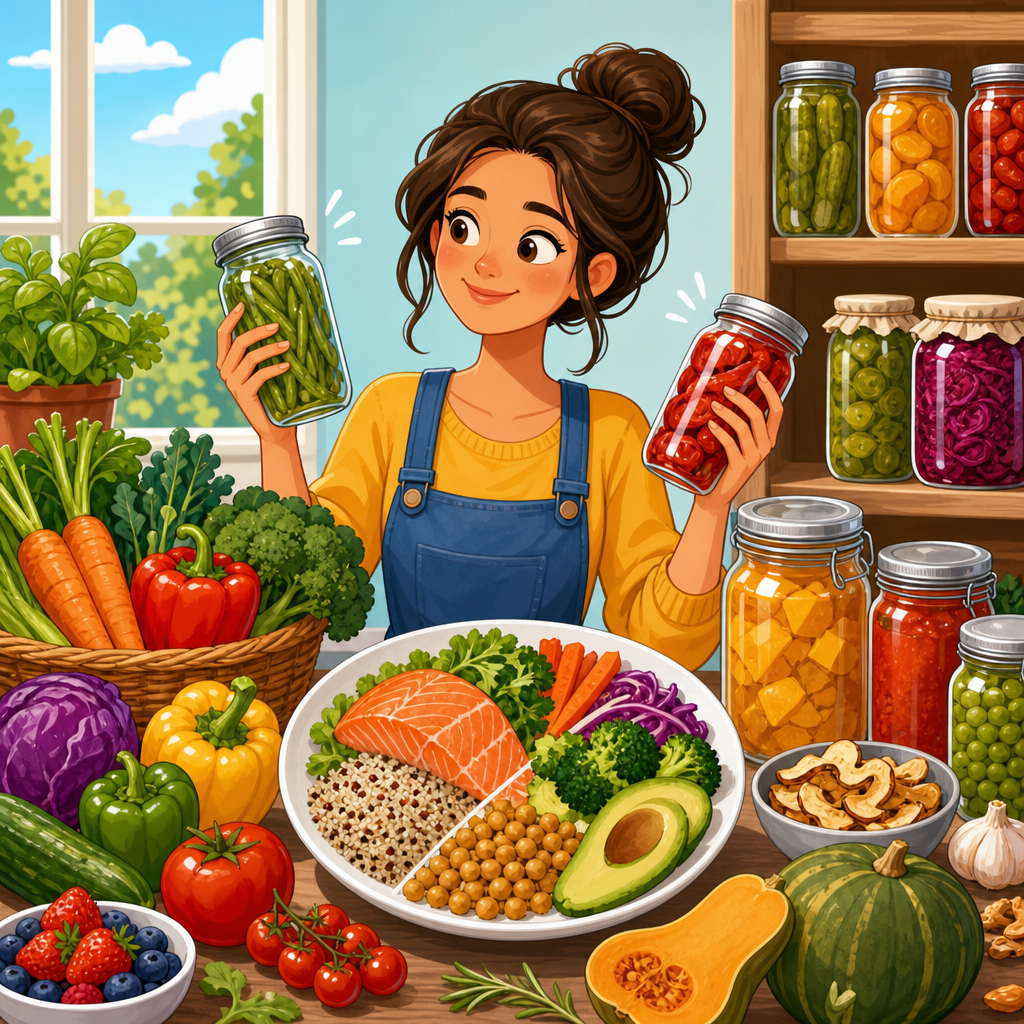
The most effective approach is not to choose between fresh and preserved foods, but to combine them intelligently. A balanced diet works best when fresh foods provide sensory variety and preserved foods provide reliability, affordability, and backup. A practical weekly pattern might include fresh salad greens for immediate use, frozen broccoli and berries for later in the week, canned chickpeas and tomatoes for quick meals, yogurt or kefir for fermented dairy, and dried oats, lentils, and nuts for pantry stability. This mix supports protein, fiber, calcium, iron, potassium, and a wide range of vitamins with less waste. It also makes meal planning more resilient when schedules change. I often recommend using the “use first, save next” principle: eat the most fragile foods early, then rely on frozen, canned, and dried options as the week progresses. That simple habit reduces spoilage and keeps nutrient intake steady.
Food preservation and nutrient retention are essential for a balanced diet because they turn nutrition from an intention into a dependable daily reality. Preserved foods can be safe, nutrient-dense, cost-effective, and environmentally responsible when the method matches the food and handling is done correctly. Refrigeration protects short-term freshness, freezing offers excellent overall retention, canning delivers convenience and long shelf life, drying provides portability, and fermentation adds flavor and functional benefits. The biggest lesson is that preservation is not the enemy of healthy eating. In many cases, it is what makes healthy eating possible at scale and over time. If you want a stronger diet and less waste, audit your kitchen this week: improve storage temperatures, plan meals around perishability, and add a smart mix of frozen, canned, dried, and fermented staples to support better nutrition every day.
Frequently Asked Questions
Why are food preservation and nutrient retention so important for a balanced diet?
Food preservation and nutrient retention matter because a balanced diet depends on more than simply choosing healthy foods at the store or harvesting them from a garden. The real nutritional value of food is shaped by what happens after it is picked, transported, stored, processed, cooked, and served. Preservation helps protect food from spoilage caused by bacteria, molds, yeasts, enzymes, oxidation, moisture changes, and physical damage. Nutrient retention focuses on keeping essential components such as vitamins, minerals, protein quality, healthy fats, fiber, and beneficial plant compounds intact for as long as possible.
When food is not preserved properly, it can become unsafe to eat or lose quality before it ever reaches the plate. Even when food still looks acceptable, poor storage or preparation can reduce nutrient levels significantly. For example, heat, light, air, and water exposure can affect sensitive nutrients such as vitamin C, certain B vitamins, and some antioxidants. That means a food that started out highly nutritious may deliver less dietary value if it has been mishandled.
For a balanced diet, this is especially important because people rely on foods to provide a consistent supply of energy, protein, vitamins, minerals, and protective compounds. Preserving food well extends shelf life, supports food safety, reduces waste, and helps ensure nutritious foods remain available between shopping trips, growing seasons, or harvest periods. In practical terms, good preservation and nutrient retention make it easier to eat a wide variety of wholesome foods regularly, which is one of the foundations of long-term health.
How does food preservation help maintain both food safety and nutritional quality?
Food preservation plays a dual role: it helps keep food safe to eat and it helps maintain as much of the original nutritional quality as possible. Safety comes first, because preserving food slows or prevents the growth of harmful microorganisms and reduces the risk of spoilage. Methods such as refrigeration, freezing, drying, fermenting, canning, vacuum sealing, and proper packaging are designed to control the conditions that microbes need to grow, such as moisture, warmth, and oxygen exposure.
At the same time, effective preservation can help protect nutrients by slowing natural deterioration. After harvest or purchase, food does not remain nutritionally static. Enzymatic activity continues, fats may oxidize, pigments can degrade, and delicate vitamins can decline over time. By lowering temperature, limiting air exposure, or stabilizing the food through drying or canning, preservation helps reduce these losses. For instance, freezing can preserve many nutrients very well because it slows chemical and enzymatic reactions dramatically. In some cases, foods are frozen soon after harvest, helping retain nutritional value efficiently.
It is also important to understand that no preservation method is perfect. Some methods may reduce certain nutrients while protecting others. Canning, for example, can involve heat that lowers some heat-sensitive vitamins, but it also provides safe, shelf-stable access to fruits, vegetables, beans, and fish year-round. Fermentation may alter flavor and texture while supporting preservation and, in some foods, adding beneficial compounds. The key point is that preservation is not just about making food last longer; it is about managing trade-offs carefully so food remains safe, accessible, and nutritionally useful as part of an overall healthy eating pattern.
Which nutrients are most vulnerable during storage and cooking, and how can losses be minimized?
Some nutrients are more fragile than others, especially during prolonged storage, high-heat cooking, or exposure to air and water. Water-soluble vitamins are typically the most vulnerable. Vitamin C is particularly sensitive to heat, oxygen, and time, while several B vitamins, including folate and thiamin, can also be reduced during cooking and storage. Fat-soluble nutrients such as vitamins A and E can be affected by oxidation, especially in foods exposed to light and air. Healthy fats themselves, particularly unsaturated fats, can deteriorate if stored improperly. In addition, some beneficial plant compounds, including certain polyphenols and pigments, may decline depending on how food is processed and prepared.
Minerals such as iron, calcium, potassium, and magnesium are generally more stable than vitamins, but they can still be lost indirectly if cooking water is discarded or if peels and edible outer layers are removed unnecessarily. Protein quality is usually fairly stable, though extreme processing or overcooking can affect texture, digestibility, and amino acid availability. Fiber is also relatively stable, but refining or peeling can lower total fiber intake substantially.
To minimize nutrient losses, several simple practices are highly effective. Store perishable foods at proper temperatures and use them within a reasonable time. Keep oils, nuts, and seeds away from heat and light to limit oxidation. Wash produce before use rather than soaking it for long periods. Cut fruits and vegetables just before cooking or serving when possible. Use cooking methods that require less water and shorter times, such as steaming, microwaving, sautéing, or pressure cooking when appropriate. If boiling is used, consider using the cooking liquid in soups, sauces, or stews to recover dissolved nutrients. Most importantly, avoid overcooking. Gentle handling from storage to preparation can make a meaningful difference in how much nutrition food ultimately provides.
Are preserved foods like frozen, canned, or dried foods still healthy choices?
Yes, preserved foods can absolutely be healthy choices, and in many situations they are practical, nutritious, and essential for maintaining a balanced diet. A common misconception is that only fresh food is nutritious, but that is not always true. Frozen fruits and vegetables, for example, are often processed shortly after harvest, which can help lock in nutrients. Canned beans, tomatoes, fish, and vegetables can provide valuable protein, fiber, minerals, and vitamins while offering convenience, affordability, and long shelf life. Dried foods such as beans, lentils, whole grains, nuts, seeds, and dried fruits can also be nutrient-dense staples when chosen carefully.
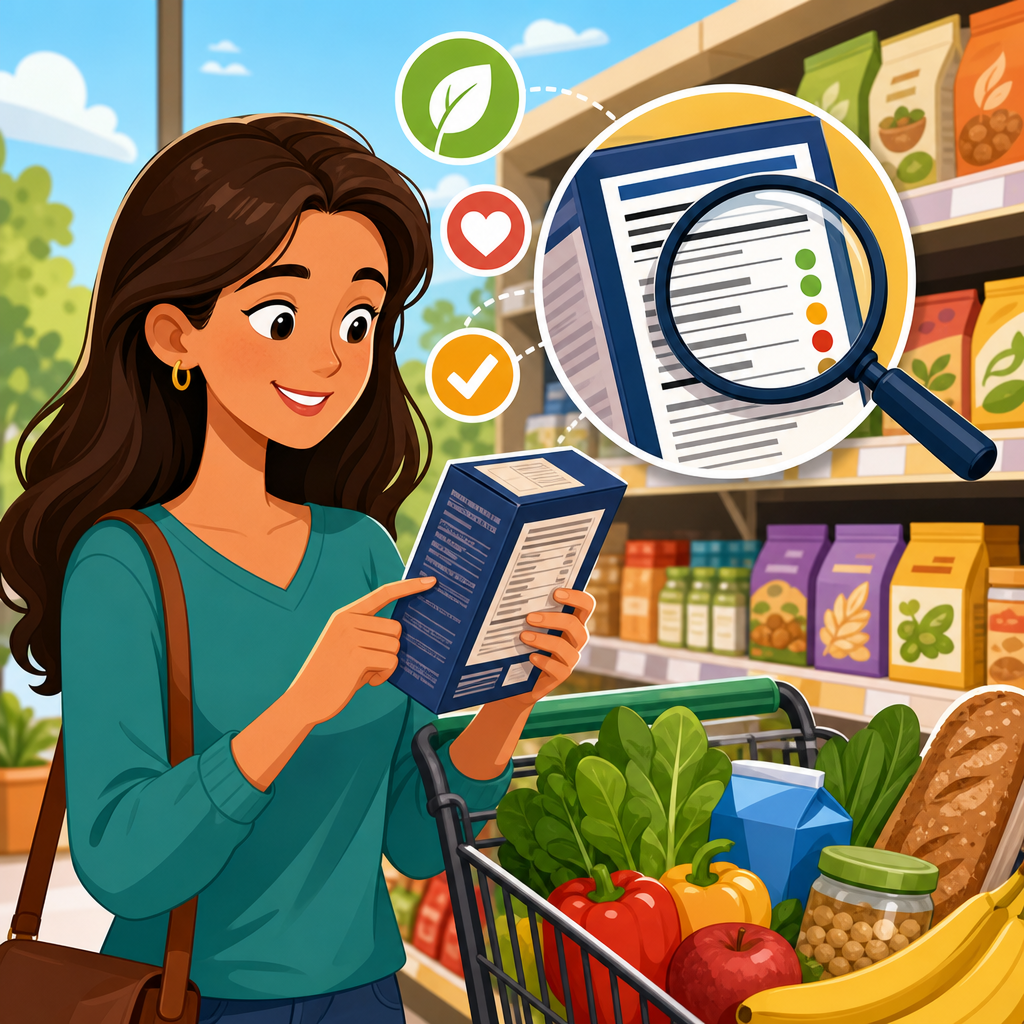
The health value of preserved foods depends on the method used and the ingredients added. Some products may contain extra sodium, sugar, or syrups, while others are packed very simply in water, their own juices, or minimal salt. Reading labels helps consumers choose options that align with their nutrition goals. For example, low-sodium canned vegetables and beans, frozen vegetables without heavy sauces, and dried fruit without added sugar are often excellent choices. Canned fish can be particularly beneficial because it offers protein and omega-3 fats, while canned tomatoes may provide highly usable forms of certain antioxidants.
Preserved foods are also important from a diet quality perspective because they improve access and consistency. They make it easier to include produce, legumes, and protein-rich foods in meals even when fresh options are expensive, out of season, or unavailable. That reliability supports meal planning, reduces food waste, and helps households maintain healthier eating habits over time. In other words, preserved foods should not be seen as second-best by default. When selected and used wisely, they are an important part of a nutritious and balanced eating pattern.
What are the best everyday habits for preserving food and retaining nutrients at home?
The best home habits combine food safety, smart storage, and thoughtful preparation. Start with temperature control. Refrigerate perishable foods promptly, keep the refrigerator cold enough, and freeze items that will not be used soon. Separate raw meats from ready-to-eat foods to prevent cross-contamination, and store foods in airtight containers when possible to reduce moisture loss and air exposure. Rotate foods using a first-in, first-out approach so older items are used before newer ones. These basic practices protect quality, reduce waste, and help preserve nutritional value.
Preparation habits matter just as much. Buy amounts you can realistically use while foods are at peak quality. Keep produce whole until you are ready to use it, because cutting increases exposure to oxygen and can speed nutrient loss. When cooking, choose methods that preserve texture and color without excessive heat or long cooking times. Steaming vegetables instead of boiling them for extended periods is a classic example. If you do boil foods, use as little water as practical and repurpose the liquid when possible. Avoid holding cooked foods hot for too long, since prolonged heat can continue to degrade sensitive nutrients.
It is also wise to think of preservation as part of meal planning. Freezing leftovers in portion-sized containers, blanching and freezing extra vegetables, storing grains and legumes properly, and using herbs, acids, or fermentation techniques can all help extend shelf life while supporting dietary variety. Finally, pay attention to food quality indicators such as smell, texture, color, and expiration guidance, but do not discard foods unnecessarily when they are still safe and usable. A nutrient-rich diet is easier to maintain when the kitchen is organized around preserving both food safety and food value from purchase to plate.