Food preservation and nutrient retention shape health more than most people realize because the way food is stored, processed, and cooked determines not only how long it lasts, but also how much of its original nutritional value reaches your plate. Food preservation refers to methods that slow spoilage caused by microbes, enzymes, oxygen, moisture loss, and temperature changes. Nutrient retention refers to the proportion of vitamins, minerals, protein quality, healthy fats, and protective plant compounds that remain available after harvesting, storage, processing, and preparation. Together, these concepts affect food safety, diet quality, household waste, grocery costs, and long-term well-being.
In practice, preservation is not simply about making food last longer. It is about controlling the conditions that cause food to deteriorate while protecting texture, flavor, and nutrient density. I have seen this clearly when comparing produce delivered fresh, frozen, and canned in institutional kitchens. A spinach shipment that sat warm for too long looked acceptable but had already lost quality, while properly frozen spinach retained color, usability, and much of its folate and carotenoids. The lesson is straightforward: freshness alone does not guarantee nutrition, and shelf life alone does not guarantee health value.
This topic matters because modern diets depend on a mix of fresh, refrigerated, frozen, dried, fermented, and packaged foods. According to the Food and Agriculture Organization and the World Health Organization, safe preservation practices reduce foodborne illness and help maintain a stable food supply. At the same time, nutrient losses can occur at every stage, especially for vitamin C, folate, thiamin, and some polyphenols. Understanding what changes, why it changes, and which methods best protect nutrients helps people make better choices without falling for simplistic ideas such as fresh is always best or processed is always worse.
Food preservation and nutrient retention also sit at the center of sustainability. When food spoils before it is eaten, the wasted calories, water, energy, fertilizer, and labor are lost as well. A household that throws away berries every week may believe it buys healthy food, but repeated spoilage undermines nutrition and budget goals. Preserved foods can close that gap. Frozen berries, pressure-canned beans, and properly stored whole grains often make balanced eating easier, especially in busy homes, low-access areas, and seasons when fresh options are expensive or inconsistent.
How Food Spoils and Why Nutrients Decline
Food spoils through three main pathways: microbial growth, enzymatic activity, and chemical degradation. Bacteria, yeasts, and molds multiply when moisture, oxygen, and temperature allow it. Enzymes naturally present in foods continue to ripen, soften, or break down tissues after harvest. Chemical reactions such as oxidation damage fats, pigments, and sensitive vitamins. These processes are interconnected. For example, bruised fruit exposes cells to oxygen, speeds enzymatic browning, and creates conditions that favor further quality loss.
Nutrients decline for specific reasons. Water-soluble vitamins, especially vitamin C and many B vitamins, are vulnerable to heat, oxygen, and leaching into cooking water. Fat-soluble compounds such as carotenoids and vitamin E are more stable in some settings but can degrade with light and oxidation. Minerals generally remain present, but their bioavailability can change. Protein usually survives preservation well, though texture and digestibility may shift. Fiber is relatively stable. This means nutrient retention is not a single score. A method that preserves protein may still reduce vitamin C, while one that improves lycopene availability in tomatoes may soften texture and reduce other compounds.
Time is a major factor. Produce can begin losing nutrients soon after harvest, especially if it is stored warm or transported over long distances. Peas and sweet corn are classic examples because their sugars and delicate vitamins change quickly after picking. That is why frozen versions, processed near harvest, can rival or exceed the nutrient content of items sold as fresh after days in transit. The same principle applies to fish, milk, meat, and eggs. Cold chain control is not a detail; it is one of the strongest predictors of quality and safety.
Major Food Preservation Methods and What They Do to Nutrition
Refrigeration slows microbial growth and enzymatic activity, making it one of the most important preservation tools in everyday life. It does not stop spoilage completely, which is why leafy greens wilt, milk sours, and leftovers eventually become unsafe. Nutrient retention under refrigeration is generally good over short periods, but losses continue gradually. Freezing is more protective because it sharply slows chemical reactions and microbial activity. Blanching before freezing can reduce some heat-sensitive nutrients, yet it also inactivates enzymes that would otherwise cause larger losses during storage.
Canning uses heat to destroy pathogens and spoilage organisms and then seals food in an airtight container. Properly canned foods are safe and shelf-stable, but heat can reduce vitamin C, folate, and some texture-sensitive compounds. The tradeoff is consistent accessibility and reduced waste. I routinely recommend low-sodium canned beans, tomatoes, tuna, and pumpkin to people who struggle with meal planning because these products keep nutrient-rich foods available when time and refrigeration space are limited. Tomatoes are a useful example: canning reduces some vitamin C but often increases the bioavailability of lycopene because heat breaks down cell walls.
Drying lowers water activity so microbes cannot grow easily. It works well for grains, beans, herbs, mushrooms, fruits, and meats, though dried meats require strict safety control. Drying concentrates calories and minerals by removing water, but heat and air exposure can affect vitamins and color. Fermentation preserves food by encouraging beneficial microbes to produce acids, alcohol, or other compounds that suppress harmful organisms. Yogurt, kefir, kimchi, sauerkraut, tempeh, and miso can improve flavor, shelf life, and, in some cases, digestibility. However, live cultures vary by product, and sodium can be high in fermented vegetables.
| Method | Main preservation action | Nutrient strengths | Common tradeoffs |
|---|---|---|---|
| Refrigeration | Slows microbes and enzymes | Good short-term retention of most nutrients | Limited shelf life, gradual vitamin loss |
| Freezing | Greatly slows spoilage reactions | Strong retention of minerals, fiber, protein, many vitamins | Texture changes, some blanching losses |
| Canning | Heat processing and airtight sealing | Long shelf life, reliable access, stable minerals and protein | Losses of heat-sensitive vitamins, possible added sodium or sugar |
| Drying | Removes water needed for microbial growth | Concentrates energy, minerals, and some phytochemicals | Vitamin losses, dense portions, sugar concentration in fruit |
| Fermentation | Beneficial microbes create protective acids or alcohol | Flavor, digestibility, possible probiotic benefit | Variable live culture levels, sodium in some products |
How Cooking, Storage, and Packaging Influence Nutrient Retention
Preservation does not end at the factory, farm, or freezer aisle. Home storage and cooking methods can either protect or destroy nutrients. Boiling vegetables in a large amount of water often causes the greatest losses of vitamin C and folate because these compounds dissolve and then are discarded with the water. Steaming, microwaving with minimal water, roasting, pressure cooking, and sautéing often improve nutrient retention. Cut size matters too. The smaller the pieces, the more surface area is exposed to oxygen and heat.
Packaging has a direct effect on shelf life and nutrient protection. Vacuum sealing and modified atmosphere packaging reduce oxygen exposure, which helps preserve fats, color, and certain vitamins. Opaque containers protect light-sensitive nutrients such as riboflavin in milk. Moisture barriers keep crackers crisp and dried foods stable. In commercial food systems, packaging science is not cosmetic; it is part of nutritional quality control. Once a package is opened, the clock accelerates. Nuts can go rancid, oils oxidize, and fortified cereals lose crispness and vitamin potency if stored warm and humid.
Temperature abuse is one of the most common failures. Leaving cooked rice, poultry, seafood, or dairy in the danger zone between 40 and 140 degrees Fahrenheit allows rapid bacterial growth. Repeated thawing and refreezing harms texture and can compromise safety if food warms too much. Simple practices matter: cool leftovers promptly in shallow containers, store herbs and greens correctly, keep refrigerators at or below 40 degrees Fahrenheit, and label items with dates. These habits preserve quality and sharply reduce the chance that nutritious food turns into waste.
Why Preservation Choices Affect Overall Well-Being
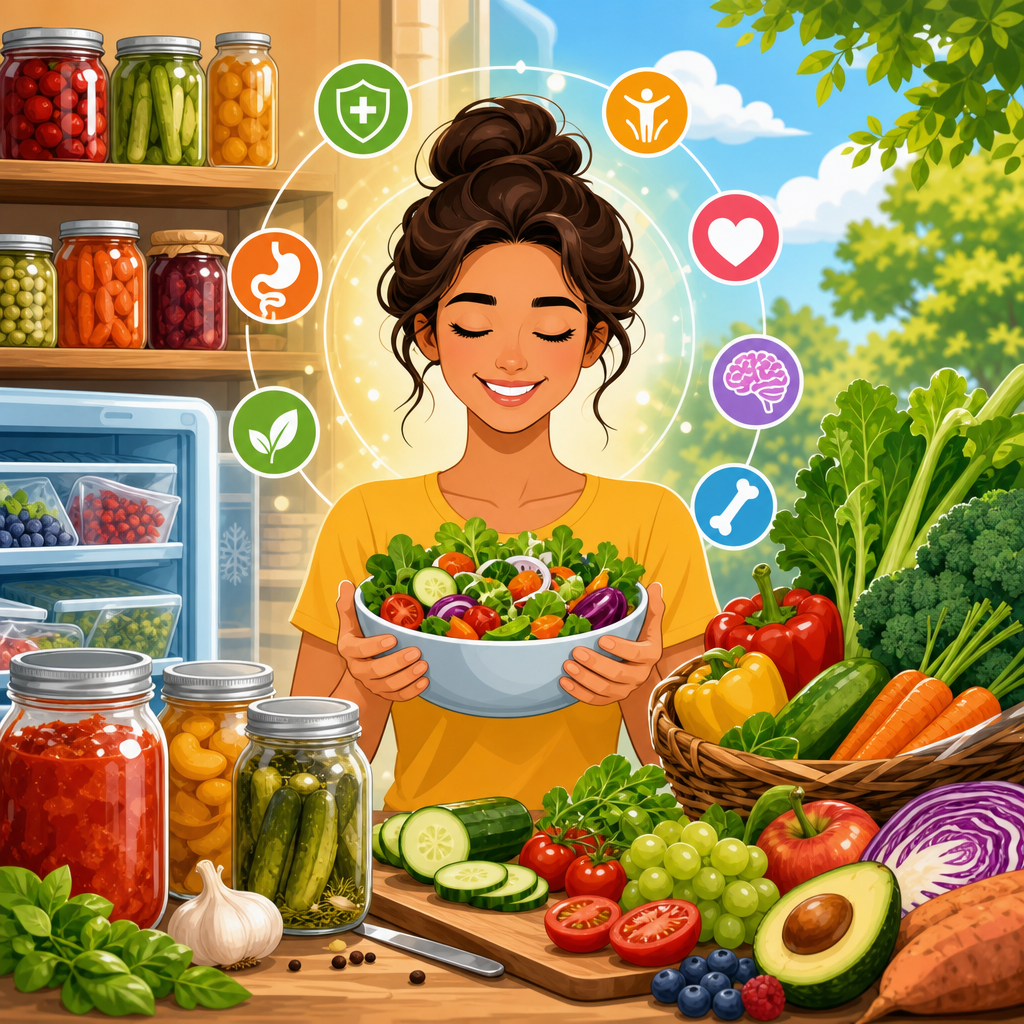
The connection between food preservation and overall well-being is both immediate and cumulative. The immediate effect is food safety. Safe preservation prevents illnesses caused by pathogens such as Salmonella, Listeria monocytogenes, Clostridium botulinum, and pathogenic E. coli. Foodborne illness can cause dehydration, hospitalization, kidney complications, miscarriage risk in pregnancy, and long recovery periods that disrupt work and family life. Good preservation is therefore a public health tool, not just a kitchen preference.
The cumulative effect is diet quality over time. People eat what is available, affordable, and easy to prepare. A freezer stocked with vegetables, fruit, fish, and whole-grain options supports healthier patterns than a refrigerator filled with ingredients that spoil before they are used. Preserved staples also help maintain nutrient intake during busy weeks, travel disruptions, illness, and seasonal shortages. In counseling settings, I have repeatedly seen better adherence when meal plans include frozen vegetables, canned legumes, shelf-stable milk, and fermented dairy instead of relying only on delicate fresh items.
There is also a mental and financial dimension. Food waste creates guilt and unnecessary expense. Strategic preservation lowers both. Families that batch-cook soups, freeze portions, and rotate pantry stock often spend less while eating more consistently. For older adults, students, shift workers, and people in rural or low-access areas, preserved foods can be the difference between a balanced meal and a skipped meal. Well-being improves when nutritious food is dependable, safe, and realistically usable.
Choosing the Best Preserved Foods for Nutrition and Sustainability
The best preserved food is the one that keeps nutrients high, supports safety, fits your routine, and actually gets eaten. Frozen vegetables and fruit are excellent default choices because they are typically processed close to harvest and portion easily. Canned beans, lentils, tomatoes, salmon, and sardines provide protein, fiber, minerals, and convenience; choosing low-sodium versions or rinsing can reduce sodium meaningfully. Dried staples such as oats, brown rice, beans, and lentils are economical and sustainable when stored in cool, dry conditions. Fermented foods can add variety and support dietary diversity, but they should complement, not replace, core nutrient sources.
Read labels with a practical eye. Look first at the food itself, then at sodium, added sugars, and ingredient length. Added sugar in canned fruit syrup or sodium in soups and pickled products can shift a nutritious food into a less useful daily option. At the same time, avoid dismissing all packaged foods. Plain frozen broccoli, no-salt-added tomatoes, canned pumpkin, shelf-stable tofu, and pasteurized milk are processed foods, and they can be highly nutritious. The key question is whether preservation protects a valuable food without loading it with ingredients that undermine regular use.
For a hub article under Food Science and Sustainability, the most important takeaway is this: preservation and nutrient retention are not competing goals. The best systems balance both. That means using cold storage correctly, understanding when frozen beats shipped fresh, selecting canned foods strategically, cooking with minimal nutrient loss, and preventing waste through planning. Start by auditing your kitchen this week. Replace one frequently wasted fresh item with a frozen or shelf-stable alternative, improve storage for one staple, and build meals around preserved foods that deliver real nutritional value every day.
Frequently Asked Questions
1. What is the connection between food preservation, nutrient retention, and overall well-being?
Food preservation and nutrient retention are closely tied to overall well-being because they influence both the safety of your food and the quality of the nutrients your body actually receives. Preservation methods are designed to slow spoilage caused by bacteria, mold, yeast, enzymes, oxidation, moisture changes, and temperature fluctuations. That matters because spoiled food is not only unappealing, but can also become unsafe to eat. At the same time, the way food is stored, processed, transported, and cooked affects whether sensitive nutrients such as vitamin C, certain B vitamins, antioxidants, and healthy fats remain intact by the time a meal reaches your plate.
When nutrient retention is high, your body is more likely to get the vitamins, minerals, protein, fiber, and beneficial plant compounds needed to support energy production, immune function, digestion, brain health, muscle repair, and long-term disease prevention. When nutrient retention is poor, a food may still provide calories but offer less of the protective nutrition that helps you feel and function your best. In practical terms, this means the health value of food depends not only on what you eat, but also on how it was preserved and prepared. A well-preserved food that keeps its nutrients can support stable energy, stronger immunity, better metabolic health, and a more resilient body overall.
2. Do preserved foods always contain fewer nutrients than fresh foods?
No, preserved foods do not always contain fewer nutrients than fresh foods. This is one of the most common misunderstandings in nutrition. While some nutrients can decline over time or with certain preservation methods, many preserved foods remain highly nutritious, and some may even compare favorably with so-called fresh foods. For example, produce that is frozen shortly after harvest often retains a large share of its nutrients because it is processed at peak ripeness, when vitamin and mineral levels are often strongest. In contrast, fresh produce may spend days or even weeks in storage and transport before it is eaten, which can gradually reduce sensitive nutrients.
Canned foods, dried foods, fermented foods, and refrigerated items all vary depending on how they are handled. Canning can reduce some heat-sensitive vitamins, but it also preserves minerals, fiber, and many other beneficial compounds. Drying can concentrate certain nutrients while reducing moisture that would otherwise promote spoilage. Fermentation can improve shelf life and may also support digestive health by creating beneficial compounds, depending on the food. The real issue is not whether a food is fresh or preserved, but which preservation method was used, how long the food was stored, and whether extra sugar, sodium, or unhealthy fats were added during processing. Choosing minimally processed preserved foods with simple ingredients is often a smart way to combine convenience, food safety, and strong nutritional value.
3. Which food preservation methods are best for protecting nutrients?
Some preservation methods tend to protect nutrients better than others, although the best choice depends on the food itself. Freezing is often one of the most effective methods for preserving nutrient quality because it slows enzyme activity and microbial growth while keeping many vitamins, minerals, and phytonutrients relatively stable. This is especially true for fruits, vegetables, fish, and certain prepared meals when they are frozen quickly and stored properly. Refrigeration is also valuable for short-term preservation, helping maintain freshness and slow nutrient loss, though it does not stop deterioration completely.
Fermentation is another useful approach because it preserves food while potentially adding unique health benefits. Foods such as yogurt, kefir, kimchi, and sauerkraut may provide beneficial bacteria or fermentation byproducts that support digestion and gut health. Drying can work well for foods like beans, grains, herbs, and fruit, but heat and air exposure may reduce certain vitamins. Canning is highly effective for safety and shelf life, especially for beans, tomatoes, fish, and vegetables, though some heat-sensitive nutrients may be reduced during processing. Vacuum sealing and oxygen-limiting packaging can also help protect delicate fats and antioxidants from oxidation.
In everyday life, the most nutrient-friendly preservation strategy is often a combination approach: buy foods in season when possible, refrigerate perishables promptly, freeze foods you will not use soon, store dry goods in cool and airtight conditions, and avoid repeated exposure to heat, light, and air. The goal is to slow spoilage without unnecessarily damaging the food’s natural nutrient profile.
4. How does cooking affect nutrient retention, and what can I do to preserve more nutrition at home?
Cooking can both help and harm nutrient retention, depending on the method. On one hand, cooking improves food safety, enhances digestibility, and can increase the availability of certain nutrients. For example, cooking tomatoes can make lycopene easier for the body to absorb, and cooking legumes improves digestibility while reducing certain naturally occurring compounds that interfere with nutrient use. On the other hand, prolonged exposure to high heat, large amounts of water, and repeated reheating can reduce levels of delicate nutrients such as vitamin C, folate, and some B vitamins.
To retain more nutrition at home, use cooking methods that limit unnecessary nutrient loss. Steaming, microwaving, sautéing, roasting, pressure cooking, and quick stir-frying often preserve more nutrients than boiling for long periods, especially for vegetables. If you do boil foods, using minimal water and incorporating the cooking liquid into soups, sauces, or stews can help recover nutrients that leach out. Avoid overcooking vegetables until they become mushy, and try cutting produce just before cooking rather than far in advance, since air exposure can speed oxidation. Store oils, nuts, and seeds properly because healthy fats can degrade when exposed to heat, light, and oxygen. Also, cool leftovers quickly and reheat only what you plan to eat, since repeated heating can gradually lower food quality.
Small kitchen habits make a meaningful difference. Buying manageable amounts, rotating older items first, keeping your refrigerator at a safe temperature, and choosing cooking methods matched to the food can help you get the most nutritional benefit from every meal without making your routine complicated.
5. Why does nutrient retention matter so much for long-term health, energy, and disease prevention?
Nutrient retention matters because the body depends on a steady supply of intact nutrients to carry out thousands of essential functions every day. Vitamins and minerals help regulate immunity, nerve signaling, hormone production, oxygen transport, bone maintenance, and cellular repair. Protein quality influences muscle maintenance, enzyme production, and recovery. Healthy fats support brain function, hormone balance, and the absorption of fat-soluble vitamins. Protective plant compounds such as polyphenols and carotenoids help reduce oxidative stress and support healthy aging. When foods lose too much of this nutritional value before they are eaten, your diet may look adequate on paper but still fall short in supporting optimal health.
Over time, consistently choosing foods that are well preserved and nutrient-rich can contribute to more stable energy, improved concentration, better digestive health, stronger immune resilience, and a reduced risk of chronic conditions linked to poor dietary quality. This does not mean every food must be perfect or freshly harvested to be beneficial. It means that preserving food thoughtfully and preparing it carefully can help maintain the nutrition that protects your body over the long term. In that sense, food preservation is not just about extending shelf life. It is about helping ensure that the food you eat continues to deliver the full range of nourishment your body needs to thrive.