Quick & healthy breakfast ideas are essential for a balanced diet because the first meal of the day sets the pace for energy, appetite control, and nutrient intake in ways that are difficult to recover from later. Breakfast, in practical nutrition terms, is the meal eaten after the overnight fasting period, usually within two to four hours of waking. A balanced diet is not just about calories; it means regularly getting enough protein, fiber, healthy fats, vitamins, minerals, and hydration to support metabolic health, mental focus, digestion, and long-term disease prevention. When I build meal plans for busy households, breakfast is often the pressure point: if the morning meal is skipped or reduced to refined carbs and coffee, the rest of the day tends to become reactive, with more cravings, larger portions at lunch, and less consistent nutrient intake.
The value of quick & healthy breakfast ideas is that they solve the most common barrier to eating well: lack of time. Many people know what a nutritious breakfast looks like, but weekday mornings rarely allow for elaborate cooking. A useful breakfast must be fast, affordable, portable when needed, and satisfying enough to prevent the midmorning crash. That is why this topic matters within recipes and meal planning. It connects nutrition science with daily routine. It also acts as a hub topic because breakfast planning branches into protein-rich recipes, make-ahead meals, high-fiber options, breakfasts for weight management, family-friendly ideas, and smart grocery strategies.
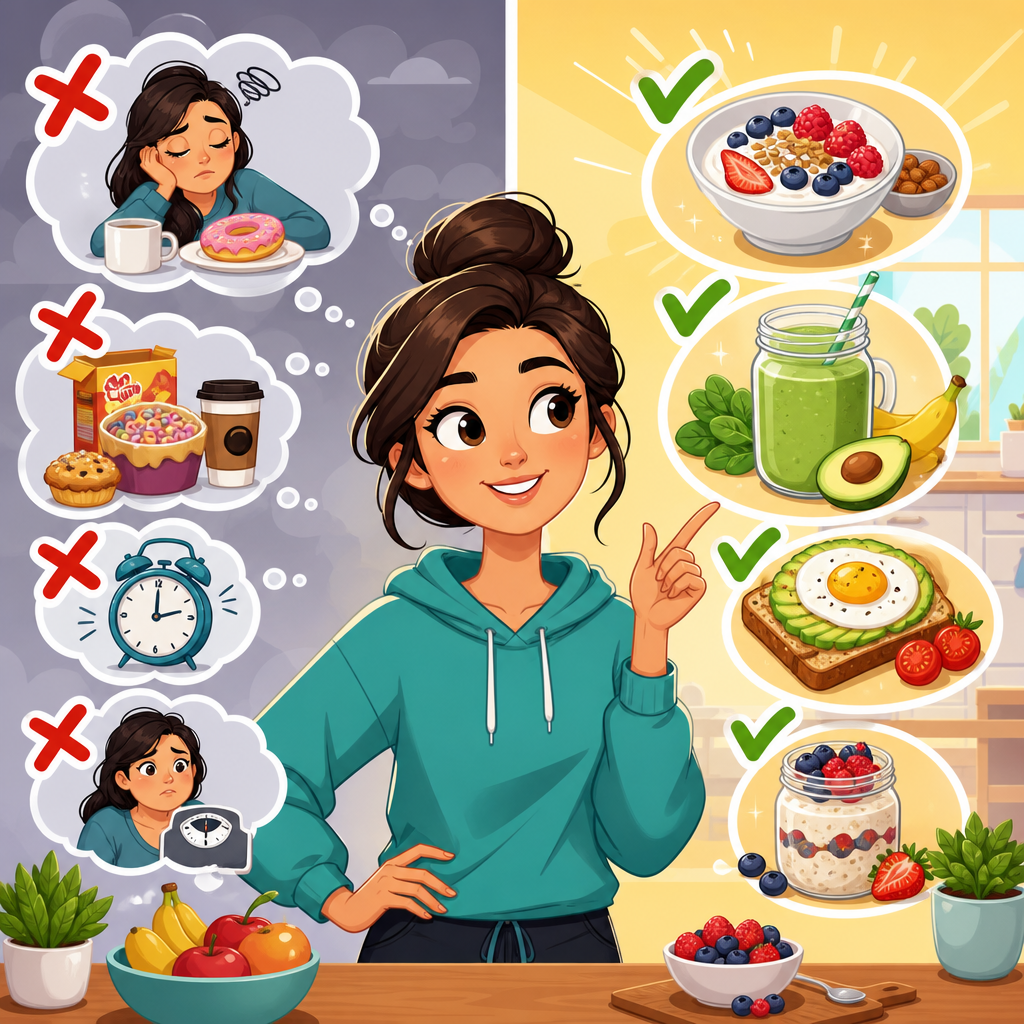
A strong breakfast usually combines three elements: protein for satiety and muscle maintenance, fiber-rich carbohydrates for steady energy, and healthy fat for staying power and flavor. For example, Greek yogurt with berries and chia seeds works because it delivers protein, antioxidants, fiber, and omega-3 fats in minutes. Eggs on whole grain toast with avocado provide protein, complex carbohydrates, potassium, and monounsaturated fat. Oatmeal with milk, nuts, and fruit offers soluble fiber that supports heart health and helps control hunger. These are not trendy exceptions. They are repeatable templates that make a balanced diet realistic.
Quick & healthy breakfast ideas matter even more for children, students, athletes, remote workers, and anyone managing blood sugar or appetite. Research consistently shows that meals higher in protein and fiber tend to improve fullness compared with sugary breakfast pastries or skipping breakfast entirely. The exact ideal breakfast varies by age, activity level, and medical needs, but the principle remains constant: mornings are easier when the food is planned and nutritionally complete. A well-designed breakfast does not need to be complicated. It needs to be intentional, consistent, and built to fit real life.
What makes a breakfast quick, healthy, and genuinely balanced
A quick breakfast is one that can be prepared in about five to ten minutes, assembled from leftovers, or made ahead in batches. Healthy means nutrient-dense rather than merely low in calories. Balanced means the meal includes enough protein, quality carbohydrates, and beneficial fats to fuel the next several hours. In my experience, breakfast fails when people focus on only one feature. A smoothie can be quick but not filling if it is mostly fruit juice. A muffin can seem convenient but often behaves nutritionally like dessert. A plain banana is healthy, but by itself it usually lacks protein and staying power.
For most adults, a practical target is roughly 20 to 30 grams of protein at breakfast, plus fiber from whole grains, fruit, vegetables, seeds, or legumes. This range is useful because it supports satiety and can help distribute protein intake across the day, which is important for muscle protein synthesis. Fiber matters because it slows digestion and supports gut health. Healthy fats from nuts, seeds, yogurt, eggs, or avocado improve texture, taste, and fullness. The best quick & healthy breakfast ideas combine these pieces in proportions that match the person’s needs rather than chasing extremes.
Portion size also affects balance. A breakfast that is too small often leads to overeating later, while one that is too heavy can leave people sluggish. Someone commuting to an office may do well with overnight oats and boiled eggs. Someone heading into manual work may need a larger breakfast burrito with eggs, beans, and salsa. Someone with an early workout may prefer toast with peanut butter and a banana beforehand, followed by a fuller meal later. Balanced nutrition is contextual, and breakfast planning works best when it reflects schedule, hunger patterns, and activity demands.
Why breakfast quality influences the rest of the day
Breakfast quality shapes appetite, concentration, and food choices across the day. Meals built from refined flour and added sugar digest quickly, often causing a rapid rise and fall in blood glucose that leaves people hungry again soon. That pattern drives snack dependence and makes lunch portions harder to manage. By contrast, breakfasts with protein, fiber, and fat release energy more gradually. In client meal logs, I repeatedly see that a protein-forward breakfast reduces random grazing and improves consistency with calorie and nutrition goals.
There is also a planning effect. People who start the day with an intentional meal are more likely to continue making deliberate food decisions. This is not magic; it is logistics. If breakfast is already covered, there is less urgency, less decision fatigue, and less temptation to rely on vending machine food or drive-through pastries. For parents, quick & healthy breakfast ideas reduce morning stress and improve what children actually eat before school. For remote workers, a proper breakfast prevents the cycle of endless coffee and delayed eating that often ends in afternoon overeating.
Breakfast can support micronutrient intake too. Calcium from yogurt or milk, iron from fortified oats, folate from eggs and greens, potassium from fruit, and omega-3 fats from chia or flax all add up over time. Many people struggle to meet recommended intakes for fiber, vitamin D, magnesium, and potassium. Breakfast is one of the easiest places to close those gaps because foods like oats, berries, nuts, seeds, dairy, soy products, and eggs are simple to keep on hand and easy to portion consistently.
Best quick & healthy breakfast ideas for busy mornings
The most reliable breakfast ideas are based on repeatable formats rather than isolated recipes. Overnight oats are a classic because they require almost no morning effort. Rolled oats, milk or soy milk, chia seeds, and fruit can be combined the night before, then customized with peanut butter, cinnamon, or Greek yogurt. Egg muffins baked in a muffin tin offer a grab-and-go option with vegetables and cheese already portioned. Smoothies work well when they include a real protein source such as Greek yogurt, cottage cheese, kefir, or protein powder, plus fruit and a fiber source like oats or ground flax.
Toast can be nutritionally strong when built properly. Whole grain bread topped with cottage cheese and tomatoes, nut butter and banana, or mashed avocado with eggs becomes a complete meal in minutes. Breakfast burritos made in batches and frozen are another highly practical option. Fill whole grain tortillas with scrambled eggs, black beans, vegetables, and salsa, then reheat on demand. Yogurt bowls, oatmeal cups, chia pudding, fruit-and-cheese plates, and savory grain bowls using leftover rice or quinoa can all fit within a quick & healthy breakfast ideas plan.
| Breakfast idea | Typical prep time | Main nutrition strength | Best use case |
|---|---|---|---|
| Overnight oats with Greek yogurt and berries | 5 minutes night before | Protein plus soluble fiber | Office mornings and school days |
| Eggs on whole grain toast with avocado | 8 minutes | Protein and healthy fat | Work-from-home mornings |
| Smoothie with kefir, banana, spinach, and flax | 5 minutes | Portable micronutrient density | Commutes and post-workout meals |
| Breakfast burrito with eggs and beans | 3 minutes reheated | High satiety and fiber | Early shifts and active jobs |
| Cottage cheese bowl with fruit and nuts | 3 minutes | High protein, no cooking | Fastest no-cook option |
These options work because they solve different real-life problems. If time is the issue, no-cook meals win. If hunger is the issue, eggs, beans, dairy, and oats tend to satisfy longer. If portability is the issue, wraps, jars, and smoothies travel well. The smartest breakfast plan usually includes three to five default options that can rotate through the week without requiring daily decision-making.
Meal planning strategies that make breakfast consistent
The easiest way to improve breakfast is to treat it like a system rather than a daily test of motivation. I recommend starting with a short list of staple ingredients: eggs, Greek yogurt, oats, whole grain bread, fruit, frozen berries, nuts or seeds, milk or fortified soy milk, and one convenience protein such as cottage cheese or pre-cooked turkey sausage. From those items, multiple balanced breakfasts can be assembled quickly. Frozen produce is especially useful because it reduces waste and keeps smoothie ingredients available at all times.
Batch preparation makes the biggest difference. Hard-boil eggs, portion overnight oats into jars, wash fruit, freeze smoothie packs, and cook a tray of breakfast potatoes or vegetables once or twice a week. A written plan helps more than people expect. Listing Monday through Friday breakfast choices removes mental load during rushed mornings. It also creates internal linking across the broader meal-planning process: grocery shopping, leftovers management, lunch pairing, and family scheduling all improve when breakfast is planned first.
Budget matters too. Quick & healthy breakfast ideas do not require specialty products. Oats, eggs, bananas, peanut butter, plain yogurt, and frozen berries are among the most cost-effective nutritious foods in most supermarkets. Store brands often offer the same nutritional value at a lower price. Convenience foods can still fit if chosen carefully. For example, instant oatmeal is useful when it is plain or low in added sugar, and whole grain frozen waffles can be paired with nut butter and fruit to create a balanced meal. The key is reading labels for protein, fiber, sodium, and added sugars.
Common mistakes and how to build a better breakfast routine
The most common breakfast mistake is relying on foods marketed as healthy that are low in protein and high in sugar. Flavored yogurts, granola clusters, bottled smoothies, cereal bars, and coffee drinks often contain more added sugar than people realize. Another mistake is skipping breakfast unintentionally, then assuming intense afternoon hunger is a willpower problem. It usually is not. It is a predictable response to underfueling. A third issue is choosing the same breakfast format regardless of schedule. A desk day and a training day may require different meals.
To build a better routine, use a simple checklist. First, include a meaningful protein source. Second, add a fiber source from fruit, vegetables, whole grains, beans, or seeds. Third, choose fats intentionally rather than accidentally through pastries or fried foods. Fourth, match the meal to your morning logistics. Fifth, repeat what works. Variety is helpful, but consistency is what makes healthy eating sustainable. If one breakfast reliably supports energy and appetite, there is no nutritional downside to eating it several times per week.
There are limitations to consider. Some people do not feel hungry immediately after waking, and forcing a large meal can backfire. In that case, a lighter start such as a yogurt drink, banana with peanut butter, or small smoothie may be more realistic, followed by a larger snack later. People with diabetes, gastrointestinal conditions, food allergies, or specific athletic goals may need individualized guidance. Still, the central principle remains strong: quick & healthy breakfast ideas make balanced eating easier, more consistent, and more achievable in everyday life.
Quick & healthy breakfast ideas are essential for a balanced diet because they turn nutrition from intention into routine. A good breakfast does more than prevent hunger. It supports steadier energy, better concentration, improved satiety, and more reliable intake of protein, fiber, and key micronutrients. It also simplifies the rest of the day by reducing rushed decisions and helping meals stay aligned with health goals. When breakfast is planned well, the benefits extend beyond one meal into appetite control, grocery efficiency, family routines, and long-term dietary quality.
The core takeaway is simple. The best breakfast is not the most elaborate one; it is the one you can prepare consistently that includes protein, fiber-rich carbohydrates, and healthy fat. Overnight oats, egg-based meals, smoothies with real protein, yogurt bowls, and freezer-friendly burritos all work because they are fast, practical, and nutritionally complete. They can be adapted for budgets, schedules, and taste preferences without losing their value. That flexibility is exactly why this topic deserves hub status within recipes and meal planning.
If you want to eat better without overcomplicating mornings, start by choosing three quick & healthy breakfast ideas for the coming week, shop for the ingredients, and prep at least one make-ahead option today. Small breakfast changes are often the easiest way to build a more balanced diet that lasts.
Frequently Asked Questions
Why are quick and healthy breakfast ideas so important for a balanced diet?
Quick and healthy breakfast ideas matter because breakfast is the first real opportunity to replenish the body after an overnight fast. During sleep, the body continues using energy for basic functions such as breathing, circulation, and tissue repair, so by morning, energy stores are partially depleted and hydration may be low. A balanced breakfast helps restore that supply with a mix of protein, fiber-rich carbohydrates, healthy fats, vitamins, minerals, and fluids. This combination can support steadier energy, better concentration, and more controlled hunger throughout the morning.
From a practical nutrition standpoint, breakfast also helps set the tone for the rest of the day. When the first meal is balanced and satisfying, people are often less likely to overeat later or rely on convenient foods that are high in sugar, refined starches, or unhealthy fats. Quick options are especially valuable because they make healthy eating realistic on busy mornings. If breakfast is too complicated, it is more likely to be skipped. Having simple, nutritious ideas ready makes it easier to meet daily nutrient needs consistently, which is one of the foundations of a balanced diet.
What nutrients should a healthy breakfast include to support balance and fullness?
A healthy breakfast should ideally include several key components rather than relying on just one type of food. Protein is one of the most important because it supports muscle maintenance, helps with fullness, and can reduce the urge to snack soon after eating. Good breakfast protein sources include eggs, Greek yogurt, cottage cheese, milk, tofu, nut butters, and protein-rich grains or legumes. Fiber is equally important because it slows digestion, supports gut health, and helps keep blood sugar more stable. Oats, berries, apples, chia seeds, whole grain bread, and vegetables are all useful sources.
Healthy fats also play a valuable role in balance and satisfaction. Foods such as avocado, nuts, seeds, and nut butters can make breakfast more filling and contribute important nutrients. In addition, vitamins and minerals should not be overlooked. Fruit, vegetables, dairy or fortified alternatives, whole grains, and seeds can all help supply nutrients such as calcium, potassium, magnesium, vitamin C, and B vitamins. Hydration matters too, since many people wake up mildly dehydrated. Water, milk, or a smoothie with whole ingredients can complement the meal. A balanced breakfast does not have to be perfect, but combining protein, fiber, healthy fats, and fluids is a strong nutritional starting point.
Can skipping breakfast affect energy levels, appetite, and food choices later in the day?
Yes, skipping breakfast can affect all three, although the impact varies from person to person. For many people, going too long without eating after waking can lead to low energy, difficulty focusing, irritability, or intense hunger later in the morning. That intense hunger often makes it harder to choose balanced foods and easier to reach for pastries, sugary drinks, oversized portions, or highly processed snacks. Once that pattern starts, it can be difficult to catch up on missed nutrients in a balanced way later in the day.
Breakfast is especially helpful for appetite control when it includes enough protein and fiber. A breakfast built around refined carbohydrates alone, such as a sugary pastry or sweetened cereal with little protein, may provide quick energy but often does not satisfy for long. In contrast, options like oatmeal with nuts and fruit, eggs with whole grain toast, or Greek yogurt with seeds and berries tend to support steadier hunger levels. While some people can function well without an early meal, many benefit from eating within two to four hours of waking, particularly if they want better consistency in energy, mood, and overall dietary quality.
What are some examples of quick and healthy breakfast ideas that fit into a busy routine?
There are many breakfast options that are both fast and nutritionally balanced. Overnight oats made with rolled oats, milk or yogurt, chia seeds, and fruit can be prepared in advance and eaten immediately in the morning. Greek yogurt topped with berries, nuts, and a spoonful of seeds is another quick option that delivers protein, fiber, and healthy fats. Whole grain toast with peanut butter and banana, or avocado and eggs, can also come together in minutes while offering a good mix of macronutrients.
For people who prefer savory choices, egg muffins, a vegetable omelet, or a breakfast wrap with eggs, beans, and spinach can be practical and portable. Smoothies can work well too, as long as they are built thoughtfully with ingredients such as milk or fortified soy milk, Greek yogurt, fruit, oats, spinach, and nut butter instead of relying mostly on juice. Cottage cheese with fruit, a high-fiber cereal paired with milk and nuts, or a homemade chia pudding are other simple ideas. The best breakfast is one that is easy enough to repeat regularly and balanced enough to provide lasting nourishment, not just quick calories.
How can someone make breakfast healthier without spending a lot of time or money?
Making breakfast healthier does not require complicated recipes or expensive specialty foods. A smart strategy is to focus on affordable staples that combine well: oats, eggs, whole grain bread, peanut butter, bananas, plain yogurt, frozen berries, cottage cheese, and seeds are all budget-friendly in many places. Preparing a few items ahead of time can save significant effort during the week. For example, hard-boiled eggs, overnight oats, washed fruit, or portioned yogurt toppings can turn breakfast into a two-minute routine instead of a rushed decision.
Another effective approach is to upgrade familiar breakfasts rather than replace them entirely. If someone usually eats toast, adding nut butter and fruit improves protein and fiber. If cereal is the usual choice, picking a higher-fiber version and pairing it with milk, yogurt, or nuts makes it more filling. If smoothies are common, adding oats, chia seeds, or Greek yogurt can improve staying power. Small changes matter because breakfast does not have to be elaborate to support a balanced diet. Consistency is often more important than perfection, and simple, repeatable habits are what make healthy eating sustainable over time.