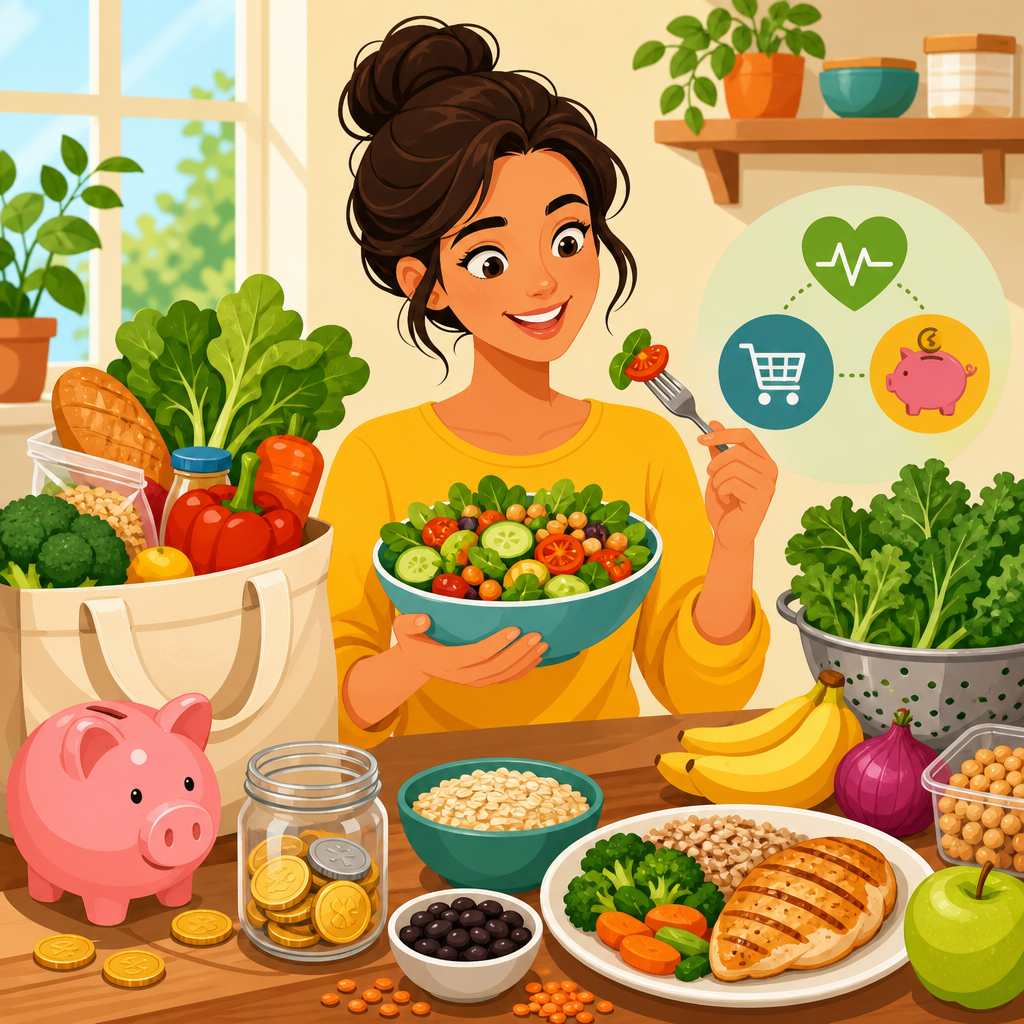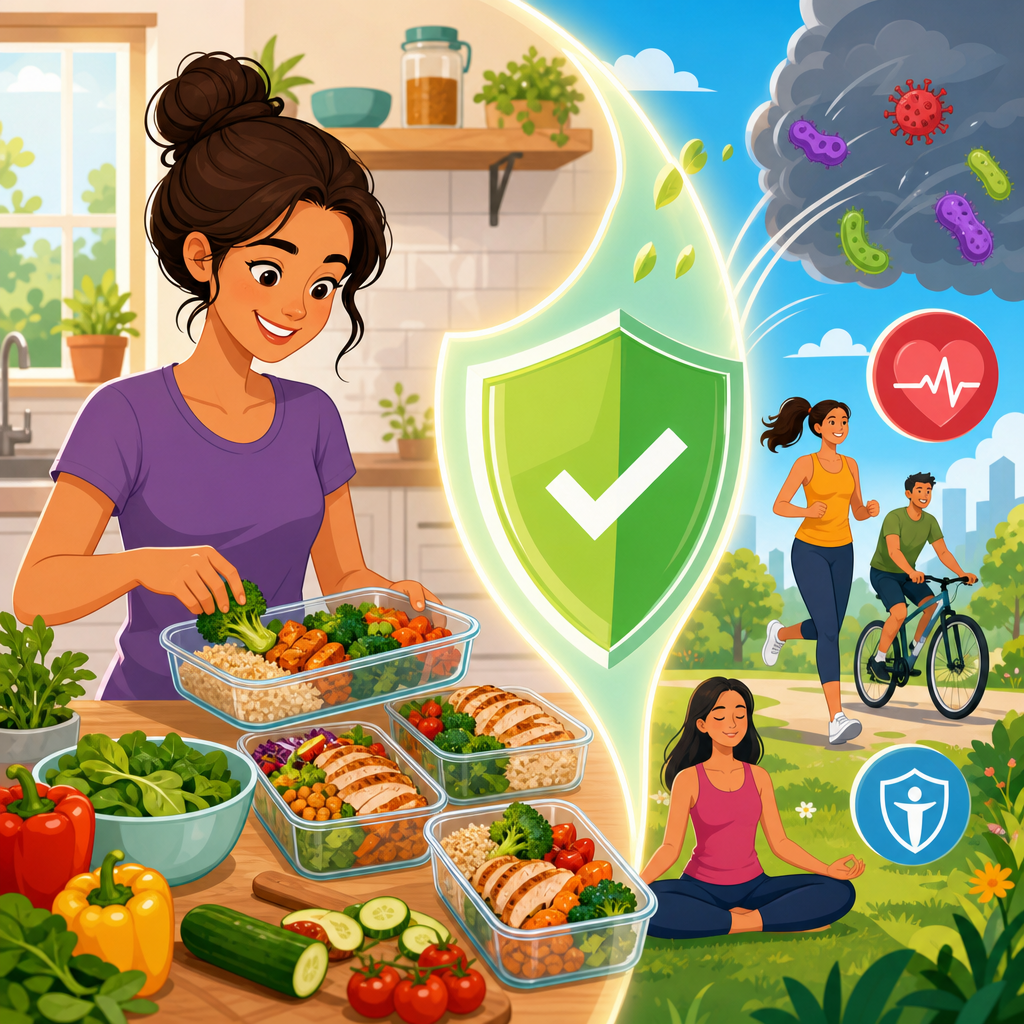
Meal prepping for a healthy week is more than a time-saving kitchen habit; it is a practical disease prevention strategy that helps people eat with consistency, control ingredients, and reduce the daily friction that often leads to poor food choices. In nutrition practice and content planning, I have seen the same pattern repeatedly: when healthy meals are prepared in advance, people eat more vegetables, choose better portions, rely less on ultra-processed convenience foods, and stay closer to evidence-based dietary patterns linked to lower chronic disease risk. Meal prepping means planning, shopping, cooking, portioning, and storing meals or components ahead of time so nutritious food is ready when life gets busy. Disease prevention, in this context, refers to lowering the risk of conditions such as type 2 diabetes, cardiovascular disease, hypertension, obesity, some cancers, and digestive disorders through daily behaviors that influence metabolism, inflammation, blood pressure, and nutrient intake.
The connection matters because most nutrition decisions are not made in ideal conditions. They happen during rushed mornings, long workdays, late evenings, and moments of stress or fatigue. Those are precisely the situations in which convenience usually wins over intention. A well-built meal prep system changes the food environment before those decisions arise. Instead of asking, “What should I eat?” a person asks, “Which prepared option fits this meal?” That shift is powerful. Research on dietary patterns consistently shows that routine intake of whole grains, legumes, fruits, vegetables, lean proteins, nuts, seeds, and healthy fats supports long-term health, while frequent consumption of sodium-heavy packaged meals, sugar-sweetened foods, and refined snack products raises risk over time. Meal prepping creates the structure that makes the healthier pattern repeatable.
This hub article covers meal prepping for a healthy week comprehensively, from the science behind disease prevention to the mechanics of planning breakfasts, lunches, dinners, and snacks that hold up well in storage. It also explains how to build balanced meals, use food safety rules correctly, stretch a budget, and adapt prep methods for specific health goals. If you want one central resource under recipes and meal planning, this page provides the framework.
Why meal prepping supports disease prevention
Meal prep lowers disease risk because it improves dietary quality and consistency. Consistency is underrated. A single healthy lunch does little on its own, but five prepared lunches each week can materially change average fiber intake, sodium exposure, added sugar consumption, and total calorie balance. Those averages are what drive long-term outcomes. In practice, meal prepping increases the odds that meals include produce, pulses, and minimally processed staples rather than fast food or takeout. It also makes portion control more visible. When meals are assembled intentionally, people can match energy intake to needs instead of relying on oversized restaurant servings or random grazing.
For cardiovascular health, meal prep makes it easier to follow patterns similar to the Mediterranean diet or DASH eating plan, both well supported in the literature. These approaches emphasize vegetables, beans, fish, whole grains, olive oil, nuts, low-fat dairy, and moderate sodium. For blood sugar management, prepared meals reduce meal skipping and chaotic eating, which often lead to large swings in hunger and post-meal glucose. For weight management, food prepared in advance reduces the decision load that drives impulse purchases. For gut health, prepped meals can steadily raise fiber intake through oats, lentils, brown rice, berries, leafy greens, and fermented foods. Even cancer prevention guidance aligns with meal prep principles: more plant foods, less processed meat, fewer heavily refined products, and more control over cooking methods.
There is also a behavioral health benefit. When people know they have nourishing meals ready, stress around eating drops. That matters because chronic stress can worsen sleep, appetite regulation, and food choice patterns. Meal prep is not a cure-all, but it removes common barriers to healthy eating with a reliability that few wellness trends can match.
Core principles of healthy meal prepping for the week
A healthy meal prep system starts with balance, not perfection. Each meal should generally contain a quality protein source, a fiber-rich carbohydrate, produce, and a healthy fat. That combination improves satiety, steadies energy, and delivers vitamins, minerals, and phytonutrients associated with disease prevention. Good proteins include eggs, Greek yogurt, tofu, tempeh, chicken breast, salmon, sardines, beans, lentils, and edamame. Better carbohydrates include oats, quinoa, barley, brown rice, sweet potatoes, whole grain pasta, fruit, and beans. Healthy fats include olive oil, avocado, tahini, nuts, seeds, and natural nut butters.
Variety matters because different foods provide different protective compounds. Orange vegetables contribute carotenoids, berries provide anthocyanins, cruciferous vegetables offer glucosinolates, legumes add soluble fiber, and fatty fish provide omega-3 fats. In my experience, the most sustainable weekly preps use a component method rather than cooking seven identical boxed meals. For example, roast a tray of vegetables, cook one grain, prepare two proteins, wash salad greens, mix a dressing, and portion a few snacks. That gives flexibility without sacrificing convenience.
| Meal prep element | Best options | Disease prevention benefit |
|---|---|---|
| Protein | Beans, lentils, fish, eggs, tofu, chicken, yogurt | Supports muscle, improves satiety, helps blood sugar control |
| Carbohydrate | Oats, brown rice, quinoa, potatoes, fruit, whole grain pasta | Provides fiber and steadier energy than refined grains |
| Vegetables and fruit | Leafy greens, broccoli, peppers, berries, carrots, tomatoes | Delivers antioxidants, potassium, folate, and phytochemicals |
| Healthy fats | Olive oil, nuts, seeds, avocado, tahini | Supports heart health and absorption of fat-soluble vitamins |
| Flavor builders | Herbs, citrus, garlic, ginger, yogurt sauces, spice blends | Improves adherence without excess sodium or sugar |
Portioning is the next principle. Standard containers help create repeatable habits. A lunch might include half a container of vegetables, one quarter protein, and one quarter whole grains or starchy vegetables, with fat added through dressing or toppings. This is not a rigid rule, but it is a useful anchor. Finally, flavor determines compliance. If food tastes flat by Wednesday, the system fails. Use acids like lemon juice and vinegar, fresh herbs, spice blends such as za’atar or curry powder, and texture contrasts like seeds or slaw.
How to plan a healthy week of meals
Effective meal planning begins with the calendar. Count how many breakfasts, lunches, dinners, and snacks you actually need. Then match recipes to your week, not to an idealized version of yourself. If Tuesday is hectic, that should be the night for a ready soup, sheet pan dinner, or freezer meal, not a complicated new recipe. Start with two or three anchor dishes and build around them. A pot of lentil soup can cover two lunches and one dinner. Roasted chicken or baked tofu can appear in grain bowls, wraps, and salads. Overnight oats can carry breakfast for several days.
Shopping with a categorized list reduces waste and impulse buying. Group foods by produce, proteins, pantry items, dairy or alternatives, and frozen staples. Frozen vegetables, berries, and edamame are especially useful because they preserve nutrients, cut prep time, and prevent spoilage. Batch tasks also matter. Wash greens, chop hardy vegetables, cook grains in bulk, and cool foods quickly before refrigerating. Most cooked items keep well for three to four days in the refrigerator, while some soups, stews, and casseroles freeze well for longer storage. Labeling containers with dates is a simple food safety practice that prevents guesswork.
A practical healthy week often includes one fresh-cooked meal and several assembled meals. For example, Sunday prep might produce egg muffins, overnight oats, chopped vegetables, hummus, cooked quinoa, turkey or lentil meatballs, roasted broccoli, and a vinaigrette. From there, breakfast is ready, lunch becomes a grain bowl, dinner becomes meatballs with vegetables and whole grain pasta, and snacks require no extra thought.
Best meal prep foods and recipes for long-term health
Not every recipe works for meal prepping. The best meal prep foods are stable, reheat well, maintain texture, and deliver strong nutrition. Oats are ideal because they are rich in beta-glucan, a soluble fiber associated with improved cholesterol levels. Beans and lentils are standout staples because they support fullness, cardiovascular health, and blood sugar response at a low cost. Salmon, sardines, and trout provide omega-3 fatty acids that support heart and brain health. Cruciferous vegetables such as broccoli, Brussels sprouts, and cabbage hold up well and contribute fiber, vitamin C, and sulfur-containing compounds studied for protective effects.
Strong hub recipes include overnight oats with chia and berries, vegetable egg muffins, Greek yogurt parfait kits, quinoa chickpea salad, black bean burrito bowls, lentil soup, baked salmon with roasted vegetables, chicken and vegetable sheet pan meals, tofu stir-fry, turkey chili, mason jar salads, and freezer-friendly spinach lasagna made with whole grain noodles or legume-based pasta. Snack prep should be equally intentional: portion nuts, cut vegetables for dipping, hard-boil eggs, and pair fruit with protein such as cottage cheese or yogurt.
Cooking methods matter too. Roasting, steaming, sautéing, pressure cooking, and baking preserve quality without requiring excessive added fat. Charring foods heavily or relying on fried takeout versions can undermine the health advantage. Small choices add up over months and years.
Meal prep for specific health goals and medical risks
Meal prepping can be tailored to common health concerns without becoming restrictive. For high blood pressure, prioritize potassium-rich produce, beans, yogurt, and potatoes while keeping packaged sauces and deli meats in check because sodium accumulates quickly. For prediabetes or type 2 diabetes risk, build meals around protein, fiber, and minimally processed carbohydrates, and avoid letting lunch become a pastry or sweet coffee because nothing else is available. For high cholesterol, increase oats, barley, beans, nuts, seeds, and oily fish while reducing frequent intake of processed meats and foods rich in trans fats.
For digestive health, increase fiber gradually and drink enough fluid. Some people do better with cooked vegetables than raw during the transition. For weight management, high-volume foods such as soups, salads, roasted vegetables, berries, and legumes can improve fullness with reasonable calories. For family meal planning, use a base-plus-options model: one grain, one protein, two vegetables, and toppings so different preferences are accommodated without cooking separate dinners. Meal prep works best when it reduces friction, not when it creates a rigid system that people abandon after one stressful week.
Food safety, storage, and common mistakes
Healthy meal prep only helps if the food remains safe and appealing. Refrigerate cooked foods promptly, typically within two hours, and use shallow containers so they cool faster. Keep the refrigerator at or below 40 degrees Fahrenheit and the freezer at 0 degrees. Reheat leftovers thoroughly, especially rice dishes, poultry, and casseroles. Rice deserves special attention because improper cooling and storage can allow Bacillus cereus to multiply. Salads stay fresher when dressing is stored separately, and cut apples or avocados benefit from lemon juice to slow browning.
The most common mistakes are overprepping, underseasoning, and ignoring texture. Seven identical meals can create palate fatigue by midweek. Crispy components become soggy if packed with wet ingredients. Delicate herbs wilt when mixed too early. Another mistake is preparing meals that are too low in protein or fiber, which leaves people hungry and more likely to snack on less nutritious foods later. A better strategy is to prep enough for three to four days, freeze some portions, and leave room for one flexible meal using leftovers.
Building a sustainable routine that lasts
The best meal prepping routine is the one you can repeat during ordinary weeks, not only during highly motivated phases. Start small: choose one breakfast, two lunches, and one dinner strategy. Keep a short list of reliable recipes and rotate them seasonally. Use tools that genuinely help, such as glass storage containers, a sheet pan, a rice cooker, a sharp chef’s knife, and an instant-read thermometer. Track what gets eaten and what gets wasted. That feedback is more valuable than copying someone else’s meal plan from social media.
Meal prepping for a healthy week protects health because it turns good nutrition into a default, not a daily struggle. By planning balanced meals, choosing whole foods, controlling portions, and storing food safely, you create a routine that supports heart health, metabolic health, digestive health, and long-term disease prevention. The biggest benefit is not culinary perfection; it is consistency under real-life conditions. Use this hub as your starting point, then build your own weekly system with recipes, containers, and schedules that fit how you actually live. Pick one prep session this week, stock your kitchen with nutrient-dense staples, and make your next healthy choice the easy one.
Frequently Asked Questions
How does meal prepping support disease prevention?
Meal prepping supports disease prevention by making healthy eating more consistent, and consistency is one of the biggest drivers of long-term health outcomes. When meals are planned and prepared in advance, it becomes much easier to build them around vegetables, fruits, legumes, whole grains, lean proteins, and healthy fats instead of relying on last-minute convenience foods that are often high in sodium, added sugar, and refined carbohydrates. Over time, this shift can help reduce risk factors linked to chronic diseases such as heart disease, type 2 diabetes, obesity, high blood pressure, and metabolic syndrome.
Another major benefit is ingredient control. Preparing food at home allows you to manage salt, cooking oils, portion sizes, and the quality of the foods you use. That matters because many restaurant meals and packaged foods are calorie-dense and heavily processed, which can contribute to inflammation, poor blood sugar control, elevated cholesterol, and excess weight gain when eaten regularly. Meal prepping also reduces decision fatigue. Instead of making food choices when you are rushed, tired, or stressed, you already have a healthier option ready to go. That simple habit can significantly improve dietary quality across the week and make disease-preventive eating far more realistic.
Can meal prepping help lower the risk of heart disease and high blood pressure?
Yes, meal prepping can play a meaningful role in lowering the risk of heart disease and high blood pressure because it helps people follow eating patterns known to support cardiovascular health. When you prep meals ahead of time, you are more likely to include high-fiber foods such as vegetables, oats, beans, lentils, and whole grains, along with healthy fat sources like olive oil, nuts, seeds, and fatty fish. These foods are associated with better cholesterol levels, improved blood vessel function, and reduced inflammation. At the same time, meal prepping makes it easier to limit processed meats, deep-fried foods, and packaged meals that tend to be high in sodium and unhealthy fats.
High blood pressure is especially influenced by daily food choices, and this is where meal prep becomes very practical. Preparing your own meals gives you direct control over sodium content, which is difficult to manage when eating takeout or packaged meals frequently. You can season food with herbs, spices, citrus, garlic, and vinegar instead of depending on heavy sauces or salt-based seasoning blends. Portion awareness also matters for cardiovascular health, and pre-portioned meals can reduce overeating. While meal prepping is not a substitute for medical care, it is a strong lifestyle tool that helps people stick to a heart-healthy routine more reliably.
Why does meal prepping reduce reliance on ultra-processed foods?
Meal prepping reduces reliance on ultra-processed foods because it removes the urgency that often drives unhealthy food decisions. Many people do not choose convenience foods because they prefer them; they choose them because they are hungry, short on time, and do not have anything else available. When balanced meals and snacks are already prepared, the easiest option becomes the healthier one. That changes the food environment in a very practical way. Instead of reaching for chips, fast food, frozen dinners, or sugary snacks, you have meals ready that include whole ingredients and better nutritional balance.
This matters for disease prevention because diets high in ultra-processed foods have been associated with poorer metabolic health, weight gain, increased sodium intake, less fiber intake, and lower overall diet quality. Meal prepping can interrupt that pattern by making nourishing foods more accessible. Even simple prep habits, such as washing produce, cooking a batch of grains, portioning yogurt and fruit, or preparing lunches for several days, can reduce dependence on packaged convenience items. The goal is not perfection. It is to create a weekly structure where whole and minimally processed foods are more available than heavily processed alternatives, making healthy eating easier to maintain over time.
What types of meals are best to prep for long-term health?
The best meals to prep for long-term health are meals that are balanced, realistic, and built around nutrient-dense foods you will actually eat. A strong meal-prep formula includes a non-starchy vegetable, a quality protein source, a high-fiber carbohydrate, and a healthy fat. For example, that could look like grilled chicken with roasted vegetables and quinoa, lentil soup with a side salad, salmon with brown rice and broccoli, or a bean bowl with mixed vegetables, avocado, and a whole-grain base. These kinds of meals help support steady energy, satiety, digestive health, and blood sugar balance while also providing vitamins, minerals, antioxidants, and fiber that contribute to disease prevention.
It is also smart to prep with variety in mind so your routine stays sustainable. Rotating colors of vegetables, using different protein sources, and changing seasonings can help improve nutritional diversity and prevent boredom. Breakfasts and snacks deserve attention too. Options like overnight oats, egg muffins, Greek yogurt with berries, chopped vegetables with hummus, and homemade grain bowls can help prevent skipped meals and random snacking later in the day. The healthiest meal prep plan is not the most complicated one. It is the one that consistently helps you eat more whole foods, manage portions, and reduce the need for impulsive choices.
Is meal prepping still helpful if someone is just starting to improve their diet?
Absolutely. In fact, meal prepping is often most helpful for beginners because it turns healthy eating from a daily challenge into a repeatable routine. People do not need to overhaul everything at once for meal prep to make a difference. Starting with just two or three prepared lunches, a batch of cut vegetables, or a few ready-made breakfasts can immediately reduce skipped meals, drive-through visits, and late-night convenience eating. Small steps create structure, and structure is what helps healthy habits stick long enough to produce meaningful health benefits.
For someone new to nutrition changes, meal prepping also builds awareness. It helps you notice portion sizes, identify where extra sodium or added sugar may be coming from, and understand how different foods affect your energy and hunger across the day. That awareness can support better weight management, steadier blood sugar, and more consistent intake of protective nutrients. The key is to keep it simple and sustainable. Choose familiar foods, prep enough for a few days rather than the entire week if that feels easier, and focus on progress rather than perfection. Over time, even basic meal prep habits can lead to major improvements in dietary quality and support a lower risk of chronic disease.