Smoothies and juices can make it much easier to raise daily intake of vitamins, minerals, fiber, protein, and phytonutrients without overcomplicating meal planning. In practical terms, smoothies blend whole ingredients, so they usually retain fiber from fruit, vegetables, oats, seeds, and yogurt, while juices extract liquid and leave much of the pulp behind. That difference matters because fiber supports satiety, blood sugar control, digestive health, and cholesterol management, while juice offers a concentrated way to consume produce quickly when appetite, time, or digestion is limited. Used well, both can serve a clear purpose in a balanced eating pattern.
I have found that most people do not struggle with knowing that fruits and vegetables are healthy; they struggle with consistency, preparation time, and taste fatigue. A smoothie or juice routine solves those real-world barriers because it turns several nutrient-dense ingredients into a fast, portable option that fits breakfast, post-workout recovery, afternoon snacks, or meal prep. This matters even more when dietary guidelines continue to show that many adults fall short on produce intake, fiber, potassium, and magnesium. A strategically built drink can help close those gaps, especially for busy families, older adults, students, and anyone trying to eat better during a demanding week.
The key is to stop thinking of every blended drink as automatically healthy. A nutrient boost comes from ingredient quality, balance, portion size, and purpose. A smoothie made with berries, spinach, Greek yogurt, chia seeds, and milk is nutritionally different from a large fruit-heavy drink with sweetened juice, frozen yogurt, and syrup. In the same way, a small fresh vegetable juice can complement lunch, while a twenty-ounce bottled juice drink may deliver more sugar than many people realize. Understanding how to build these drinks intentionally is what turns them from trend foods into useful nutrition tools.
As a hub topic within recipes and meal planning, smoothies and juices deserve a broad view. You need to know when to choose one over the other, how to combine ingredients for real nourishment, how to prep ahead, what equipment is worth buying, and what mistakes reduce the benefit. Once those pieces are clear, it becomes easy to rotate recipes, support different health goals, and use drinks to reinforce rather than replace a strong diet built on whole foods.
What makes smoothies and juices effective for a nutrient boost
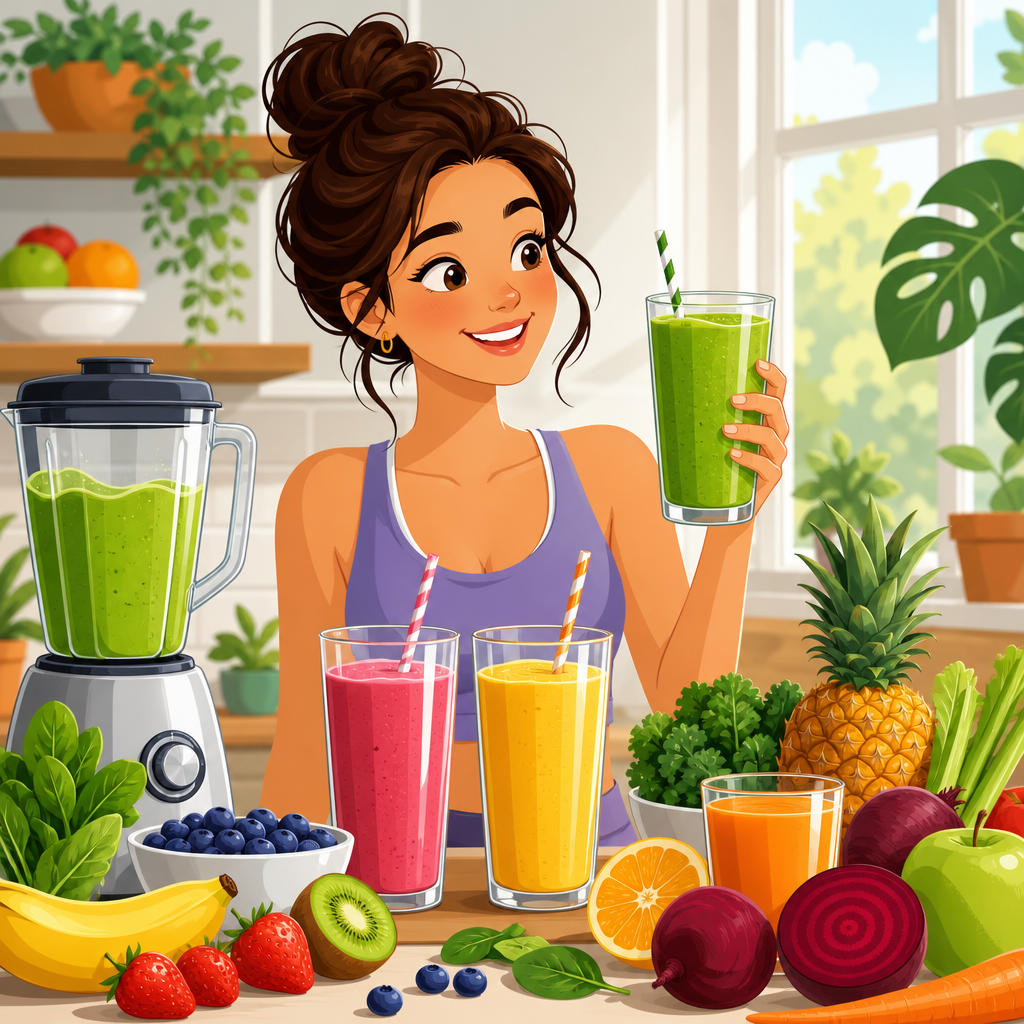
A nutrient boost means increasing the density of beneficial nutrients per eating occasion without creating unnecessary friction. Smoothies excel here because they can combine produce, protein, healthy fats, and complex carbohydrates in one container. That combination can supply vitamin C from berries or citrus, vitamin A from mango or carrots, folate from leafy greens, calcium from dairy or fortified soy milk, omega-3 fats from flax or chia, and protein from yogurt, kefir, tofu, or whey. Because blending keeps edible plant matter intact, smoothies often contribute meaningful fiber, which helps them function more like a mini meal than a sugary beverage.
Juices are effective in a different way. They deliver fluids, electrolytes, and plant compounds in a concentrated form that some people find easier to consume than a full plate of produce. Fresh orange juice provides vitamin C and folate. Beet juice supplies dietary nitrates that may support exercise performance and blood flow. Tomato juice contributes potassium and lycopene. Green juice can add vitamin K and antioxidant compounds from cucumber, celery, parsley, and leafy greens. When people have low appetite, are recovering from illness, or need quick nutrition before they can tolerate larger meals, juice can be genuinely useful.
The limitation is equally important: juice is not a nutritional replacement for whole fruit and vegetables. Because much of the insoluble fiber is removed, juice is generally less filling and may raise blood glucose faster than a smoothie or whole produce. That is why I usually recommend using juice as a supplement to meals, not as the foundation of the day. Smoothies are often better for regular use because they support satiety and make it easier to include ingredients that improve balance, such as protein powder, nut butter, plain kefir, oats, or hemp hearts.
How to build balanced smoothies and juices at home
The most reliable method is to build drinks from components rather than recipes alone. For smoothies, start with a base such as milk, fortified soy beverage, kefir, or unsweetened yogurt. Add produce, usually one to two cups total, with a mix of fruit for flavor and vegetables for nutrient density. Then include a protein source and a fat or fiber booster. This framework consistently produces better nutrition and better satiety than using fruit and liquid alone. For juices, focus on vegetables first, then use fruit in smaller amounts to improve flavor while keeping sugar moderate.
At home, I use a simple rule: every smoothie should answer three questions. Where is the produce? Where is the protein? Where is the staying power? Produce covers vitamins, minerals, and polyphenols. Protein supports fullness and muscle maintenance. Staying power comes from fiber and fat. If one of those elements is missing, the drink usually falls short. A juice follows a similar logic, except it should answer two questions instead: what nutrients is this adding, and what meal will it support? Juice works best when it has a job, such as adding hydration and micronutrients beside eggs and toast or serving as a recovery add-on after training.
| Goal | Best smoothie ingredients | Best juice ingredients | Why it works |
|---|---|---|---|
| Breakfast | Greek yogurt, berries, oats, spinach, milk | Orange and carrot | Provides carbohydrates, protein, and vitamins to start the day |
| Workout recovery | Banana, whey protein, milk, cocoa, peanut butter | Tart cherry and beet | Supports glycogen replenishment, muscle repair, and circulation |
| Immune support | Mango, kefir, orange, ginger, chia | Citrus, kiwi, and parsley | Delivers vitamin C, probiotics, and antioxidant compounds |
| Higher fiber intake | Pear, raspberries, flax, oats, spinach | Not ideal choice | Smoothies retain fiber; juices generally do not |
| Hydration | Watermelon, cucumber, mint, yogurt | Cucumber, celery, lemon | Adds fluids, potassium, and refreshing flavor |
Ingredient quality also matters. Choose unsweetened liquids when possible, frozen fruit without added sugar, plain yogurt instead of flavored versions, and vegetables that are fresh and crisp rather than limp and oxidized. If using store-bought juice, read labels carefully. “Cold-pressed” does not guarantee low sugar, high fiber, or superior nutrition. The Nutrition Facts panel and ingredient list tell the real story. Aim for products with minimal additives and portions that fit the rest of the meal.
Smart ingredient choices for common nutrition goals
Different ingredients solve different nutritional problems, so the best smoothie or juice depends on the goal. For more fiber, berries, pears, kiwi, avocado, oats, flaxseed, chia seeds, and spinach are strong choices. Raspberries are especially useful because they deliver substantial fiber relative to serving size. For protein, Greek yogurt, skyr, cottage cheese, soy milk, silken tofu, whey isolate, pea protein, and kefir all work well. If muscle recovery or appetite control is the priority, protein content should be intentional rather than incidental.
For micronutrients, color is a useful guide. Orange produce like carrots, mango, cantaloupe, and pumpkin provides carotenoids. Dark leafy greens contribute folate, vitamin K, magnesium, and lutein. Purple and blue foods such as blueberries, blackberries, and purple cabbage add anthocyanins. Citrus fruits and kiwi supply vitamin C, while bananas, coconut water, and tomatoes can help increase potassium intake. Seeds and nuts raise magnesium and healthy fat intake, although they also increase calories, which may be helpful or not depending on the person.
There are also targeted uses supported by known nutrition science. Beet juice is widely used by endurance athletes because dietary nitrate can be converted to nitric oxide, supporting blood vessel dilation and exercise efficiency. Prune juice may help with constipation because of sorbitol and related compounds, though whole prunes usually offer greater fiber benefit. Kefir-based smoothies can support people trying to improve protein intake while also adding live cultures. Ginger and peppermint may help some individuals with nausea or digestive discomfort, though tolerance varies.
One caution I regularly stress is that “natural” ingredients can still create imbalance. Dates, honey, maple syrup, agave, fruit juice concentrates, and oversized banana portions can push sugar content high very quickly. That does not make them forbidden; it means they should be used deliberately. The same goes for supplements added to drinks. Powders marketed for greens, detoxification, collagen, or fat burning are often unnecessary if the basic drink is well designed. Start with foods first, then add specialty items only when they address a specific need.
Meal planning strategies that make the habit stick
The biggest difference between people who occasionally make smoothies and people who consistently benefit from them is system design. A workable system starts with a role for each drink in the week. For example, you might use a high-protein smoothie for three weekday breakfasts, a green smoothie as an afternoon snack on work-from-home days, and a vegetable-forward juice with Sunday brunch. Assigning a purpose prevents random ingredient use and reduces waste. It also makes grocery shopping easier because you are buying for patterns, not impulses.
Batch prep is especially effective. Wash greens, slice citrus, portion frozen fruit into containers, and pre-measure seeds or oats into small bags or jars. If mornings are rushed, freeze complete smoothie packs so all that remains is adding liquid and blending. Juice is harder to store because flavor and some sensitive nutrients decline with time, but produce can still be prepped in advance. Mason jars, freezer cubes for purees, and vacuum-sealed containers help maintain texture and freshness. In my experience, ten minutes of prep on Sunday can remove five separate weekday decisions.
Cost control is another practical concern. Smoothies and juices can become expensive if every recipe depends on out-of-season berries, specialty powders, or daily café purchases. Frozen produce solves much of that problem because it is often picked at peak ripeness and can be nutritionally comparable to fresh. Bananas, oats, carrots, spinach, yogurt, and ground flaxseed are consistently budget-friendly staples. A home blender usually pays for itself quickly if it replaces several purchased drinks each week.
Equipment choices should match actual needs. A high-speed blender is excellent for fibrous greens, frozen fruit, and silky textures, but many households do well with a mid-range blender if ingredients are cut smaller and liquids are added first. Juicers vary more dramatically. Centrifugal juicers are faster and often less expensive, while masticating models typically handle leafy greens better and operate more slowly, which may reduce heat and foam. Neither machine makes someone healthier by itself. Regular use, cleaning tolerance, counter space, and ingredient costs matter more than prestige.
Common mistakes, safety issues, and when to choose whole foods instead
The most common mistake is using smoothies and juices to replace balanced meals too often. A drink can be useful, but chewing whole foods tends to increase satiety and can improve the overall eating experience. Another mistake is assuming every green drink is light in calories. Nut butters, full-fat coconut products, granola, sweetened yogurt, and large amounts of dried fruit can make a smoothie energy-dense very quickly. For some people that is helpful, such as athletes or those needing weight gain. For others it quietly undermines goals.
Food safety deserves attention, particularly with fresh juice. Unpasteurized juice can carry microbial risk, which is more concerning for pregnant people, older adults, young children, and anyone immunocompromised. Produce should be washed thoroughly, blenders and juicers cleaned promptly, and drinks refrigerated if not consumed immediately. Texture changes and separation are normal, but sour smells, gas buildup, or prolonged room-temperature storage are warning signs. If using protein powders or supplements, choose reputable brands that undergo third-party testing such as NSF Certified for Sport or Informed Choice when relevant.
There are also medical considerations. People with diabetes may need to watch carbohydrate load and pair fruit-based drinks with protein and fiber. Those taking warfarin should keep vitamin K intake from leafy greens consistent rather than wildly variable. Individuals with kidney disease may need guidance on potassium, phosphorus, or fluid limits. Citrus can interact with certain medications, especially grapefruit. These are not reasons to avoid smoothies or juices entirely, but they are reasons to personalize choices instead of copying generic recipes online.
Whole foods remain the default choice when time, appetite, and digestion allow. An apple and yogurt, a vegetable omelet, or oatmeal with berries often provides equal or better nutrition with more chewing and satiety. Smoothies and juices are best viewed as strategic tools: convenient, versatile, and effective when they fill a real gap. Used this way, they can elevate a meal plan rather than distract from it.
Incorporating more smoothies and juices for nutrient boost into your diet is less about following trendy recipes and more about building a repeatable system that supports better nutrition. Smoothies generally work best for everyday use because they retain fiber and can easily include protein, healthy fats, and complex carbohydrates. Juices have value too, especially for hydration, targeted nutrients, low appetite, or specific uses like beet juice for exercise support, but they are usually most effective beside meals rather than in place of them.
The strongest results come from simple habits: choose ingredients with a purpose, keep fruit sweetness in balance, prep components ahead of time, and match each drink to a real need such as breakfast, recovery, fiber intake, or produce variety. Pay attention to labels on bottled options, use equipment you will realistically clean, and remember that whole foods still deserve priority whenever practical. A well-made drink should make your diet more complete, not more confusing.
If you want to improve meal planning, start with one smoothie and one juice role for the week, shop for those ingredients, and repeat the routine until it becomes automatic. From there, expand into new combinations, seasonal produce, and goal-specific recipes that fit your schedule and health needs.
Frequently Asked Questions
1. What is the difference between smoothies and juices, and which one is better for a nutrient boost?
Smoothies and juices can both help you increase your intake of important nutrients, but they work differently in the body because of how they are made. Smoothies are created by blending whole ingredients such as fruit, leafy greens, vegetables, yogurt, milk, kefir, nuts, seeds, and oats. Because the entire ingredient is used, smoothies usually retain the natural fiber found in produce and other plant foods. That fiber plays a major role in helping you feel full, supporting digestive health, improving cholesterol management, and slowing the absorption of natural sugars for steadier blood sugar response.
Juices, on the other hand, are typically made by extracting the liquid from fruits and vegetables while leaving much of the pulp and fiber behind. This makes juice lighter, easier to drink quickly, and often more concentrated in certain vitamins, minerals, and plant compounds. For example, juice can be a convenient way to get a large amount of produce in a small serving, especially if you do not enjoy eating large quantities of vegetables. However, because it contains less fiber, juice is generally less filling than a smoothie and may affect blood sugar more quickly, especially if it is made primarily from fruit.
Neither option is automatically better in every situation. If your goal is to stay fuller longer, support gut health, and create a more balanced mini-meal or snack, smoothies often come out ahead. If your goal is quick hydration, easy digestion, or a simple way to add extra produce alongside a meal, juice can also be useful. In practice, many people benefit most from using both strategically: smoothies as balanced snacks or meal components, and juices as smaller nutrient-rich additions rather than meal replacements.
2. How can I add more smoothies and juices to my diet without consuming too much sugar?
The key is to build smoothies and juices around balance rather than relying heavily on sweet fruit alone. Start by treating vegetables as the base whenever possible. Spinach, kale, cucumber, celery, zucchini, cauliflower, and frozen riced cauliflower can all increase nutrient density without dramatically raising sugar content. Fruit can still absolutely be included, but using one or two servings instead of several helps keep the drink naturally sweet without making it overly sugary. Berries, green apples, kiwi, and citrus are often smart choices because they provide flavor and antioxidants while generally being lower in sugar than large amounts of mango, pineapple, or grapes.
For smoothies, adding protein and healthy fat is one of the best ways to improve nutrition and manage blood sugar response. Greek yogurt, cottage cheese, protein powder, kefir, chia seeds, flaxseeds, hemp seeds, nut butter, or soy milk can make a smoothie much more satisfying and better balanced. You can also include oats for extra fiber and staying power. A smoothie made with greens, berries, plain yogurt, chia seeds, and unsweetened milk will usually provide a steadier energy release than one made with fruit juice, flavored yogurt, and multiple sweet fruits.
For juices, portion size matters. Instead of drinking a large glass, consider a smaller serving alongside a meal that already includes protein, fiber, and healthy fat. You can also reduce sugar by emphasizing vegetables and using fruit mainly for taste. A juice with cucumber, celery, spinach, lemon, and a small apple is very different nutritionally from one made mostly with orange juice and pineapple. Also, avoid adding sweeteners such as honey, syrups, or sweetened yogurt unless there is a specific reason to do so. When made thoughtfully, smoothies and juices can absolutely fit into a nutrient-focused eating pattern without turning into sugar-heavy drinks.
3. What ingredients make a smoothie or juice more filling and nutritionally complete?
A more complete smoothie usually contains five elements: produce, protein, fiber, healthy fat, and liquid. Produce provides vitamins, minerals, antioxidants, and phytonutrients. Good options include berries, bananas, spinach, kale, beets, carrots, pumpkin, avocado, and frozen cherries. Protein is essential if you want the smoothie to function as a substantial snack or light meal. Plain Greek yogurt, skyr, kefir, silken tofu, soy milk, or a quality protein powder are all effective additions. Protein helps with fullness, muscle support, and a steadier energy curve after drinking.
Fiber is another major factor. Even though smoothies naturally contain more fiber than juices, you can boost that benefit further with chia seeds, ground flaxseed, oats, psyllium, or extra vegetables. Healthy fats such as nut butter, avocado, hemp seeds, walnuts, or unsweetened coconut can also improve satiety and help with absorption of fat-soluble vitamins like A, D, E, and K. Finally, your liquid base should support your goals rather than dilute them with excess sugar. Unsweetened dairy milk, fortified plant milk, kefir, or even plain water can work well depending on the recipe.
Juices are less likely to be filling on their own because most of the fiber is removed, so it helps to think of them as nutrient-rich additions rather than complete meals. To make juice nutritionally smarter, include a variety of vegetables such as cucumber, celery, leafy greens, carrots, beets, parsley, and ginger, then use small amounts of fruit for flavor. If you want to make a juice-based habit more satisfying, pair it with protein-rich foods like eggs, yogurt, cottage cheese, nuts, or a high-fiber breakfast. That way you still benefit from the vitamins and phytonutrients in the juice while avoiding the crash that can come from drinking juice alone.
4. Is it better to drink smoothies and juices as meals, snacks, or alongside regular food?
That depends on how the drink is built and what role you want it to play in your routine. In many cases, smoothies work best as balanced snacks or light meals because they can include protein, fiber, and healthy fats in addition to produce. A well-designed smoothie can be especially practical at breakfast, after exercise, or during busy parts of the day when preparing a full meal feels unrealistic. However, not every smoothie is automatically meal-worthy. If it is made mostly from fruit and liquid, it may be better treated as a snack because it might not provide enough protein or staying power to replace a meal effectively.
Juices are usually better used alongside meals or as smaller standalone additions rather than full meal replacements. Since most juices contain less fiber and often less protein and fat, they are not usually as satisfying on their own. Drinking juice with a meal that includes eggs, beans, yogurt, whole grains, or another protein source creates a more balanced eating pattern and can help support steadier appetite and energy. This is especially helpful for people who enjoy juice but find that it does not keep them full for long.
For many people, the most sustainable approach is to use smoothies and juices to complement regular meals rather than replace them too often. A smoothie can upgrade a rushed breakfast, and a small vegetable-forward juice can add variety and micronutrients to lunch. The goal is not to live on blended drinks, but to use them strategically to make healthy eating easier, more consistent, and more nutrient-dense over time.
5. What are the best practical tips for making smoothies and juices a consistent part of a healthy diet?
Consistency usually comes down to convenience, planning, and having a simple formula. Start by identifying one realistic time of day when a smoothie or juice would actually make your life easier. For some people that is breakfast; for others it is an afternoon snack or a post-workout option. Once you choose the time, keep ingredients on hand that fit a repeatable routine. Frozen fruit, frozen spinach, plain Greek yogurt, protein powder, oats, chia seeds, carrots, cucumbers, lemons, and celery are all useful staples because they are versatile and reduce prep work.
Batch prep can make a major difference. You can portion smoothie ingredients into freezer bags or containers so that all you need to do is add liquid and blend. For juices, wash and prep produce in advance so the process feels quick rather than inconvenient. It is also helpful to keep recipes simple. You do not need ten ingredients to make a nutrient-rich drink. A reliable smoothie can be as simple as berries, spinach, yogurt, chia, and milk. A solid juice can be cucumber, celery, lemon, ginger, and a small apple. Simplicity makes habits easier to maintain.
It is also smart to pay attention to what your body responds to best. If a smoothie leaves you hungry in an hour, increase the protein, fiber, or fat. If juice tastes great but does not satisfy you, reduce the portion and drink it with food. If digestion is a concern, start with milder ingredients and moderate portions. Most importantly, think of smoothies and juices as tools, not health shortcuts. They work best when they are part of an overall eating pattern that still includes whole fruits, vegetables, lean proteins, legumes, whole grains, and healthy fats. Used that way, they can be one of the easiest and most practical ways to boost nutrition without overcomplicating meal planning.