Quick & healthy breakfast ideas matter because breakfast is often the meal most vulnerable to time pressure, skipped nutrition, and expensive convenience choices. In my work planning weekly menus for busy families and coaching people who want practical, sustainable eating habits, breakfast is usually where routines either take hold or fall apart. A healthy breakfast is simply a morning meal that delivers useful nutrition—typically protein, fiber, healthy fats, and minimally processed carbohydrates—without demanding unrealistic prep time. Quick means different things in different kitchens, but for most people it means five to fifteen minutes, or a make-ahead option that is ready to grab and eat.
This topic matters for three reasons. First, breakfast can improve diet quality across the day by reducing the midmorning crash that leads to vending-machine choices or oversized lunches. Second, the right breakfast supports stable energy, concentration, and satiety. Third, having a reliable set of quick breakfast ideas lowers decision fatigue, which is one of the most overlooked barriers to healthy eating. A strong breakfast system is not about perfect recipes; it is about repeatable options that match your schedule, budget, and appetite.
Understanding quick & healthy breakfast ideas starts with a few key terms. Protein helps preserve lean mass and supports fullness; common breakfast sources include eggs, Greek yogurt, cottage cheese, tofu, milk, and protein-rich grains or legumes. Fiber slows digestion and supports gut health; oats, berries, whole-grain bread, chia seeds, and beans are reliable examples. Healthy fats from nuts, seeds, avocado, and olive oil can make a light breakfast more satisfying. Portion balance matters too. A breakfast built entirely around refined carbohydrates—like a pastry and sweetened coffee—often digests quickly and leaves hunger behind. By contrast, pairing carbohydrates with protein and fiber creates better staying power.
People also ask whether breakfast must be eaten immediately after waking up. The practical answer is no. The best timing is the one you can follow consistently while still meeting your overall nutrition needs. Some people do well with an early meal; others prefer a later breakfast after commuting or exercise. What matters most is not adherence to a clock but having deliberate choices available. That is why this guide serves as a hub: it explains the principles behind fast, nutritious breakfasts and points you toward patterns you can repeat with small variations all week.
What Makes a Breakfast Quick, Healthy, and Sustainable?
A breakfast is quick when it fits into real life, not an idealized weekend routine. In practice, that means one of three formats: assembly meals such as yogurt bowls or toast with toppings, fast-cook meals such as scrambled eggs or oatmeal, and make-ahead meals such as overnight oats or egg muffins. The healthiest options usually combine at least two food groups and avoid relying on added sugar as the primary energy source.
When I evaluate breakfast options, I use a simple standard: include about 15 to 30 grams of protein, a meaningful source of fiber, and enough volume to prevent grazing an hour later. That standard aligns with common sports nutrition and dietetics guidance on satiety and blood sugar stability, though exact needs vary by age, body size, and activity level. For example, a bowl of plain Greek yogurt with berries, walnuts, and oats is often more sustaining than a breakfast bar because it provides protein, fat, fiber, and less added sugar.
Sustainability also depends on cost and taste. A breakfast you dislike will not become a habit, and a breakfast that strains your budget will disappear by next month. The most effective quick & healthy breakfast ideas use ordinary groceries, repeat ingredients across multiple meals, and leave room for convenience products where they genuinely help. Frozen fruit, prewashed greens, microwavable oatmeal cups with simple ingredients, and hard-boiled eggs are useful tools, not shortcuts to feel guilty about.
The Core Building Blocks of Better Breakfasts
If you want consistently good breakfasts, think in components rather than recipes. The first component is protein. Eggs are obvious, but they are not the only answer. Greek yogurt can provide around 15 to 20 grams per serving, cottage cheese often offers similar amounts, and tofu works well in scrambles or breakfast wraps. Smoked salmon, turkey sausage with sensible sodium levels, milk, kefir, and nut butters can also contribute, though some are better as secondary sources than as the only protein.
The second component is a high-quality carbohydrate. Oats, whole-grain bread, fruit, sweet potatoes, and high-fiber cereals give fast energy without the sharp spike-and-drop pattern common with sugary pastries. The third component is produce. Berries, bananas, spinach, tomatoes, mushrooms, and leftover roasted vegetables are all breakfast-friendly. Produce adds fiber, potassium, vitamin C, folate, and volume, making the meal more filling for relatively few calories.
The fourth component is fat for satiety and flavor. Peanut butter on toast, pumpkin seeds on oatmeal, avocado with eggs, or chopped almonds in yogurt can transform a meal from adequate to satisfying. Finally, seasoning matters. Cinnamon, everything bagel seasoning, salsa, lemon, fresh herbs, and a good olive oil drizzle help prevent breakfast boredom, which is a real reason healthy habits fail.
| Breakfast format | Typical prep time | Best ingredients | Why it works |
|---|---|---|---|
| Yogurt bowl | 5 minutes | Greek yogurt, berries, oats, nuts | High protein, no cooking, easy portion control |
| Egg wrap | 10 minutes | Eggs, whole-grain tortilla, spinach, salsa | Portable, savory, balanced macronutrients |
| Overnight oats | 5 minutes night before | Oats, milk, chia, fruit | Make-ahead convenience with strong fiber content |
| Smoothie | 7 minutes | Milk or yogurt, fruit, spinach, nut butter | Good for low appetite mornings |
| Toast combo | 6 minutes | Whole-grain bread, avocado, egg or cottage cheese | Flexible and built from pantry staples |
Best Quick Breakfast Categories for Different Mornings
Not every morning needs the same kind of breakfast. On rushed weekdays, assembly meals are usually the most dependable. Greek yogurt bowls, cottage cheese with pineapple and walnuts, or whole-grain toast with peanut butter and banana can be made in minutes and eaten at home or packed for work. These are especially useful for people who do not want to cook before coffee.
For mornings when you need portability, wraps, breakfast sandwiches, and muffin-tin egg bites are practical. A whole-grain English muffin with egg, spinach, and cheese is faster than a drive-thru stop and usually lower in saturated fat and sodium if made at home. When I prep breakfast sandwiches for the freezer, I wrap each one individually and reheat from frozen; this keeps weekday decisions simple.
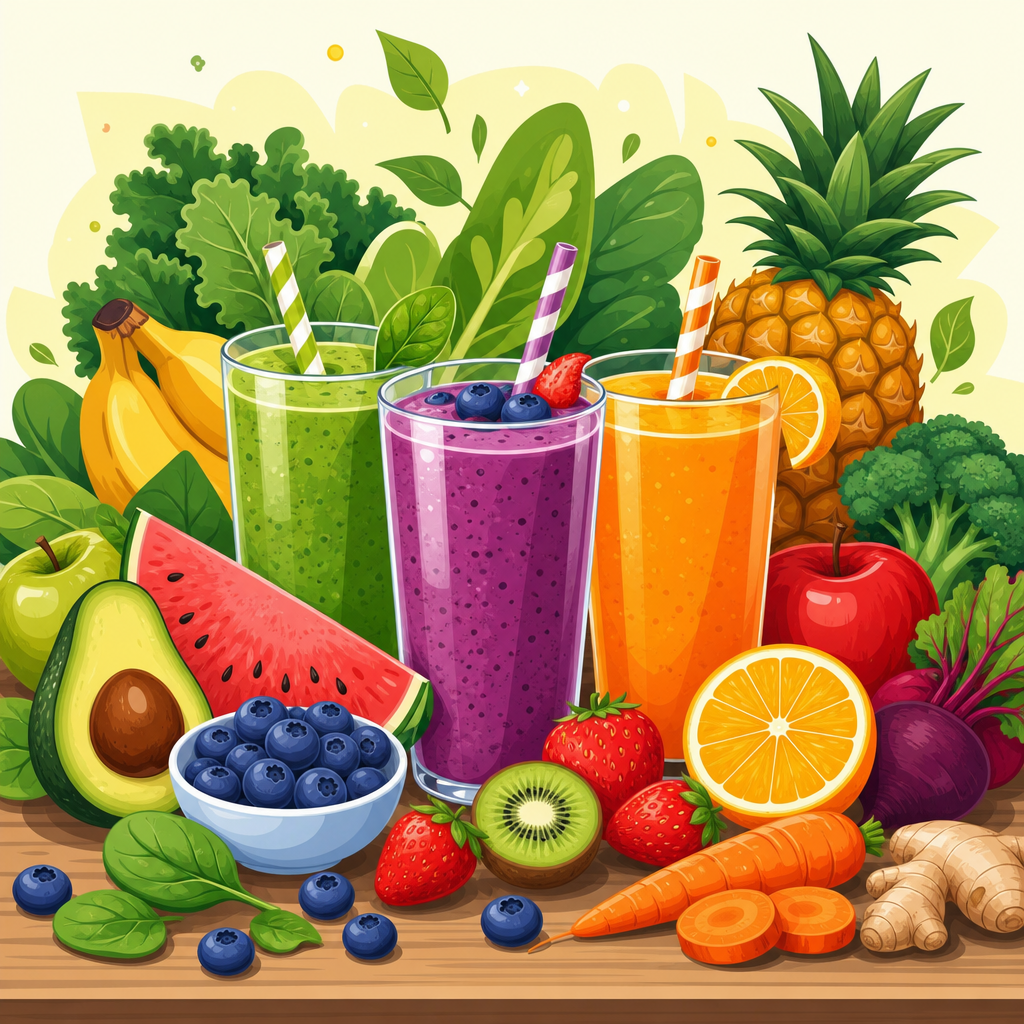
Smoothies are ideal when appetite is low or time is tight, but they need structure. A smoothie built from only fruit juice and banana can leave you hungry quickly. A better template is liquid plus protein plus fruit plus fiber: milk or kefir, Greek yogurt or protein powder, frozen berries, and chia or oats. Add spinach if you like, but do not force greens at the expense of taste. The goal is a breakfast you will actually finish.
Warm breakfasts suit colder weather and people who prefer savory meals. Oatmeal with chia seeds, apples, and almond butter is filling and inexpensive. Scrambled eggs with black beans and salsa can be on the table in ten minutes. Leftover grain bowls can even become breakfast with a fried egg on top. One of the best lessons in meal planning is that breakfast foods do not have to be traditional. The meal only needs to be nourishing, fast, and realistic.
Make-Ahead Breakfast Ideas That Save the Week
Make-ahead breakfasts consistently outperform good intentions. If you know weekday mornings are chaotic, the smart move is to shift prep to a calmer time. Overnight oats are the classic example because they scale easily, use affordable ingredients, and adapt to many preferences. Mix rolled oats, milk, chia seeds, and yogurt in jars, then vary the flavor with blueberries, cocoa powder, grated apple, or peanut butter. They hold well for several days and require no morning effort beyond grabbing a spoon.
Egg muffins are another strong option, especially for savory eaters. Whisk eggs, add chopped vegetables and a little cheese, then bake in a muffin tin. The result reheats quickly and pairs well with fruit or toast. Baked oatmeal works for households because one pan can cover several breakfasts. Chia pudding, breakfast burritos, and freezer waffles made from oats or whole-grain flour also belong in a serious breakfast rotation.
Batch prep does not need to be elaborate. Washing berries, portioning nuts, boiling eggs, slicing melon, and making a jar of overnight oats can take less than thirty minutes total. In homes where breakfast regularly gets skipped, that small investment changes behavior more than any new recipe ever will. The important part is designing a system around friction. If the healthy choice takes one step and the less healthy choice takes three, the routine usually improves on its own.
How to Match Breakfast to Your Goals, Budget, and Household
The best quick & healthy breakfast ideas are personal. Someone training for endurance exercise may need a larger carbohydrate portion than someone working at a desk all morning. A teenager may need more calories than a parent trying to avoid heavy meals before a commute. Budget matters too. Greek yogurt cups are convenient but often cost more per serving than a large tub. Single-serve oatmeal packets can help with portioning, but bulk oats are far cheaper.
For weight management, focus on protein and fiber first. Meals like vegetable omelets, cottage cheese bowls, or oatmeal with nuts and berries tend to provide more satiety than pastries or sweetened cereal. For muscle gain or high activity, pair protein with more substantial carbohydrates such as toast, fruit, potatoes, or granola with moderate sugar. For families with children, build a menu of customizable basics: toast station, yogurt bar, smoothie packs, and egg cups. Children often respond better to participation than persuasion.
Dietary restrictions are manageable with planning. Dairy-free breakfasts can use soy yogurt, fortified plant milks, tofu scrambles, and nut or seed butters. Gluten-free options include certified gluten-free oats, egg-based breakfasts, corn tortillas, and rice-based bowls. Lower-sodium households may prefer homemade egg bites to packaged breakfast sandwiches. The point is not to chase a universal perfect breakfast. It is to create a repeatable shortlist that fits your nutrition needs and your actual mornings.
Common Breakfast Mistakes and How to Fix Them
The most common mistake is overestimating how much morning cooking you are willing to do. People pin complicated breakfast ideas, buy ingredients, then default to skipping the meal. Fix this by choosing mostly five-minute breakfasts and keeping one or two make-ahead backups in the refrigerator or freezer. A second mistake is eating too little protein. Toast alone or fruit alone may be pleasant, but many people are hungry again within an hour. Add eggs, yogurt, cottage cheese, tofu, or nut butter to anchor the meal.
A third mistake is assuming “healthy” means low calorie, low fat, or bland. In reality, an underpowered breakfast often leads to overeating later. A fourth mistake is drinking breakfast without enough substance. Coffee drinks and thin smoothies can become sugar delivery systems if they lack protein and fiber. Build beverages with intention. Finally, many people do not shop for breakfast strategically. If your plan requires fresh berries, avocados, eggs, and spinach every week, think about shelf life. Frozen fruit, nut butter, oats, and whole-grain bread provide much more resilience.
Another fix I recommend is using breakfast templates instead of fixed recipes. Try “protein plus fruit plus whole grain” or “eggs plus vegetables plus toast.” Templates make substitutions easy when groceries change or schedules tighten. They also simplify meal planning, which is why breakfast routines become the backbone of broader healthy eating.
Quick & healthy breakfast ideas are not about culinary ambition; they are about building a dependable system that supports energy, appetite control, and better food choices through the day. The most effective breakfasts share the same traits: they are fast to prepare, balanced in protein and fiber, satisfying enough to prevent constant snacking, and flexible enough to repeat without getting boring. Whether you prefer yogurt bowls, overnight oats, egg wraps, smoothies, toast combinations, or make-ahead burritos, the winning approach is the one you can sustain on an ordinary Tuesday.
As a hub within recipes and meal planning, this guide gives you the framework for choosing breakfasts by format, goal, and schedule. Start with the building blocks: protein, high-quality carbohydrates, produce, and healthy fats. Keep ingredients that work across multiple meals, prep ahead when mornings are busy, and use simple templates so you can adapt without starting over. Small operational decisions—like stocking oats, boiling eggs, freezing smoothie packs, or buying a large tub of yogurt instead of single cups—often matter more than any one recipe.
If your current breakfast routine feels inconsistent, do not try to overhaul everything at once. Pick three quick & healthy breakfast ideas you genuinely enjoy, buy the ingredients this week, and repeat them until the habit becomes automatic. That is how lasting meal planning works: simple options, prepared in advance, used consistently. Once breakfast is easy, the rest of healthy eating usually gets easier too.
Frequently Asked Questions
What makes a breakfast both quick and healthy?
A quick and healthy breakfast does not have to be elaborate to be effective. In practical terms, it is a meal you can prepare in just a few minutes while still getting meaningful nutrition that supports energy, focus, and fullness. The most reliable formula is to include protein, fiber, healthy fats, and a minimally processed carbohydrate source. Protein helps with satiety and muscle maintenance, fiber supports digestion and steadier blood sugar, healthy fats add staying power, and quality carbohydrates provide accessible morning energy.
For example, Greek yogurt with berries and oats, eggs with whole grain toast and fruit, or a smoothie made with milk, nut butter, frozen fruit, and chia seeds all fit this definition. What matters most is balance, not perfection. A healthy breakfast should be realistic enough to repeat consistently. If it takes too long, uses too many ingredients, or depends on a level of motivation you rarely have on busy mornings, it is unlikely to become part of your routine. The best breakfast is one that combines nutrition with convenience in a way that fits your actual life.
Why is breakfast often the hardest meal to get right during busy weeks?
Breakfast is uniquely vulnerable to time pressure because it happens during a transition period when people are getting dressed, preparing children for school, commuting, answering messages, or mentally shifting into the workday. Unlike dinner, which often gets more planning attention, breakfast is frequently expected to come together automatically. When there is no plan, people tend to skip it entirely, grab something overly processed, or spend more money than intended on convenience foods that may not keep them full for long.
Another reason breakfast can be difficult is decision fatigue. In the morning, even small choices can feel like obstacles when time and energy are limited. That is why successful breakfast routines usually depend on reducing friction. Keeping staple ingredients on hand, repeating a few dependable meal options, and preparing part of the meal ahead of time can make a major difference. In menu planning for busy families, breakfast is often the first place where consistent habits create momentum for the rest of the day. When breakfast is simple, nourishing, and predictable, healthy eating tends to feel far more sustainable overall.
What are some of the best quick and healthy breakfast ideas for busy mornings?
The best options are meals that require minimal morning effort while still offering balanced nutrition. Overnight oats are a strong choice because they can be prepared in advance and customized with ingredients such as milk, Greek yogurt, chia seeds, fruit, and nuts. Egg-based options also work well, including hard-boiled eggs, egg muffins, or scrambled eggs paired with whole grain toast and sliced fruit. Smoothies are another excellent solution, especially when built with protein and fiber rather than just fruit. A balanced smoothie might include yogurt or protein-rich milk, spinach, frozen berries, nut butter, and oats or seeds.
Other dependable ideas include cottage cheese with fruit and walnuts, whole grain toast topped with avocado and eggs, peanut butter and banana on whole grain bread, or a breakfast bowl with yogurt, granola, and berries. For families, batch-prepared items such as baked oatmeal, breakfast burritos, or freezer-friendly sandwiches can save time while making mornings less chaotic. The key is to match the breakfast to your schedule. If you only have three minutes, choose something portable and ready to eat. If you have ten minutes, you may be able to prepare eggs or toast. Fast breakfasts work best when the ingredients are already available, the preparation is familiar, and the meal provides enough substance to carry you into the next part of the day.
How can I make healthy breakfasts more filling so I am not hungry again in an hour?
If a breakfast leaves you hungry too quickly, the issue is often a lack of protein, fiber, or fat. Many common breakfast foods are heavily centered on refined carbohydrates, which can provide quick energy but may not offer enough staying power on their own. To make breakfast more satisfying, build it around a protein source such as eggs, Greek yogurt, cottage cheese, tofu, milk, or nut butter. Then add fiber from fruit, oats, whole grain bread, seeds, or vegetables. Including healthy fat from avocado, nuts, seeds, or nut butter can also help slow digestion and improve fullness.
For instance, plain toast may not keep you full, but toast with peanut butter and banana is much more substantial. A bowl of cereal alone may wear off quickly, but cereal paired with high-protein milk, berries, and a boiled egg can be far more effective. Portion size matters too. Sometimes a breakfast is technically healthy but simply too small for your energy needs. If you are active, have a long gap before lunch, or tend to get hungry mid-morning, a more robust breakfast may be appropriate. Paying attention to how long a meal keeps you satisfied is one of the most useful ways to refine your routine over time.
How can I build a sustainable breakfast routine without getting bored or overwhelmed?
The most sustainable breakfast routine is usually based on repetition with enough variety to keep it enjoyable. Instead of trying to come up with a different breakfast every day, it is often more effective to choose three to five reliable options and rotate them through the week. This reduces decision-making, simplifies grocery shopping, and makes healthy eating feel more automatic. For example, you might alternate between overnight oats, eggs and toast, smoothies, yogurt bowls, and a make-ahead baked oatmeal. That structure creates consistency without feeling restrictive.
It also helps to think in categories rather than recipes. If you know your go-to categories are toast-based breakfasts, egg-based meals, yogurt bowls, and smoothies, you can vary flavors and toppings without changing the entire system. Preparation habits are equally important. Washing fruit ahead of time, portioning smoothie ingredients into freezer bags, boiling eggs in batches, or preparing oats the night before can dramatically lower the barrier to following through. A sustainable routine should fit your mornings, your budget, and your appetite. It does not need to look perfect on social media to be effective. When breakfast is easy to repeat, nutritionally balanced, and flexible enough to adapt to real life, it becomes a habit that supports long-term health rather than another short-lived plan.